Black Velvet Distillery

Black Velvet Distillery in Lethbridge, Alberta holds a Pearl 3 Star Prestige award for 2025, placing it among a select tier of Canadian craft spirits producers recognized for consistent quality. Located on the northern edge of Lethbridge, it operates within a southern Alberta grain belt that gives the region a distinct identity in domestic distilling. For anyone tracing serious Canadian whisky outside the major urban centres, this is a considered stop.
Pearl is the En Primeur Club membership app — saves, bookings, and concierge access live there. Same editors, same standards.
- Address
- 2925 9 Ave N, Lethbridge, AB T1H 5E3
- Phone
- (403) 317-2100
- Website
- blackvelvetwhisky.com
 Saves & bookings on Pearl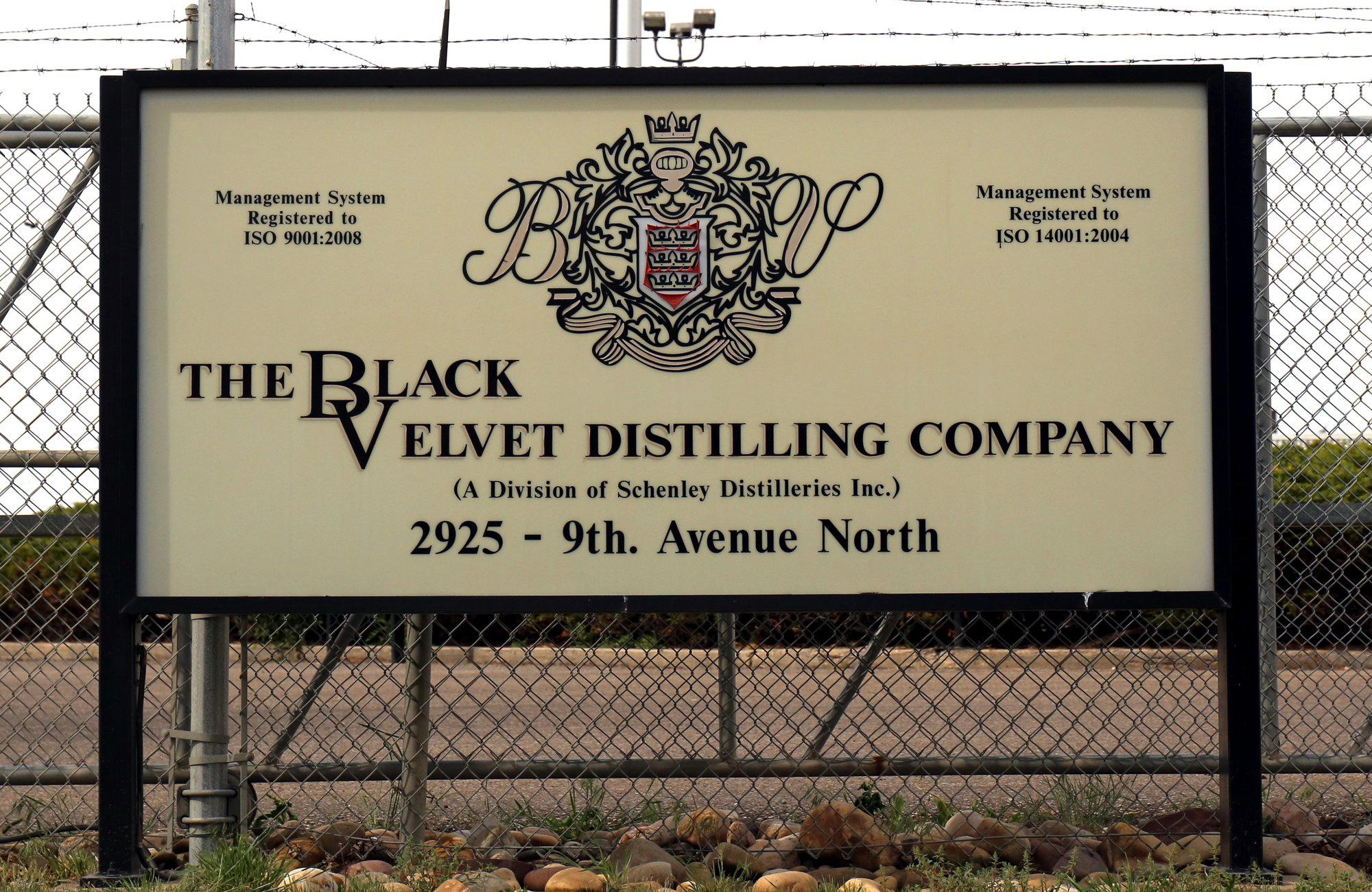
Southern Alberta's Grain Belt and What It Means for Distilling
The southern Alberta plains around Lethbridge are among the most productive cereal-grain farming corridors in Canada. The Chinook winds that roll down from the Rockies create sharp temperature swings, dry summers, and a short but intense growing season. That agricultural backdrop is not incidental to what happens at a distillery operating in this geography: the raw materials are local, the climate shapes the character of the grain, and the terroir argument for prairie spirits is, in this part of the country, genuinely coherent. Black Velvet Distillery sits at 2925 9 Ave N on the northern edge of Lethbridge.
Canadian whisky has historically been understood as a blended, column-still category, smooth and approachable by design. The more recent conversation, particularly among producers outside Ontario and British Columbia, has been about whether prairie grain and prairie climate can support a more place-specific identity. Lethbridge sits roughly 100 kilometres north of the Montana border, at an elevation that shapes both harvest timing and storage conditions. These are not trivial factors in distillate character, and they situate Black Velvet within a broader national question about what Canadian terroir actually tastes like.
Pearl 3 Star Prestige: What the 2025 Recognition Signals
In 2025, Black Velvet Distillery received a Pearl 3 Star Prestige award. Pearl 3 Star Prestige is not an entry-level designation. It reflects formal recognition of the distillery's quality. That distinction matters in the Canadian spirits context, where the difference between volume producers and craft-focused operations has sharpened considerably over the past decade.
The Case for Prairie Provenance
The terroir argument in spirits is more contested than in wine, because distillation transforms raw material character in ways that complicate direct soil-to-glass narratives. But grain origin, water source, and aging conditions remain variables that producers and assessors take seriously, and in Lethbridge those variables stack in an interesting direction. The region's semi-arid climate means lower humidity during barrel aging, which affects extraction rates and evaporation losses differently than, say, the maritime conditions at Shelter Point Distillery in Oyster River on Vancouver Island. The Chinook effect, with its rapid temperature shifts, can accelerate the wood interaction cycle in ways that distinguish prairie-aged spirit from its coastal or eastern Canadian counterparts.
This is the broader editorial point that Black Velvet's location makes available: southern Alberta is an underexplored chapter in the story of Canadian whisky geography. While attention has concentrated on Ontario producers and British Columbia craft operations, the Alberta prairies offer conditions that are climatically distinct and agriculturally well-resourced. A Pearl 3 Star Prestige in 2025 is, among other things, formal evidence that something worth paying attention to is happening in this part of the country.
Lethbridge in Context: A City Worth the Detour
Lethbridge is the third-largest city in Alberta and functions as the commercial and cultural hub for a wide stretch of southern Alberta and northern Montana borderlands. It is not a food and drinks destination in the way that Calgary or Edmonton are, which means individual producers carry more weight in defining what a visit to the city offers. Black Velvet's presence on the drinks map here is meaningful precisely because the field is less crowded. For anyone working through our full Lethbridge restaurants guide, the distillery adds a spirits-focused dimension to what is otherwise a city better known for its coulees, university, and agricultural economy than for its hospitality profile.
The address at 2925 9 Ave N puts it in the city's north end, accessible by car and without the downtown foot-traffic assumptions that shape urban tasting room economics. Visitors arriving from Calgary are looking at roughly two hours on Highway 2 south, with the Lethbridge approach coming through open prairie. Coming from the US border at Coutts, it is a shorter drive north. Neither approach is complicated, and the geography of the journey itself reinforces the plains-and-grain context that makes the distillery's location legible.
Canadian Craft Spirits in a Broader Frame
The 2025 award cycle reflects a Canadian spirits scene that has matured considerably. Operations like Sullivan's Cove in Cambridge have demonstrated that southern hemisphere craft distilling can compete internationally. In North America, Crowded Barrel Whiskey Co. in Austin represents the more experimental, grain-forward American end of the craft conversation. Within Canada, the range now spans from large heritage producers to small-batch operations earning formal recognition for the first time.
Black Velvet operates in that middle register where production scale and quality ambition intersect. A Pearl 3 Star Prestige does not describe a hobby operation or a lifestyle brand. It describes a producer that has cleared formal quality thresholds and positioned itself within a competitive comparable set. That placement, in a city of Lethbridge's size and at this point in Canadian spirits history, carries editorial weight that a Calgary or Vancouver address would dilute simply by existing in a denser competitive field.
For reference on how premium recognition plays across different spirits and wine categories and geographies, it is worth tracking operations like Mission Hill Family Estate in West Kelowna, Inniskillin in Niagara Falls, Aberlour in Aberlour, Accendo Cellars in St. Helena, and Achaia Clauss in Patras. Each sits in a distinct terroir and production tradition, and each illustrates the principle that formal recognition at a high tier means something specific about the producer's position within its category. The same logic applies to Black Velvet's 2025 award within the Canadian prairie spirits context. Additional perspective on southern hemisphere craft production comes from Shadowfax Wines in Victoria and Naked Mountain Winery and Vineyard in Markham, both of which demonstrate how regional provenance shapes premium positioning in competitive markets.
Planning a Visit
Current booking details, hours, and tasting room format for Black Velvet Distillery are best confirmed directly before visiting. The distillery is located at 2925 9 Ave N, Lethbridge, Alberta, and sits within a city that warrants a half-day to full-day itinerary when combined with other stops from the Lethbridge guide. Given the Pearl 3 Star Prestige recognition, it is worth treating as a primary destination.
Comparable Spots, Quickly
Comparable venues nearby, for context on price, style, and recognition.
| Venue | Cuisine | Price | Notes |
|---|---|---|---|
| Black Velvet DistilleryThis venue — the venue you are viewing | rye, corn | $ | |
| Tito’s Handmade Vodka (Distillery) | Winery | , | Austin |
| Revolution Spirits | Winery | , | Austin |
| Shadowfax Wines | Winery | , | Victoria |
| Naked Mountain Winery & Vineyard | Winery | , | Markham |
| Alberta Distillers | rye | $$ | Alyth/Bonnybrook |
At a Glance
Industrial production facility with a focus on smooth, velvety whisky production.