Château Haut-Marbuzet


The estate is known for generous, oak-influenced reds that occupy a distinct position within the appellation's character. Visitors seeking structured Médoc wines at a level below the classified growths will find this address among the more consistent in the commune.
Pearl is the En Primeur Club membership app — saves, bookings, and concierge access live there. Same editors, same standards.
- Address
- Société H. Duboscq & Fils, 7 Rue Mac Carthy, 33180 Saint-Estèphe
- Phone
- +33 5 56 59 30 54
- Website
- larobefendue.com
- Directions
- Get directions
 Saves & bookings on Pearl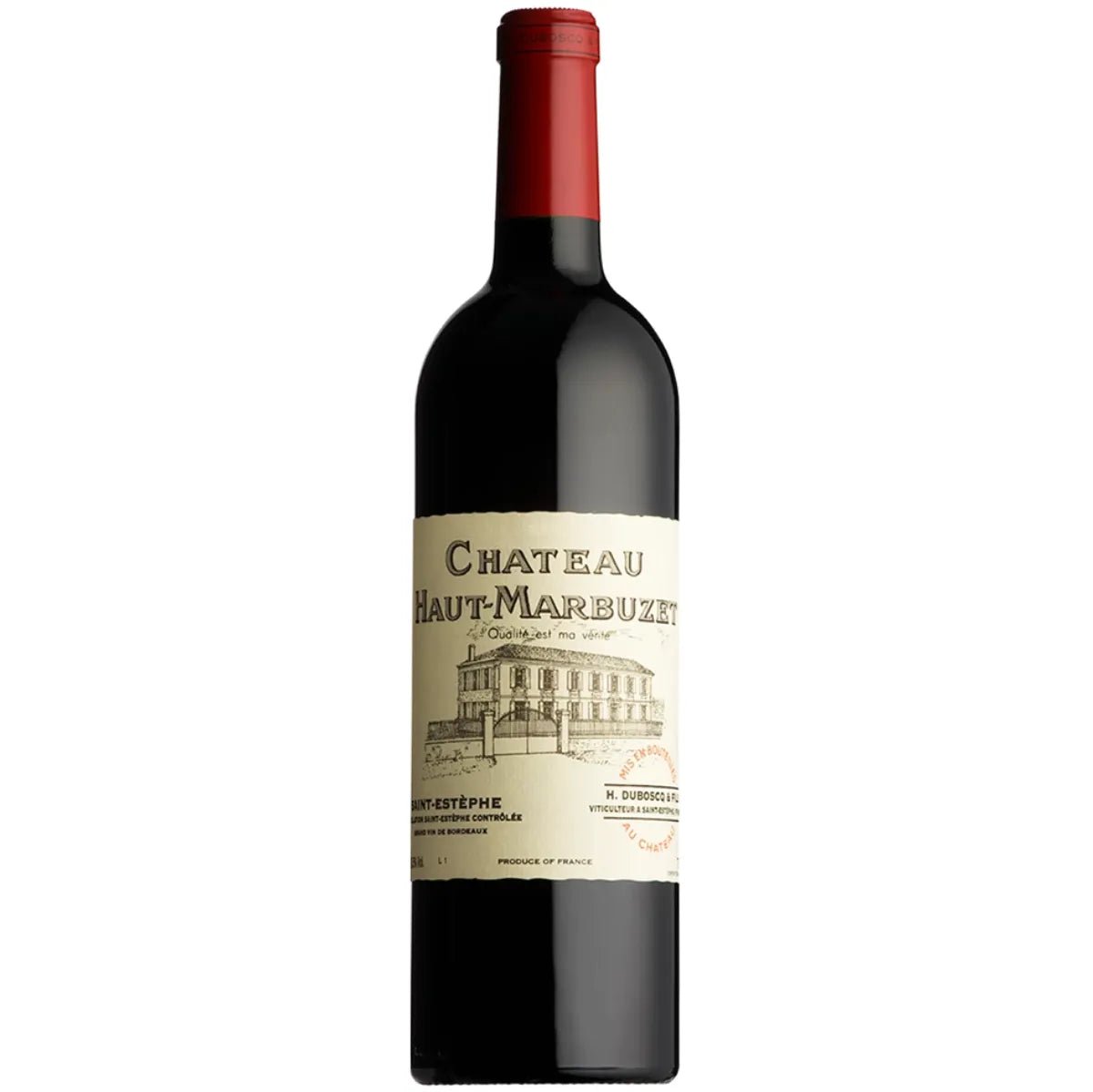
Saint-Estèphe and the Space Below the Classified Growths
The northern Médoc appellation of Saint-Estèphe operates on a different register from its neighbours Pauillac and Saint-Julien. The clay-heavy soils produce Cabernet Sauvignon with firmer tannin architecture and a cooler, less immediately seductive profile. Yet that same structure rewards patience, and a tier of producers just below the classified growths has built a durable reputation for delivering that payoff at accessible price points.
Understanding Haut-Marbuzet means understanding what makes Saint-Estèphe structurally different. The appellation's five classified estates, Château Calon Ségur, Château Cos d'Estournel, Château Montrose, Château Lafon-Rochet, and Château Phélan Ségur, command allocation lists and secondary-market attention that place them beyond easy access for most buyers. What remains is a productive middle ground where estates like Haut-Marbuzet operate: serious enough in ambition and execution to warrant cellar space, positioned outside the speculation that inflates classified-growth pricing.
The Oak Question: Haut-Marbuzet's Defining Stylistic Choice
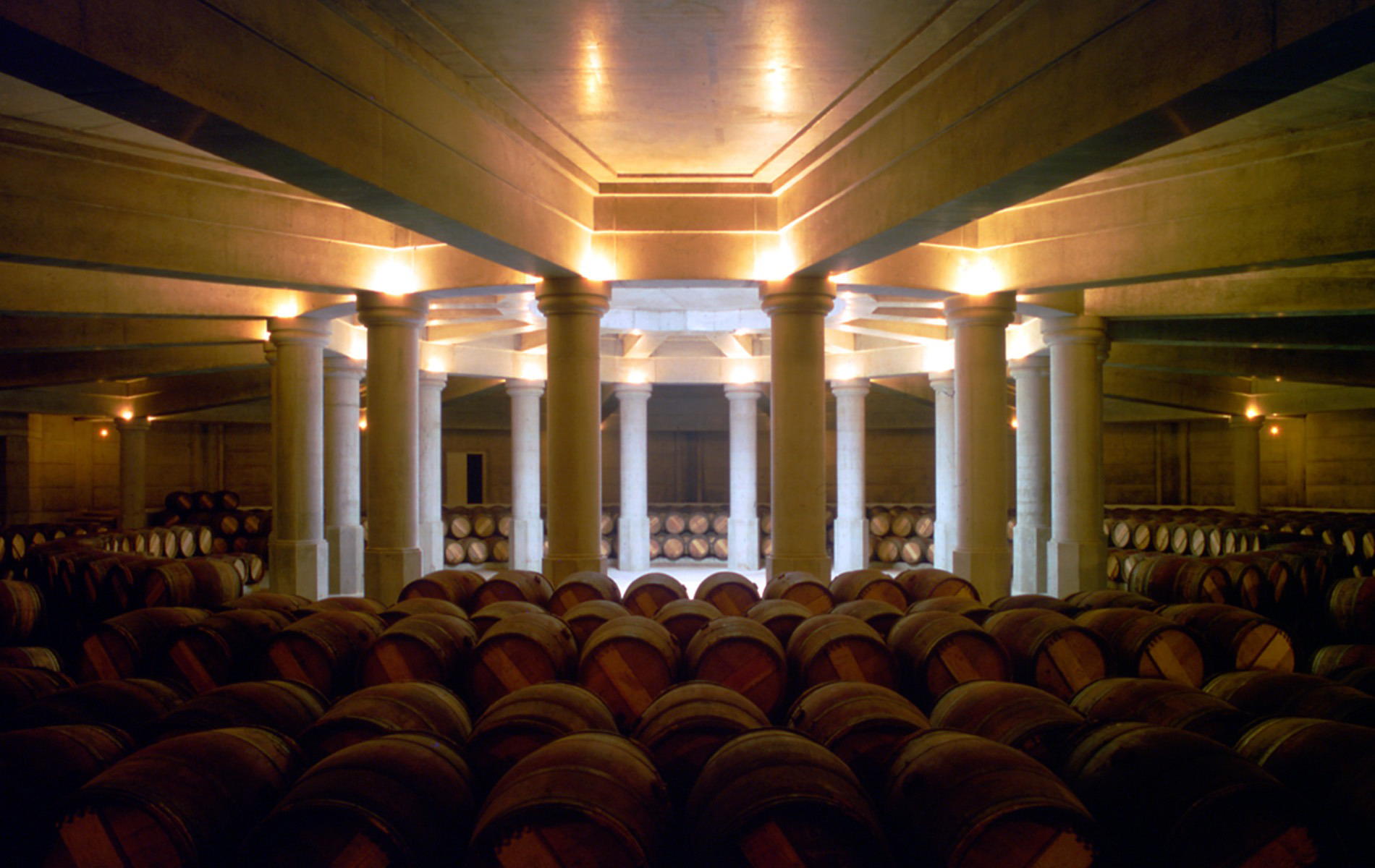
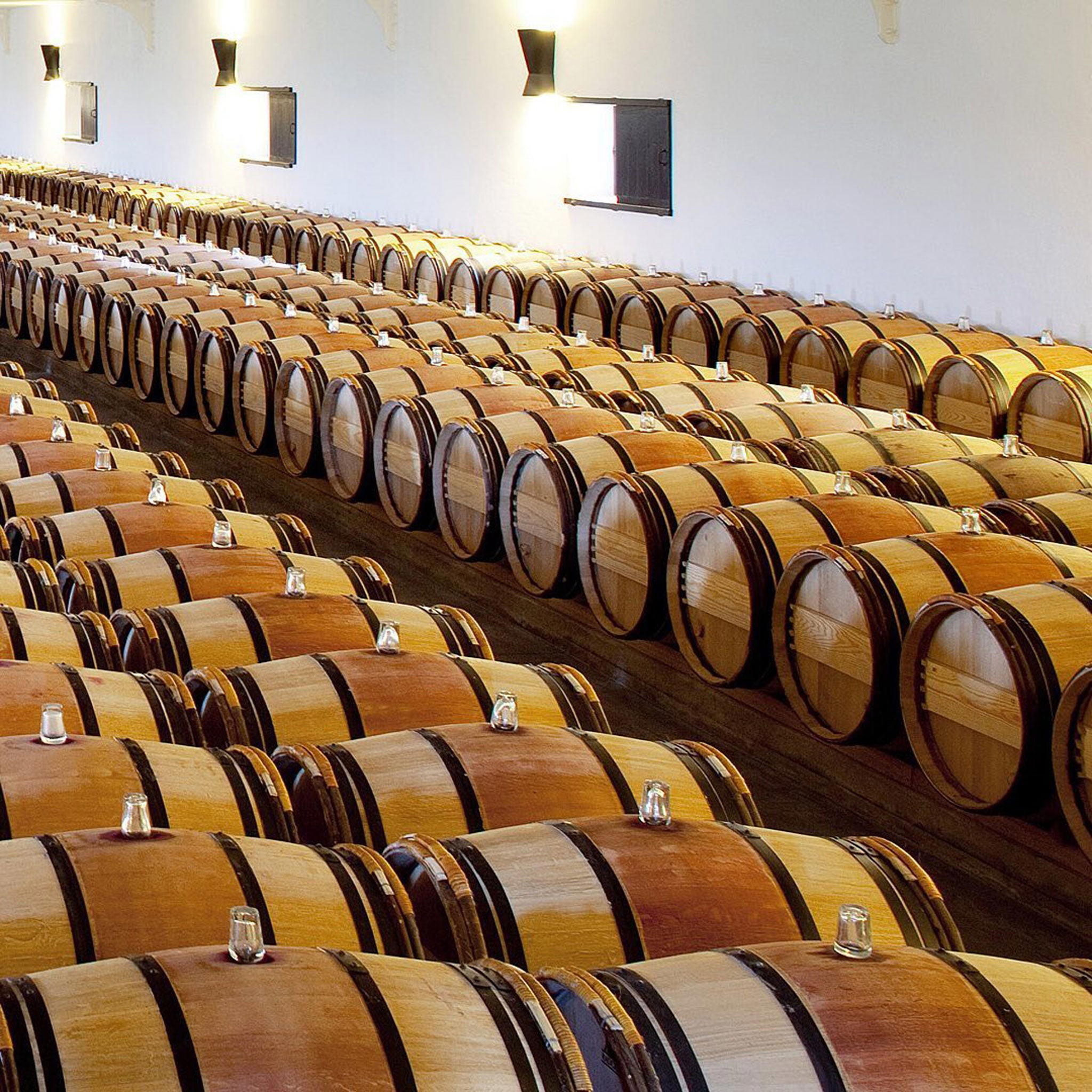
For decades, the production philosophy at Haut-Marbuzet has revolved around an unusually high proportion of new oak in maturation. In a region where 50 to 60 percent new oak is common at the upper levels, Haut-Marbuzet has historically pushed toward 100 percent across its range, including on wines not necessarily built to absorb that level of wood influence. This is not an accidental outcome or a cost-saving measure reversed: it is a deliberate expression of a house style that values richness, texture, and aromatic generosity over the leaner, more mineral-driven profile some traditionalists associate with Saint-Estèphe.
That approach divides opinion, which is partly the point. Critics who prize the cooler, more austere expression of northern Médoc Cabernet find the Haut-Marbuzet style overly manipulated. Those who prefer their Bordeaux to deliver sensory accessibility earlier in its development tend to find it compelling. Neither position is wrong. What matters for the buyer is understanding that the wine is not attempting to replicate the more restrained house styles of, for instance, Château Batailley in Pauillac or Château Branaire Ducru in Saint-Julien, both of which operate with more measured wood regimes. Haut-Marbuzet has staked a position and held it.
The analogy of commitment to a singular production philosophy is not distinctive to Bordeaux. In Alsace, Albert Boxler in Niedermorschwihr maintains an equally distinctive and polarising low-intervention approach. In Napa, Accendo Cellars in St. Helena occupies an allocation-driven premium tier with a clear house signature. Commitment to a stylistic identity, even a contentious one, tends to produce more legible wines than hedging across multiple approaches.
For Saint-Estèphe producers operating outside the 1855 classified framework, this kind of independent assessment carries significant practical weight: it gives buyers a calibration point when the appellation's hierarchy provides none. The estate's Cru Bourgeois Exceptionnel status in the 2020 official Médoc classification is the formal counterpart, a recognition that its consistency and quality place it at the summit of the unclassified producers in the Médoc.
Contextualising that position against peers matters. In Saint-Estèphe, the Cru Bourgeois Exceptionnel tier is thin. The appellation has historically been better served by its classified growths, and the number of estates at the Exceptionnel level within the commune is smaller than in, say, Listrac or Moulis. This relative scarcity gives Haut-Marbuzet a clearer profile: it is not one of a dozen similarly-positioned estates, but one of a handful. Buyers who have explored Château Bélair-Monange in Saint-Emilion or Château Bastor-Lamontagne in Preignac at their respective appellation levels will understand this dynamic: position within a classification tier carries meaning precisely because the tier has limited membership.
Placing the Visit in Context
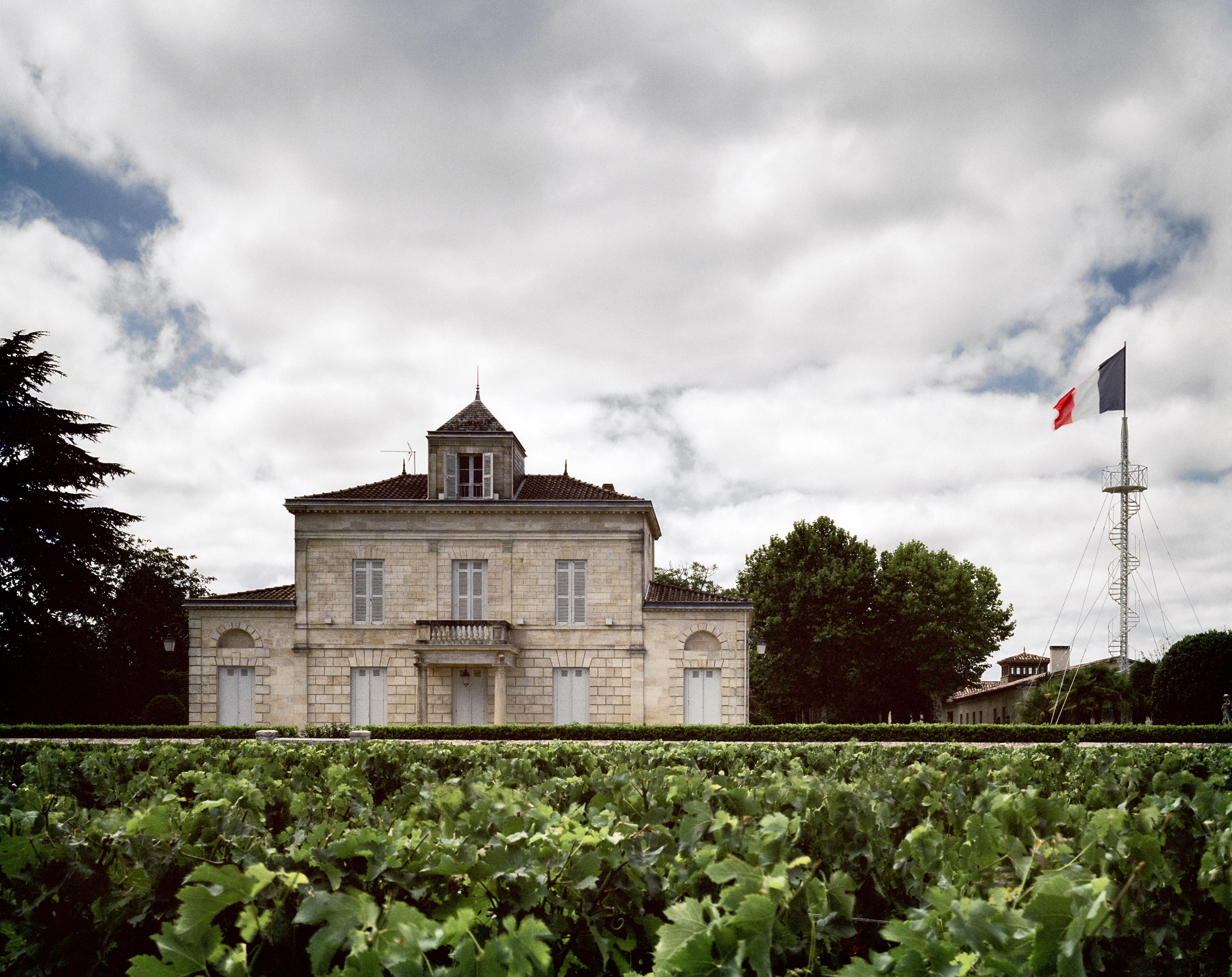
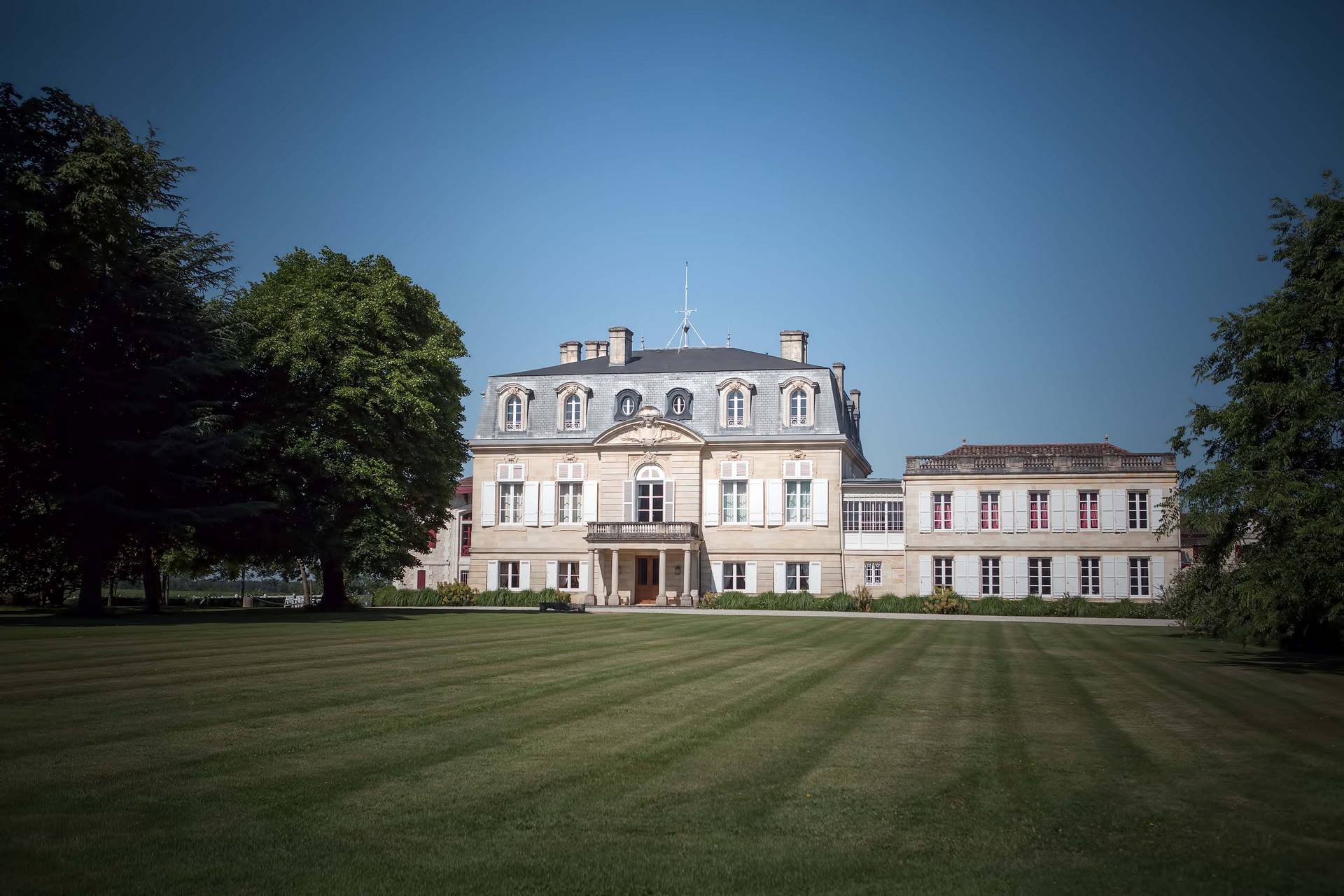
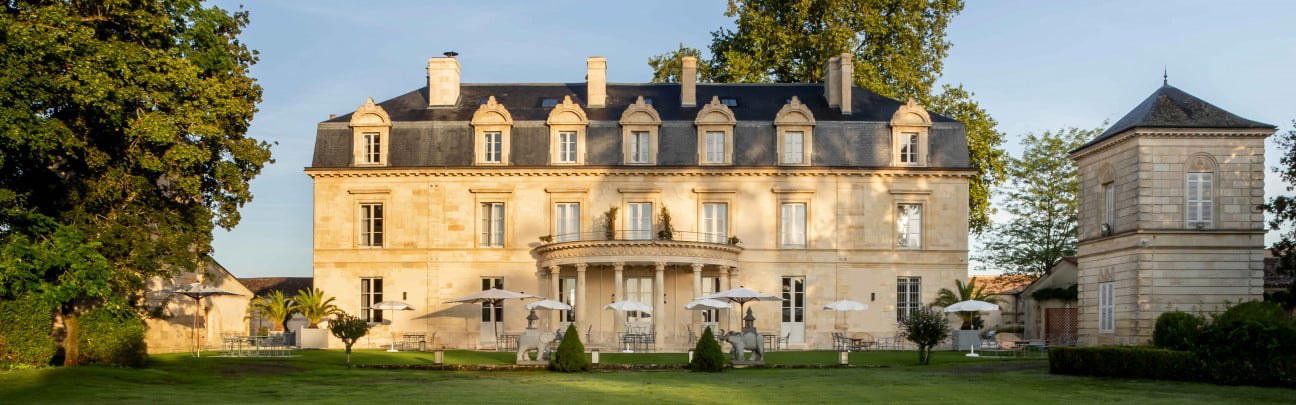
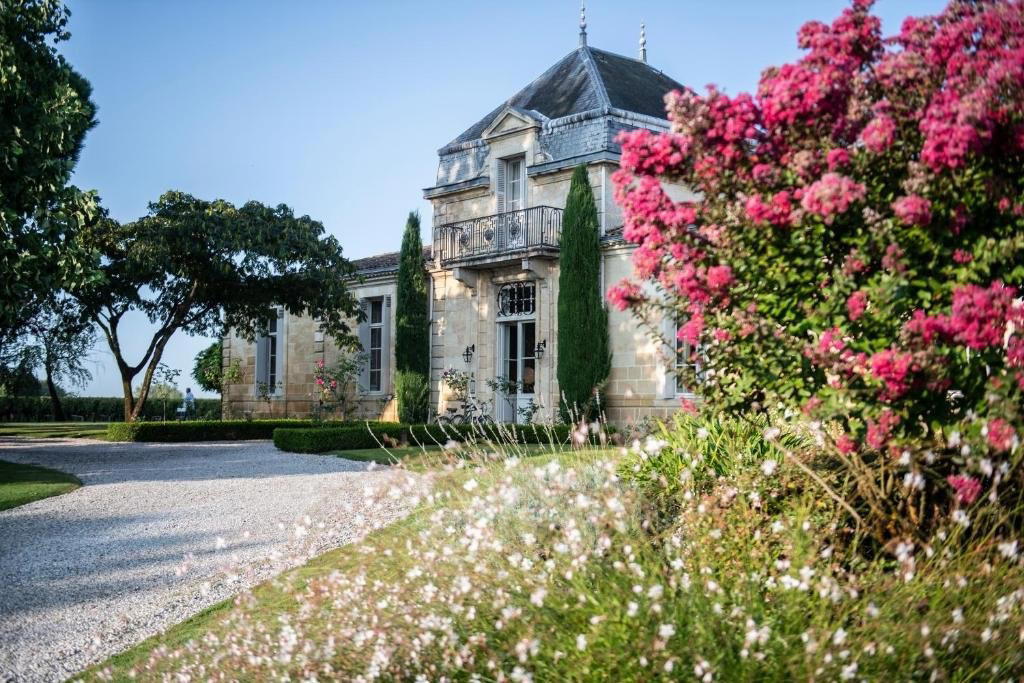
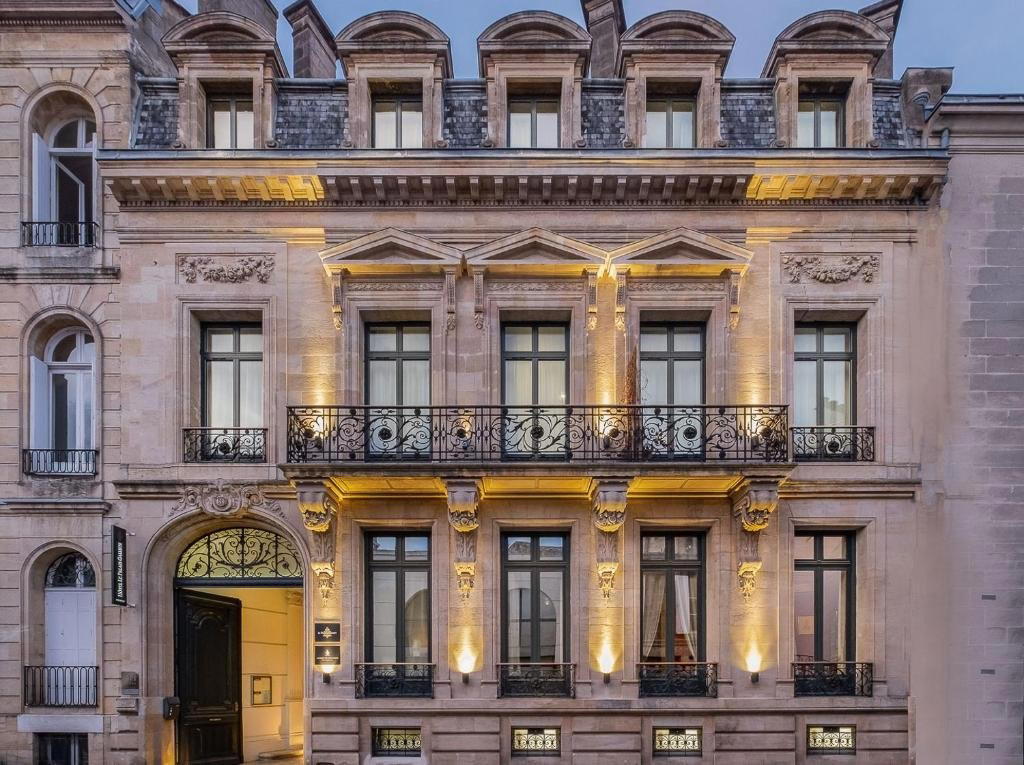
The Médoc's northern tip is less visited than Saint-Julien or Margaux, partly because the town of Saint-Estèphe itself offers fewer tourist amenities, and partly because the classified estates that draw international visitors tend to concentrate their hospitality resources on larger-scale programs. Arriving at the estate address on Rue Mac Carthy, visitors encounter the working infrastructure of a family-held Bordeaux producer rather than a prestige hospitality destination. The drive from Bordeaux city to Saint-Estèphe runs approximately 65 kilometres north along the D2, passing through Margaux, Pauillac, and the wider Médoc before reaching the commune.
For those planning a broader northern Médoc itinerary, the proximity to the five classified growths makes logical sense. A day that includes the Haut-Marbuzet estate alongside visits to Calon Ségur or Montrose offers a useful counterpoint: classified-growth scale and ambition set against the tighter production logic of a Cru Bourgeois Exceptionnel.
Chartreuse in Voiron for a different expression of a multi-generational producer committed to a house signature, or Château Boyd-Cantenac in Cantenac for a Margaux comparison at a similar classification level.
Planning Your Visit
Château Haut-Marbuzet is located at 7 Rue Mac Carthy, Saint-Estèphe, under the trading name Société H. Duboscq & Fils. Visits are by appointment only.
Booking and Cost Snapshot
Comparable venues nearby, for context on price, style, and recognition.
| Venue | Price | Awards | Notes |
|---|---|---|---|
| Château Haut-MarbuzetThis venue — the venue you are viewing | $$$$ | Not listed | Not listed |
| Château Montrose | $$$$ | Not listed | Saint-Estèphe, Cabernet Sauvignon, Merlot |
| Château Phélan Ségur | $$$$ | Not listed | Saint-Estèphe, Cabernet Sauvignon, Merlot |
| Château Lafon-Rochet | $$$$ | Not listed | Saint-Estèphe, Cabernet Sauvignon, Merlot |
| Château Calon Ségur | $$$$ | Not listed | Saint-Estèphe, Cabernet Sauvignon, Merlot |
| Château Cos d'Estournel | $$$$ | World's 50 Best #97 | Saint-Estèphe, Cabernet Sauvignon, Merlot |
Recognition history
Dated appearances from independent guides and award organizations, with the underlying list record or original source where available.
Falstaff Winery - 3 Stars
Falstaff
Michelin 1 Grape
Michelin
Continue exploring
More in Saint-Estèphe
Wineries in Saint-Estèphe
Browse all →
Bars in Saint-Estèphe
Browse all →
Restaurants in Saint-Estèphe
Browse all →
At a Glance
- Elegant
- Classic
- Sophisticated
- Wine Education
- Special Occasion
- Vineyard Tour
- Estate Grounds
- Historic Building
- Vineyard
- Waterfront
- Saint Estèphe
- Cabernet Sauvignon
- Merlot
- Cabernet Franc
- Petit Verdot
- Still Red