Château Lafon-Rochet


The property sits on the Blanquet plateau, producing Cabernet Sauvignon-dominant wines in the structured, mineral register that defines Saint-Estèphe at its most serious. For visitors tracing the Médoc's northern appellations, it represents a considered point of reference.
Pearl is the En Primeur Club membership app — saves, bookings, and concierge access live there. Same editors, same standards.
- Address
- Rte de Blanquet, 33180 Saint-Estèphe
- Phone
- +33 5 56 59 32 06
- Website
- lafon-rochet.com
- Directions
- Get directions
 Saves & bookings on Pearl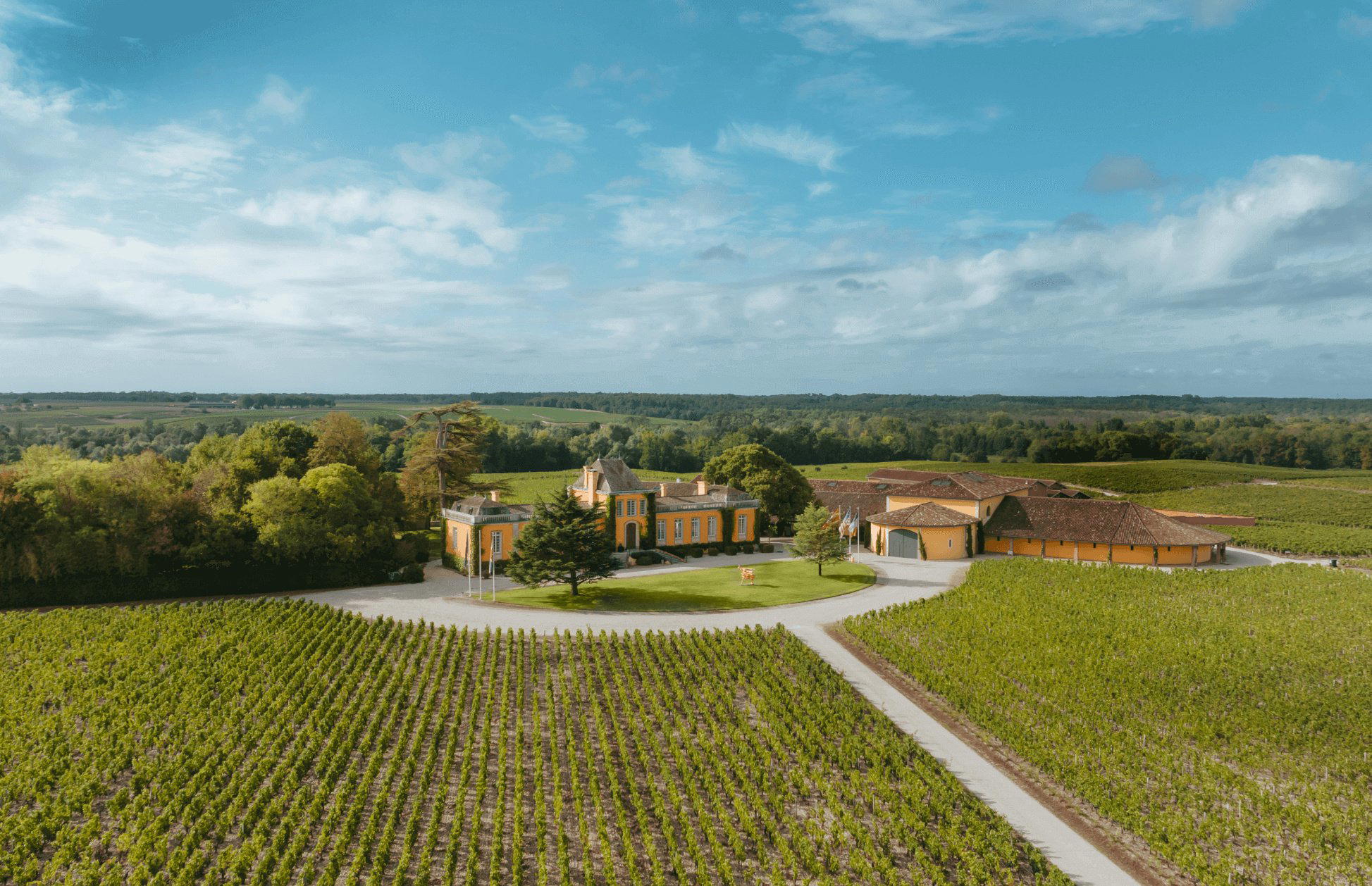
Arriving at the Northern Edge of the Médoc
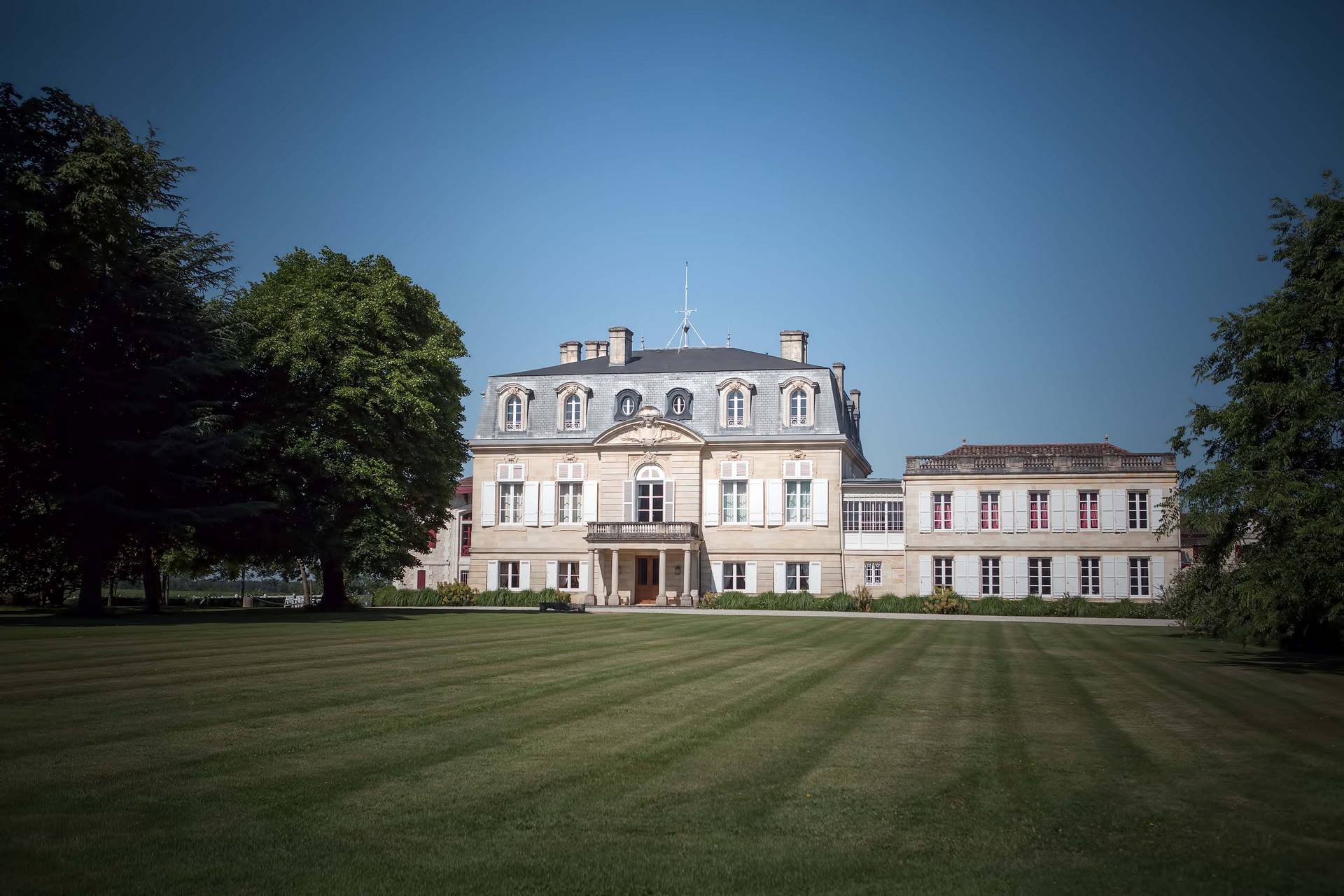
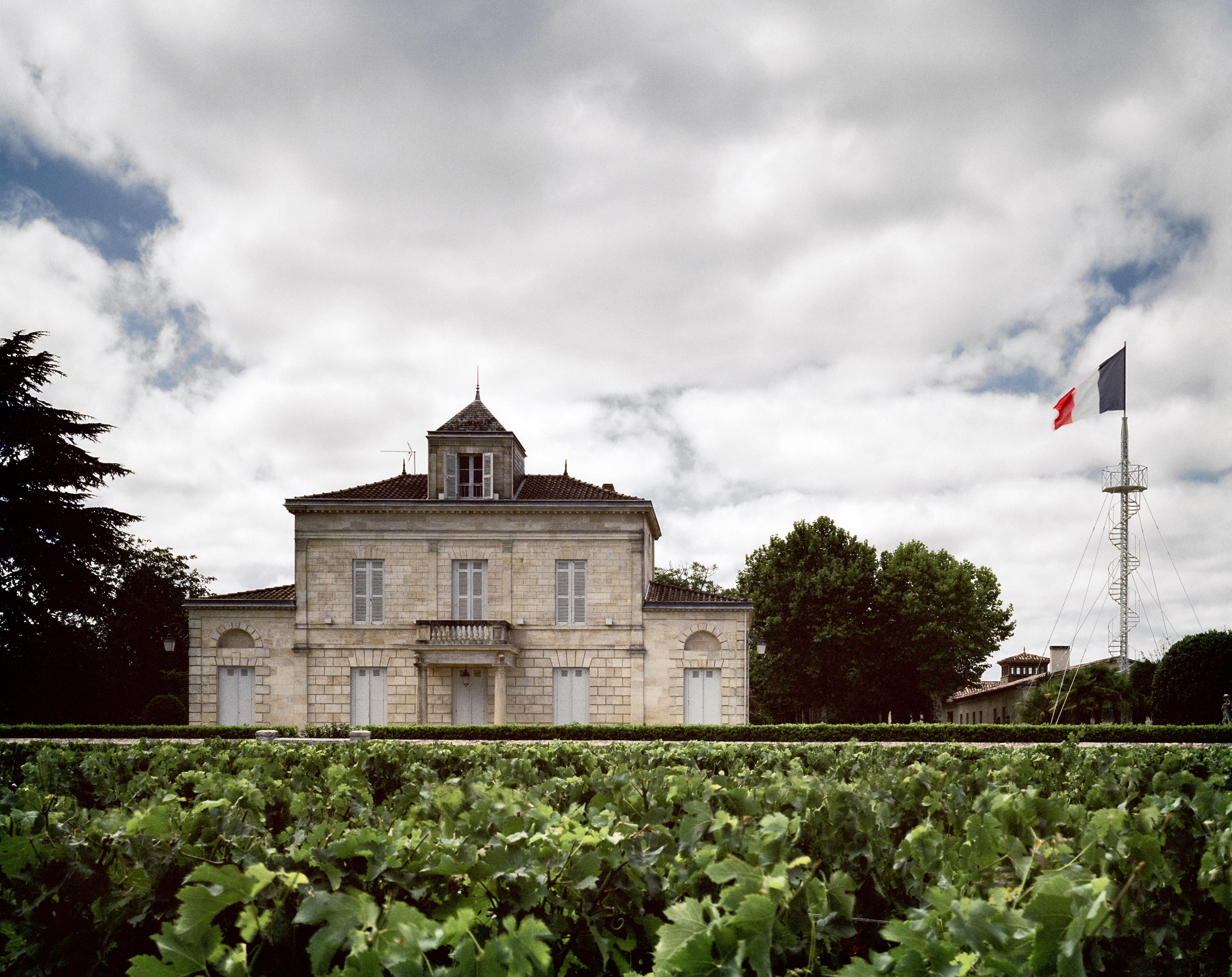
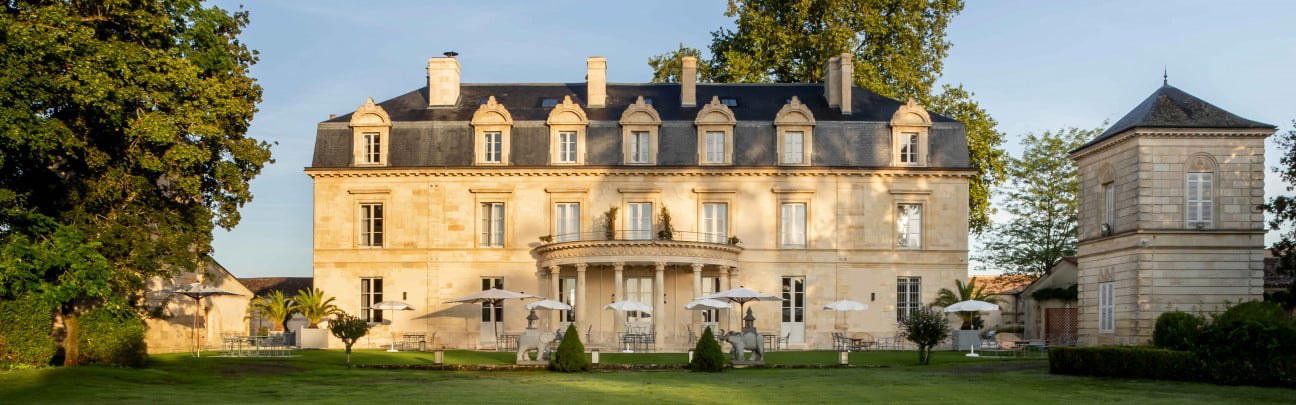
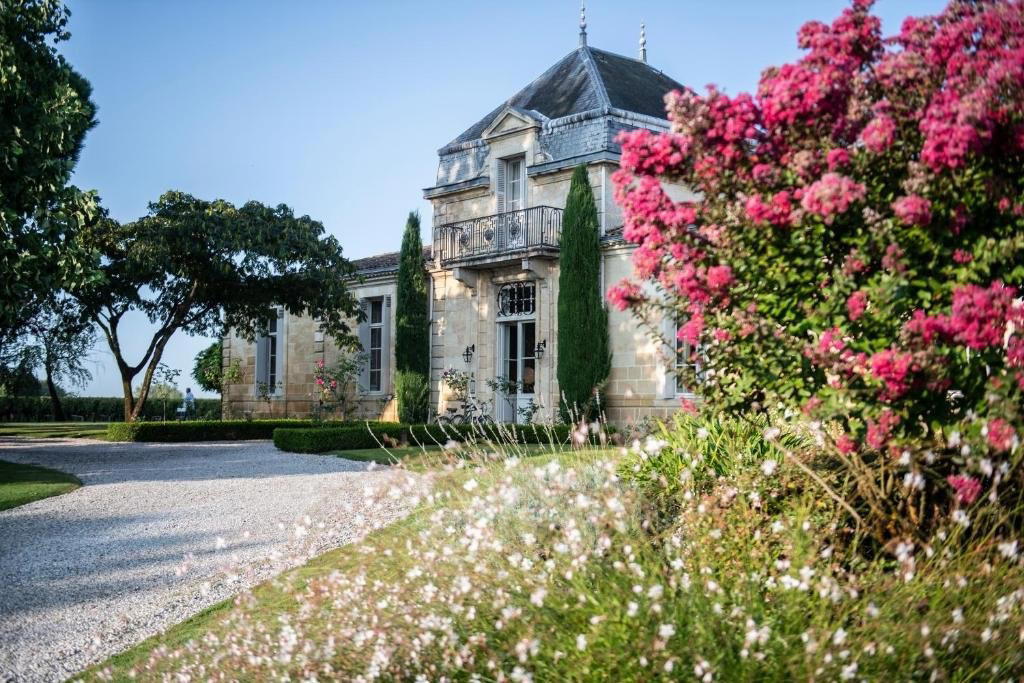
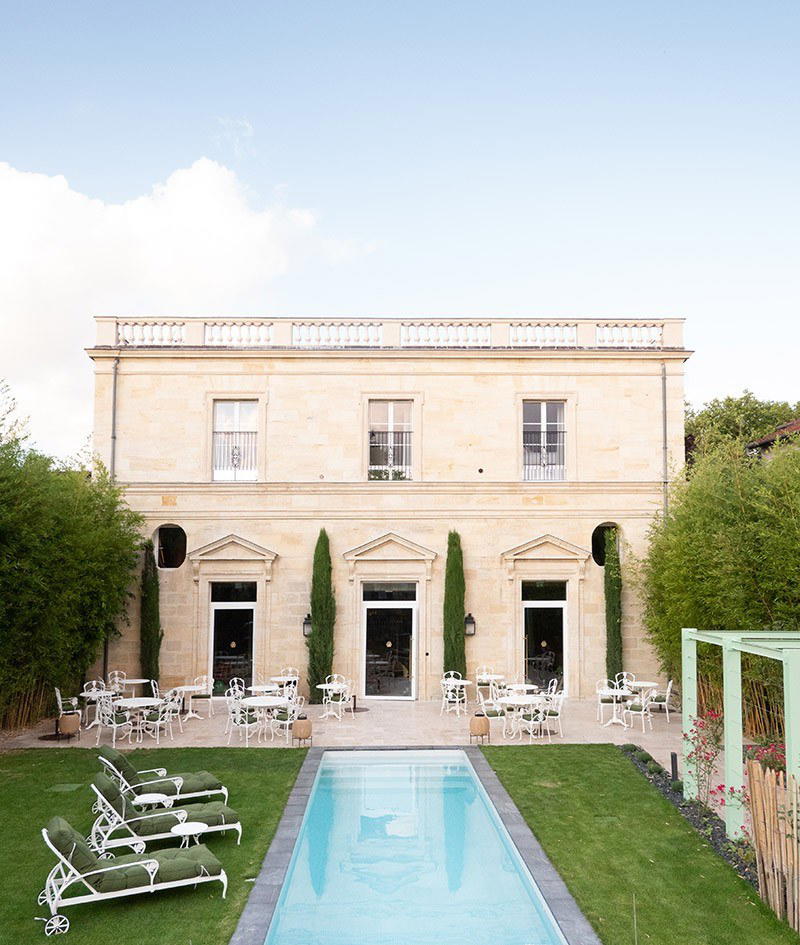
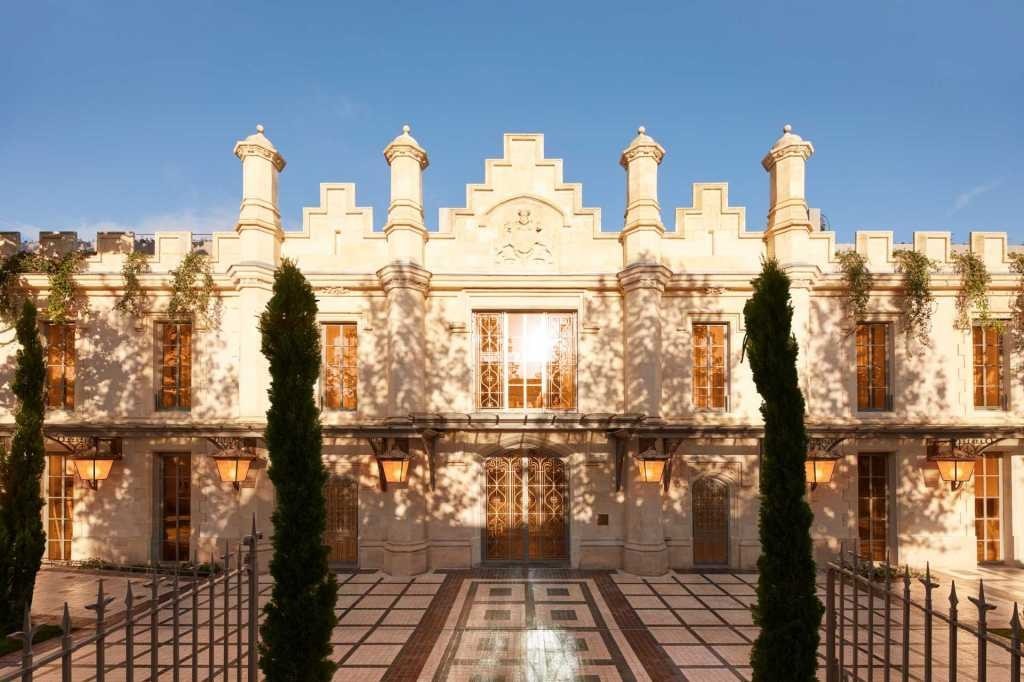
The road to Château Lafon-Rochet, the Rte de Blanquet, runs through the particular flatness that marks Saint-Estèphe's inland plateau before the land rises slightly toward the Gironde. There is nothing theatrical about the approach. The architecture here does not perform for passing visitors in the way that the pagodas of Château Cos d'Estournel do further south. What the site offers instead is the plainspoken visual language of working Médoc estates: vineyard rows running to the horizon, a chartreuse-style manor in ochre tones, and the quiet that characterises properties more focused on production than tourism. That restraint is part of what Saint-Estèphe has always sold to the attentive buyer, seriousness over spectacle.
Saint-Estèphe as a Tasting Context
To understand what Lafon-Rochet produces, it helps to understand what the appellation does structurally. Saint-Estèphe sits at the northernmost classified end of the Haut-Médoc, and its soils carry heavier clay content than Pauillac or Saint-Julien to the south. That clay fraction holds water through dry summers and contributes a mineral grip and slower phenolic development that distinguishes Saint-Estèphe wines in blind tastings. The appellation's Cabernet Sauvignon tends toward darker fruit registers, firmer tannin architecture, and an aging trajectory that rewards patience over early access.
Within that context, the estate occupies the Fourth Growth tier of the 1855 Classification, a rank that, whatever its historical critics argue, continues to function as a reliable proxy for sustained quality investment and négociant attention. The tier sits below the celebrity stratosphere of First and Second Growths but above the wide field of Cru Bourgeois and unclassified estates, placing it in a comparable set that includes Château Batailley in Pauillac and Château Boyd-Cantenac in Cantenac. Within Saint-Estèphe specifically, the estate competes for attention alongside Château Calon Ségur, Château Montrose, Château Haut-Marbuzet, and Château Phélan Ségur, a group that, taken together, makes Saint-Estèphe among the more consistently interesting appellations for structured red Bordeaux.
The Tasting Experience at Lafon-Rochet
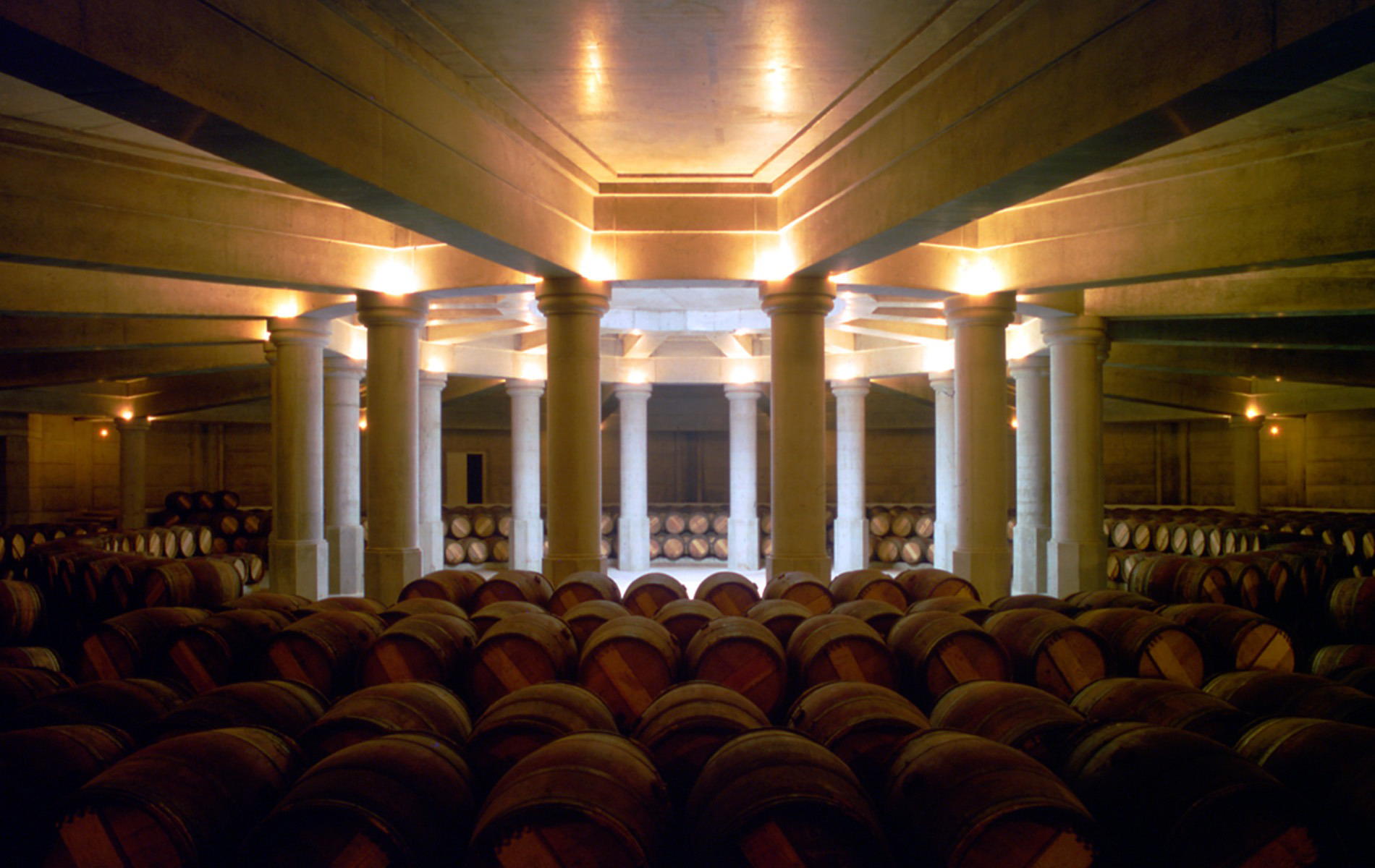
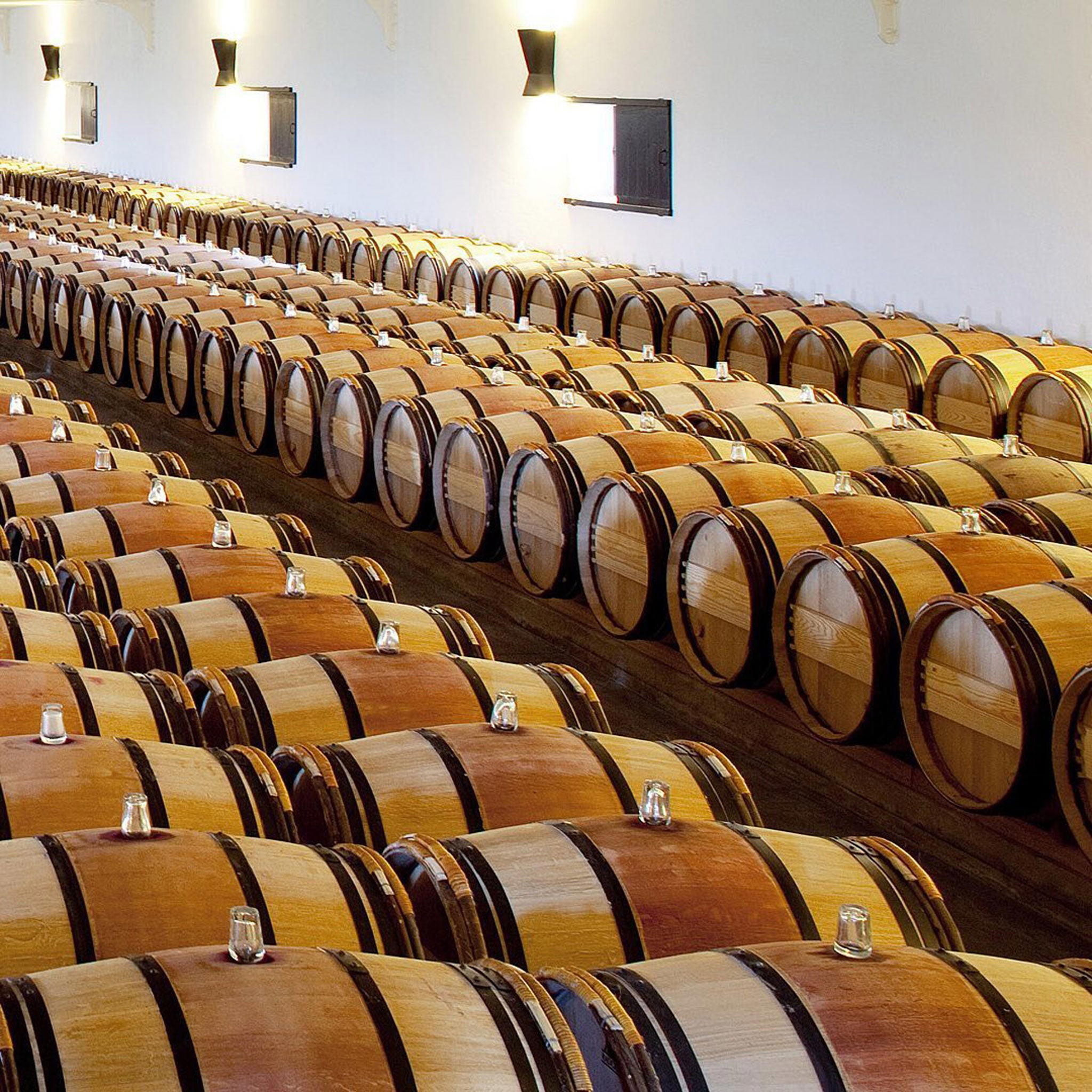
Médoc classified growth estates do not function as casual drop-in venues. Visits to Château Lafon-Rochet require advance arrangement, and the experience is structured around a guided tasting rather than a walk-in cellar bar. That format places the focus squarely on the wine rather than peripheral hospitality theatre, which suits the estate's character. The chai and cellar facilities are the primary reference points, and the tasting typically moves through vintages with a guide who can situate each wine within the context of the growing season.
This format is common across the Médoc's classified tier, and visitors arriving from more service-saturated tasting environments, say, Napa Valley's hospitality-forward properties like Accendo Cellars in St. Helena, where the visitor experience often takes centre stage, may find the Bordeaux model more austere. That austerity is not a failing. It reflects a regional culture in which the wine is expected to carry the conversation, and where producer hospitality remains rooted in the agricultural calendar rather than year-round tourism programming.
One productive time to visit is after the harvest period, when the team has bandwidth for extended tastings and barrel samples may be available depending on the vintage cycle. Spring, between pruning and the run-up to flowering, is another window when estate visits tend to be less rushed. Summer brings more visitor traffic to the Médoc broadly, which can compress the depth of individual appointments at smaller operations.
That rating places it in a select group of Médoc properties that deliver at a level where the investment in travel and appointment-making is justified by what the wines say at the table.
Across the wider Bordeaux universe, the Pearl Prestige designation appears on a range of property types and regions. Château Branaire Ducru in St-Julien and Château Bélair-Monange in Saint-Emilion operate in the same recognition band, reflecting the breadth of what serious Bordeaux production looks like across appellations. Outside Bordeaux entirely, the same prestige tier covers technically rigorous operations in different registers: Albert Boxler in Niedermorschwihr for Alsatian precision, Chartreuse in Voiron for heritage spirits production, and Aberlour in Aberlour for Scottish single malt. The breadth of the cohort puts Lafon-Rochet's rating in perspective: it is not a consolation prize for the classified tier; it marks genuine quality across a genuinely competitive field.
Positioning Within Saint-Estèphe's Classified Tier
Saint-Estèphe has two Second Growths, Cos d'Estournel and Montrose, which dominate international critical attention and command prices that move in a different circuit from the rest of the appellation. Below that level, the Fourth and Fifth Growth estates, alongside the strong Cru Bourgeois houses, form a more competitive and more interesting value tier for buyers who want appellation character without Second Growth premiums. Château Bastor-Lamontagne in Preignac occupies a comparable position in Sauternes, strong underlying quality in a tier that receives less headline coverage than the Premier Crus, which inflects the pricing.
Lafon-Rochet's position on the Blanquet plateau, adjacent to the Cos d'Estournel vineyard block, is geologically meaningful. The gravelly-clay soils here share something with the better-drained parcels of the northern Médoc, and the proximity to the Gironde moderates the thermal extremes that more inland sites experience. That terroir profile is part of why the estate has attracted sustained ownership investment: the raw material justifies the attention.
Planning a Visit
The estate address, Rte de Blanquet, 33180 Saint-Estèphe, is in the northern Médoc wine country. The D2, the so-called Route des Châteaux, runs through the appellation and connects Lafon-Rochet's neighbourhood to the broader cluster of classified estates. Visits require advance booking through the estate's contacts; there is no walk-in tasting facility. Appointment-based visits are the standard format for Médoc classified growths, and arriving without prior arrangement will typically result in turning away. For those building a multi-estate itinerary, the concentration of classified properties in Saint-Estèphe means that a single day can cover Lafon-Rochet alongside neighbours without excessive travel. Our full Saint-Estèphe restaurants guide covers dining and logistics for the appellation more broadly, including where to base yourself between appointments.
Cuisine-First Comparison
Comparable venues nearby, for context on price, style, and recognition.
| Venue | Cuisine | Price | Awards | Notes |
|---|---|---|---|---|
| Château Lafon-RochetThis venue — the venue you are viewing | Cabernet Sauvignon, Merlot | $$$$ | Not listed | Not listed |
| Château Phélan Ségur | Cabernet Sauvignon, Merlot | $$$$ | Not listed | Saint-Estèphe |
| Château Montrose | Cabernet Sauvignon, Merlot | $$$$ | Not listed | Saint-Estèphe |
| Château Calon Ségur | Cabernet Sauvignon, Merlot | $$$$ | Not listed | Saint-Estèphe |
| Château Haut-Marbuzet | Cabernet Sauvignon, Merlot | $$$$ | Not listed | Saint-Estèphe |
| Château Cos d'Estournel | Cabernet Sauvignon, Merlot | $$$$ | World's 50 Best #97 | Saint-Estèphe |
Recognition history
Dated appearances from independent guides and award organizations, with the underlying list record or original source where available.
Falstaff Winery - Listed
Falstaff
Michelin Main Selection
Michelin
Continue exploring
More in Saint-Estèphe
Wineries in Saint-Estèphe
Browse all →
Bars in Saint-Estèphe
Browse all →

Restaurants in Saint-Estèphe
Browse all →

At a Glance
- Classic
- Elegant
- Sophisticated
- Wine Education
- Special Occasion
- Vineyard Tour
- Cave Tasting
- Barrel Room
- Historic Building
- Organic
- Vineyard
- Saint Estèphe
- Cabernet Sauvignon
- Merlot
- Petit Verdot
- Cabernet Franc
- Still Red
- Cave Tasting
Elegant and sophisticated with a classic historic atmosphere enhanced by modernized cellars.