Château Vignol - Famille Doublet

Château Vignol - Famille Doublet is a family-run Bordeaux estate in Saint Quentin De Baron, working clay-limestone and gravelly soils in Entre-deux-Mers. Its interest is not grand cru spectacle but range: red, white, clairet, rosé and sweet wines from a rural cellar-door format shaped by multi-generation production.
Pearl is the En Primeur Club membership app — saves, bookings, and concierge access live there. Same editors, same standards.
- Address
- Saint-Quentin-de-Baron, Graves, Nouvelle-Aquitaine, Frankreich
- Directions
- Get directions
 Saves & bookings on Pearl
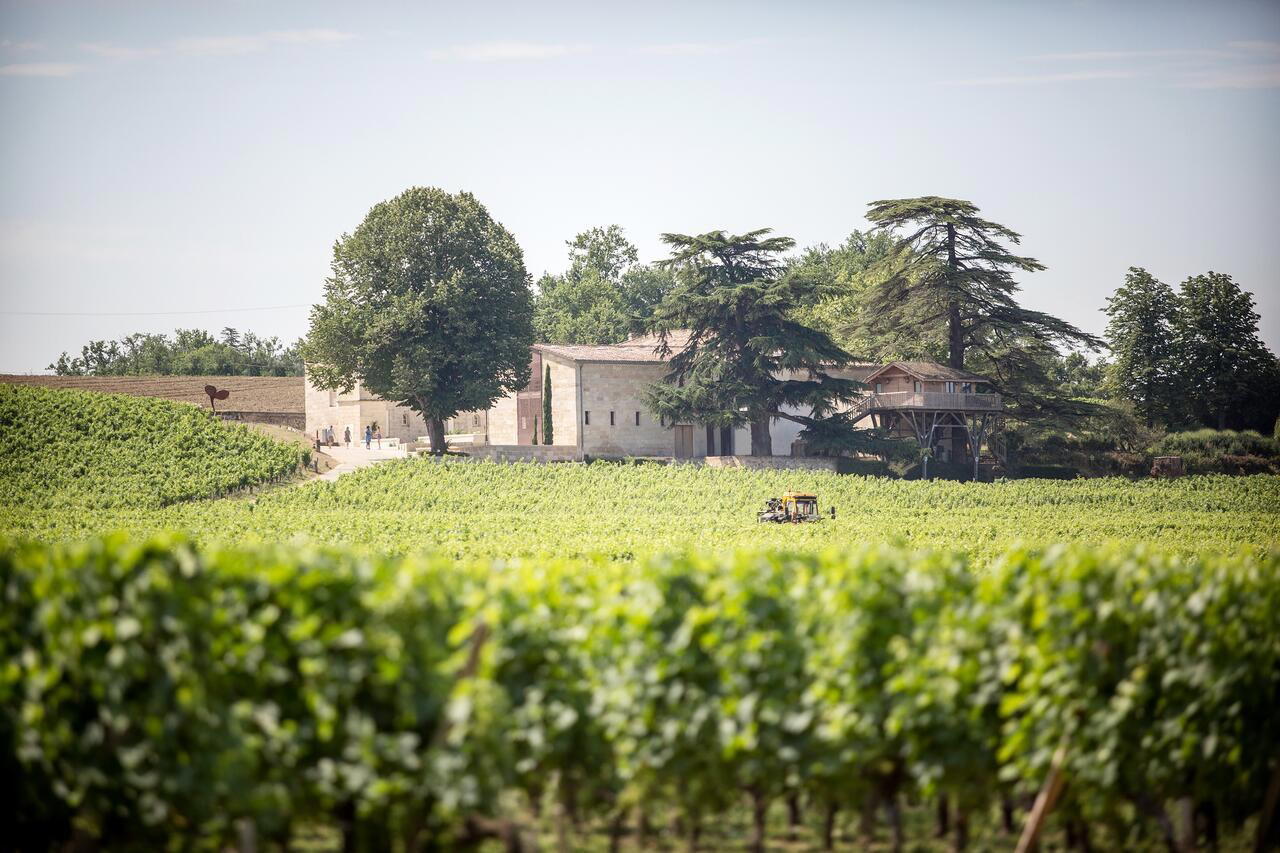
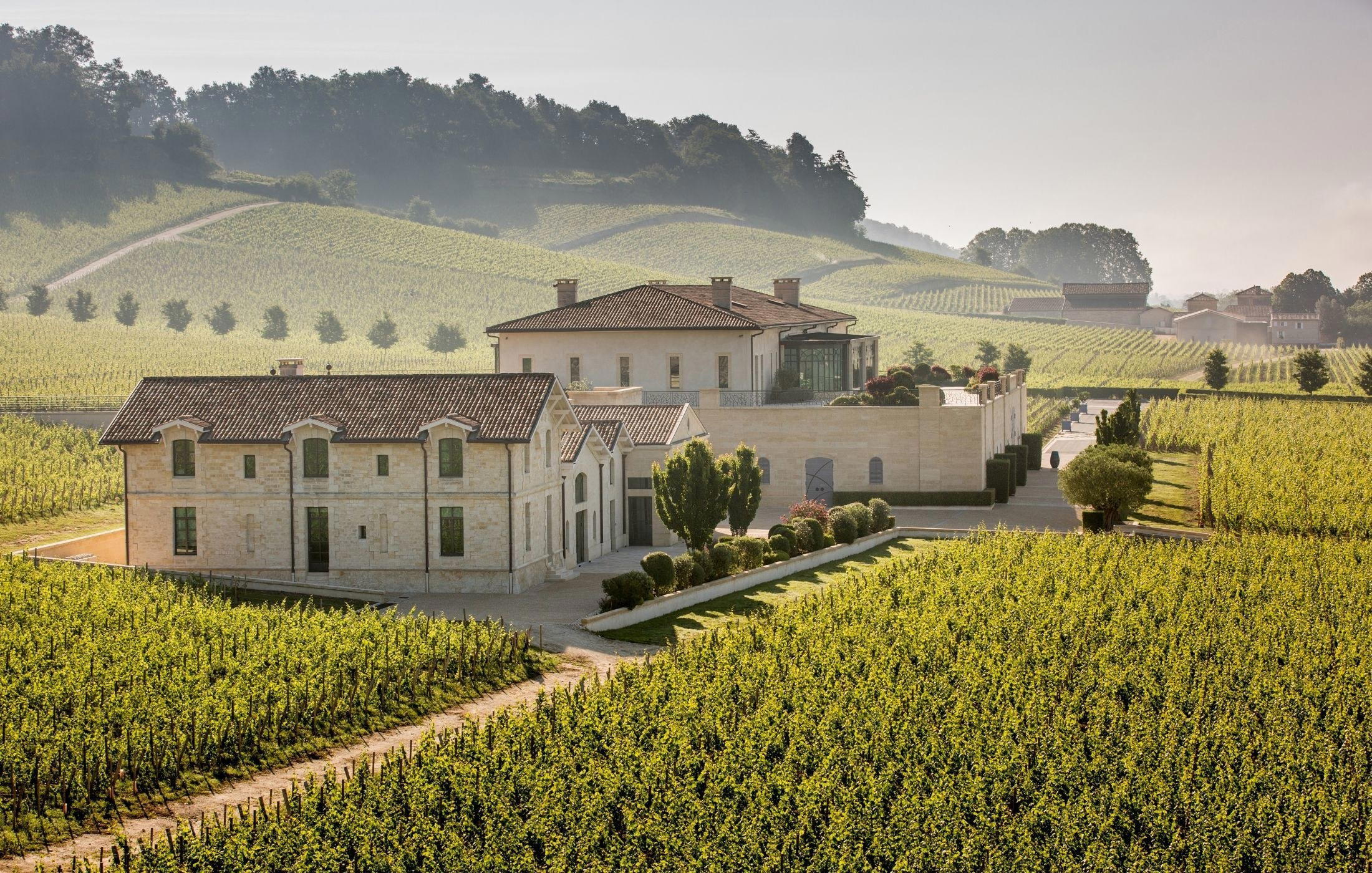
Approaching wine country around Saint Quentin De Baron, the rhythm is agricultural before ceremonial: vines, working cellars, limestone-rich ground and the quiet infrastructure of family estates. Château Vignol - Famille Doublet belongs to Bordeaux’s less theatrical side, where the point is not château pageantry but how Entre-deux-Mers turns mixed soils and river-influenced climate into direct, accessible wine.
That matters. Bordeaux is often discussed through classified-growth hierarchy, investment bottles and Left Bank shorthand, yet Entre-deux-Mers follows another logic. Between the Garonne and Dordogne rivers, clay-limestone and gravelly clay soils support a broader palette than the red-wine stereotype allows. Here, credibility comes from range, consistency and estate control, not luxury positioning alone.
Entre-deux-Mers range, not Bordeaux formality
The estate’s production speaks practical Bordeaux: red, white, clairet, rosé and sweet Or wines rather than one prestige bottling. That breadth marks the place. Entre-deux-Mers has long been a working appellation for drinkable whites and approachable reds, while its mixed farming geology also supports Bordeaux’s in-between categories, especially clairet, which sits closer to older regional drinking traditions than modern export clichés suggest.
Château Vignol - Famille Doublet works from 32 hectares, a medium estate scale closer to cellar-door agriculture than corporate branding. The red blend is Merlot-led, with Cabernet Sauvignon and Cabernet Franc; the white side uses the classic Bordeaux set of Sauvignon Blanc, Sauvignon Gris, Sémillon and Muscadelle. In a region where white Bordeaux can be an afterthought beside famous reds, that varietal spread is the revealing story.
The vineyards are described through calcareous loam and gravelly sand, with average vine age around 25 years. Those details explain the house style better than broad adjectives. Clay-limestone can give Bordeaux fruit a firmer, cooler line, while gravelly components help drainage and structure. At this tier, the result is not trophy-cellar drama; it is clarity, freshness and everyday table compatibility.
Stainless steel keeps the fruit in the foreground
The cellar choices reinforce that reading of the land. Grapes are destemmed, fermentation is in temperature-controlled stainless steel, and the entry cuvée avoids barrique aging. The flagship red, Château Vignol Bordeaux AC, has been listed in a 2020 vintage at 13% alcohol, with a blend of 74% Merlot and 26% Cabernet Sauvignon and Cabernet Franc, then aged for 12 months in stainless steel before blending and bottling.
In Bordeaux, oak can be a shortcut to seriousness, especially for visitors trained to equate barrels with ambition. Here, the more interesting decision is entry-level restraint. Stainless steel aging protects fruit definition and keeps the wine in immediate-drinking territory rather than cellar speculation. For travelers using a tasting to understand Entre-deux-Mers, that format is more instructive than a heavily polished luxury cuvée.
Recognition sits in the dependable regional-producer category. The 2008 Château Vignol Bordeaux AC received a Silver Medal at Mâcon 2010; the estate has been associated with Concours Général Paris and Bordeaux competition recognition; and Guide Hachette mentions place it inside France’s practical wine-buying conversation. These are not ornamental facts: they signal a producer judged in channels many French drinkers use for value and reliability.
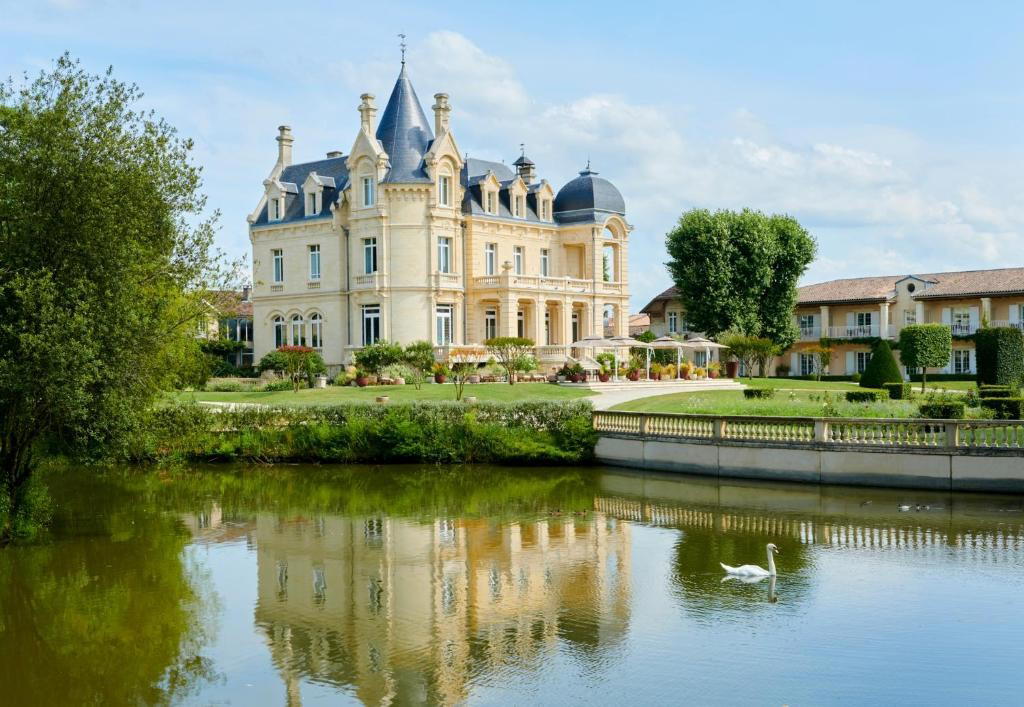
The family context has substance without becoming the whole story. Dominique and Bernard Doublet are named as long-standing winemakers, with Jean-Thomas and Alexandre Doublet leading the operation since 1996. The wider history reaches back to a domain structured by Baron de Montesquieu, while a 19th-century shipowner later added a Louisiana-style façade. In Bordeaux, where maritime trade shaped architecture as much as vineyards shaped agriculture, that gives the property a local historical register rather than a decorative backdrop.
A cellar-door visit for terroir education
The tasting format is modest by design: cellar-door tastings and vineyard tours by appointment, with a quiet, rural atmosphere rather than resort-style programming. It suits drinkers who want to connect soil, grape mix and vinification more than visitors seeking a restaurant-style pairing sequence. The estate is marked as good for groups and children, with casual dress and a 60- to 90-minute tour duration, placing the experience in the practical, educational category.
Planning clues also come from what the estate does not emphasize. Food pairing is not core, outdoor seating is not listed, and visits are appointment only. The draw is cellar access, estate grounds, the historic building and direct conversation with a working family operation. Shipping is available, useful for travelers tasting across several bottles rather than buying only what fits in a suitcase.
Saint Quentin De Baron is not a high-volume wine-tourism capital, and that is part of its appeal for certain Bordeaux travelers. The town sits within a countryside circuit where tasting can pair with broader regional planning rather than function as a standalone luxury stop. For nearby editorial planning, EP Club also maintains Our full Saint Quentin De Baron wineries guide, alongside Our full Saint Quentin De Baron restaurants guide, Our full Saint Quentin De Baron hotels guide, Our full Saint Quentin De Baron bars guide and Our full Saint Quentin De Baron experiences guide.
For readers mapping a wider wine route through France and neighboring regions, the broader winery archive includes A. Margaine in Villers-Marmery, Abbaye de Fontfroide in Narbonne, Abbotts & Delaunay in Marseillette, Advini in Saint Felix De Lodez, Agrapart & Fils in Avize, Alain Brumont in Castelnau Riviere Basse, Alain Gras in Saint-Romain, Albert Boxler in Niedermorschwihr, »der Steiner« Hans Steiner in Podersdorf am See and & Handwein in Mannheim.
The editorial case for Château Vignol - Famille Doublet is strongest through terroir rather than status. It shows the practical intelligence of Entre-deux-Mers: mixed soils, broad grape use, stainless-steel freshness and a cellar-door model that keeps wine close to its farming origins. In a Bordeaux itinerary, that can be more educational than another polished address built around hierarchy.
Recognition history
Dated appearances from independent guides and award organizations, with the underlying list record or original source where available.
Falstaff Winery - Listed
Falstaff
Continue exploring
More in Saint Quentin De Baron
Wineries in Saint Quentin De Baron
Browse all →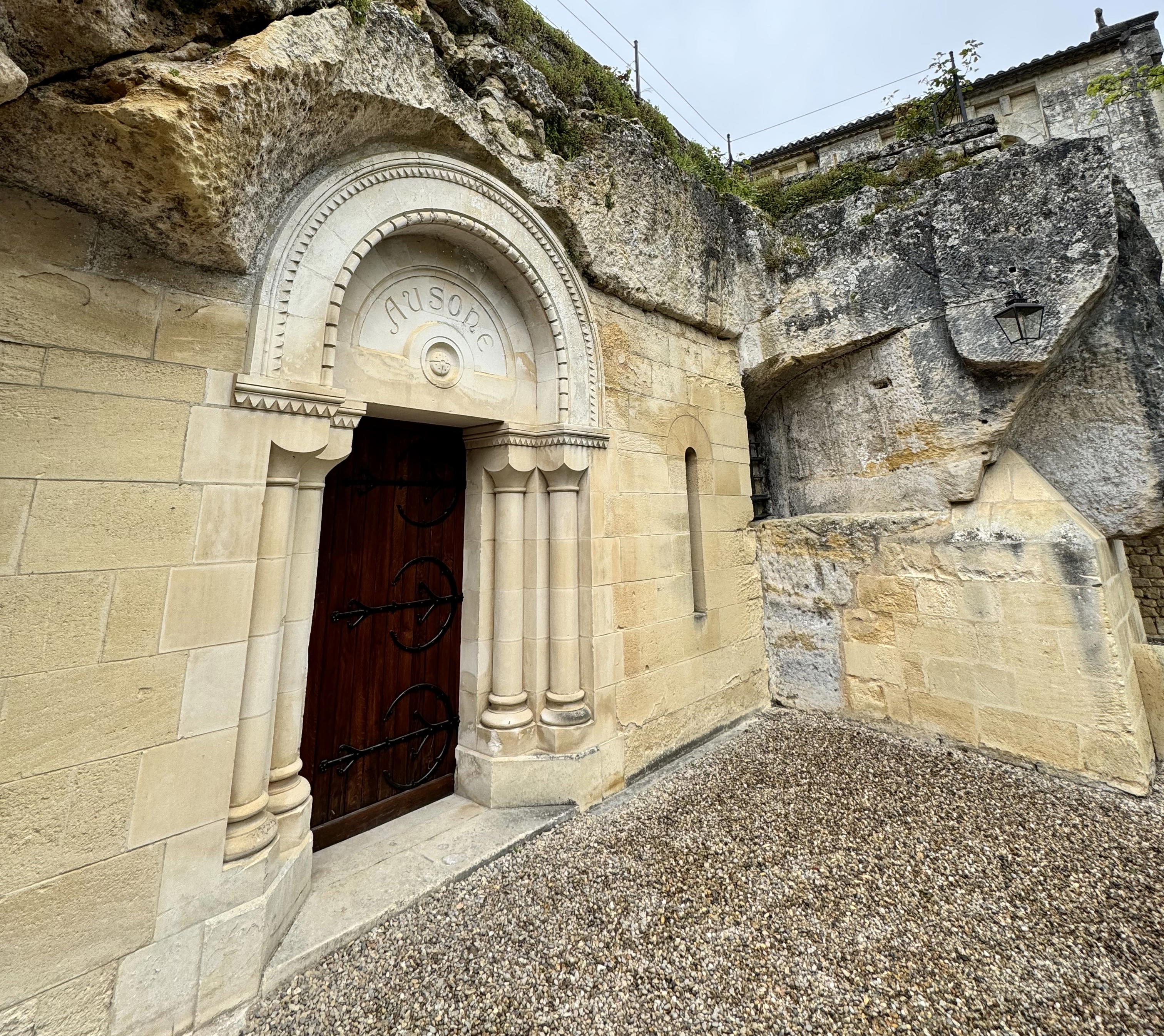
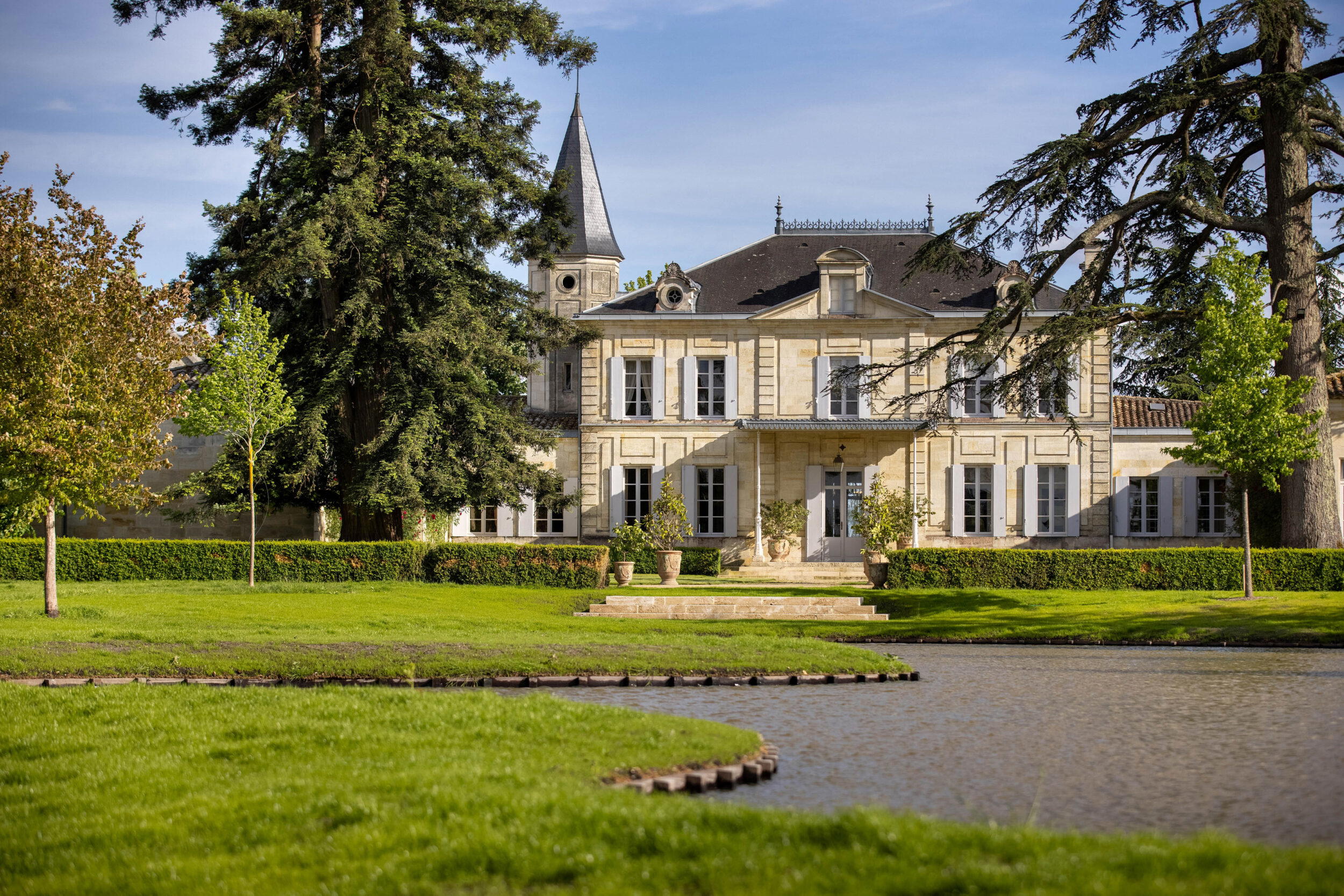
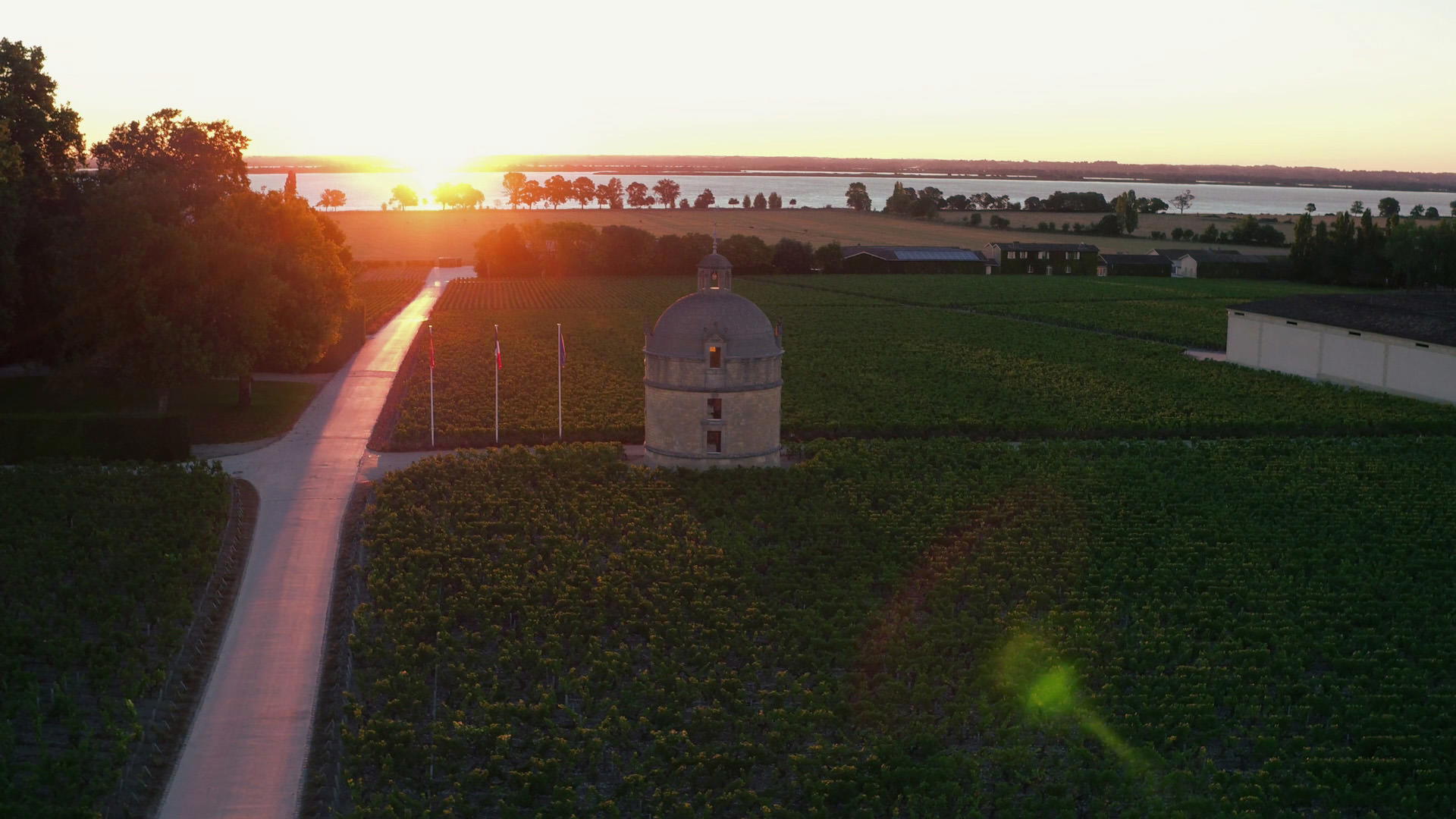
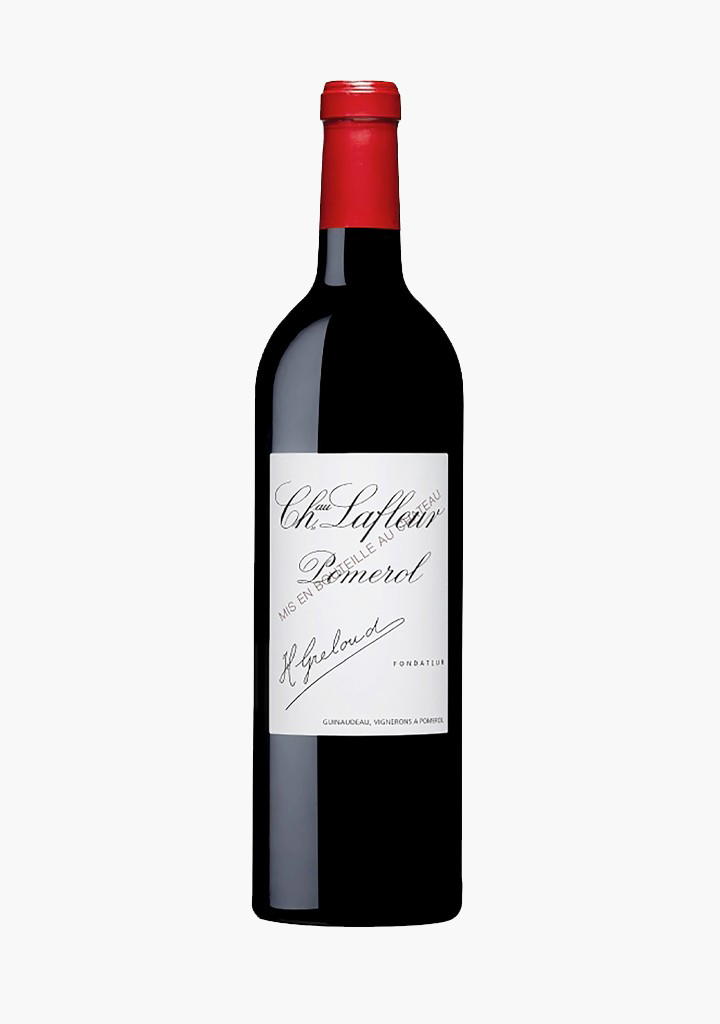
Bars in Saint Quentin De Baron
Browse all →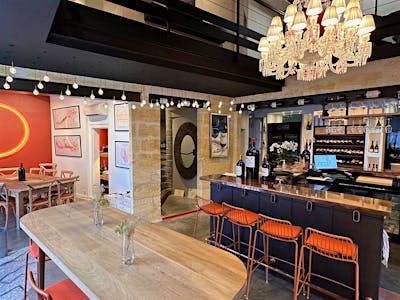
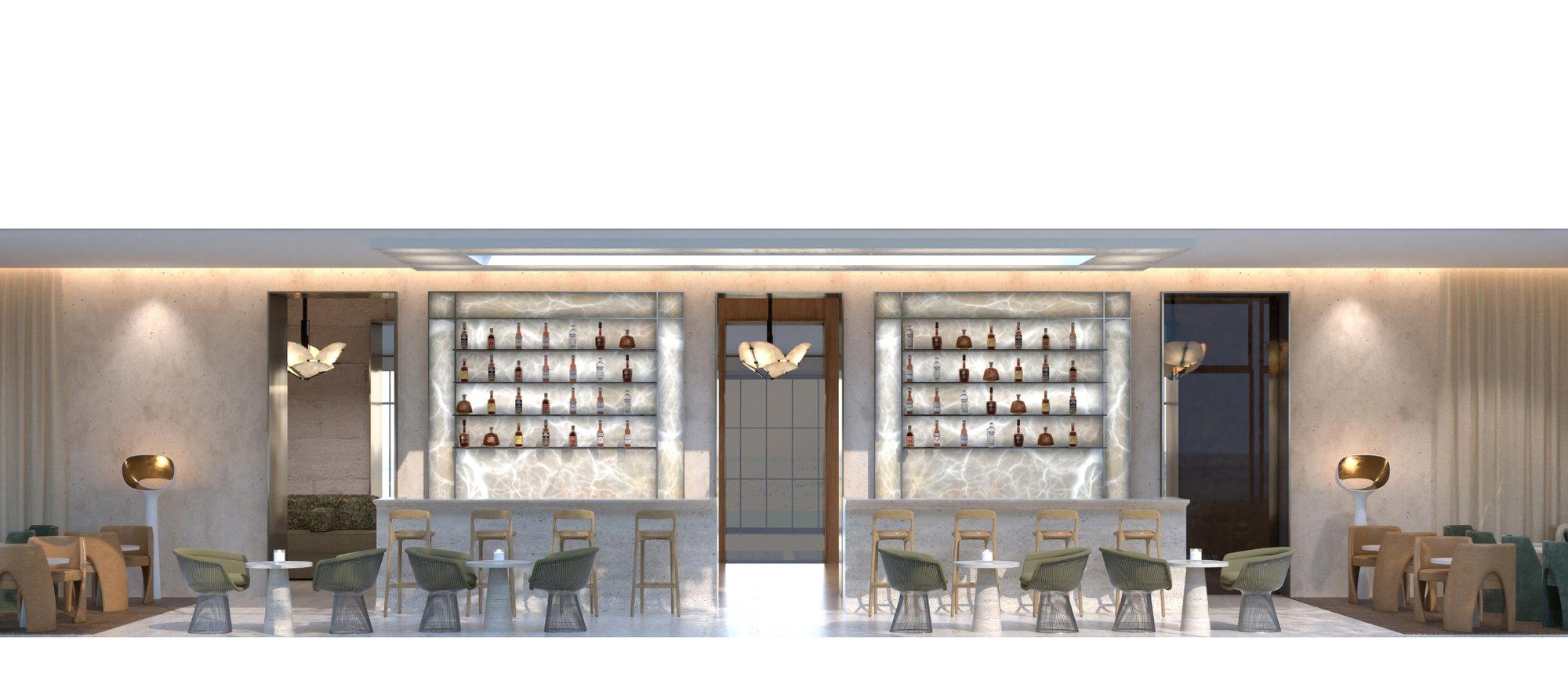
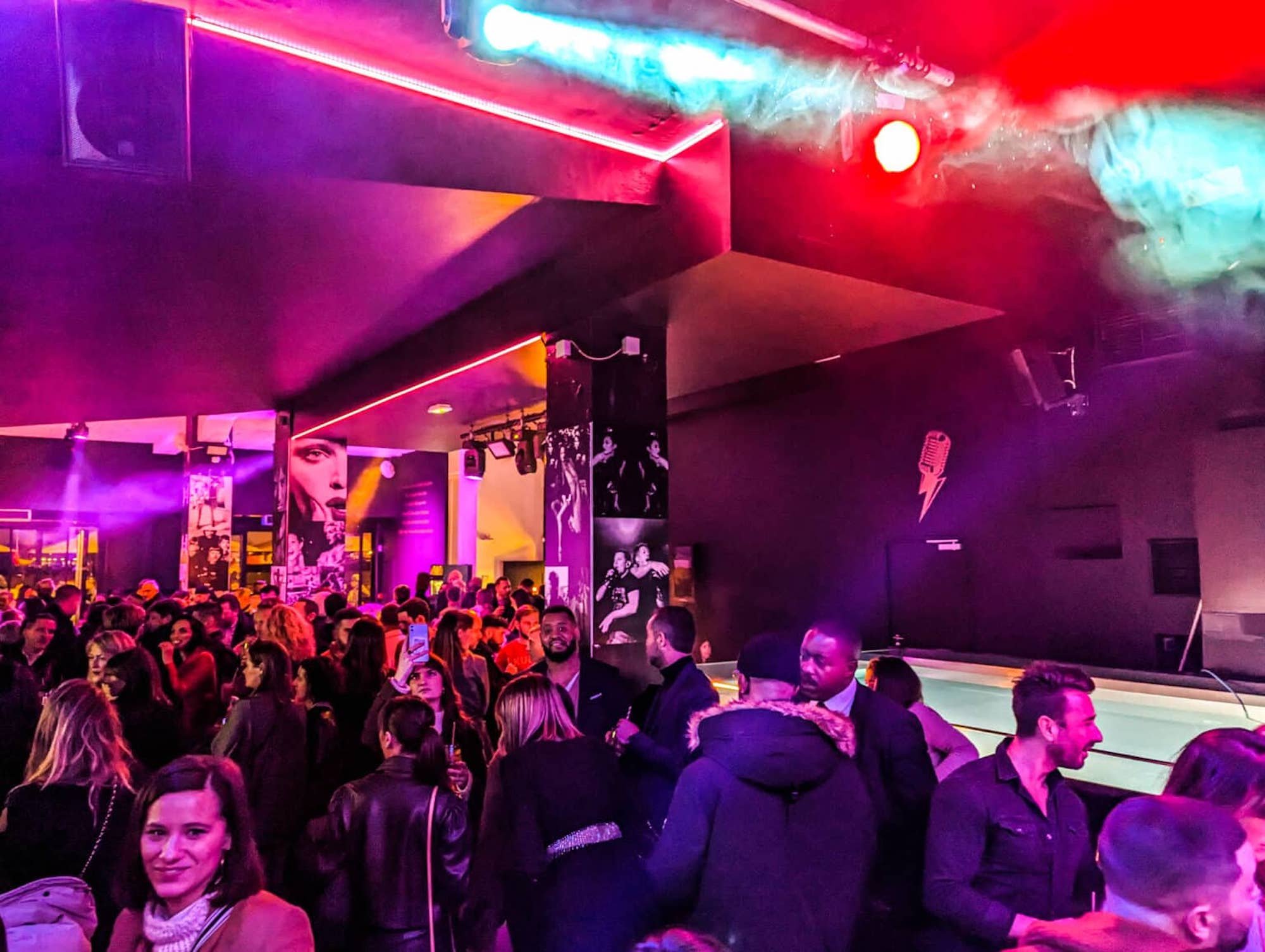
Restaurants in Saint Quentin De Baron
Browse all →
At a Glance
- Rustic
- Classic
- Quiet
- Wine Education
- Group Outing
- Family
- Special Occasion
- Vineyard Tour
- Private Tasting
- Historic Building
- Estate Grounds
- Vineyard
- Bordeaux Aoc; Entre Deux Mers AOC
- Merlot
- Cabernet Sauvignon
- Cabernet Franc
- Still Red
- Cellar Door Tasting
Family-run wine estate with a traditional, rustic production setting and a welcoming cellar-door atmosphere for tastings by appointment.