
Château Sainte-Marie reads as classic Entre-Deux-Mers rather than grand château theatre: a family-run Bordeaux estate where high ground, limestone-clay soils, and a heavy commitment to white varieties shape the conversation. The appeal is terroir-led and unshowy, with Sauvignon Blanc, Sémillon, Muscadelle, Merlot, Cabernet Sauvignon, and Petit Verdot carrying the estate’s range across still white, red, and rosé wines.
Pearl is the En Primeur Club membership app — saves, bookings, and concierge access live there. Same editors, same standards.
- Address
- Targon, Côtes de Bordeaux, Nouvelle-Aquitaine, Frankreich
- Directions
- Get directions
 Saves & bookings on Pearl
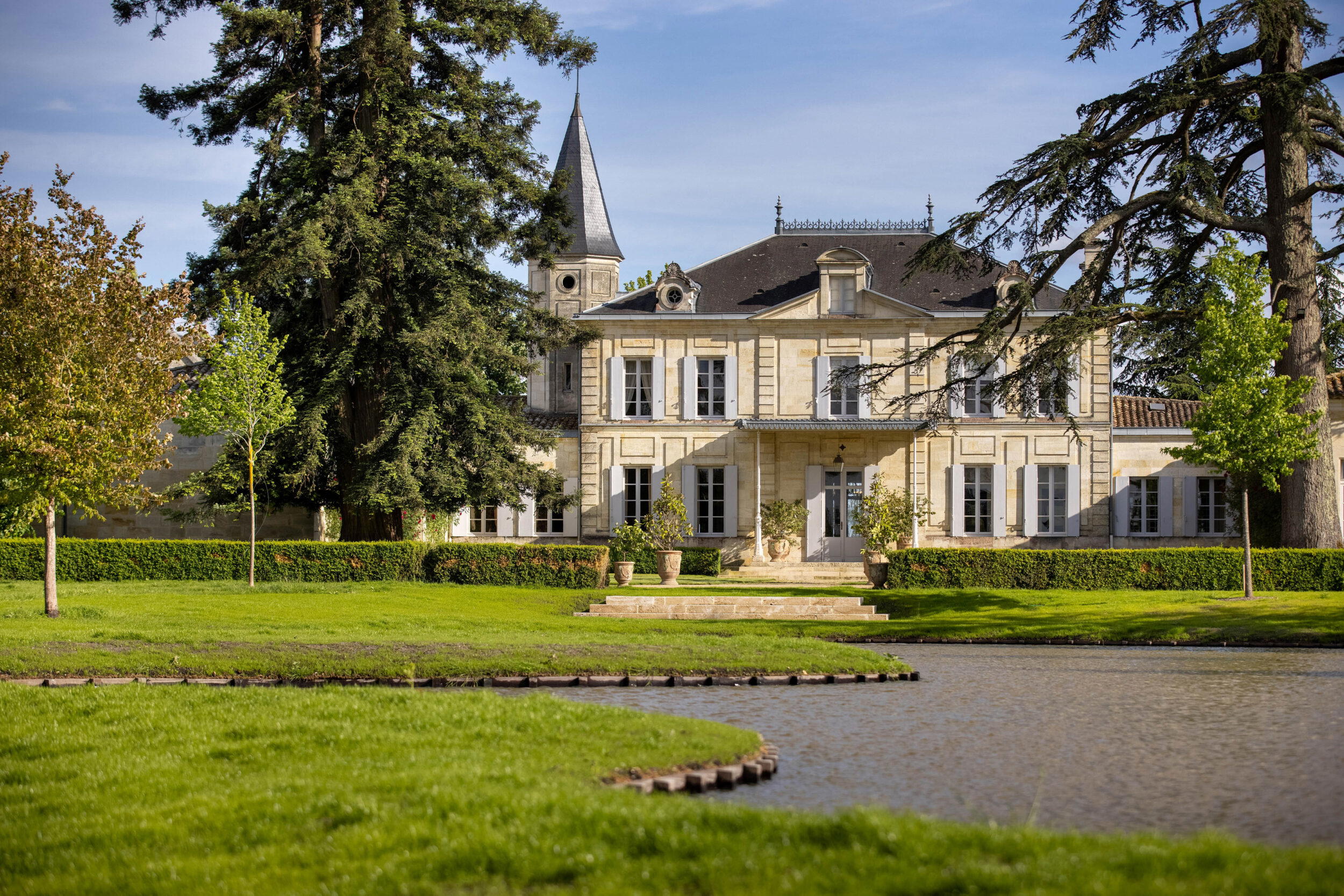
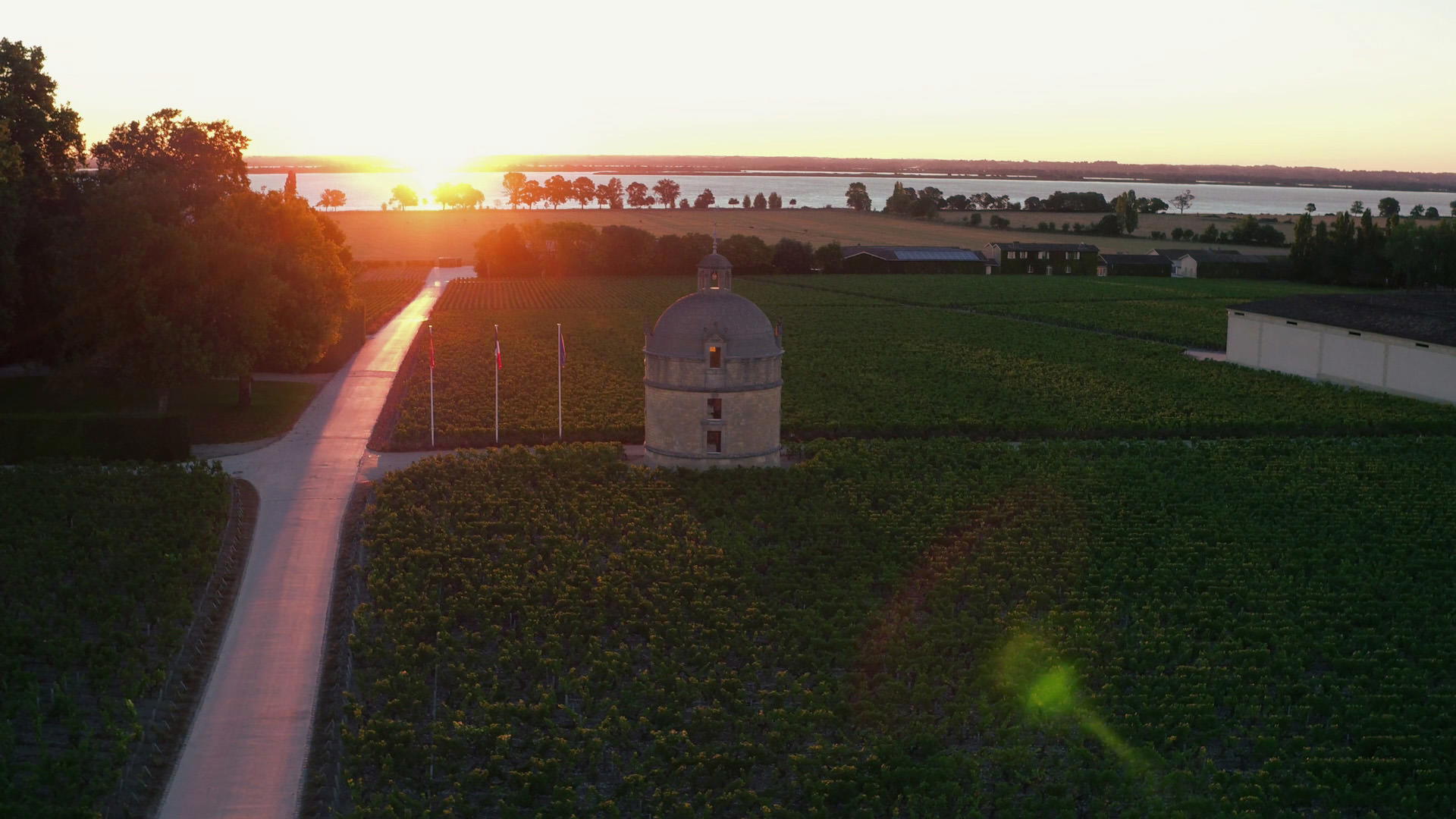
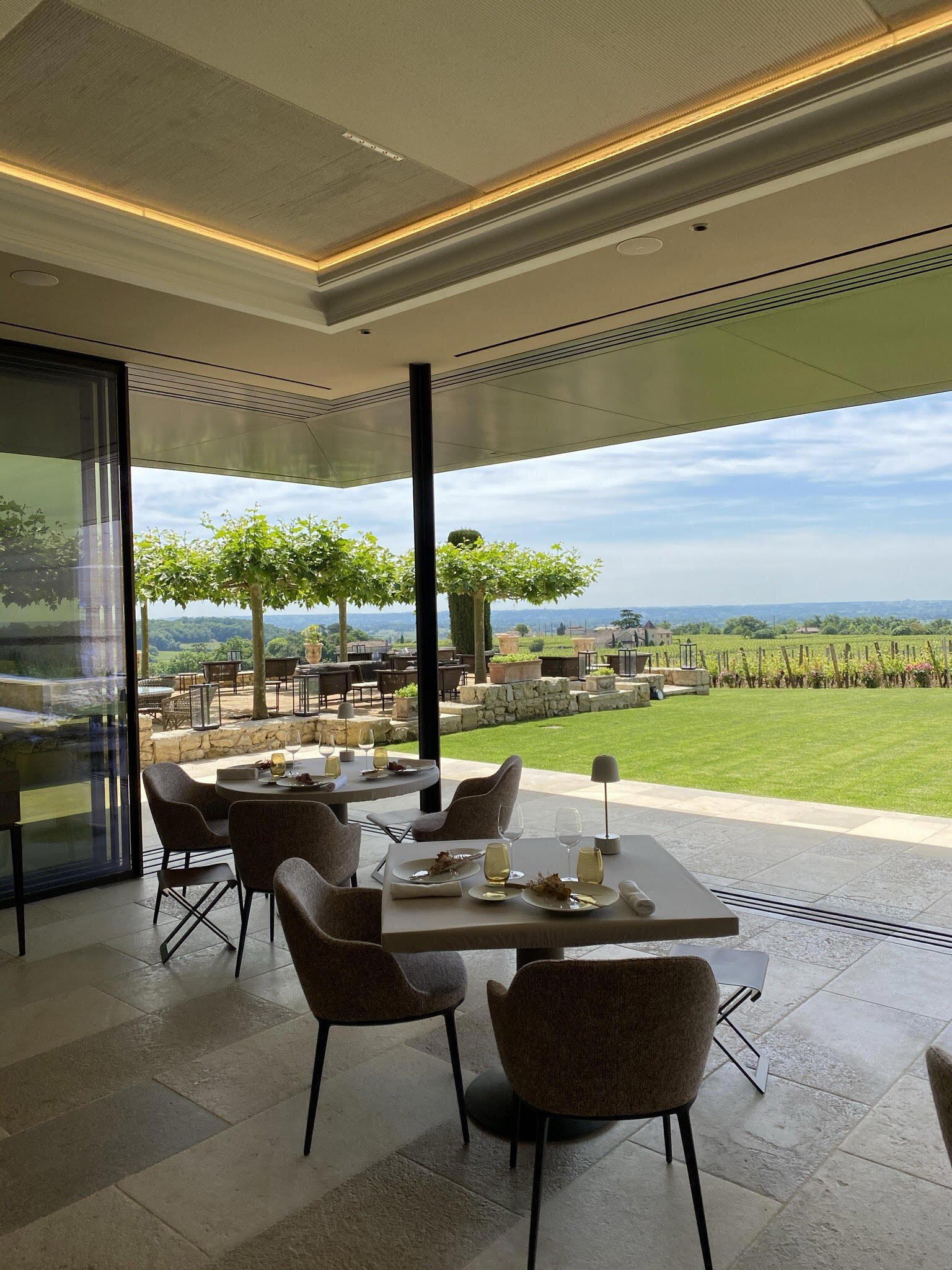
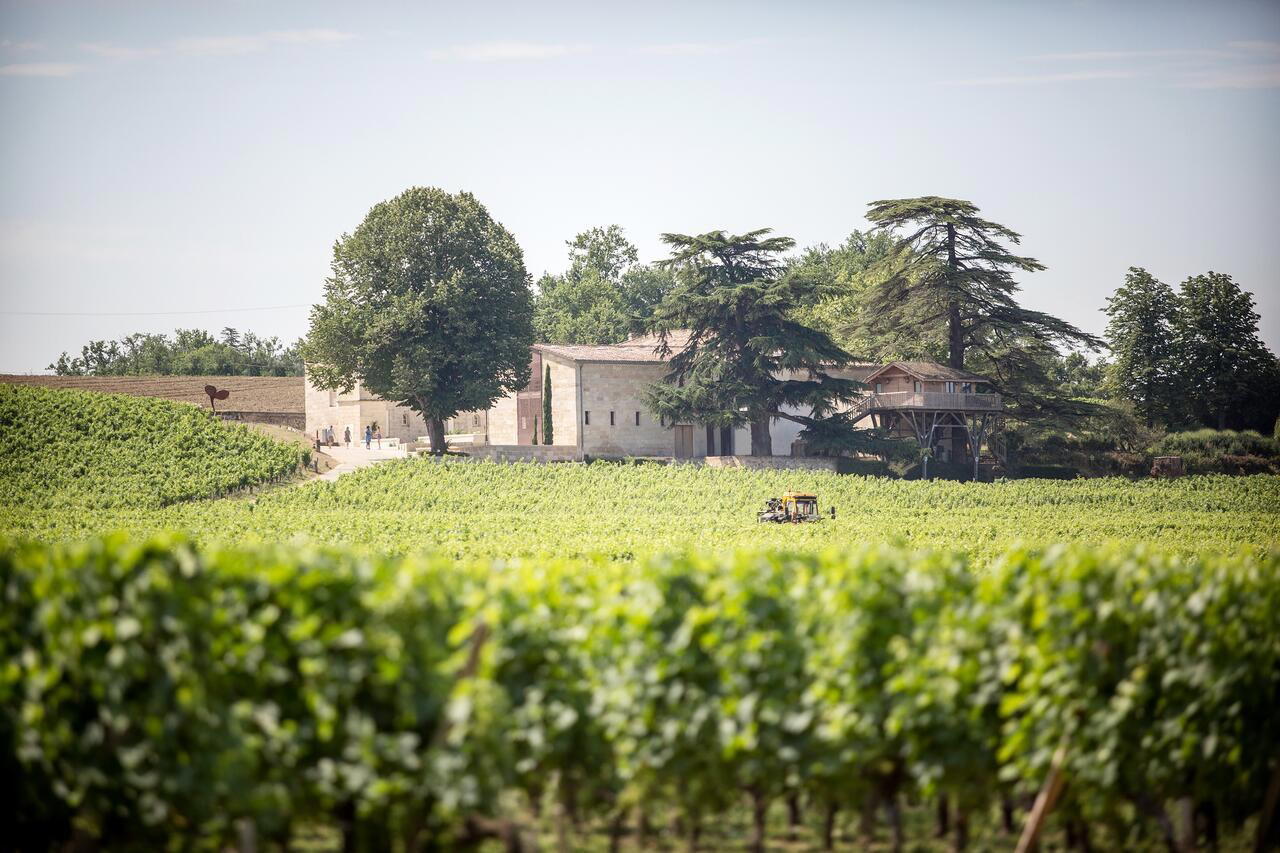
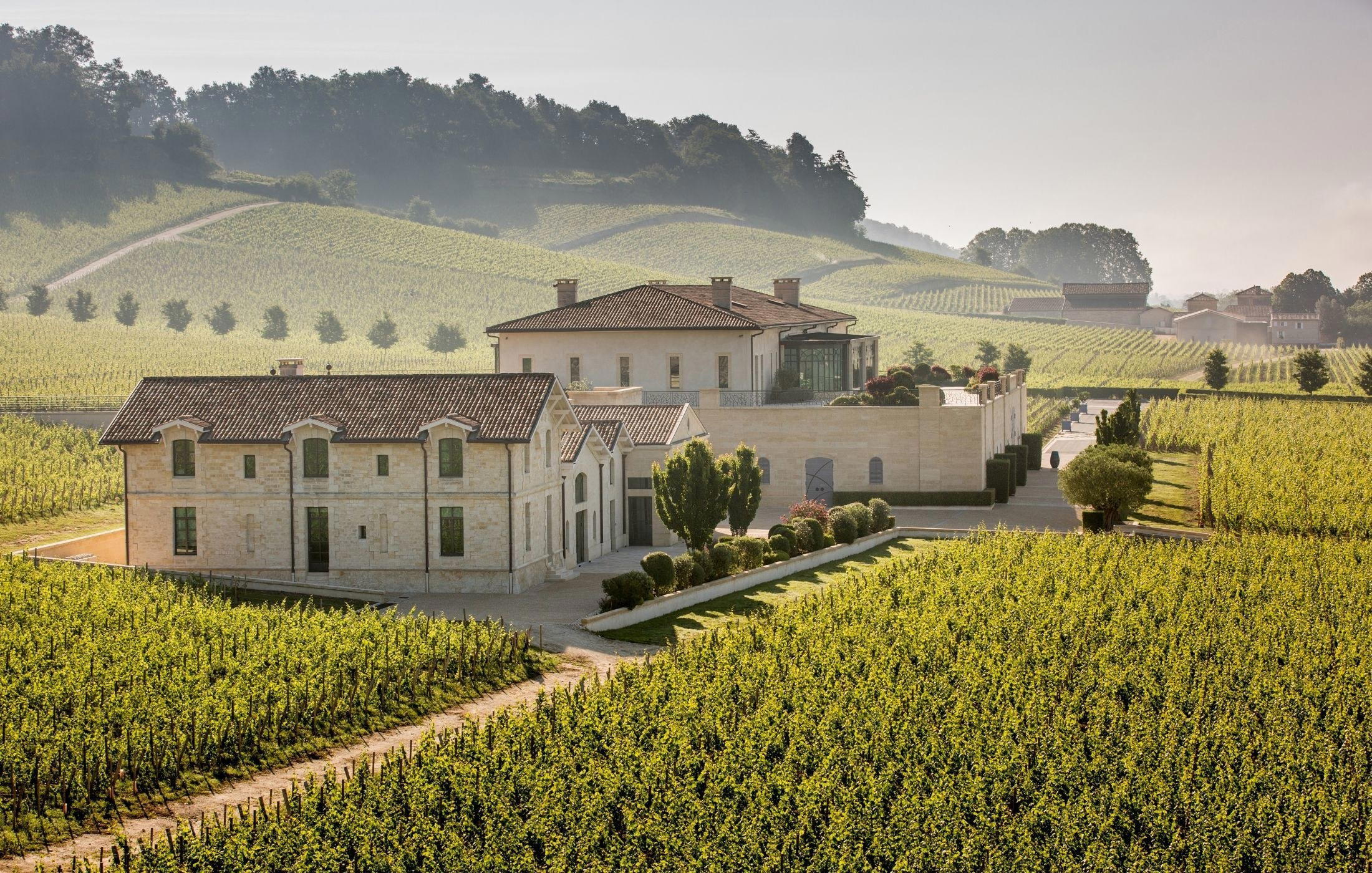
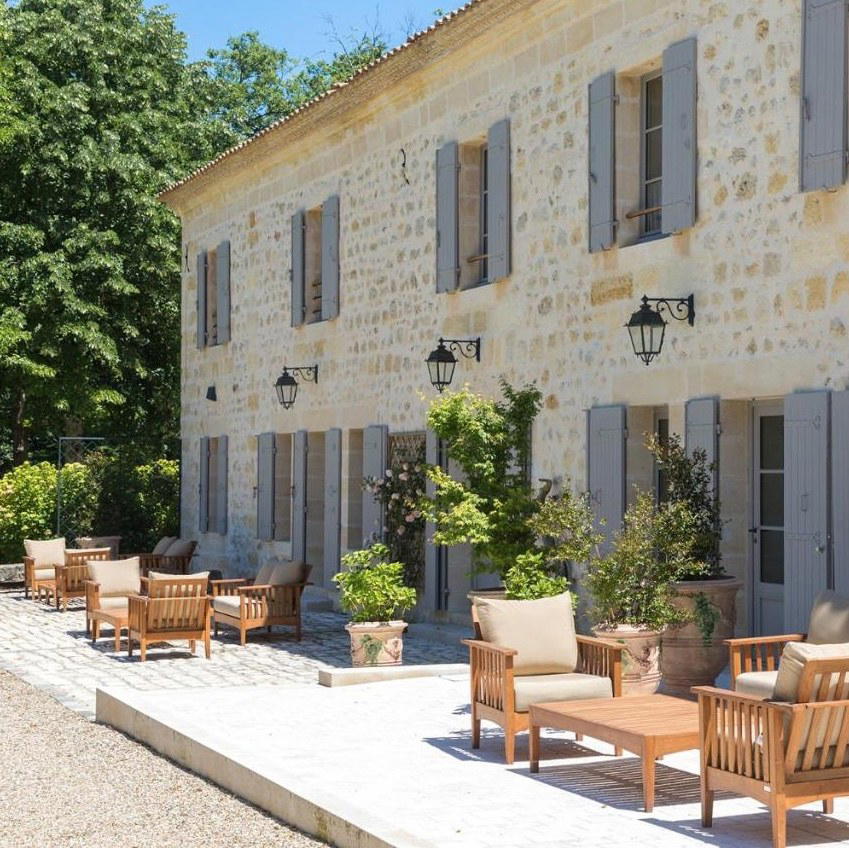
Approaching the estate, the mood is quieter than the image many travelers bring to Bordeaux. This is not the polished palace circuit of the Médoc or the trophy-cellar choreography of Saint-Émilion. The setting is working countryside: traditional stone buildings, vineyard views, and the calm of Entre-Deux-Mers high ground between the Dordogne and Garonne rivers. Château Sainte-Marie belongs to the side of Bordeaux where agriculture remains visible, and that matters. The wines make more sense when read through altitude, exposure, limestone, clay, and the region’s long habit of producing whites as well as reds.
Entre-Deux-Mers through white varieties, old vines, and high ground
Bordeaux is often discussed through Cabernet, Merlot, classification, and price hierarchy. Entre-Deux-Mers changes the frame. Here, white Bordeaux has a deeper role, and this estate leans into that identity with more than two-thirds of its vineyard area planted to white varieties, principally Sauvignon Blanc and Sémillon, with Muscadelle also in the mix. That ratio is the central editorial fact: it places the estate inside a Bordeaux tradition that many visitors underread, especially if their trip has been built around red-wine prestige.
The vineyard scale is meaningful without feeling industrial. The estate covers 52 hectares, with a 25-hectare Vieilles Vignes parcel on mainly clay-limestone soils. Average vine age is given at about 30 years, with some old-vine material passing the century mark. In a region where soil nuance can be buried beneath brand hierarchy, those figures pull attention back to viticulture. Limestone brings line and tension to white Bordeaux; clay gives weight and water retention; gravelly loam helps structure the reds. The result is not a single style claim, but a practical map for how the estate’s still white, red, and rosé wines should be understood.
Production details reinforce that land-first reading. Fruit is estate-grown, white wines are fermented with indigenous yeasts in stainless steel, and the white program includes lees aging rather than overt oak display. Reds move through a more traditional Bordeaux register, with Merlot, Cabernet Sauvignon, and Petit Verdot appearing across the range. Falstaff recognition gives the portfolio an external marker: the 2018 Vieilles Vignes red received 91 points from Peter Moser, while the 2019 Alios was rated 90 points. Those scores matter less as trophy language than as calibration; they suggest technically credible Bordeaux from a less loudly commercial corner of the region.
A family estate format, not a spectacle tasting room
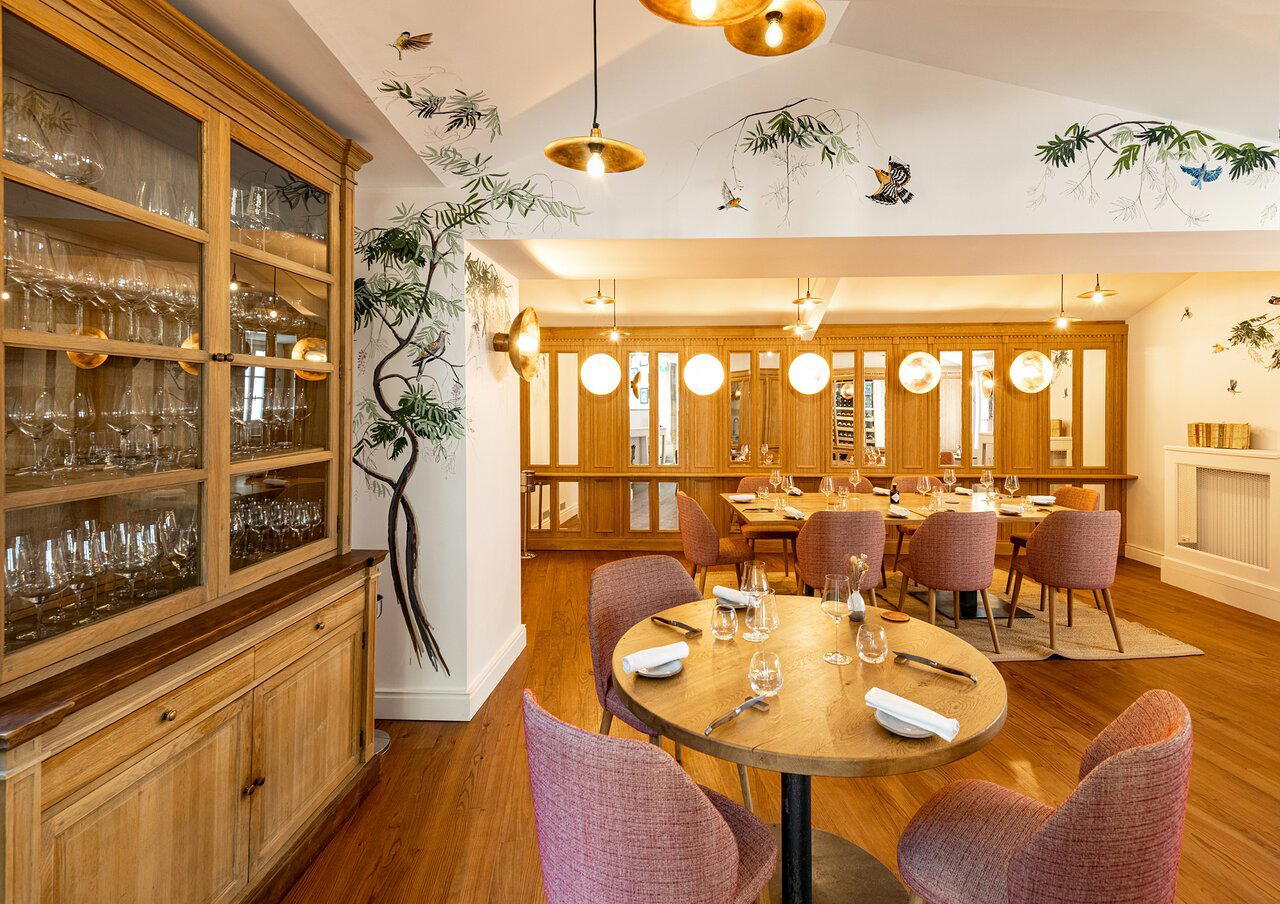
The estate’s first documented mention dates to the 1874 edition of Féret, the Bordeaux reference work, and the Dupuch family connection gives the property a continuity that suits this part of the Gironde. Stéphane Dupuch is named as winemaker, with Géraldine Lussiez as cellar master, but the more useful point is not biography. It is that the estate operates in the family-run, working-winery register rather than the high-production hospitality model. The atmosphere is quiet, classic, rustic, and scenic, with a guided tasting format rather than a sprawling visitor complex.
That restraint is a strength for travelers who want to understand Entre-Deux-Mers as a wine region rather than collect château façades. The estate’s organic production philosophy aligns with a broader shift in Bordeaux, where sustainability has moved from side note to serious buying signal. Here it appears through vineyard practice and an organic conversion ethos, not through luxury-coded language. The experience is better read as wine education: a place to connect grape varieties, soil, and appellation context in a compact visit.
The portfolio also helps explain why Targon rewards a slower itinerary. Still whites sit at the center of the estate’s identity, but the reds keep the Bordeaux frame intact, and rosé rounds out the range without turning the visit into a lifestyle tasting. For readers building a wider local route, the town’s winery map also includes Château Peyredon Lagravette, Château Vermont, and SARL Château Vermont. The broader planning rails are useful too: see our full Targon wineries guide, plus our full Targon restaurants guide, our full Targon hotels guide, our full Targon bars guide, and our full Targon experiences guide.
How to place it in a wider wine itinerary
Château Sainte-Marie suits travelers who prefer substance over ceremony: vineyard context, family continuity, and a clear white-Bordeaux argument. It is also a useful counterweight to more famous red-led Bordeaux appellations, especially for drinkers who want to see how Sauvignon Blanc, Sémillon, and Muscadelle behave on Entre-Deux-Mers limestone and clay. Its historic estate atmosphere gives the visit texture, but the stronger reason to go is agricultural literacy.
For readers comparing wine experiences beyond Bordeaux, the archive stretches across different formats: Champagne at A. Margaine in Villers-Marmery and Agrapart & Fils in Avize, southern French estates such as Abbaye de Fontfroide in Narbonne, Abbotts & Delaunay in Marseillette, and Advini in Saint Felix De Lodez, plus Central European references including »der Steiner« Hans Steiner in Podersdorf am See and & Handwein in Mannheim. Against that wider field, the Targon estate’s value is specific: it shows Bordeaux at ground level, where place, farming, and family continuity carry the story.
Recognition history
Dated appearances from independent guides and award organizations, with the underlying list record or original source where available.
Falstaff Winery - Listed
Falstaff
Continue exploring
More in Targon
Wineries in Targon
Browse all →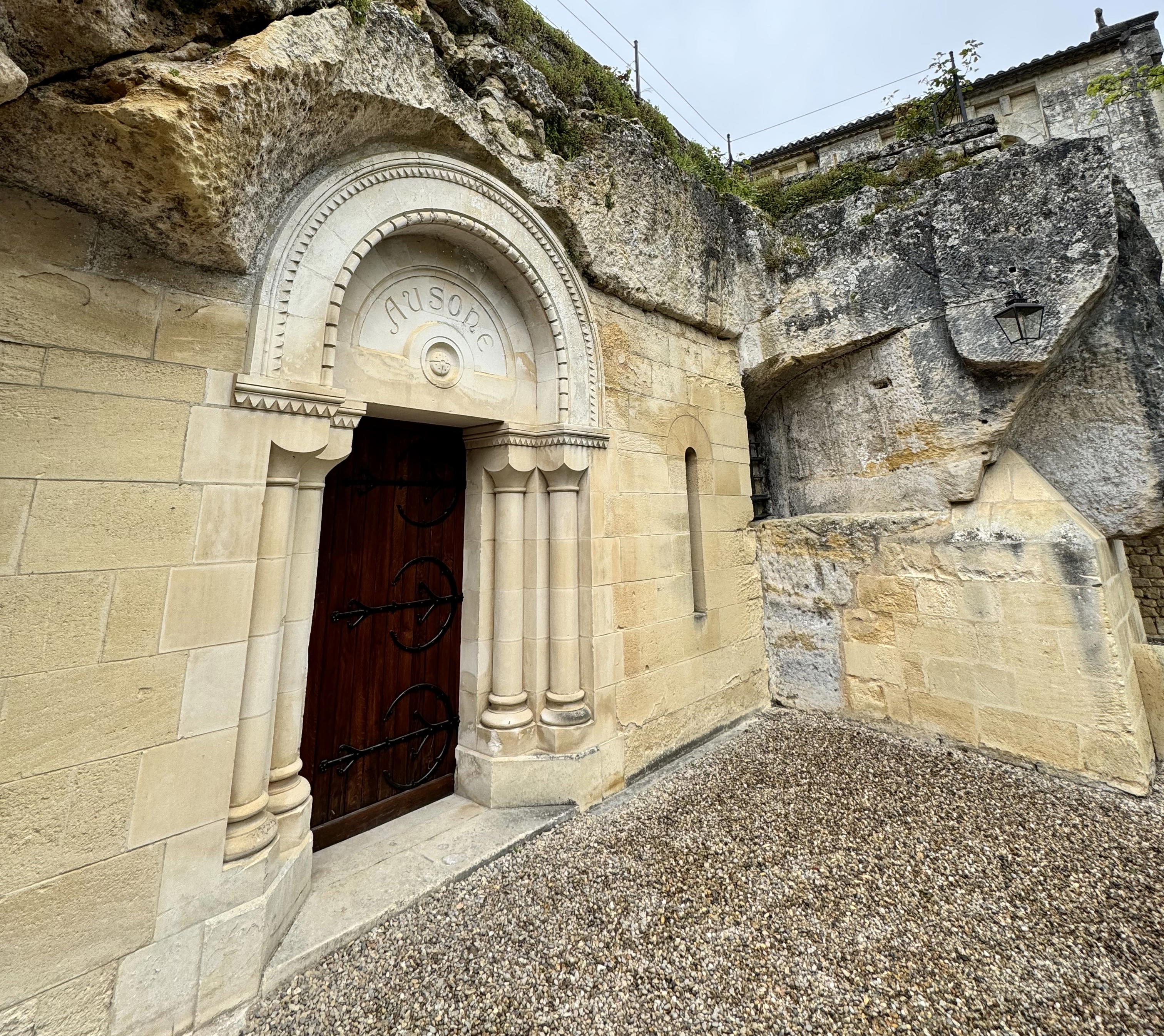
Bars in Targon
Browse all →
Restaurants in Targon
Browse all →
At a Glance
- Quiet
- Classic
- Rustic
- Scenic
- Wine Education
- Group Outing
- Solo Exploration
- Vineyard Tour
- Private Tasting
- Historic Building
- Organic
- Sustainable
- Vineyard
- Entre Deux Mers
- Sauvignon Blanc
- Sémillon
- Muscadelle
- Merlot
- Cabernet Sauvignon
- Petit Verdot
- Still White
- Still Red
- Still Rosé
- Guided Tasting
- Appointment Tasting
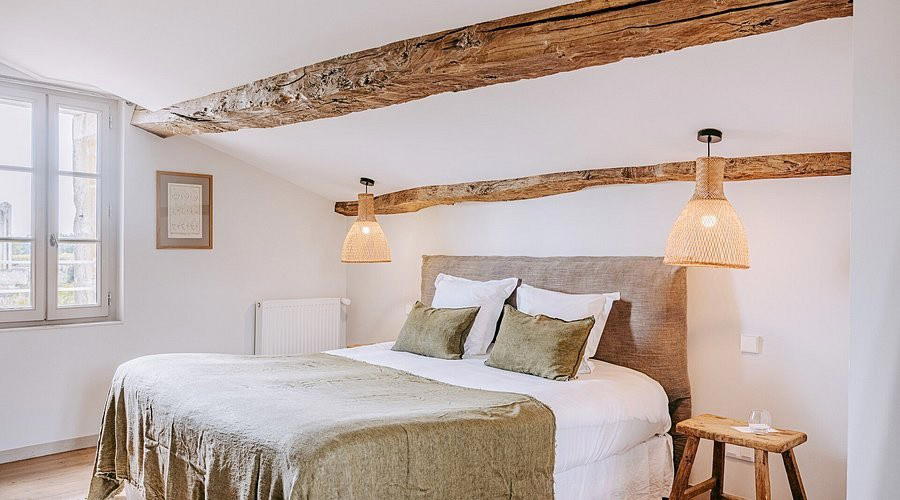
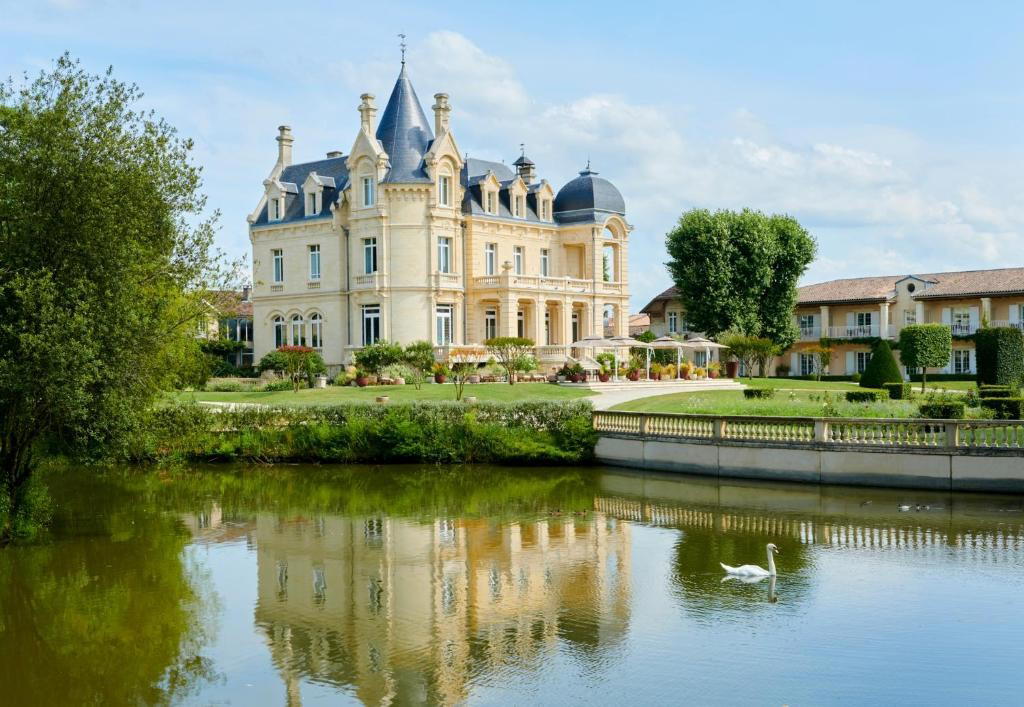
Historic, family-run estate atmosphere with traditional stone buildings and a working winery setting.