
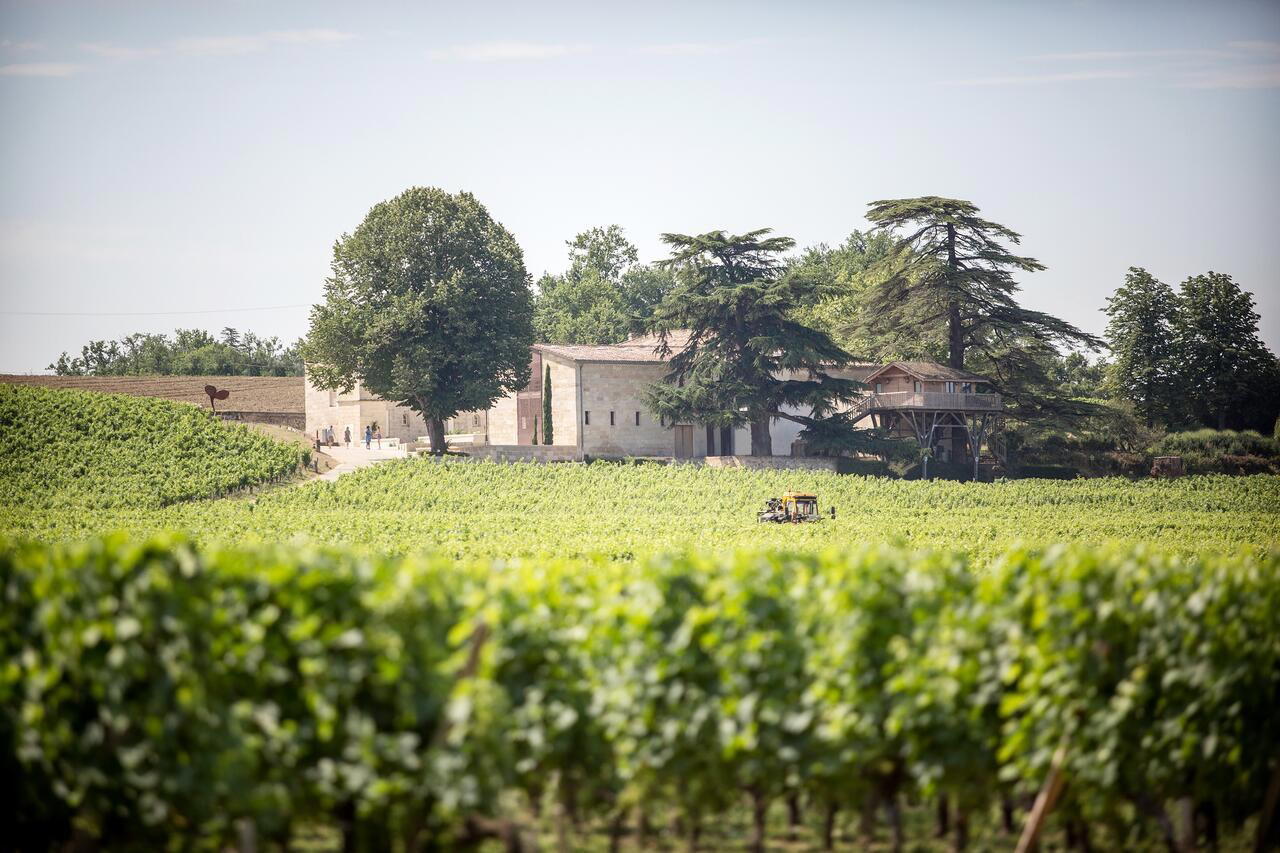
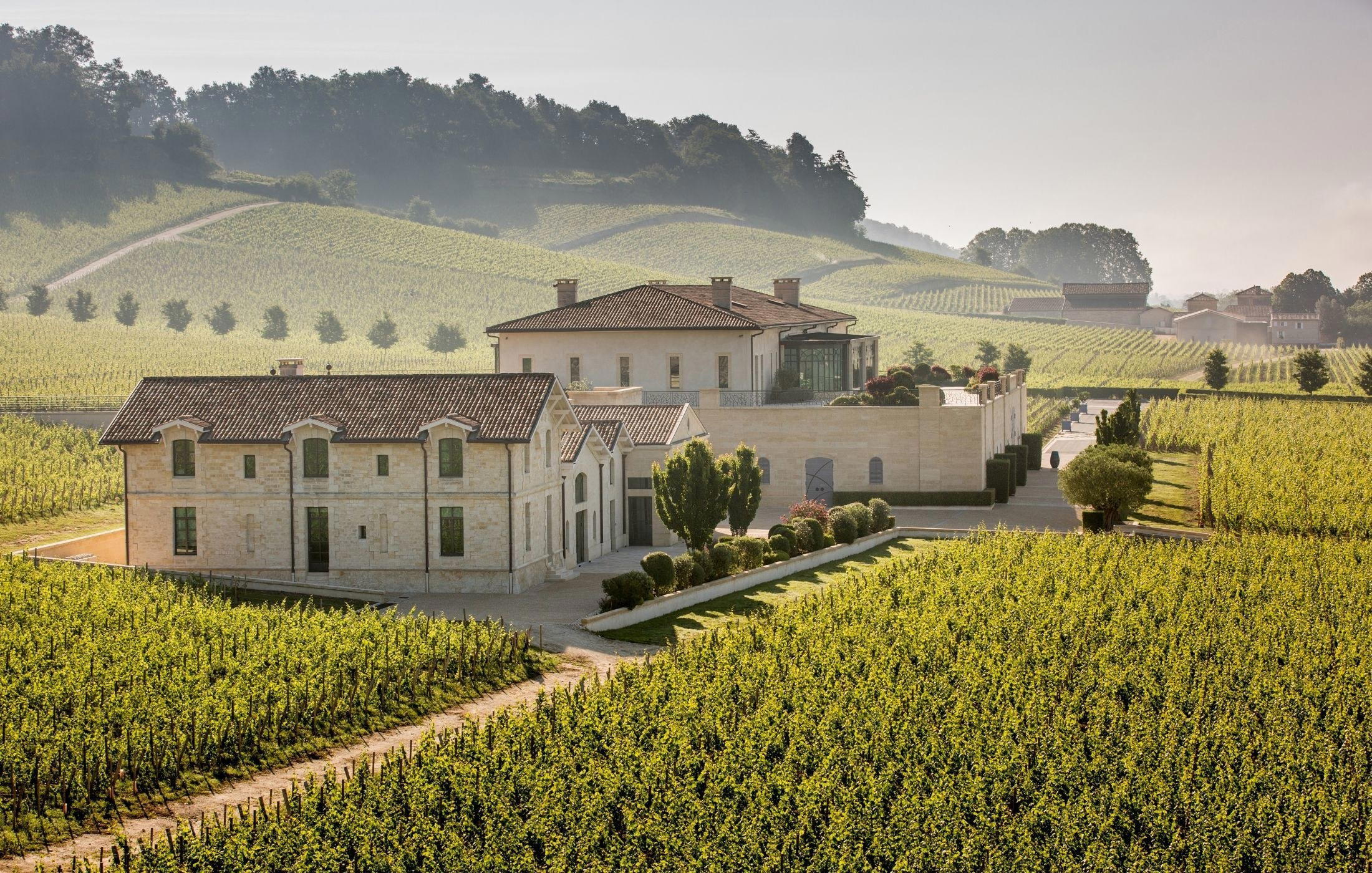
Château Moulin Pey-Labrie is a small Canon-Fronsac estate in Fronsac, working Merlot and Malbec from clay-limestone slopes with organic and biodynamic certification from Ecocert. The interest here is not polished château theatre but old-vine Right Bank Bordeaux shaped by low production, indigenous yeast fermentation, and a restrained cellar regime.
Pearl is the En Primeur Club membership app — saves, bookings, and concierge access live there. Same editors, same standards.
- Address
- Fronsac, Libournais, Nouvelle-Aquitaine, Frankreich
- Directions
- Get directions
 Saves & bookings on Pearl
Fronsac is a quieter Right Bank setting, and Château Moulin Pey-Labrie should be understood in that understated register. The picture is not a flashy visitor experience or a grand hospitality production, but a natural, terroir-driven Bordeaux address with an emphasis on old-vine Right Bank character. For visitors who prefer a rustic, hidden-gem mood over spectacle, that is the useful frame. It suggests a place to approach with patience and curiosity rather than with expectations shaped by highly polished château tourism.
Specific technical details about the estate, its vineyard holdings, cellar methods, visitor format, or production are not confirmed here. What can be stated with confidence is narrower: Château Moulin Pey-Labrie is in Fronsac, sits in the $$ price range, and is best approached as a quiet, sophisticated stop for people interested in terroir-driven Bordeaux rather than a highly staged venue. In practical terms, that means the appeal is less about a guaranteed set-piece experience and more about the promise of a modest, place-focused Right Bank address.
Old-vine Right Bank Bordeaux without the grand-château performance
Château Moulin Pey-Labrie’s appeal rests on restraint. The venue is described as natural, terroir-driven, rustic, and understated, with a focus on old-vine Right Bank Bordeaux. That makes it a fit for travellers who value a sense of place and a quieter atmosphere more than polished luxury cues. The language around the estate points toward depth and character rather than display, which is an important distinction when setting expectations for a visit in Fronsac.
The safest expectation is a low-key Fronsac venue with a serious, place-led identity. That does not diminish its interest; in fact, for the right visitor, the absence of grand-château performance can be exactly the attraction. A quieter address can allow the emphasis to remain on the wine region, the old-vine Right Bank profile, and the feeling of being somewhere a little more.
For broader context, compare the winery with other dining and wine-focused options in Fronsac generically rather than assuming the same style, format, or level of access across the area. Fronsac can reward a slower, more selective approach, and this venue belongs in that mental category: not a place to over-script from a distance, but one to consider as part of a thoughtful Bordeaux plan built around terroir, texture, and a quieter pace.
What the land contributes to the glass
The grounded point is the venue’s focus on old-vine Right Bank Bordeaux and terroir-driven character. That phrase is doing much of the work here. It frames the winery as a place where the interest is tied to origin, age, and identity rather than to decorative extras. For travellers who use wine as a way into landscape, appellation, and local temperament, that is a meaningful signal.
That restraint matters. A good Fronsac plan can still make room for the winery as a quiet, sophisticated stop, but visitors should confirm any technical tasting details, availability, and current offerings directly before building an itinerary around them. The important point is to avoid assuming a particular format. The venue’s character is described clearly, but the logistics are not, so a little advance checking is part of approaching it well.
For travellers building a wider Fronsac day, keep the plan flexible and use current local sources for restaurants, hotels, bars, wineries, and experiences rather than relying on unconfirmed assumptions about what is offered on site. This is especially true for anyone trying to balance a wine-focused stop with meals, overnight plans, or other visits in the area. The winery fits best into a day that has room to breathe, where the value lies in a terroir-minded encounter rather than a checklist of amenities.
A quiet Fronsac stop for terroir-minded visitors
The experience is best framed around mood and orientation: quiet, rustic, hidden-gem, sophisticated, natural, terroir-driven, and understated. It is likely to appeal most to visitors who are interested in old-vine Right Bank Bordeaux and who do not need a flashy setting to enjoy a venue. If your ideal Bordeaux stop involves a sense of discovery, a softer atmosphere, and a focus on what the place itself communicates, the winery is easier to understand.
The practical takeaway is simple: in Fronsac, the winery reads as a quieter, terroir-led option in the $$ range. Go in with measured expectations, confirm the practical details before committing your schedule, and think of it less as a grand production than as a modest, serious address for people who want their Bordeaux experience grounded in old-vine Right Bank character.
Recognition history
Dated appearances from independent guides and award organizations, with the underlying list record or original source where available.
Falstaff Winery - Listed
Falstaff
Continue exploring
More in Fronsac
Wineries in Fronsac
Browse all →
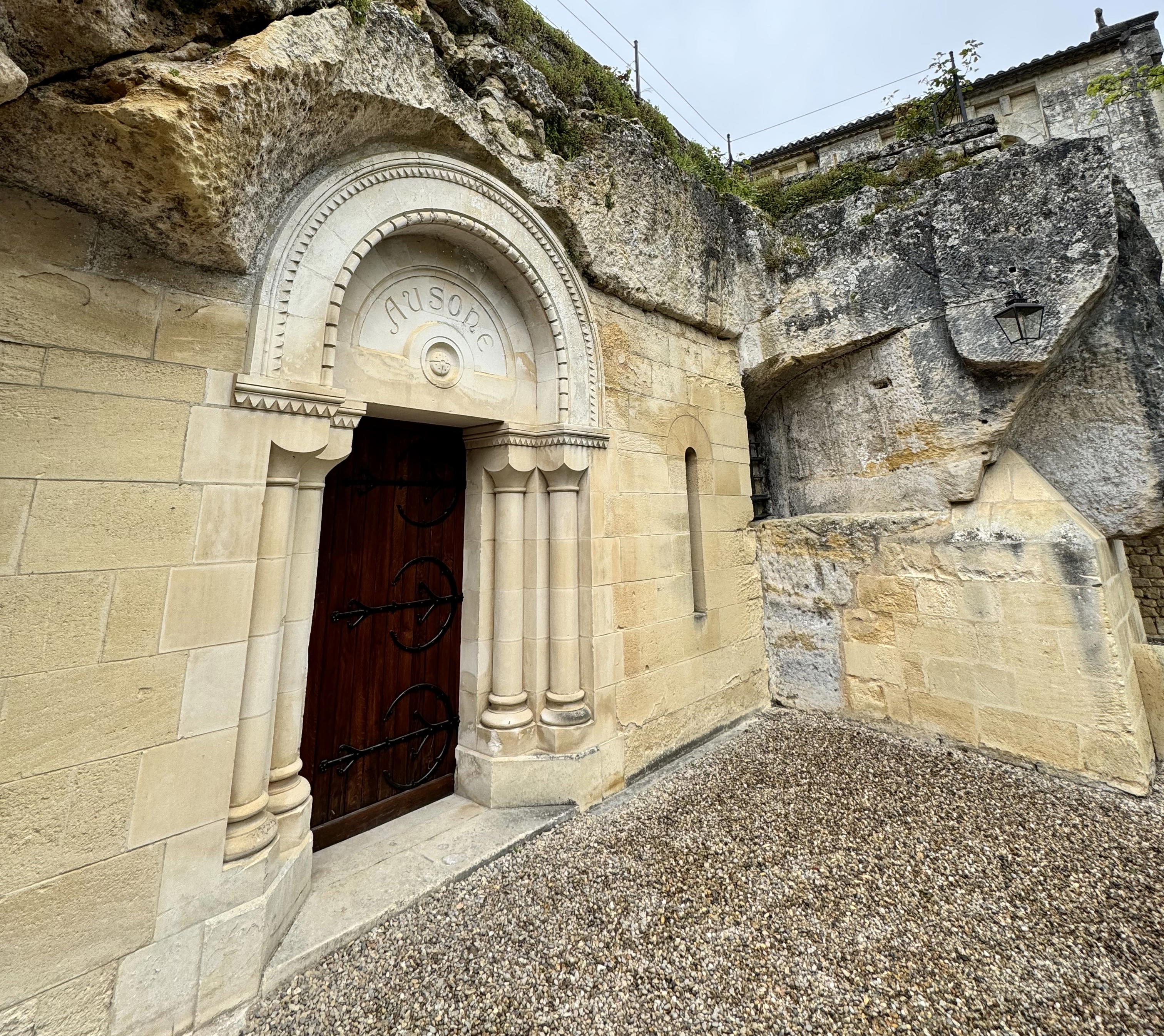
Bars in Fronsac
Browse all →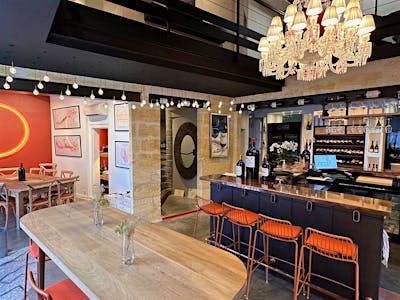
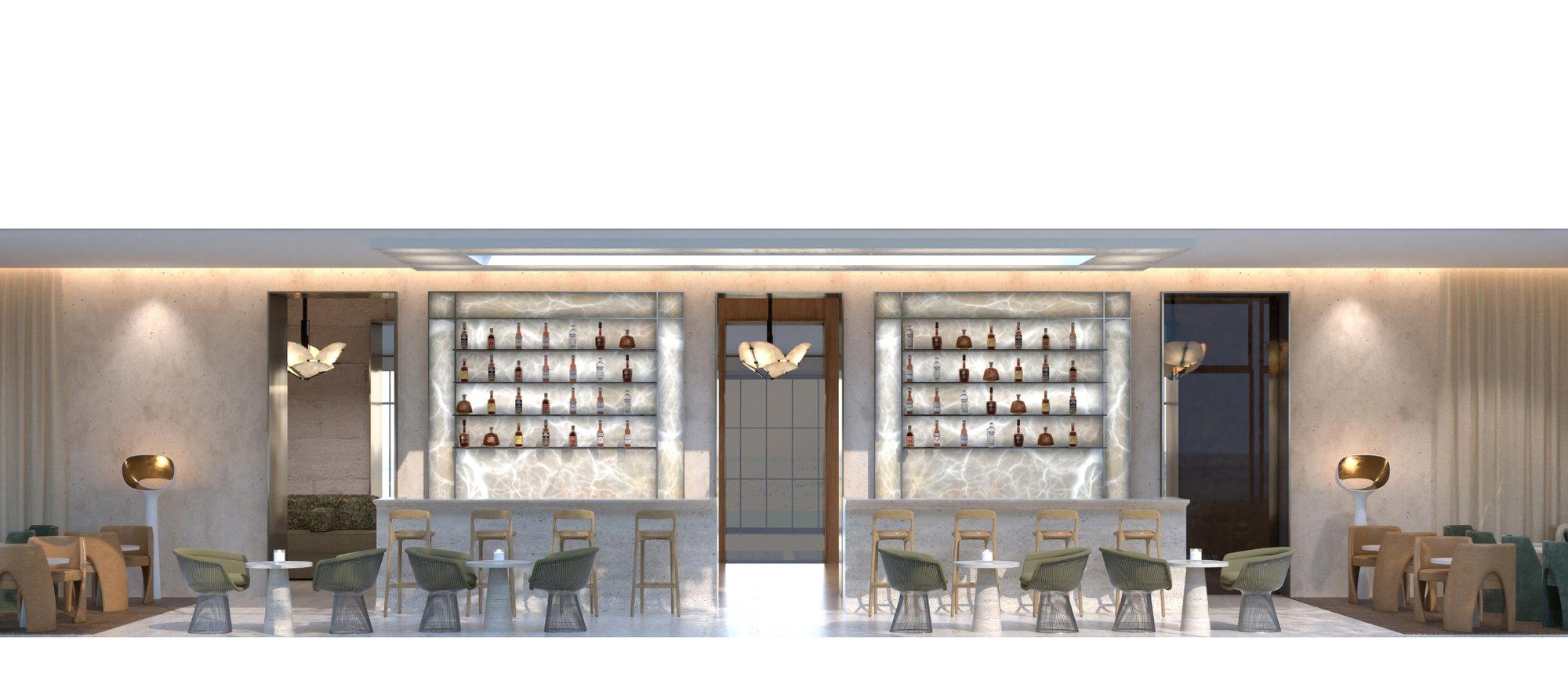
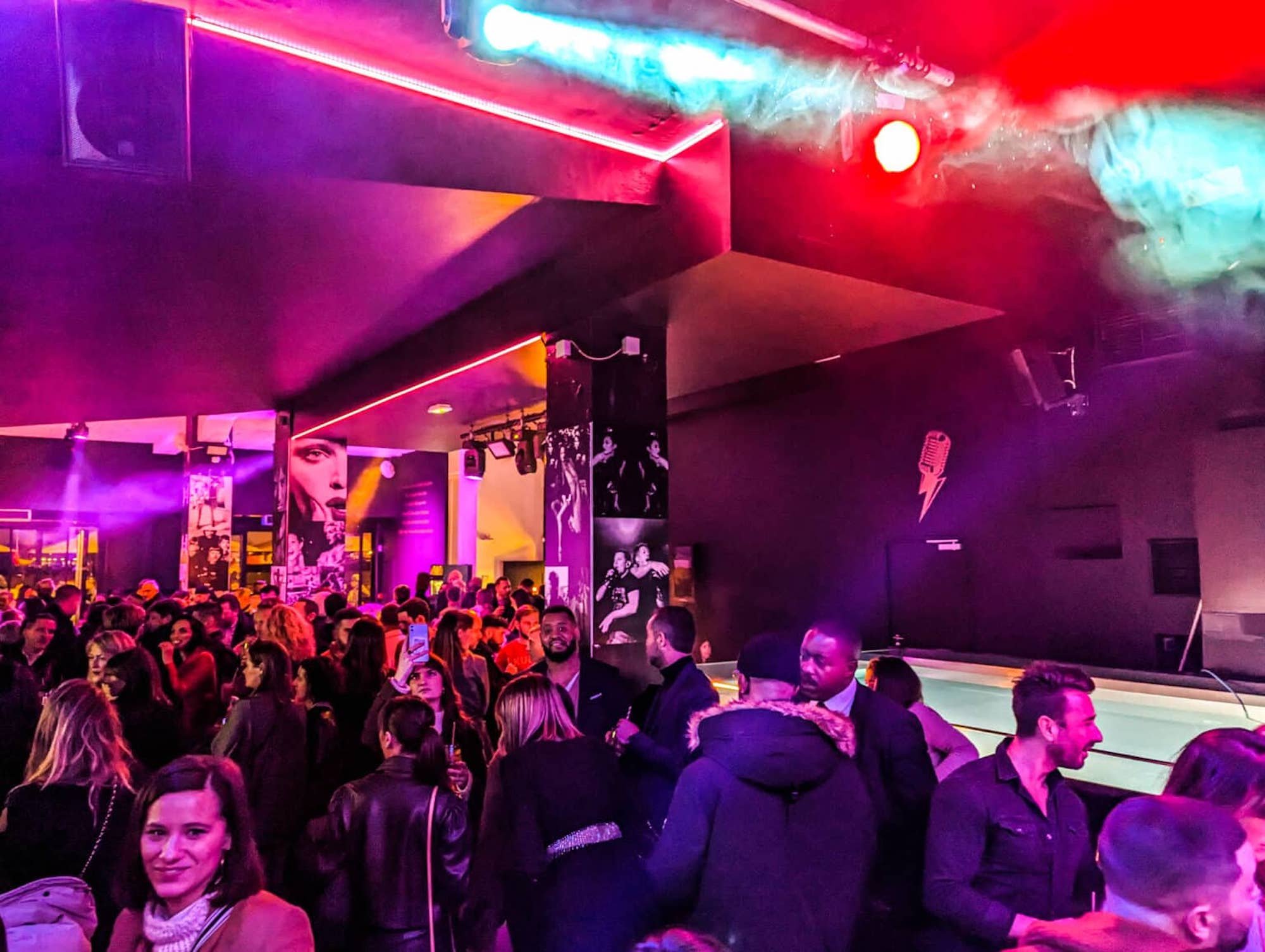
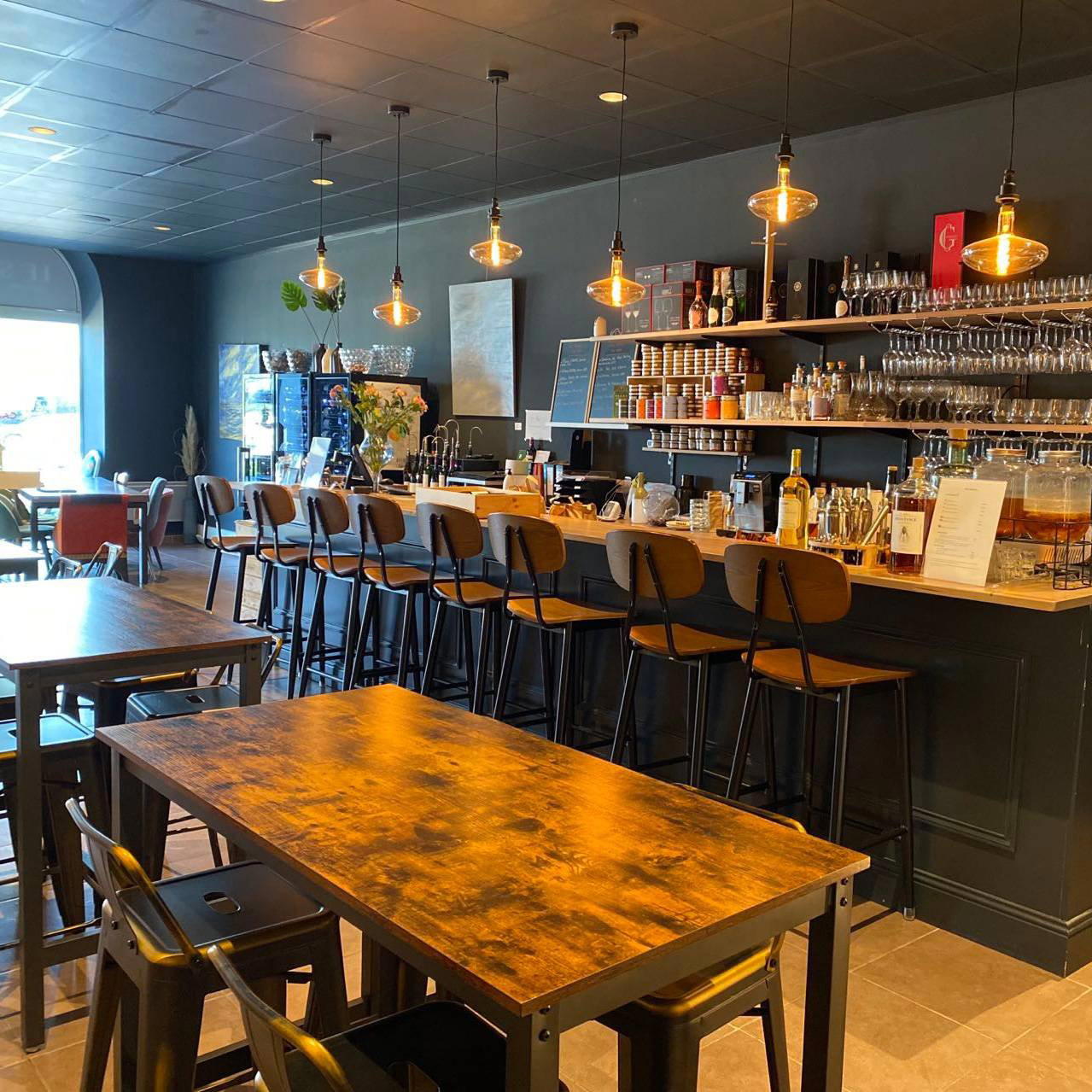
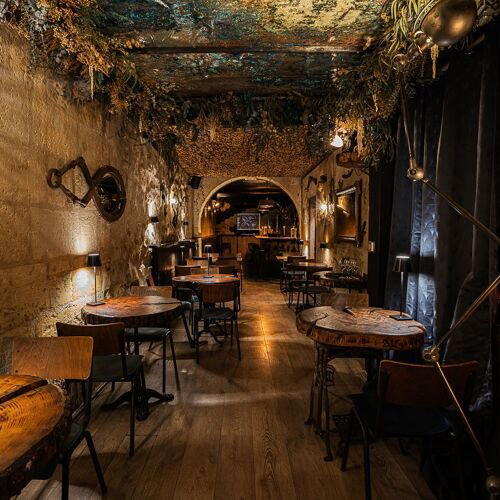
Restaurants in Fronsac
Browse all →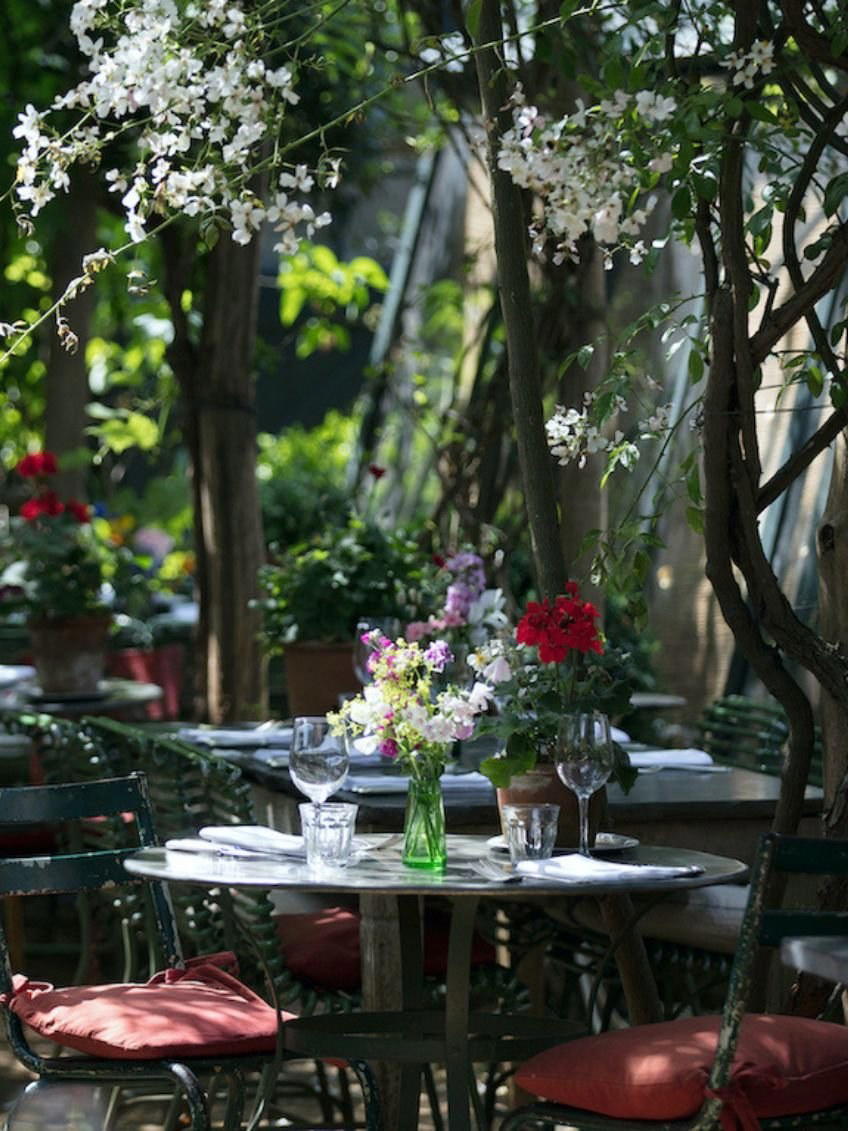
At a Glance
- Quiet
- Rustic
- Sophisticated
- Wine Education
- Solo Exploration
- Special Occasion
- Vineyard Tour
- Estate Grounds
- Historic Building
- Organic
- Biodynamic
- Vineyard
- Canon Fronsac AOC
- Merlot
- Malbec
- Still Red
- Tasting By Appointment
Natural, terroir-driven, and understated, with a focus on old-vine right-bank Bordeaux rather than a flashy visitor experience.