
Château Moulin Haut-Laroque is a traditional Fronsac estate in Saillans, working a Merlot-led Right Bank profile from clay-limestone hillsides and plateau vineyards. Its appeal is not hospitality spectacle but terroir clarity: a 16-hectare family domaine, a first vintage dating to 1890, century-old Malbec in the blend, and a 2022 wine marked at 93 points by Wine Spectator.
Pearl is the En Primeur Club membership app — saves, bookings, and concierge access live there. Same editors, same standards.
- Address
- Saillans, Fronsac, Nouvelle-Aquitaine, Frankreich
- Directions
- Get directions
 Saves & bookings on Pearl
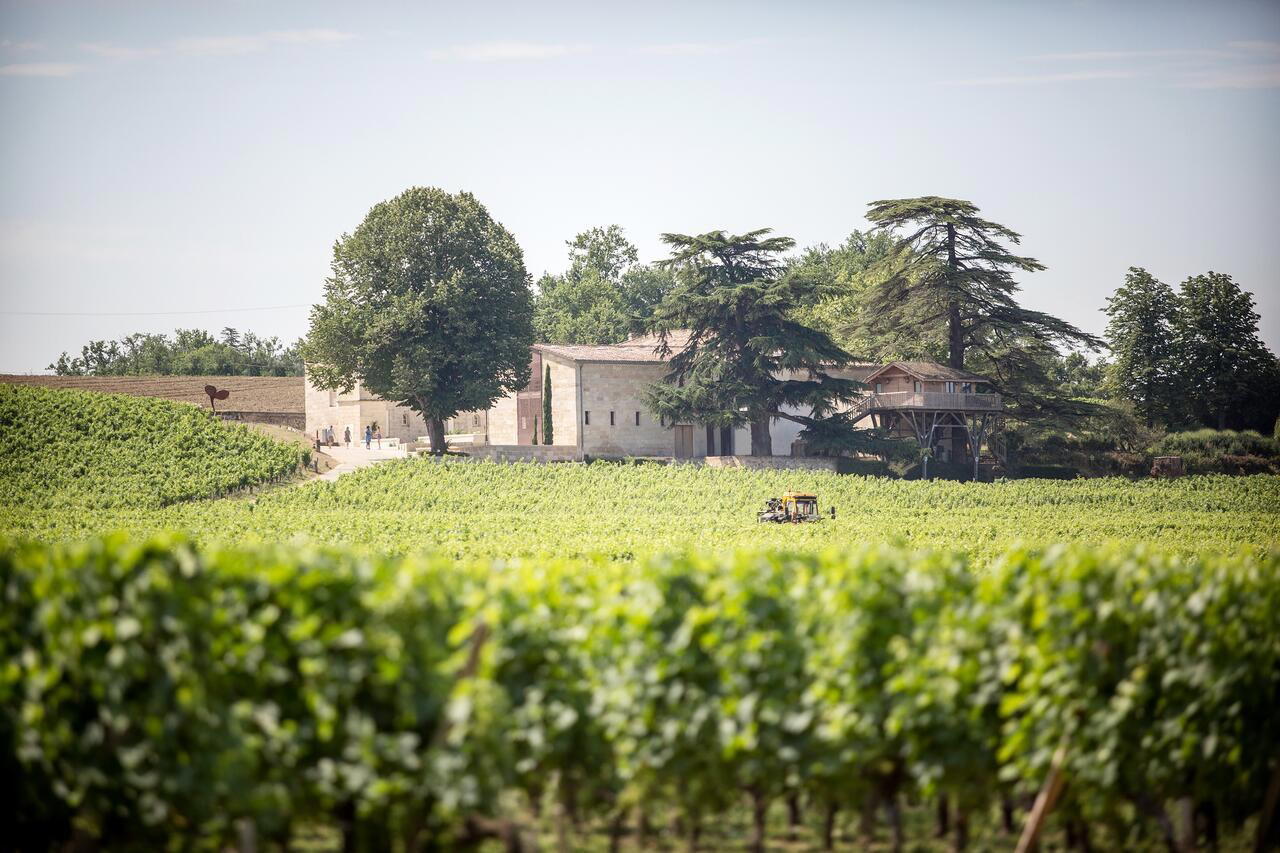
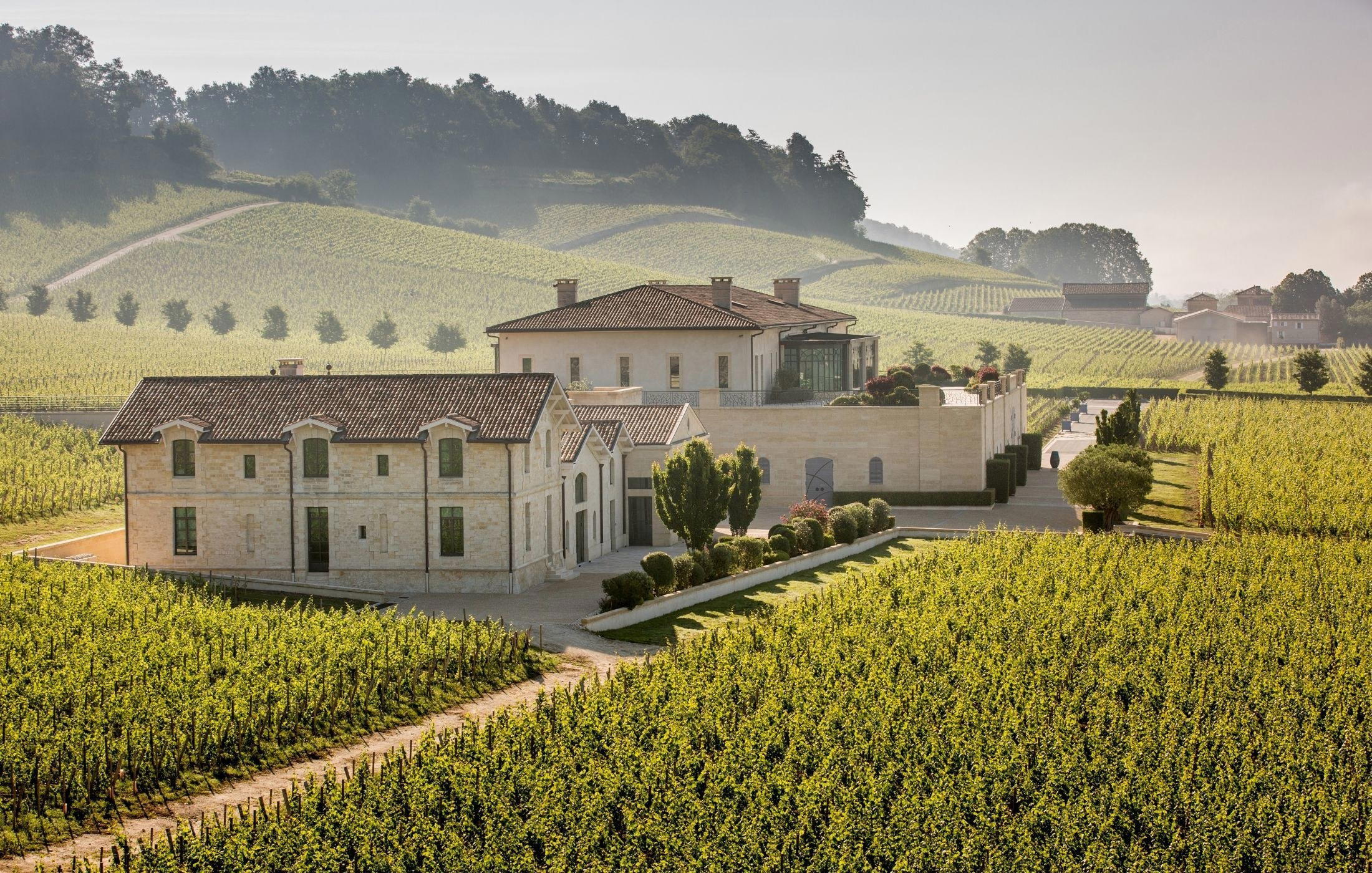
Château Moulin Haut-Laroque in Saillans is best understood as a traditional Right Bank Bordeaux family estate rather than a design-driven hospitality venue. The picture is classic and rural: a property focused on vineyard and cellar work, with an emphasis on expressing clay-limestone terroir through structured, age-worthy red wines. In that sense, its appeal is not about dramatic staging or a polished lifestyle narrative, but about a quieter Bordeaux register: land, family continuity, cellar discipline, and wines whose identity is tied to place.
The grounded appeal is the estate’s traditional Bordeaux character, its Saillans setting, and its focus on reds shaped by clay-limestone soils. For EP Club readers, that makes it a venue to consider through the lens of wine culture rather than hospitality spectacle. One useful way to approach it is to keep the frame narrow and accurate: a rural Right Bank estate, rooted in production, whose confirmed interest lies in terroir-led red wine rather than in broader claims about services or visitor experience.
Clay-limestone Right Bank Bordeaux, read through structured reds
The core identity of Château Moulin Haut-Laroque is tied to clay-limestone terroir and a style of red wine built for structure and aging. Rather than presenting the estate through technical details, it is safer to read it through the broader signals that are confirmed: a Right Bank Bordeaux family estate, a classic rural feel, and a production-first emphasis on vineyard and cellar work. Those signals are enough to give the estate a clear place in a wine-focused itinerary, especially for travelers who value restraint and provenance over decorative storytelling.
Clay-limestone, in this context, is not just a background descriptor. It is the central interpretive clue for understanding why the estate is associated with structured, age-worthy reds. The phrase points toward a Bordeaux profile in which soil, growing conditions, and cellar decisions are treated as part of the same continuum. The estate’s character, as presented here, is therefore best read through patience and shape: wines intended to carry structure, to reflect their site, and to sit comfortably within a traditional Right Bank conversation.
That makes the estate especially relevant for travelers who are interested in traditional Bordeaux rather than high-design wine tourism. The experience, as verified, is not defined by spectacle or elaborate hospitality claims. It is defined by place, soil, and a restrained estate character. For some visitors, that restraint is precisely the point: the absence of a heavily marketed hospitality layer allows the emphasis to remain on the estate’s rural setting and production identity.
A family estate without the performance layer
Château Moulin Haut-Laroque’s confirmed atmosphere is classic and rural. The estate is described as traditional rather than design-led, with the focus falling on vineyard and cellar work. For readers planning around Saillans, that distinction matters: the reason to pay attention is the estate’s Bordeaux identity and its clay-limestone expression, not any claim about amenities, rankings, or a formal tasting format. It is a profile that asks to be understood simply, without adding extras that are not confirmed.
This family-estate framing also gives the venue a different kind of appeal from properties whose identity is built around architecture, hospitality programming, or destination dining. Here, the editorial value sits in continuity and clarity. A traditional rural Bordeaux estate can be compelling precisely because it does not need to perform beyond its core purpose. The vineyard and cellar emphasis keeps the narrative close to the essentials: the land being worked, the wines being made, and the long Bordeaux habit of connecting site to structure.
This is a useful profile for readers who prefer estates where the editorial interest is grounded in terroir and age-worthy reds. Without details on opening hours, appointments, food service, or visitor capacity, those practical points should be checked directly before planning a stop. That caution is important because the confirmed information supports a wine-estate profile, not a full visitor-service guide. Treat the property as a serious Bordeaux reference point first, and only then verify whether and how it fits into a day’s logistics.
How to place it in a Saillans itinerary
In a Saillans itinerary, the winery fits as a traditional Right Bank Bordeaux family estate with a rural, production-focused character. Build your interest around clay-limestone terroir and structured red wines, and avoid assuming specific services unless confirmed directly with the estate. The right expectation is quiet and grounded: an estate whose identity is anchored in Bordeaux fundamentals rather than in lifestyle flourishes.
For a traveler, that means using the winery as a marker of the area’s more classic wine personality. It can sit in the mental map of Saillans as the kind of address that helps define place through vineyard and cellar rather than through a broad hospitality offering. If you are shaping a day around wine, the estate’s relevance is clearest when paired with an interest in traditional reds, rural surroundings, and the particular expression associated with clay-limestone soils.
For broader planning, compare the winery with other dining, wine, and hospitality options in Saillans generically rather than relying on venue-by-venue claims. The useful takeaway is simple: this is a classic rural Bordeaux estate whose identity rests on family-estate character, vineyard and cellar emphasis, and age-worthy reds shaped by clay-limestone soils. Keep the expectations precise, verify practical details directly, and approach the estate for what is actually supported: a traditional Right Bank Bordeaux presence in Saillans, grounded in terroir and production rather than performance.
Recognition history
Dated appearances from independent guides and award organizations, with the underlying list record or original source where available.
Falstaff Winery - Listed
Falstaff
Continue exploring
More in Saillans
Wineries in Saillans
Browse all →
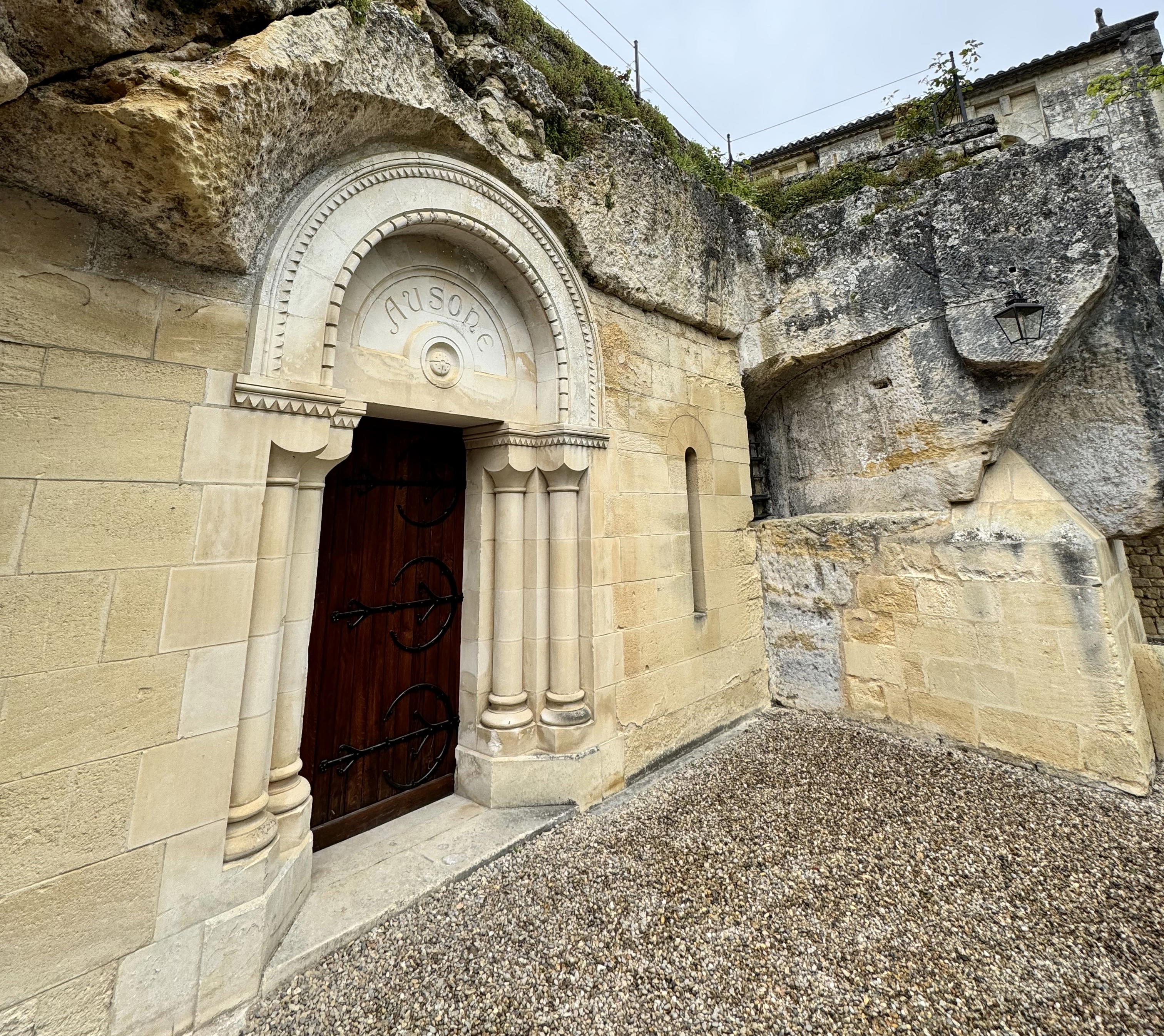
Bars in Saillans
Browse all →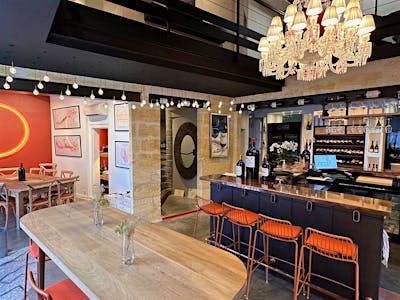

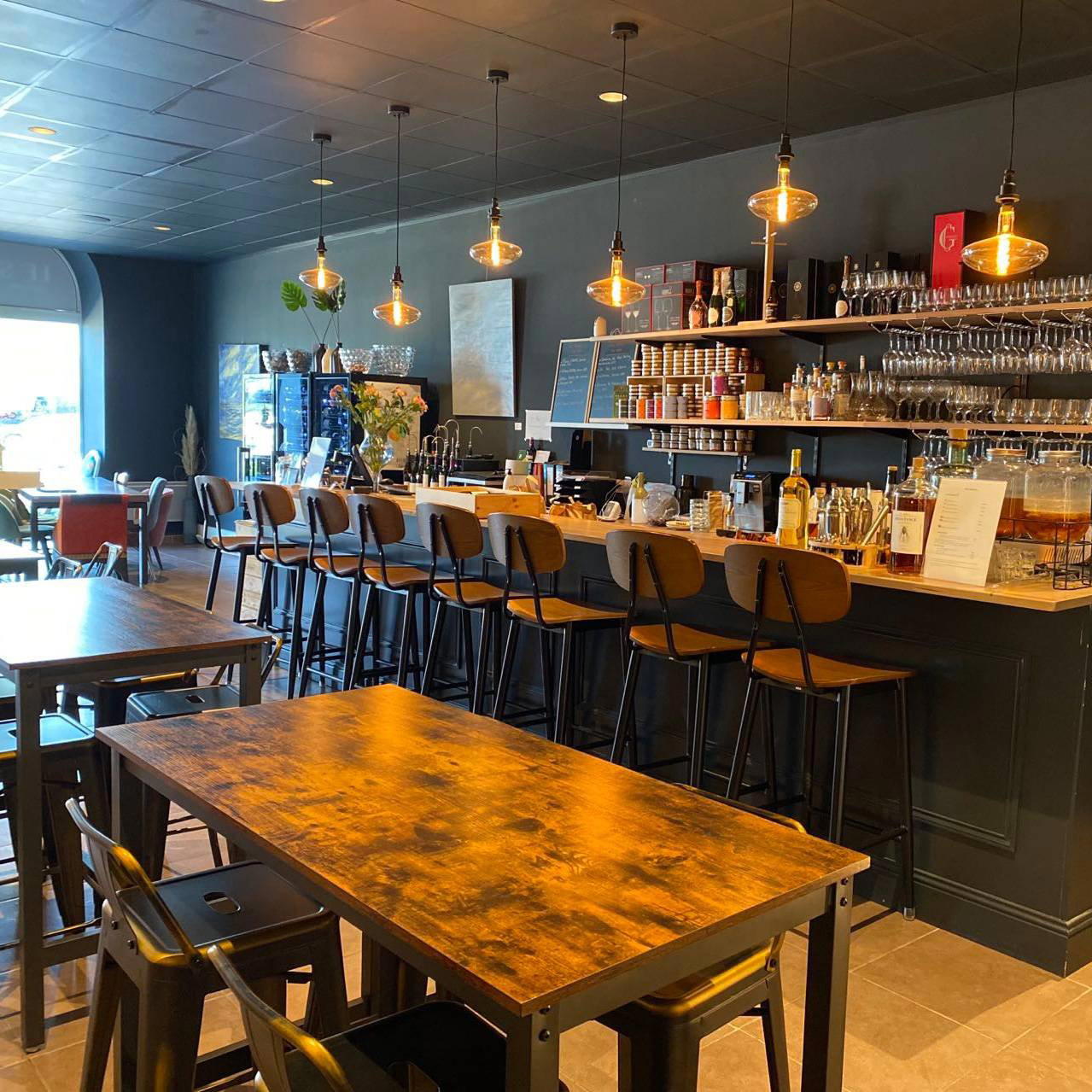
Restaurants in Saillans
Browse all →
At a Glance
- Classic
- Rustic
- Scenic
- Intimate
- Romantic Getaway
- Group Outing
- Wine Education
- Special Occasion
- Solo Exploration
- Estate Grounds
- Vineyard Tour
- Private Tasting
- Sustainable
- Vineyard
- Fronsac AOC
- Merlot
- Cabernet Franc
- Cabernet Sauvignon
- Malbec
- Still Red
- Still White
- Still Rosé
- Estate Tasting
- Private Tasting
Traditional Right Bank Bordeaux family estate focused on expressing its clay-limestone terroir through structured, age-worthy reds; the overall feel is classic and rural rather than design-driven, with an emphasis on vineyard and cellar work rather than hospitality theatrics.