
Château Le Pin is a Pomerol wine address defined by scale rather than spectacle: 2.7 hectares, estate-grown Merlot, and annual production counted in hundreds of cases. Its influence comes from terroir, scarcity, and a modern Right Bank style built around concentration, new French oak, and long cellar life rather than public-facing hospitality.
Pearl is the En Primeur Club membership app — saves, bookings, and concierge access live there. Same editors, same standards.
- Address
- Pomerol, Nouvelle-Aquitaine, Frankreich
- Directions
- Get directions
 Saves & bookings on Pearl
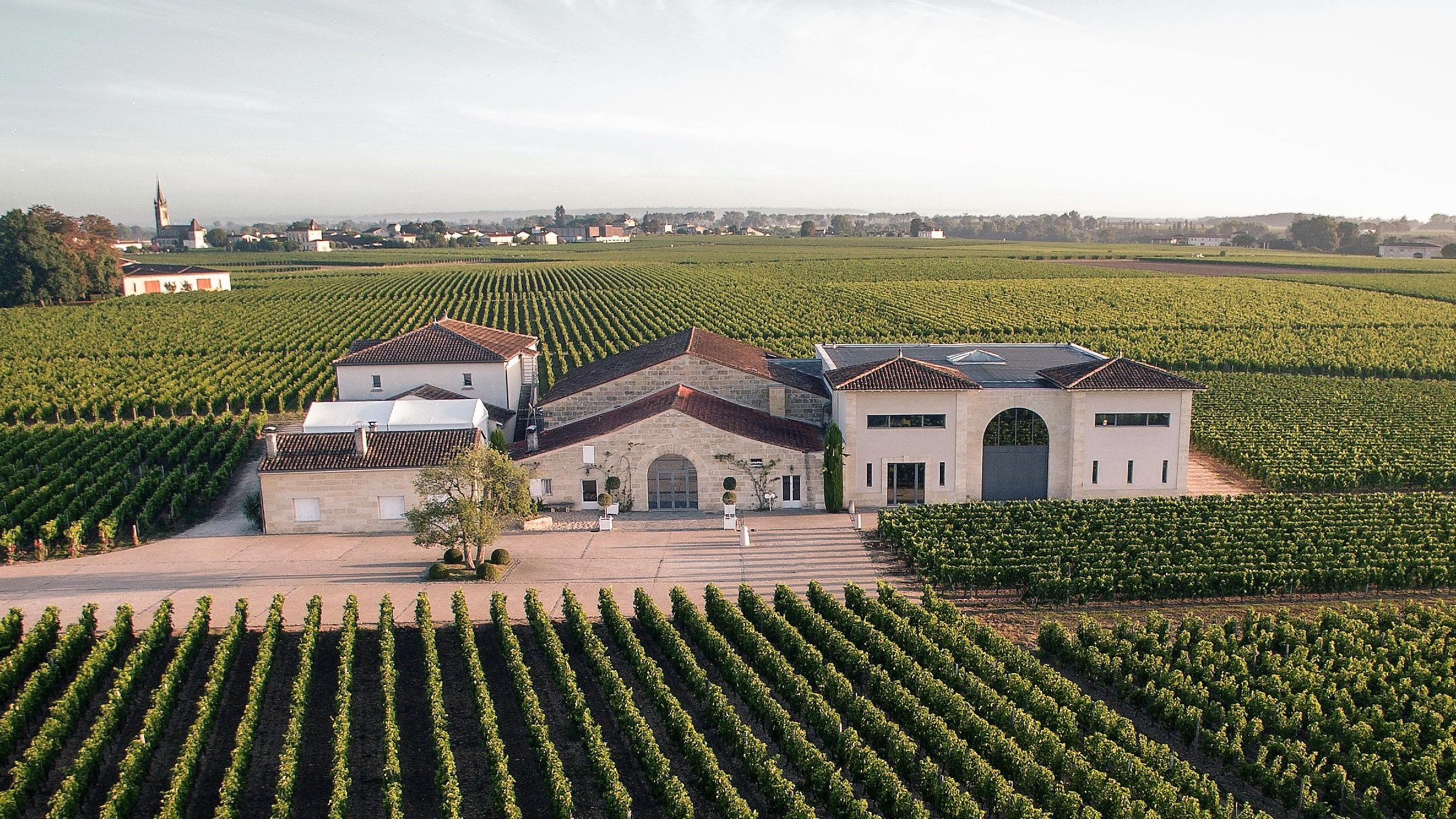
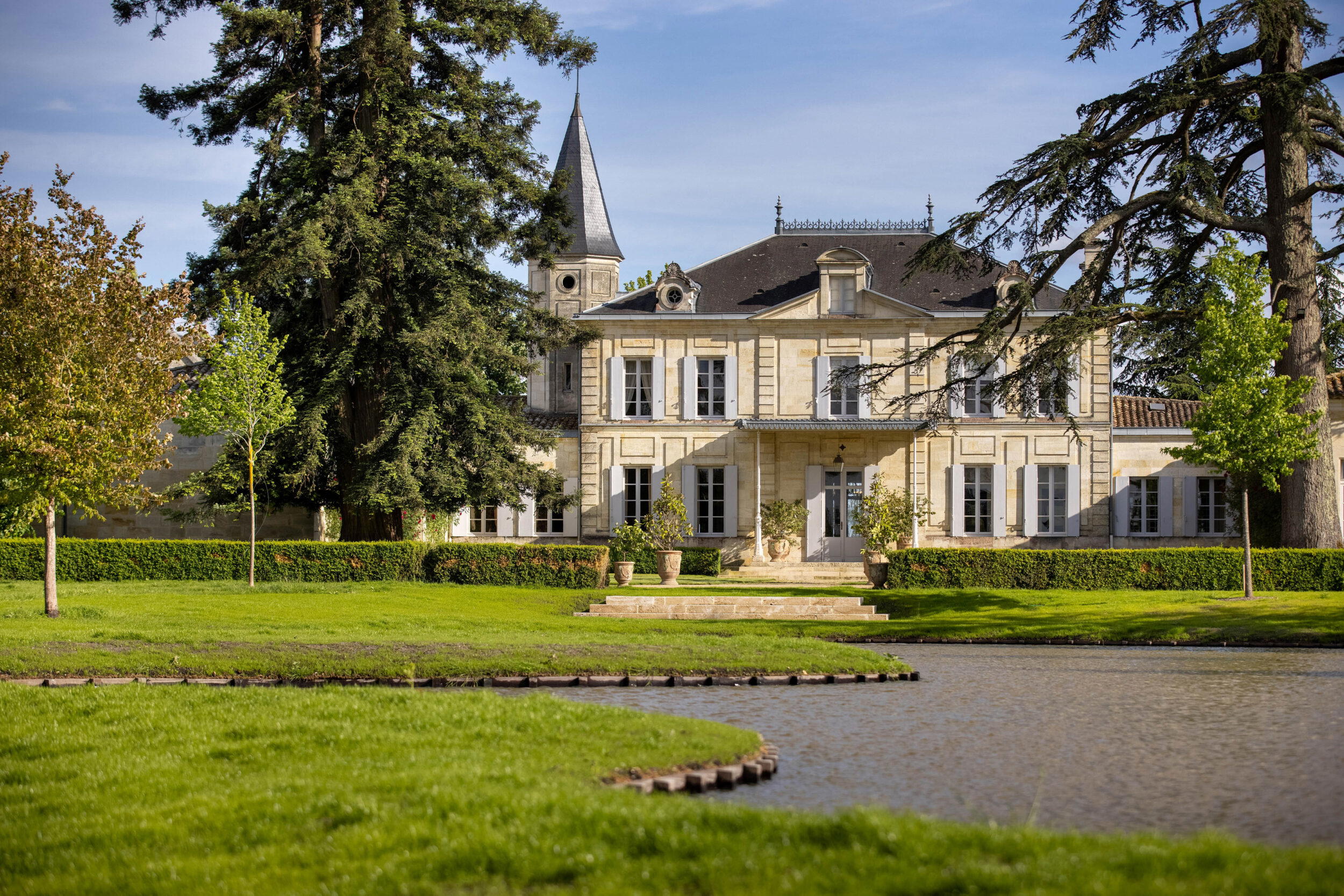
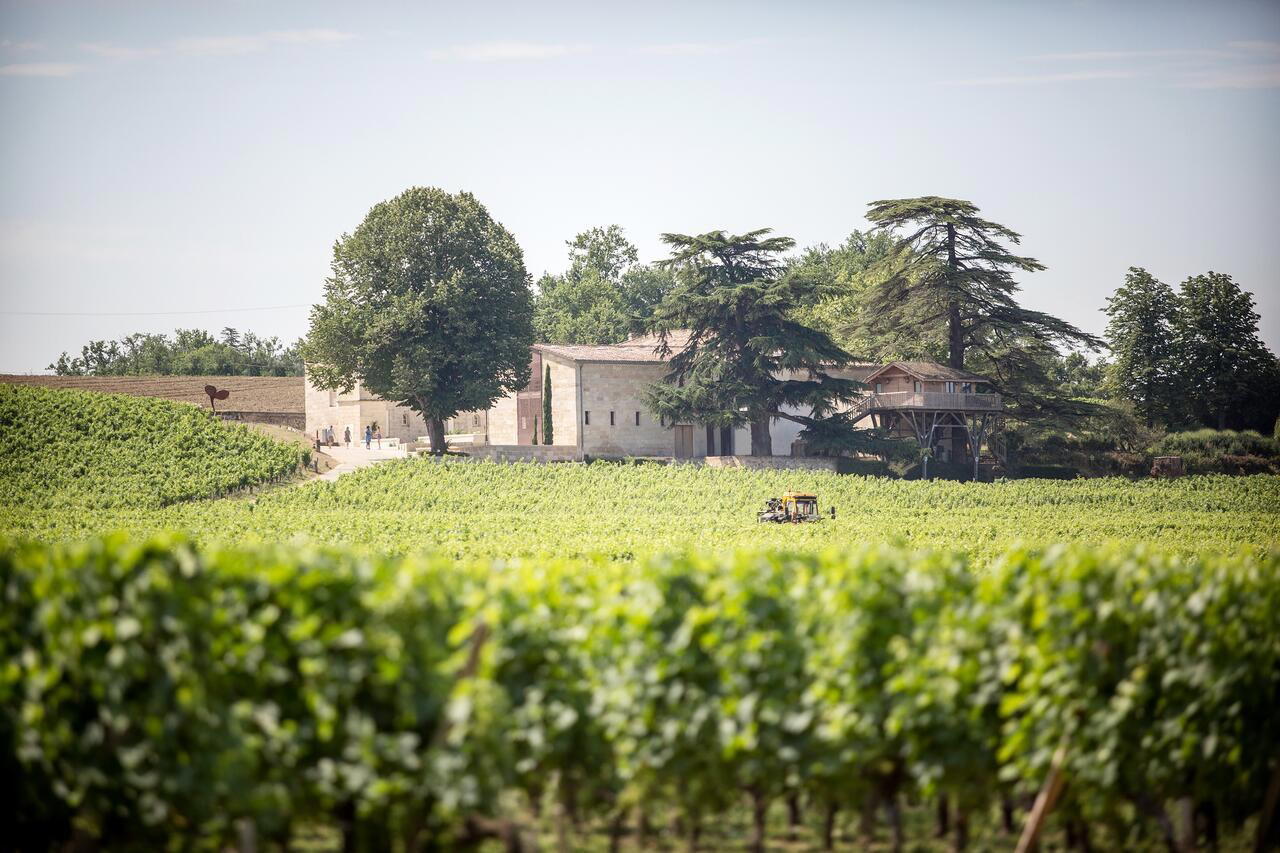
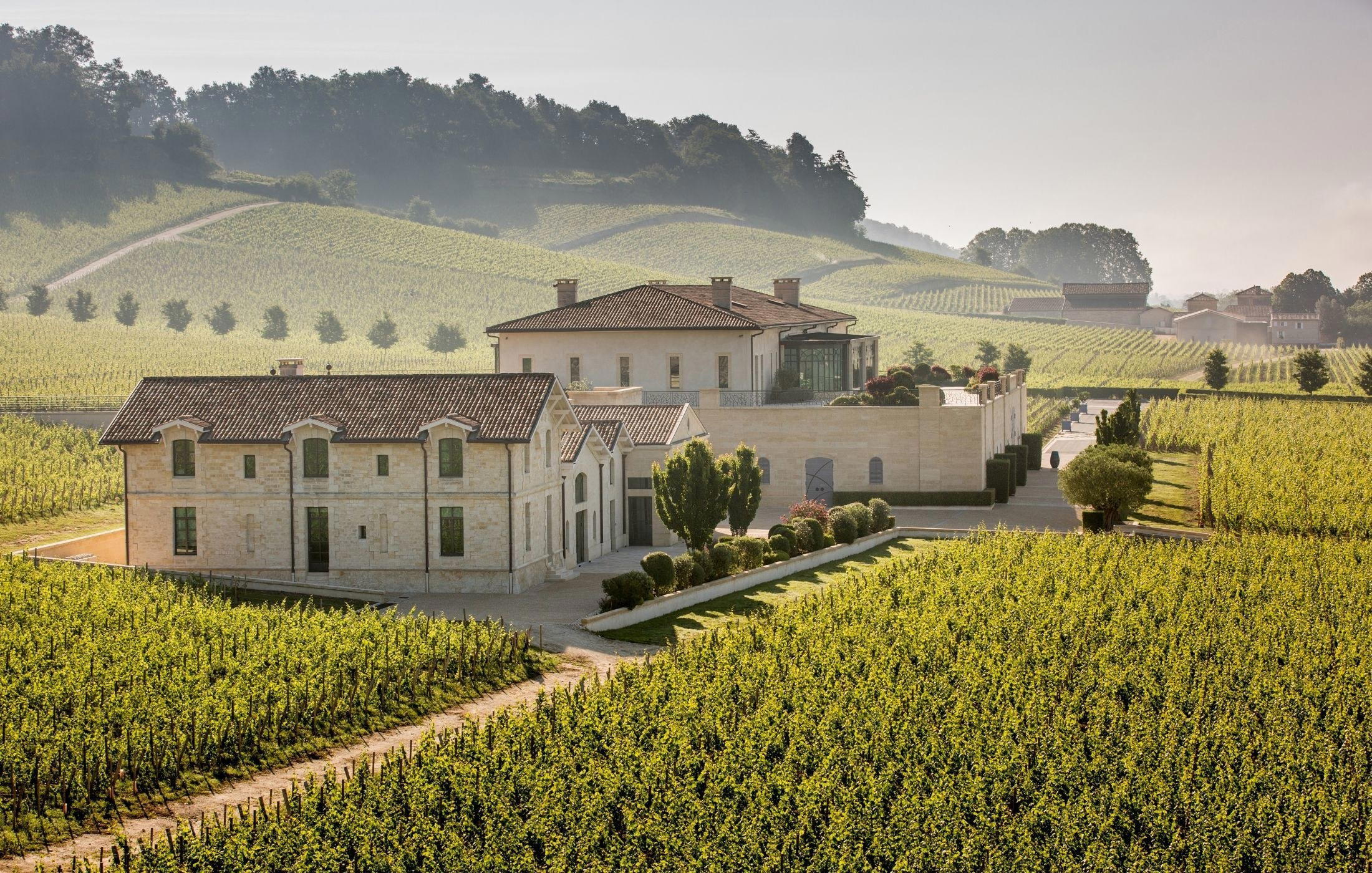
Château Le Pin in Pomerol is best understood as an ultra-exclusive, small-estate Bordeaux setting rather than a hospitality-driven venue. The impression is quiet and functional: prized Pomerol vines, a modest winery building, and a focus placed entirely on fine-wine production instead of tourist amenities. In other words, the estate’s identity is not built around the visible signals of a conventional visitor destination. It reads more as a discreet working address in a renowned wine landscape, where the surrounding vines and the purpose of production carry more weight than any public-facing experience.
This is not a page for public-facing restaurant details, casual visitor services, or a broad hospitality program. The profile is narrower and more restrained: Château Le Pin is an well-known, intimate Pomerol estate with a $$$$ positioning and a reputation tied to its small-estate setting. That restraint is part of how the place should be understood. Rather than looking for the usual markers of accessibility, the better approach is to view Château Le Pin through the lens of rarity, privacy, and a concentrated fine-wine identity.
A quiet Pomerol fine-wine setting
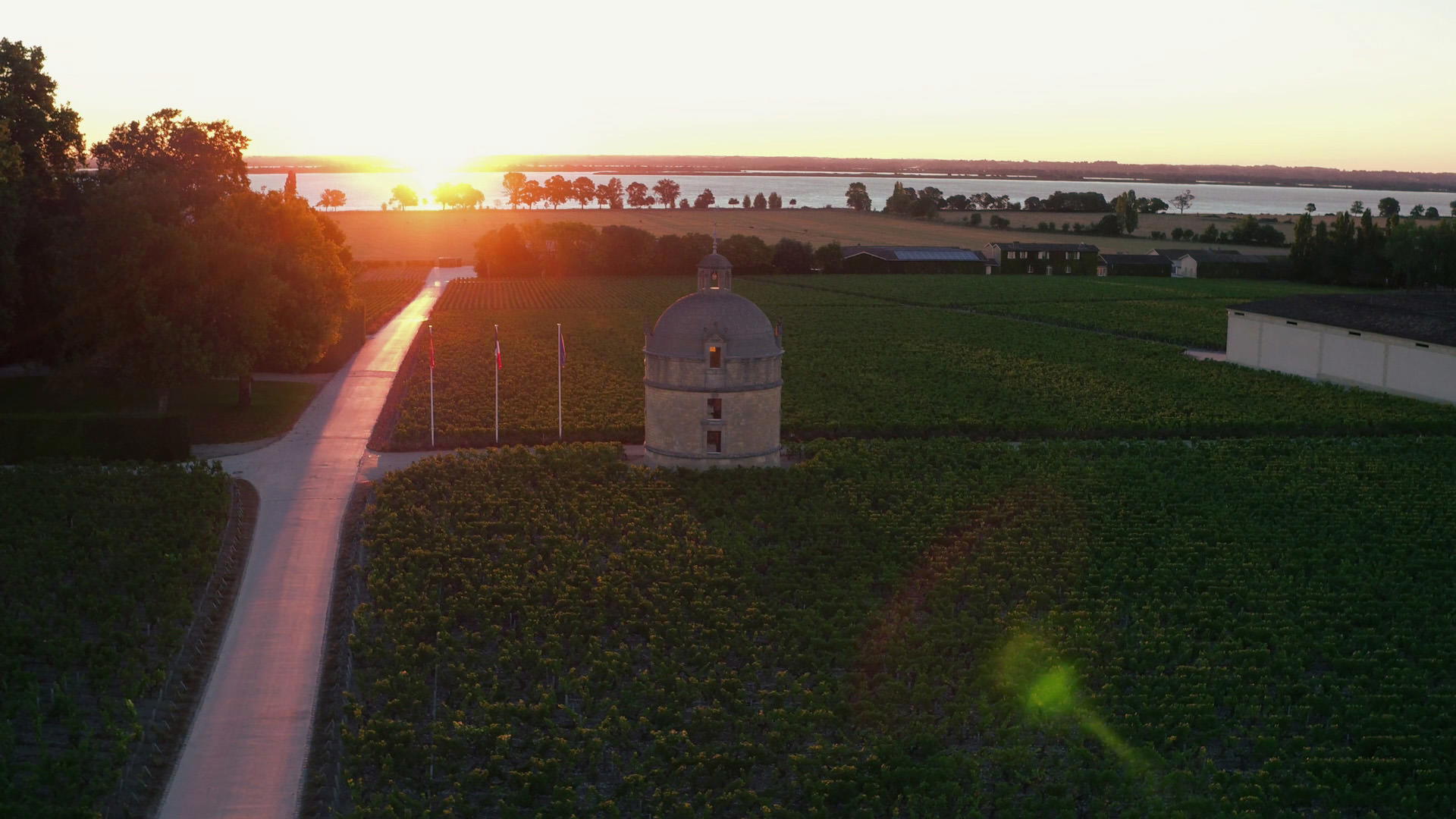
What can be stated with confidence is that winery belongs to Pomerol’s fine-wine landscape and is framed by prized vines in a quiet, production-led Bordeaux environment. The language around the estate points toward seriousness rather than spectacle. Its setting is presented in compact, essential terms: vines, winery, production, and the reserved atmosphere of a small estate.
For planning purposes, treat the estate as a serious fine-wine reference point rather than a conventional dining or visitor-amenity destination. The available information supports an image of discretion, intimacy, and production focus, not a public hospitality format. This means expectations should be calibrated carefully. The value of the winery, in this context, lies in what it represents within Pomerol, not in a list of services, facilities, menus, or casual experiences.
That distinction matters. The result is a venue profile that feels deliberately spare. It does not need to be described as grand, busy, or amenity-rich to be significant; its importance comes from being a quiet, high-end wine estate whose identity is closely bound to place and production.
A small-estate Bordeaux profile
The grounded description is simpler: the winery is a small-estate Bordeaux name in Pomerol, with a functional winery building and a focus on fine-wine production. That simplicity is useful because it avoids overstating what is publicly supported. The estate is not being positioned here as a multi-purpose venue, but as a focused Bordeaux property whose role is tied to wine rather than hospitality programming.
The estate’s atmosphere is better described as quiet and intimate than grand or public-facing. Its $$$$ positioning signals a high-end context, while the setting points away from tourist amenities and toward a more private, production-centered identity. The modest winery building is important in that reading: it reinforces the idea of a working estate rather than a showpiece designed around visitors. The emphasis remains on the essentials of the property and on the fine-wine reputation attached to the Pomerol setting.
For wine-focused travelers, the important takeaway is restraint. The winery is not presented here as a casual stop, a tasting-room venue, or a hospitality complex. It is a Pomerol wine estate whose profile is defined by exclusivity, vines, and fine-wine production. That makes it relevant for understanding the character of the area’s upper-end wine landscape, even when the available description does not support treating it as a place to plan around in the ordinary visitor sense.
How to place it within a Pomerol trip
For travelers using Pomerol as a wine base, the winery is best treated as a reference point in the commune’s fine-wine landscape rather than as a conventional visitor attraction. It can help frame the tone of the area: discreet, vineyard-led, and closely associated with serious Bordeaux production. The practical implication is that it belongs in the mental map of Pomerol’s prestige, not necessarily in an itinerary built around public amenities.
Within Pomerol, broader winery and dining research can help give context to the area without assuming that winery itself offers tourist amenities. Other dining in Pomerol can be considered generically as part of an itinerary, but the estate’s own profile remains focused on fine-wine production. Keeping that boundary clear avoids turning a restrained estate profile into something it is not. The surrounding trip can still be wine-oriented, but the winery should be understood on its own terms.
The critical point is simple: the winery matters here as an ultra-exclusive, intimate Pomerol estate with a modest functional winery setting and a $$$$ positioning, not because it is presented as a public hospitality destination. Its relevance comes from its concentrated identity: small-estate Bordeaux, prized vines, quiet atmosphere, and fine-wine focus. Read that way, the profile is coherent and appropriately limited, offering context without implying services or experiences beyond what the available information supports.
Recognition history
Dated appearances from independent guides and award organizations, with the underlying list record or original source where available.
Falstaff Winery - 5 Stars
Falstaff
Continue exploring
More in Pomerol
Wineries in Pomerol
Browse all →
Bars in Pomerol
Browse all →

Restaurants in Pomerol
Browse all →
At a Glance
- Well Known
- Intimate
- Quiet
- Rustic
- Special Occasion
- Romantic Getaway
- Wine Education
- Vineyard
- Pomerol AOC
- Merlot
- Cabernet Franc
- Still Red
- Dessert
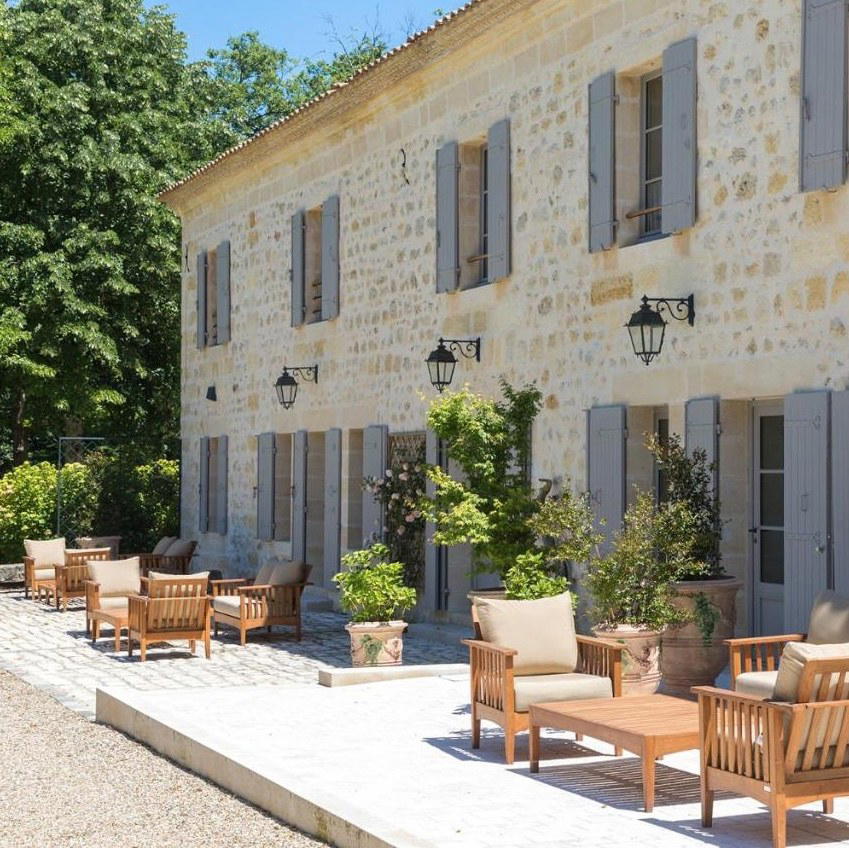
Ultra-exclusive, small-estate Bordeaux setting with a modest, functional winery building surrounded by prized Pomerol vines, focused entirely on fine-wine production rather than hospitality or tourist amenities.