
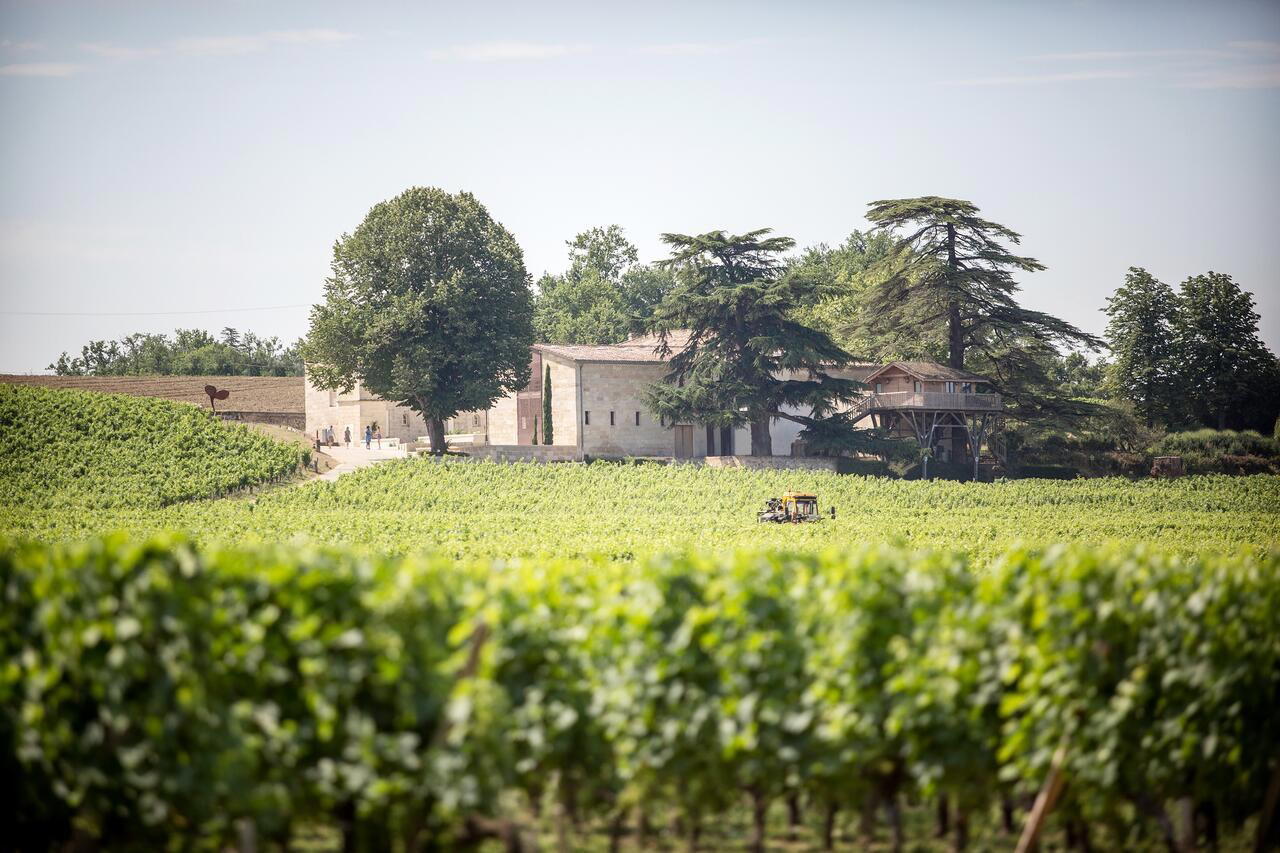
Château La Croix Saint Georges is a small Pomerol estate shaped by deep gravel, clay subsoil and a Merlot-led Right Bank profile. The draw is not large-scale wine tourism but a focused cellar experience around polished, oak-influenced reds from roughly 4–4.2 hectares, with Jean-Philippe Janoueix’s cigar-shaped barrels giving the wines their assertive modern signature.
Pearl is the En Primeur Club membership app — saves, bookings, and concierge access live there. Same editors, same standards.
- Address
- 88-116 Rue de Catusseau, 33500 Pomerol, France
- Directions
- Get directions
 Saves & bookings on Pearl
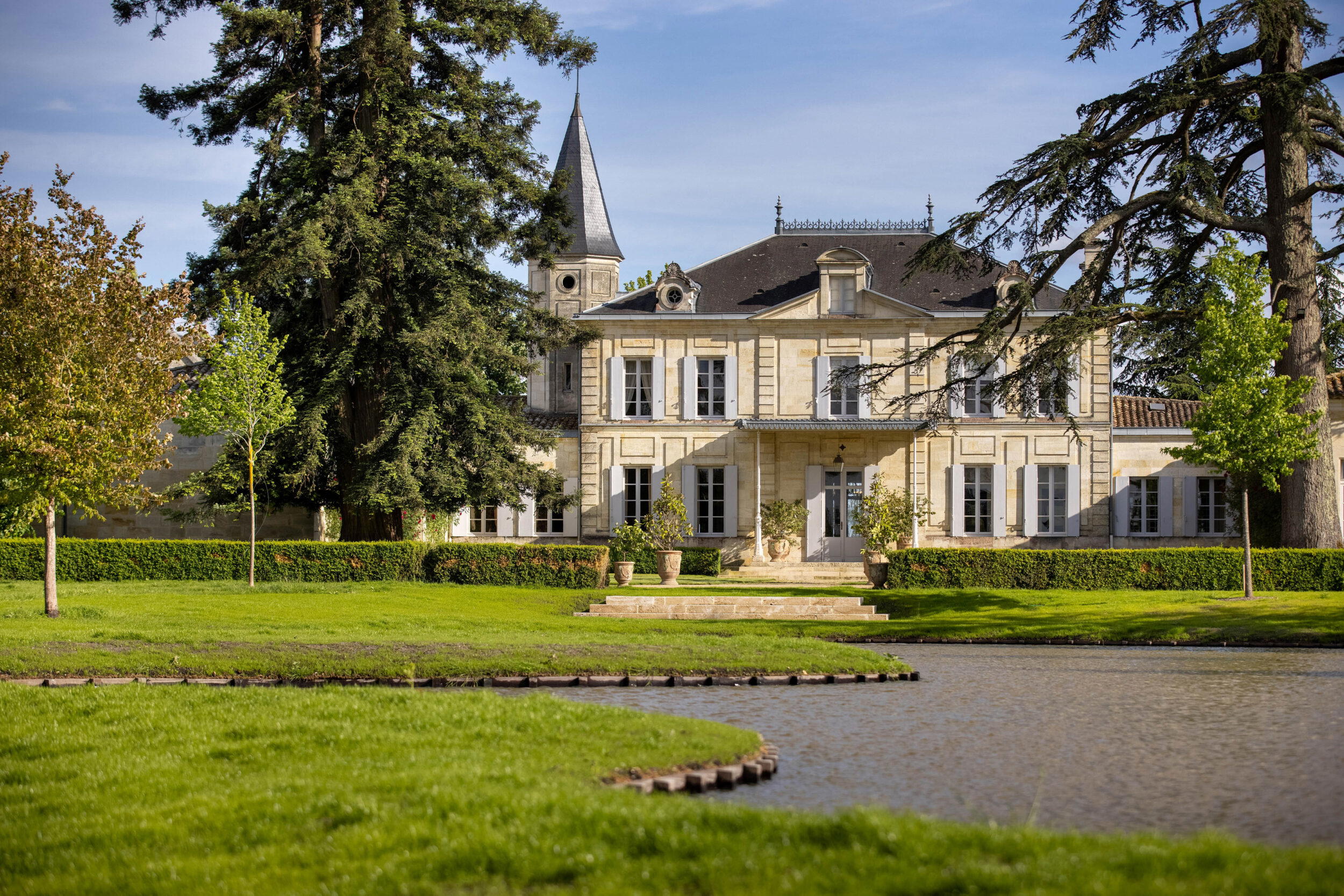
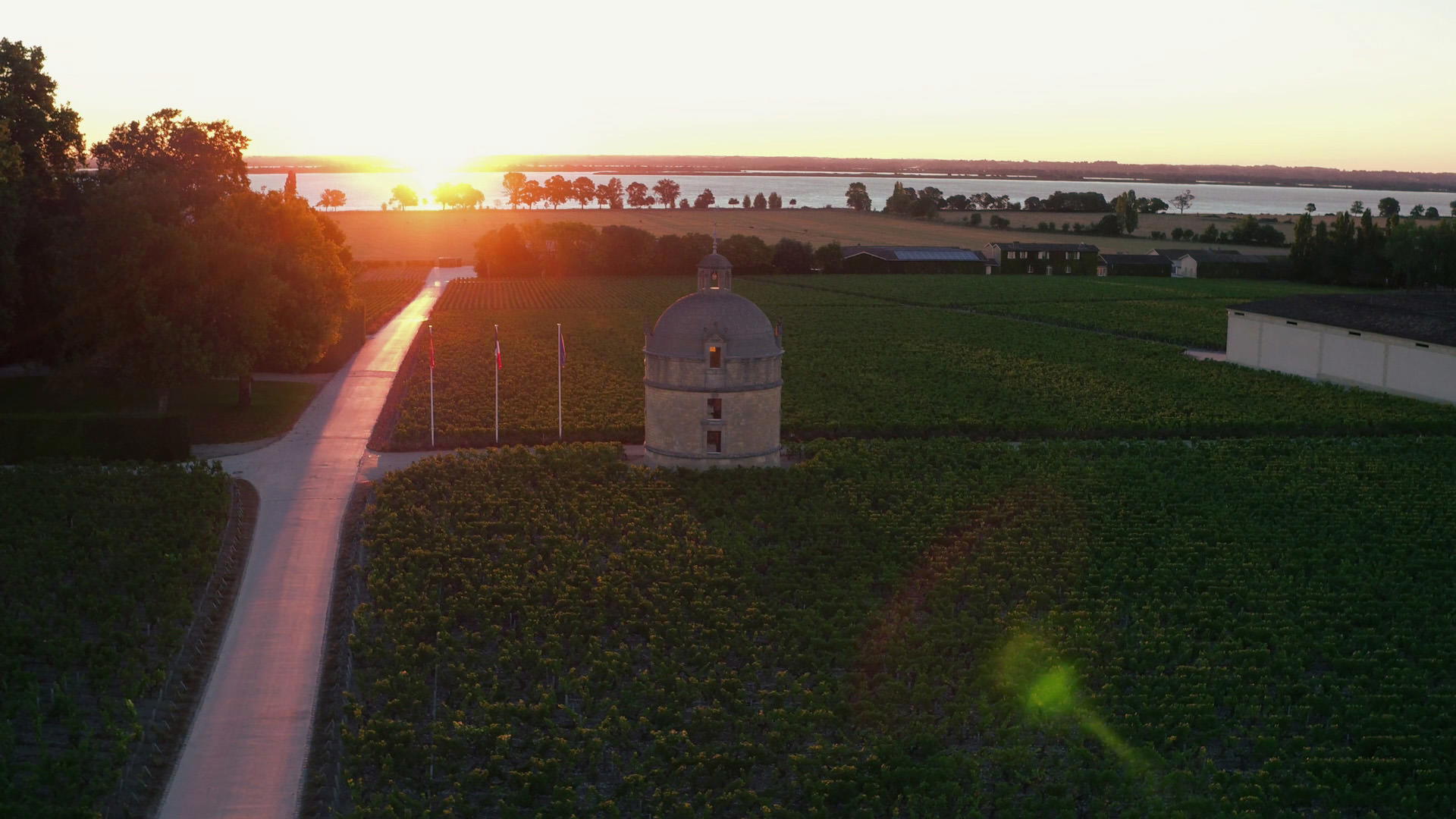
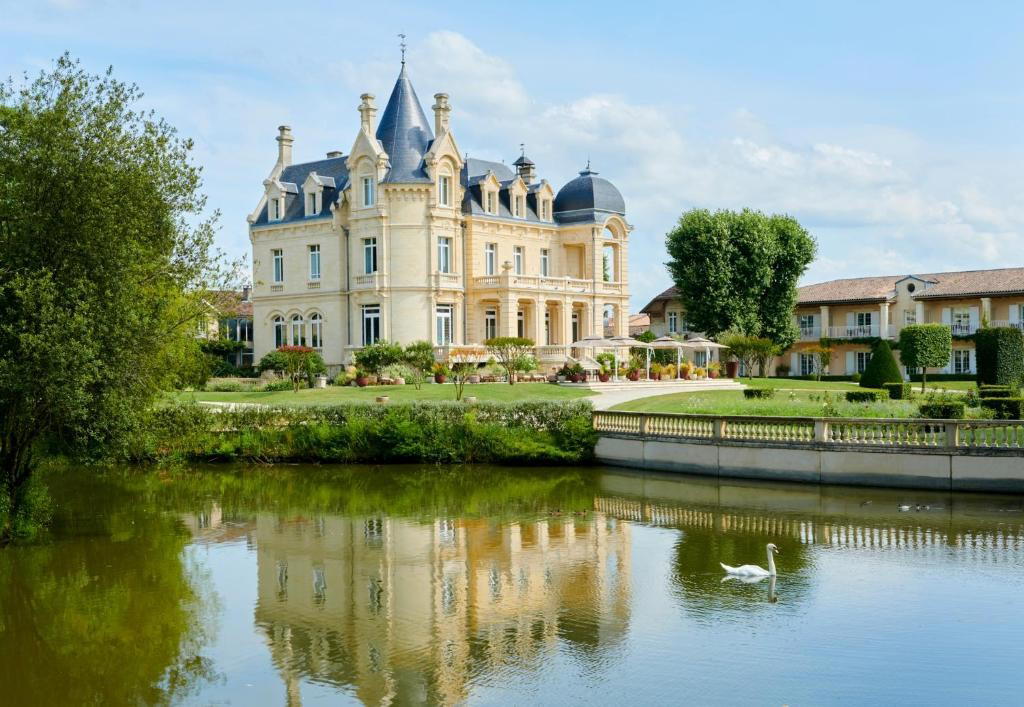
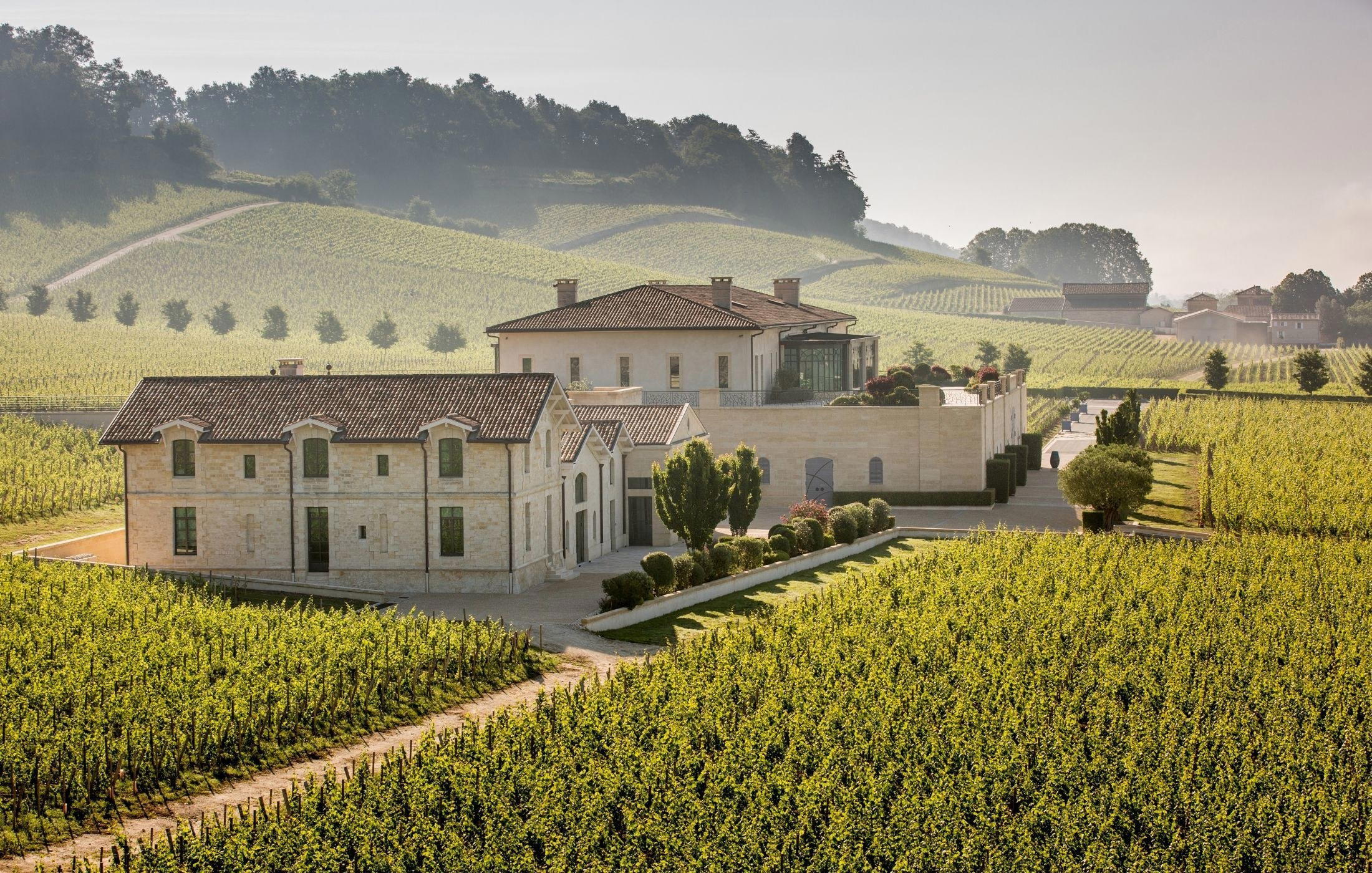
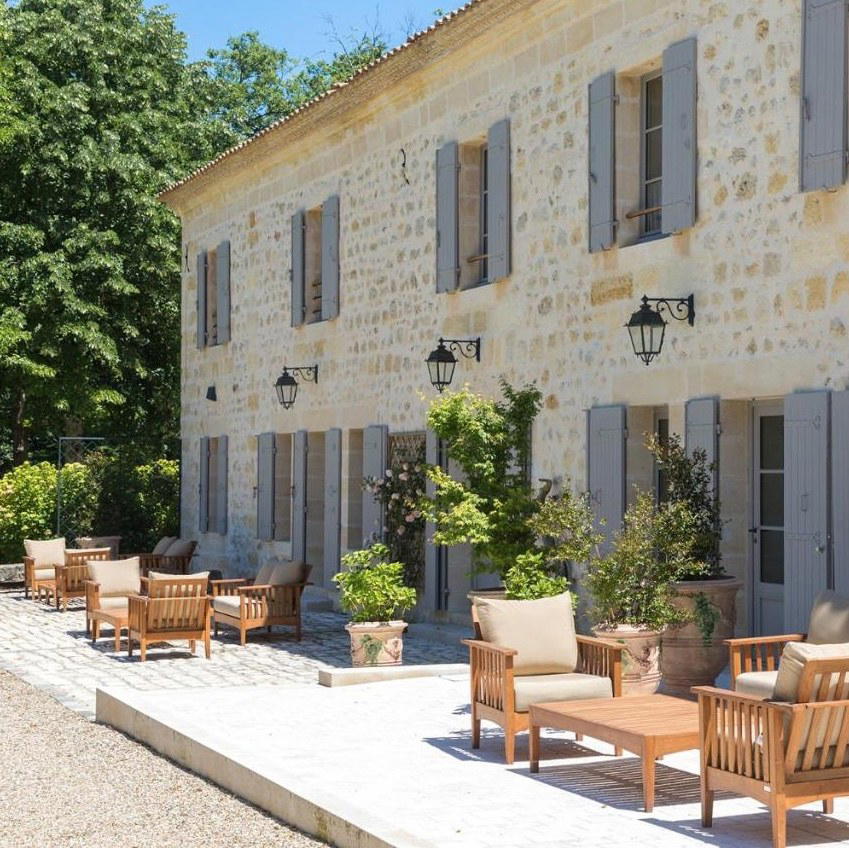
Château La Croix Saint Georges is a Pomerol estate for travelers who want a classic Right Bank Bordeaux setting rather than a broad hospitality spectacle. The picture is specific but limited: a historic estate, a traditional cellar, and a dramatic sculpture of St. George on horseback that gives the visit a chivalric, old-Bordeaux atmosphere. It reads as the kind of address where the setting and the wine style do most of the work, without needing to be framed as a large visitor attraction or a heavily programmed experience.
The reliable identity is direct: Château La Croix Saint Georges sits in Pomerol and presents rich, flamboyant Pomerol reds with a polished, oaky character. That concise description is useful because it keeps the expectations clear. This is not a page for speculative detail or inflated claims; it is a page for understanding the estate through the confirmed points of place, atmosphere and style.
Gravel, clay and the modern Pomerol argument
Pomerol is often discussed through soil, vintage and producer reputation, but the information for Château La Croix Saint Georges does not support a detailed technical profile of its parcels, plantings, yields or vinification. Any exact claims about grape percentages, vine density, barrel regime, production volume or estate acreage should therefore be treated as unconfirmed unless checked directly with the château. In a region where those details can strongly shape how people talk about a wine, restraint is important: not every useful venue description needs to become a technical dossier.
What can be said with confidence is stylistic. Tastings at the winery emphasize Pomerol reds that are rich and flamboyant, with a polished, oaky character. That places the experience on the fuller and more expressive side of the Pomerol spectrum rather than in a lean or austere register. The emphasis is on generosity and finish, on a profile that feels composed and deliberately shaped rather than raw or minimal.
For visitors, that distinction matters more than unsupported technical detail. If you enjoy Bordeaux reds shaped by generosity, structure and visible oak polish, the winery is likely to make sense as part of a Pomerol-focused itinerary. If you prefer a lighter or more restrained style, it is worth approaching the tasting with that stylistic expectation in mind. The point is not that one preference is superior, but that the estate’s confirmed description gives travelers enough guidance to decide whether it belongs in their version of Pomerol.
A traditional cellar experience, not a mass-market claim
The strongest feature of the winery is its atmosphere. The estate is described as historic, with a traditional cellar and a striking St. George-on-horseback sculpture. That image is not incidental: it gives the place a classic, chivalric tone that fits naturally with the Right Bank Bordeaux setting. It also gives visitors a clear visual anchor, the sort of detail that can make a small or focused wine stop feel memorable without requiring a long list of extras.
Beyond that, the page should not overstate the hospitality model. Travelers should confirm practical arrangements directly before planning a visit. The confirmed description supports a château and cellar experience, but it does not support promises about how visits are structured, what may be included, or how access works on any particular day.
The appeal, on the record, is less about a list of amenities and more about the combination of place and style. The winery offers the idea of Pomerol in a compact, traditional frame: a historic estate setting, a cellar with a memorable sculptural focal point, and reds presented with richness, polish and oak influence. That combination is coherent, and it gives the venue a defined personality even without added claims.
That is enough to define the mood without inventing details. It is a château to consider if your interest is in the tone of Right Bank Bordeaux: heritage, cellar atmosphere and a wine style that leans into depth and sheen. Seen that way, the estate is best understood as a focused Pomerol address rather than as a general-purpose destination for every type of traveler.
How to read it inside a Pomerol itinerary
The winery should be treated as one Pomerol stop whose confirmed strengths are atmosphere and red-wine style. It can help anchor an itinerary for travelers who want to experience a traditional estate setting and a richer, more polished expression of the appellation, while still leaving room to compare it with other Pomerol addresses.
It is also important not to add food-pairing, service-temperature, shipping or scheduling advice as if it were official information. Rich, polished Pomerol reds can generally sit comfortably in a serious Bordeaux dining context, but any precise pairing list or service protocol would go beyond the confirmed venue data. The safer approach is to separate broad wine common sense from château-specific information, and to avoid presenting assumptions as facts.
For broader trip planning, use Our full Pomerol wineries guide alongside Our full Pomerol restaurants guide, Our full Pomerol hotels guide, Our full Pomerol bars guide and Our full Pomerol experiences guide. Nearby research can focus on other Pomerol options generically, while the winery remains the specific estate covered here. In that role, it is a concise and atmospheric reference point: historic setting, traditional cellar presence, St. George imagery, and a rich, polished Pomerol red-wine profile.
Recognition history
Dated appearances from independent guides and award organizations, with the underlying list record or original source where available.
Falstaff Winery - 2 Stars
Falstaff
Continue exploring
More in Pomerol
Wineries in Pomerol
Browse all →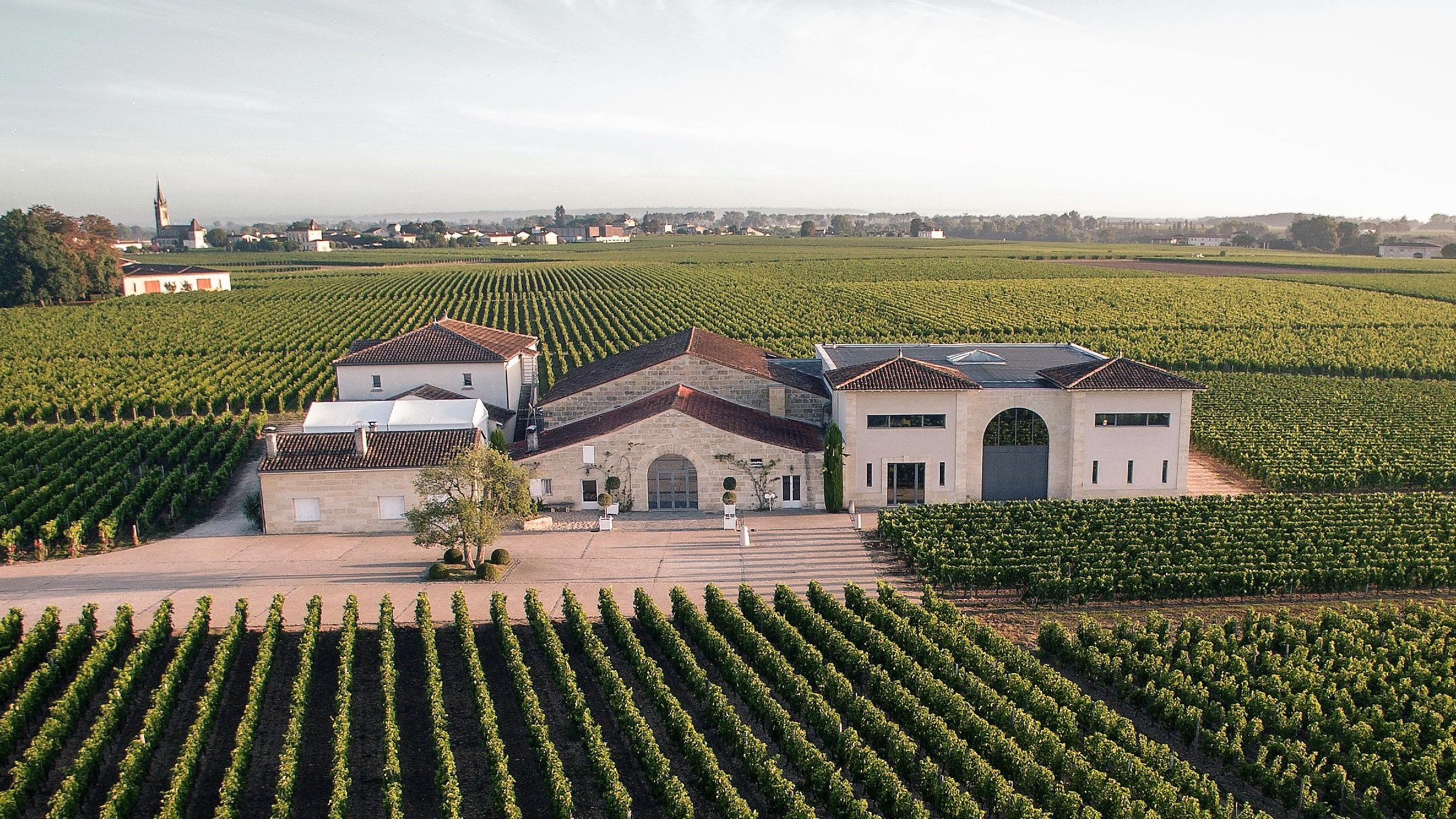
Bars in Pomerol
Browse all →

Restaurants in Pomerol
Browse all →
At a Glance
- Classic
- Elegant
- Intimate
- Scenic
- Sophisticated
- Romantic Getaway
- Group Outing
- Special Occasion
- Wine Education
- Solo Exploration
- Estate Grounds
- Barrel Room
- Historic Building
- Private Tasting
- Sustainable
- Vineyard
- Pomerol AOC
- Merlot
- Cabernet Franc
- Still Red
- Barrel Tasting
- Cellar Tasting
- Estate Tasting
Historic Right Bank Bordeaux estate with a traditional cellar featuring a dramatic sculpture of St. George on horseback, conveying a classic, chivalric atmosphere; tastings emphasize rich, flamboyant Pomerol reds with polished, oaky character in an elegant yet unshowy setting.