Domaine Arnaud Lambert

Falstaff Winery - Listed
Domaine Arnaud Lambert belongs to the quieter, cellar-led side of Saumur: Chenin Blanc, Cabernet Franc, tuffeau limestone, and parcel logic rather than tasting-room theatre. The estate’s 40-hectare frame across Brézé and Saint-Cyr-en-Bourg gives the wines a clear geological argument, with organic farming and restrained cellar work used to separate site from style.

Approach Saumur wine through limestone and the region starts to make sense. The defining material here is tuffeau: porous, pale, cut into cellars, built into châteaux, and sitting beneath vineyards that can make Chenin Blanc feel more architectural than aromatic. Domaine Arnaud Lambert works inside that grammar. The appeal is not a hospitality set piece; it is the colder, quieter pleasure of a cellar culture built around parcels, acidity, and the differences between Brézé and Saint-Cyr-en-Bourg.
Saumur has long carried two identities at once. One is volume-driven, cooperative, and crémant-heavy. The other is smaller, site-specific, and increasingly read through a Burgundian lens: single places, separate vinifications, and a refusal to blur every slope into a regional average. Domaine Arnaud Lambert sits firmly in the second camp. The estate’s modern shape dates to 2017, when Château de Brézé and Domaine de Saint-Just were brought under one label, giving the domaine a clearer way to present two communes rather than one blended house style.
Brézé and Saint-Cyr-en-Bourg give Saumur its sharper argument
The land is the story here. Brézé brings higher, cooler limestone-influenced conditions, while Saint-Cyr-en-Bourg adds a different balance of sand and clay. Across the estate, tuffeau limestone forms the mother rock, with clay and sand changing the register from parcel to parcel. That matters because Saumur’s serious white wines are not simply Loire Chenin Blanc in a broad sense; at this level they are studies in pH, slope, exposure, and élevage.
The numbers explain the style more cleanly than adjectives. The Brézé hill can produce still wines with finishing pH levels between 2.85 and 3.05, figures more often associated with Champagne than still Loire whites. That low-pH framework gives the wines their line and ageability. Chenin Blanc is the central white variety, Cabernet Franc anchors the reds, and Chardonnay appears in the wider varietal picture, but the estate’s reputation rests on how those grapes translate limestone rather than on varietal familiarity alone.
Domaine farms about 40 hectares, split between 20 hectares from Brézé and 20 hectares from Saint-Cyr-en-Bourg, with additional Montsoreau parcels also part of the wider vineyard picture. In a region where cooperative farming accounts for a large share of surface area in Brézé and Saint-Cyr, that scale is meaningful: large enough to compare sites internally, small enough for parcel identity to remain legible. Organic conversion began in 2009 and certification followed in 2012; by 2018 the work had moved toward biodynamic practice.
Parcel wines, restrained oak, and a cellar logic that avoids spectacle
Production logic is consistent rather than showy. Grapes are hand-harvested and sorted in the vineyard. Fermentations rely on indigenous yeasts. Earlier-drinking wines use stainless steel, while more ambitious whites and reds spend 12 to 18 months in oak, mostly used barrels, with some wines returning to tank for additional time on fine lees before bottling. The point is not oak as a luxury marker; it is a controlled frame for wines whose distinction depends on site.
Range covers Crémant de Loire, Saumur Blanc, Saumur, and Saumur-Champigny, but the more interesting distinction is between wines made for directness and those built around density, power, and longer élevage. The estate’s shift in 2022 away from the “Clos” designation on labels is telling. Rather than leaning on a historical term for walled vineyards where the walls no longer remain, the emphasis moved toward the names of the terroirs themselves. That is a small labeling decision with a large editorial implication: place outranks inherited romance.
Arnaud Lambert’s credentials matter because they support the estate’s technical direction without turning the winery into a personality profile. He joined the family domaine in 2005 after viticulture and oenology training, began managing the Château de Brézé vines with his father in 2009, and later unified the holdings under the current label. Bettane & Desseauve included him in its Top 100 Producers of France for 2019, a useful signal for readers trying to separate serious Saumur producers from the region’s more casual cellar-door names.
How to read the visit: education over entertainment
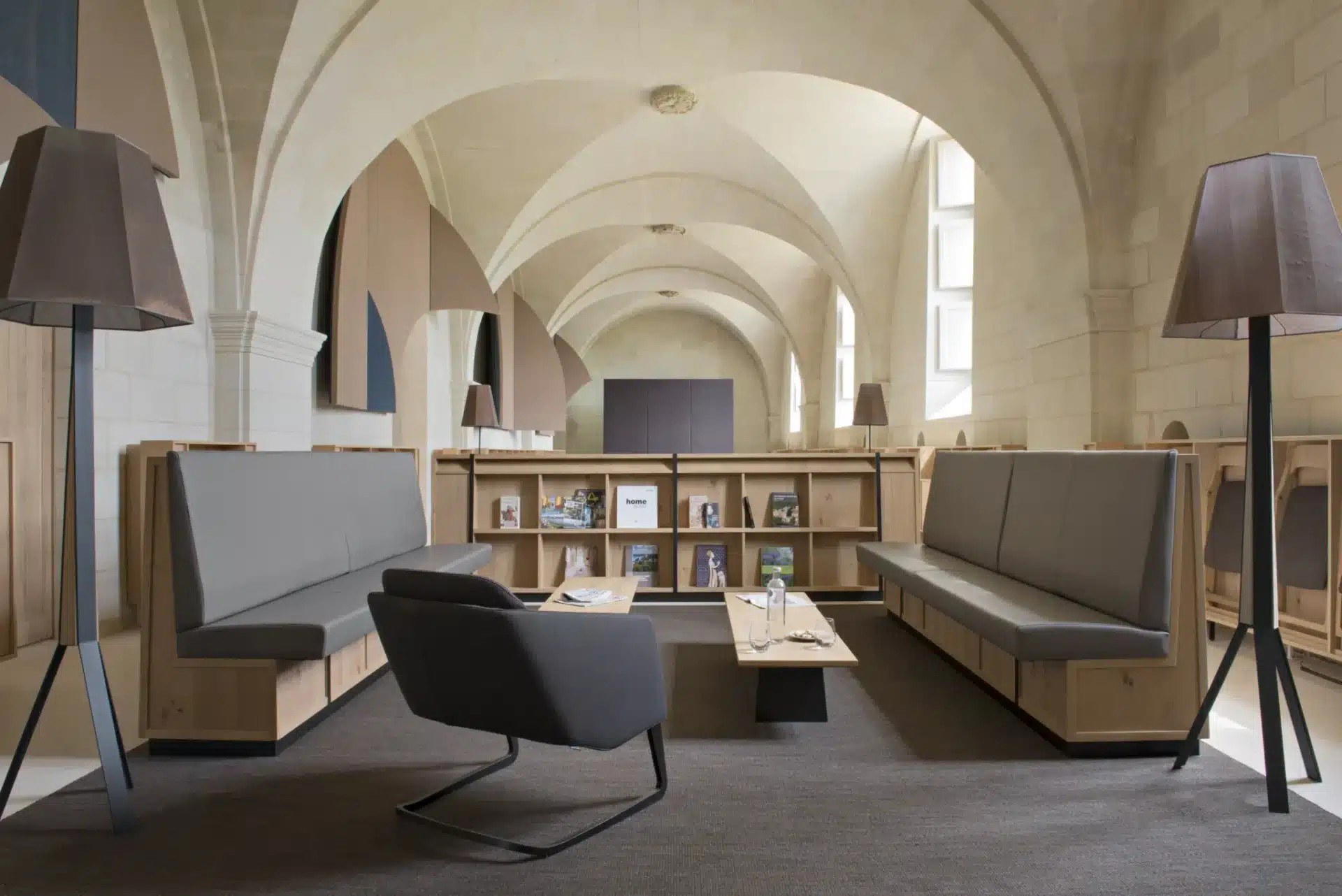
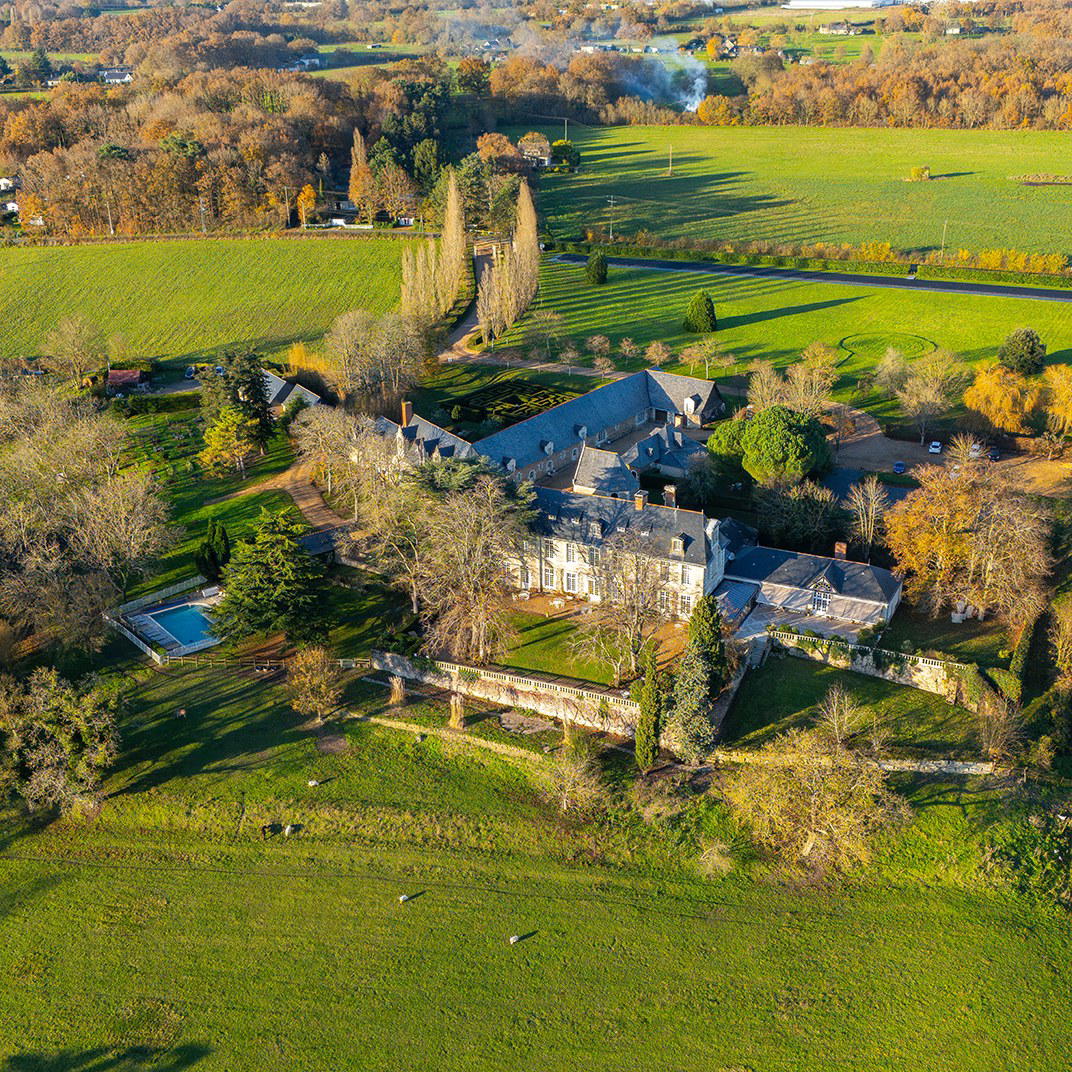
This is a winery for travelers who want Saumur explained through geology, not through a polished tasting-room circuit. The setting is cellar-focused, quiet, and rustic, with underground tuffeau-limestone cellars shaping the atmosphere more than hospitality design. The format suits wine education, solo exploration, small groups, and collectors who care about the distinction between Brézé Chenin and Saint-Cyr Cabernet Franc. It is less suited to visitors looking for food-pairing programs, terrace service, or a casual drop-in flight.
For wider trip planning in Saint Just Sur Dive, keep the winery in context rather than treating it as a standalone outing. EP Club’s local rails cover Saint Just Sur Dive wineries, restaurants, hotels, bars, and experiences. Nearby Loire reading should include Domaine Guiberteau. For a broader French and European winery map, compare regional formats through A. Margaine in Villers-Marmery, Agrapart & Fils in Avize, Abbaye de Fontfroide in Narbonne, Abbotts & Delaunay in Marseillette, Advini in Saint Felix De Lodez, Alain Brumont in Castelnau Riviere Basse, Alain Gras in Saint-Romain, »der Steiner« Hans Steiner in Podersdorf am See, and & Handwein in Mannheim.
The editorial case for Domaine Arnaud Lambert is precise: it gives Saumur’s limestone seriousness a coherent, parcel-by-parcel voice. In a region too often flattened into inexpensive Cabernet Franc and easy crémant, this is the more exacting reading of place.
Frequently asked questions
Is Domaine Arnaud Lambert more formal or casual?
It reads as more casual than formal, but in a quiet, cellar-focused way rather than a social tasting-room setting. The appointment-only format and underground tuffeau-limestone cellars in Saint-Just-sur-Dive keep the tone measured and focused.
What's the address for Domaine Arnaud Lambert?
Domaine Arnaud Lambert is located at Saint-Just-sur-Dive, Anjou-Saumur, Center-Val de Loire, Frankreich, Saint Just Sur Dive.
Is Domaine Arnaud Lambert expensive?
Pricing at Domaine Arnaud Lambert is listed as $$.
What's Domaine Arnaud Lambert best at?
It is strongest at parcel-focused Chenin Blanc and Cabernet Franc, especially from Brézé and Saint-Cyr-en-Bourg. The domaine’s 1996 founding, organic production, and Saumur AOC, Saumur-Champigny AOC, and Crémant de Loire AOC focus give the wines clear regional definition.
What's the best way to book Domaine Arnaud Lambert?
Use an appointment-only visit, since the domaine is set up for private tasting and appointment tasting rather than walk-in traffic. That format fits a medium-capacity estate in Saint-Just-sur-Dive and keeps the visit centered on the cellar and the wines.
Recognition history
Dated appearances from independent guides and award organizations, with the underlying list record or original source where available.
Falstaff Winery - Listed
Falstaff
Request a visit to Domaine Arnaud Lambert
Tell us when you would like to go and how many people, and we put the request to the estate and reply to you by email.
Continue exploring
More in Saint Just Sur Dive
Wineries in Saint Just Sur Dive
All wineries in Saint Just Sur Dive →Bars in Saint Just Sur Dive
Browse all →

Details
- Quiet
- Classic
- Rustic
- Intimate
- Wine Education
- Solo Exploration
- Group Outing
- Special Occasion
- Cave Tasting
- Historic Building
- Private Tasting
- Organic
- Vineyard
- Chenin Blanc
- Cabernet Franc
- Chardonnay
- Still White
- Still Red
- Sparkling
- Private Tasting
- Appointment Tasting
Quiet, cellar-focused, and terroir-driven, with an emphasis on precise winemaking and the atmosphere of an underground limestone cellar rather than a hospitality-heavy tasting room.