
Falstaff Winery - Listed
Château de Barbe Blanche reads through its limestone rather than through spectacle: Merlot and Cabernet Franc grown on Lussac-Saint-Émilion clay-limestone, shaped into still reds with an ageworthy, right-bank profile. The estate’s 25 hectares, organic conversion, André Lurton family stewardship and World War I quarry graffiti give it a stronger sense of place than many polished cellar-door stops.

Pearl is the En Primeur Club membership app — saves, bookings, and concierge access live there. Same editors, same standards.
- Address
- Lussac, Nouvelle-Aquitaine, Frankreich
- Directions
- Get directions
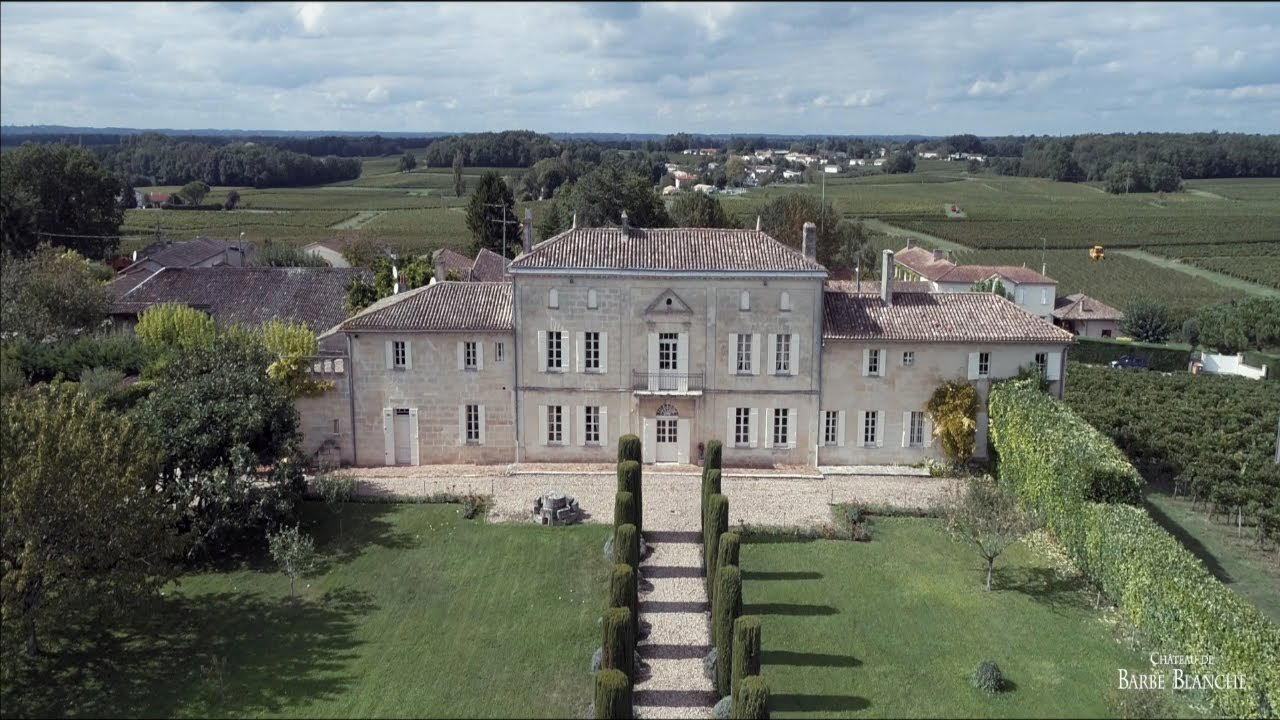
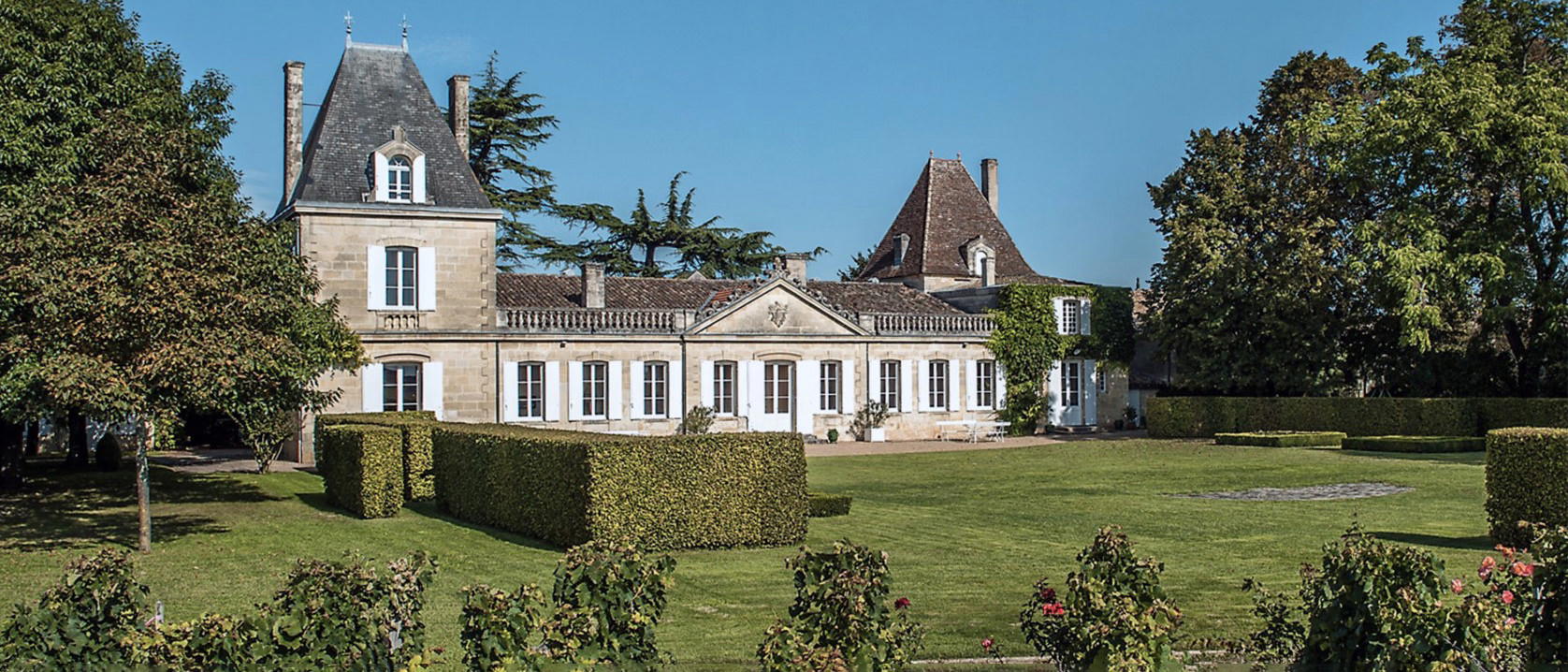
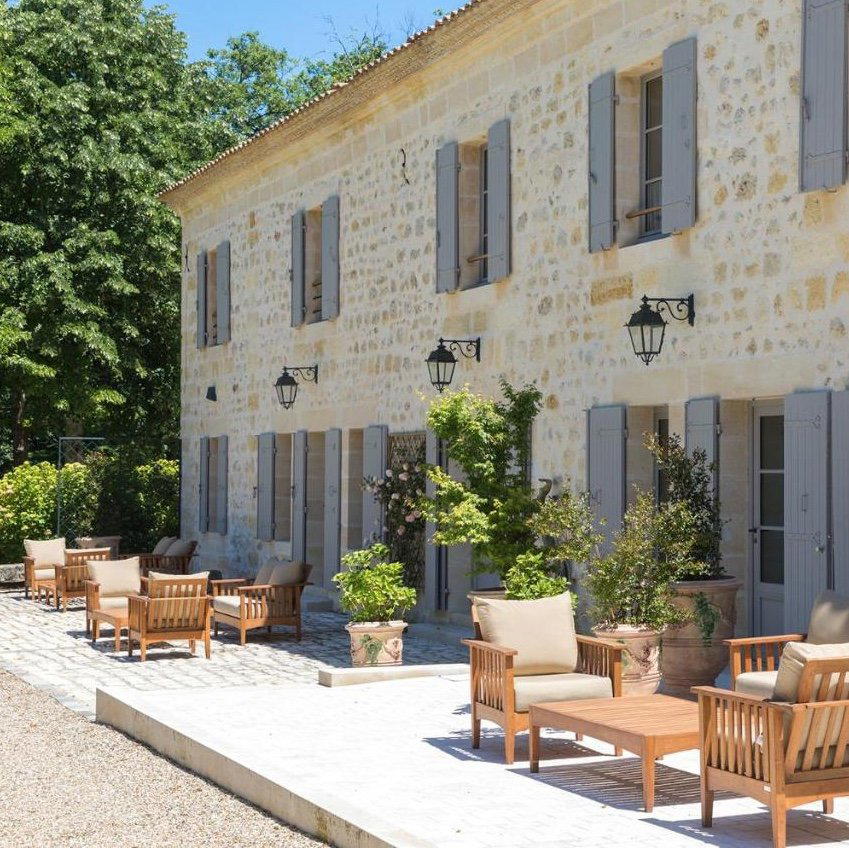
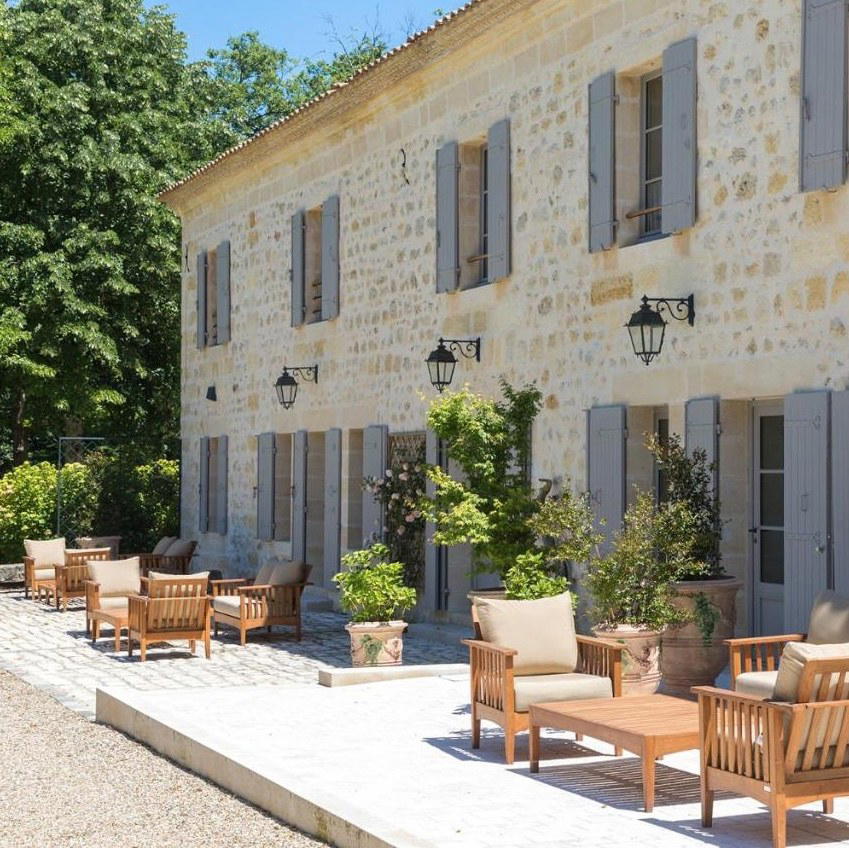
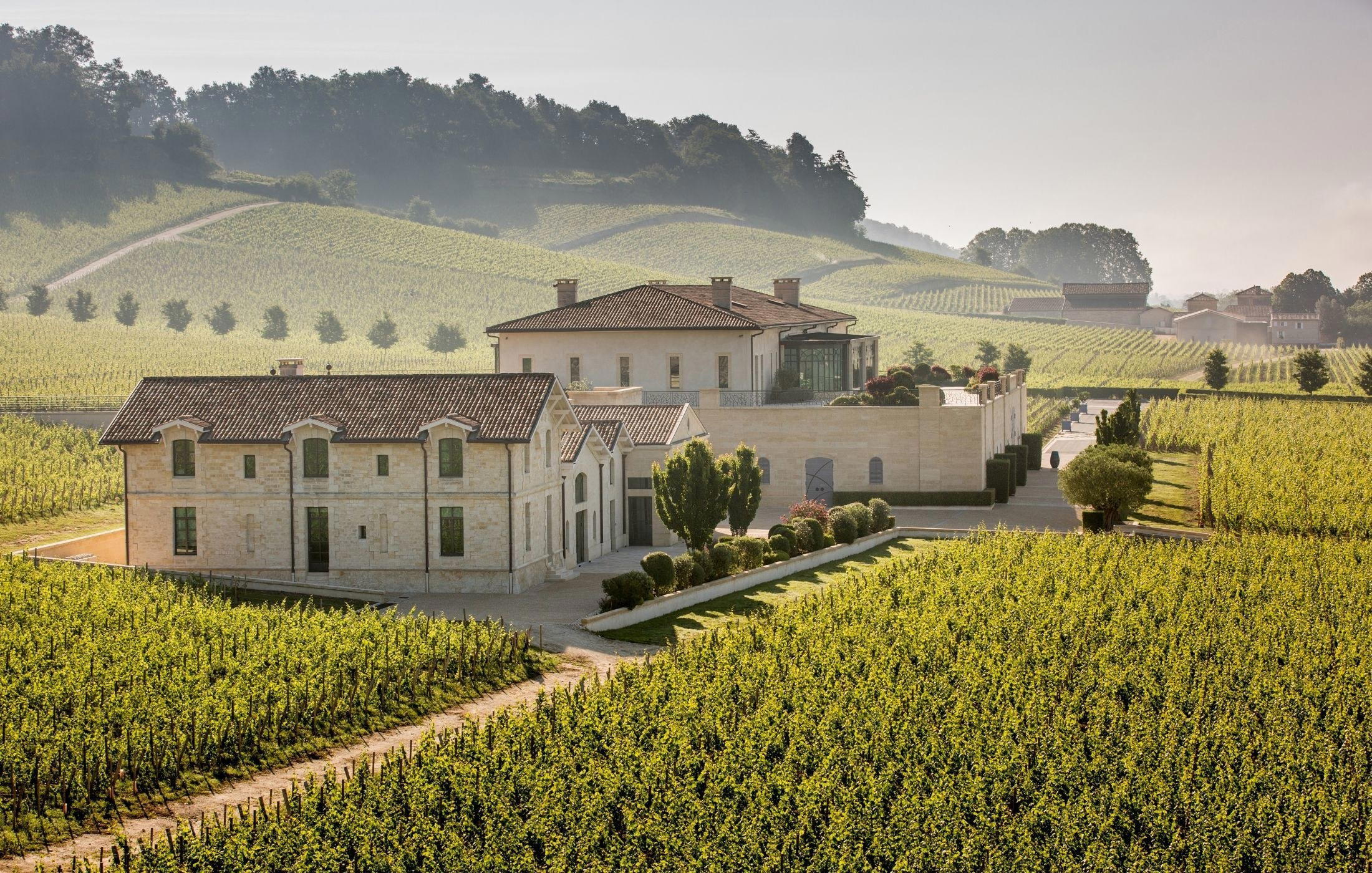
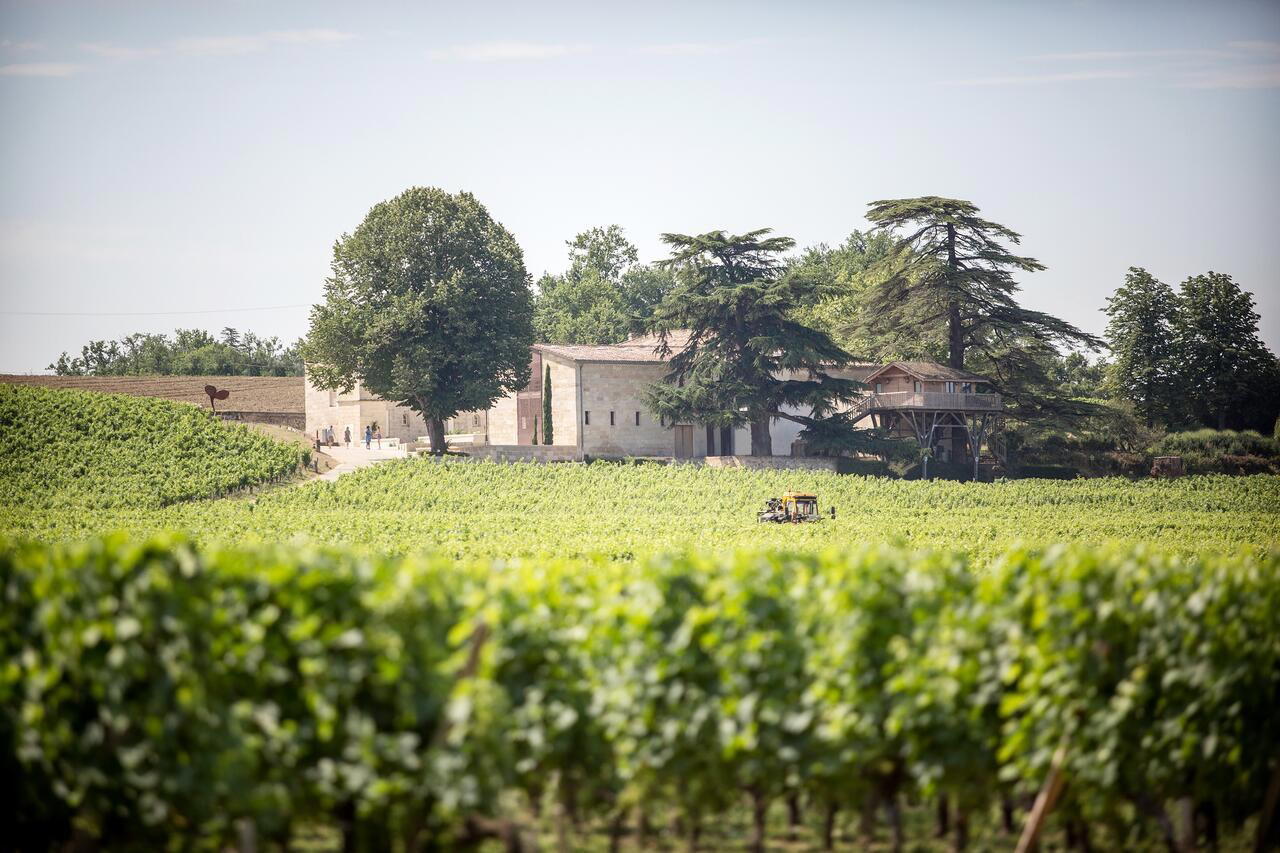
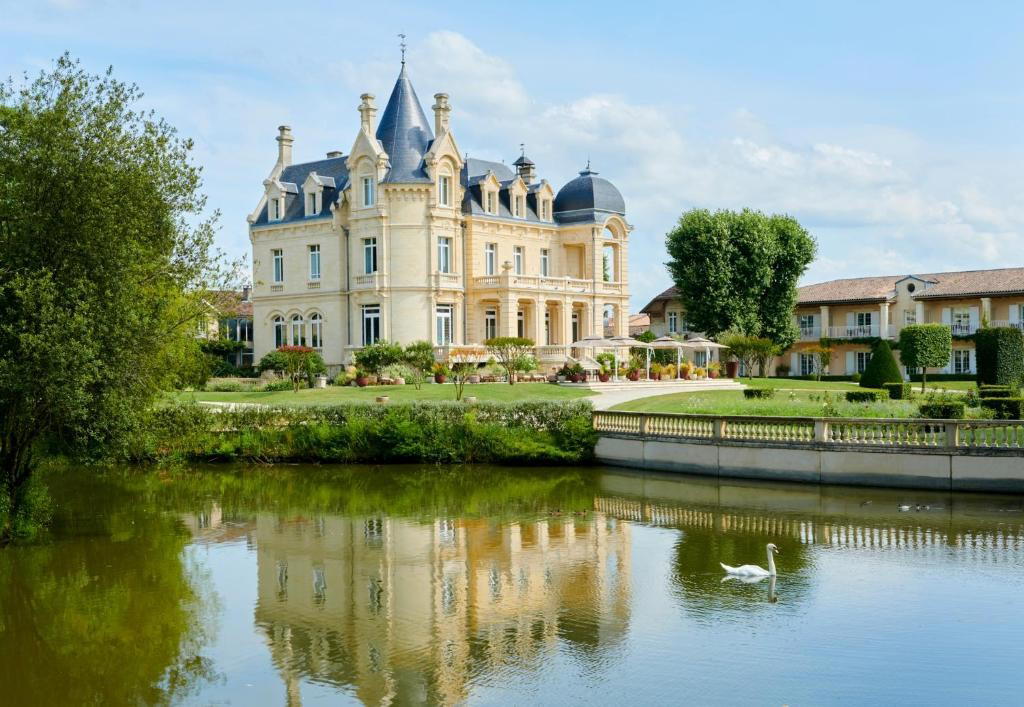
Château de Barbe Blanche is a historic right-bank Bordeaux estate in Lussac, with a bucolic, romantic feel set on clay-limestone hillsides above Saint-Émilion. The estate is associated with elegant, ageworthy reds and a 19th-century underground quarry connected to World War history. Its character is shaped by old stone, hillside vineyards, right-bank restraint and a reflective sense of place.
Clay-limestone and the quieter right-bank argument
Château de Barbe Blanche belongs to the less showy side of Bordeaux travel. The draw is the way a historic Lussac estate can express place: clay-limestone hillsides, a right-bank identity and elegant, ageworthy red wines. That combination gives the estate a quieter argument, one based on setting and continuity rather than spectacle.
The estate is a historic, romantic Bordeaux property rooted in the hillsides around Lussac.
The price level is listed as $$, a useful broad budgeting guide. Check current terms directly before visiting.
The quarry gives the visit its memory
The most distinctive feature is the 19th-century underground quarry. It gives Château de Barbe Blanche a stronger sense of atmosphere than a generic estate description would suggest, adding stone, depth and historical texture to the estate’s romantic right-bank setting. Even without embellishment, the existence of such a quarry changes the way the property is imagined: the estate is not only a surface of vines and façades, but also a place with a deeper architectural and historical underside.
The quarry is connected with World War history, giving the property a cultural layer beyond wine alone. It places the estate in a landscape shaped by both viticulture and memory, adding atmosphere, silence and historical weight.
For travellers mapping Lussac, Château de Barbe Blanche combines a clay-limestone hillside setting, ageworthy red-wine identity and a 19th-century quarry. It is a right-bank address shaped by landscape, wine culture and remembered history.
How to fit it into a Lussac itinerary
Château de Barbe Blanche is a historic, romantic Bordeaux estate in Lussac.
For current access, tasting availability, pricing and timing, contact the estate or consult its official channels.
Travellers building a full day in Lussac can pair the estate with other local dining, lodging and experiences. Château de Barbe Blanche is in Lussac, carries a $$ price marker, and is defined by its historic right-bank Bordeaux character, clay-limestone hillsides, elegant ageworthy reds and 19th-century underground quarry. It works as an anchor of place and tone, approached through landscape, age, memory and restraint.
Recognition history
Dated appearances from independent guides and award organizations, with the underlying list record or original source where available.
Falstaff Winery - Listed
Falstaff
Continue exploring
More in Lussac
Wineries in Lussac
Browse all →
Bars in Lussac
Browse all →
Restaurants in Lussac
Browse all →
Details
- Romantic
- Classic
- Scenic
- Elegant
- Romantic Getaway
- Group Outing
- Wine Education
- Special Occasion
- Solo Exploration
- Estate Grounds
- Historic Building
- Cave Tasting
- Vineyard Tour
- Organic
- Vineyard
- Merlot
- Cabernet Franc
- Still Red
- Classic Tasting
- Estate Flight
A historic right-bank Bordeaux estate with a bucolic, romantic feel, set on clay-limestone hillsides above Saint-Émilion, combining elegant, ageworthy reds with the atmospheric presence of a 19th‑century underground quarry and its World War I graffiti.