Cayuse Vineyards
Cayuse Vineyards operates from the rocky basalt soils of Milton-Freewater in Oregon's Walla Walla Valley, where cobblestone vineyard sites produce some of the Pacific Northwest's most allocation-driven Syrah and Rhône-variety wines.

Pearl is the En Primeur Club membership app — saves, bookings, and concierge access live there. Same editors, same standards.
- Address
- 53863 Hwy 332, Sunnyside Rd, Milton-Freewater, OR 97862
- Phone
- (509) 526-0686
- Website
- cayusevineyards.com
- Directions
- Get directions
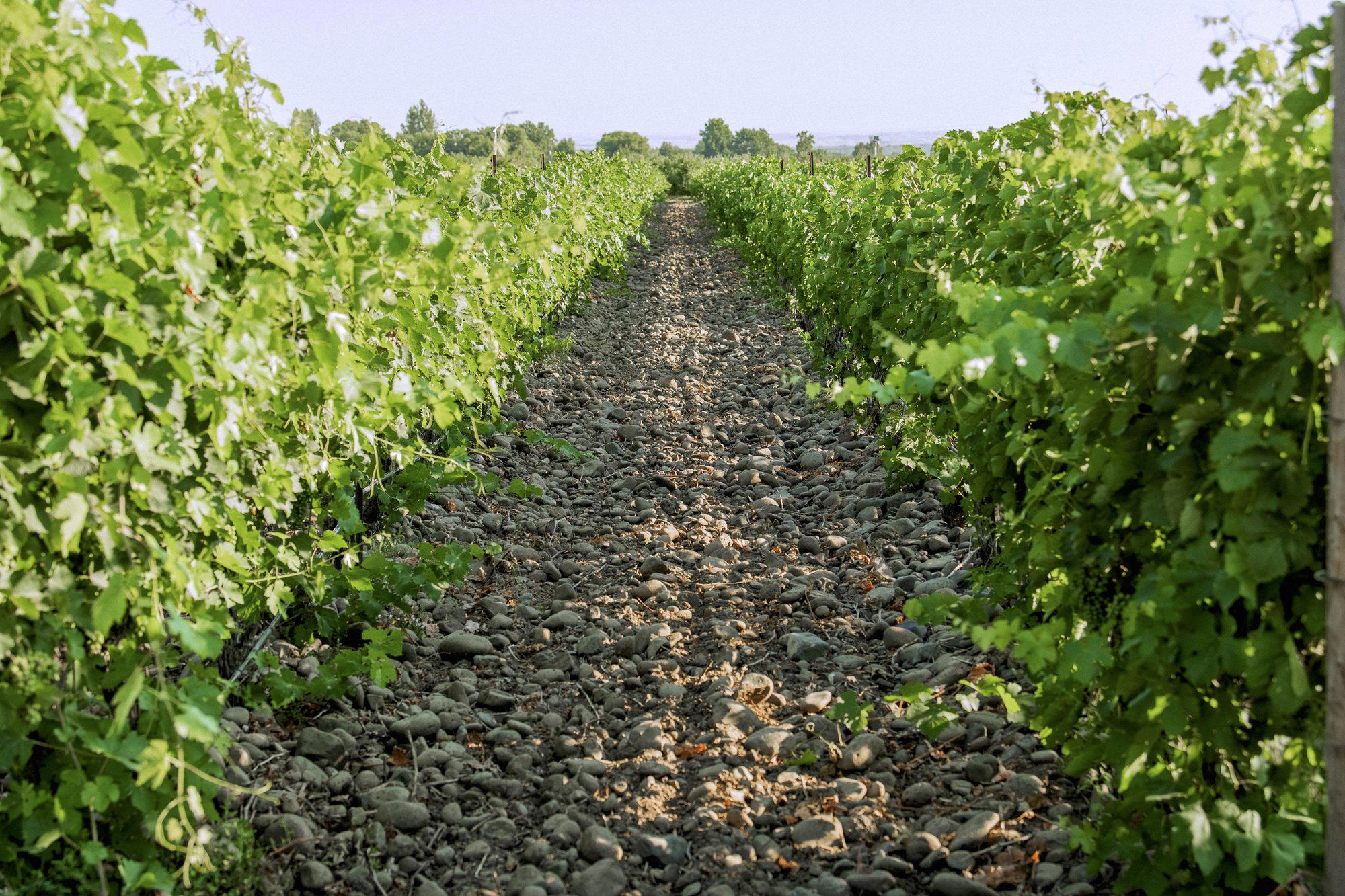
Where the Rocks Do the Work
The high desert edge of Oregon's Walla Walla Valley is not an easy place to grow grapes. The soils here are not loamy or forgiving. They are rocky, low-nutrient, and well-drained to an extreme — the kind of ground that forces vines to root deep and struggle productively. This is the terroir that defines Cayuse Vineyards, and it is the reason the estate's wines read differently from the fruit-forward style that dominates much of the broader Walla Walla appellation.
Terroir-driven viticulture in the Pacific Northwest has generally followed two parallel tracks: the cool-climate Pinot focus concentrated around the Willamette Valley — leading represented by producers like Adelsheim Vineyard in Newberg, and the warmer, more Rhône-inflected work being done in pockets of eastern Oregon and Washington. Cayuse sits firmly in the second category, drawing comparisons to Rhône-leaning American producers such as Alban Vineyards in Arroyo Grande and Andrew Murray Vineyards in Los Olivos, both of which made early commitments to Syrah, Grenache, and Viognier in climates that rewarded that choice.
The Basalt Cobble Effect
Understanding why Cayuse wines taste the way they do starts underground. Basalt cobblestones deposited by ancient Missoula Flood activity created a vineyard floor that bears more than a passing resemblance to Châteauneuf-du-Pape's galets, and the parallel is not coincidental, it is a shared physical mechanism. Cobblestone sites throughout the wine world correlate with specific sensory profiles: wines that tend toward pepper, iron, and savouriness rather than primary fruit, with textural weight that comes from phenolic concentration rather than extraction. That profile is the thread connecting the most serious Rhône-variety work being done in the United States, from California's central coast to this corner of Oregon.
Au Bon Climat in Santa Barbara and St. Helena, Rutherford, or Napa's Carneros district.
The broader Oregon wine scene reinforces this point. The state's prestige identity has historically been built on Willamette Valley Pinot Noir, with a handful of eastern Oregon and Walla Walla producers operating in a smaller, harder-to-access tier. The American Syrah story is complicated by geography and timing. Producers in California's Paso Robles, including Adelaida Vineyards, built their identities around warm-climate Rhône varieties in the 1990s and 2000s. Alexander Valley Vineyards in Geyserville took a different approach, embedding Rhône varieties within a broader Bordeaux-focused portfolio. B.R. Cohn Winery in Glen Ellen reflects the Sonoma Valley's more eclectic varietal approach. Against that backdrop, Cayuse's cobblestone Syrah occupies a specific and smaller niche: a single-appellation, geology-first producer in a corner of Oregon that most American wine consumers have never visited, making wines that circulate primarily through allocation lists rather than shelf placement. That model places Cayuse closer in commercial structure to prestige-tier European producers than to the volume-oriented end of the American market.Where Cayuse Sits in the American Rhône Conversation
Comparison Snapshot
Comparable venues nearby, for context on price, style, and recognition.
| Venue | Cuisine | Price | Awards | Notes |
|---|---|---|---|---|
| Cayuse VineyardsThis venue — the venue you are viewing | Syrah, Viognier | Not listed | Not listed | Not listed |
| Zerba Cellars | Cabernet Sauvignon, Merlot | $30–50 | Not listed | The Rocks District of Milton-Freewater |
| Force Majeure Wines | Cabernet Sauvignon, Syrah | Not listed | Not listed | Oregon Wine District |
| Youngberg Hill | Pinot Noir, Pinot Gris | $20–30 | Not listed | McMinnville AVA |
| Brick House Wine Co. | Pinot Noir, Chardonnay | Not listed | Not listed | Ribbon Ridge |
| Domaine Serene Winery | Pinot Noir, Chardonnay | $50–100 | Falstaff Winery - Listed | Dundee Hills |
Continue exploring
More in Milton-Freewater
Wineries in Milton-Freewater
Browse all →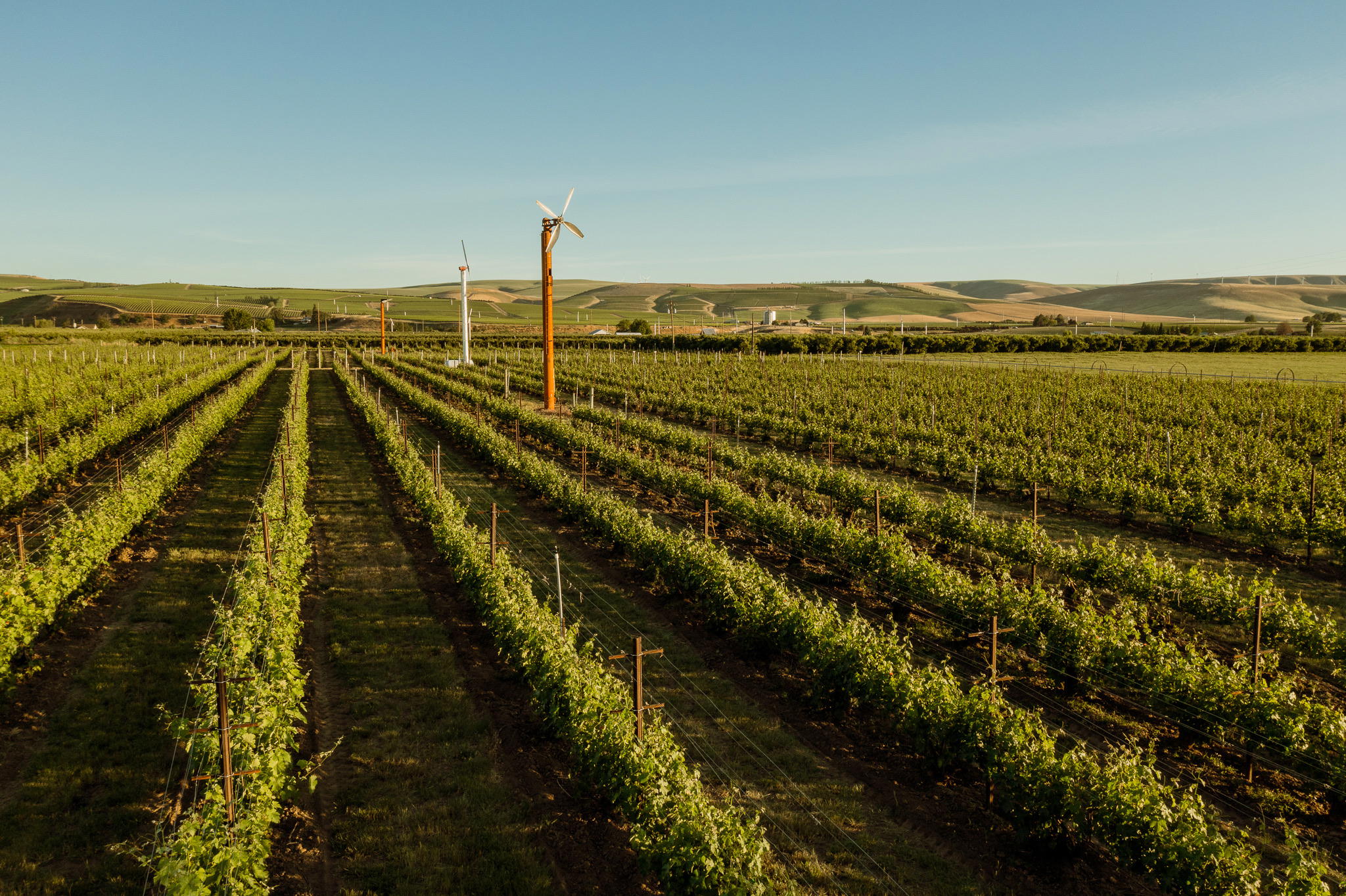
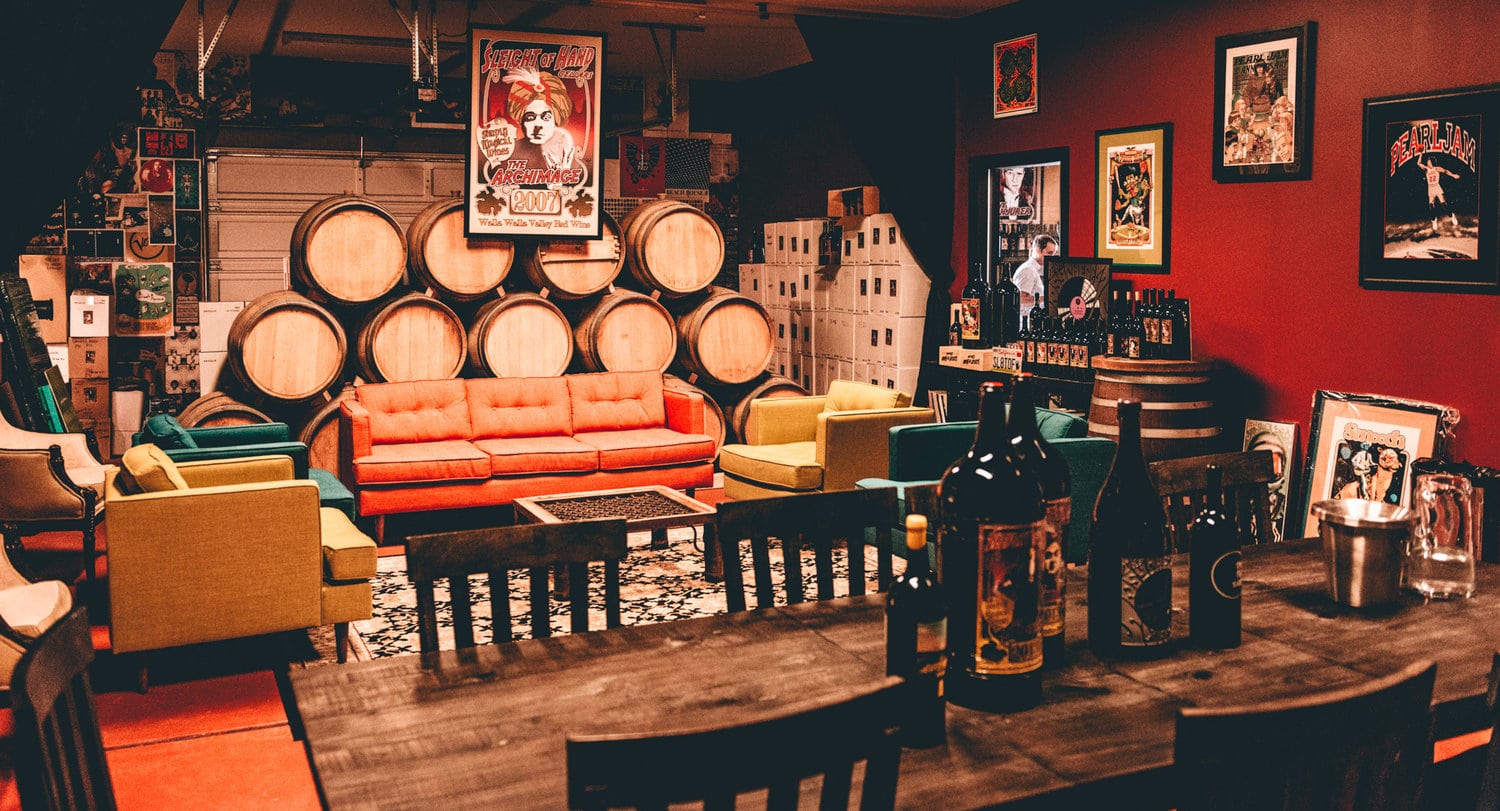
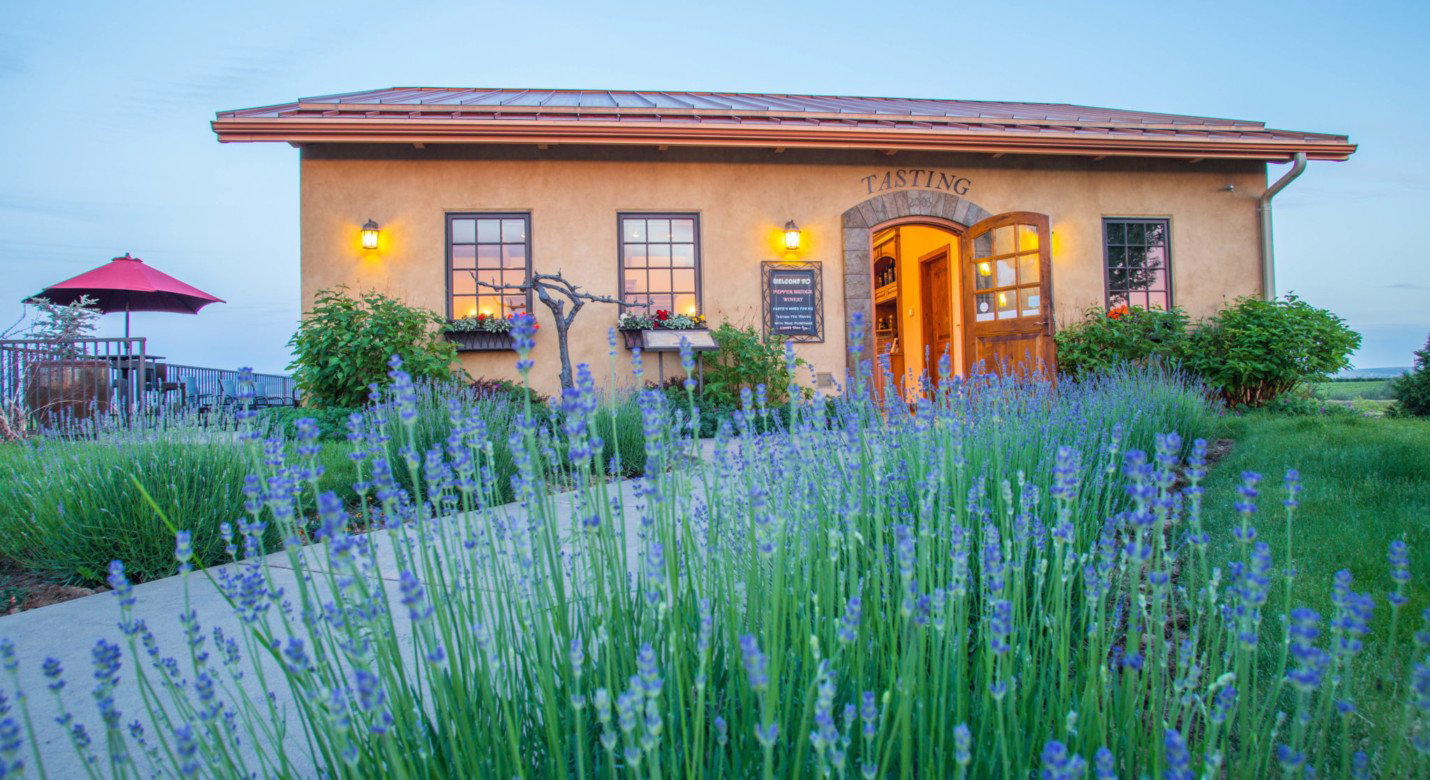
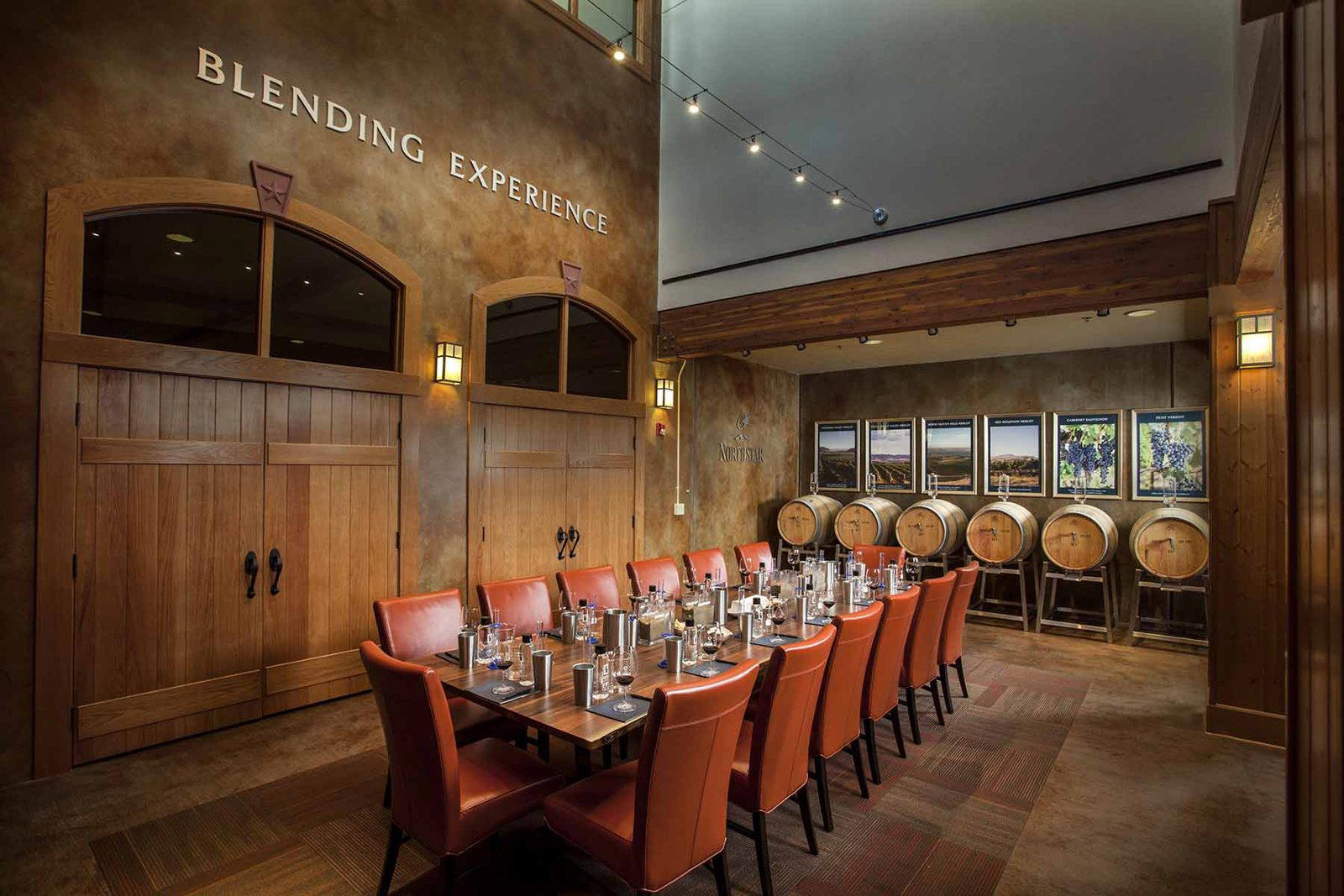
Restaurants in Milton-Freewater
Browse all →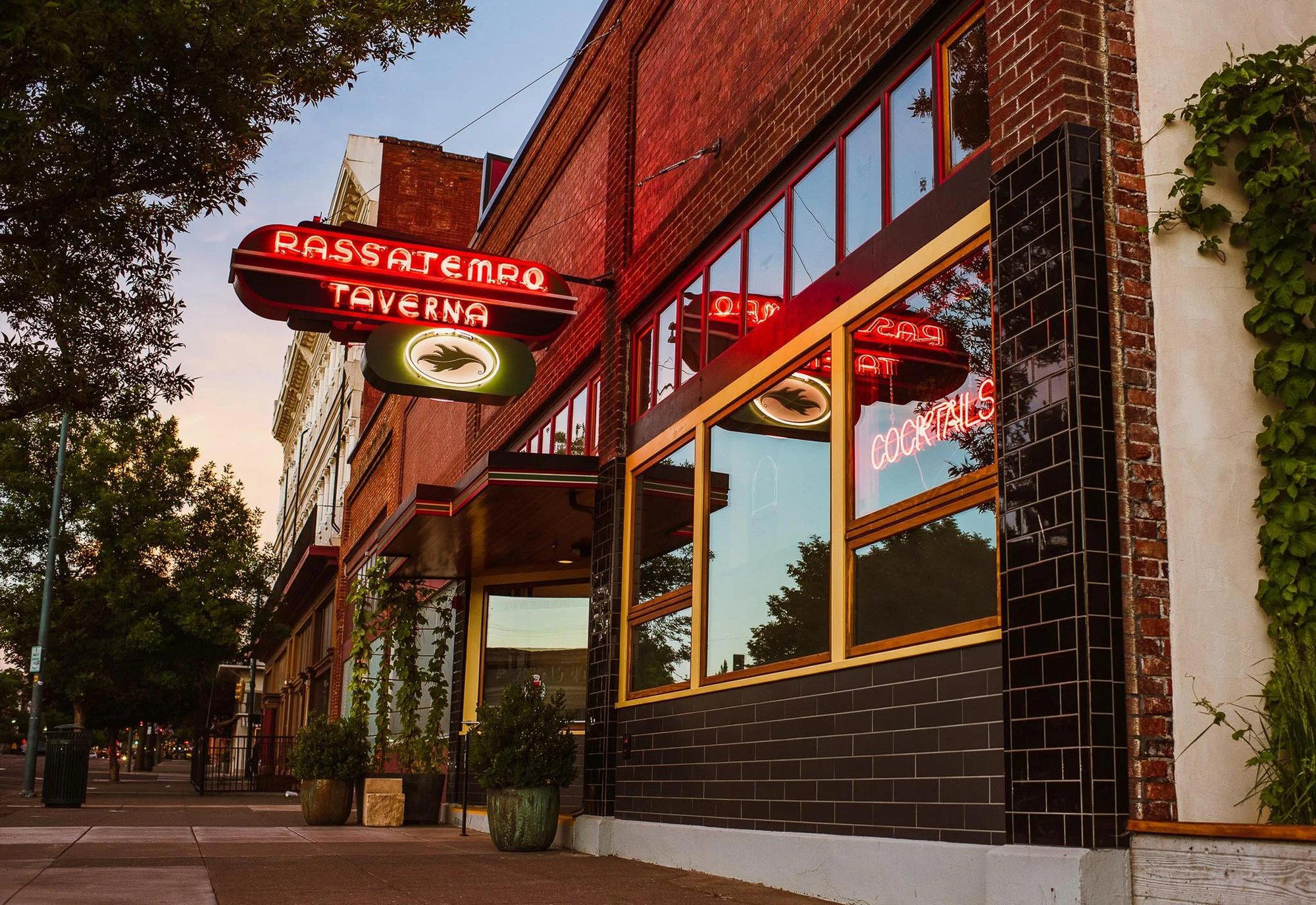

Hotels in Milton-Freewater
Browse all →
Details
- Rustic
- Scenic
- Elegant
- Intimate
- Wine Education
- Solo Exploration
- Special Occasion
- Vineyard Tour
- Estate Grounds
- Biodynamic
- Organic
- Vineyard
- Syrah
- Viognier
- Grenache
- Cabernet Franc
- Cabernet Sauvignon
- Merlot
- Tempranillo
- Still Red
- Still White
- Still Rosé
- Private Tasting
Intimate and serene with a focus on the natural vineyard setting and stony terroir.