
Falstaff Winery - Listed
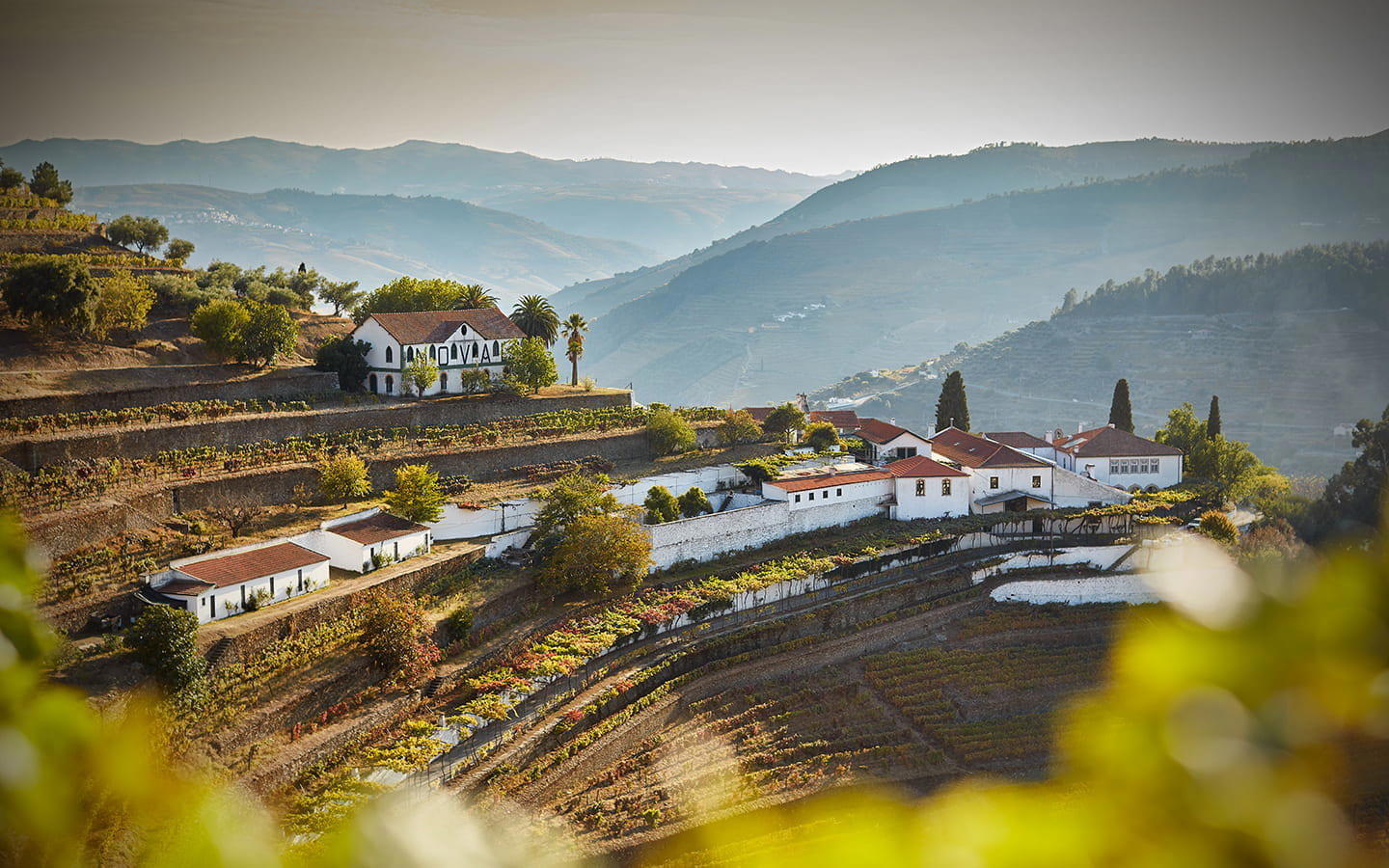
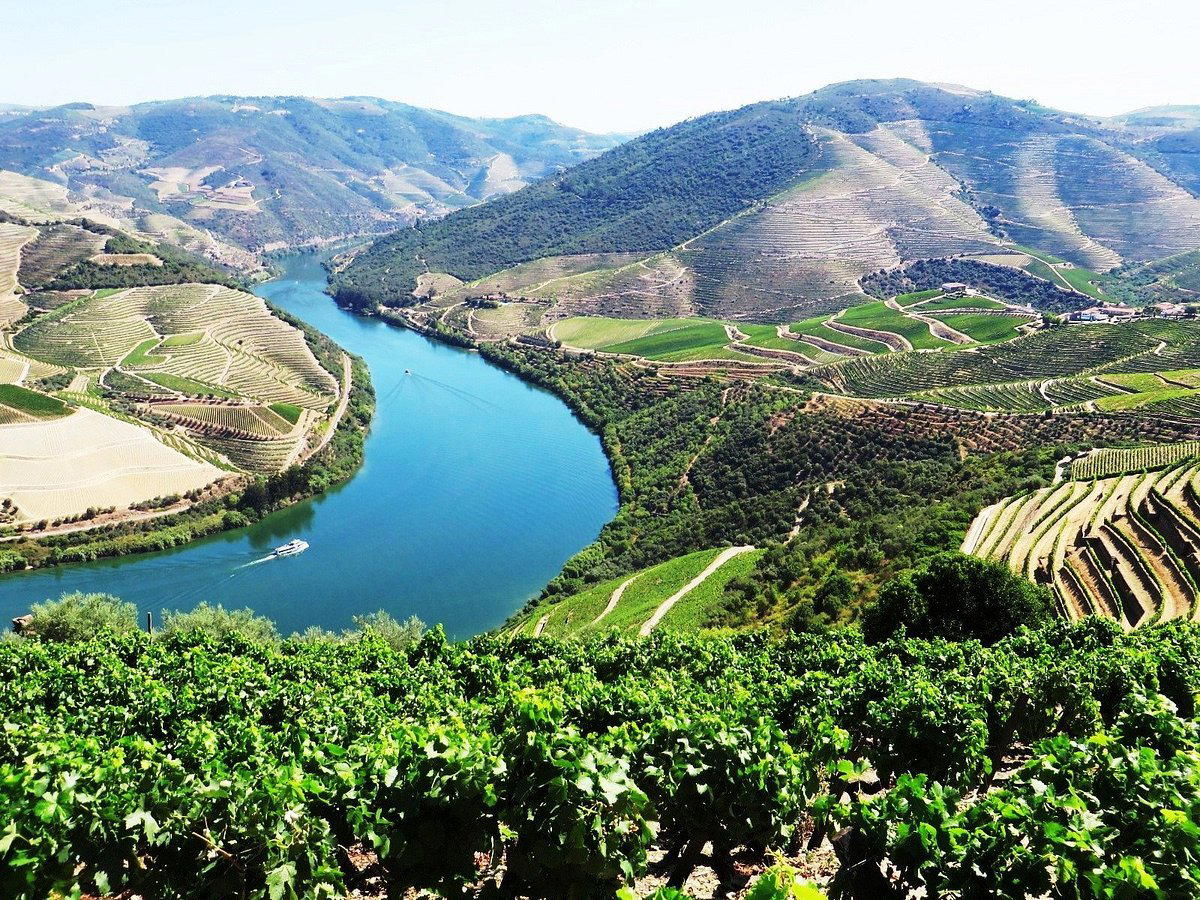
Caves Transmontanas belongs to the Douro’s smaller sparkling-wine story rather than its Port-and-red-wine mainstream. Founded in 1989 in Alijó, it works under the Vértice label with traditional-method Espumante, high-altitude Douro fruit, and a cellar-first character that suits travelers more interested in production logic than polished hospitality theatre.

Pearl is the En Primeur Club membership app — saves, bookings, and concierge access live there. Same editors, same standards.
- Address
- Alijó, Portugal
- Directions
- Get directions
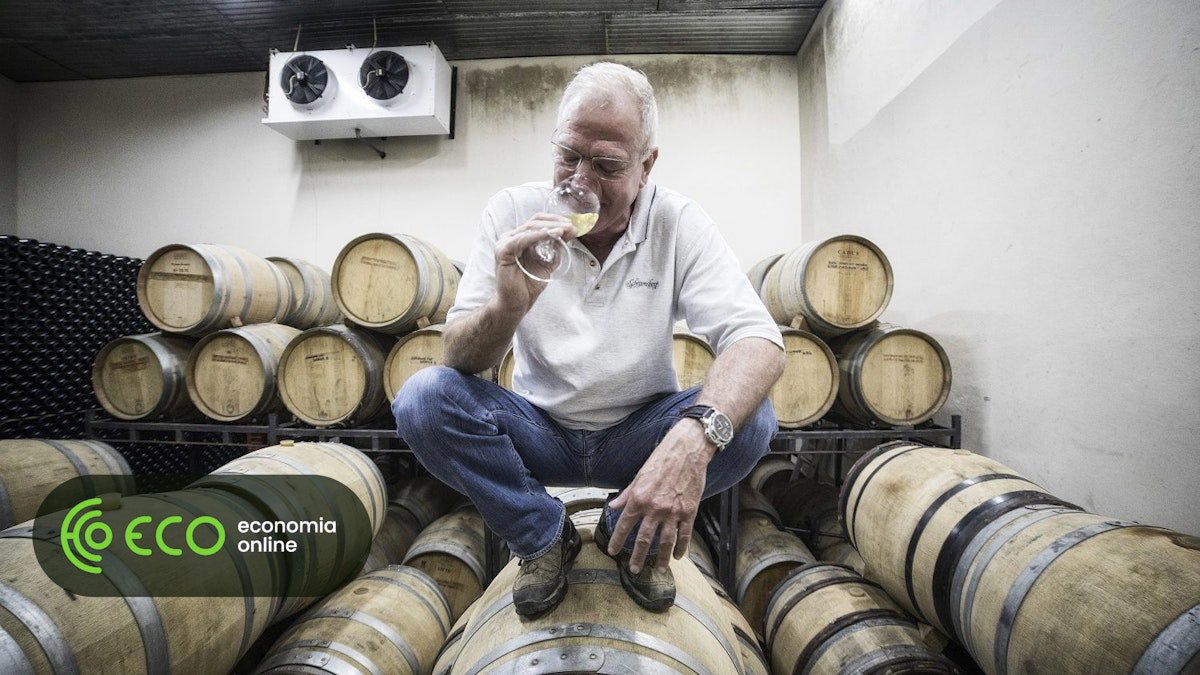
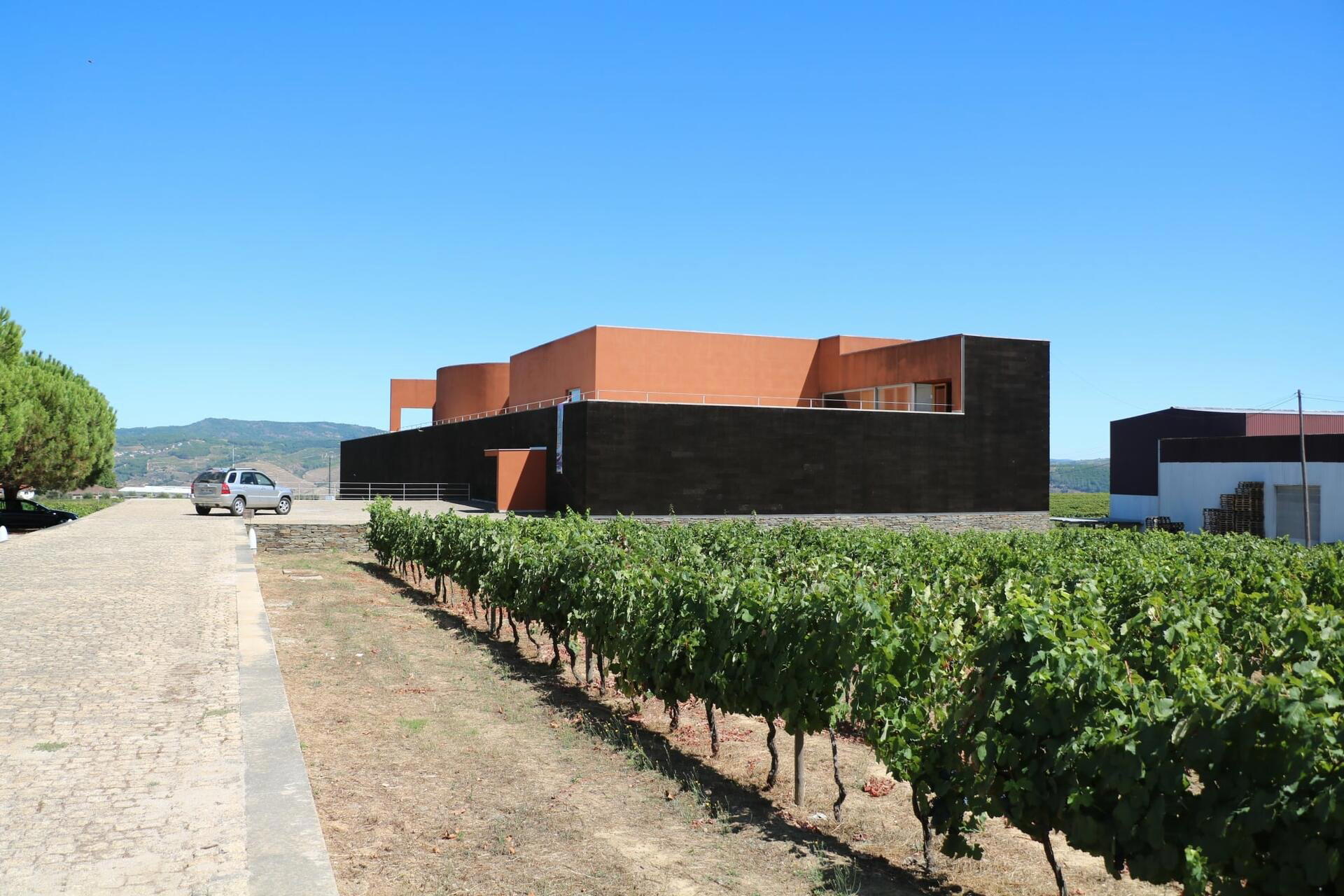
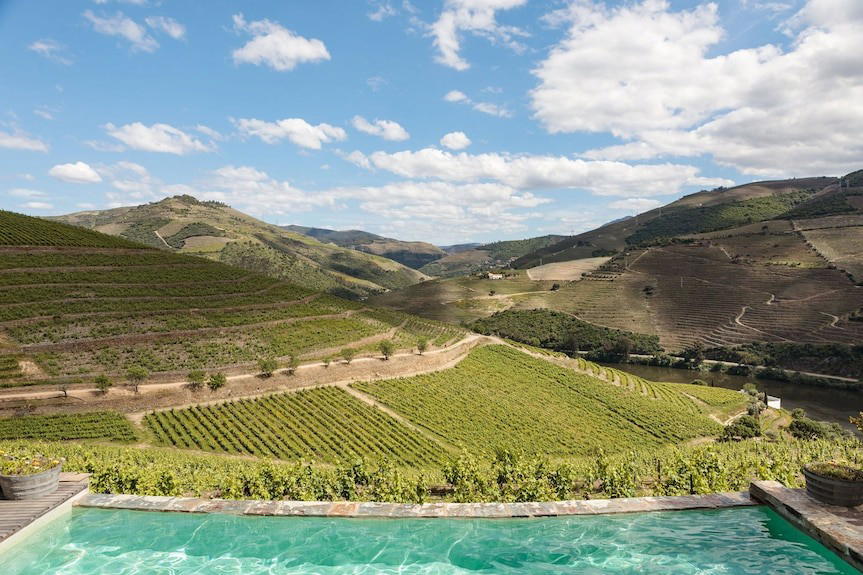
Caves Transmontanas in Alijo is best understood as a traditional Douro sparkling wine house rather than a design-led visitor venue. That framing is important, because the available picture is narrow but still useful for the right reader. The focus is on premium, terroir-driven wines, with an atmosphere that is likely functional and production-oriented, centered on cellar and bottling work rather than a broad hospitality narrative. In other words, this is a venue to read through wine production first: the interest lies less in staged experience and more in how a Douro sparkling wine house presents itself through its core purpose.
Douro sparkling wine in a production-led setting
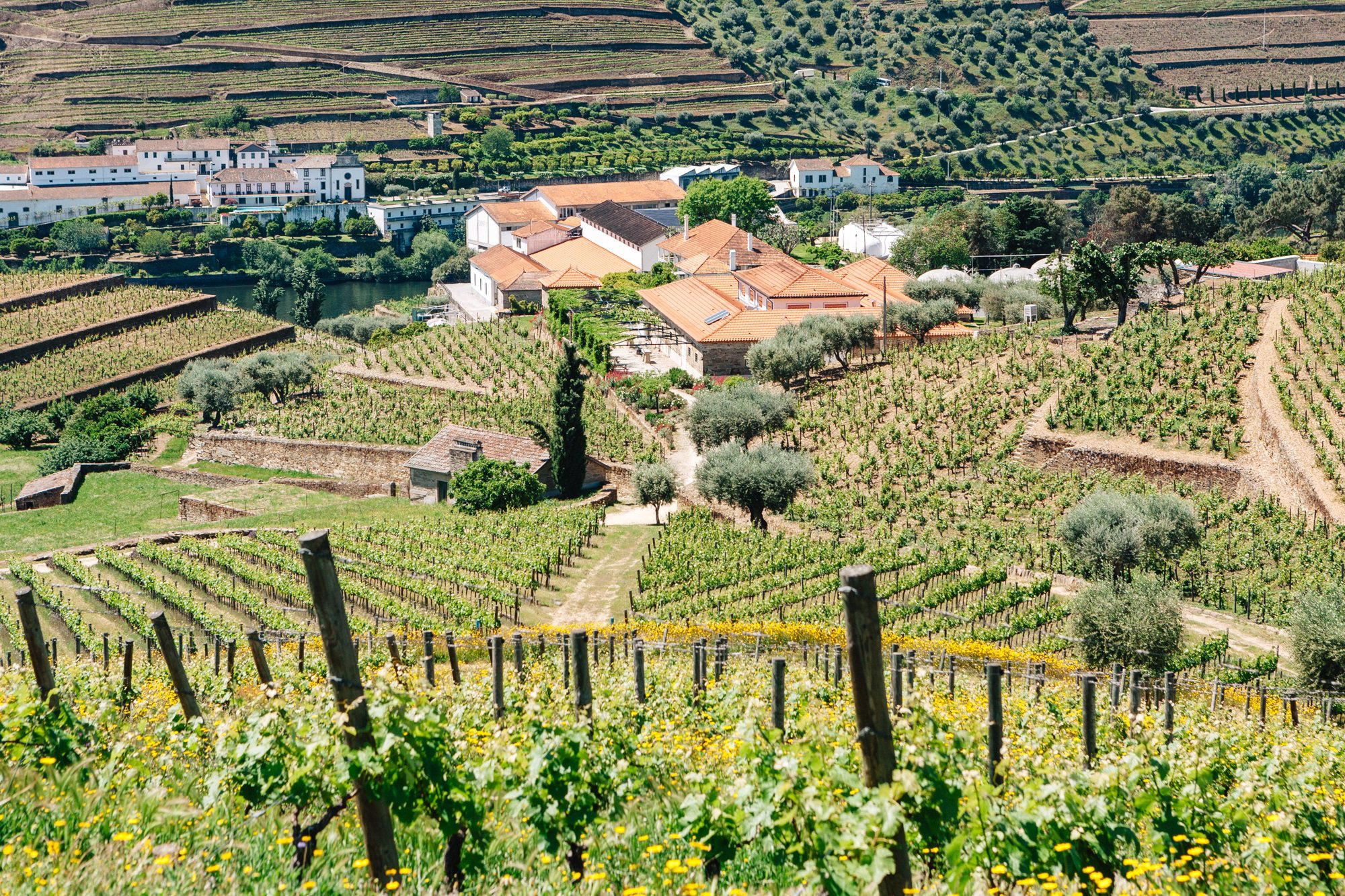
The editorial interest here is the role of Douro terroir in sparkling wine. Rather than treating the region only through its better-known categories, Caves Transmontanas points visitors toward a more production-focused reading of wine: cellar work, bottling, and the practical decisions behind a sparkling wine house. That makes the venue useful in a slightly different way from places built around scenery, dining, or estate lifestyle. It gives the Douro sparkling-wine category its own place in the itinerary, without needing to overstate the visitor experience.
What can be said with confidence is that Caves Transmontanas is positioned as a premium Douro sparkling wine house in Alijo. The useful emphasis is not on a long list of named bottles, technical claims, or external validation, but on that clear identity: premium sparkling wine, connected to Douro terroir, operating from a traditional wine-house context. For readers trying to understand the area beyond the most familiar assumptions about Douro wine, that distinction gives the venue its relevance.
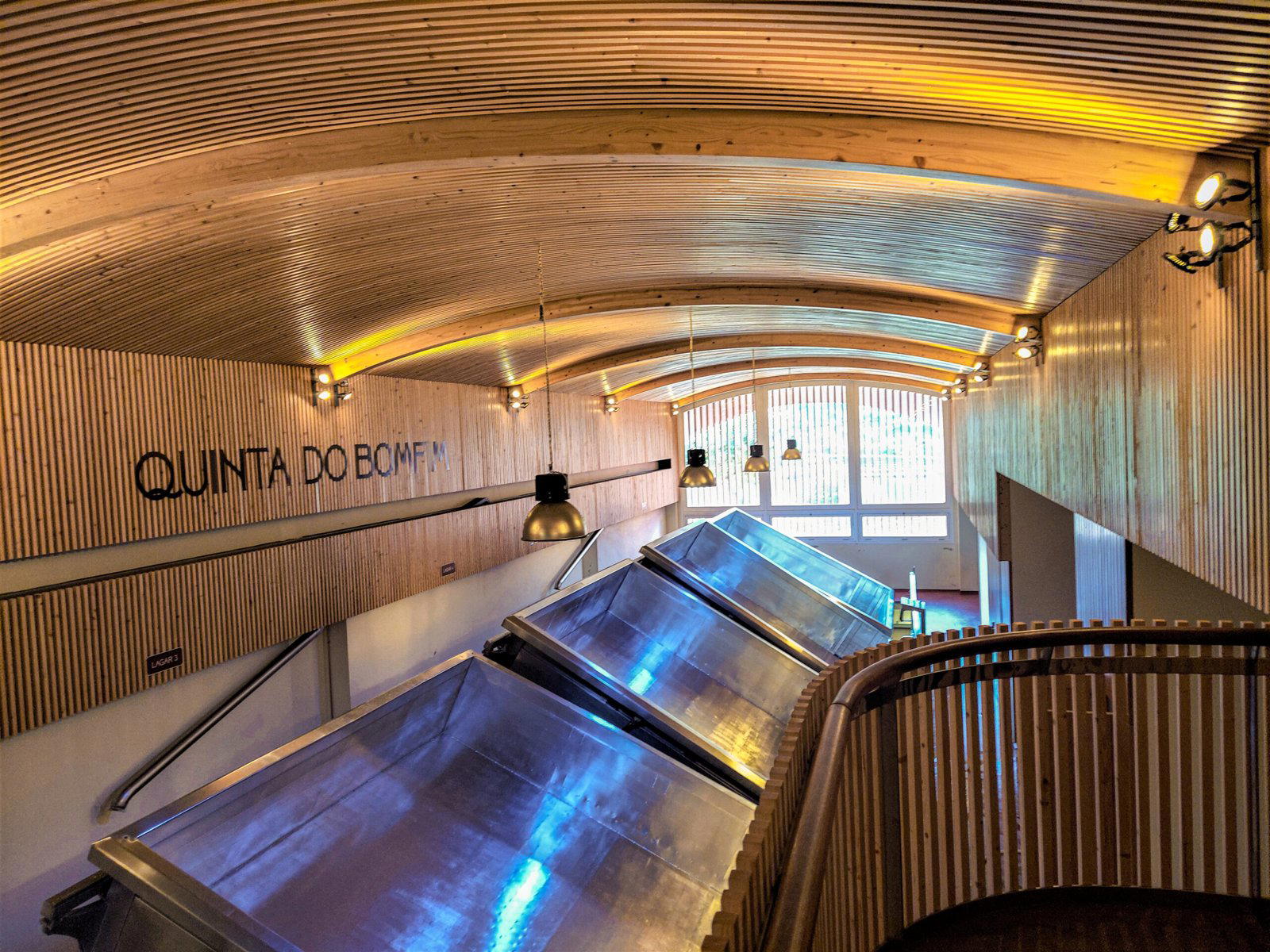
The likely atmosphere is practical rather than theatrical. Expect the identity to be tied more to production, cellar operations, and bottling than to a polished hospitality concept. That makes the venue most relevant for readers interested in how sparkling wine is approached in the Douro. It also sets expectations properly: the appeal is not necessarily visual drama or elaborate visitor staging, but the sense of a working wine environment where production is the main point of reference.
Premium Douro sparkling wine without the lifestyle-estate framing
Caves Transmontanas should not be framed around critic scores, named ranges, corporate history, or specific winemaking claims. The stronger and safer premise is simpler: it is a traditional Douro sparkling wine house with a premium, terroir-driven focus. Keeping the description disciplined helps avoid turning a limited but meaningful profile into a broader claim that the available information does not support. The venue is best presented with restraint, emphasizing what is clear rather than filling the gaps with assumptions.
That distinction matters for planning. This is not a page built around a confirmed restaurant format, tasting menu, lunch service, design destination, or broad visitor complex. The information supports a production-led wine context, not a detailed hospitality promise. For that reason, readers should approach Caves Transmontanas as a wine-specific stop rather than as an all-purpose leisure address. Its value sits in the category it represents and the production setting it implies, not in amenities that have not been established here.
For travelers comparing options in Alijo, Caves Transmontanas stands as the relevant named reference here. Other dining, lodging, and wine-related stops in Alijo can be considered generically when building a wider itinerary, but the specific draw of this venue is its Douro sparkling-wine identity. It is most useful as an anchor for visitors who want their understanding of Alijo to include sparkling wine as part of the Douro conversation, while leaving space around it for meals, tastings, or other plans arranged elsewhere.
How to place it in an Alijó itinerary
Caves Transmontanas is well suited to visitors who are interested in Douro sparkling wine and in a setting that appears more cellar-focused than design-led. The value is not in confirmed food service, visitor amenities, or published accolades, but in the venue’s role as a premium sparkling wine house in Alijo. In itinerary terms, that means it should be treated as a focused stop rather than a guaranteed multi-part experience. The reason to include it is curiosity about the wine category and the production context behind it.
Plan around that limited but clear proposition. If you are building a broader Alijo trip, pair Caves Transmontanas with other local dining or wine experiences in a general way, while treating any specific opening arrangements, tour formats, menus, or services as details to confirm directly before visiting. This approach keeps expectations realistic and preserves the venue’s actual editorial strength: a traditional, production-led Douro sparkling wine house whose interest comes from its premium, terroir-driven identity rather than from a fully described visitor program.
Recognition history
Dated appearances from independent guides and award organizations, with the underlying list record or original source where available.
Falstaff Winery - Listed
Falstaff
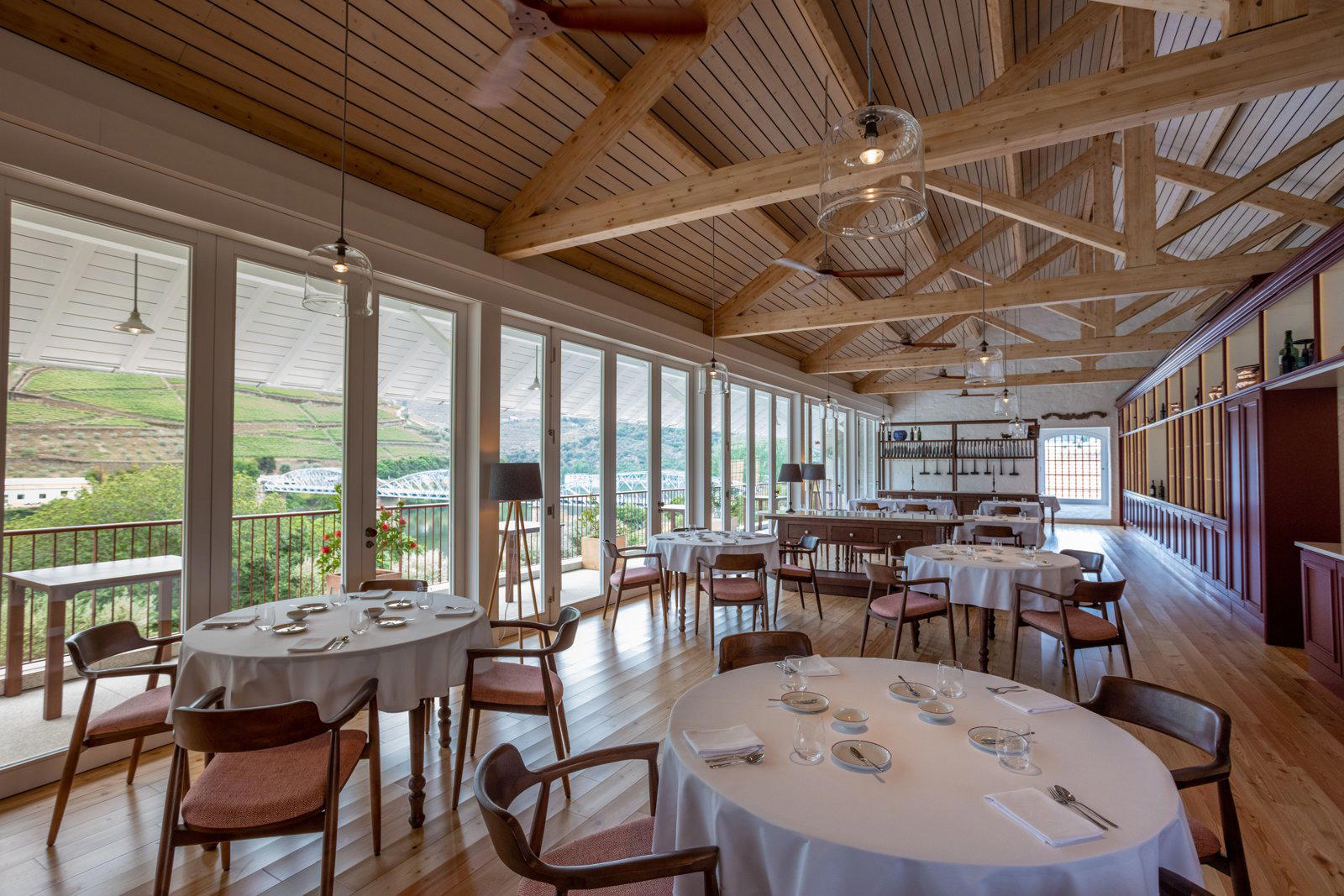
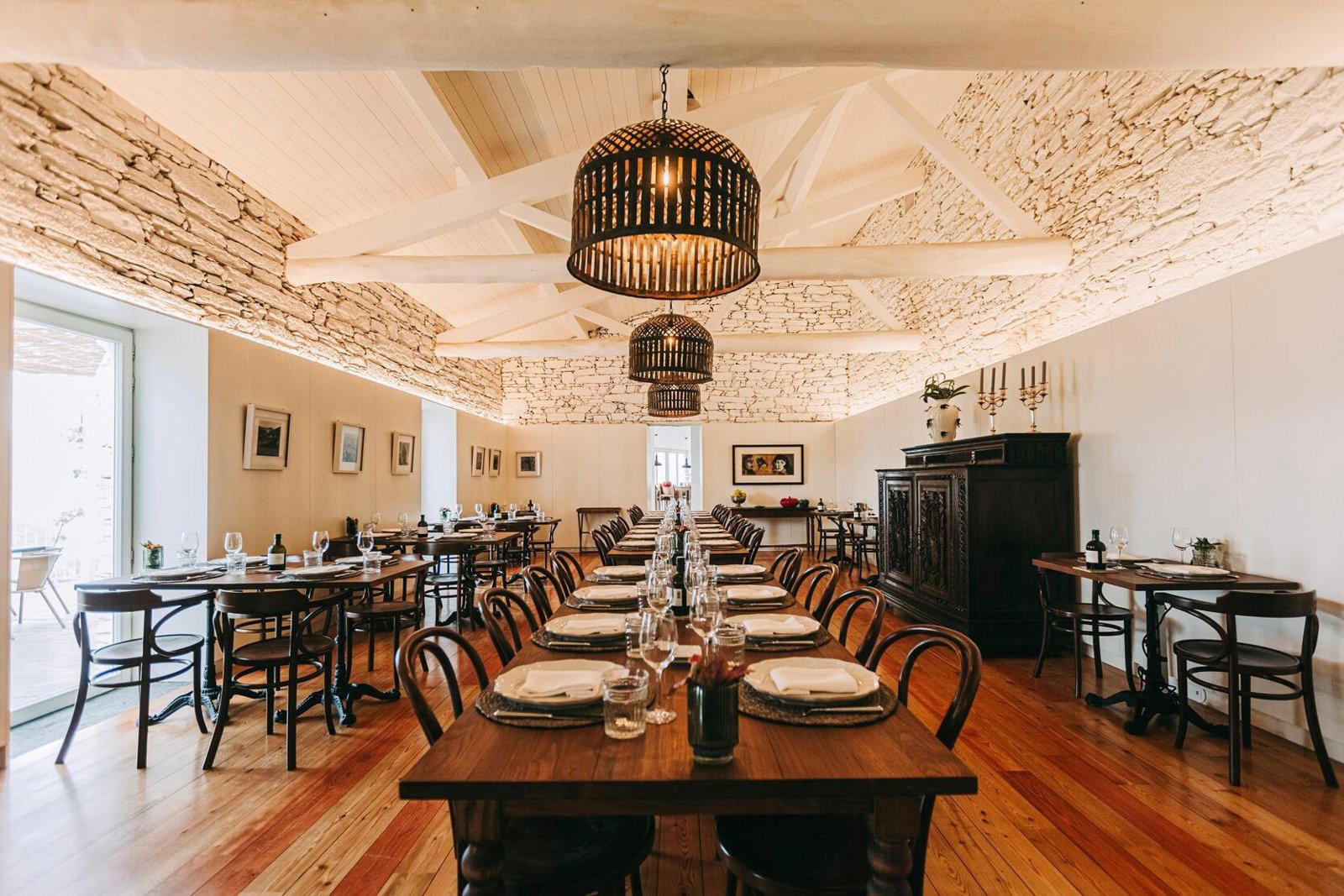
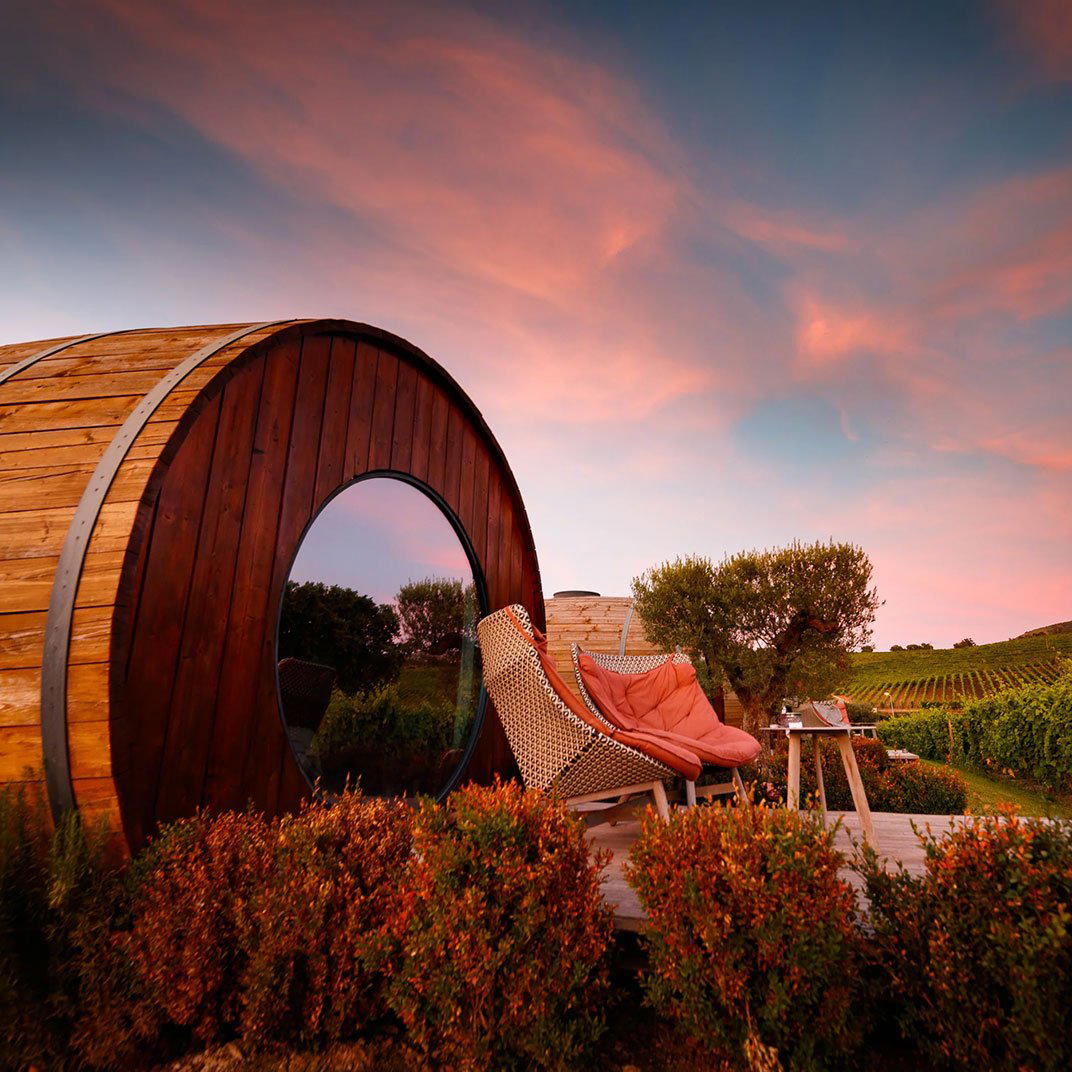
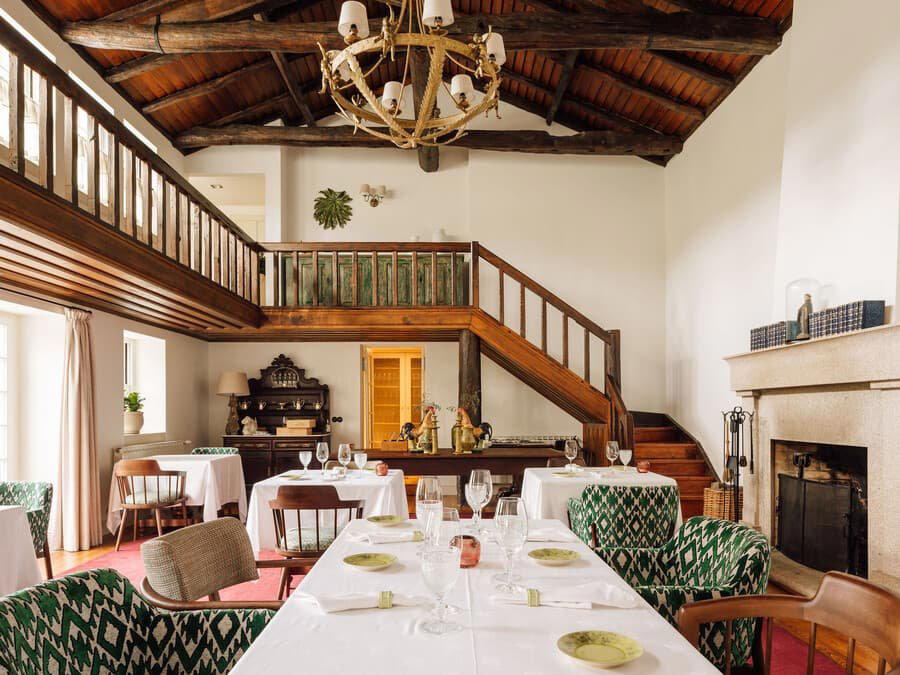
Details
- Classic
- Rustic
- Wine Education
- Solo Exploration
- Group Outing
- Vineyard
- Mountain
- Gouveio
- Malvasia Fina
- Rabigato
- Viosinho
- Códega
- Touriga Franca
- Sparkling
- Still Red
- Dessert
A traditional Douro sparkling wine house with a focus on premium, terroir-driven wines; atmosphere is likely functional and production-oriented rather than design-led, centered on cellar and bottling work rather than a polished visitor center.