Castello di Bibbione

A thousand-year-old Tuscan castle reframed as agriturismo and wine estate, Castello di Bibbione brings Chianti Classico into a historic, rural setting rather than a polished tasting-room circuit. The draw is the relationship between Sangiovese, estate vineyards, gardens, olive groves, and castle hospitality, with tastings and tours set around a quiet farmhouse rhythm.
Pearl is the En Primeur Club membership app — saves, bookings, and concierge access live there. Same editors, same standards.
- Address
- San Casciano V.P., Tuscany, Italien
- Directions
- Get directions
 Saves & bookings on Pearl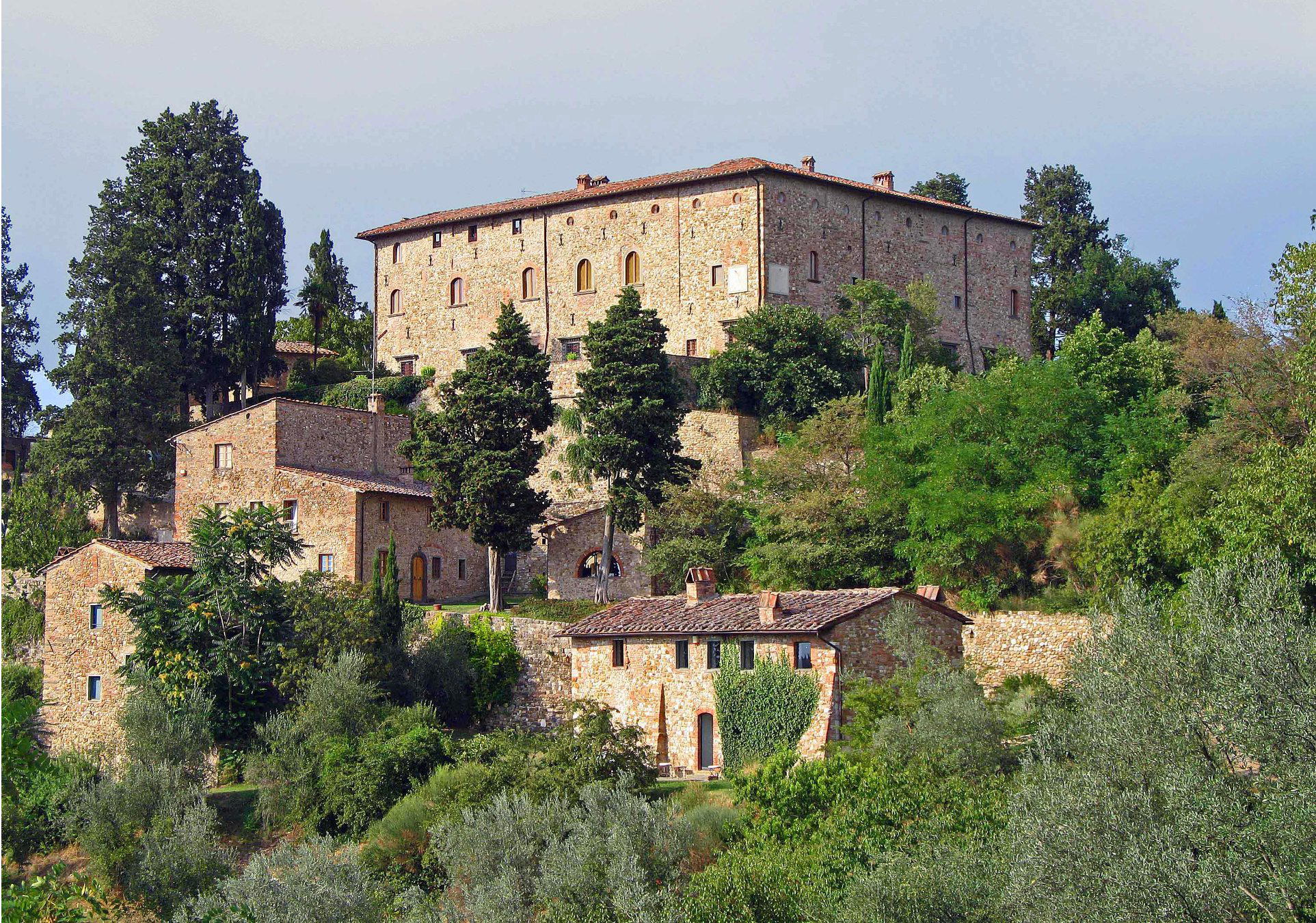
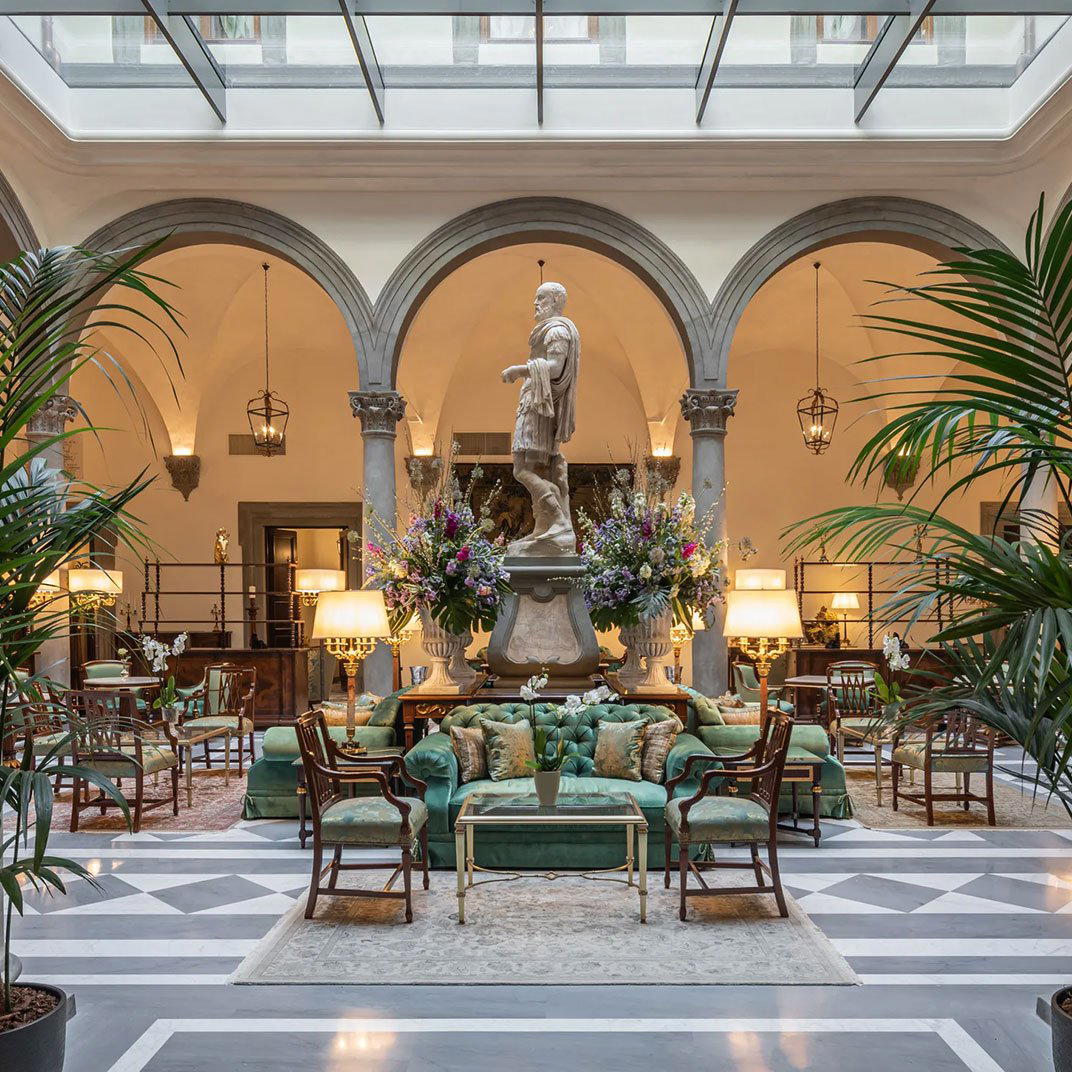
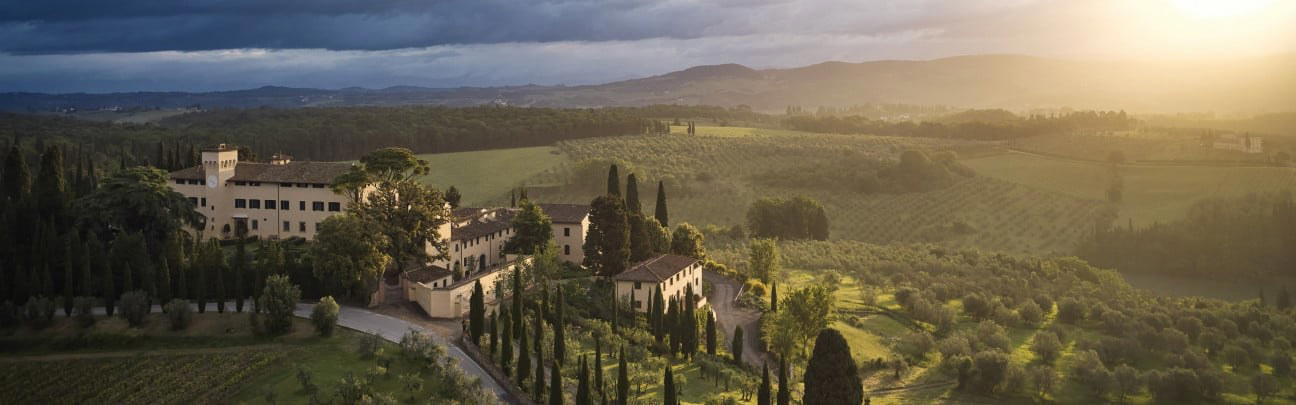
Approaching a hilltop castle in Chianti Classico changes a wine visit before a glass is poured. The cues are architectural and agricultural: stone walls, gardens, vineyards, olive groves, and the softer light of inland Tuscany. Castello di Bibbione belongs to the part of San Casciano V P where wine tourism is more than a cellar appointment: it is a rural stay, wedding setting, vineyard walk, and lesson in how Sangiovese behaves when tied to place rather than brand theatre.
That matters in Chianti Classico, where the label spans a broad range of styles. The strongest visits make the hierarchy legible: Chianti Classico DOCG for regional identity, Riserva for extended structure, Gran Selezione for estate-grown ambition. Here, the portfolio follows that ladder, with Sangiovese at the centre and Merlot in the Gran Selezione blend. Travellers can read the appellation through rising levels of selection, ageing, and estate specificity.
A castle setting where Chianti Classico feels agricultural, not staged
San Casciano V P sits within the wider Chianti Classico conversation, rewarding travellers who understand Tuscany’s wine culture as farming system as much as cellar polish. Castello di Bibbione is managed within the Castelli del Grevepesa context, linking the estate to a cooperative production model rather than the single-family mythology that often dominates Tuscan storytelling. That frame matters: Bibbione sits inside a broader grower network, while its visitor experience remains grounded in its own vineyards and historic grounds.
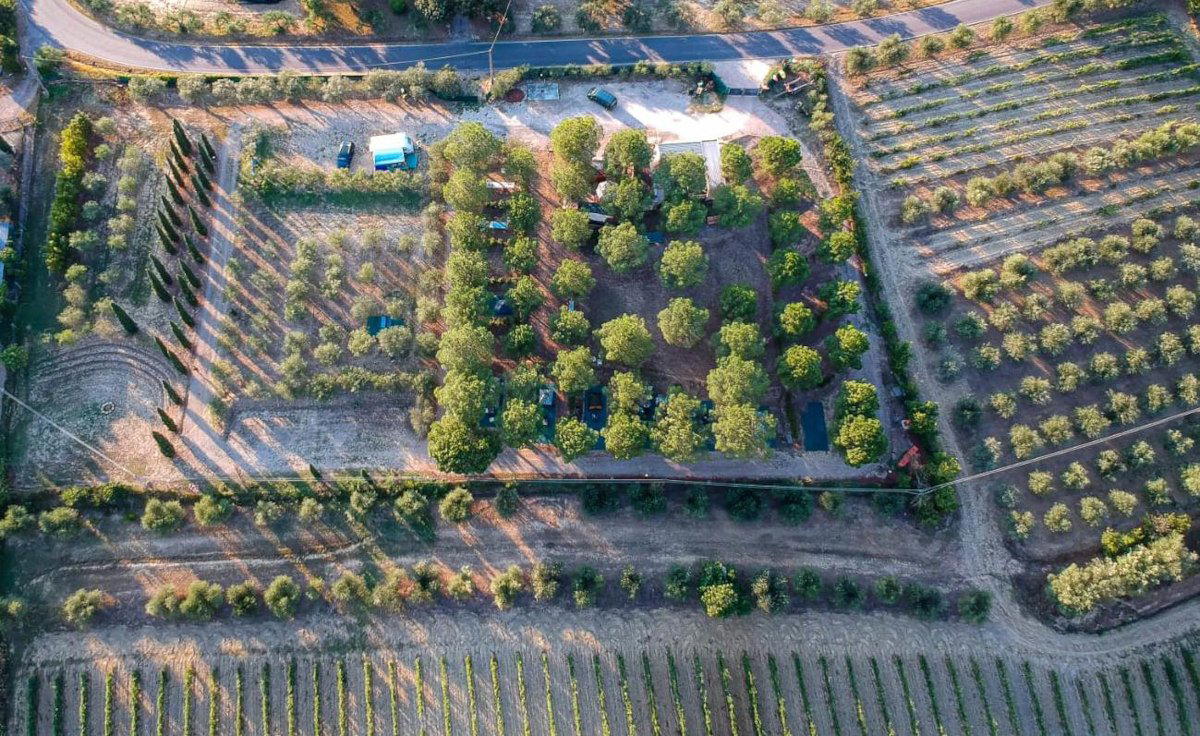
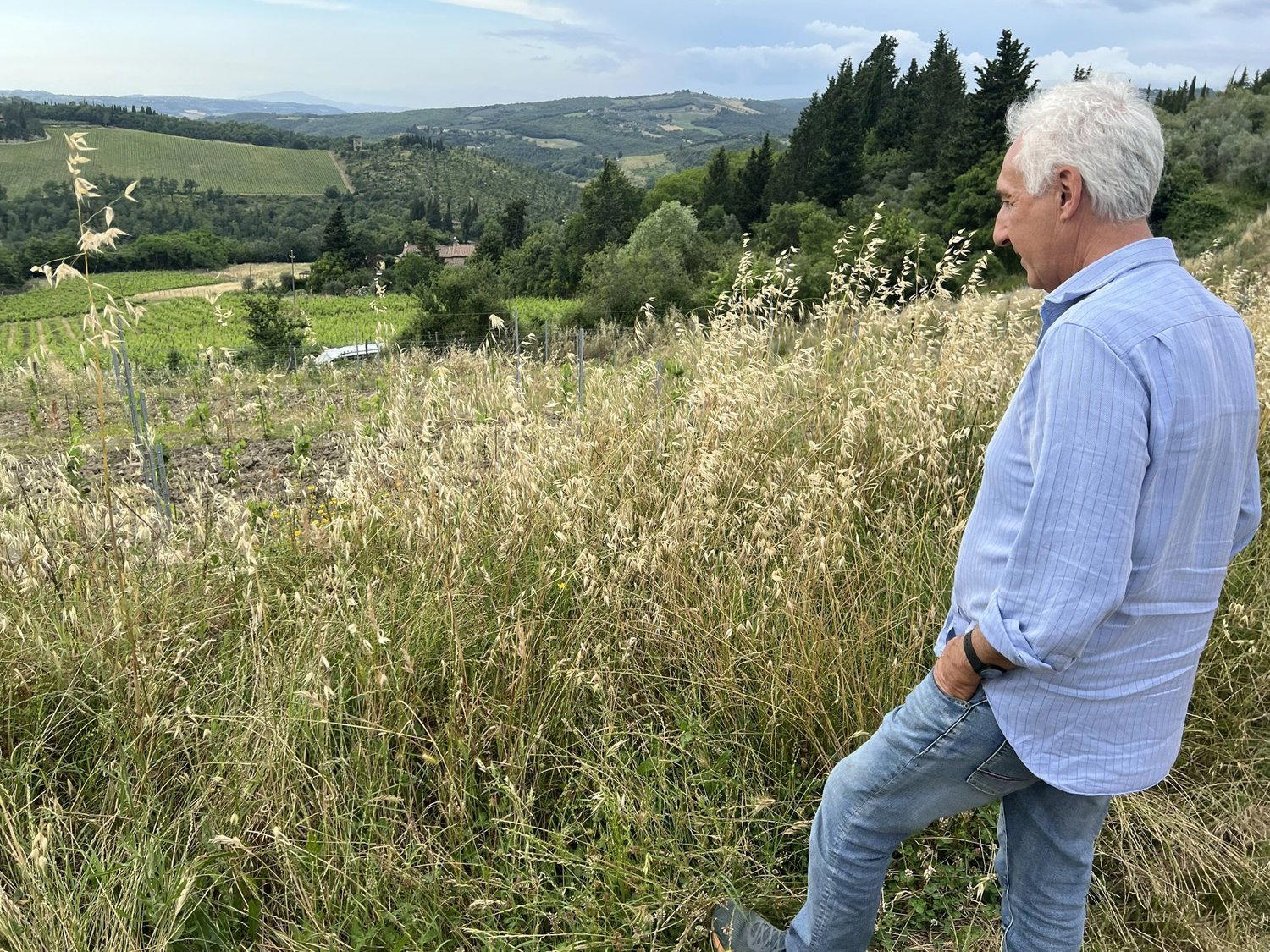
The estate is a thousand-year-old castle and agriturismo surrounded by 24 hectares of vineyards within a larger cooperative production context. Its scale sits between tiny garagiste address and high-volume industrial stop. The experience reads as medium-capacity rural hospitality, with estate tastings, vineyard tours with tasting, private tastings, and paired tastings at the core. English and Italian tour options broaden access, while outdoor seating, gardens, terraces, and views across vineyard, garden, and mountain scenery keep the atmosphere quiet.
The wine focus is red, and the grape logic is clear. Sangiovese carries the house identity; Merlot supports the more modern end of the range. For visitors coming from restaurant lists abroad, this resets expectations. Chianti Classico is not a single flavour profile, but a regulatory and geographic framework producing fresher, direct wines alongside structured bottlings built for longer meals and cellar time.
Sangiovese, Merlot, and the estate-grown argument
Terroir is clearest here through classification. Gran Selezione in Chianti Classico requires estate-grown grapes, making it more tightly defined than a standard regional bottling. At Bibbione, the visit links the glass to the surrounding rows rather than treating vineyard as backdrop. The estate-grown claim gives the tasting a firmer spine: travellers can move from Chianti Classico DOCG into Riserva and Gran Selezione with a clearer sense of how selection changes the wine.
Riserva is built from 100% Sangiovese, keeping emphasis on the grape that defines the zone. Gran Selezione brings Sangiovese together with Merlot, placing the estate within a broader Tuscan pattern: local structure supported, in some bottlings, by international varieties. That can divide traditionalists, but it teaches style. Pure Sangiovese frames acidity, tannin, and regional character more directly; the blend usually signals a rounder, more contemporary reading of the appellation.
Vineyard context adds another layer. Production is described around sustainable practice, with vines and hospitality tied to the Chianti Classico countryside rather than split into cellar and resort experiences. Olive groves, gardens, a swimming pool, and a wellness centre give the agriturismo side its own gravity, but wine remains the organising thread. This is the Tuscan stay where a day can move from vineyard tour to tasting to terrace without the formality of a destination cellar.
Recognition is modestly framed rather than medal-led. The stronger trust signals are structural: Chianti Classico DOCG, Riserva, Gran Selezione, estate-grown production for the upper tier, and the 24-hectare vineyard base inside a cooperative context. These details carry more weight than vague acclaim because they show how the wines are made, where they sit in the appellation hierarchy, and what kind of visit to expect.
How to place Bibbione in a San Casciano wine itinerary
For a San Casciano V P trip, Castello di Bibbione works well as a slower anchor, not a quick tasting squeezed between appointments. The historic building, gardens, terrace, and vineyard-tour format suit travellers who want context with their glass. It also suits mixed groups: wine-focused visitors can parse the classification ladder, while families, celebration groups, and countryside travellers have enough estate atmosphere for a stop broader than a technical tasting.
The local wine map rewards several days of planning. Travellers building a San Casciano cellar route can include Castello di Gabbiano, Cigliano, Il Borghetto, Poggio Torselli, and Villa Vallacchio in the same municipal orbit, while keeping each visit distinct rather than treating Chianti Classico as a repeated script.
For broader trip structure, separate wine days from dining, hotel, bar, and cultural time. EP Club’s city rails cover Our full San Casciano V P restaurants guide, Our full San Casciano V P hotels guide, Our full San Casciano V P bars guide, Our full San Casciano V P wineries guide, and Our full San Casciano V P experiences guide. Travellers extending beyond Tuscany can compare Italian and Central European winery styles through 3GP SRL in Treviso, 47 Anno Domini in Trebaseleghe, A Mano Wine in Noci, »der Steiner« Hans Steiner in Podersdorf am See, and & Handwein in Mannheim.
The editorial case for Bibbione is clearest for travellers wanting Chianti Classico with architectural weight and agricultural context. The castle gives drama, but the substance is the appellation ladder, Sangiovese focus, estate-grown Gran Selezione logic, and rural hospitality keeping wine connected to the surrounding land.
Recognition history
Dated appearances from independent guides and award organizations, with the underlying list record or original source where available.
Falstaff Winery - Listed
Falstaff
Continue exploring
More in San Casciano V P
Wineries in San Casciano V P
Browse all →
Bars in San Casciano V P
Browse all →
Restaurants in San Casciano V P
Browse all →
At a Glance
- Romantic
- Scenic
- Classic
- Rustic
- Elegant
- Romantic Getaway
- Group Outing
- Celebration
- Special Occasion
- Family
- Corporate Event
- Estate Grounds
- Vineyard Tour
- Historic Building
- Terrace
- Panoramic View
- Private Tasting
- Sustainable
- Vineyard
- Garden
- Mountain
- Chianti Classico DOCG
- Sangiovese
- Merlot
- Still Red
- Estate Tasting
- Vineyard Tour With Tasting
- Private Tasting
- Paired Tasting
Historic Tuscan castle setting with tranquil, romantic gardens, warm natural light, and a relaxed farmhouse atmosphere overlooking the Chianti Classico hills.