Casa Ermelinda Freitas

Casa Ermelinda Freitas gives Aguas De Moura a large-scale Setúbal wine address with a clear sense of place: sandy Fernando Pó soils, river-cooled summers, Castelão at the center, and enotourism built around vineyards, cellars, bottling areas, and the House of Memories and Affection. The appeal is not small-production rarity, but a structured look at how a family estate founded in 1920 translates regional identity for visitors.
Pearl is the En Primeur Club membership app — saves, bookings, and concierge access live there. Same editors, same standards.
- Address
- Águas de Moura, Portugal
- Directions
- Get directions
 Saves & bookings on Pearl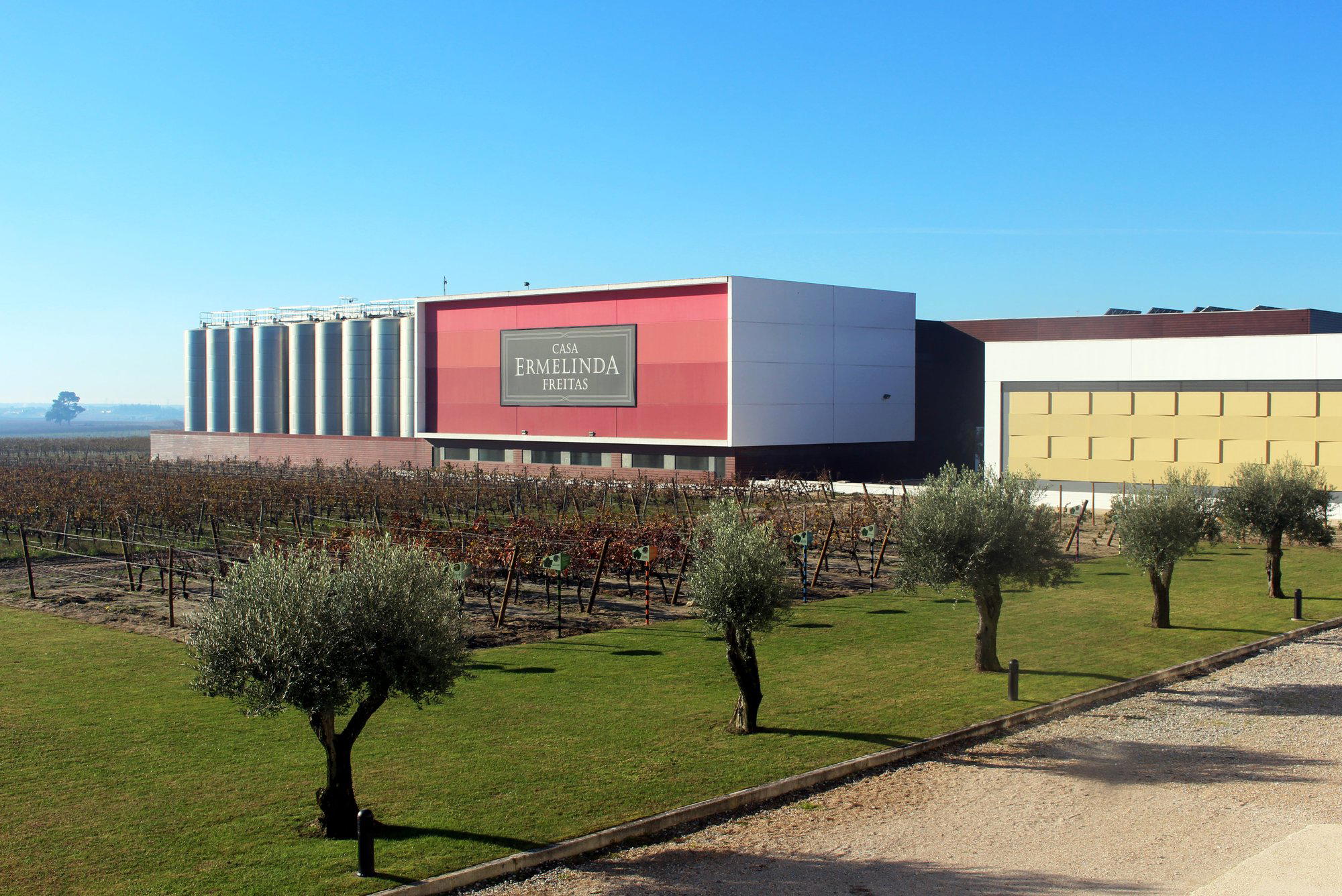
Approaching the estate, the grammar is agricultural before it is polished: vineyard rows, working winery infrastructure, cellar spaces, bottling areas, and a hospitality program that makes the production chain visible rather than hiding it behind a tasting-room gloss. In Aguas De Moura, the story is inseparable from Fernando Pó and the Península de Setúbal, where sandy soils and river influence give local wine culture a different accent from Portugal’s granite, schist, and mountain-led regions.
Setúbal wine tourism often has to explain two things at once: the local grape language and the scale of modern Portuguese production. Casa Ermelinda Freitas is useful because it does both in one visit. The estate dates to 1920, is family-owned, and is led by Leonor Freitas, with a portfolio that has expanded far beyond the historic base of Castelão and Fernão Pires. That scale matters editorially: this is not a cellar-door built around scarcity, but a large estate using guided visits and tastings to make regional wine legible to travelers.
Fernando Pó's sandy soils give the tasting its point of view
The Península de Setúbal is often reduced to a quick stop south of Lisbon, but the viticultural logic here deserves more attention. Fernando Pó’s sandy soils retain water, a useful trait in dry summers, while breezes associated with the Sado and Tejo river systems temper heat in the vineyard. Castelão, also known locally as Periquita, has particular importance in this setting and accounts for a substantial share of the estate’s vineyards. That is the lens through which the tasting makes sense: structure and ripeness are not treated as abstract technical goals, but as consequences of sand, summer dryness, and moderating air.
The estate’s varietal range now includes Portuguese grapes such as Touriga Nacional and Trincadeira alongside Syrah and other international plantings. In a smaller winery, that breadth can read as drift. Here it reads as a modern Setúbal argument: preserve the local base, then test how the region’s conditions translate across a broader palette. The wines span still reds and whites, and the experience is strongest for guests who want to understand why Setúbal’s identity is not confined to a single bottle style.
Recognition adds a hard signal to that regional story. The house has accumulated more than 1,500 international awards across its wines. Awards alone do not explain terroir, but they do indicate that this is a serious commercial and technical operation rather than a purely folkloric stop. For travelers building a wider Portuguese wine itinerary, it pairs conceptually with broader regional research through our full Aguas De Moura wineries guide.
A working-estate format, not a decorative tasting room
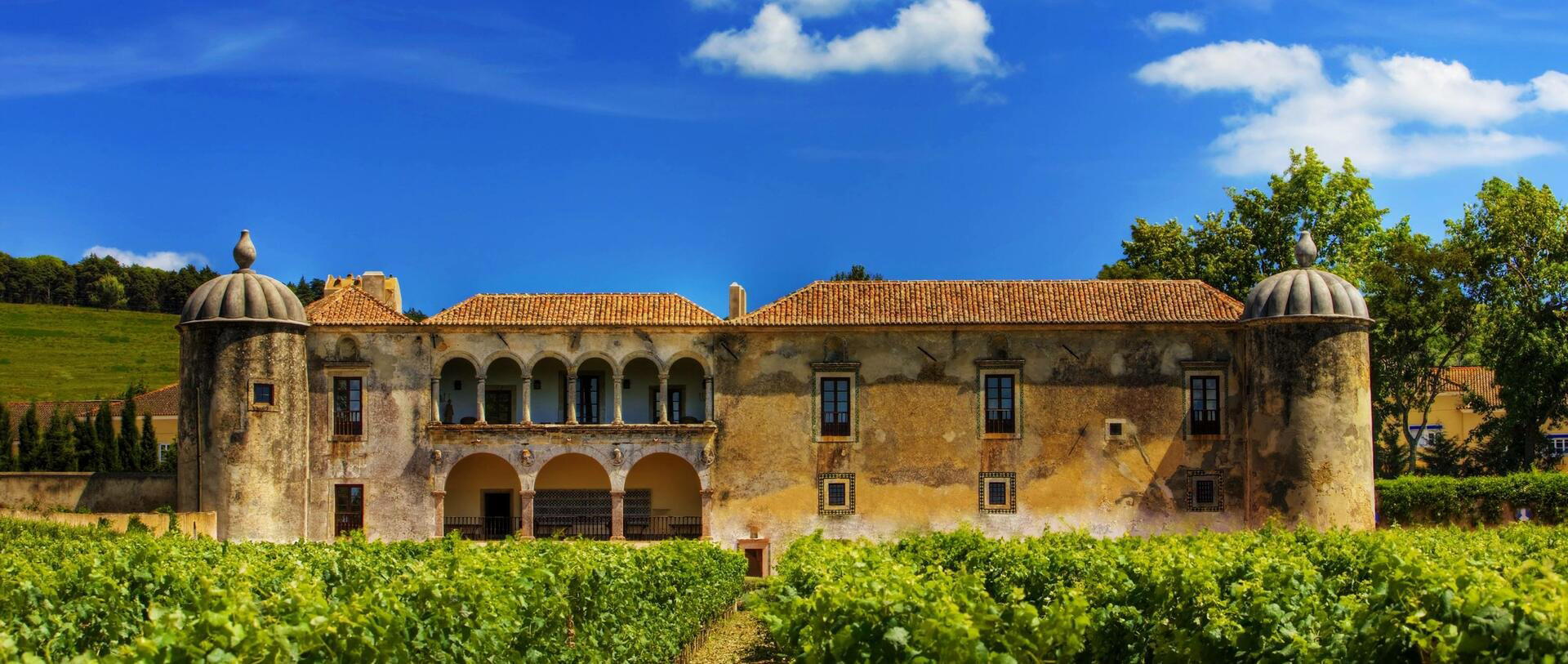
The visit format is built around guided tastings, paired tastings, regional products, vineyard access, estate grounds, cellar areas, the bottling section, and the House of Memories and Affection. That last element matters because Portuguese winery hospitality often leans heavily on family continuity, but here the archive function sits beside production infrastructure. The result is a clearer sense of how a fifth-generation wine house presents memory without disconnecting it from current output.
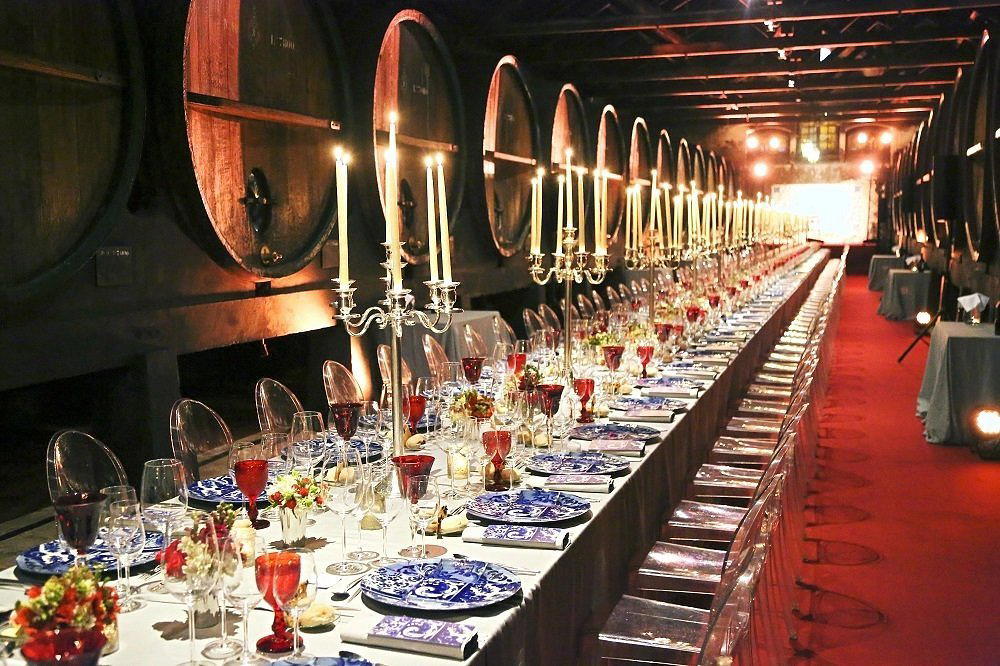
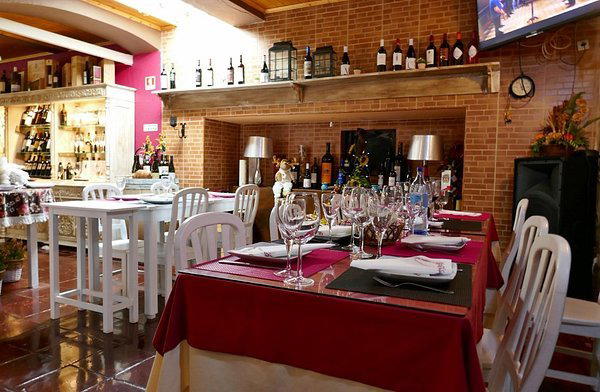
Food pairing is part of the structure, with local products used to anchor the wines in regional context. That makes the estate especially useful for groups, families, corporate outings, and visitors who want wine education without a collector-only atmosphere. The noise level is conversational, the dress code is casual, and the tone is closer to structured rural hospitality than trophy-cellar theater. Children are accommodated, which also separates this from more formal tasting formats that assume every guest is there for a technical flight.
The production scale is part of the experience rather than a detail to be politely ignored. Casa Ermelinda Freitas works across hundreds of hectares and produces at a large estate level, while still foregrounding varietals, cellars, and the agricultural site. That makes the visit a good corrective to the idea that serious wine tourism must always be boutique. In Setúbal, scale can be part of the lesson: how a family operation founded in the early twentieth century adapts to contemporary demand while keeping a regional vocabulary intact.
How to place it within an Aguas De Moura itinerary
Aguas De Moura is not a city of dense, walkable venue-hopping in the way Lisbon or Porto can be. The stronger approach is to treat the winery as an anchor for a half-day built around the estate experience, then use the surrounding area selectively rather than overpacking the schedule. For local planning beyond wine, EP Club’s city pages are the cleaner starting points: our full Aguas De Moura restaurants guide, our full Aguas De Moura hotels guide, our full Aguas De Moura bars guide, and our full Aguas De Moura experiences guide.
For readers mapping Portugal through wine rather than geography alone, the useful comparison is thematic rather than local. Cooperative heritage, family estates, regional appellation identity, and hospitality-led tastings all sit in different combinations across the country. Continue the wider route with 1912Winemakers LDA in Porto, Adega Cartuxa (Fundação Eugénio de Almeida) in Évora, Adega Cooperativa de Borba in Borba, Adega Cooperativa de Ponte de Lima in Ponte de Lima, Adega Cooperativa de Vale Cambra, CRL in Vale De Cambra, Adega Cooperativa Regional de Moncao in Monção, Adega do Monte Branco in Estremoz, and Adega do Vadio in Poutena. For a broader European contrast in small-producer and merchant-led wine culture, see »der Steiner« Hans Steiner in Podersdorf am See and & Handwein in Mannheim.
The editorial case is clear: this is a Setúbal estate for understanding place through an organized visit, not for chasing scarcity. Go for the relationship between sandy soils, Castelão, family continuity, and large-scale Portuguese production made accessible to visitors.
Recognition history
Dated appearances from independent guides and award organizations, with the underlying list record or original source where available.
Falstaff Winery - Listed
Falstaff
Continue exploring
More in Aguas De Moura
Wineries in Aguas De Moura
Browse all →
Bars in Aguas De Moura
Browse all →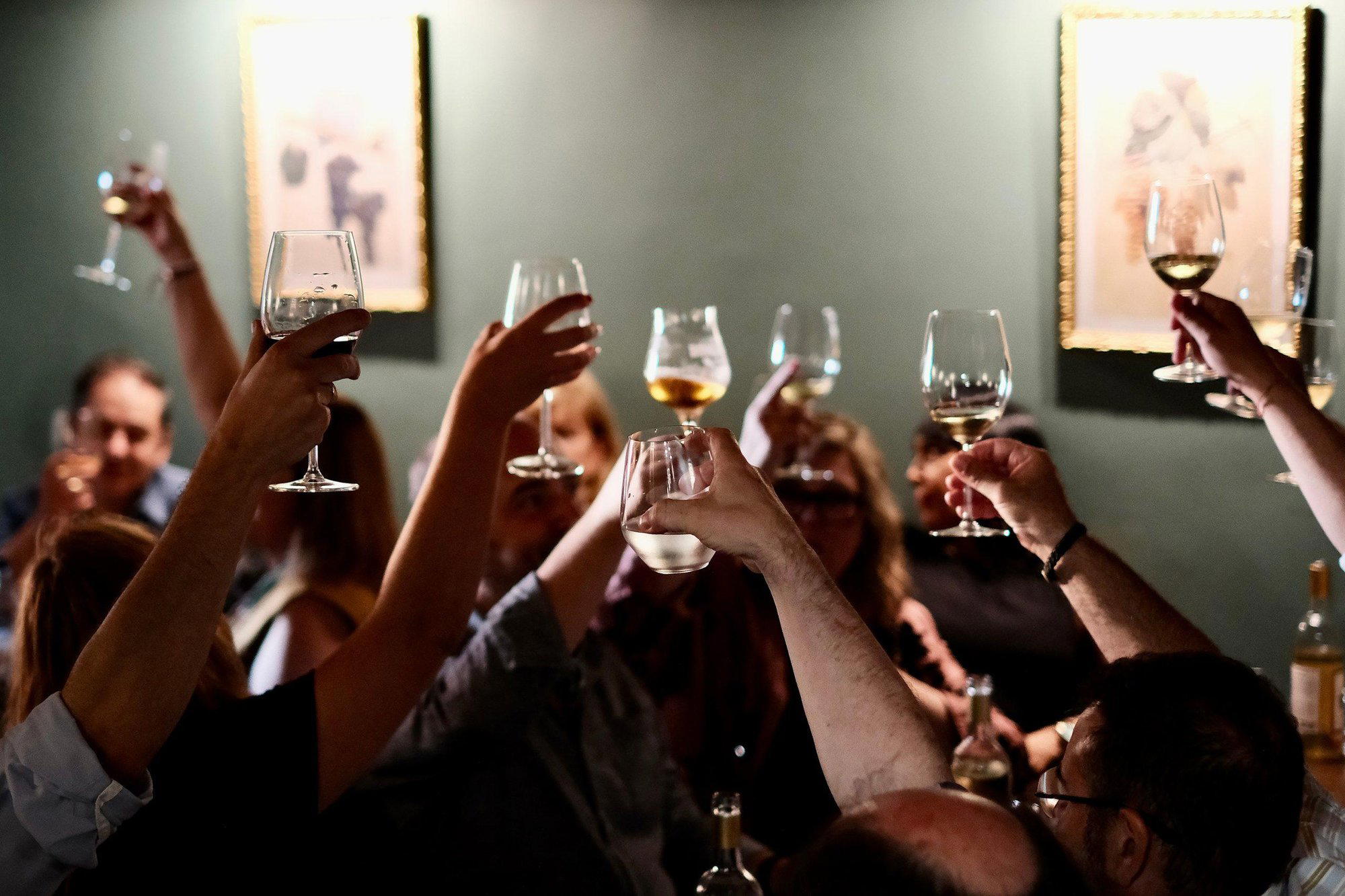
Restaurants in Aguas De Moura
Browse all →
At a Glance
- Classic
- Scenic
- Rustic
- Sophisticated
- Family
- Group Outing
- Wine Education
- Special Occasion
- Corporate Event
- Vineyard Tour
- Estate Grounds
- Historic Building
- Private Tasting
- Vineyard
- Península De Setúbal
- Castelão
- Fernão Pires
- Touriga Nacional
- Trincadeira
- Syrah
- Still Red
- Still White
- Guided Tasting
- Paired Tasting
- Regional Products Tasting
Family-owned winery with a strong wine-tourism focus, centered on vineyard visits, cellars, bottling areas, and the House of Memories and Affection; the atmosphere is rooted in tradition, regional identity, and structured tastings with local products.