Quinta da Plansel

Falstaff Winery - Listed
Quinta da Plansel is a Montemor-o-Novo wine estate where Alentejo viticulture is read through Portuguese grape varieties, vineyard scenery, and an art-gallery layer rather than luxury spectacle. The guided format combines winery interpretation, two wines, regional snacks, and a quiet rural setting, making it a strong fit for travelers who want context around place as much as a glass in hand.

Pearl is the En Primeur Club membership app — saves, bookings, and concierge access live there. Same editors, same standards.
- Address
- Montemor-o-Novo, Portugal
- Phone
- +351 917 438 741
- Hours
- Mon–Fri 8 am–1 pm, 2–5 pmSat–Sun Closed
- Website
- adega.plansel.com
- Directions
- Get directions
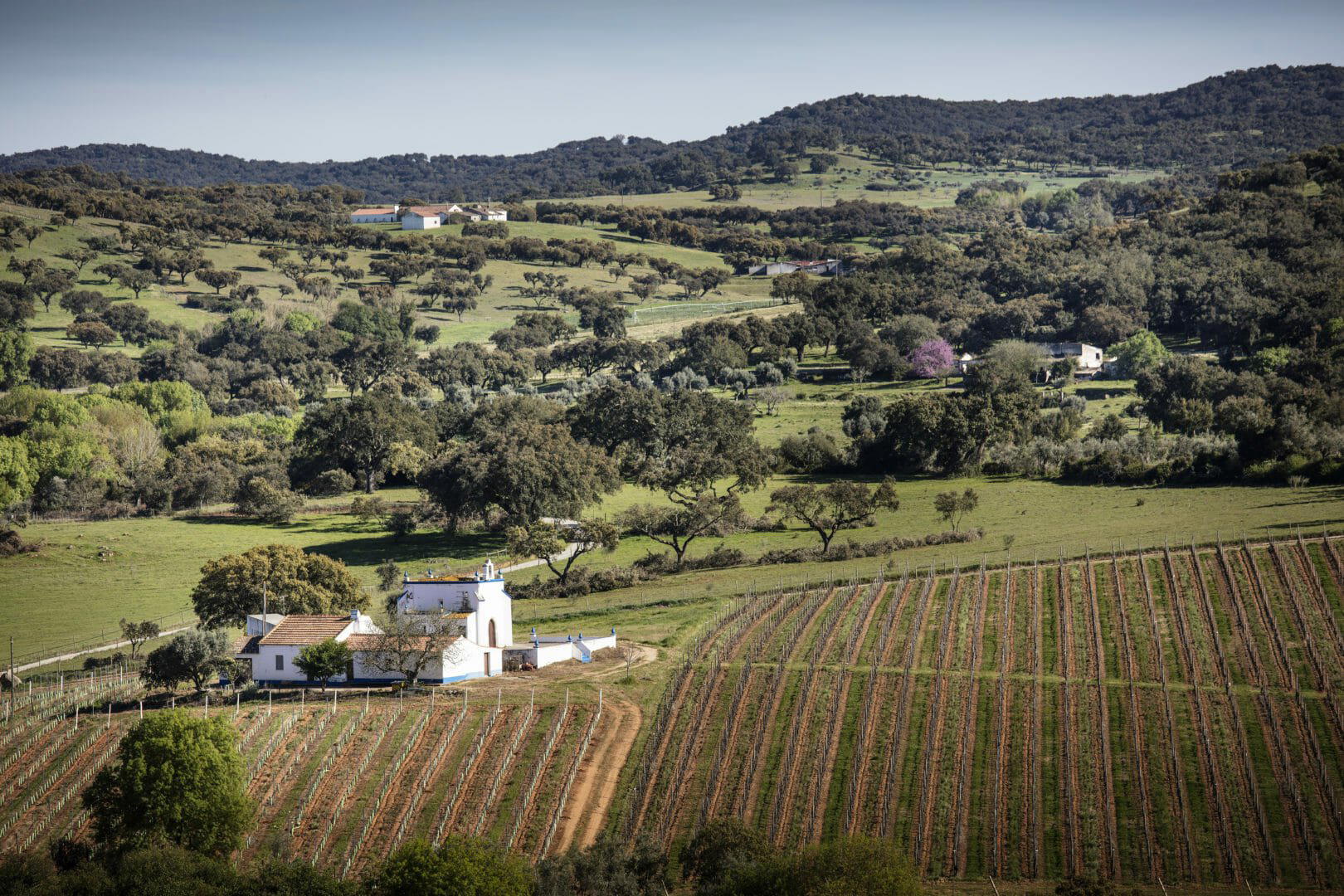
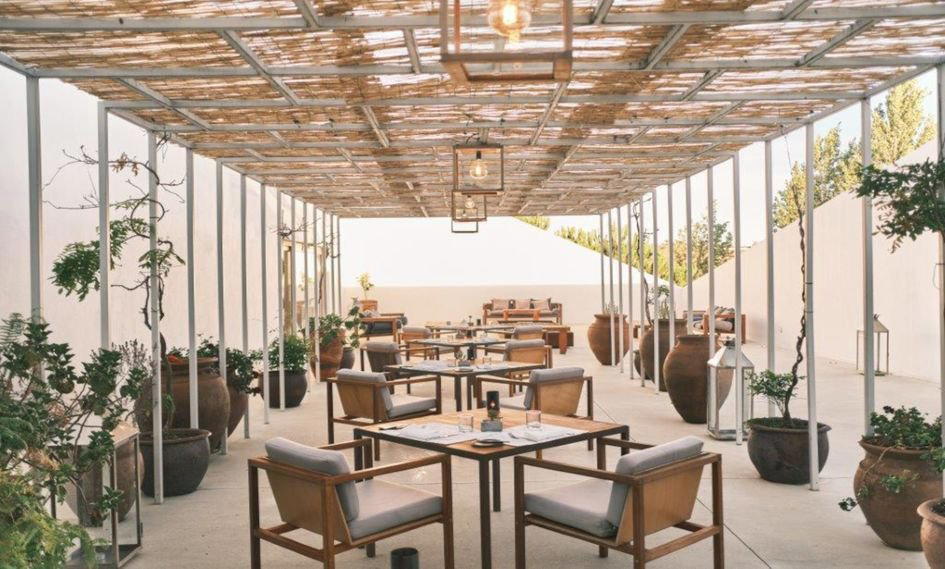
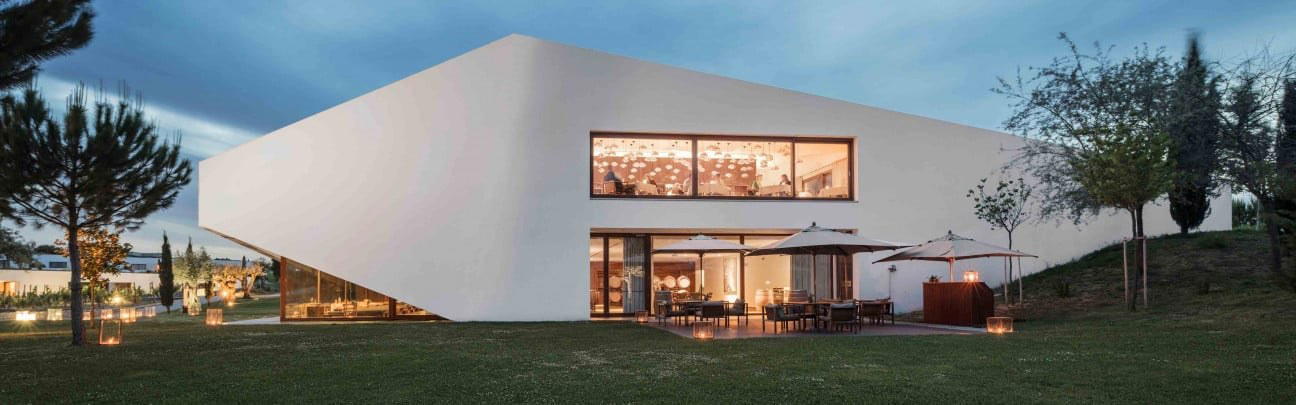
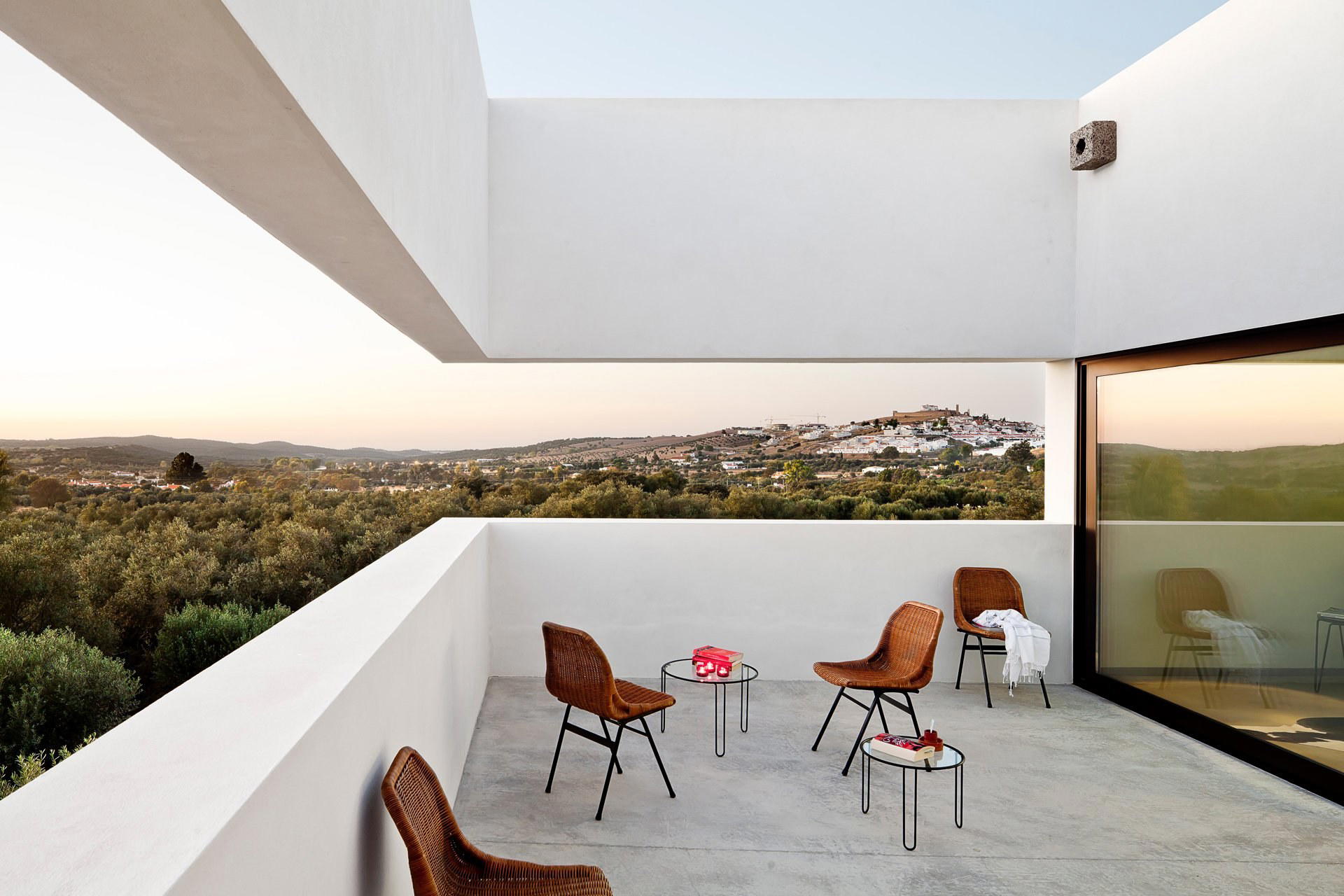
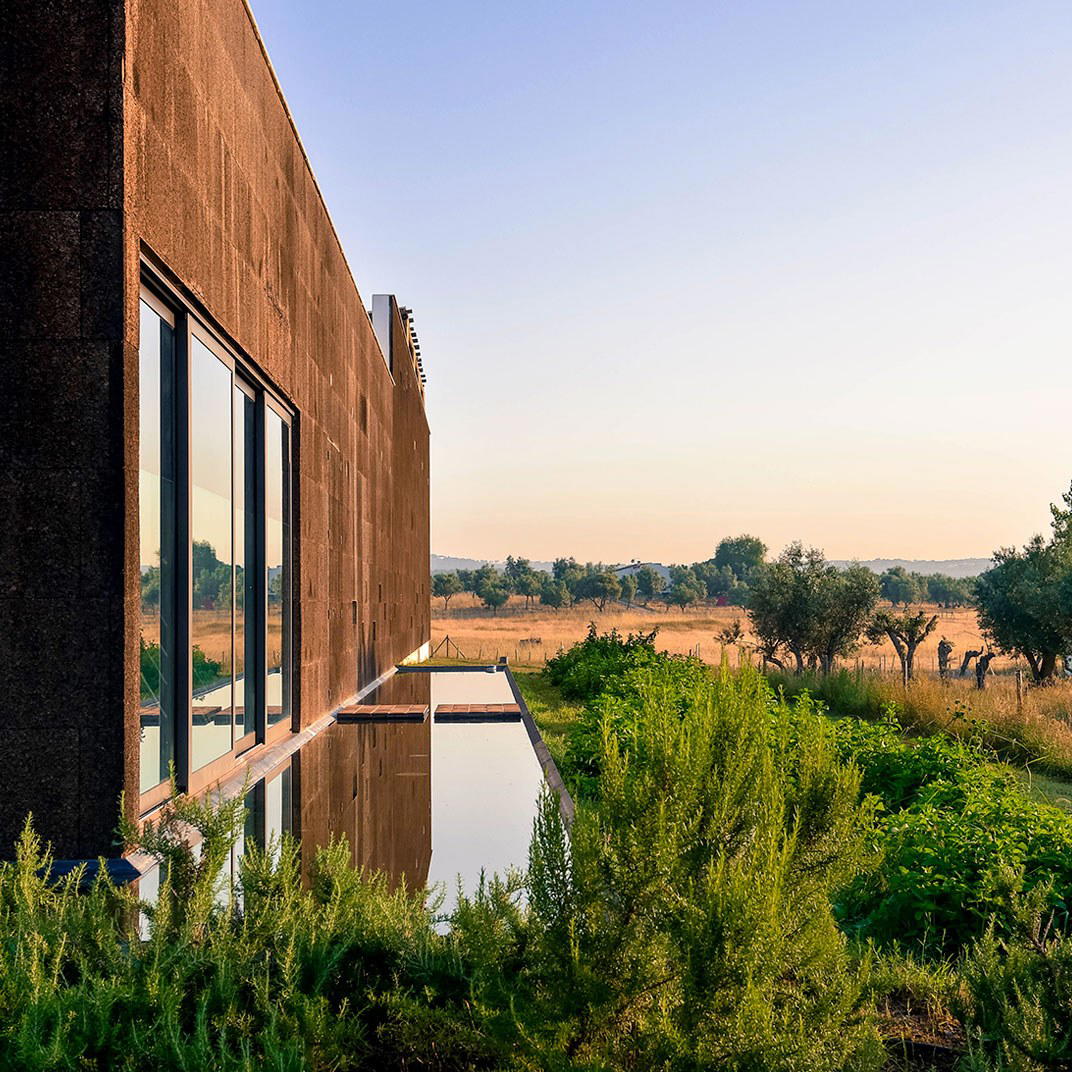
Approaching wine in inland Alentejo means accepting heat, open ground, cork and olive country, and a slower sense of distance than Portugal’s coastal routes. Quinta da Plansel belongs to that rural register: vineyards, winery buildings, and an art gallery sit together in Montemor-o-Novo, turning the estate visit into an exercise in reading place through agriculture and culture rather than through a tasting counter alone.
Alentejo’s wine identity is often discussed through generosity and sun, but the more useful lens here is varietal choice. The estate works with Portuguese grapes including Touriga Nacional, Touriga Franca, Aragonez, Verdelho, and Gouveio, a lineup that keeps the conversation anchored in national and regional expression rather than international shorthand. In a warm inland region, those choices matter: they point to wines conceived within Portuguese viticultural language, not merely styled for global familiarity.
Alentejo terroir framed through native grapes and estate interpretation
The visitor format is built around explanation. A guided tour traces the winery process before moving into a tasting of two wines with regional snacks, placing the glass within the broader grammar of the estate. That matters in Montemor-o-Novo, where the landscape is part of the experience: vineyard rows, olive and cork trees, and a quiet rural pace give the wines their setting before any technical discussion begins.
The estate’s history adds a useful credential without needing to dominate the story. Founder Jörg Böhm’s path to Portugal began after a shipwreck in Cascais harbour in 1961, followed by the purchase of vineyard plots in 1975. The winery opened in 1997, and the current wine identity is also associated with winemaker Dorina Lindemann. Read critically, the important point is not romance for its own sake, but continuity: this is an Alentejo project with decades of attachment to Portuguese land and grape material.
Production emphasis is described as viticulture-led, and the portfolio spans still red, still white, rosé, and sparkling styles. The available grape list suggests a house language that can move between structure and freshness: Touriga Nacional and Touriga Franca bring the red-wine spine; Aragonez adds Iberian familiarity; Verdelho and Gouveio keep the white side tied to Portuguese acidity and texture. Specific cuvées matter less here than the estate’s choice to foreground local varietal grammar.
A guided wine-and-art visit, not a conventional tasting-room stop
Quinta da Plansel’s visitor experience is strongest when understood as wine tourism with cultural scaffolding. The sequence combines cellar touring, winemaking explanation, art-gallery viewing, and a duo tasting with regional snacks. That format gives non-specialists enough structure to understand the wines, while giving more engaged drinkers a sense of how the estate wants its bottles interpreted: through vineyard, cellar, landscape, and visual culture together.
The art gallery is not a decorative aside. In many winery visits, culture is reduced to label design or family photographs; here it becomes part of the route. That shifts the pace of the visit away from transaction and toward orientation. The estate is also quiet and casual in tone, with a group-friendly format and access for children, so the experience reads less like a collector appointment and more like an approachable Alentejo introduction with enough substance for serious wine travelers.
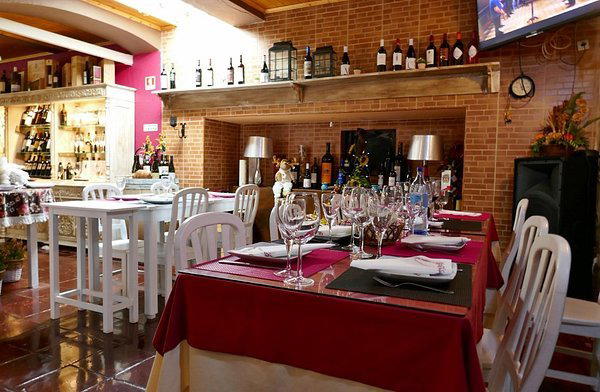
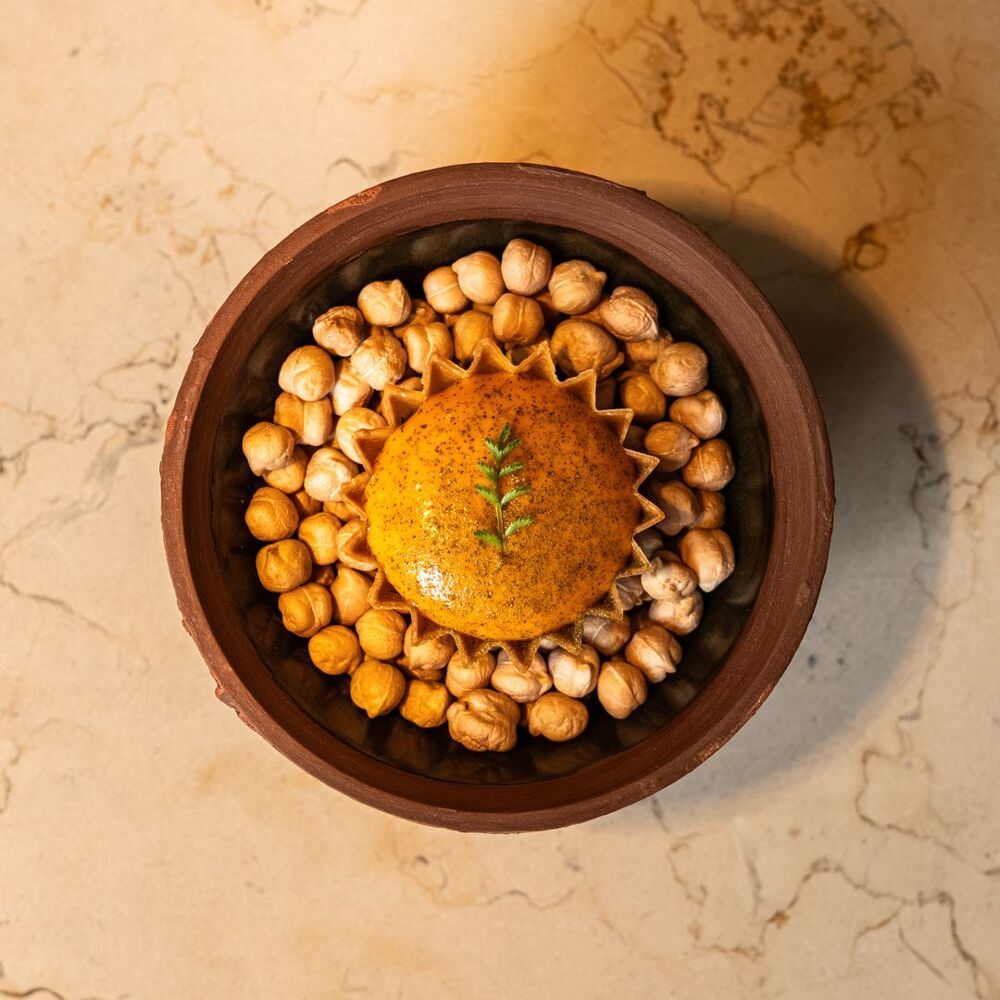
Food plays a supporting role rather than becoming a restaurant program. Regional snacks such as bread, olive oil, nuts, and cheese are paired with the tasting, which is the right scale for this kind of visit. It keeps attention on the wines and the land, while still placing the bottles in the context in which Alentejo wine is often most persuasive: alongside simple local products rather than elaborate plating.
How to place it within a Montemor-o-Novo itinerary
For travelers building a Montemor-o-Novo day, the estate works as a focused wine stop rather than an all-day resort-style plan. Its appeal is strongest for visitors who want guided interpretation, Portuguese grape varieties, and a calm rural setting. It is not the right choice for anyone looking for a chef-led lunch, high-volume entertainment, or a trophy-driven tasting built around awards and critic scores.
The broader planning logic is simple: make the winery the cultural anchor, then let the rest of the day fill in around Montemor-o-Novo. EP Club readers can cross-reference our full Montemor-o-Novo wineries guide, our full Montemor-o-Novo restaurants guide, our full Montemor-o-Novo hotels guide, our full Montemor-o-Novo bars guide, and our full Montemor-o-Novo experiences guide for the rest of the itinerary.
For a wider Portugal wine map, useful contrasts include 1912Winemakers LDA in Porto, Adega Cartuxa (Fundação Eugénio de Almeida) in Évora, Adega Cooperativa de Borba in Borba, Adega Cooperativa de Ponte de Lima in Ponte de Lima, Adega Cooperativa de Vale Cambra, CRL in Vale De Cambra, Adega Cooperativa Regional de Moncao in Monção, and Adega do Monte Branco in Estremoz. For readers comparing European winery culture beyond Portugal, »der Steiner« Hans Steiner in Podersdorf am See and & Handwein in Mannheim broaden the frame.
Recognition history
Dated appearances from independent guides and award organizations, with the underlying list record or original source where available.
Falstaff Winery - Listed
Falstaff
Continue exploring
More in Montemor-o-Novo
Wineries in Montemor-o-Novo
Browse all →
Bars in Montemor-o-Novo
Browse all →
Restaurants in Montemor-o-Novo
Browse all →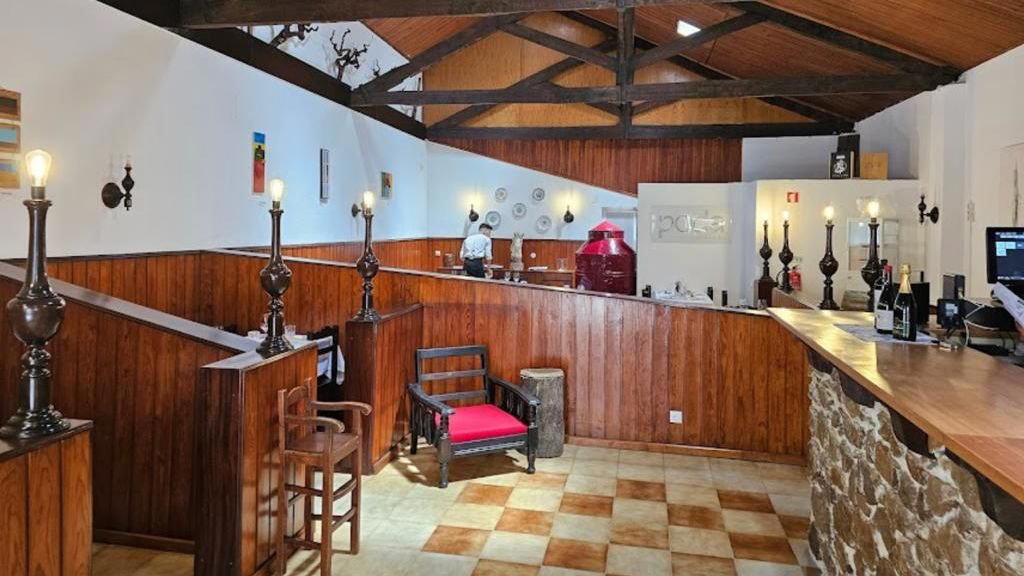
Details
- Scenic
- Quiet
- Rustic
- Classic
- Wine Education
- Group Outing
- Family
- Special Occasion
- Vineyard Tour
- Historic Building
- Design Destination
- Private Tasting
- Vineyard
- Touriga Nacional
- Touriga Franca
- Aragonez
- Verdelho
- Gouveio
- Still Red
- Still White
- Still Rosé
- Sparkling
- Duo Tasting
- Guided Tasting
- Visit Only
- Portuguese
- English
- German
Current opening hours
- Monday
- 8 am–1 pm, 2–5 pm
- Tuesday
- 8 am–1 pm, 2–5 pm
- Wednesday
- 8 am–1 pm, 2–5 pm
- Thursday
- 8 am–1 pm, 2–5 pm
- Friday
- 8 am–1 pm, 2–5 pm
- Saturday
- Closed
- Sunday
- Closed
Hours can change for holidays and private events. Last verified .
A scenic, family-run wine estate with vineyards, olive and cork trees, and an art gallery that adds a cultured, hands-on feel to the visit.