Becker Vineyards

The property operates on working farmland along Becker Farms Road, producing wines that reflect the region's warm-climate viticulture. For visitors tracing the Hill Country wine route, it represents one of the area's more established reference points.
Pearl is the En Primeur Club membership app — saves, bookings, and concierge access live there. Same editors, same standards.
- Address
- 464 Becker Farms Rd, Fredericksburg, TX 78624
- Phone
- +1 830-644-2681
- Website
- beckervineyards.com
- Directions
- Get directions
 Saves & bookings on Pearl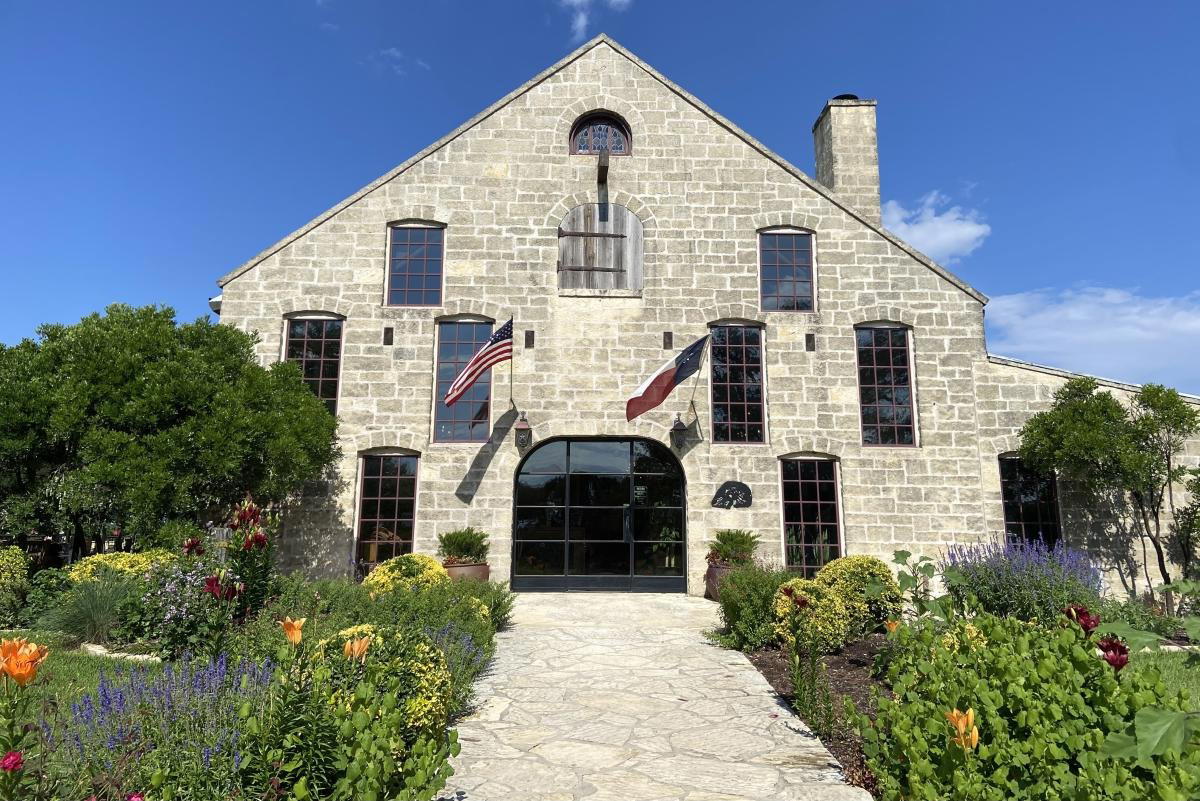
Hill Country Wine in Context
The stretch of Highway 290 between Fredericksburg and Johnson City has become one of the more closely watched wine corridors in the American South. Texas Hill Country AVA now counts over 50 bonded wineries within roughly an hour's drive of Fredericksburg, and the region has drawn increasing attention from writers and sommeliers who previously looked only toward California, Oregon, or Washington when mapping domestic wine production. That shift is not incidental: the Hill Country's granite-and-limestone soils, continental temperature swings, and reliable sun hours create conditions that reward varieties often overlooked on the West Coast, particularly Tempranillo, Viognier, and certain Rhône-adjacent blends.
Within that corridor, a smaller group of producers has moved beyond the regional novelty framing and built track records that invite comparison with established American wine regions. Becker Vineyards, situated along Becker Farms Road outside Stonewall, belongs to that cohort. and it positions the winery against peers like Pedernales Cellars and K Estate (Kuhlman Cellars) in Stonewall's competitive set. Those three represent roughly the upper bracket of Stonewall-area production, each arriving at different stylistic conclusions from similar source terrain.
The Farm as Setting
Approaching the property along Becker Farms Road, the setting reads more agricultural than the curated estate aesthetic common at Hill Country newcomers. Working farmland frames the entry, and the sense is of a winery that predates the recent surge in Hill Country tourism rather than one designed in response to it. That provenance matters in a region where many tasting rooms opened within the last decade primarily as hospitality ventures rather than production-first operations. Here the vineyard itself functions as the primary reference point, not a designed backdrop.
That physical context shapes the tasting experience. Visitors arriving from Fredericksburg, roughly a short drive west, or from the Johnson City side east on 290, are travelling a route that now includes dozens of stops; choosing where to spend time requires some editorial judgement about which producers are working seriously at the vineyard level versus those operating primarily in the events and tourism space. Becker's position within the corridor is consistent with the former category, which makes it a natural anchor for a day structured around production-focused stops rather than tasting-flight tourism.
For a broader map of what the Stonewall area offers, the full Stonewall guide on EP Club covers the range of producers and experiences across the corridor, including Ab Astris Winery, which approaches Hill Country viticulture from a different varietal angle.
Texas Terroir and Warm-Climate Viticulture
Understanding what Becker Vineyards produces requires some familiarity with what Texas Hill Country terroir actually demands of a winemaker. The region sits at elevations between roughly 1,400 and 2,000 feet, which moderates summer heat enough to preserve acidity in red varieties that would otherwise read as flat in lower-elevation warm climates. Rainfall is unpredictable and often arrives in concentrated events, meaning canopy management and drainage become as consequential as any cellar decision. The soils vary across the AVA but tend toward shallow profiles over caliche and limestone, forcing vine roots to work harder and, in the better blocks, concentrating flavour at the expense of volume.
Those conditions push producers toward varieties with natural heat tolerance. Tempranillo has become a signature grape for the region in part because its thick skins handle Texas summers without losing structural integrity, and several Hill Country producers have built reputations on it that invite comparison with Spanish benchmarks. Rhône varieties, particularly Viognier and Roussanne on the white side, also perform with some consistency here, producing wines that read as place-specific rather than generic warm-climate white. The producers working most deliberately with those varieties tend to be the ones that have been on the land longest and accumulated enough vintage data to make informed decisions about site and timing.
That accumulated site knowledge is part of what distinguishes the upper tier of Hill Country producers from newer entrants. Winemaking philosophy in this region is necessarily adaptive: vintages vary sharply, and producers who arrived with fixed ideas imported from other regions often find the results inconsistent. Particularly coherent programs are those that have adjusted their approach over successive harvests to work with what the Hill Country actually delivers rather than against it.
Prestige Rating and Peer Positioning
That matters in a region where critical attention has historically been uneven and where some producers have received recognition for individual releases without maintaining the broader program coherence that Prestige recognition implies.
Placed against the broader American wine map, a 2 Star Prestige from a Texas Hill Country producer carries a different weight than the same rating at a Napa Cabernet house or a Willamette Valley Pinot program. Producers like Accendo Cellars in St. Helena or Alpha Omega Winery in Rutherford operate in markets where critical infrastructure and auction history create a denser context for ratings. Texas lacks that historical depth, which means a sustained-quality signal from a credentialed source carries more informational weight for consumers trying to identify which Hill Country producers are worth a focused visit. For comparison, West Coast producers earning similar recognition include Adelaida Vineyards in Paso Robles and Adelsheim Vineyard in Newberg, both of which occupy established niches within their respective regional hierarchies. Seeing how those producers communicate their positioning can sharpen an understanding of where Becker sits in the national conversation.
Other reference points in the American wine spectrum include Alban Vineyards in Arroyo Grande, credited as a pioneer of Rhône varieties in California, and Au Bon Climat in Santa Barbara, which built its reputation on Burgundian varieties in a warm-climate environment. Neither is a direct analogue for Texas Hill Country, but both illustrate how regional producers can build lasting reputations by working with the grain of their terroir rather than replicating established models. Andrew Murray Vineyards in Los Olivos offers another Rhône-focused California comparison point, and Alexander Valley Vineyards in Geyserville or Artesa Vineyards and Winery in Napa show how estate operations can maintain production-first identities within tourism-heavy corridors, a challenge Becker shares. Further afield, established houses like Achaia Clauss in Patras and Aberlour in Aberlour demonstrate how heritage operations build identities that outlast individual vintages or personnel changes, a long-term trajectory that serious Hill Country producers are beginning to map.
Planning a Visit
Becker Vineyards sits at 464 Becker Farms Road in Fredericksburg, TX 78624, and is accessible from the Highway 290 corridor that connects Fredericksburg with Johnson City. Visitors structuring a Hill Country wine day should factor in that the 290 corridor becomes congested on weekend afternoons, particularly in spring wildflower season and during fall harvest months, when tasting room traffic across the region peaks. Midweek visits or early morning arrivals on weekends typically allow more focused engagement with the wines and staff.
Pricing, Compared
Comparable venues nearby, for context on price, style, and recognition.
| Venue | Cuisine | Price |
|---|---|---|
| Becker VineyardsThis venue — the venue you are viewing | Not listed | $$ |
| Ab Astris Winery | Stonewall, Tannat, Clairette Blanche | $$ |
| Pedernales Cellars | Stonewall, Tempranillo, Viognier | $$ |
| K Estate (Kuhlman Cellars) | Stonewall, Zinfandel, Roussanne | $$ |
| Garrison Brothers Distillery | Hye, Texas | $$ |
| Johnny Pickles Distillery | Downtown Seguin, Winery | $$ |
Recognition history
Dated appearances from independent guides and award organizations, with the underlying list record or original source where available.
Falstaff Winery - Listed
Falstaff
Continue exploring
More in Stonewall
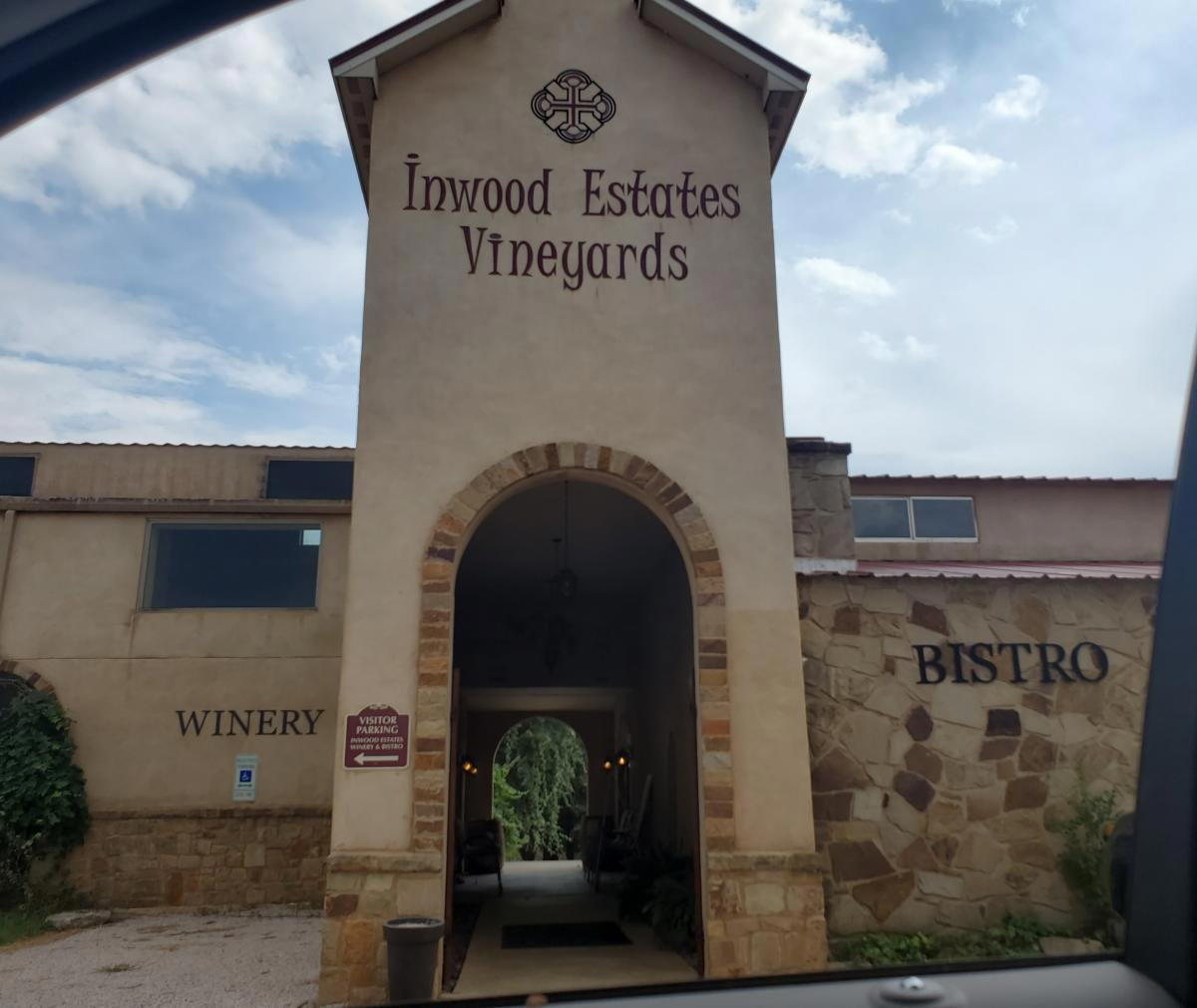
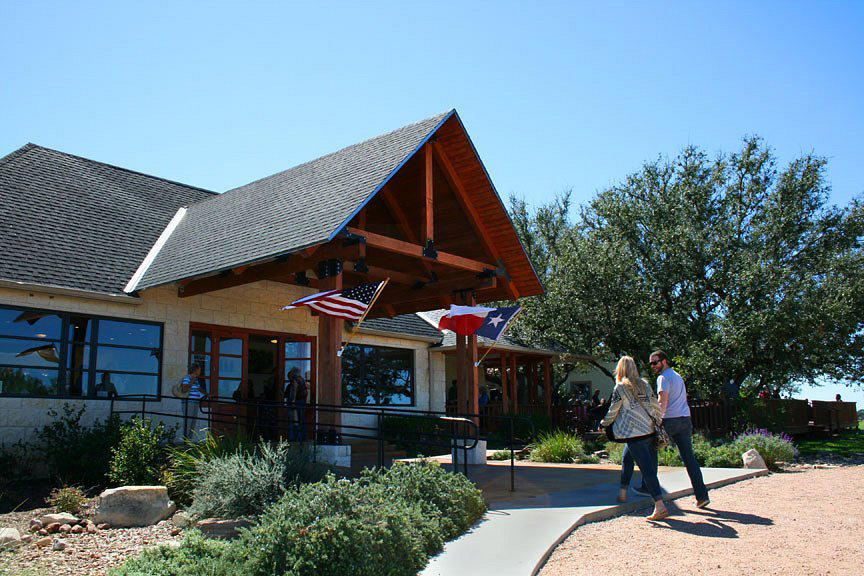
Wineries in Stonewall
Browse all →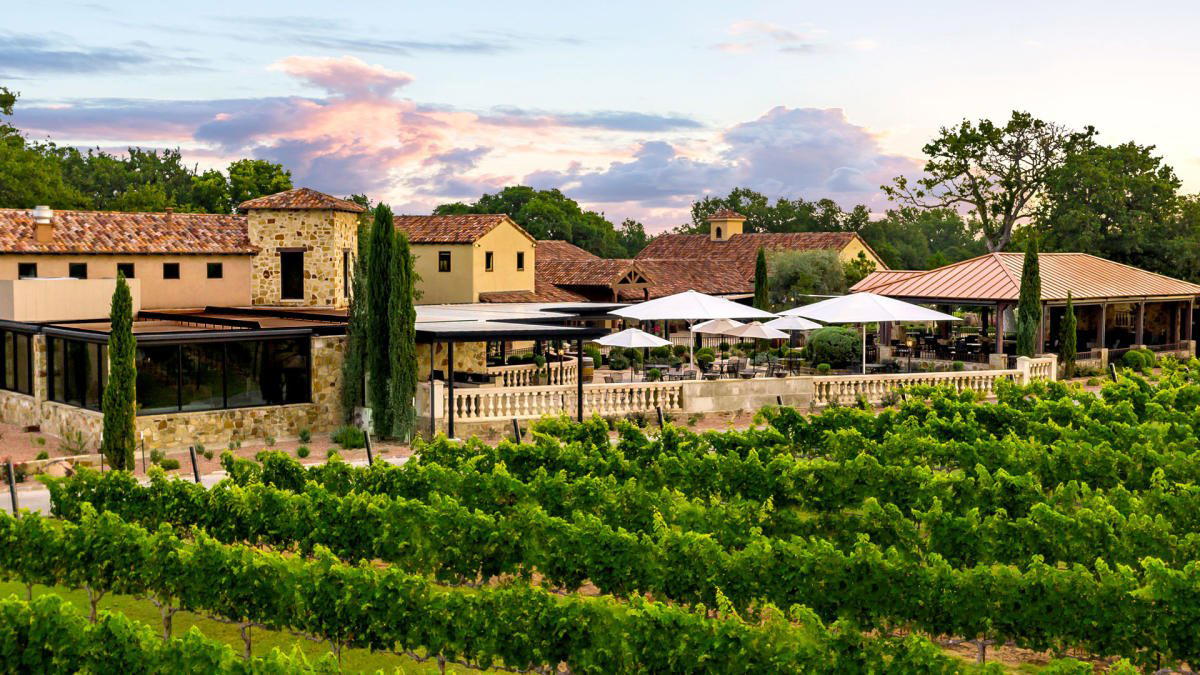
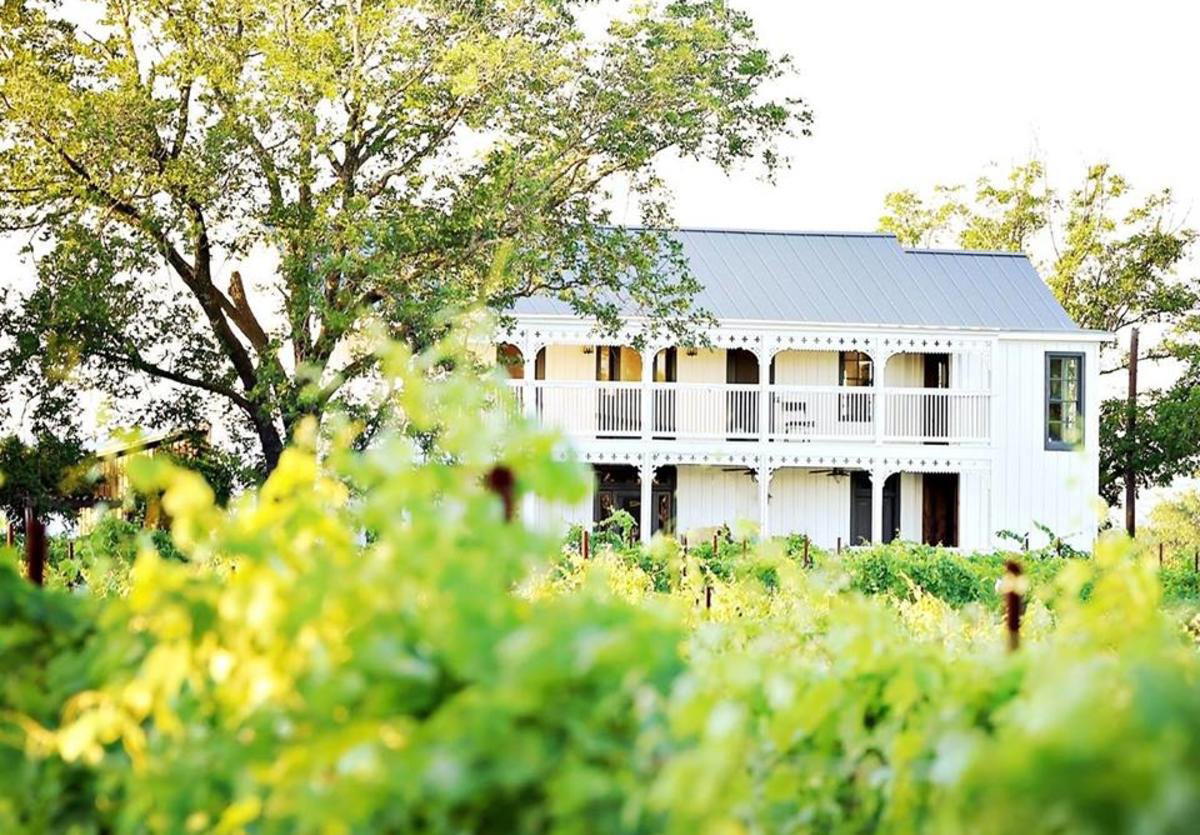
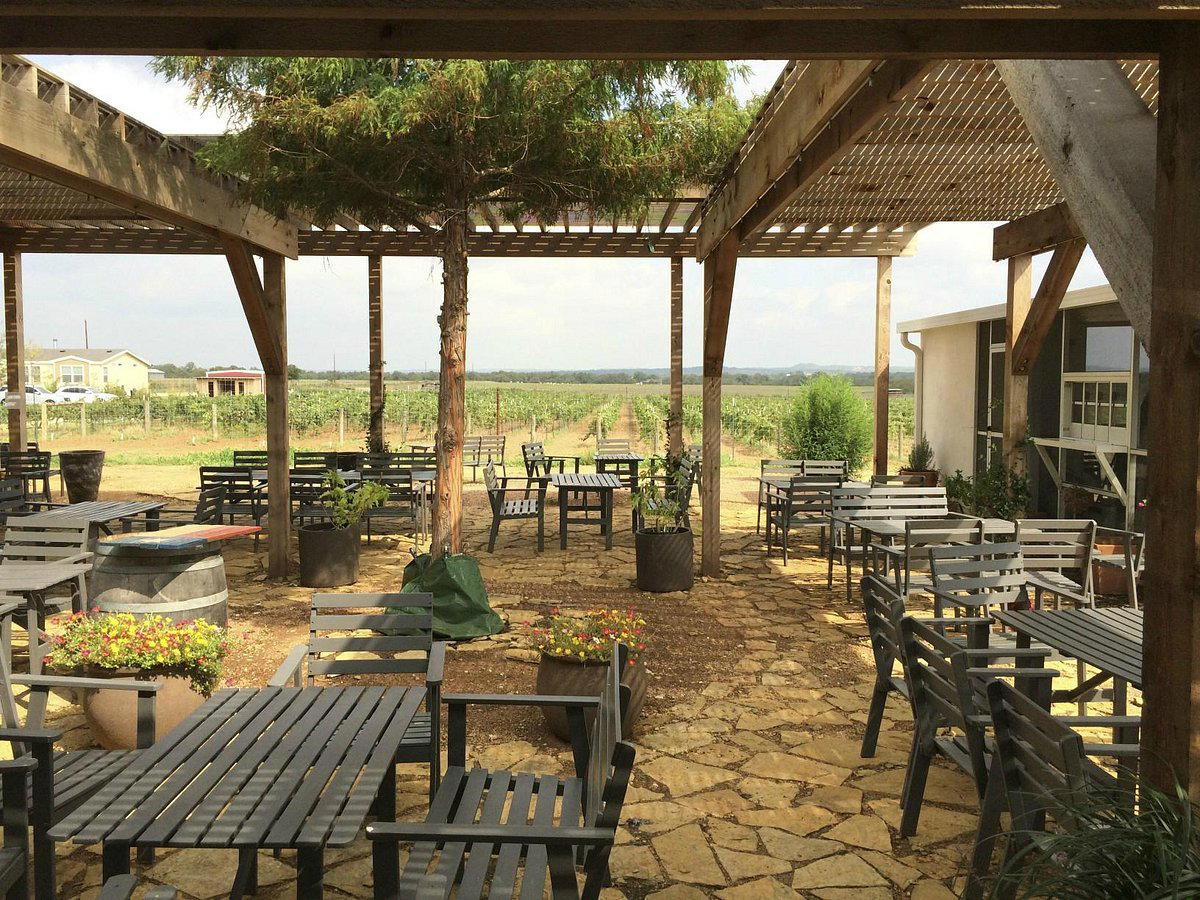
Restaurants in Stonewall
Browse all →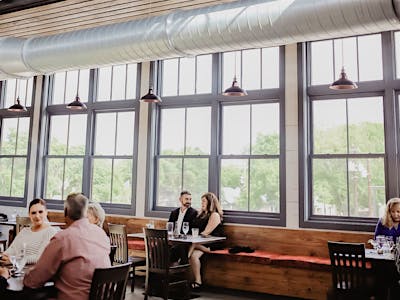
Hotels in Stonewall
Browse all →
At a Glance
- Rustic
- Scenic
- Classic
- Group Outing
- Wine Education
- Solo Exploration
- Vineyard Tour
- Estate Grounds
- Vineyard
- Garden
- Texas Hill Country AVA
- Tempranillo
- Viognier
- Cabernet Sauvignon
- Merlot
- Syrah
- Petite Sirah
- Sauvignon Blanc
- Malbec
- Still Red
- Still White
- Still Rosé
- Walk In Tasting
Intimate tasting room with wooden beams, high ceilings, wrought iron chandeliers, and scenic vineyard views, offering a pastoral and welcoming Texas Hill Country atmosphere.