Cape Saint Blaize Distillery

Cape Saint Blaize Distillery sits on Market Street in Mossel Bay Central, operating at a point where the Garden Route's coastal character meets South Africa's growing craft spirits tradition. A Pearl 2 Star Prestige award (2025) places it in a defined tier of recognition within the country's distilling scene. For travellers moving along the southern coast, it represents a credentialed stop within a region better known for wine than whisky or gin.
 Discover on Pearl
Pearl is the En Primeur Club membership app — saves, bookings, and concierge access live there. Same editors, same standards.
- Address
- 6 Market St, Mossel Bay Central, Mossel Bay, 6500
- Phone
- +27 44 691 1885
- Website
- capesaintblaize.co.za
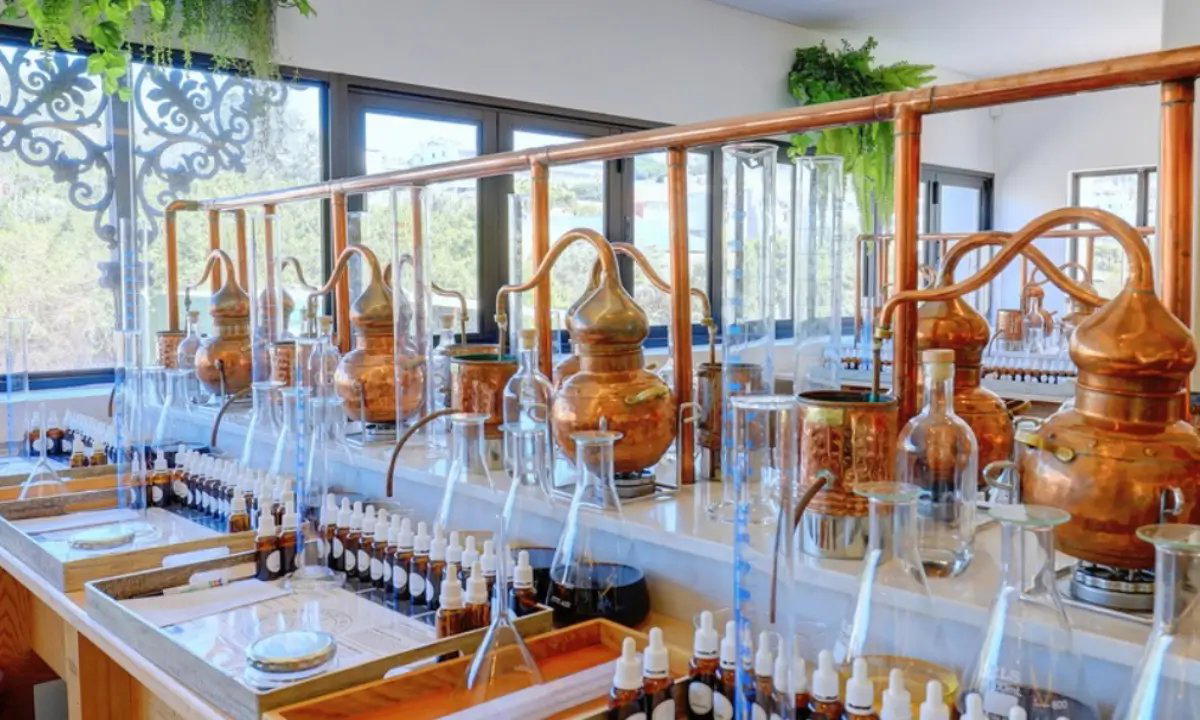
Where the Garden Route Meets the Still
Cape Saint Blaize Distillery is a craft distillery in Mossel Bay, South Africa, with a Pearl 2 Star Prestige award in 2025 and a price tier of 2. Mossel Bay occupies a particular position on South Africa's southern coastline: far enough from the Cape Winelands to feel genuinely removed from that region's well-trodden circuit, close enough to draw travellers already moving through Franschhoek, Stellenbosch, and Hermanus. The town sits where the Indian Ocean pushes cool, moisture-laden air against the Outeniqua Mountains, creating a microclimate that has historically shaped agriculture in the region. That same coastal influence, the briny air, the temperature differentials between day and night, the proximity to the sea, forms the environmental backdrop against which Cape Saint Blaize Distillery operates on Market Street in Mossel Bay Central.
Craft distilling in South Africa has developed unevenly across its geography. The Cape Winelands hold most of the country's established names, with producers like Boplaas Winery & Distillery in Calitzdorp and Oude Molen Distillery in Grabouw representing the older guard of Cape spirits production. What has shifted over the past decade is the emergence of distilleries operating outside the traditional wine belt, in coastal towns, inland settlements, and agricultural communities where the local terroir offers something distinct. Cape Saint Blaize sits in that expanding geography, bringing distilled spirits production to a stretch of the southern coast where the craft category had limited visibility.
Pearl 2 Star Prestige: What the Award Signals
The Pearl 2 Star Prestige designation (2025) is the most concrete credential available for Cape Saint Blaize, and it carries specific weight in the South African spirits context. Pearl awards operate on a tiered system, and a 2 Star Prestige result places a producer in a defined quality band above entry-level recognition. It is not the ceiling of the awards structure, but it signals a level of craft and consistency that separates the distillery from producers operating on novelty or location alone.
For context, South Africa's craft spirits sector has grown rapidly enough that award differentiation now matters more than it did five years ago. The proliferation of new producers, many riding the gin boom of the late 2010s, means that consumers and trade buyers use award tiers as a first filter. A Pearl 2 Star Prestige in 2025 positions Cape Saint Blaize as a credentialed producer in that environment, one whose output has been assessed against a competitive field and found to meet a meaningful standard. That credential matters particularly for a distillery operating in Mossel Bay, a town whose profile in the premium drinks world is still developing relative to the established centres further west along the Garden Route and into the Winelands. See our full Mossel Bay restaurants guide for broader context on what the town currently offers.
Terroir at the Coast: What the Southern Cape Contributes
The editorial angle that applies most usefully to Cape Saint Blaize is terroir expression, though the term requires some adjustment when applied to distilling rather than winemaking. In the wine context, terroir describes the interaction of soil, climate, and site that registers in a finished product. In distilling, the equivalent conversation is more nuanced: it concerns water source, raw material provenance, the ambient conditions of fermentation and maturation, and the ways in which place shapes a spirit's character over time.
Mossel Bay's coastal position creates conditions that differ meaningfully from the warmer, drier interior of the Klein Karoo or the maritime-but-cooler settings of the Hemel-en-Aarde Valley where producers like Creation Wines in Hermanus and Beaumont Family Wines in Bot River work. The consistent sea influence along this stretch of coast moderates temperature swings, which has implications for how spirits age and how botanical materials sourced locally behave. The physical environment of the southern Cape is, at minimum, a conditioning factor in the production context.
This is the larger story worth tracking in South African distilling: as producers move further from the established wine corridors, they are working with ingredients and environments that have received far less systematic documentation than the Stellenbosch soils or the Swartland's schist profiles that producers like Sadie Family Wines in Swartland have helped define over years of iteration. The Garden Route coastal strip remains relatively uncharted territory in that conversation, which gives a producer operating in Mossel Bay a genuine opportunity to contribute something to the regional record, provided the craft is consistent enough to hold attention over time.
The Garden Route Spirits Circuit
South Africa's craft spirits scene has historically been framed around wine estate extensions, where an established winery adds a distillery as a secondary offering, often on the back of its existing visitor infrastructure and distribution relationships. Babylonstoren in Franschhoek, Val de Vie Estate in Paarl, and Neethlingshof Estate in Stellenbosch represent different facets of the Winelands estate model, where spirits are one element within a larger hospitality proposition. Graham Beck Wines in Robertson and Vergelegen Wine Estate in Somerset West show how deep the wine-first model runs in the western Cape.
Cape Saint Blaize operates outside that framework. Its address on Market Street in the centre of Mossel Bay places it in an urban context rather than a farm or estate setting, which changes the nature of the visitor experience significantly. Craft distilleries that operate from town centres occupy a different position in the visitor circuit: they are accessible without requiring a detour into wine country, and they draw both passing travellers and local residents rather than depending primarily on organised wine tourism routes. That model has worked well for urban craft distilleries in Cape Town and Johannesburg, and its application in a smaller coastal town like Mossel Bay represents a genuine test of whether the category can sustain itself at a more regional scale.
For international comparison, the contrast with something like Aberlour in Aberlour (Scotland) is instructive: Speyside distilleries have long demonstrated that place-name recognition, tied to verifiable geographic character in the product, builds durable brand equity over time. South Africa's coastal distillers are at an earlier stage of that process, and Bezalel Wine & Brandy Estate in Upington illustrates how far some producers are reaching into less-familiar South African terroirs to establish something distinctive.
Planning a Visit
Cape Saint Blaize Distillery is located at 6 Market Street, Mossel Bay Central, Mossel Bay 6500. Mossel Bay is accessible by road from George Airport, approximately 55 kilometres to the east, which serves the Garden Route with regular domestic connections from Cape Town and Johannesburg. The town is also a natural stop on the N2 highway route between Cape Town and Port Elizabeth for travellers doing the full Garden Route drive. Operating hours, booking requirements, and tasting formats are not confirmed in the current record, so direct contact with the distillery before arrival is advisable. Given the Pearl 2 Star Prestige recognition for 2025, the distillery is in an active period of trade and visitor attention, and availability may vary accordingly.
Travellers combining the distillery with wider regional exploration might consider pairing it with the Constantia wine corridor further west: Constantia Glen in Cape Town and Accendo Cellars in St. Helena represent the international-standard end of the Cape's wine production, and the contrast between that established tier and the emerging craft spirits scene in Garden Route towns like Mossel Bay gives a fuller picture of where South African drinks culture is right now: consolidating in some areas, actively experimenting in others.
Comparable Venues
Comparable venues nearby, for context on price, style, and recognition.
| Venue | Cuisine | Price | Awards | Notes |
|---|---|---|---|---|
| Cape Saint Blaize DistilleryThis venue — the venue you are viewing | Winery | $$ | 1 recognition | |
| Monks Gin Distillery | Winery | , | 1 recognition | Wilderness |
| Robertson Winery | Chenin Blanc, Chardonnay | $$ | 1 recognition | Robertson |
| Springfield Estate | Sauvignon Blanc, Chardonnay | $$ | 1 recognition | Robertson Wine Valley |
| Van Loveren Family Vineyards | Sauvignon Blanc, Chardonnay | $$ | 1 recognition | Robertson |
| Knysna Distillery | Winery | $$ | 1 recognition | Knysna Industrial Area |
Continue exploring
More in Mossel Bay
At a Glance
- Rustic
- Scenic
- Cozy
- Group Outing
- Wine Education
- Private Tasting
- Organic
- Waterfront
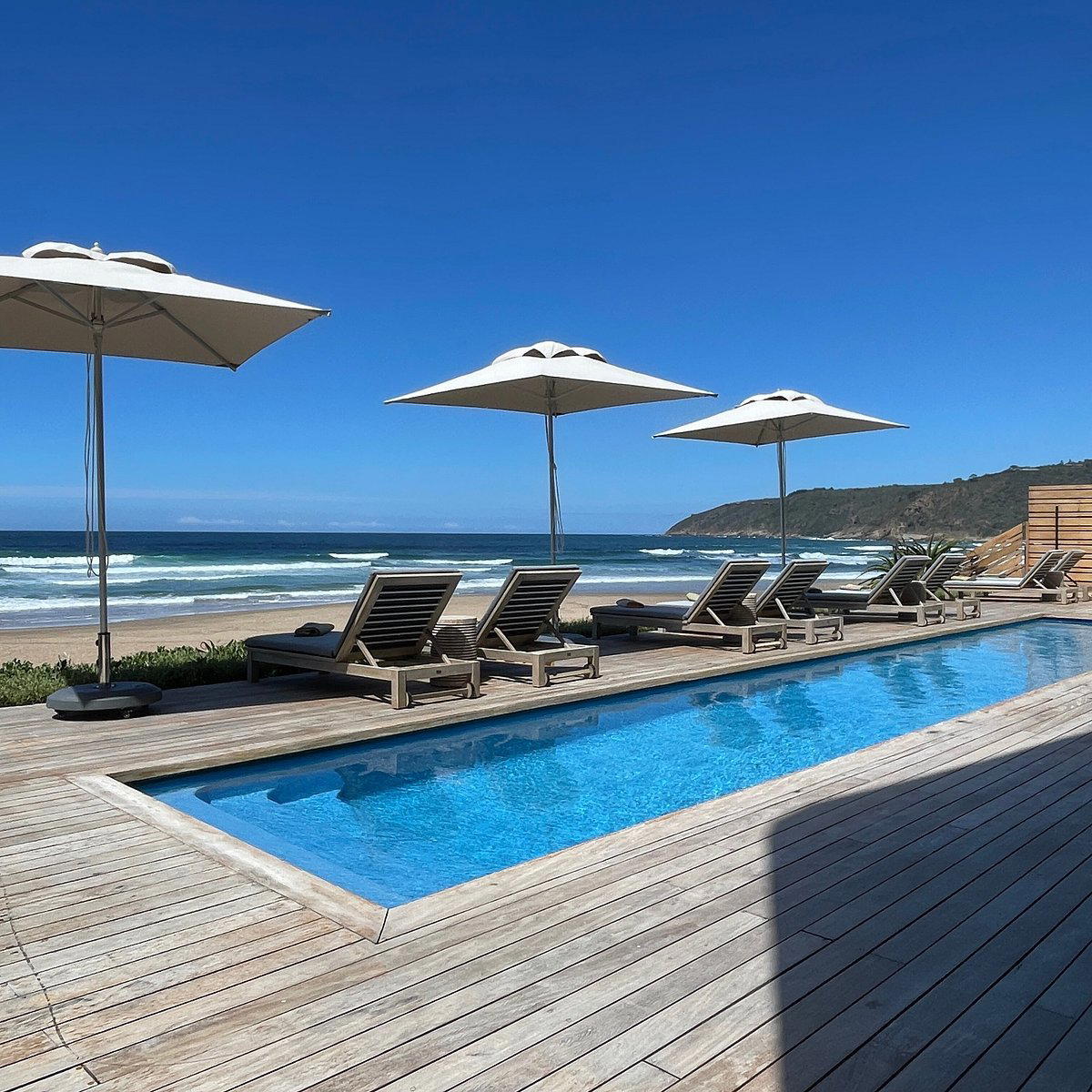
Clean, well-maintained setting with beautiful coastal views and engaging, fun atmosphere during tastings.