Cantina Spada

Falstaff Winery - Listed
Cantina Spada is a small family-run Valpolicella Classica estate in San Pietro In Cariano, shaped around hillside vineyards, cellar-led tastings, and the region’s appassimento tradition. The draw is not spectacle but proportion: estate fruit, native red varieties, guided visits, and a format that makes Amarone and Recioto feel tied to the ground rather than detached from it.

Pearl is the En Primeur Club membership app — saves, bookings, and concierge access live there. Same editors, same standards.
- Address
- Via Villa Girardi, 26, 37029 San Pietro in Cariano VR, Italy
- Phone
- +39 340 266 4334
- Hours
- Mon–Wed 9 am–12:30 pm, 1:30–5 pmThu–Fri 9 am–1 pm, 1:30–5 pmSat 10 am–1 pmSun Closed
- Website
- cantinaspada.com
- Directions
- Get directions

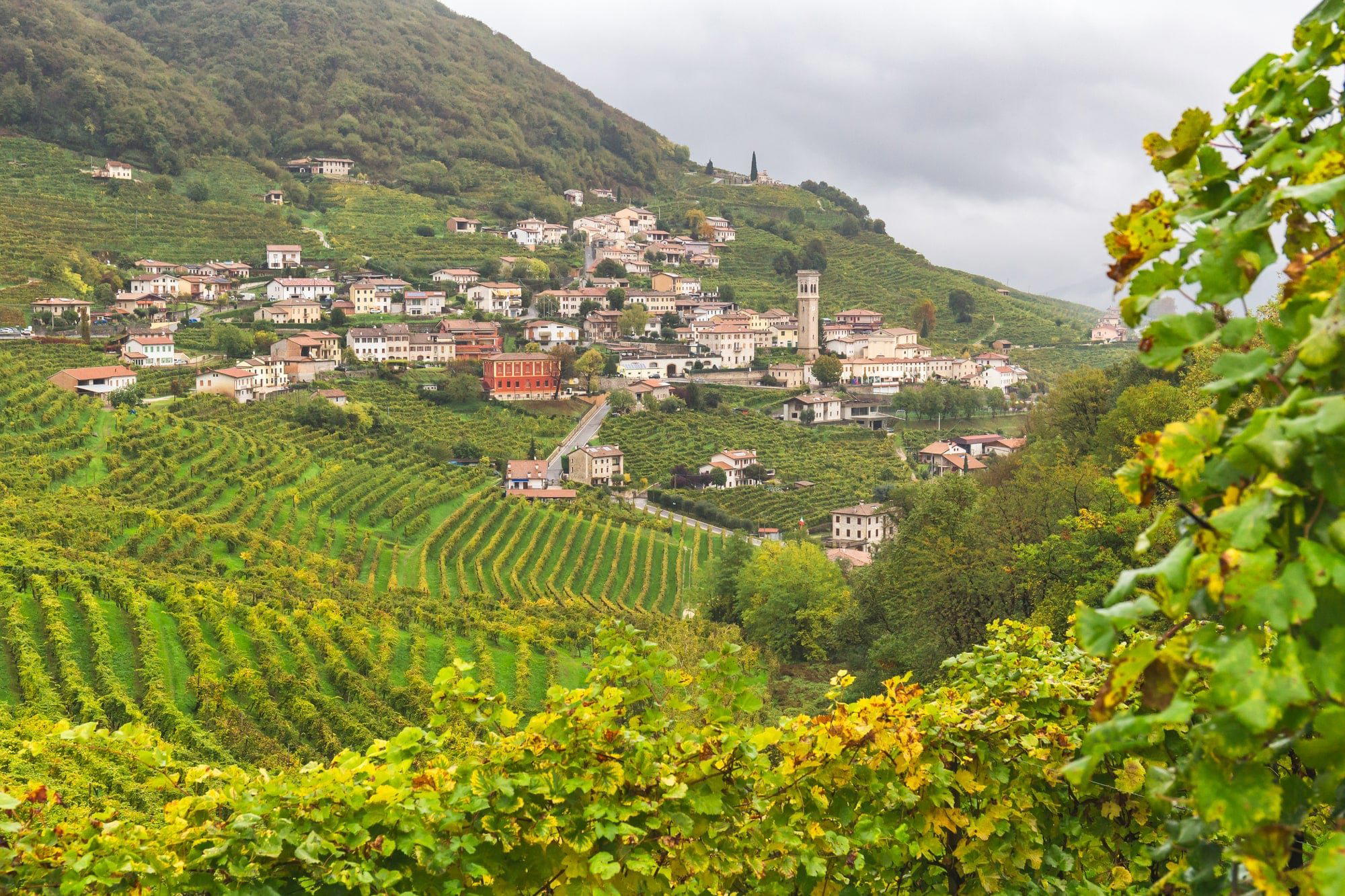
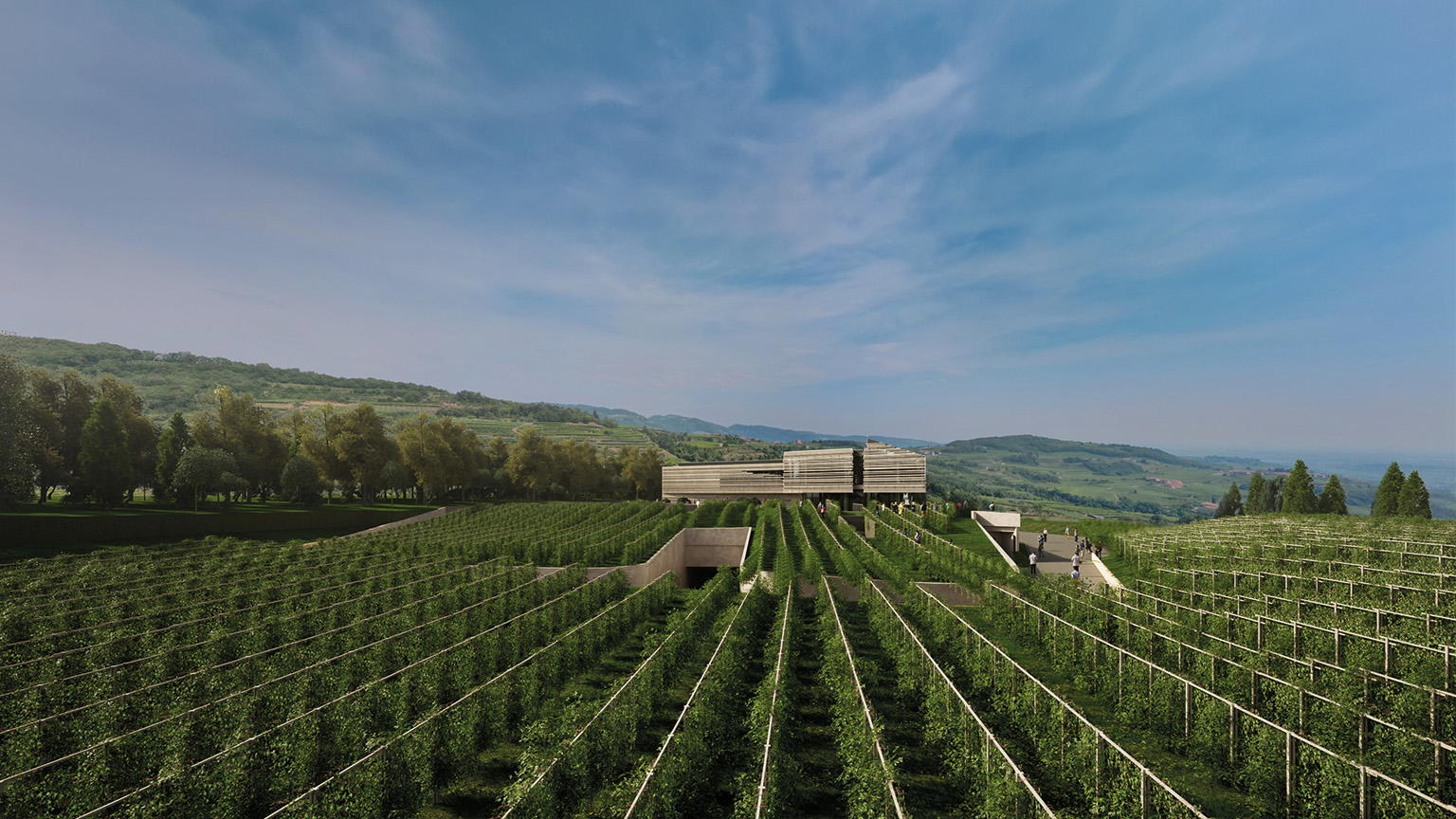
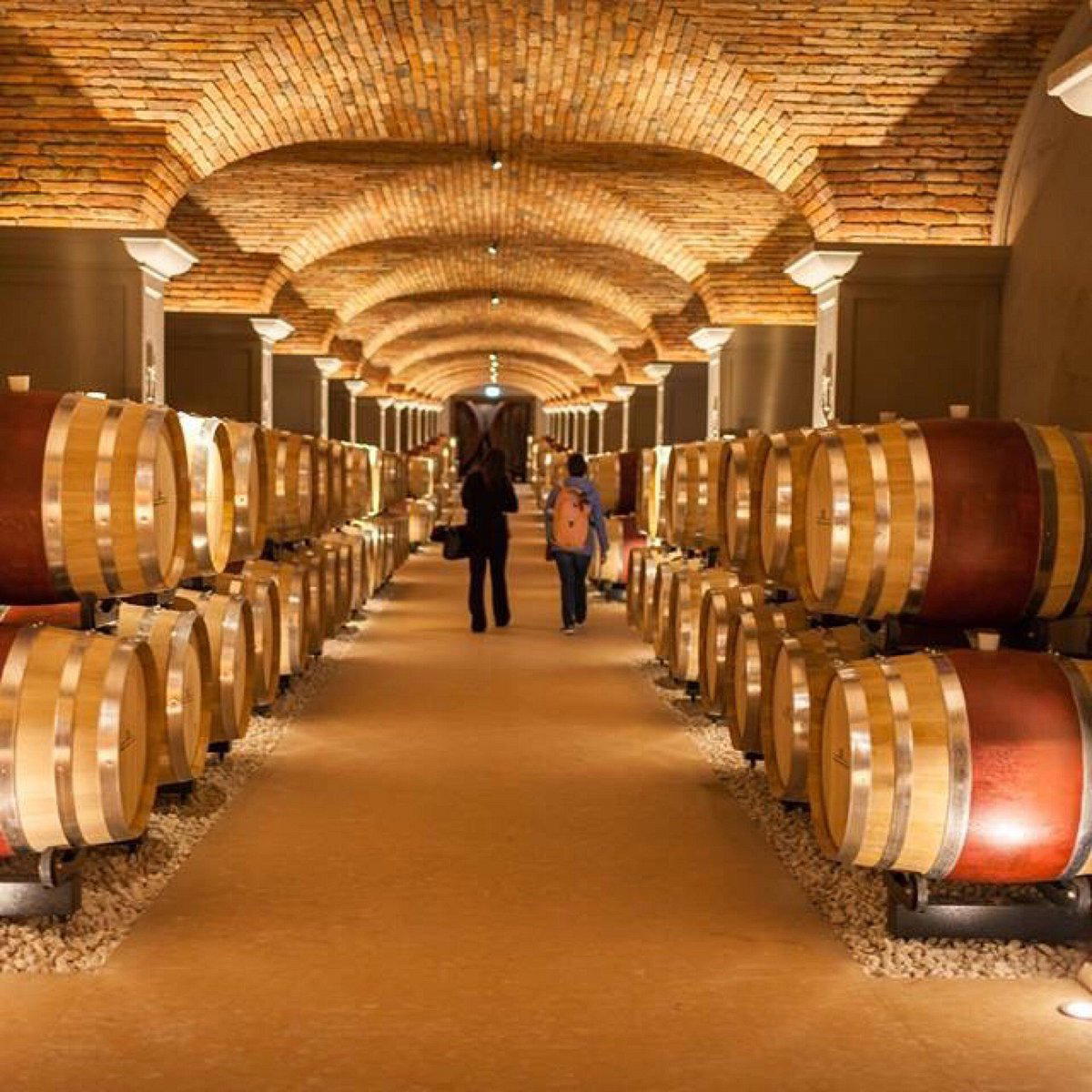
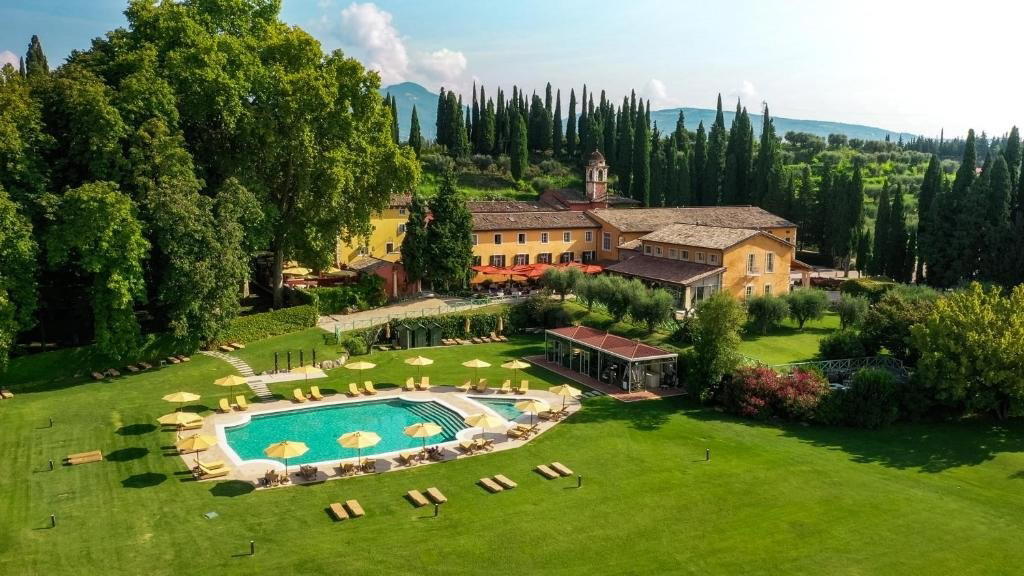
Cantina Spada is a family-run Valpolicella estate in San Pietro In Cariano, framed by scenic vineyards and a rustic, classic atmosphere. The appeal is intimate rather than showy: a well-kept cellar, guided tastings, and an emphasis on the passion and traditional techniques behind the winemaking. It reads as the kind of place where the surroundings are not just background scenery, but part of the visit itself, giving the tasting a clear sense of location and scale.
Because the public picture is focused rather than exhaustive, the safest way to read Cantina Spada is as a small, guided winery experience rather than as a venue defined by a long list of amenities or accolades. Its strength is the setting: a hidden-gem feel, a cellar-led visit, and a sense of family continuity in Valpolicella. That narrower profile is part of its usefulness for planning, because the main reasons to go are easy to understand and do not depend on overcomplicating the experience.
Valpolicella character read through cellar, vineyard setting, and tradition
Cantina Spada’s strongest identity is as a Valpolicella estate where the tasting experience is connected to place. The scenic vineyards provide context, while the cellar gives visitors a more grounded sense of how the wines are presented and discussed. Together, those elements make the visit feel anchored in the landscape rather than detached from it.
The emphasis is on guided tasting rather than anonymous pouring. That matters for travelers who want a slower, more conversational encounter with the estate and its methods. Rather than relying on claims about specific bottles, grapes, awards, or formats, the reliable draw is the combination of family-run hospitality, traditional technique, and a classic rural setting. In practice, that means the experience is best understood through atmosphere and explanation: the cellar, the people leading the tasting, and the way the estate frames its own work.
The mood is rustic, scenic, and intimate. It is the kind of stop that suits visitors who prefer a quieter estate experience over a large, highly polished wine-tour circuit. The price level is $$, which places it in a moderate range without implying a specific tasting fee or package. That moderate positioning also reinforces the idea of Cantina Spada as approachable, though practical details should still be checked before making firm plans.
A tasting format built for people who want context, not just the glass
Experience centers on guided tastings and the estate cellar. That makes Cantina Spada a good fit for people who want to understand the winery’s approach through conversation and setting, rather than simply moving quickly through a list of pours. The guided element is important because it turns the visit into a more personal exchange, with the cellar acting as both setting and reference point.
Its style is best described as intimate and classic. The family-run character and passion for winemaking are part of the appeal, as is the sense that traditional techniques remain important to the estate’s identity. Specific details such as tasting length, languages, food pairings, reservation rules, or exact tour components should be confirmed directly with the venue before planning around them. That caution is especially useful here, because the available picture highlights character and setting more than logistical specifics.
For EP Club readers, the value is the clarity of the experience: Cantina Spada is not presented here as a broad regional survey or an awards-driven destination. It is a scenic Valpolicella estate in San Pietro In Cariano with a well-kept cellar and a guided, personal feel. The appeal lies in that focused promise, which is enough for travelers who are looking for a calm winery visit with a strong sense of place.
How to place it within a San Pietro In Cariano wine day
San Pietro In Cariano rewards focused wine planning, and Cantina Spada works well as a calm, cellar-centered stop. Travelers looking for a hidden-gem atmosphere, family-run character, and traditional Valpolicella context will find the most reliable reasons to include it. It is especially easy to understand as one of the more intimate parts of a day, where the pace can slow and the tasting can be approached with attention rather than urgency.
For broader local planning, use other San Pietro In Cariano dining, hotel, bar, winery, and experience coverage generically, and confirm current details directly with each venue before building a schedule. If comparing options, keep the comparison centered on Cantina Spada and other local choices in general rather than relying on claims about named venues. The practical takeaway is to treat it as a focused winery stop and leave space in the day for the guided format to do its work.
The editorial case for Cantina Spada is direct: go for a scenic, intimate Valpolicella estate experience with guided tastings, a well-kept cellar, and a family-run approach rooted in traditional winemaking techniques. It is not a venue that needs to be oversold; its strongest qualities are already clear in the combination of vineyard setting, cellar atmosphere, and traditional hospitality.
Recognition history
Dated appearances from independent guides and award organizations, with the underlying list record or original source where available.
Falstaff Winery - Listed
Falstaff
Continue exploring
More in San Pietro In Cariano
Wineries in San Pietro In Cariano
Browse all →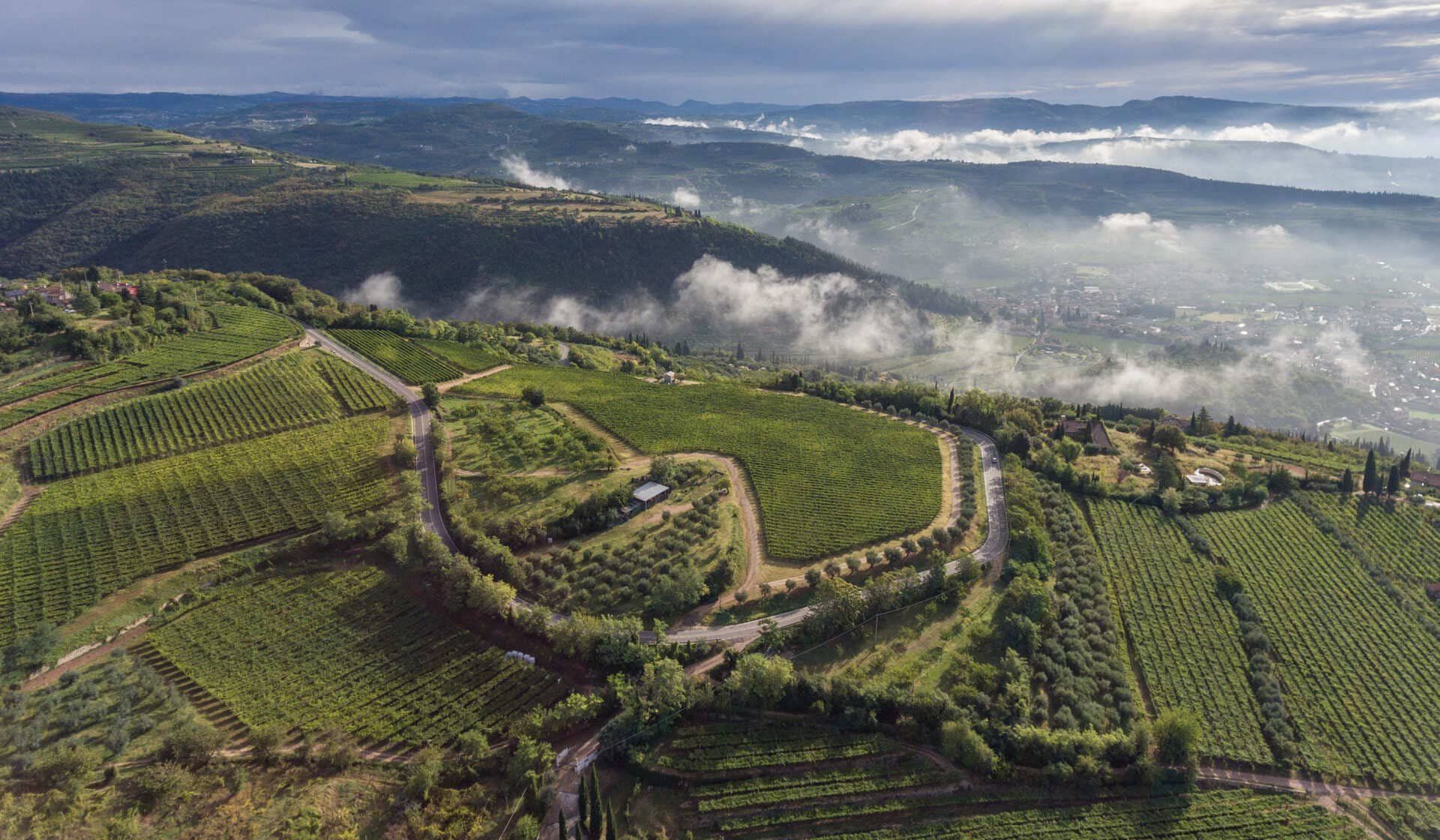

Bars in San Pietro In Cariano
Browse all →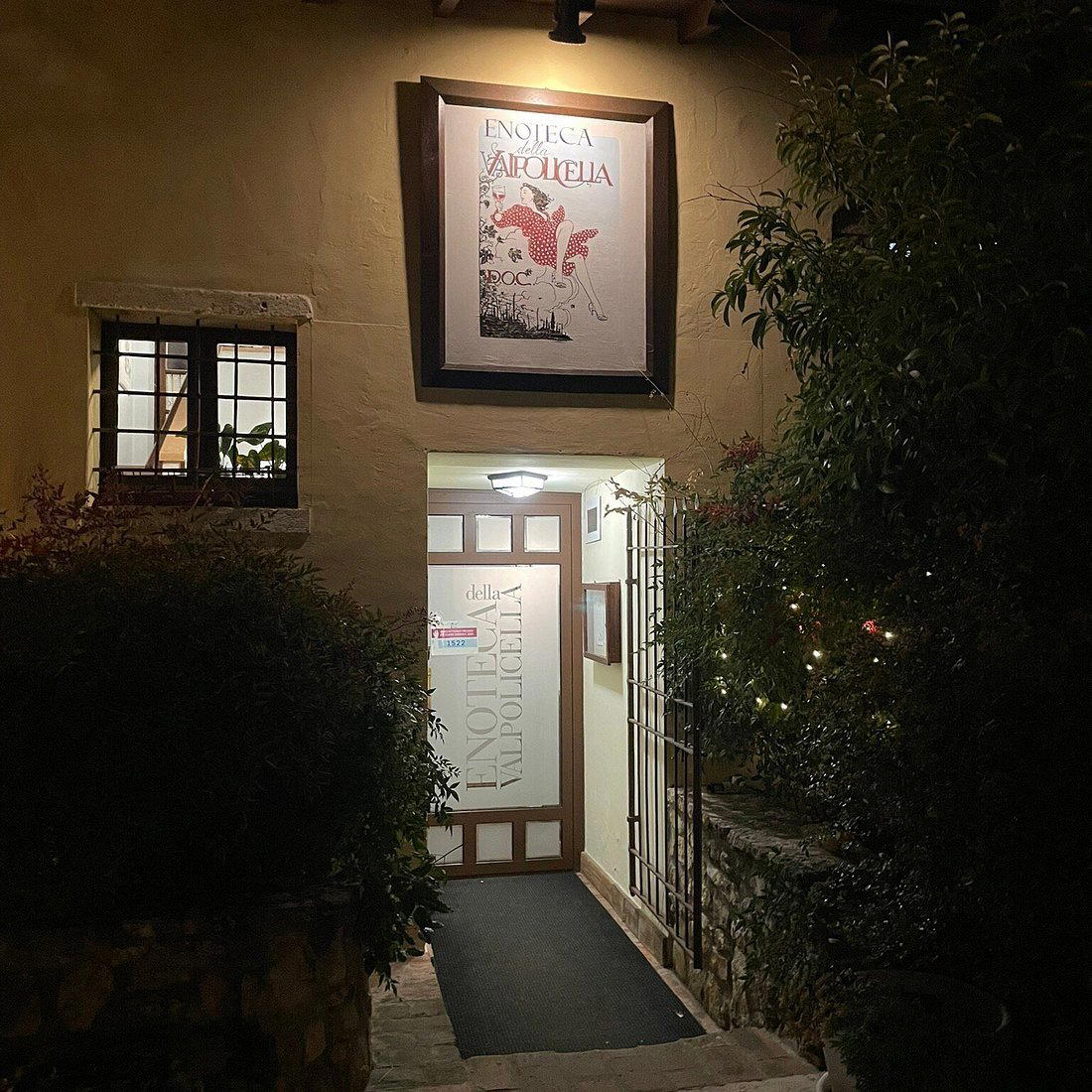
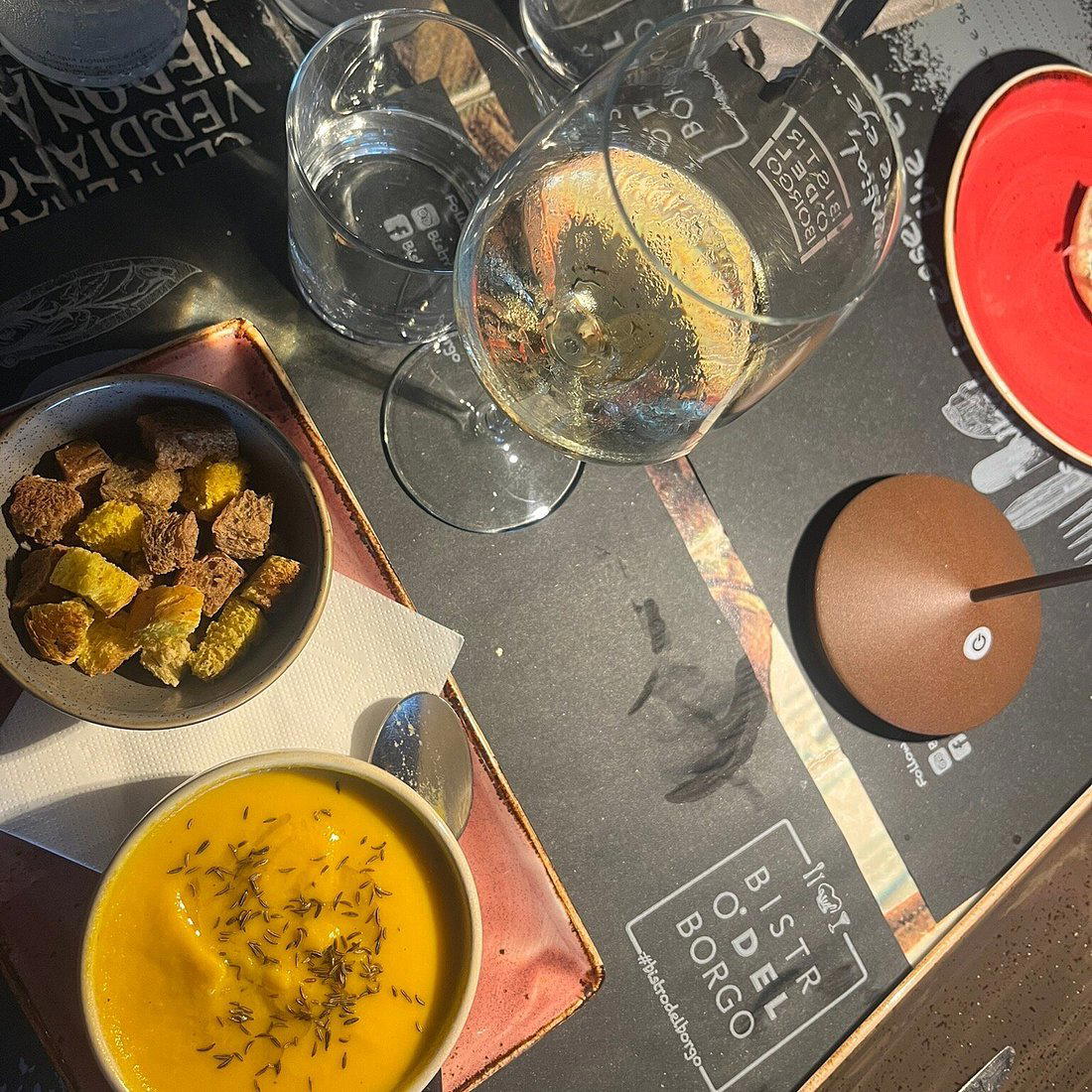
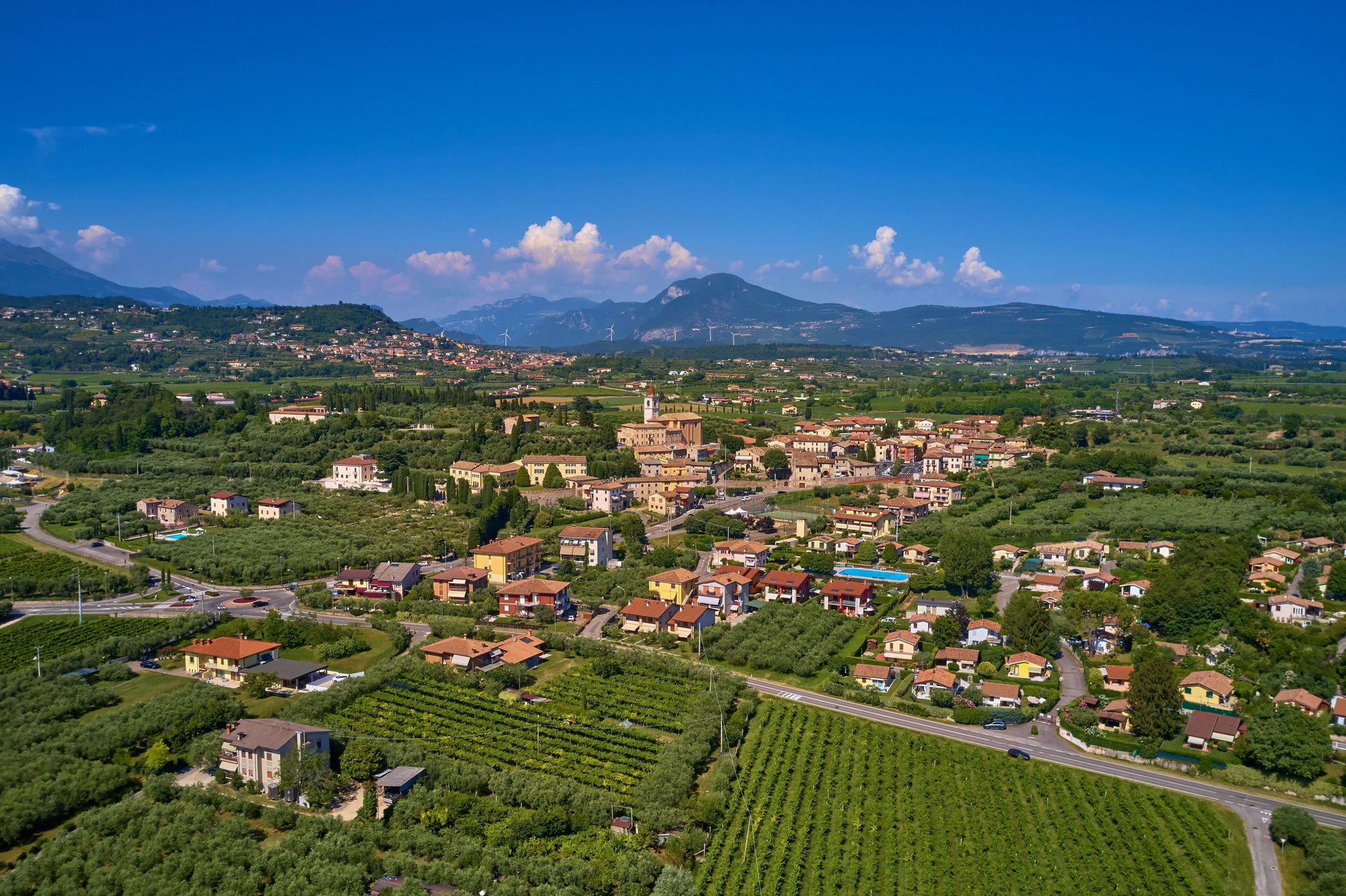
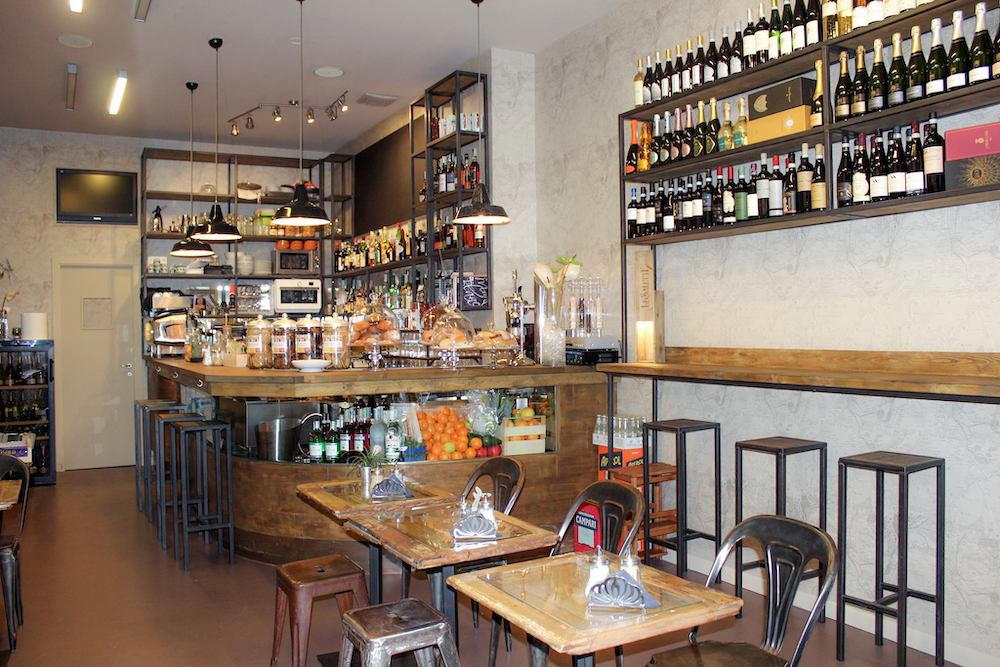
Restaurants in San Pietro In Cariano
Browse all →
Details
- Rustic
- Scenic
- Classic
- Intimate
- Group Outing
- Romantic Getaway
- Wine Education
- Special Occasion
- Solo Exploration
- Vineyard Tour
- Estate Grounds
- Historic Building
- Private Tasting
- Sustainable
- Vineyard
- Garden
- Corvina Veronese
- Rondinella
- Molinara
- Still Red
- Dessert
- Guided Tasting
- Winery Tour
- Vineyard Walk
- Cellar Tasting
- Italian
- English
Current opening hours
- Monday
- 9 am–12:30 pm, 1:30–5 pm
- Tuesday
- 9 am–12:30 pm, 1:30–5 pm
- Wednesday
- 9 am–12:30 pm, 1:30–5 pm
- Thursday
- 9 am–1 pm, 1:30–5 pm
- Friday
- 9 am–1 pm, 1:30–5 pm
- Saturday
- 10 am–1 pm
- Sunday
- Closed
Hours can change for holidays and private events. Last verified .
Family-run Valpolicella estate with a well-kept cellar and scenic vineyards, offering intimate, guided tastings that emphasize passion for winemaking and traditional techniques.