Cantina Museo Albea

Falstaff Winery - Listed
Cantina Museo Albea puts Alberobello’s wine culture inside a working stone cellar and museum, with rock-carved vats, antique agricultural tools, and guided tastings focused on native Puglian grapes. The draw is not luxury gloss but context: Primitivo, Negroamaro, Nero di Troia, Verdeca, Fiano, Bianco d’Alessano, and Maresco explained through the dry, calcareous soils of the Itria Valley.

Pearl is the En Primeur Club membership app — saves, bookings, and concierge access live there. Same editors, same standards.
- Address
- Alberobello, Bari, Italien
- Directions
- Get directions
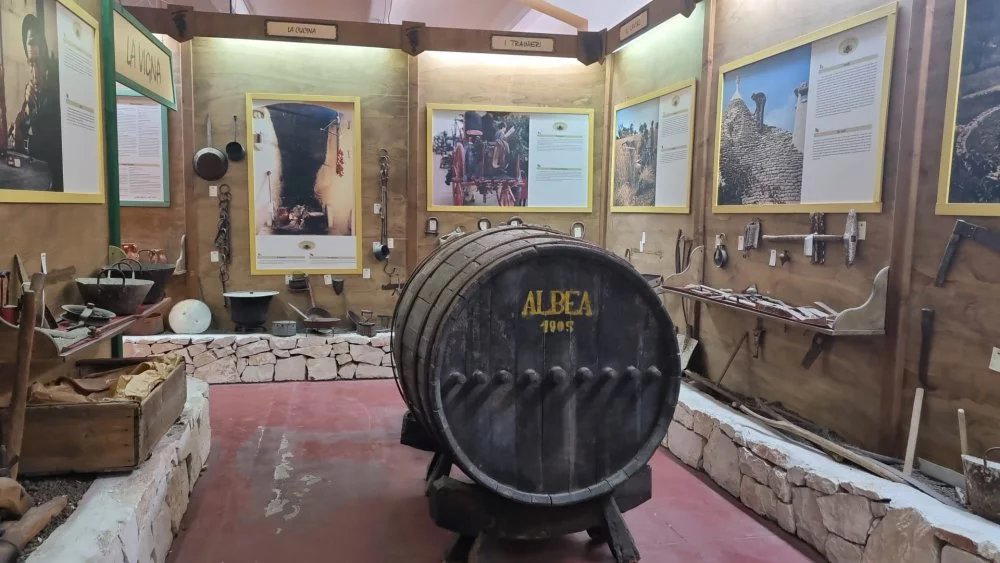
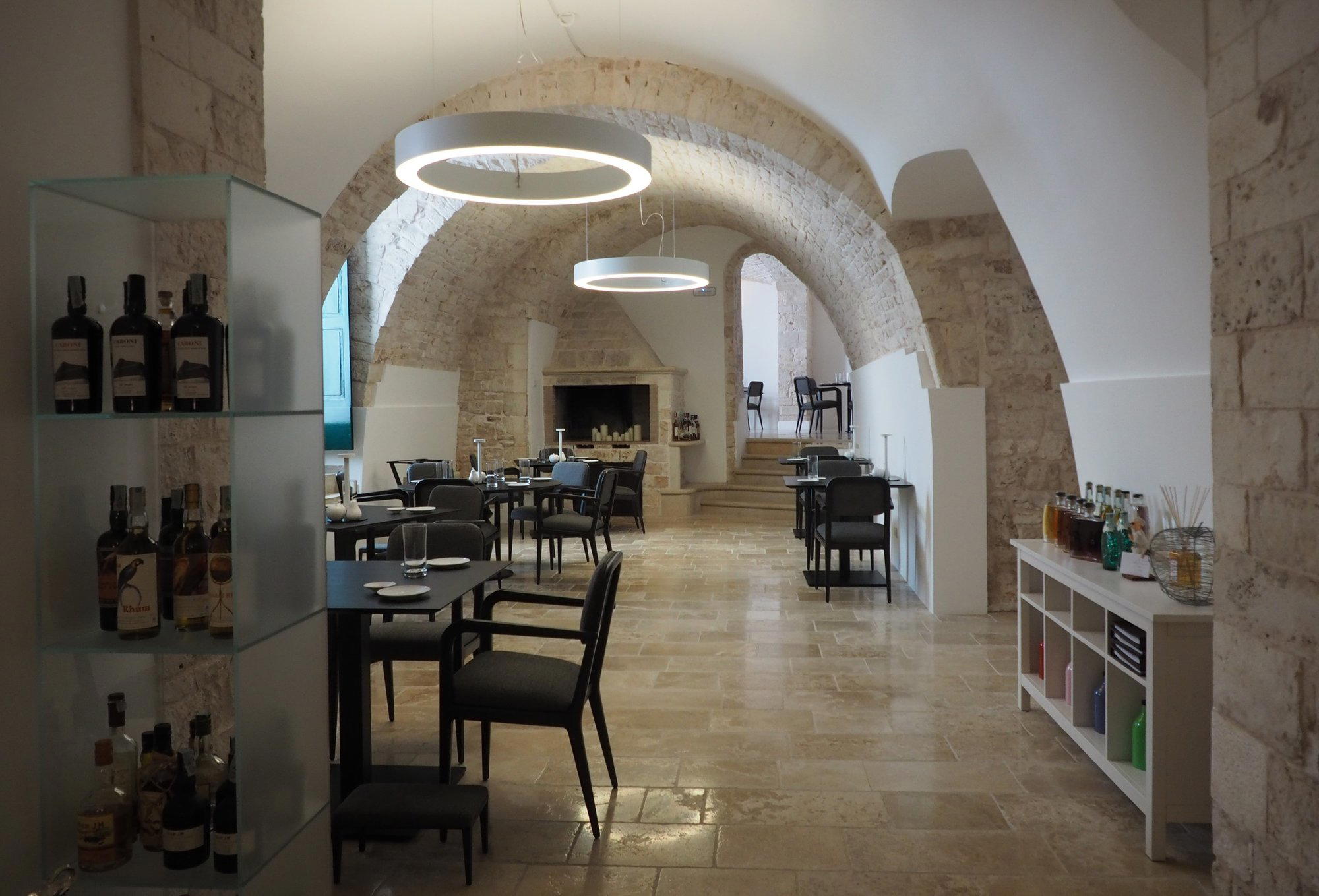
Stone does much of the talking in Alberobello. At Cantina Museo Albea, the draw is a historic stone winery-museum where carved rock vats and antique agricultural tools frame the visit before a tasting begins. The experience is best understood as educational rather than merely transactional: the setting gives travelers a way to read wine culture through material history, agricultural work, and the practical atmosphere of a stone winery-museum. Instead of presenting wine as something detached from its surroundings, the venue makes the room, the rock, and the old implements part of the story.
The format suits travelers who want a guided visit with context. Information points to passionate guides leading detailed tours, followed by generous tastings. Beyond that, specific claims about grape varieties, production scale, founding dates, languages, or exact tasting formats are not confirmed here, so the safest reading is simple: this is a museum-like winery stop in Alberobello built around explanation, historic tools, carved vats, and tasting hospitality. That restraint is useful when planning: expect interpretation and atmosphere first, with the tasting serving as the natural conclusion to the visit rather than the only reason to go.
A stone winery-museum experience in Alberobello
What can be said with confidence is that the venue uses its stone winery-museum setting to make the tasting feel rooted in place. The carved rock vats and curated agricultural objects are part of the experience, giving visitors a physical sense of how wine, storage, and agricultural work connect inside the venue. These are tangible details, and they help slow the visit down: before the glass arrives, there is already something to look at, interpret, and place within a broader agricultural setting.
That makes the visit useful even for travelers who are not arriving with technical wine knowledge. Rather than relying on claims about particular varieties or cellar practices, the appeal is the way the venue links the glass to a visible archive of tools, stonework, and guided explanation. The result is warm, educational, and especially well suited to visitors who want more context than a quick pour. It is also a useful format for mixed groups, where some guests may be more interested in cultural setting than in wine terminology.
The confirmed price is $30 per person, which places the experience in an approachable range for a guided winery-museum visit. Specific inclusions should be confirmed directly, but the core is clear: a historic stone setting, detailed guidance, carved vats, antique agricultural tools, and generous tastings in Alberobello. For travelers budgeting time as well as money, the value is less about a checklist of extras and more about the combined museum-and-tasting structure.
A winery-museum format that explains the glass before the pour
The visit is strongest when treated as a cultural primer rather than a conventional tasting stop. The museum component, with antique agricultural tools and carved rock vats, is not just decoration; it is the context that shapes the experience. The venue’s value lies in how it turns a tasting into a guided encounter with agricultural memory. In practical terms, that means the objects and spaces are not background scenery but the interpretive bridge between the place and what is tasted.
Information also supports the atmosphere: warm, educational, and led by passionate guides. Claims about specific foods, outdoor formats, vineyard picnics, named pairings, or exact tour duration are not confirmed here, so they should not be assumed. Travelers interested in those details should check directly before planning around them. This is especially important for anyone building a tightly scheduled itinerary, since the confirmed appeal rests on the guided explanation, the historic setting, and the tasting hospitality rather than on add-ons.
For an Alberobello itinerary, Cantina Museo Albea works as a wine and culture stop rather than simply a place to drink. It can sit naturally alongside other dining and experiences in Alberobello, especially for travelers who want the town’s stone-built character to extend into their wine visit. The continuity matters: after seeing stone as architecture and landscape, the winery-museum offers another way to understand stone as a working material within local agricultural culture.
Where it fits in a serious Italian wine itinerary
Cantina Museo Albea is not best framed through rankings, awards, bottle counts, or technical claims. Its confirmed value is interpretive: a historic stone winery-museum in Alberobello with carved rock vats, a curated collection of antique agricultural tools, detailed guided tours, and generous tastings. For serious wine travelers, that can still be meaningful, because not every worthwhile stop needs to compete on prestige language; some are valuable because they clarify how wine culture is stored, explained, and remembered in a particular place.
For travelers comparing wine experiences, the distinction is the museum-like setting and the educational tone. Cantina Museo Albea is a good fit for visitors who want a guided, place-aware tasting in Alberobello, especially those interested in the relationship between stone architecture, agricultural tools, and wine culture. It is best approached with curiosity rather than a checklist: come for the carved vats, the antique tools, the guidance, and the chance to let the tasting emerge from the setting around it.
Recognition history
Dated appearances from independent guides and award organizations, with the underlying list record or original source where available.
Falstaff Winery - Listed
Falstaff
Continue exploring
More in Alberobello
Wineries in Alberobello
Browse all →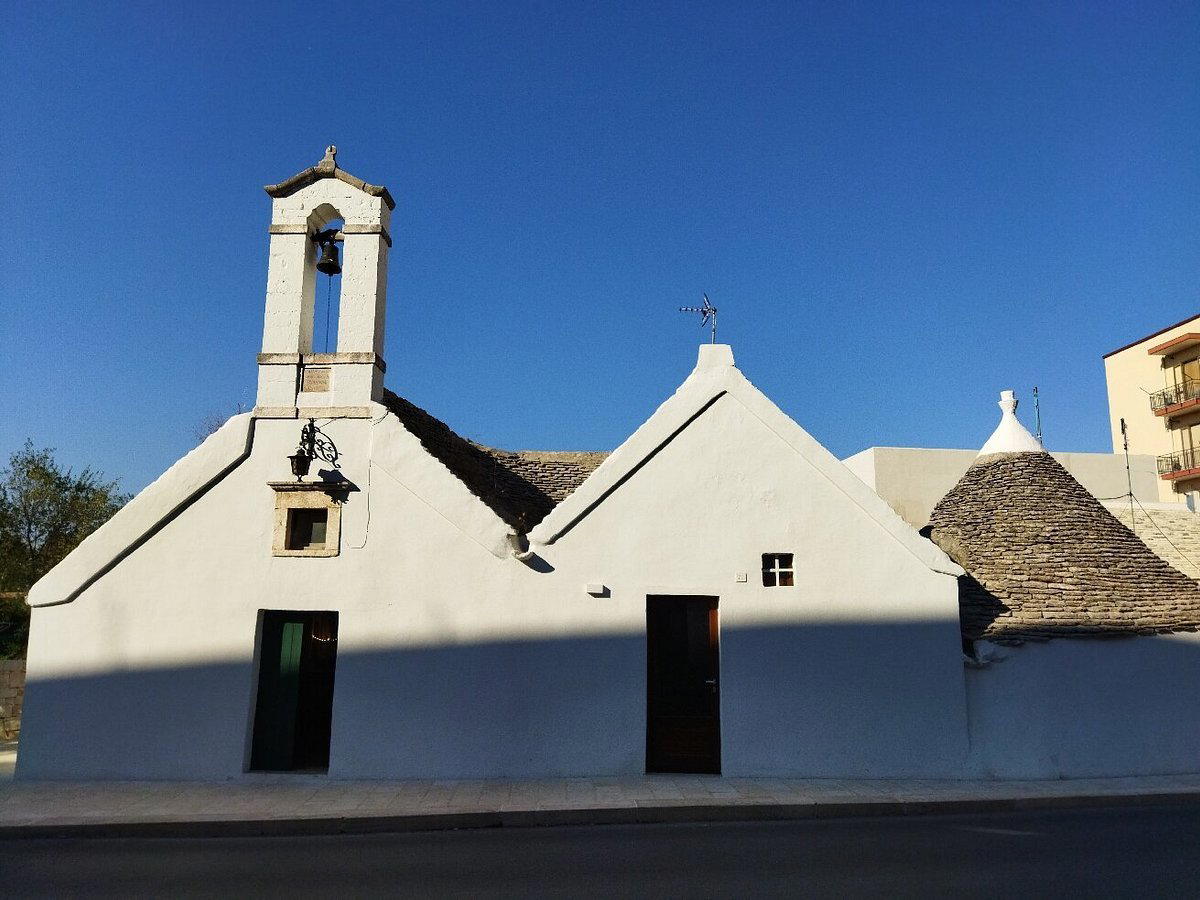

Bars in Alberobello
Browse all →


Restaurants in Alberobello
Browse all →

Details
- Scenic
- Rustic
- Cozy
- Well Known
- Romantic
- Wine Education
- Group Outing
- Romantic Getaway
- Special Occasion
- Corporate Event
- Solo Exploration
- Barrel Room
- Vineyard Tour
- Historic Building
- Private Tasting
- Estate Grounds
- Picnic Area
- Sustainable
- Organic
- Vineyard
- Street Scene
- Primitivo
- Nero Di Troia
- Negroamaro
- Verdeca
- Fiano
- Bianco D’alessano
- Maresco
- Still Red
- Still White
- Still Rosé
- Guided Tasting
- Museum Visit Plus Tasting
- Vineyard Apéritif
- Picnic Tasting
- Italian
- English
Historic stone winery-museum with carved rock vats and a curated collection of antique agricultural tools, offering a warm, educational atmosphere where passionate guides lead detailed tours followed by generous tastings often paired with local Apulian food.