
Fakin holds consecutive Michelin Bib Gourmand recognition (2024 and 2025) from a small square in Legrad, one of Croatia's least-toured border towns. Chef Aleksander Aurstad Olsen brings a Scandinavian-inflected sensibility to a kitchen working with local Podravina ingredients, and the result sits in the €€ price tier, serious cooking at a fraction of what comparable ambition costs on the coast.
Pearl is the En Primeur Club membership app — saves, bookings, and concierge access live there. Same editors, same standards.
- Address
- Trg Sv. Trojstva 53, 48317, Legrad, Croatia
- Phone
- +385 48 626 077
- Website
- fakin.hr
- Directions
- Get directions
 Saves & bookings on Pearl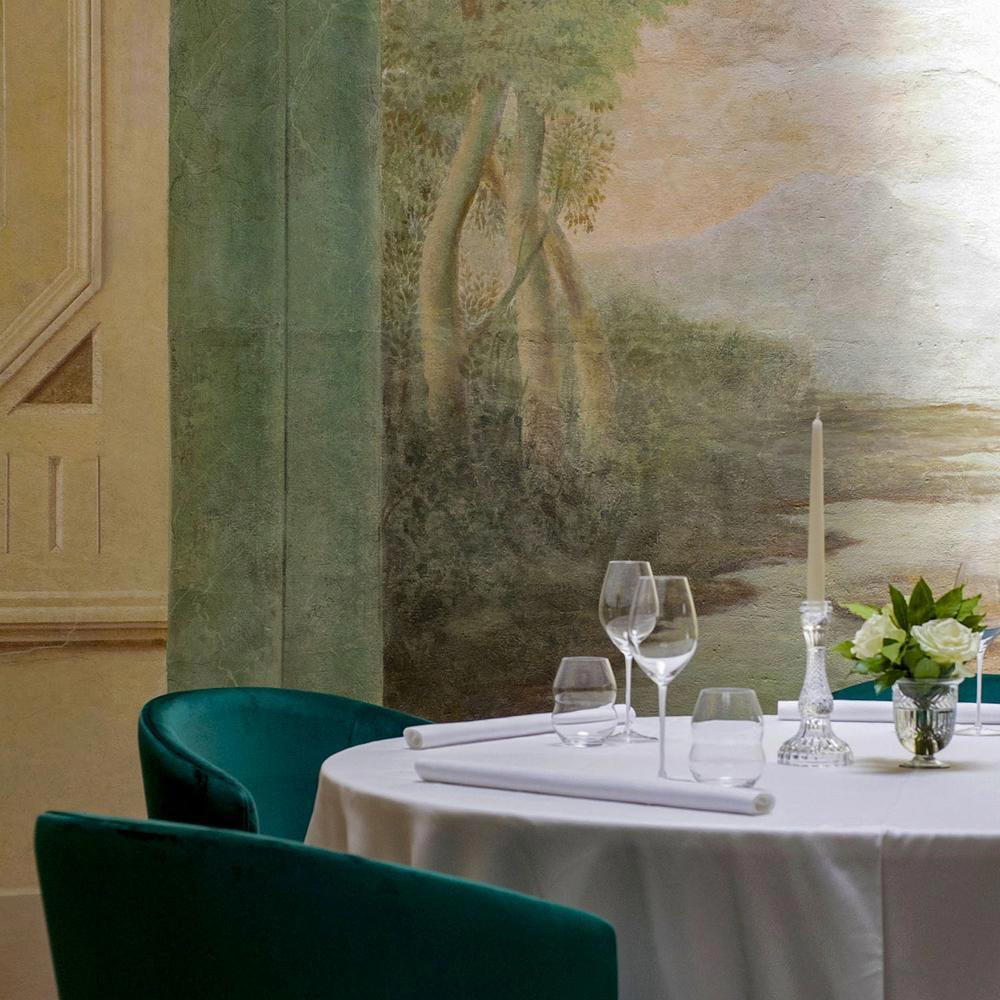
A Town Square in Legrad, and Why It Matters
Legrad sits at the confluence of the Drava and Mura rivers, pressed against the Hungarian border in the Koprivnica-Križevci County. It is not a place you arrive at by accident. The town's central square, Trg Sv. Trojstva, is quiet in the way that genuinely peripheral places tend to be, not curated quietness, but the actual absence of tourist infrastructure. When Michelin's inspectors marked a restaurant on that square with a Bib Gourmand in 2024, and then again in 2025, it pushed Legrad into a category of Croatian dining that most visitors to Dubrovnik or Split never encounter: the inland, ingredient-driven, low-drama end of the country's modern cooking scene. For context on what the Croatian coast delivers at higher price points, see Pelegrini in Sibenik or Restaurant 360 in Dubrovnik, both carrying a single Michelin star at the €€€€ tier. Fakin operates in a structurally different register, same inspectorate, different category, fraction of the price.
What the Bib Gourmand Signal Actually Means
Michelin's Bib Gourmand designation, awarded for two consecutive years at Fakin, marks cooking that delivers quality above what the price would suggest. It is not a star, and Michelin's own framing is deliberate: these are restaurants where the kitchen is working harder than the cover charge implies. In Croatia's awarded dining set, the distinction matters. Agli Amici Rovinj carries two Michelin stars at the €€€€ tier on the Istrian coast. Korak in Jastrebarsko and Dubravkin Put in Zagreb represent the inland modern-Croatian strand at mid-range price points. Fakin's €€ positioning with consecutive Bib recognition places it in a smaller cohort: restaurants where the value-to-craft ratio is the editorial point, not the occasion-dining spectacle.
Chef Aleksander Aurstad Olsen and the Scandinavian-Croatian Axis
The editorial angle here is not biography but trajectory. Scandinavian cooking has spent the last fifteen years reshaping how Europe thinks about ingredient restraint, fermentation, and the relationship between a kitchen and its immediate geography. When that sensibility lands in the Croatian interior, a region of flatlands, river fish, game, and a produce tradition shaped by Pannonian rather than Mediterranean cycles, the result is a set of culinary decisions that don't read off any standard Croatian template. Chef Aleksander Aurstad Olsen leads the kitchen, and the Michelin inspectorate has twice endorsed the outcome. The broader point is structural: particularly interesting things currently happening in Croatian modern cooking are not all on the coast. Nebo by Deni Srdoč in Rijeka and Alfred Keller in Mali Lošinj reflect similar inland-or-edge ambitions. Fakin in Legrad is particularly geographically remote of this group, which is part of what makes its recognition consequential. For further Scandinavian-inflected modern cuisine context, Frantzén in Stockholm and FZN by Björn Frantzén in Dubai represent the upper end of what that culinary lineage can produce at scale.
The Podravina Context: Cooking from a River Region
Croatia's Podravina region, the Drava river corridor running east from the Slovenian border, has a food culture built around freshwater fish, pork, game, and seasonal vegetables from flat, fertile land. It is a tradition with almost no coastal crossover. The ingredients that define Dalmatian or Istrian cooking (olive oil, sea bream, truffles, Adriatic shellfish) are largely absent here. What replaces them: pike, catfish, and carp from the rivers; duck and venison from the surrounding wetlands and forests; paprika-inflected preserves and cured meats from the Hungarian border culture that bleeds across this part of northern Croatia. A modern kitchen applying Scandinavian precision to that larder is doing something that has limited precedent in the country's awarded restaurant set. The Michelin Bib recognizes execution within that framework, not approximation of a coastal or metropolitan style.
Planning a Visit to Legrad
Legrad is approximately 90 kilometres northeast of Zagreb by road, a drive that passes through Koprivnica, the county seat and the nearest point with conventional hotel infrastructure. The town itself has limited accommodation, so most visitors approach as a day trip from Zagreb or a detour from the wider Koprivnica area. Fakin sits directly on the central square at Trg Sv. Trojstva 53, findable without difficulty in a town of this scale. Reservations are recommended. The €€ price range means a full meal lands around $25 per person and sits well inside what comparable ambition would cost at Boskinac in Novalja or LD Restaurant in Korčula. Krug in Split and Alla Beccaccia in Valbandon round out Croatia's modern-cuisine middle tier for comparison when planning a broader itinerary.
The Case for Going Out of Your Way
Croatia's awarded dining circuit clusters predictably: Istria for truffles and Italian-inflected fine dining, Dalmatia for coast-facing tasting menus, Zagreb for the urban modern-Croatian flagship. Legrad fits none of those categories. A Bib Gourmand that has now repeated across two consecutive Michelin cycles in a border town with limited tourism infrastructure is a signal that the kitchen is consistent, not just impressive on a single inspection. For a reader willing to make the drive from Zagreb, or to fold Legrad into a route through northern Croatia toward Varaždin or Koprivnica, Fakin represents the clearest argument that the country's most interesting cooking is not concentrated where the tourists already are.
A Quick Peer Check
Comparable venues nearby, for context on price, style, and recognition.
| Venue | Cuisine | Price | Awards | Notes |
|---|---|---|---|---|
| FakinThis venue — the venue you are viewing | Modern Croatian & Central European | $$ | Bib Gourmand | Not listed |
| Bekal | Fire-Cooked Croatian | $$$ | Michelin Plate | Trešnjevka |
| Dunav | Traditional Croatian River Fish | $$ | Michelin Plate | Ilok |
| Gostionica Ficlek | Authentic Croatian / Zagreb Traditional | $$ | Not listed | Gornji Grad - Medveščak |
| Curry Bowl | Sri Lankan Street Food | $$ | Not listed | Tkalčićeva |
| Boban | Mediterranean-Style Italian | $$ | Michelin Plate | Zagreb Historic Centre |
Recognition history
Dated appearances from independent guides and award organizations, with the underlying list record or original source where available.
Michelin Bib Gourmand
Michelin
Michelin Bib Gourmand
Michelin
Michelin Bib Gourmand
Michelin
Continue exploring
More in Legrad
Restaurants in Legrad
Browse all →
Hotels in Legrad
Browse all →
Wineries in Legrad
Browse all →
At a Glance
- Modern
- Elegant
- Cozy
- Family
- Celebration
- Terrace
- Local Sourcing
- Street Scene
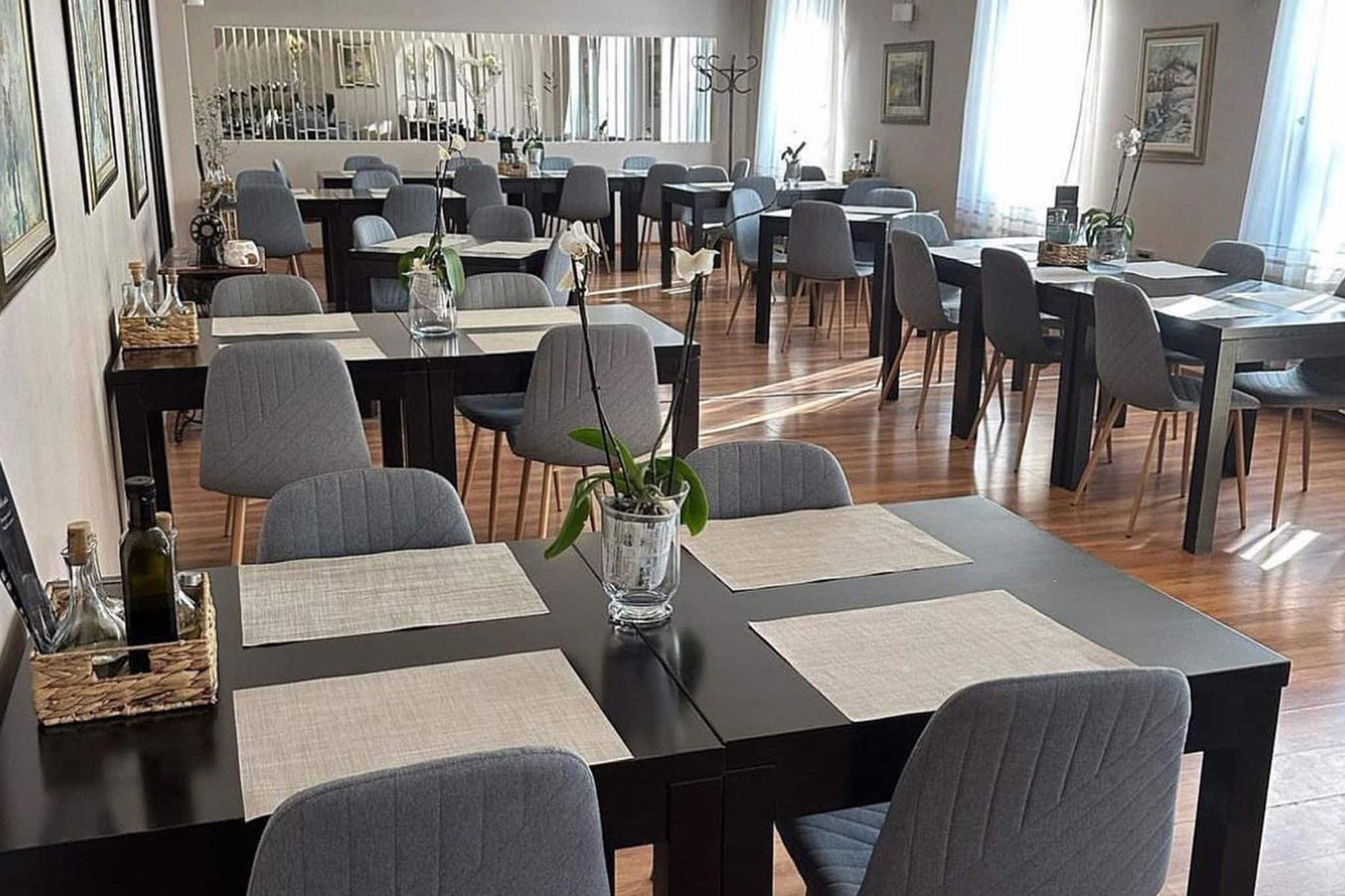
Simple yet elegant and modern interior with pleasant ambience, quiet rooms, and a spacious terrace overlooking the village square and church.