
Bodegas Santalba gives Gimileo a grounded Rioja Alta tasting format: organic vines, cellar visits, barrel-room context, and a portfolio that moves from Tempranillo-led Rioja to Viura, Garnacha, Malvasia Riojana and orange wine. The draw is not spectacle, but a family winery where land, ageing practice, and regional tradition remain legible in the visit.
Pearl is the En Primeur Club membership app — saves, bookings, and concierge access live there. Same editors, same standards.
- Address
- Gimileo, La Rioja, Spanien
- Directions
- Get directions
 Saves & bookings on Pearl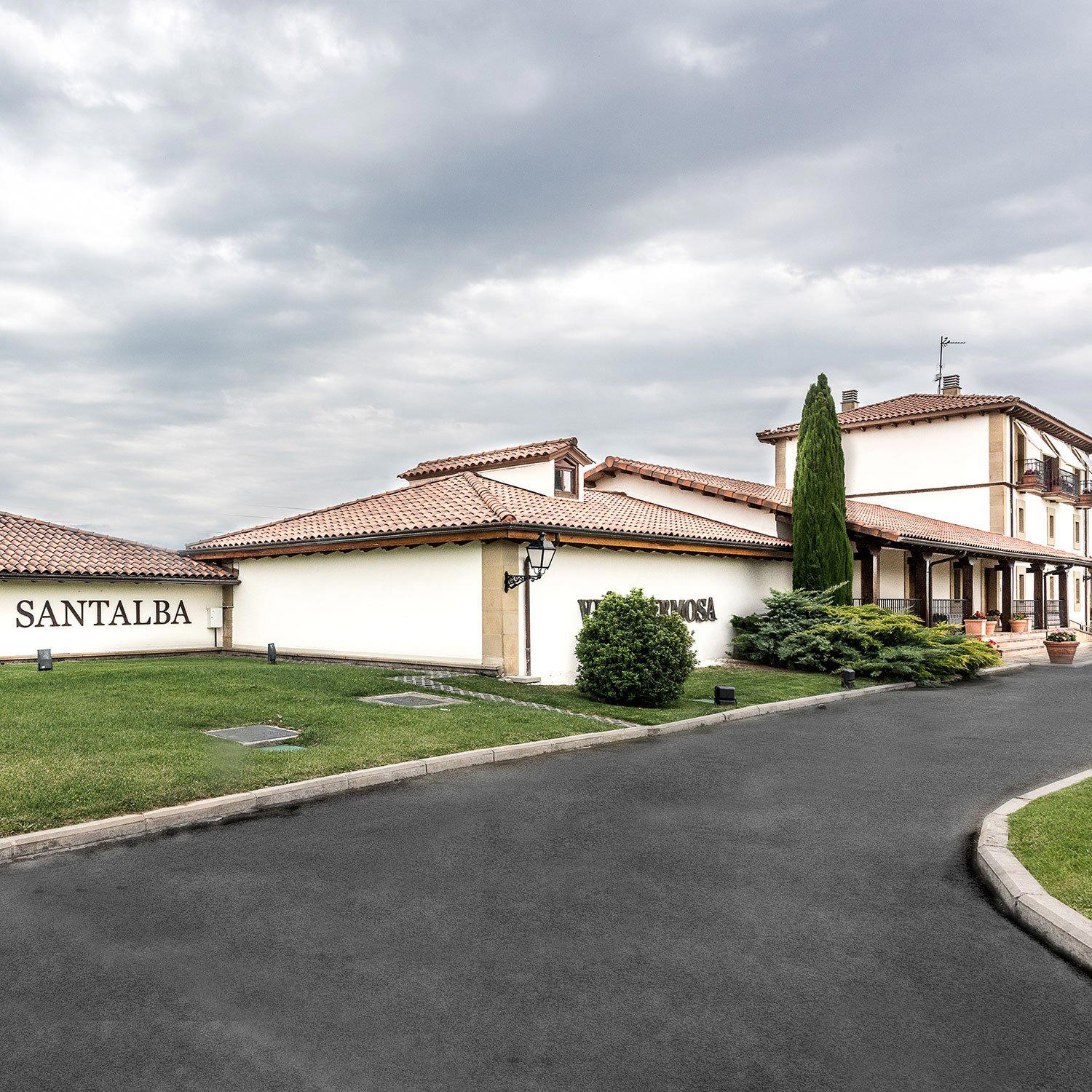
Approaching wine country around Gimileo, the tone changes quickly from town rhythm to vineyard rhythm: quieter roads, low agricultural buildings, and the practical architecture of Rioja rather than stage-managed luxury. Bodegas Santalba fits that register. The experience is built around working winery spaces, vineyard context, cellar visits, and guided tasting rather than a polished hospitality set-piece, which is exactly why it belongs in a Rioja Alta itinerary focused on how the region actually produces and ages wine.
Rioja Alta has long been associated with Tempranillo, oak ageing, and a cooler growing profile than warmer Spanish red-wine zones. That context matters here because the winery’s appeal sits in the relationship between place and method: DOCa Rioja fruit, organic farming, hand harvesting, indigenous-yeast fermentation, and a cellar culture that treats ageing as part of the region’s grammar rather than a decorative flourish. Bodegas Santalba has family wine roots dating to 1964, with the present brand created in 1998 by Santiago Ijalba; that timeline gives the visit a useful double perspective, old enough to speak in Rioja’s traditional language, recent enough to show the region’s contemporary move toward organic and lower-intervention work.
Rioja Alta through organic vines, cellar work, and restrained hospitality
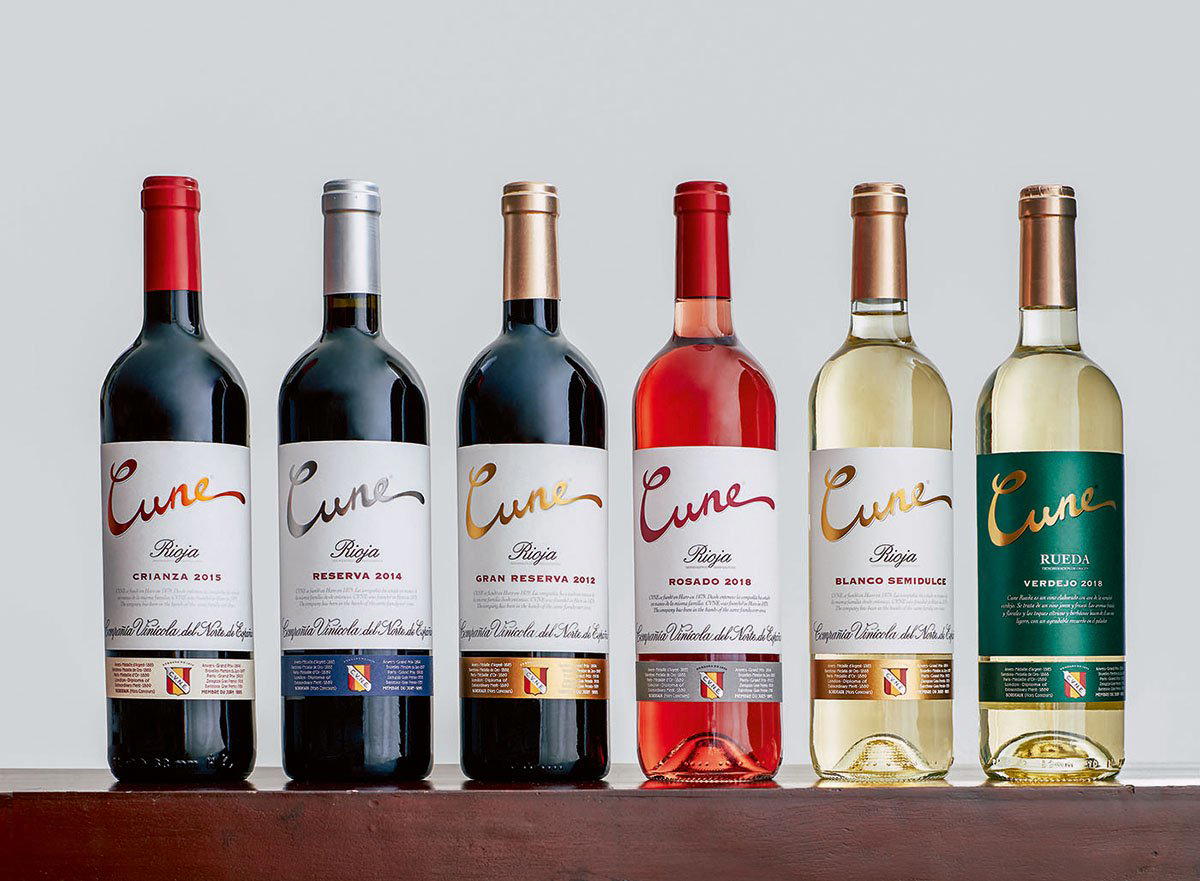
The strongest reason to visit is terroir education without abstraction. The estate works with 20 hectares of certified organic vines and a grape mix that goes beyond the expected Tempranillo to include Garnacha, Viura, and Malvasia Riojana. That spread is useful for travellers who want to understand Rioja as more than barrel-aged red wine. The portfolio includes still red and white wine, sparkling wine, and orange wine, placing classic Rioja signals beside formats that have become increasingly relevant in Spain’s smaller, producer-led wineries.
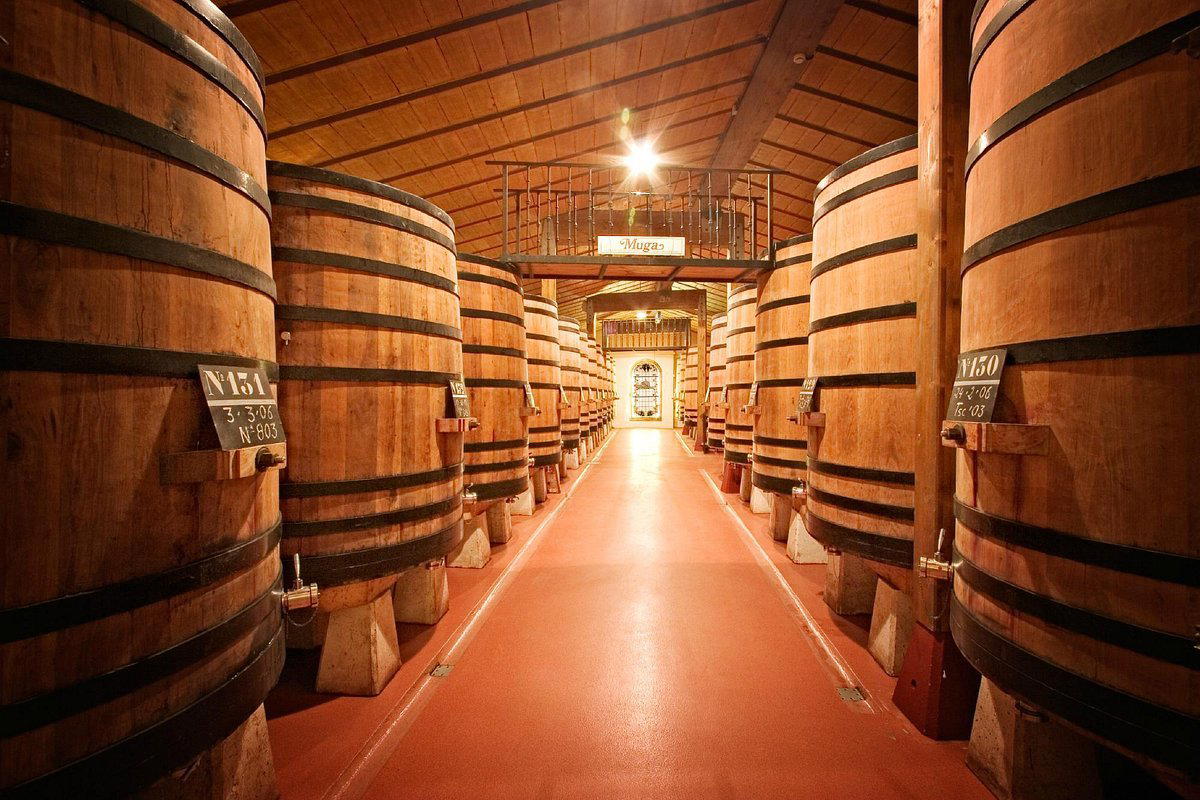
The production language is similarly specific. Grapes are selected by plot and harvested by hand, with some fruit moved in 12-kilo boxes and other parcels in 300-kilo crates depending on the vineyard and wine. Fermentation relies on indigenous yeast, and the cellar ageing regime keeps bottles horizontally at a constant 10ºC to 15ºC. Those details are not cosmetic. They explain the difference between a tasting that merely pours Rioja and one that shows how farming, picking, fermentation, and ageing create the regional profile.
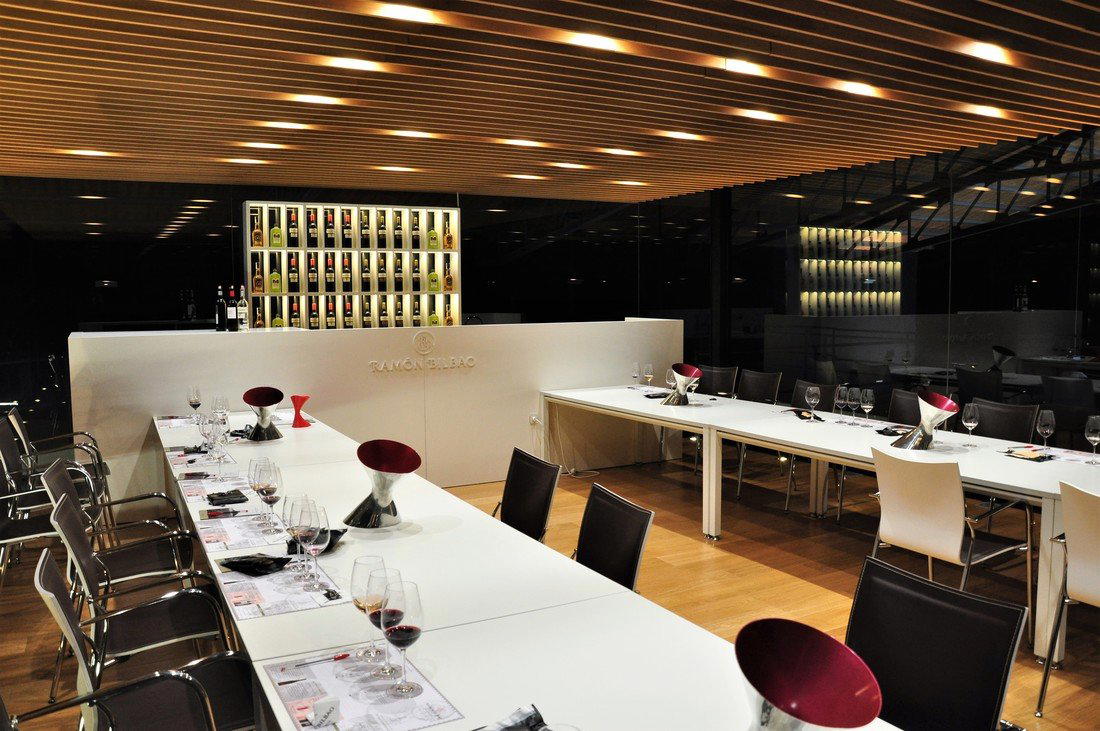
Hospitality follows the same line. The visit type is by reservation, with guided tasting, barrel tasting, vineyard tour, barrel-room access, and food pairings all part of the format. The standard experience runs about two hours and includes a guided tour, tasting from barrels and vats, and three premium wines paired with three traditional tapas. For a region where many visitors arrive with only a broad idea of Rioja, that structure gives enough time to connect vineyard choices with cellar outcomes without turning the visit into a lecture.
What the tasting says about modern Rioja without abandoning tradition
Rioja’s reputation was built on age categories, oak, and long-lived Tempranillo, but contemporary producers are increasingly judged on farming transparency, parcel selection, and whether their hospitality can explain those choices clearly. Bodegas Santalba sits in that shift. Its Abando and Ogga labels represent the more classic side of the house, while natural wines from indigenous varieties broaden the conversation. Ogga Rioja Reserva 2017, a single-varietal Tempranillo made only in selected vintages, has a 94.5 WineStatistics rating, which gives the cellar a concrete recognition point without reducing the visit to score-chasing.
The family-run structure also matters, but only insofar as it shapes the wine-country experience. Santiago Ijalba’s long career in Rioja and the involvement of Roberto Ijalba place the winery inside a multigenerational continuity common to the region’s smaller estates. The better takeaway is not biography; it is how that continuity affects the visit. Guests encounter a producer working at small scale, with organic sourcing, quiet rooms, vineyard views, and an educational format suitable for families, groups, and travellers who prefer working-cellar context over hospitality theatre.
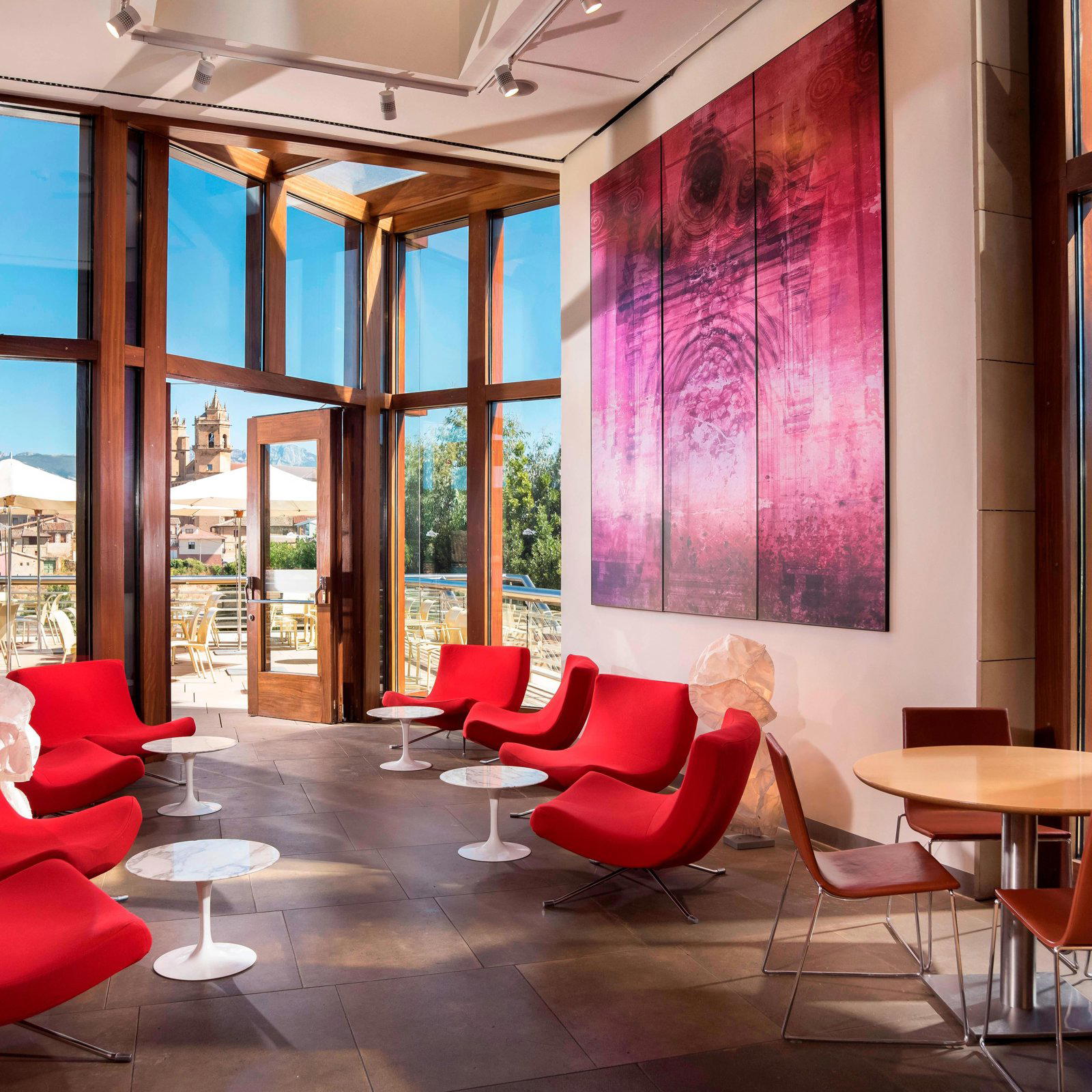
The setting is casual and quiet, with outdoor seating, vineyard views, wheelchair-accessible features, and a format that can accommodate children and groups. Payment options include credit card, debit card, and contactless. Shipping is available, and the wine club remains open, useful for visitors who want bottles to continue beyond the tasting room rather than treating the winery as a single afternoon stop.
How to place it in a Gimileo wine itinerary
For Gimileo, the winery works well as the educational anchor of a day built around Rioja Alta rather than as a quick pour between sightseeing stops. The two-hour duration gives the visit enough shape to justify planning around it, especially for travellers interested in vineyard management, organic certification, and barrel-room tasting. The price level sits in the moderate bracket, and the experience is better read as a structured winery visit than a casual tasting bar.
Use the wider Gimileo planning pages to shape the rest of the day: Our full Gimileo wineries guide for cellar-led routing, Our full Gimileo restaurants guide for food before or after tasting, Our full Gimileo hotels guide for overnight logistics, Our full Gimileo bars guide for later drinks, and Our full Gimileo experiences guide for non-winery context.
Readers building a broader Iberian or European cellar map can also compare regional styles through the wider winery archive: 3 Ases Bodegas y Viñedos in Quintanilla De Arriba, 4Kilos Vinícola in Felanitx, Aalto Bodegas y Vinedos in Quintanilla De Onesimo Valladolid, Abadia de Aribayos in Moraleja Del Vino, Abadía Retuerta in Sardón de Duero, Abel Mendoza Monge in San Vicente de la Sonsierra, Acústic Celler in Els Guiamets, Adega Algueira in Sober, »der Steiner« Hans Steiner in Podersdorf am See, and & Handwein in Mannheim.
The editorial case is clear: come for a compact, terroir-led reading of Rioja Alta, not for luxury theatre. The value lies in seeing organic vineyard practice, traditional cellar work, and a family-run tasting format operate as parts of the same regional argument.
Recognition history
Dated appearances from independent guides and award organizations, with the underlying list record or original source where available.
Falstaff Winery - 1 Stars
Falstaff
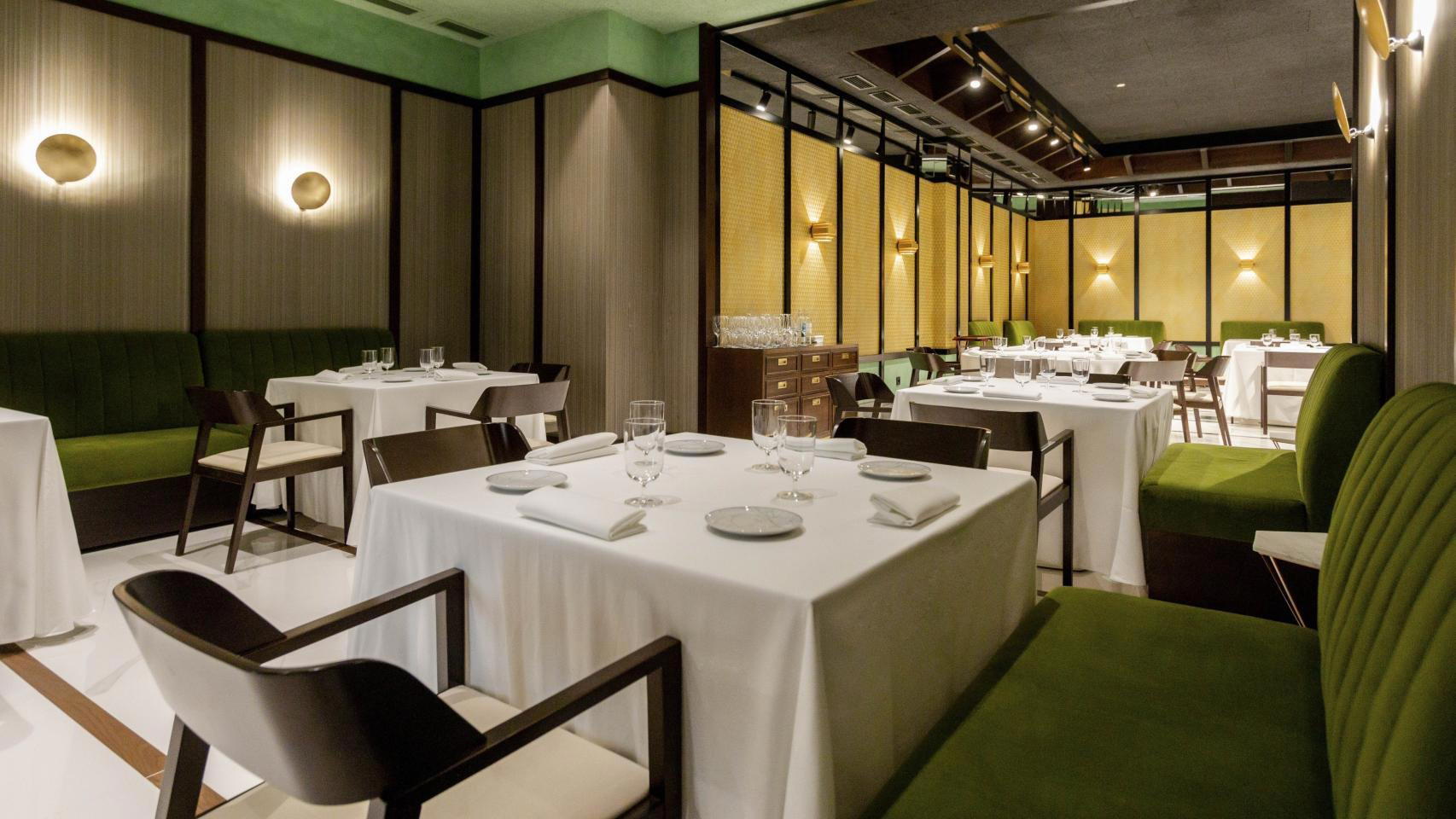
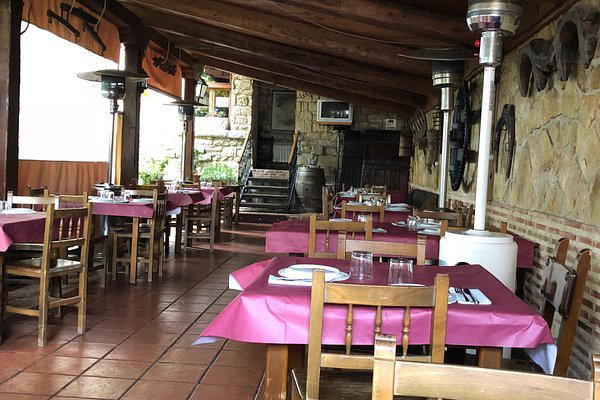
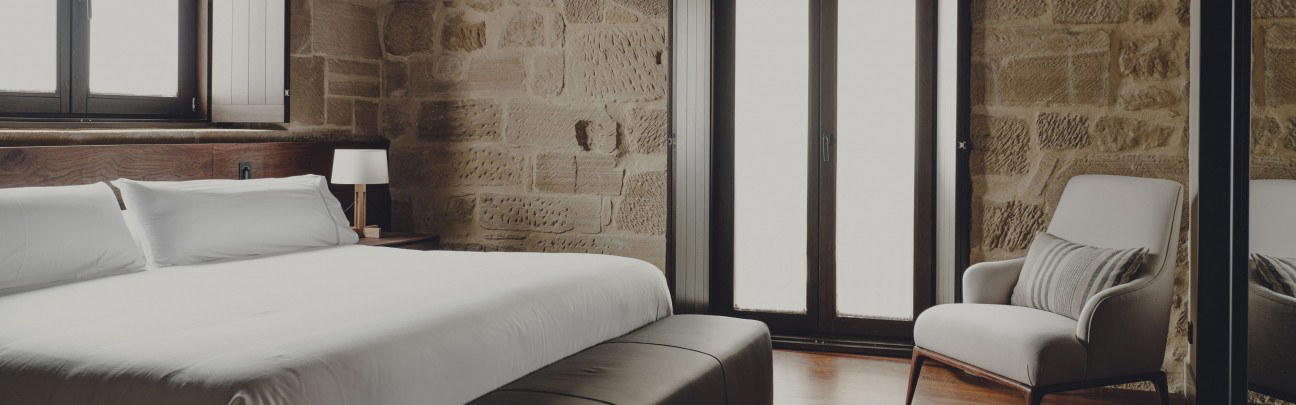
At a Glance
- Rustic
- Classic
- Cozy
- Scenic
- Family
- Group Outing
- Wine Education
- Special Occasion
- Vineyard Tour
- Barrel Room
- Historic Building
- Private Tasting
- Organic
- Sustainable
- Vineyard
- Doca Rioja
- Tempranillo
- Grenache
- Viura
- Malvasia Riojana
- Still Red
- Still White
- Sparkling
- Orange
- Guided Tasting
- Barrel Tasting
- Tasting With Food Pairings
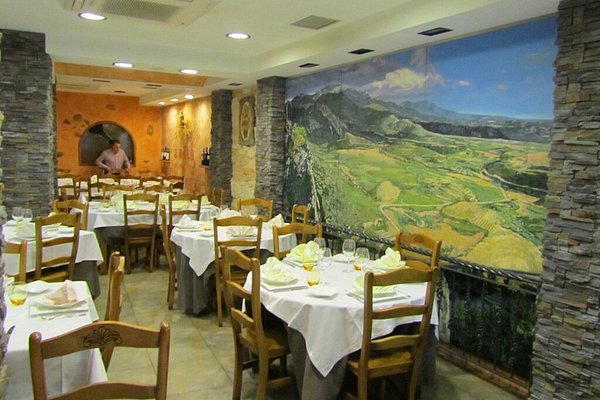
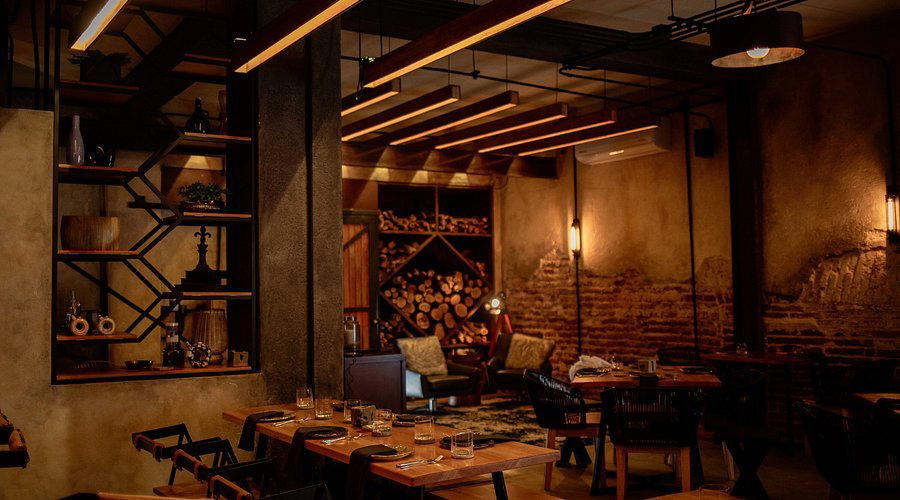
Warm, family-run, and tradition-focused, with a welcoming wine-country atmosphere centered on Rioja heritage, vineyards, and cellar visits.