
Bodegas Patrocinio is a large cooperative winery in Uruñuela, rooted in Rioja Alta’s Najerilla Valley rather than in château-style spectacle. Its interest lies in scale managed with precision: about 200 growers, 525 hectares of vineyards, a Tempranillo-led portfolio, and a terroir program shaped by altitude, soil mapping, and collective farming.
Pearl is the En Primeur Club membership app — saves, bookings, and concierge access live there. Same editors, same standards.
- Address
- Uruñuela, La Rioja, Spanien
- Directions
- Get directions
 Saves & bookings on Pearl
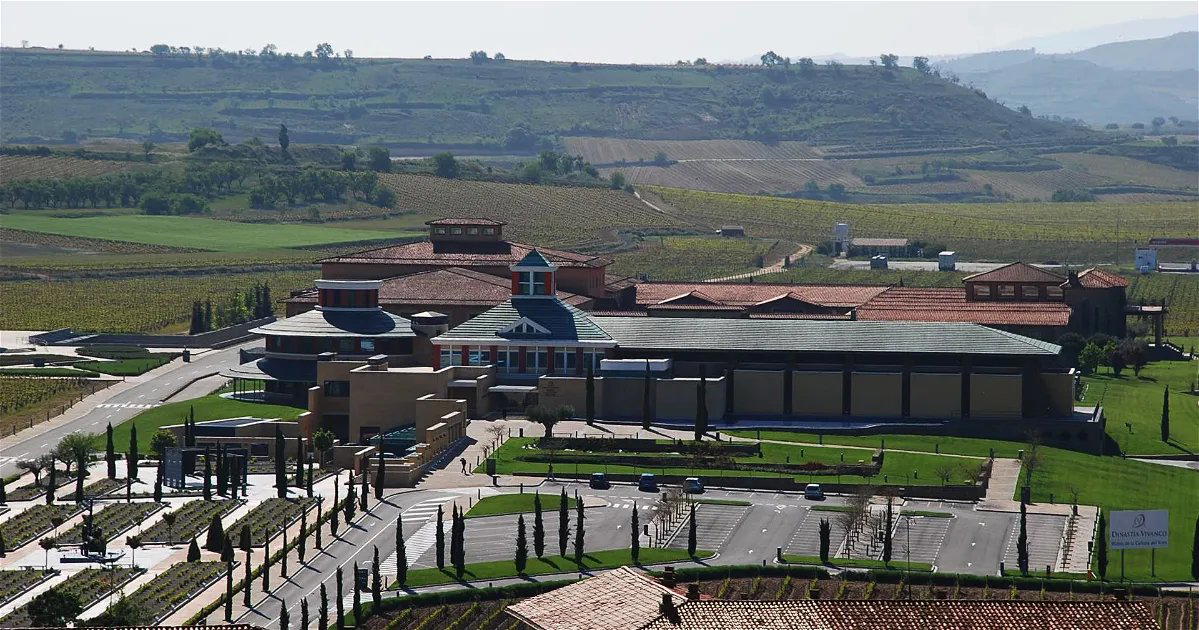
Approaching Bodegas Patrocinio means reading Rioja Alta through the working rhythm of a cooperative winery rather than through unsupported assumptions about a specific visitor format. In Urunuela, the emphasis is on vineyards, mountain scenery, terroir-driven wines, and the collective effort behind a rural wine community. That framing is important because it keeps the focus on what can be said with confidence: this is a winery whose identity is tied to place, production, and cooperation, not to a decorative idea of wine tourism built from details that have not been confirmed.
That is the useful lens here. Bodegas Patrocinio is best understood as a professional, quality-focused and innovative cooperative winery Rioja Alta. The experience is grounded in place and production, with the surrounding landscape shaping the mood as much as the wines themselves. The appeal comes from the combination of rural setting and organized winemaking culture: vineyards and mountains create the backdrop, while the cooperative model gives the venue its practical and communal character.
Rioja Alta terroir, handled at cooperative scale
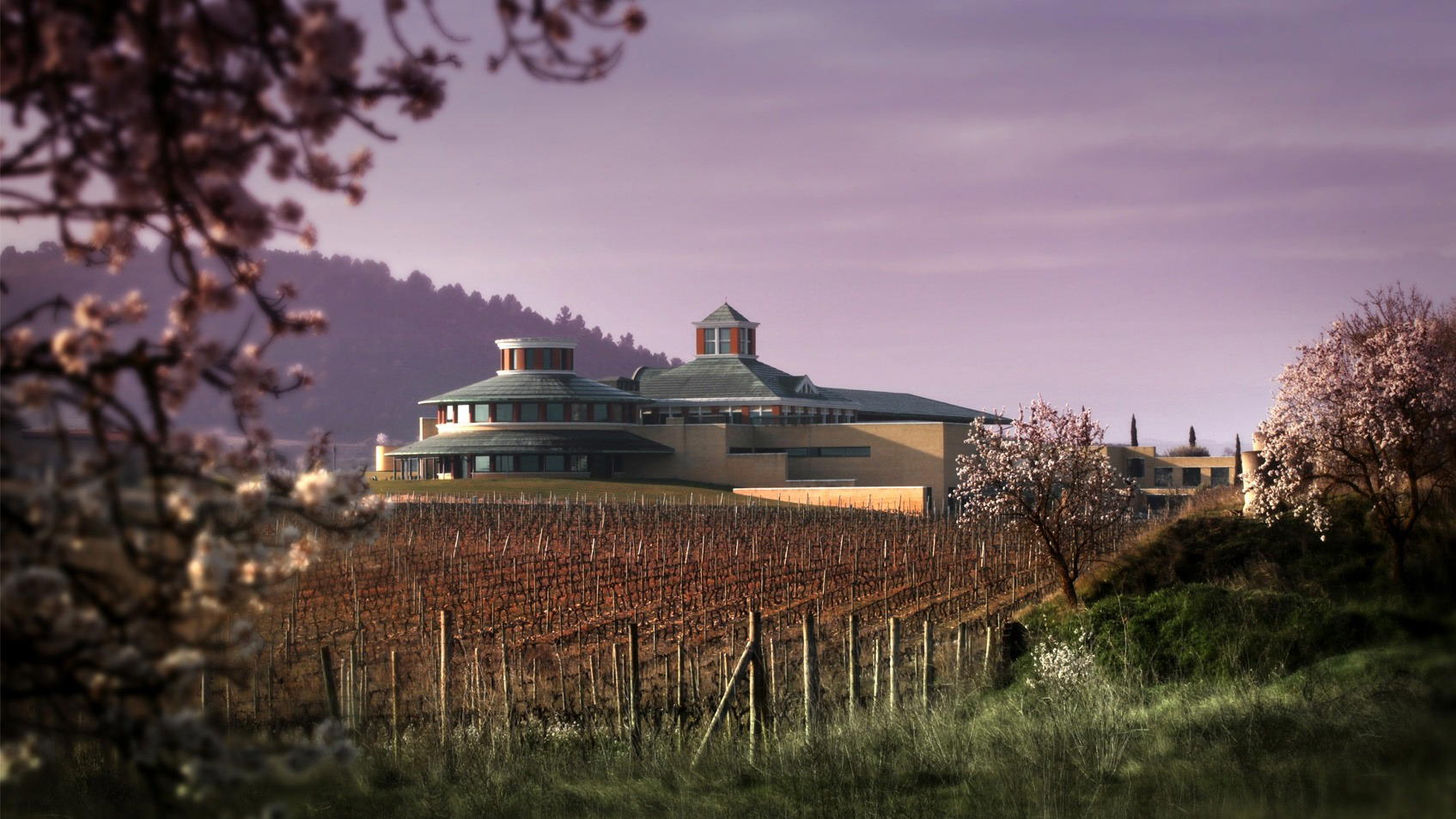
The picture is broad but useful: Bodegas Patrocinio is a cooperative winery in Urunuela, surrounded by vineyards and mountains. The page should not be read as a technical vineyard dossier; instead, the reliable point is that the winery presents itself through Rioja Alta terroir and a collective approach to winemaking. That distinction matters. Terroir here is not being used as a narrow list of figures or cellar specifications, but as the broader relationship between landscape, rural work, and the wines associated with this part of Rioja Alta.
That cooperative identity matters. Rather than centering the story on one private estate personality, the winery emphasizes shared work, rural community, and a professional winery culture. The appeal is not luxury performance but a grounded sense of place. In editorial terms, that makes the venue feel less like a staged backdrop and more like a working expression of a wine region, where the collective structure is part of the point rather than a secondary detail.
For visitors comparing wine stops in the area, the strongest draw is the setting: a Rioja Alta cooperative with a scenic, production-led feel. Specific grapes, vineyard figures, cellar methods, and tour formats should be confirmed directly before being treated as part of a visit plan. That caution does not weaken the venue’s usefulness; it simply keeps expectations aligned with information. The reliable reason to pay attention is the combination of Urunuela, Rioja Alta landscape, and a cooperative winery identity.
A cooperative view of Rioja Alta
The safer way to read the venue is through its overall positioning: a Rioja Alta winery built around terroir, professionalism, and collective rural effort. This positioning gives the winery a clear role in a broader wine itinerary, especially for readers who want to understand the region through more than one ownership model or hospitality style.
That makes the winery relevant for travelers who want a less romanticized and more cooperative view of Rioja. The story is about how a shared winery culture can still communicate place, landscape, and wine-region identity. It also helps broaden the usual idea of what a Rioja visit can mean: not only an individual estate narrative, but a professional cooperative framework in which rural community and winemaking are closely linked.
What is grounded is the broader atmosphere: a scenic cooperative winery in Urunuela with a serious, terroir-minded feel. The surrounding vineyards and mountains are not incidental decoration in that reading; they help explain why the winery’s identity is described through place as much as through production. The result is a venue best approached with attention to context, rather than with a checklist of experiences.
How to think about a visit in Urunuela
This is best framed as a professional cooperative winery experience in Urunuela, with vineyards and mountains providing the context. It suits travelers who are interested in Rioja Alta wine culture, rural community, and a production-focused setting rather than a restaurant-style outing. That does not require overstating what is available on site. It simply means the venue is most useful to readers who value the working identity of a winery and the regional landscape around it.
The nearby editorial map should be led by wine and by the broader Urunuela context rather than unsupported claims about specific services. For planning, compare the winery with other local options generically, and confirm practical details directly before visiting. This is especially important where visitor expectations depend on formats, access, tastings, or other arrangements that should not be assumed from the cooperative identity alone.
For readers tracing winery styles beyond a single private-estate model, the winery can serve as a reference point for a cooperative approach: professional, quality-minded, scenic, and rooted in rural community. Other venues should be researched separately rather than assumed to share the same format or setting. Read in that way, the winery adds useful texture to Rioja Alta: it shows how a cooperative structure, a rural place, and a production-led atmosphere can together form a clear and credible wine-region experience.
Recognition history
Dated appearances from independent guides and award organizations, with the underlying list record or original source where available.
Falstaff Winery - 1 Stars
Falstaff
Falstaff Winery - Listed
Falstaff
Continue exploring
More in Urunuela
Wineries in Urunuela
Browse all →
Bars in Urunuela
Browse all →
Restaurants in Urunuela
Browse all →
At a Glance
- Scenic
- Rustic
- Classic
- Well Known
- Group Outing
- Wine Education
- Solo Exploration
- Corporate Event
- Estate Grounds
- Vineyard Tour
- Sustainable
- Vineyard
- Mountain
- Rioja Doca (rioja Alta)
- Tempranillo
- Garnacha
- Mazuelo
- Graciano
- Viura
- Malvasía
- Tempranillo Blanco
- Still Red
- Still White
- Still Rosé
- Sparkling
- Standard Tasting
- Wine Flight
Cooperative winery in the heart of Rioja Alta with a professional, quality-focused and innovative feel, surrounded by vineyards and mountains, emphasizing terroir-driven wines and a sense of collective effort and rural community.