Bodegas Alberto y Benito, S.A. – Bodegas Briego

A family-run Ribera del Duero estate in Fompedraza, Bodegas Briego is strongest as an educational winery visit rather than a trophy-room tasting. The draw is the connection between Tempranillo, estate vineyards, production areas, barrel ageing and a guided format that makes the region’s high-plateau conditions legible in the glass.
Pearl is the En Primeur Club membership app — saves, bookings, and concierge access live there. Same editors, same standards.
- Address
- Fompedraza, Ribera del Duero, Castilla y León, Spanien
- Directions
- Get directions
 Saves & bookings on Pearl
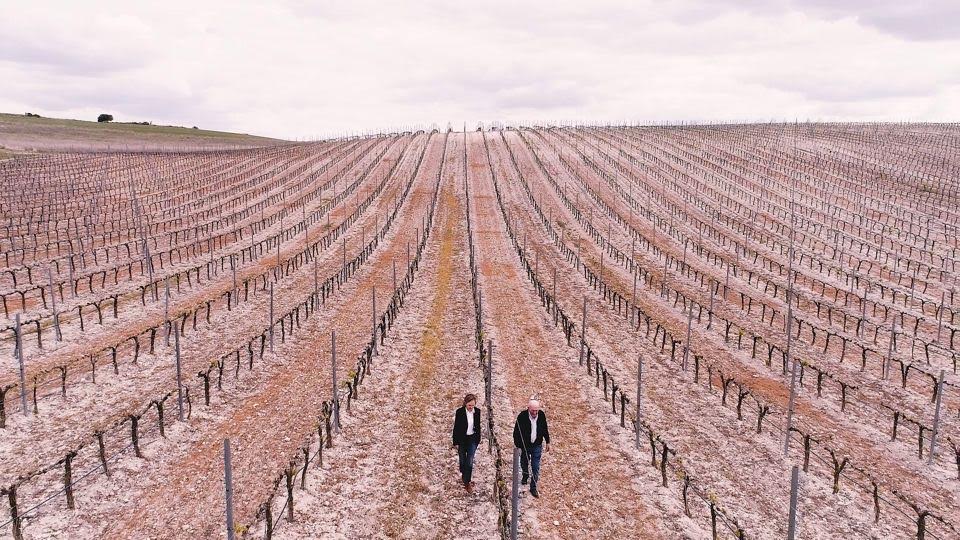
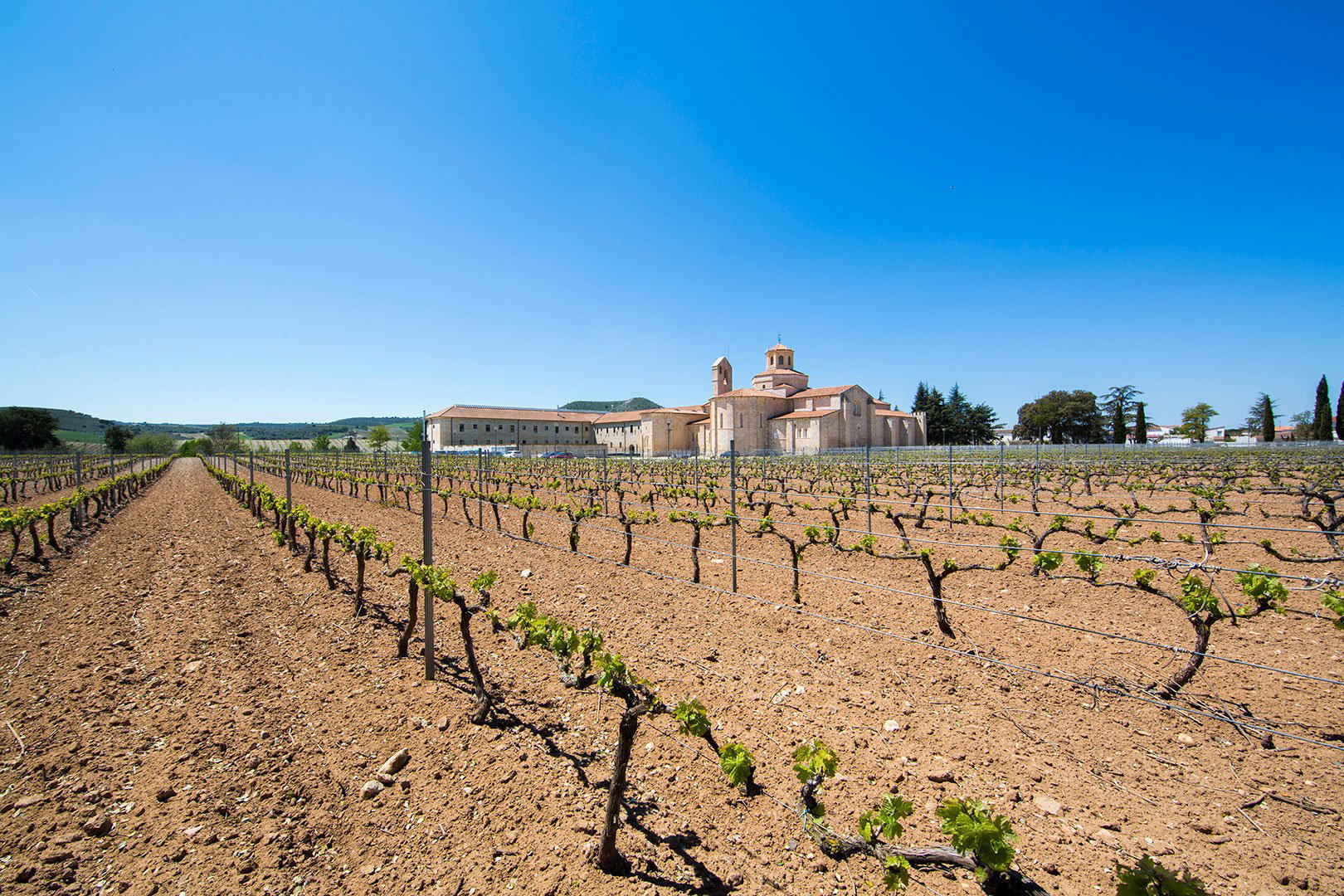
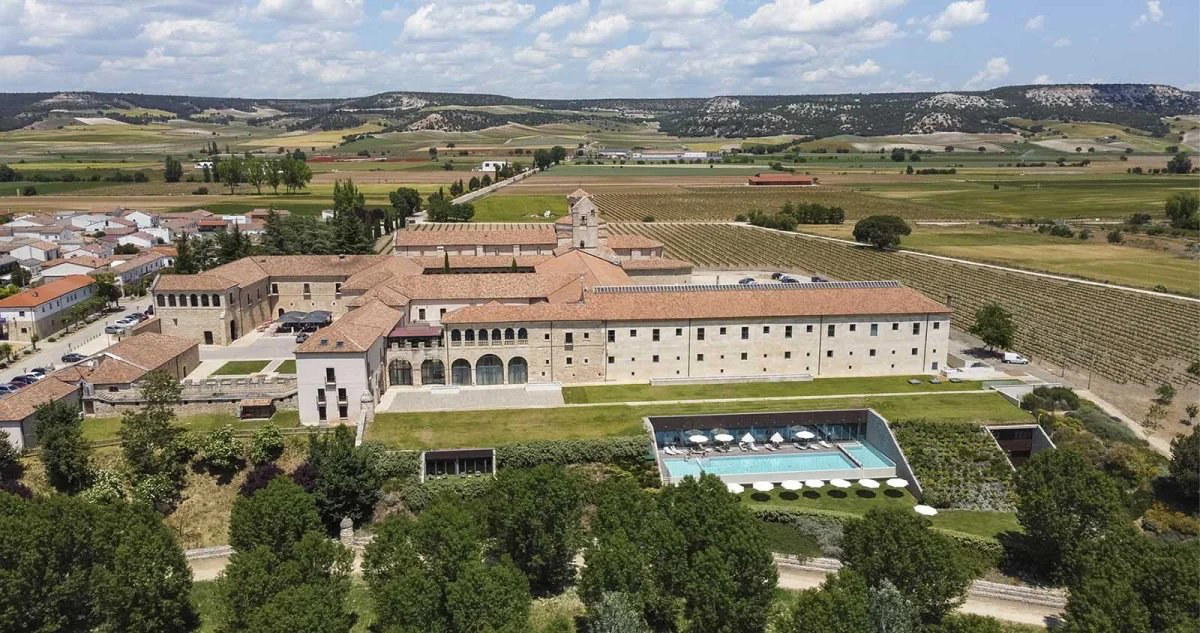
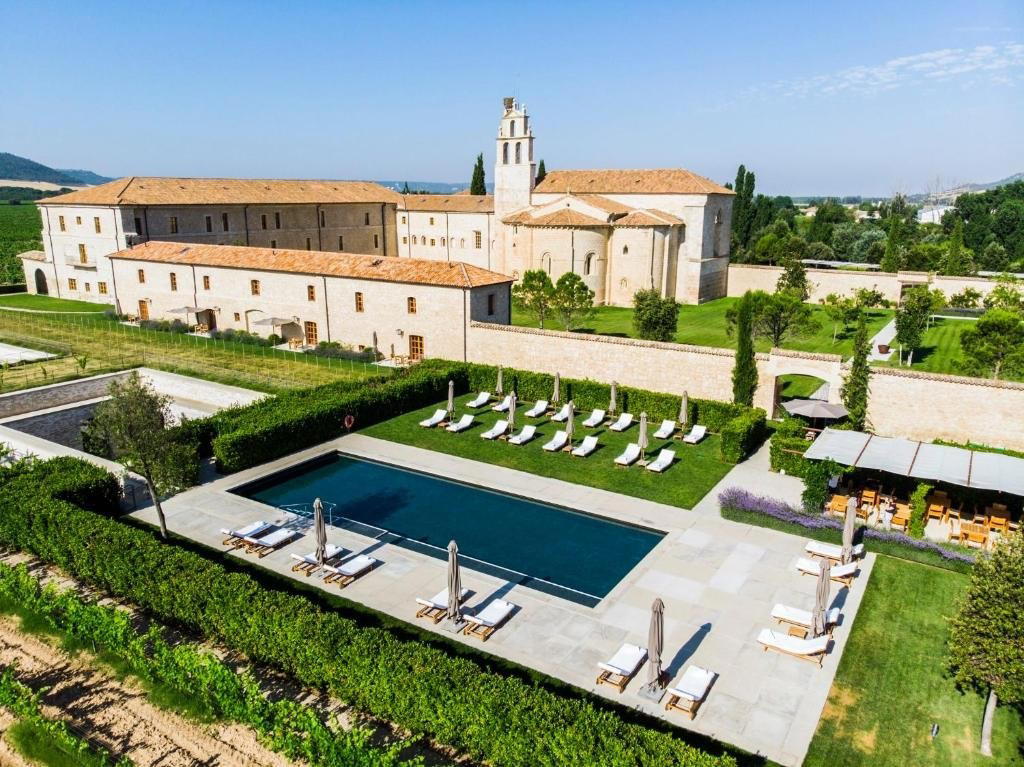
Approaching a working winery in Fompedraza means the experience starts before the tasting room. The rhythm is agricultural first: vineyard rows in front of the cellar, production areas close at hand, and a quiet countryside setting that puts Ribera del Duero’s raw materials ahead of polished theatre. Bodegas Alberto y Benito, S.A. – Bodegas Briego fits that tradition: a family estate where the visit is built around vines, cellar work and Tempranillo rather than spectacle.
Ribera del Duero has become shorthand for serious Spanish red wine, but the useful way to read the region is not through prestige alone. Its high-altitude continental climate, with hot summers and cold winters, gives Tempranillo a different frame from warmer, softer Spanish red-wine zones. Clay, limestone and gravel soils add further structure. In that context, Fompedraza is not background scenery; it is part of the argument. The village sits within a wine culture where altitude, ripeness, oak ageing and local viticultural memory all shape the final bottle.
Tempranillo seen through vineyard, cellar and barrel
The strongest reason to visit here is the clear through-line from land to production. The estate works with 77 hectares of vineyards focused on Tempranillo, the defining grape of Ribera del Duero DO. That single-varietal focus matters because it strips away some of the blending noise: the visit becomes a study in how site, maturity and ageing decisions change the expression of one grape.
The winery was founded in 1992 by the Benito Hernando brothers, reviving a family winemaking tradition in Fompedraza. That date places it in the modern Ribera del Duero expansion rather than the old aristocratic cellar narrative, and the distinction is useful. Many serious visits in the region now sit between heritage and technical explanation: family ownership, estate vineyards, stainless-steel and barrel work, and a tasting that explains why crianza, reserva and gran reserva categories still matter to Spanish red-wine drinkers.
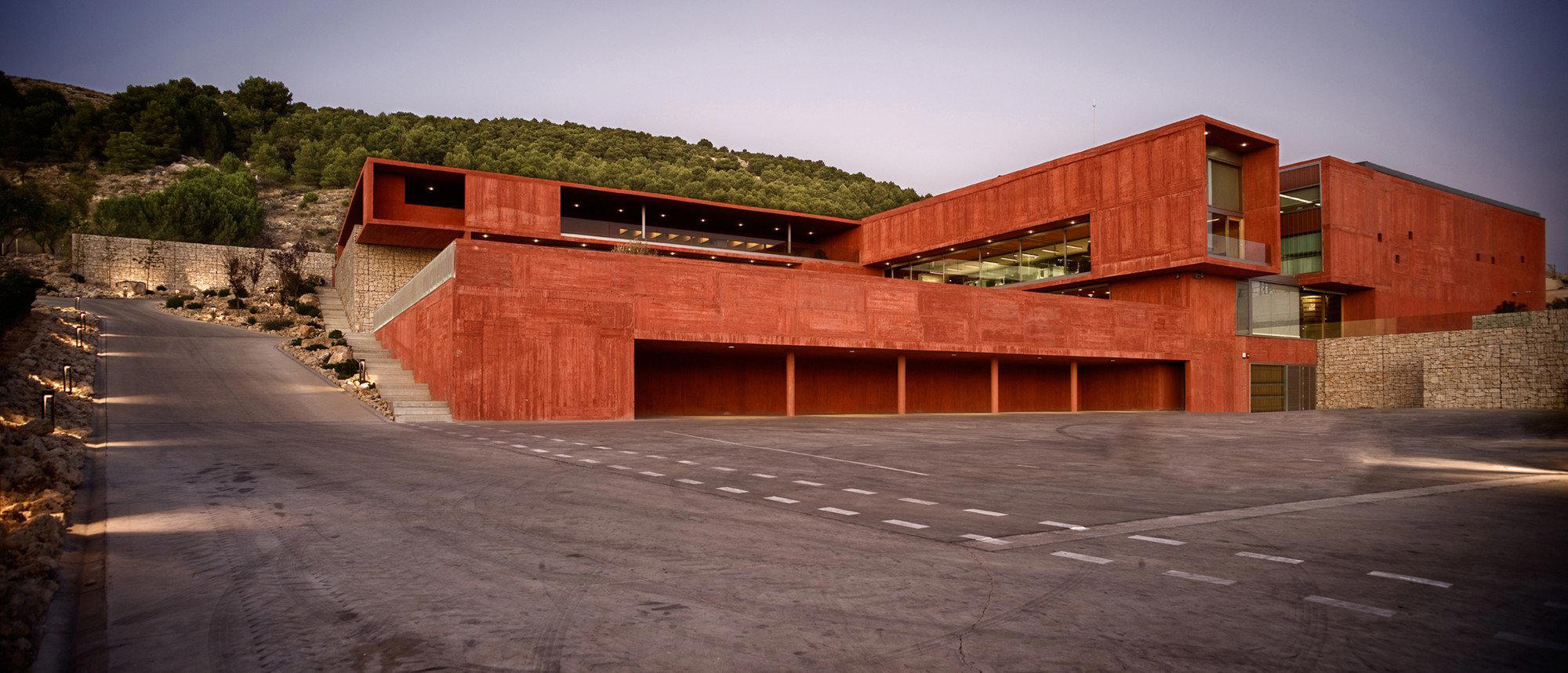
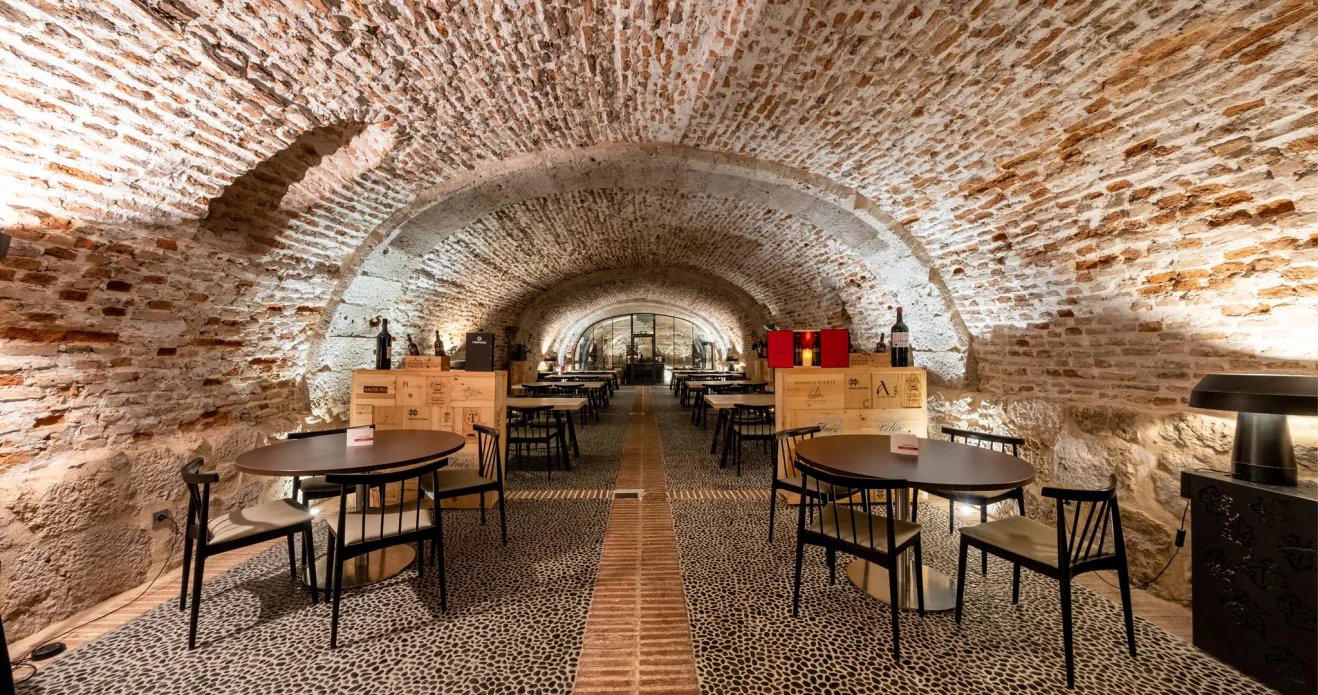
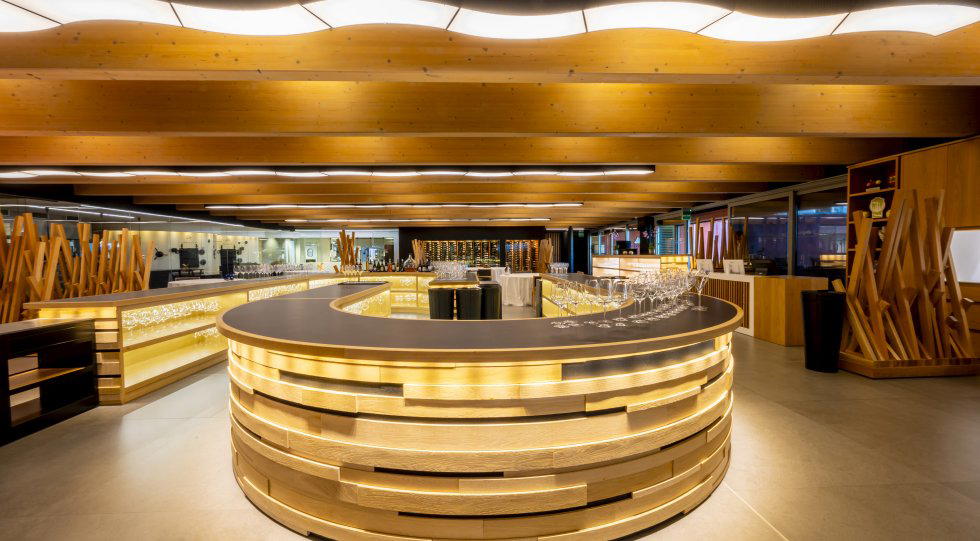
Production is part of the hospitality format, not an afterthought. Tours can include the estate grounds, production spaces, barrel-ageing cellar and tasting room, making this a stronger choice for visitors who want to understand process rather than only sample a short flight. Oak ageing is central to the house style, with younger wines and longer-aged reserva or gran reserva bottlings showing how time in barrel and bottle shapes Ribera del Duero’s naturally structured fruit.
The portfolio is built around still red wines. Briego Vendimia Seleccionada, Briego Tiempo Crianza, Briego Adalid Reserva and Briego Gran Reserva form the broad outline of the range, and the cellar’s known strengths sit in the region’s classic categories rather than experimental white or sparkling production. For readers mapping a wider Spain wine route, the contrast with producers elsewhere can be planned through our full Fompedraza wineries guide, while nearby regional context starts with Miguel Torres – Ribera del Duero.
A small-group visit for people who want the machinery explained
The format is quiet and instructional: guided tasting, tour and tasting, or private group tasting, with Spanish listed as the tour language. That makes the winery better suited to visitors who enjoy cellar mechanics, vineyard discussion and structured tasting order than those looking for a casual drop-in bar atmosphere. The experience is also set up for groups, romantic rural itineraries, solo wine study and family travel with adults, though it is not framed as a children’s activity.
Recognition gives the visit useful external context. Briego Tiempo Crianza 2021 and Briego Adalid Reserva 2019 have each received 90 points from the Peñín Guide, while Tiempo Crianza has also appeared in medal contexts including Bacchus 2018 and the 21st Still Wines CINVE 2025 competition. These are not decorative facts; they help position the estate inside a crowded appellation where many producers work similar grape material, similar oak traditions and similar claims to place.
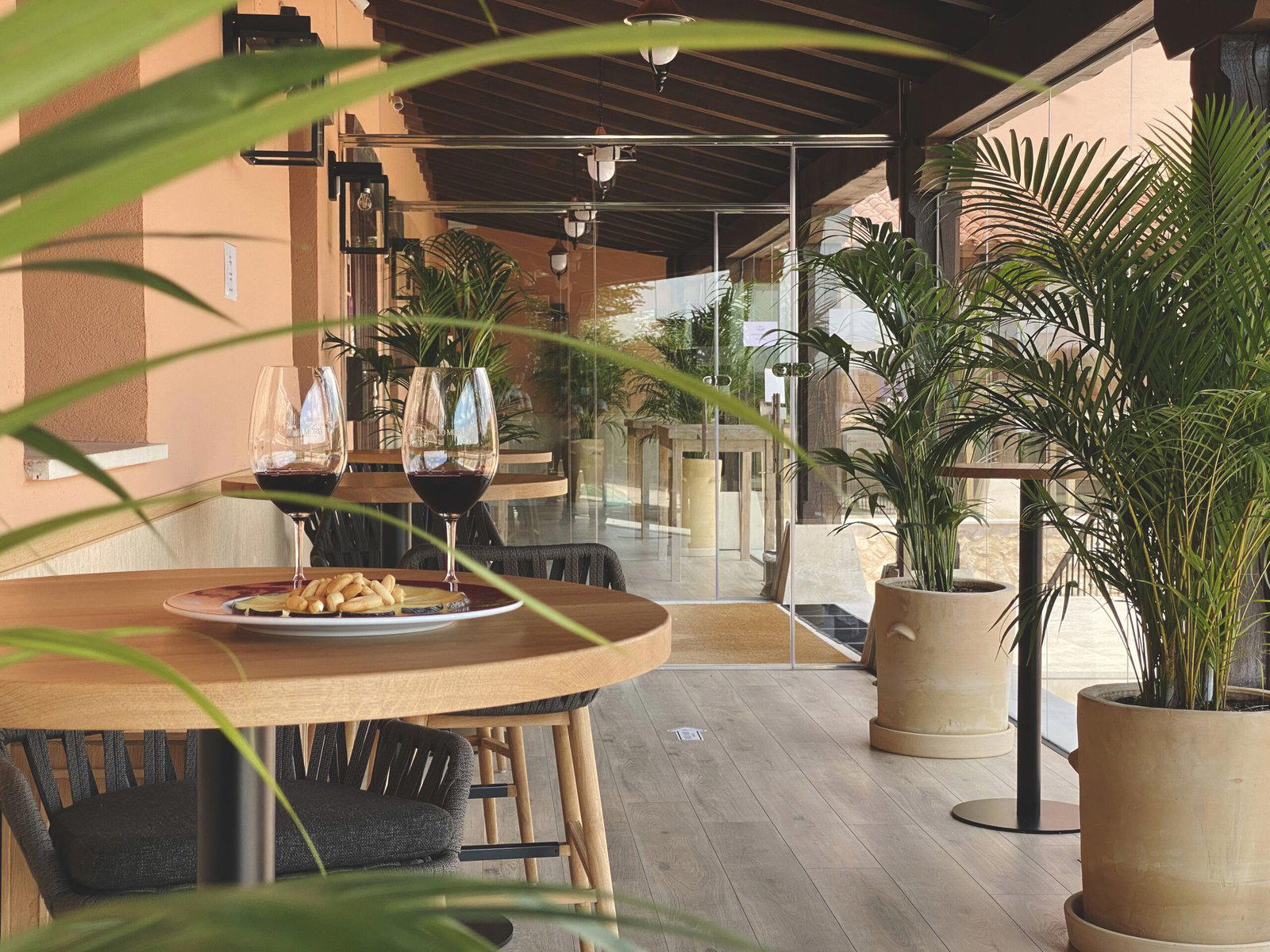
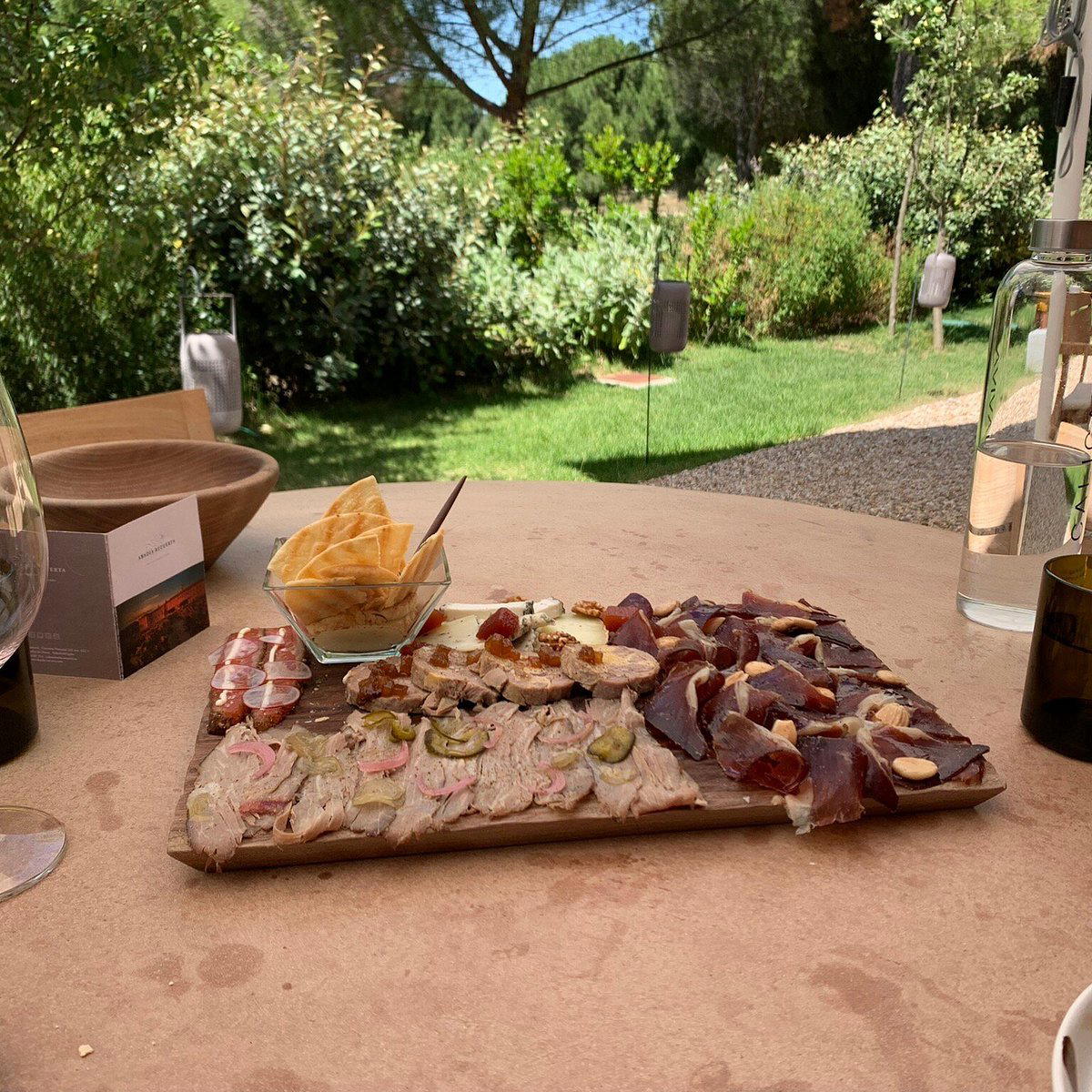
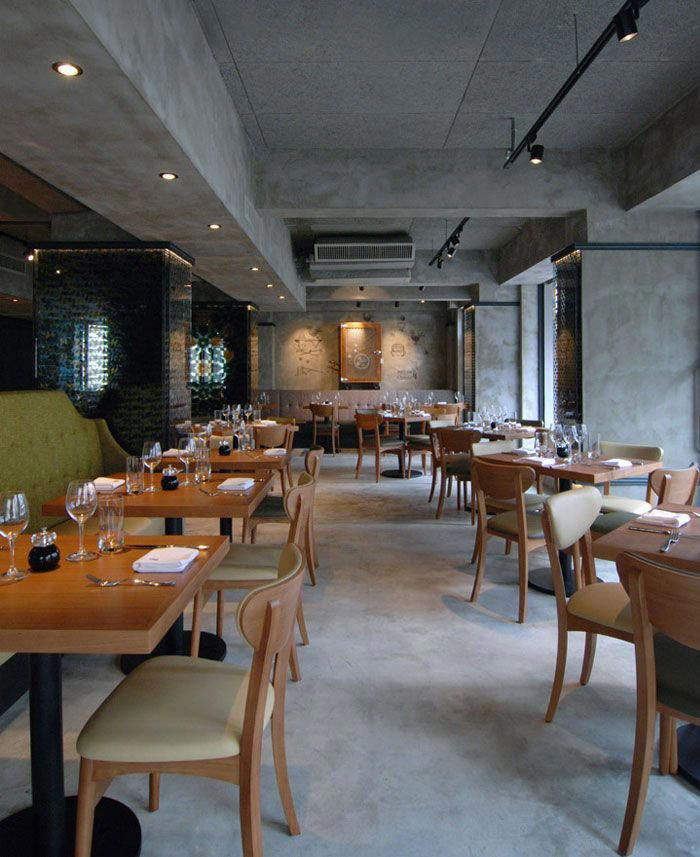
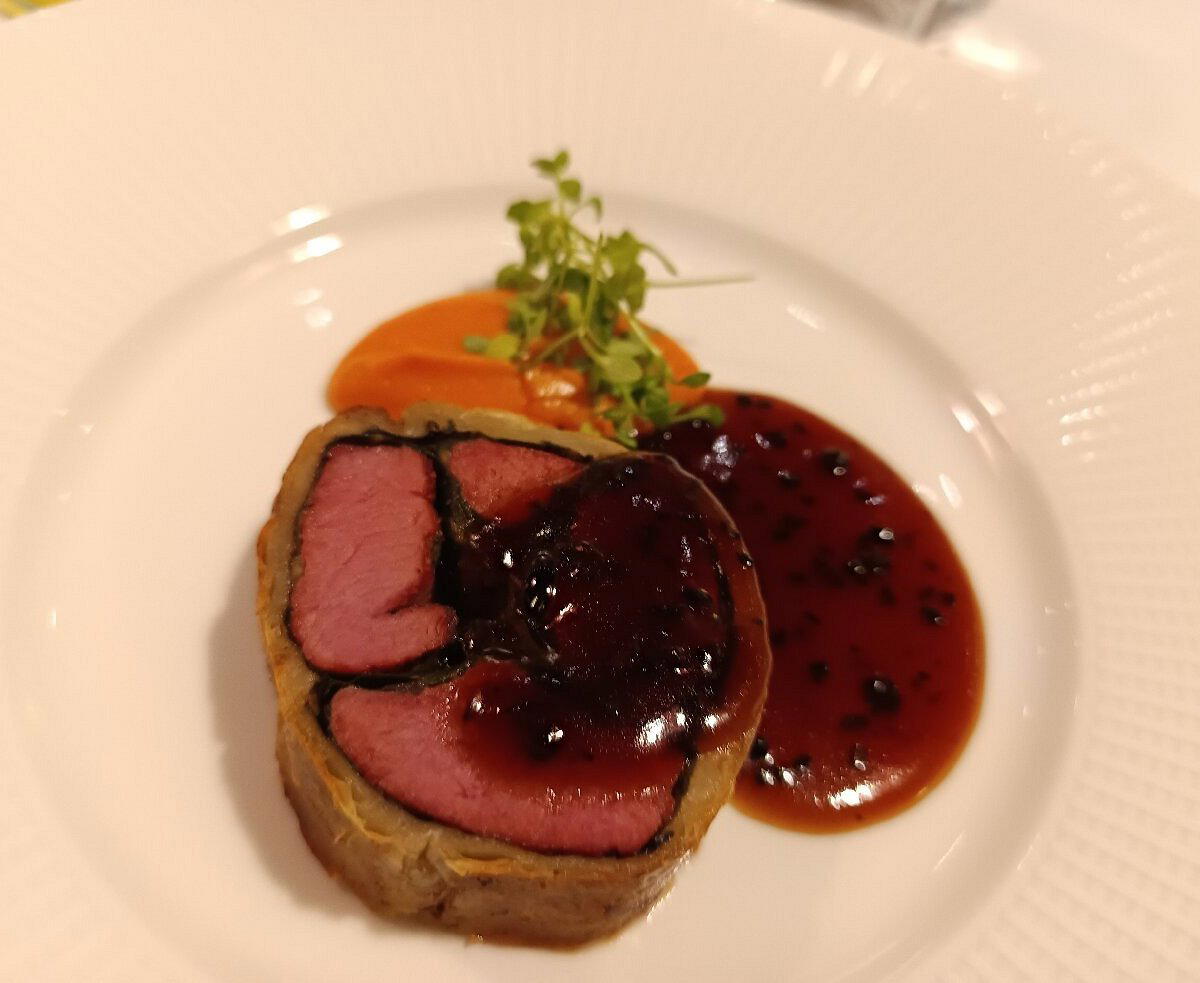
The hospitality details point toward a practical countryside winery rather than a luxury resort model. The setting includes a tasting room and shop, on-site parking, wheelchair-accessible features, outdoor space and payment by cash, credit card or debit card. Shipping is available, wine club membership is not part of the offer, and the overall feel remains closer to a working cellar than a destination restaurant. Food pairing is part of the experience, but the core draw remains wine education.
Planning in Fompedraza is easiest when the winery visit anchors the day and the rest of the itinerary is built around it. For dining before or after, use our full Fompedraza restaurants guide; for overnight options, our full Fompedraza hotels guide; for drinks beyond the cellar, our full Fompedraza bars guide; and for non-wine programming, our full Fompedraza experiences guide.
Where it fits in a Spain wine itinerary
The appeal here is specificity: Ribera del Duero DO, Tempranillo, family ownership, estate vineyards and a visit that connects visible land to cellar practice. Travellers building a broader Spanish wine map may pair the stop conceptually with 3 Ases Bodegas y Viñedos in Quintanilla De Arriba, Aalto Bodegas y Vinedos in Quintanilla De Onesimo Valladolid, Abadía Retuerta in Sardón de Duero, Abadia de Aribayos in Moraleja Del Vino, Abel Mendoza Monge in San Vicente de la Sonsierra, Acústic Celler in Els Guiamets and 4Kilos Vinícola in Felanitx. For a wider European counterpoint, file it alongside »der Steiner« Hans Steiner in Podersdorf am See and & Handwein in Mannheim, where local grape culture and small-scale hospitality tell different stories about place.
The editorial call is simple: this is a strong Ribera del Duero stop for travellers who want the land explained through Tempranillo. The visit works because the vineyards, production facility, barrel cellar and tasting room are part of one continuous lesson, not separate attractions stitched together for tourists.
Recognition history
Dated appearances from independent guides and award organizations, with the underlying list record or original source where available.
Falstaff Winery - 2 Stars
Falstaff
Continue exploring
More in Fompedraza
Wineries in Fompedraza
Browse all →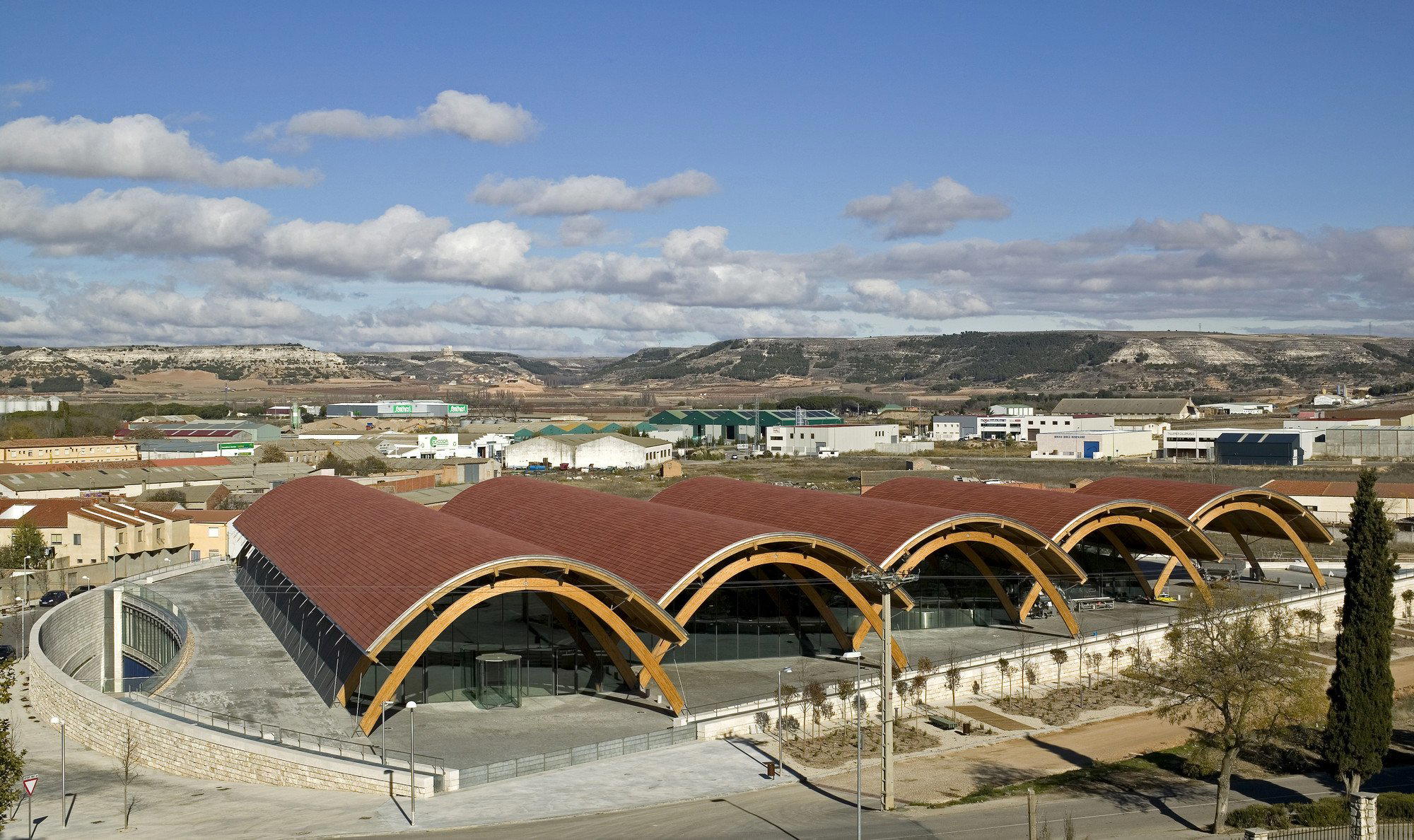
Restaurants in Fompedraza
Browse all →
At a Glance
- Rustic
- Scenic
- Classic
- Cozy
- Group Outing
- Wine Education
- Romantic Getaway
- Solo Exploration
- Special Occasion
- Family
- Vineyard Tour
- Estate Grounds
- Private Tasting
- Vineyard
- Ribera Del Duero DO
- Tempranillo
- Still Red
- Guided Tasting
- Tour And Tasting
- Private Group Tasting
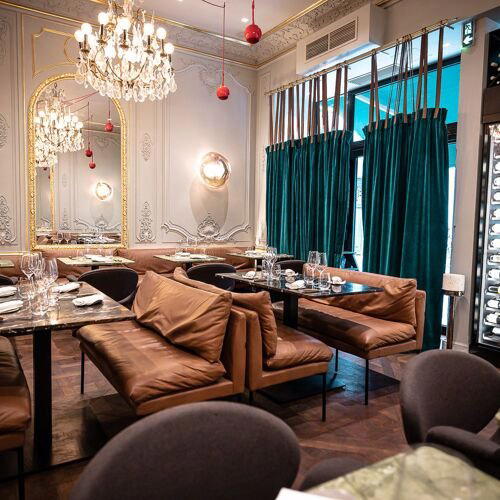
Working family winery in the Ribera del Duero countryside, with production areas and a dedicated tasting room that create a relaxed, educational atmosphere focused on the winemaking process and the surrounding vineyards.