Sweet Berry Farm
Sweet Berry Farm in Marble Falls sits at the intersection of Texas Hill Country agriculture and direct-to-visitor produce culture, where seasonal strawberry and sunflower harvests draw families from Austin and beyond. The farm operates as a working pick-your-own operation, placing it in a category of experience-driven agritourism that prioritizes provenance over polish. For a region better known for its lakes than its larder, it represents a grounded, field-level alternative to the Hill Country's winery circuit.
Pearl is the En Primeur Club membership app — saves, bookings, and concierge access live there. Same editors, same standards.
- Address
- 1801 FM1980, Marble Falls, TX 78654
- Phone
- +1 830 798 1462
- Website
- sweetberryfarm.com
- Directions
- Get directions
 Saves & bookings on Pearl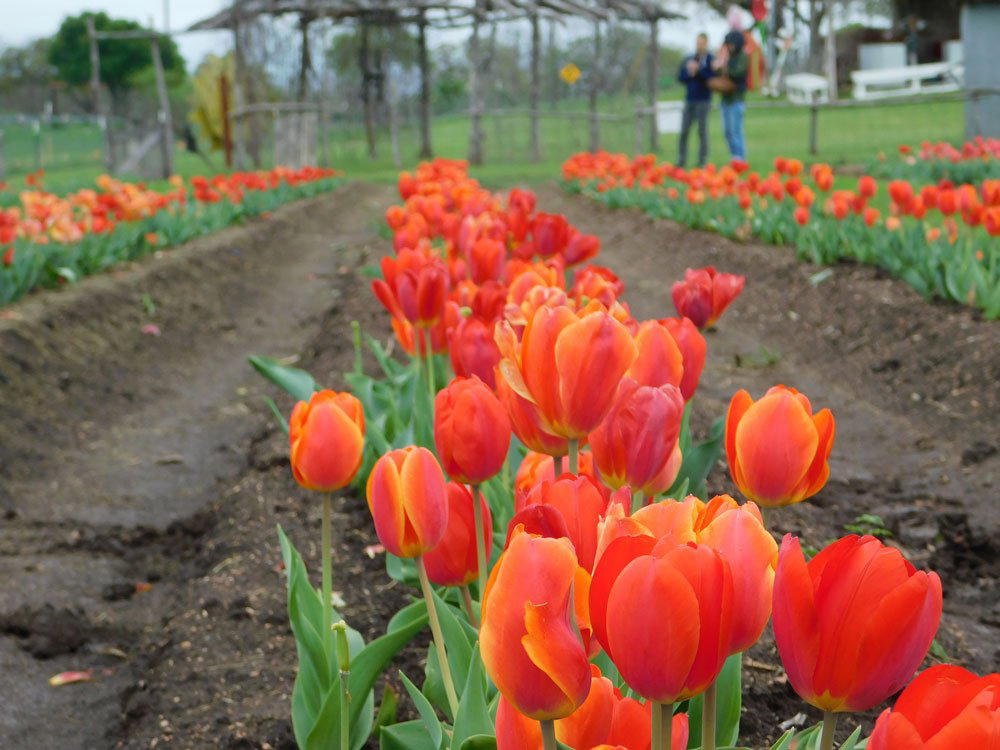
Field Level in the Hill Country
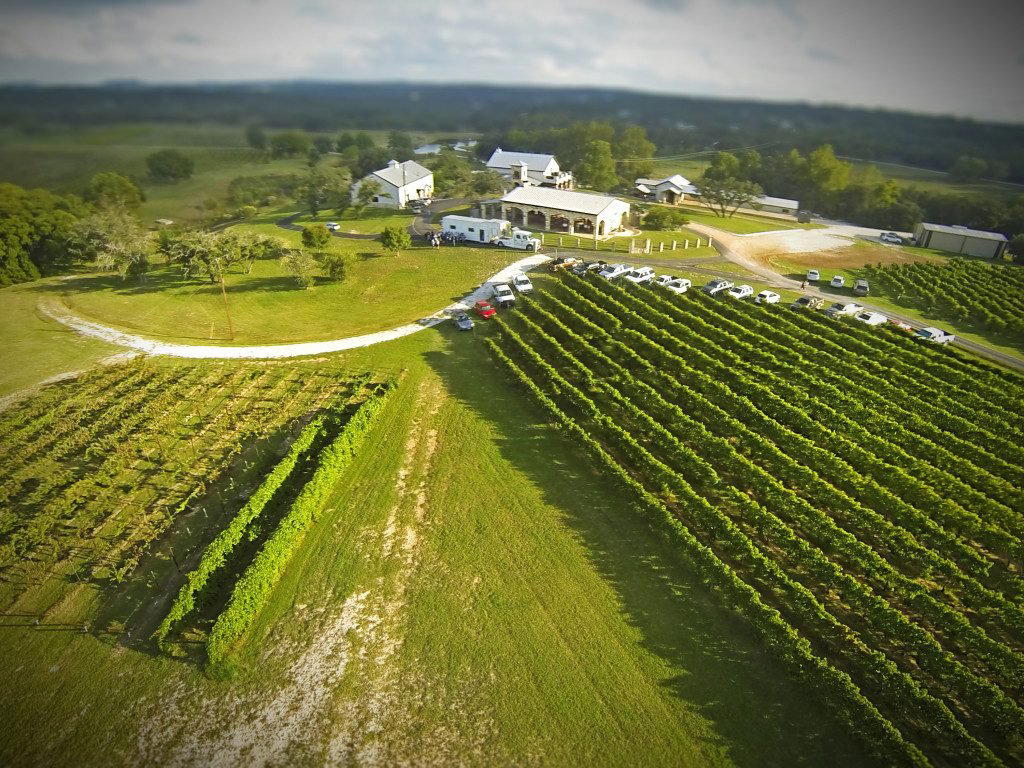
The approach to Sweet Berry Farm along FM 1980 outside Marble Falls reads like most working agricultural land in Burnet County: cedar breaks giving way to open pasture, the road flattening out before the farm's signage comes into view. What distinguishes the arrival is not architecture or landscaping but the scale of what's growing in the ground. Depending on the season, you are looking at strawberries in spring, sunflowers in summer, and pumpkins in autumn, crops planted not for ornament but for harvest, and harvested not by farm workers alone but by the visitors who show up with buckets and a willingness to spend time at ground level.
This model, pick-your-own agritourism, has a longer history in the American Midwest and Pacific Northwest than it does in Central Texas, where the Hill Country has historically oriented its visitor economy around wineries, distilleries, and lake recreation. Sweet Berry Farm occupies a different register entirely. Its authority comes from the soil and the calendar, not from tasting notes or weekend brunch menus. The experience is defined by what is ready, not by what the kitchen has prepared.
Why Provenance Is the Point
The farm-to-table movement that reshaped American fine dining over the past two decades has a complicated relationship with farms themselves. Restaurants like Blue Hill at Stone Barns in Tarrytown or Single Thread Farm in Healdsburg built their reputations on sourcing intimacy, the idea that knowing where food comes from changes how it tastes and what it means. Both operations maintain working farms attached to their dining programs, and both charge accordingly for the privilege of that proximity. The produce at Sweet Berry Farm reaches visitors through a more direct mechanism: you pick it yourself, the chain of custody is as short as it gets, and the price reflects a working farm's economics rather than a tasting menu's margin.
That directness is not a compromise. It is, in agricultural terms, the highest-fidelity version of provenance available. A strawberry eaten in the row where it was grown, still warm from the sun, has not traveled a supply chain. The same logic underpins the sourcing programs at places like Smyth in Chicago and Oyster Oyster in Washington, D.C., where seasonal availability and minimal intervention define the menu. At those counters, that philosophy is mediated through a kitchen. At Sweet Berry Farm, the mediation is removed entirely.
Seasonality as the Operating System
The Hill Country's climate runs warm and dry for much of the year, with a spring season that arrives earlier than much of the country and a summer that turns hard and hot by July. The restaurant's crop calendar reflects those conditions. Strawberries typically peak between February and April, making it one of the earlier pick-your-own strawberry operations accessible from Austin, roughly 50 miles to the east. Sunflowers follow in summer; pumpkins anchor the autumn program. Each season draws a different visitor demographic, and each requires the farm to function as both agricultural producer and public host simultaneously.
This seasonal discipline is not incidental. It is the mechanism that keeps the experience honest. Farms that operate on fixed retail calendars regardless of growing conditions tend to supplement with purchased produce when their own crops underperform. Operations that tie their visitor offering directly to what is actually growing in the ground do not have that option. The seasonality is structural, not aesthetic, a constraint that functions as a quality signal in the same way that a fixed-format tasting menu at a place like The French Laundry in Napa or Addison in San Diego signals confidence in a defined program over the flexibility of an à la carte list.
Agritourism in Texas Hill Country Context
Burnet County sits in a part of Texas that has absorbed significant visitor growth over the past decade, driven largely by the expansion of Lake LBJ and Lake Marble Falls as weekend destinations and by the proliferation of Hill Country wineries that now number well into the dozens. That growth has raised land values and shifted the region's economic identity from ranching-and-agriculture to hospitality-and-recreation. The restaurant operates against that backdrop as a relatively grounded proposition: the land is used for what agricultural land does, and visitors are invited to participate in that use rather than consume a hospitality product built on top of it.
The comparison set for the restaurant is not Le Bernardin in New York City or Atomix in New York City. It is also not the Hill Country winery circuit. Its closest analogues are working pick-your-own operations like those found in Central California or the mid-Atlantic, farms where the product is the produce and the experience is the act of harvesting it. Within Texas, that comparable set is thin, which gives the restaurant a position that is less about competitive differentiation and more about category scarcity. There are not many operations of this type within range of Austin or San Antonio.
For context on how farm-integrated dining concepts handle the sourcing question at a higher price point, Bacchanalia in Atlanta and Frasca Food & Wine in Boulder both build seasonal sourcing into their program with care. Lazy Bear in San Francisco and Providence in Los Angeles represent the California end of that spectrum. ITAMAE in Miami, Emeril's in New Orleans, The Wolf's Tailor in Denver, and The Inn at Little Washington each occupy a different position on the sourcing-to-experience axis, but all share the conviction that origin matters. The restaurant makes that conviction literal.
Planning Your Visit
The farm sits at 1801 FM 1980, Marble Falls, TX 78654, in the western part of Burnet County. Marble Falls is accessible from Austin in roughly an hour by car via US-183 South and TX-71 West, making it a viable day trip rather than an overnight. Visitors should confirm which crops are active before making the drive, as the pick-your-own availability changes with the season and with annual growing conditions. Spring visits timed to the strawberry harvest represent one consistent draw, but the sunflower season in early summer has expanded the farm's audience considerably in recent years. Bringing cash, sunscreen, and closed-toe shoes are practical baselines for any agricultural visit of this type; the ground is uneven and the Central Texas sun is not negotiable from April onward. Atelier Moessmer Norbert Niederkofler in Brunico represents the European end of the farm-rooted dining spectrum, for context on how deeply the sourcing-first philosophy extends internationally.
Quick Comparison
Comparable venues nearby, for context on price, style, and recognition.
| Venue | Cuisine | Price | Notes |
|---|---|---|---|
| Sweet Berry FarmThis venue — the venue you are viewing | Farm-to-Table Pick-Your-Own | $ | Not listed |
| Curcuma | Ayurveda-Inspired Plant-Based | $$ | Holly |
| Brindles | Handcrafted Ice Cream & Gelato | $ | Northwest |
| OKO | Modern Filipino Fusion | $$$ | Red River District |
| First Light Books | Dining | Not listed | Austin |
| Freda's Seafood Grill | Southern-Style Seafood & Steak | $$ | Northwest Austin |
Continue exploring
More in Marble Falls
Restaurants in Marble Falls
Browse all →
Bars in Marble Falls
Browse all →
Hotels in Marble Falls
Browse all →
At a Glance
- Rustic
- Whimsical
- Family
- Group Dining
- Casual Hangout
- Garden
- Live Music
- Farm To Table
- Organic
Current opening hours
- Monday
- 9 AM–5 PM
- Tuesday
- Closed
- Wednesday
- Closed
- Thursday
- 9 AM–5 PM
- Friday
- 9 AM–5 PM
- Saturday
- 9 AM–5 PM
- Sunday
- 9 AM–5 PM
Hours can change for holidays and private events. Last verified .
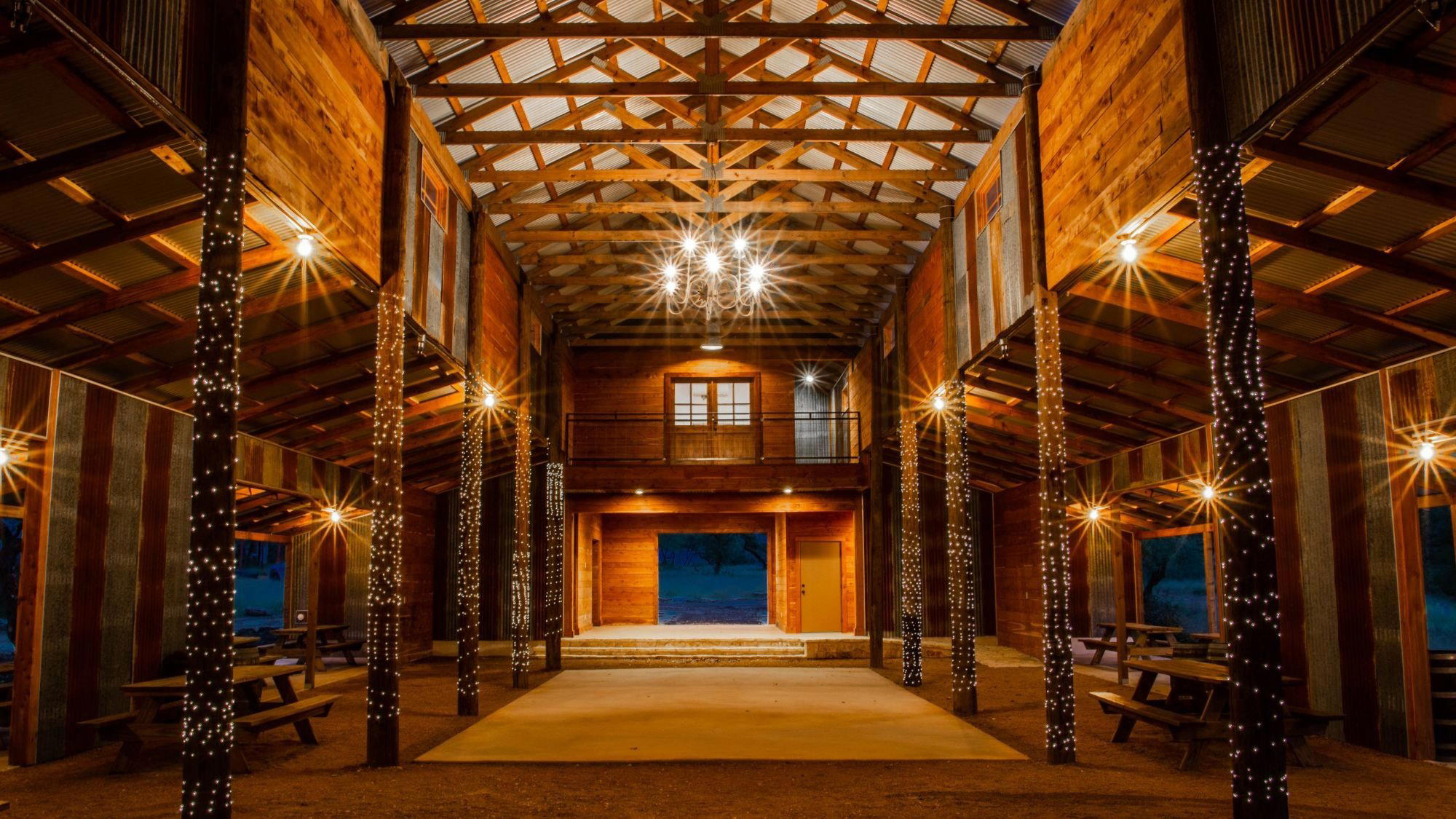
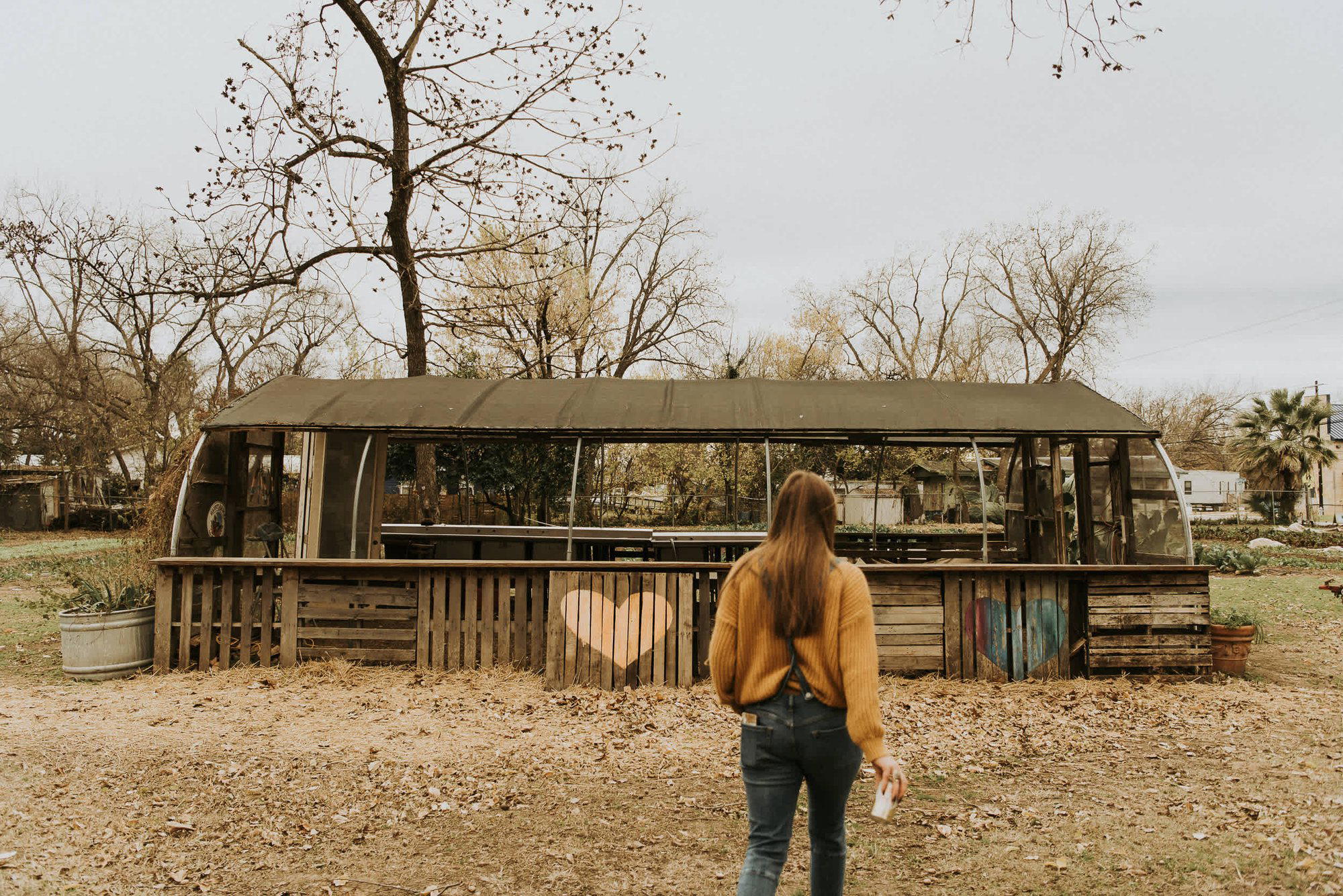
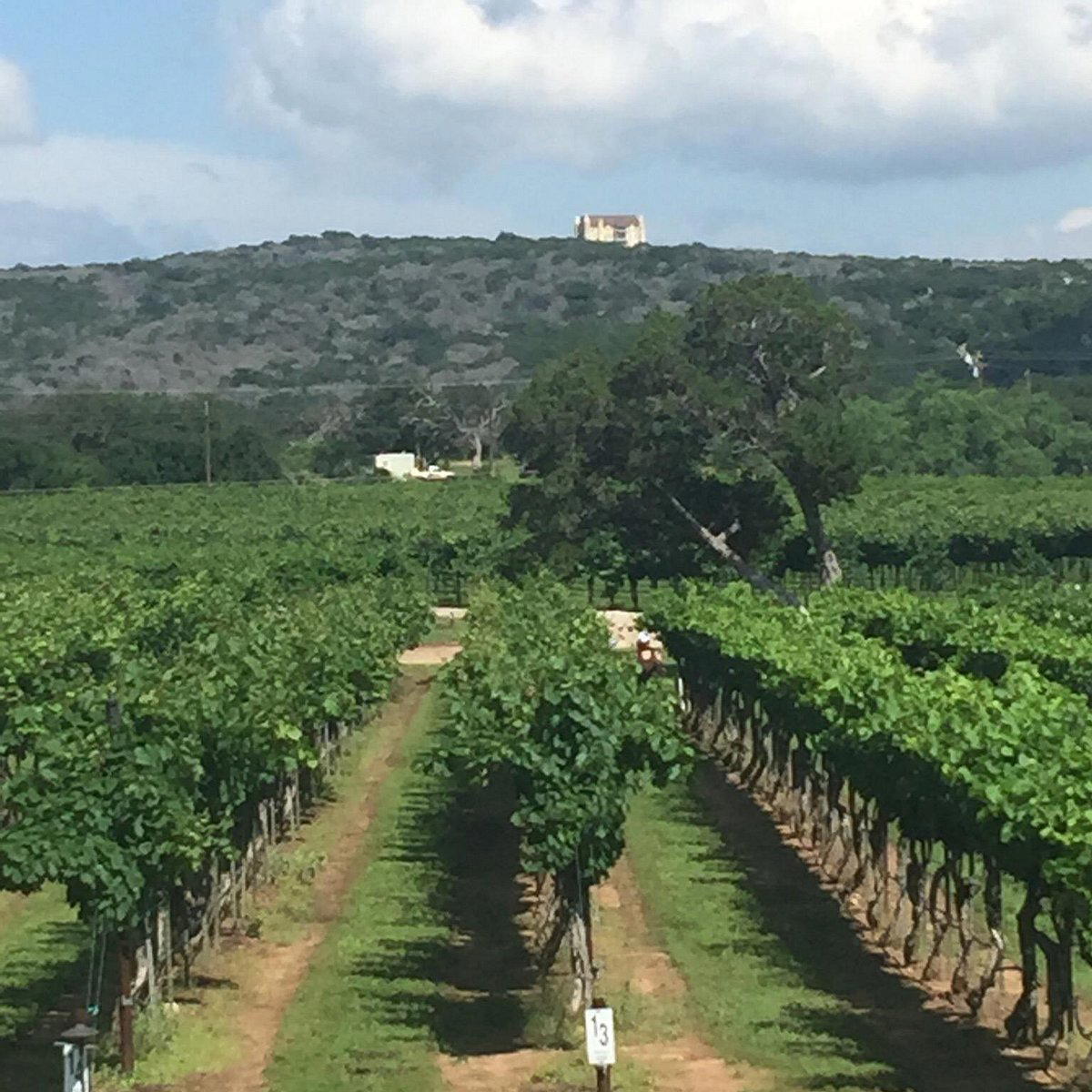
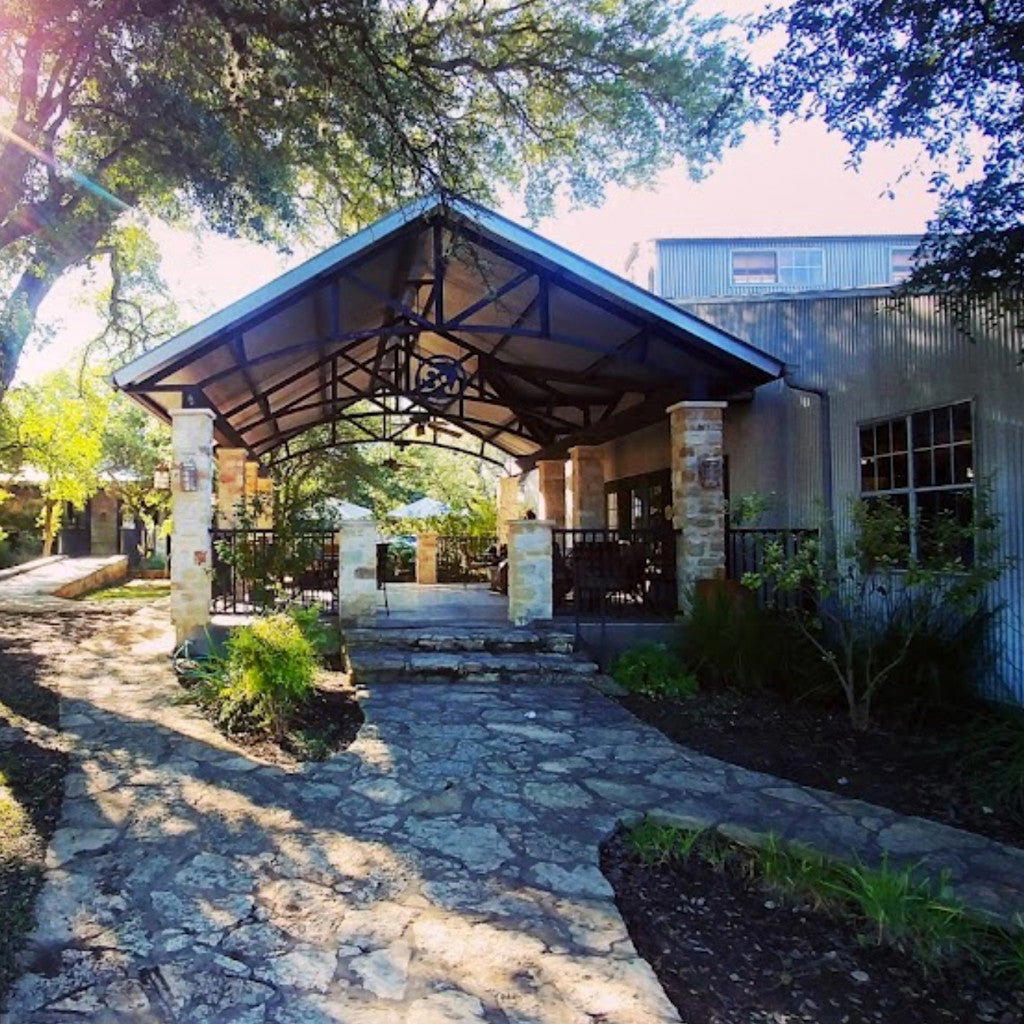
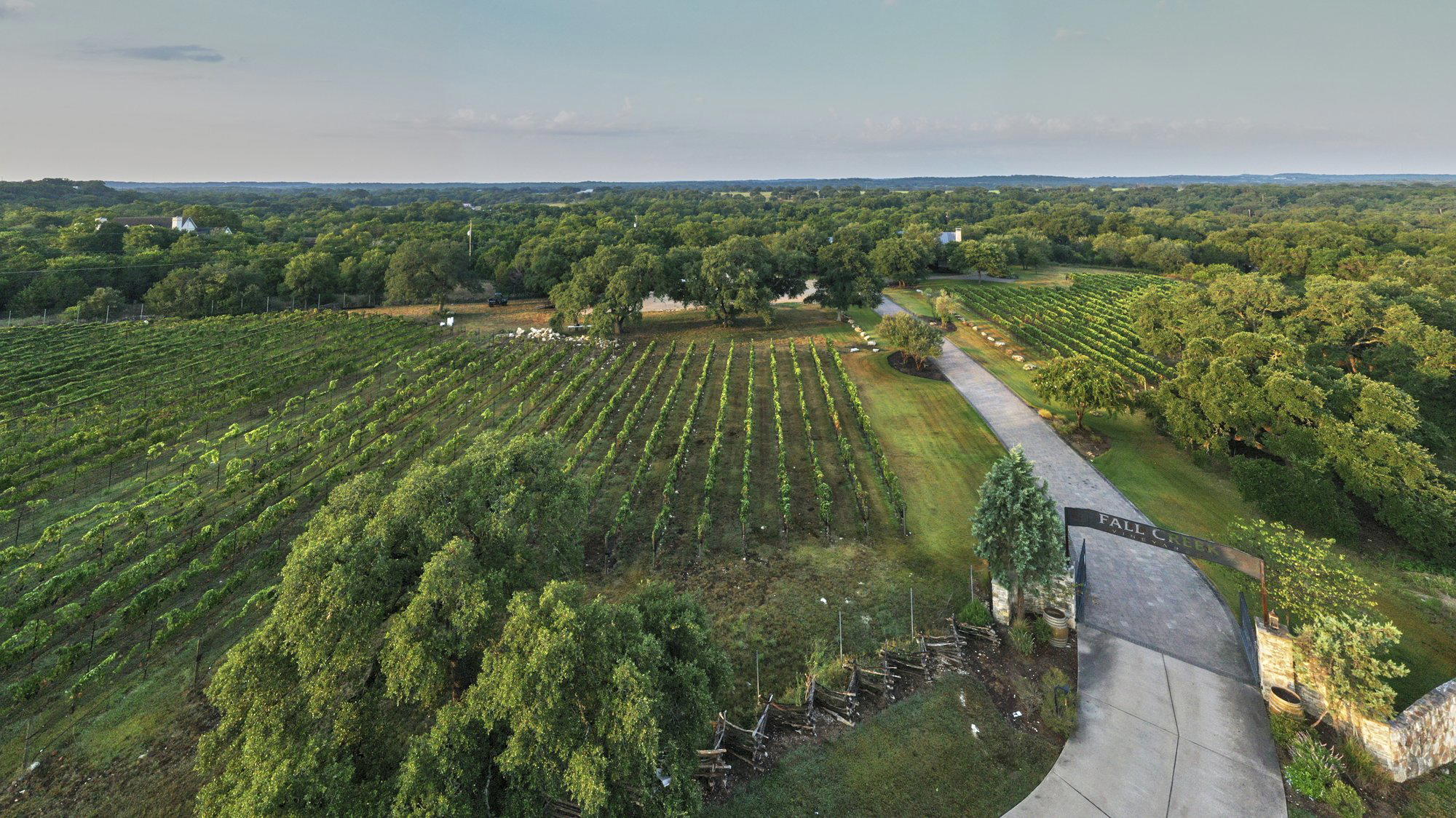
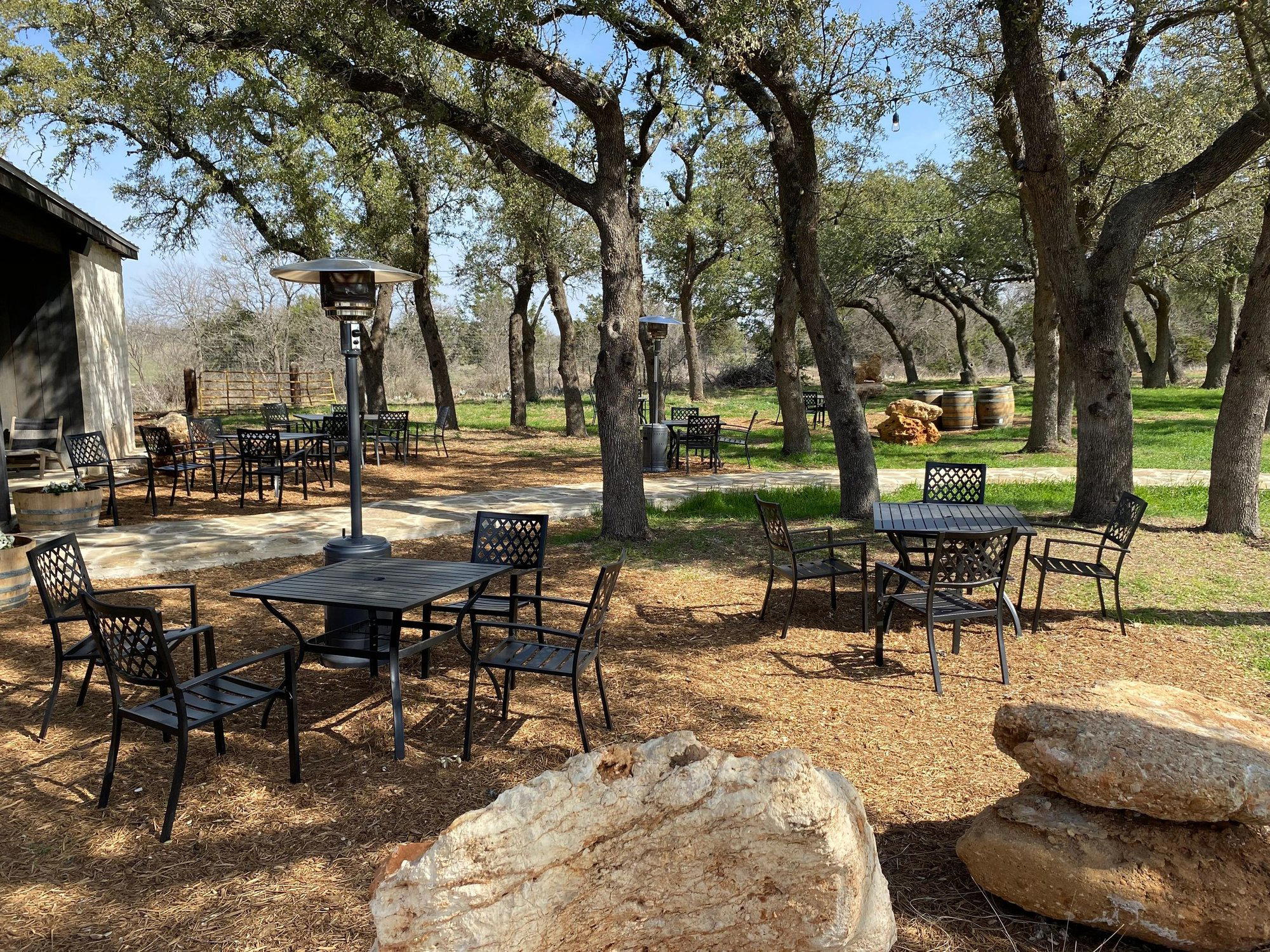
Open-air farm setting with natural daylight, casual and welcoming atmosphere designed for families and groups exploring fields and participating in outdoor activities.