Bénédicte et Stéphane Tissot

Bénédicte et Stéphane Tissot is a Jura grower estate in Montigny-lès-Arsures, shaped by biodynamic farming, limestone soils and a broad reading of Arbois tradition. The draw is not a polished château script but a serious working-domaine lens on Savagnin, Chardonnay, Trousseau, Poulsard and Pinot Noir, from oxidative whites and Vin Jaune to pét-nat, amphora and carbonic red styles.
Pearl is the En Primeur Club membership app — saves, bookings, and concierge access live there. Same editors, same standards.
- Address
- Montigny-lès-Arsures, Bourgogne-Franche-Comté, Frankreich
- Directions
- Get directions
 Saves & bookings on Pearl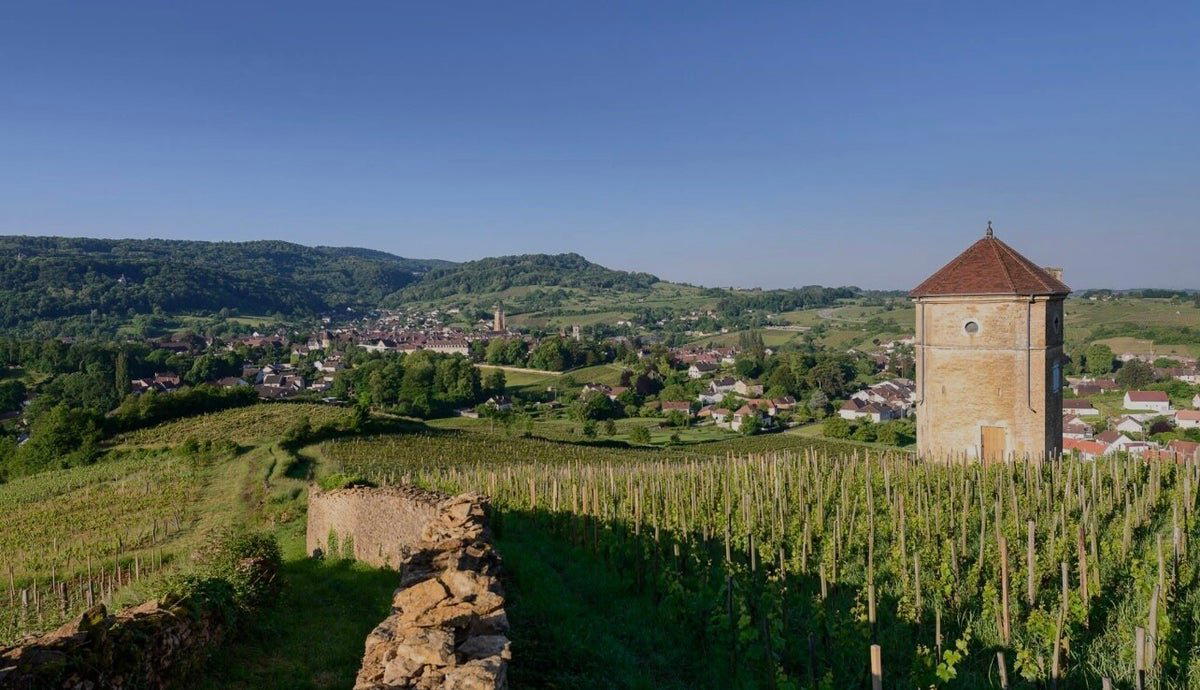
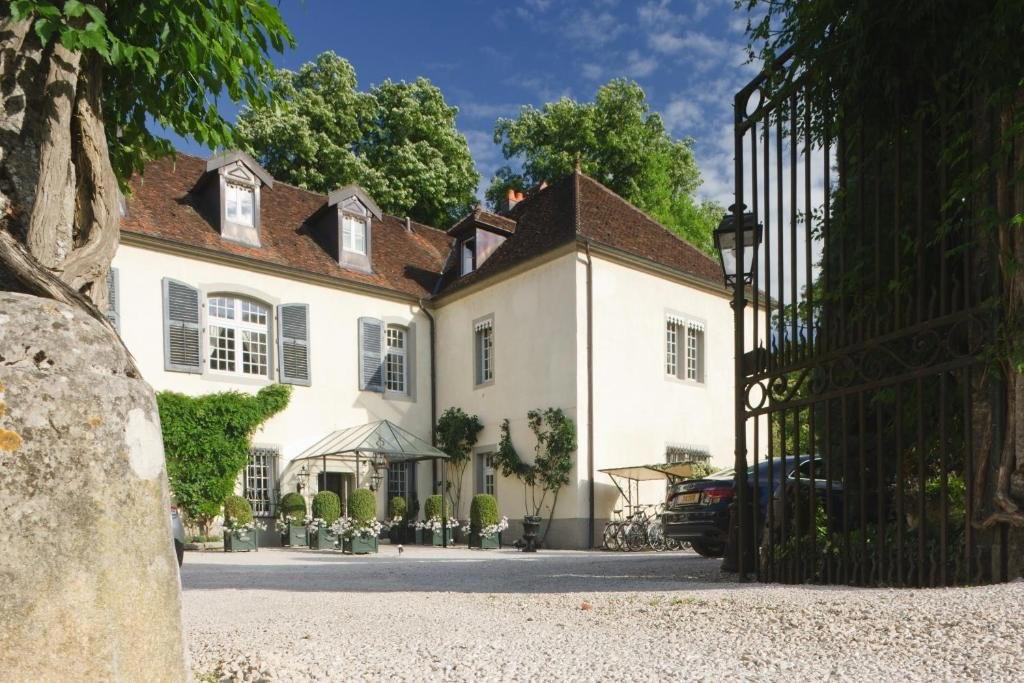
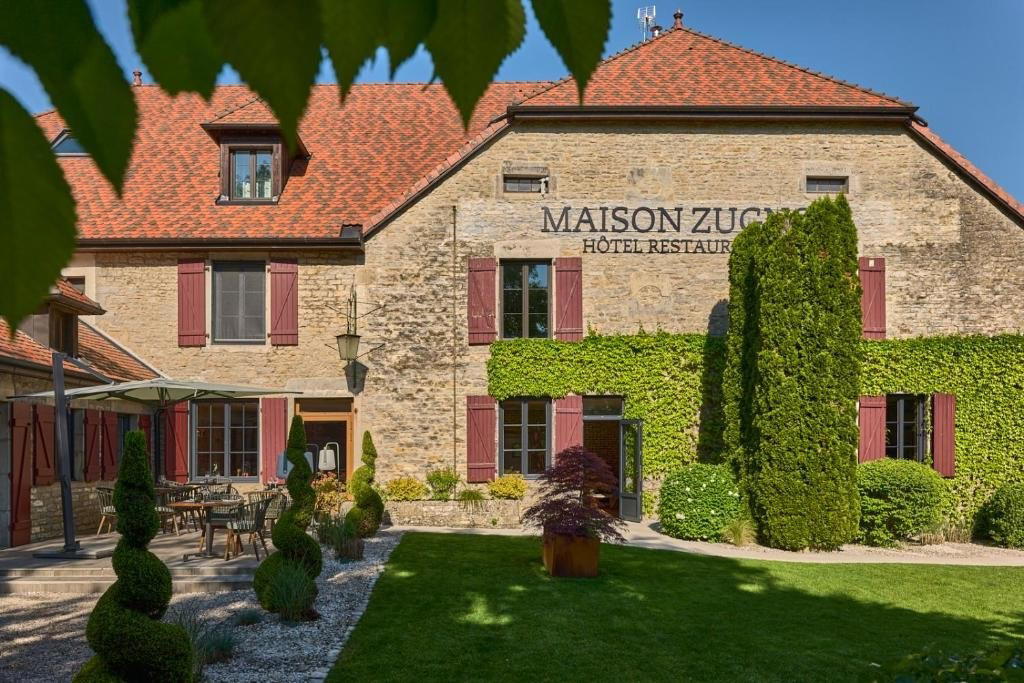
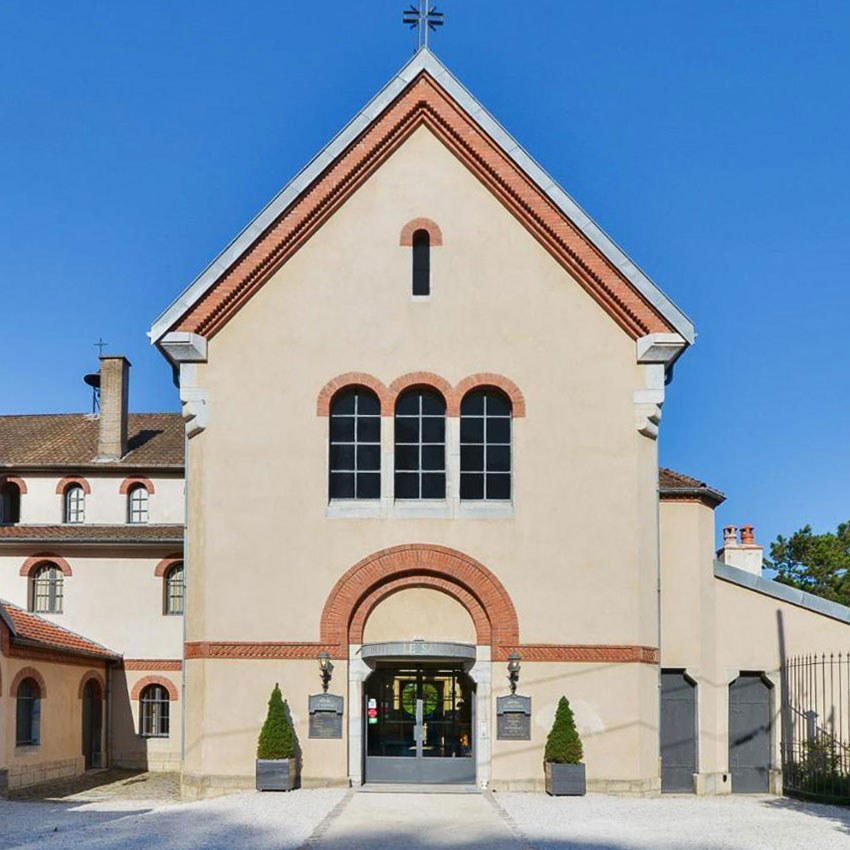
Montigny Les Arsures frames Bénédicte et Stéphane Tissot as a Jura grower-estate rather than a conventional hospitality stop. The picture is of a working vineyard-and-cellar environment focused on terroir and craftsmanship, where biodynamic, low-intervention winemaking sits alongside traditional oxidative styles and experimental cuvées such as pét-nat. That distinction matters for how the address should be approached: the interest is not built around a dining room, a cocktail programme or a hotel stay, but around the character of a wine estate whose meaning comes from land, cellar and method.
For broader trip planning in the area, EP Club treats Bénédicte et Stéphane Tissot as a wine-focused Montigny Les Arsures address. The essential point is simple: this is a Jura estate experience, not a restaurant, bar or hotel listing. In editorial terms, that keeps the focus narrow but useful. The reason to place it on a route is the estate identity itself, and the way it expresses Jura through vineyard work, cellar choices and a balance between inherited regional styles and more exploratory bottlings.
Terroir and Jura estate craft
The confirmed appeal of Bénédicte et Stéphane Tissot lies in its grower-estate atmosphere and its emphasis on terroir. Rather than relying on a single hospitality hook, the estate is best understood through the combination of vineyards, cellars and hands-on craft that defines its identity. The word terroir is doing real work here: it points less to a marketing mood than to the idea that site, farming and cellar decisions are inseparable from the final expression of the wines.
That is why the estate reads differently from a generic wine stop. A grower-estate setting suggests continuity between the place where grapes are cultivated and the place where the wines take shape. EP Club’s interest is in that through-line: the sense that the visit, or even the listing, is anchored by production rather than service theatre. The atmosphere is therefore practical and craft-led, with the vineyard-and-cellar context giving the address its weight.
The estate is presented within the wider language of Jura wine, including traditional oxidative styles. At the same time, the description also points to low-intervention work and experimental cuvées such as pét-nat, so the experience should be read as both traditional and exploratory rather than one-dimensional. This duality is central to the appeal. The traditional side connects the estate to Jura’s established wine vocabulary, while the experimental side signals a willingness to work with forms that feel more immediate, less fixed and more open-ended.
Biodynamic farming as a production choice, not a slogan
Biodynamic practice is part of the identity of the winery. The important editorial distinction is that this is not merely a decorative label in the guide: it belongs to a working-estate setting where vineyards and cellar work are central to the experience. In that context, biodynamics is best read as a production choice embedded in the estate’s broader approach to farming, craft and low-intervention winemaking, rather than as a stand-alone claim detached from the wines themselves.
This matters because the listing is not trying to turn the estate into a lifestyle concept. The emphasis stays on how the place works: vineyards first, cellar second, wine as the outcome of both. Biodynamic and low-intervention language can be overused in hospitality writing, but here it is tied to a clearly wine-led address, which gives it a more concrete editorial role. It helps explain the estate’s identity without replacing the more important questions of terroir, tradition and craft.
The cellar identity is similarly grounded in contrast. Traditional oxidative styles coexist with experimental bottlings, including pét-nat, within a low-intervention framework. Beyond that, EP Club does not verify specific vineyard area, grape list, production volume, founding chronology, certifications or tasting formats. That restraint is intentional: the value of the listing comes from what can be stated confidently, not from filling gaps with unsupported detail. The picture is already distinctive enough, built around a Jura estate whose language is at once regional, hands-on and exploratory.
How to read the visit
Read the winery as a serious Jura wine-estate address in Montigny Les Arsures. The atmosphere is authentic, craft-led and tied to working vineyards and cellars. It is best approached with that frame in mind: not as a broad hospitality venue, but as a place whose appeal depends on wine culture, production context and the particular texture of Jura winemaking.
The price level is listed as $$$. In practical terms, that positions the venue as a premium wine-focused stop, but the stronger reason to care is the estate’s combination of terroir focus, biodynamic and low-intervention work, traditional oxidative styles and experimental cuvées such as pét-nat. The premium signal is therefore secondary to the more meaningful editorial signal: this is an address for readers who are interested in how a Jura grower-estate can hold tradition and experimentation in the same frame.
For EP Club readers comparing options in Montigny Les Arsures, the winery stands on its strengths: a working Jura grower-estate atmosphere, a focus on craft, and a cellar identity that connects regional tradition with experimentation. Its role in a trip is clear and specific. It belongs on the wine side of the itinerary, where the draw is not generalized hospitality but the encounter with a producer identity shaped by terroir, biodynamic practice, low-intervention choices and the particular expressive range of Jura wine.
Recognition history
Dated appearances from independent guides and award organizations, with the underlying list record or original source where available.
Falstaff Winery - Listed
Falstaff
Continue exploring
More in Montigny Les Arsures
Wineries in Montigny Les Arsures
Browse all →
Restaurants in Montigny Les Arsures
Browse all →
At a Glance
- Rustic
- Classic
- Scenic
- Well Known
- Sophisticated
- Cozy
- Wine Education
- Group Outing
- Solo Exploration
- Special Occasion
- Romantic Getaway
- Estate Grounds
- Vineyard Tour
- Barrel Room
- Private Tasting
- Biodynamic
- Organic
- Sustainable
- Vineyard
- Arbois Aoc; Côtes Du Jura AOC
- Chardonnay
- Savagnin
- Trousseau
- Poulsard
- Pinot Noir
- Still Red
- Still White
- Sparkling
- Dessert
- Fortified
- Pet Nat
- Amphora
- Skin Contact
- Estate Tasting
- Vineyard Focused Tasting
- Vertical Tasting
- Sparkling Focused Tasting
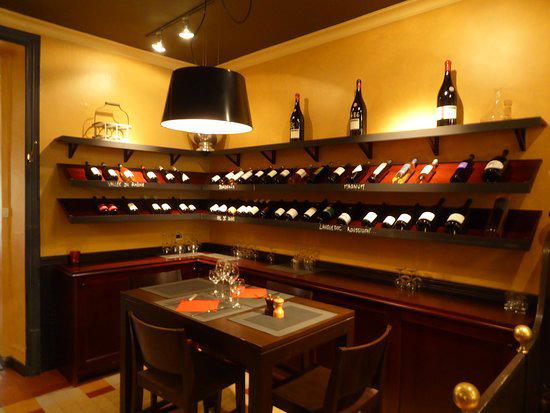
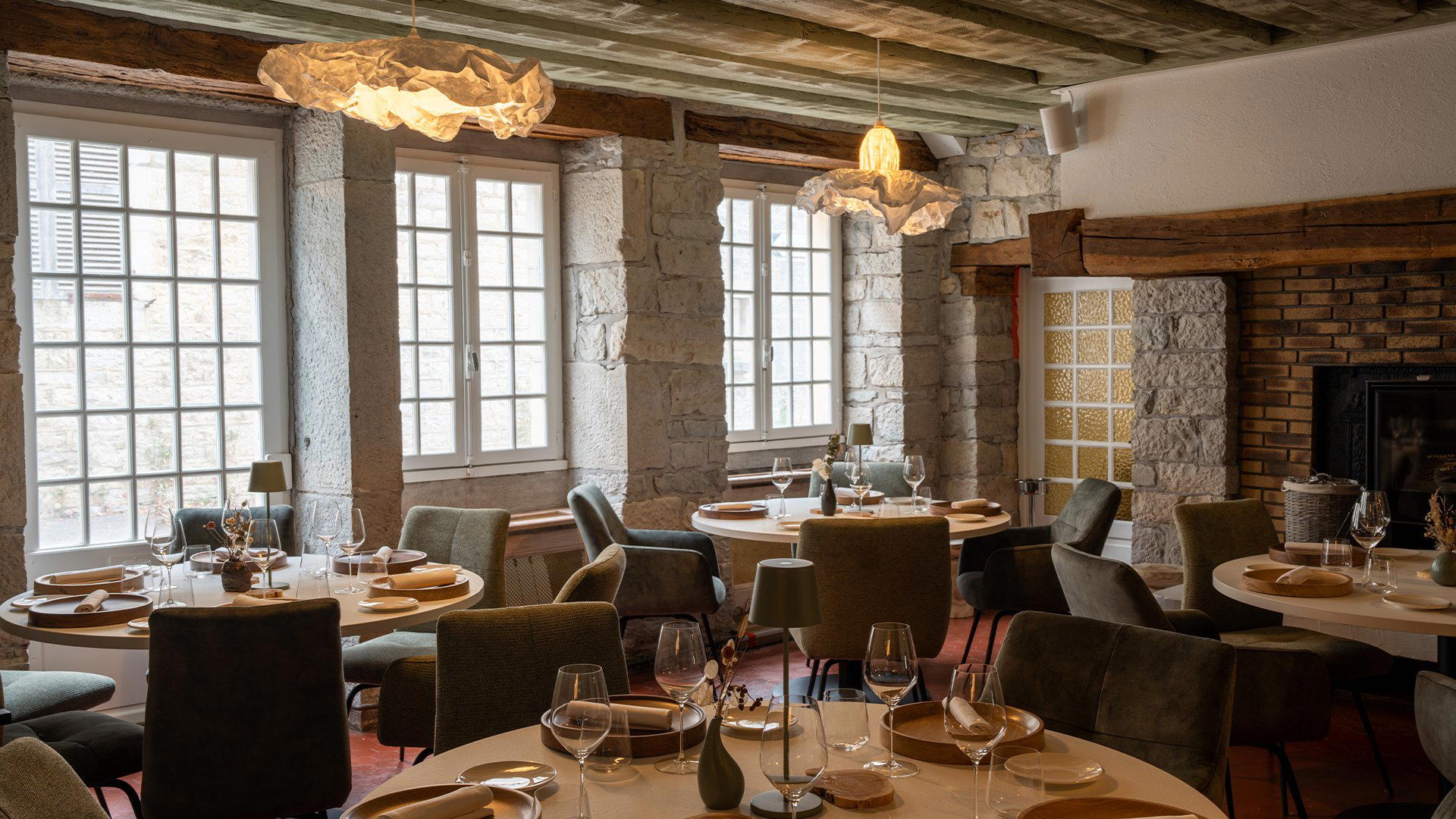
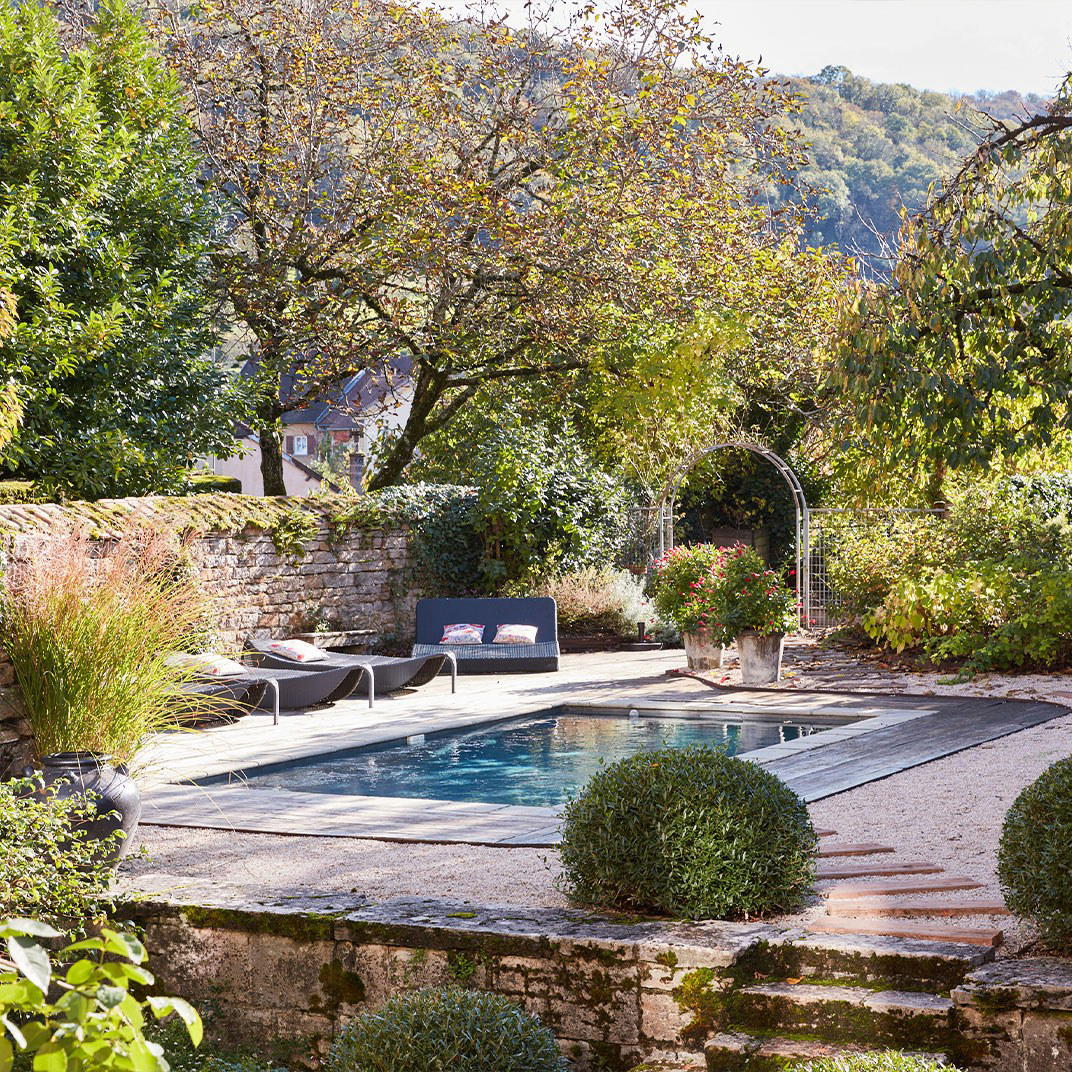
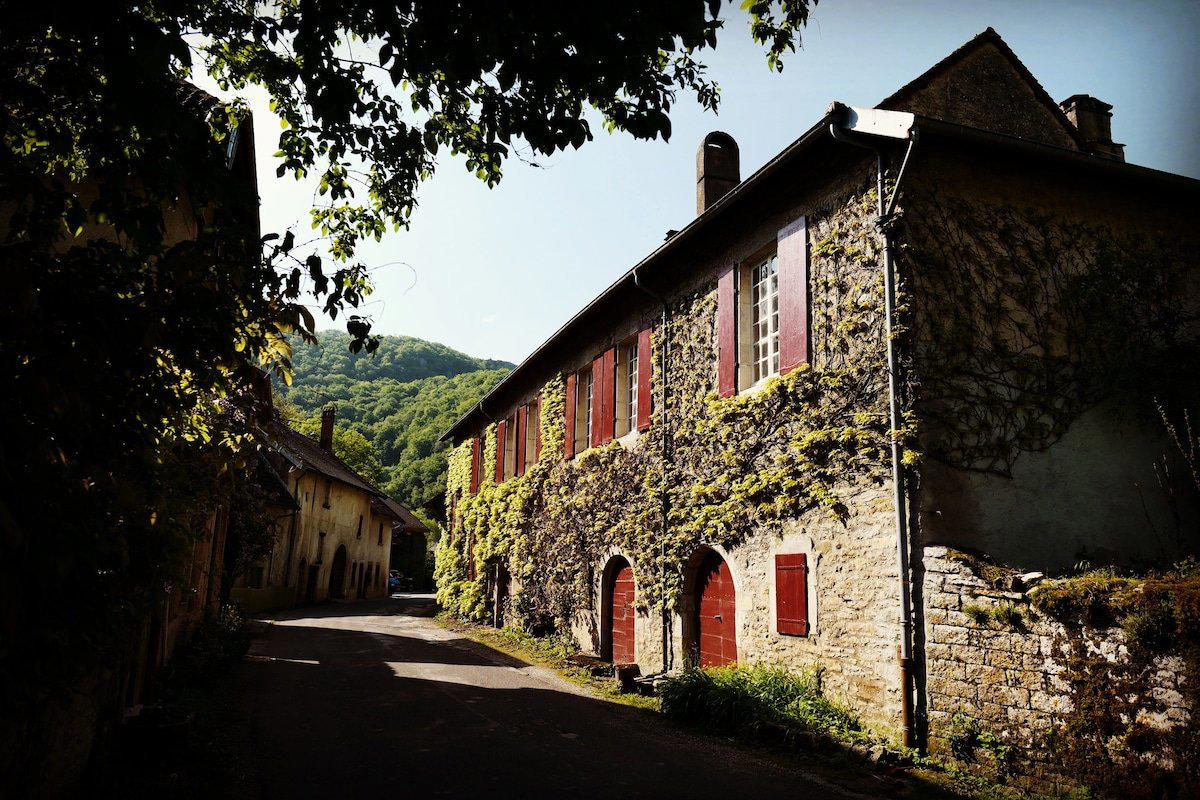
An authentic Jura grower-estate atmosphere focused on terroir and craftsmanship, with working vineyards and cellars where biodynamic, low-intervention winemaking and traditional oxidative styles coexist with experimental cuvées like pét-nats and amphora-aged wines.