
Falstaff Winery - Listed
Les Dolomies is a small Jura domaine in Passenans shaped by marl, limestone and low-yield farming rather than visitor polish. Céline and Steve Gormally work certified-organic, biodynamic vineyards across multiple villages, producing site-led Chardonnay, Savagnin, Pinot Noir, Trousseau and Poulsard under Vin de France.

Pearl is the En Primeur Club membership app — saves, bookings, and concierge access live there. Same editors, same standards.
- Address
- Passenans, Bourgogne-Franche-Comté, Frankreich
- Directions
- Get directions

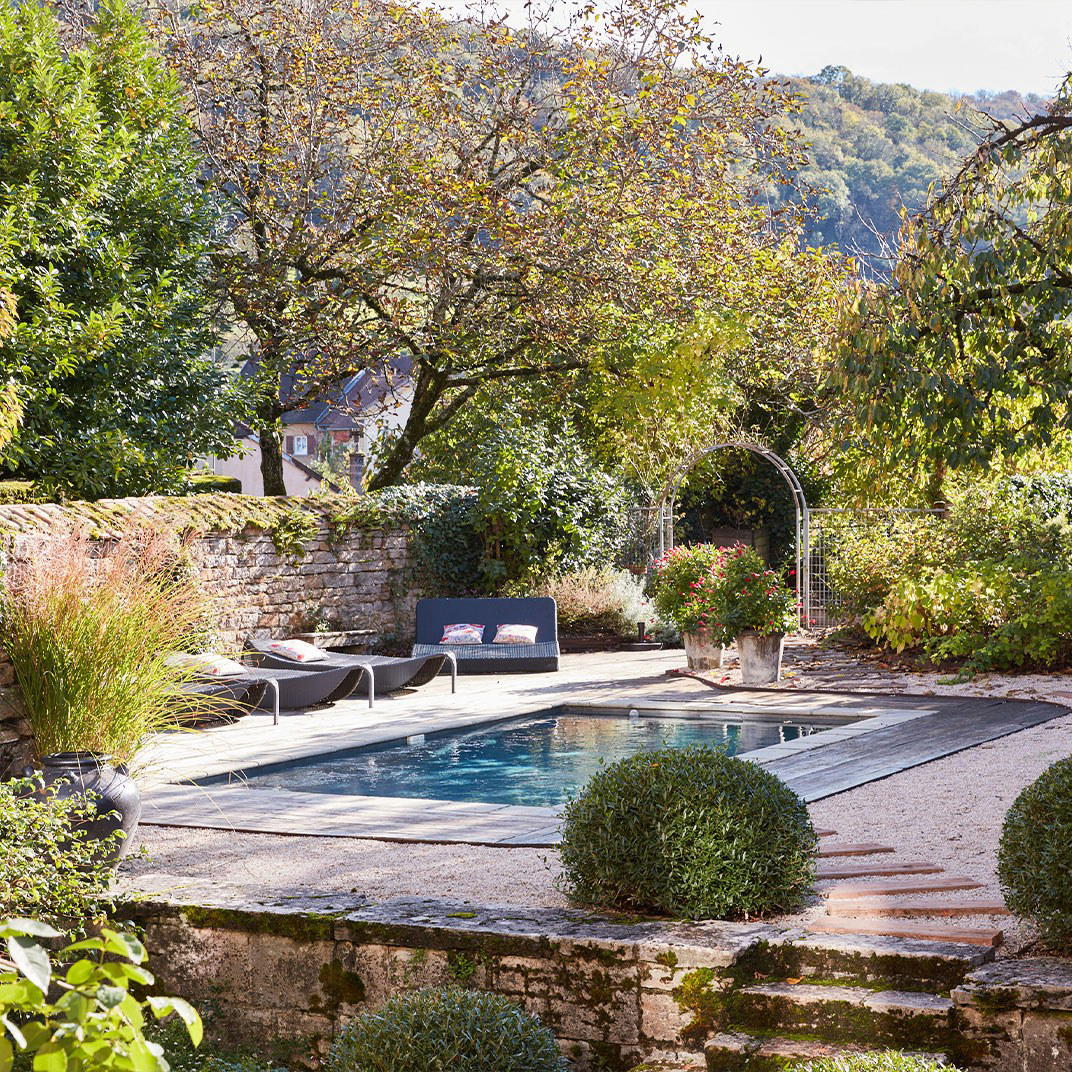
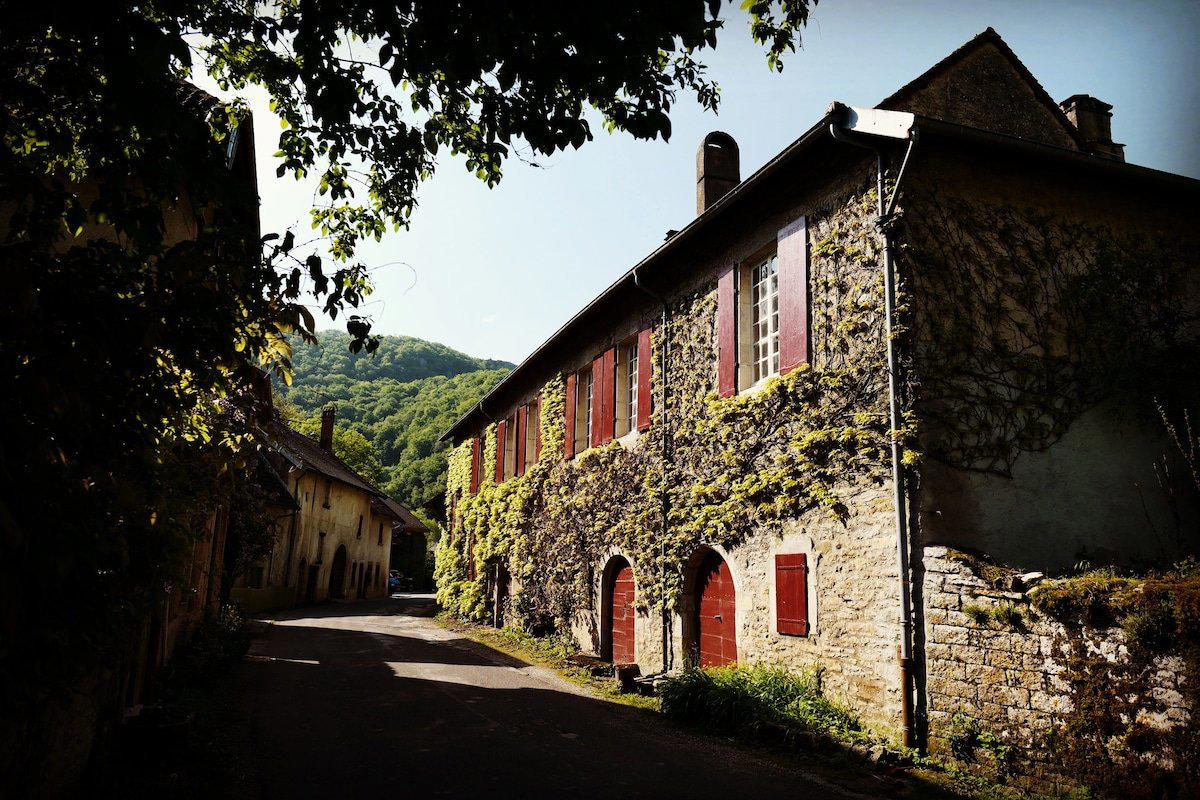
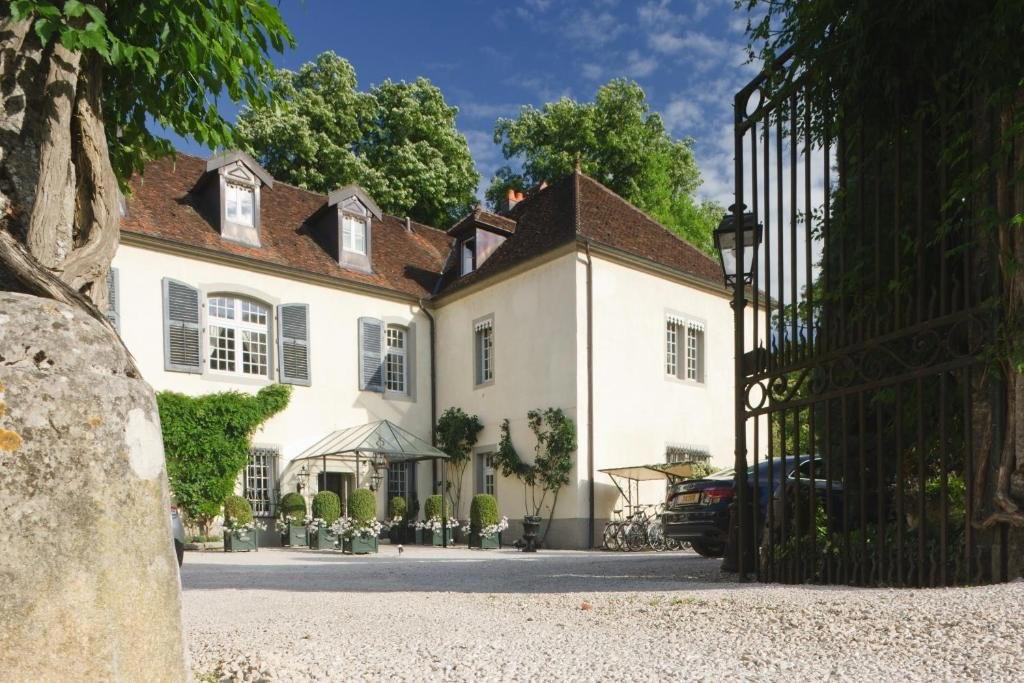
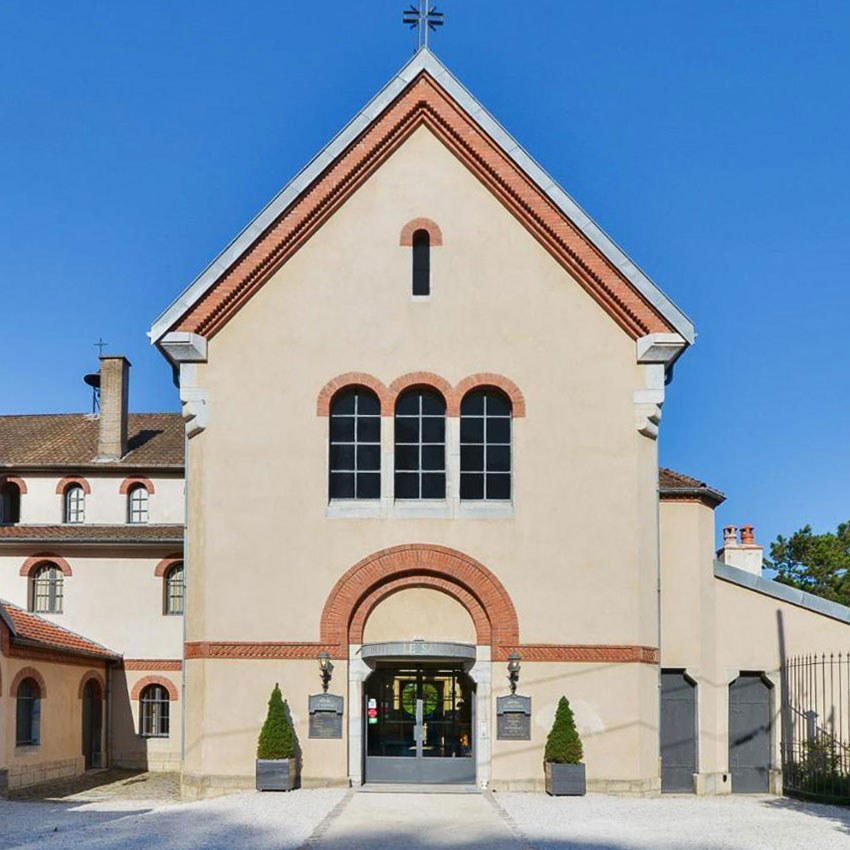
Approaching Les Dolomies in Passenans means setting expectations around scale and atmosphere rather than polished visitor infrastructure. The picture is of a small, rural Jura domaine run by a couple who live above their cellar, with a modest, hands-on farm feel. Its appeal is tied to vines, land and family more than to formal hospitality theatre, so the first impression should be read through that lens: close to the ground, personal in scale, and shaped by the rhythms of a working place rather than by a scripted visitor circuit.
For travelers, that makes Les Dolomies best understood as a rustic, scenic and intimate address in Passenans. It is the kind of stop that asks for a slower, more observant approach, where the setting and the sense of proximity to the people behind the domaine are as important as any conventional tasting-room checklist.
Marl, limestone and the small-parcel Jura grammar
Les Dolomies sits in Passenans, in a Jura context where the landscape and the work of the vines shape the tone of the experience. The grounded appeal here is not an invented list of technical credentials, but the sense of a rural domaine closely connected to its land. In a place like this, the surrounding village and vineyard context do much of the atmospheric work, giving the visit a feeling of being embedded in local terrain rather than detached from it.
Visitors interested in those details should treat them as questions to ask the domaine directly rather than as confirmed facts. That restraint matters, because the value of Les Dolomies as presented here lies less in a catalogue of specifications than in the clarity of its rural identity. The absence of a heavily documented visitor profile should not be turned into imaginary detail; it should simply guide expectations.
What can be said with confidence is simpler: Les Dolomies is positioned as a hidden-gem Jura stop with a hands-on, farm-centered character. It is better suited to travelers who value quiet rural atmosphere and a close connection to place than to those looking for a highly staged wine-tourism experience. The emphasis falls on modesty, setting and contact with the land, which makes the domaine appealing for visitors who enjoy small addresses precisely because they are not overproduced.
Farm life, not a polished tasting circuit
The description of Les Dolomies emphasizes the people and setting: a couple living above their cellar, a modest farm atmosphere, and an experience focused on vines, land and family. That gives the domaine a personal, practical feel rather than a luxury showroom identity. The idea is not of a venue built primarily around presentation, but of a place where domestic life, cellar work and vineyard life appear closely joined.
Specific claims about certifications, animals, yields, vineyard work, cellar practices or appointment procedures are not part of the public record provided here. The more reliable way to frame the venue is as rustic, intimate and scenic, with a rural Jura sensibility. That means visitors should avoid arriving with assumptions borrowed from larger wine regions or more formal estates. Les Dolomies reads more naturally as a small-scale address where the charm is in the closeness of the setting and the unforced character of the visit.
For a wider local plan, consider Les Dolomies alongside other dining or travel options in Passenans generically, while keeping expectations grounded: this is a modest rural domaine, not a confirmed full-service visitor facility. It can make sense as part of a day shaped around the area rather than as a stand-alone spectacle, especially for travelers who are comfortable with a quieter pace and who appreciate venues whose appeal is understated.
Where it sits in a French wine itinerary
Within a French wine itinerary, Les Dolomies is best positioned as a quiet Passenans stop for travelers drawn to small-scale rural domaines. Its strength is atmosphere: hidden-gem character, scenic surroundings and a hands-on farm context. In that role, it offers a counterpoint to more polished or heavily programmed wine stops, giving the itinerary a more intimate and grounded Jura note.
The draw is not a award trail, a confirmed tasting format or a documented technical program. It is the grounded sense of a family-scale Jura domaine where the vines, land and everyday farm life matter. Les Dolomies belongs in an itinerary for travelers who prefer modest rural character over spectacle, and who are willing to let a place be defined by its scale, setting and everyday connection to the land rather than by elaborate hospitality claims.
Recognition history
Dated appearances from independent guides and award organizations, with the underlying list record or original source where available.
Falstaff Winery - Listed
Falstaff
Continue exploring
More in Passenans
Wineries in Passenans
Browse all →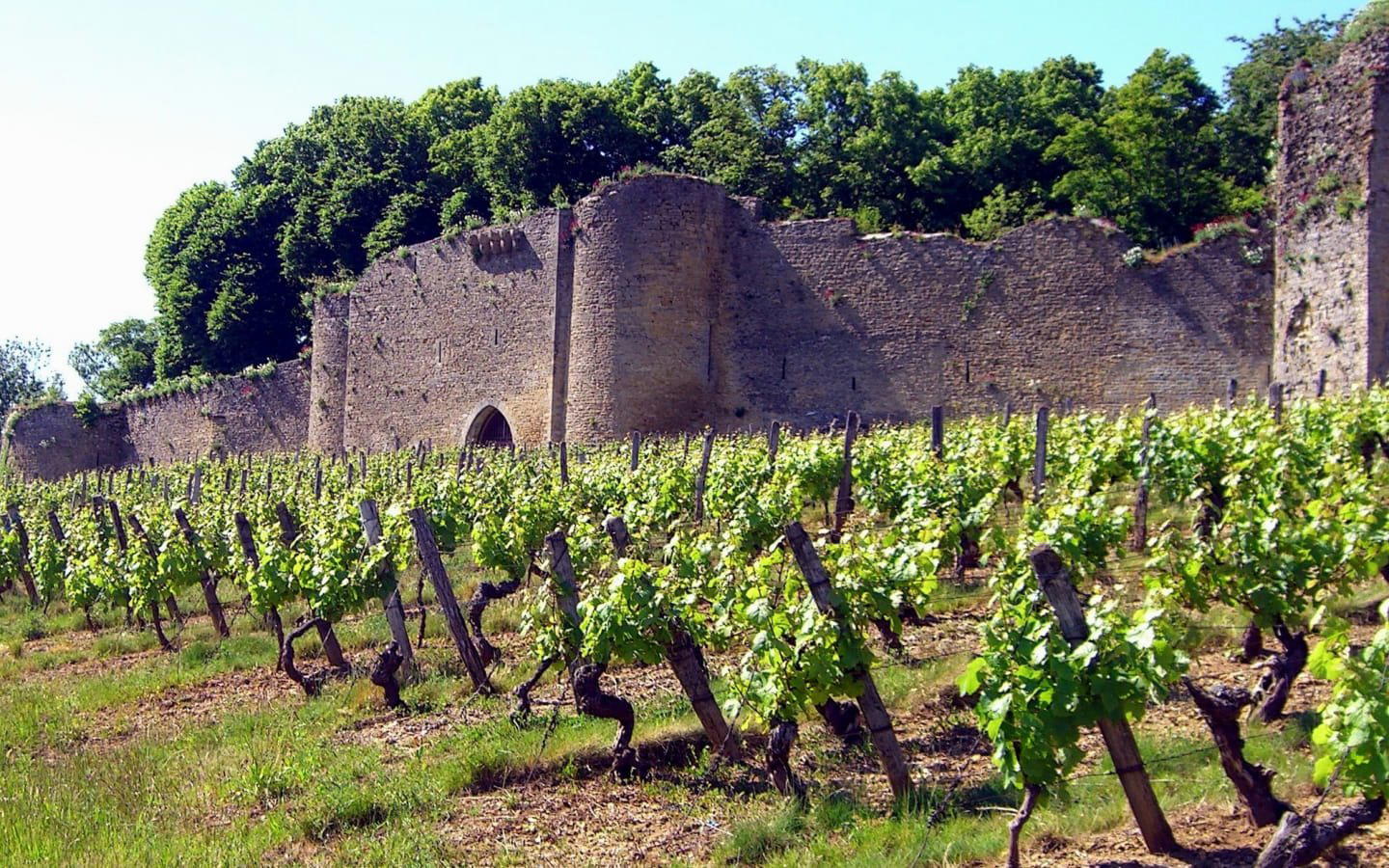
Restaurants in Passenans
Browse all →
Details
- Rustic
- Scenic
- Intimate
- Solo Exploration
- Wine Education
- Romantic Getaway
- Estate Grounds
- Vineyard Tour
- Organic
- Biodynamic
- Sustainable
- Vineyard
- Mountain
- Chardonnay
- Savagnin
- Pinot Noir
- Trousseau
- Poulsard
- Still White
- Still Red
- Pet Nat
- Fortified
- Cellar Tasting
- Vineyard Visit
A small, rural Jura domaine run by a couple who live above their cellar, with a modest, hands-on farm atmosphere focused on the vines, land, and family rather than polished visitor facilities.