
Falstaff Winery - Listed
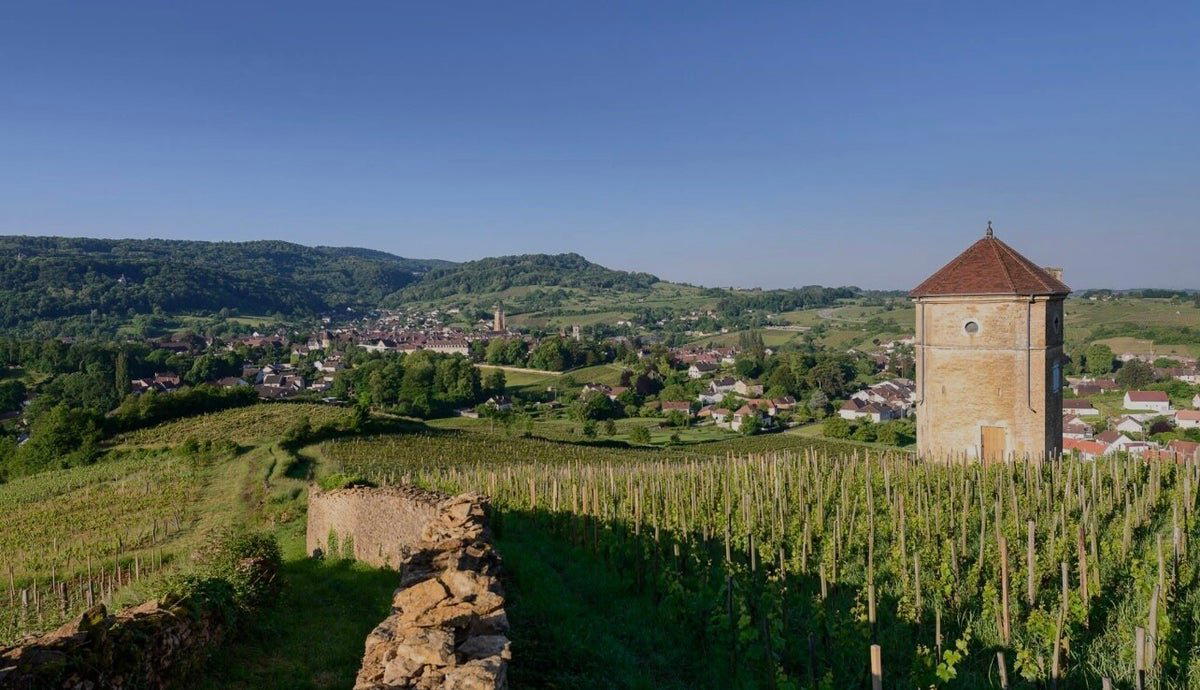
Lulu Vigneron gives Poligny a small-scale Jura wine address rooted in organic farming, old vines, and the region’s classic grapes: Chardonnay, Savagnin, Poulsard, Pinot Noir, and Trousseau. The estate works across Côtes du Jura, l’Etoile, Vin Jaune, Macvin du Jura, and Crémant du Jura, with cellar hospitality tied to an 18th-century mansion rather than a high-volume tasting room.

Pearl is the En Primeur Club membership app — saves, bookings, and concierge access live there. Same editors, same standards.
- Address
- Poligny, Bourgogne-Franche-Comté, Frankreich
- Directions
- Get directions
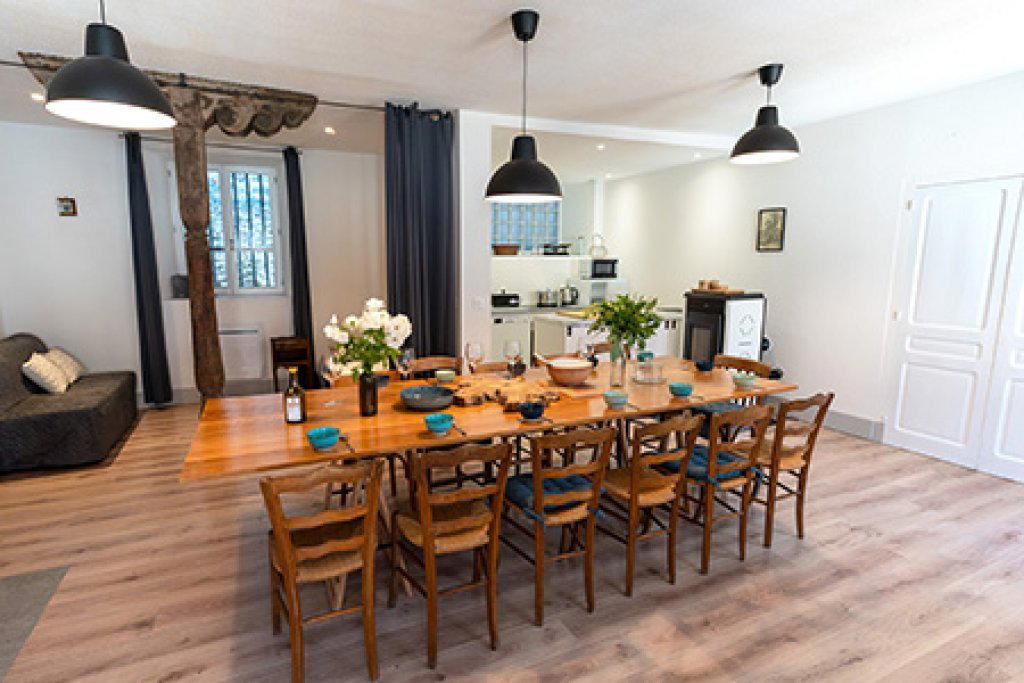
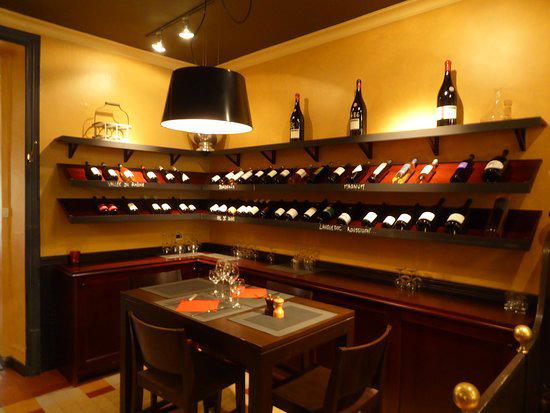
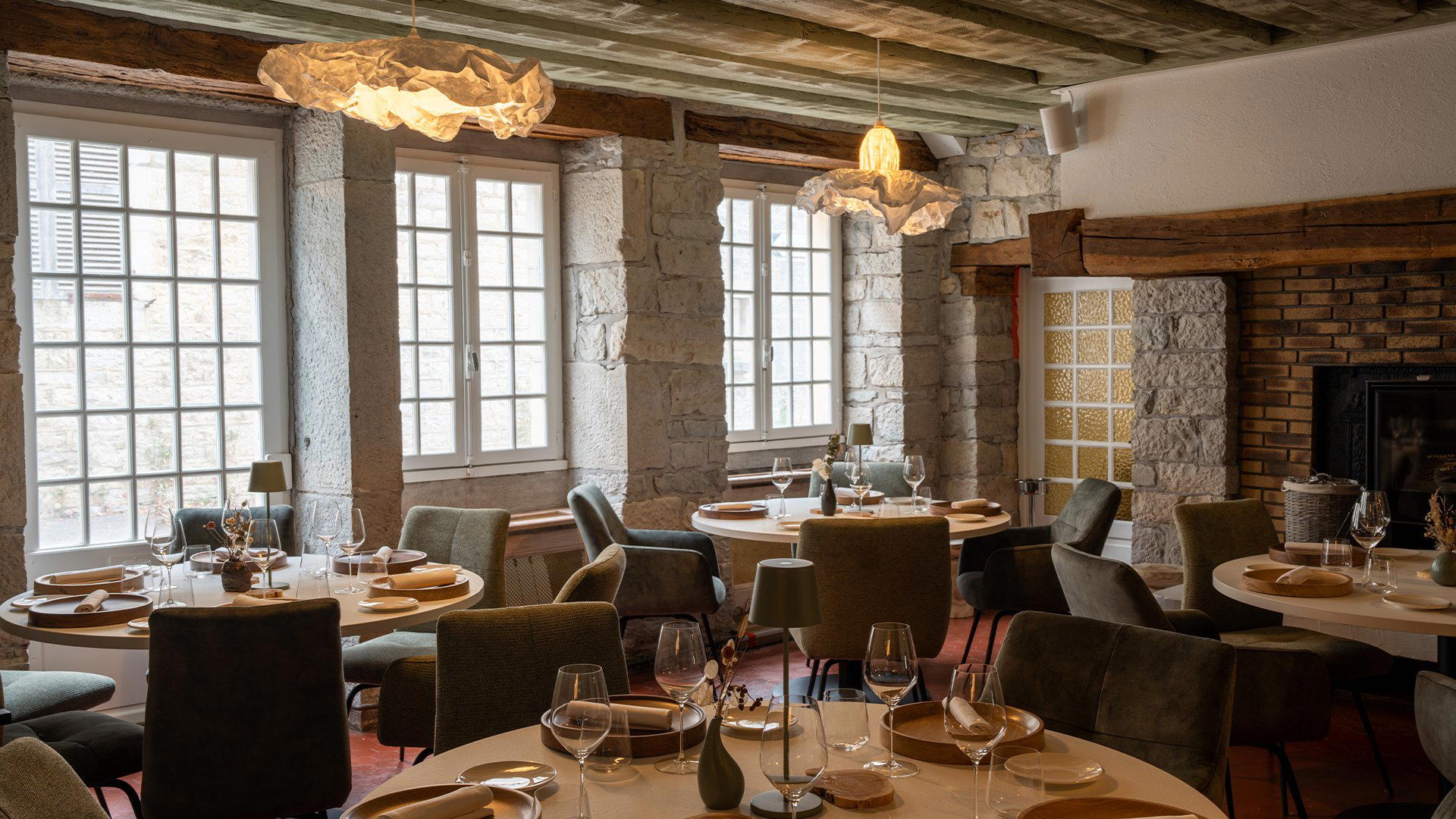
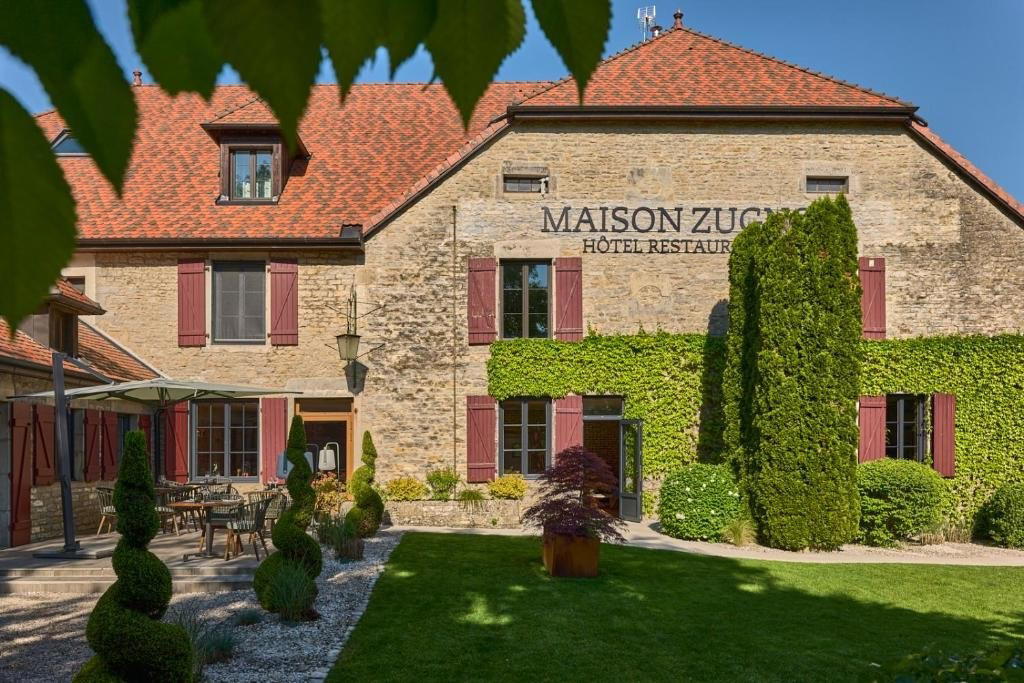
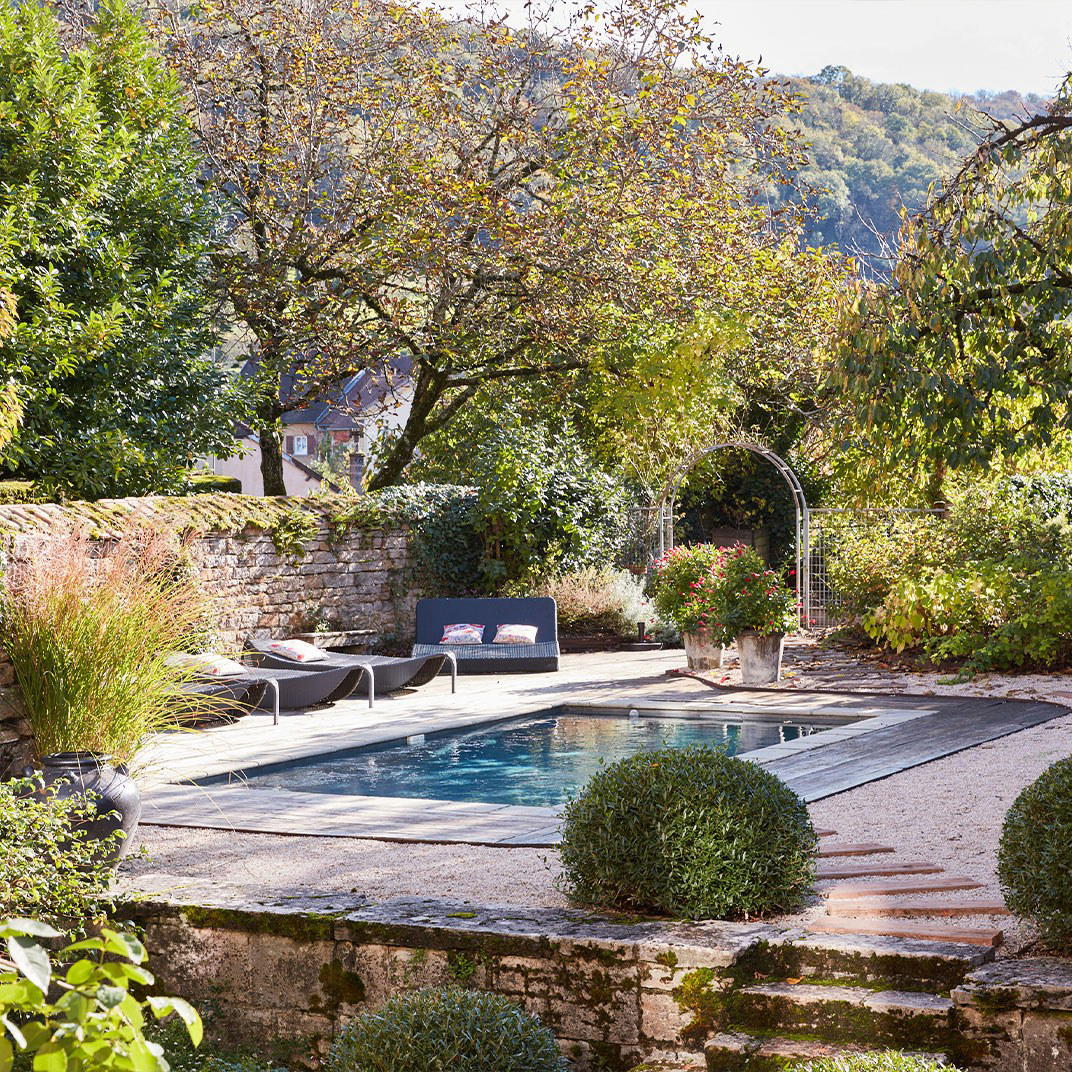
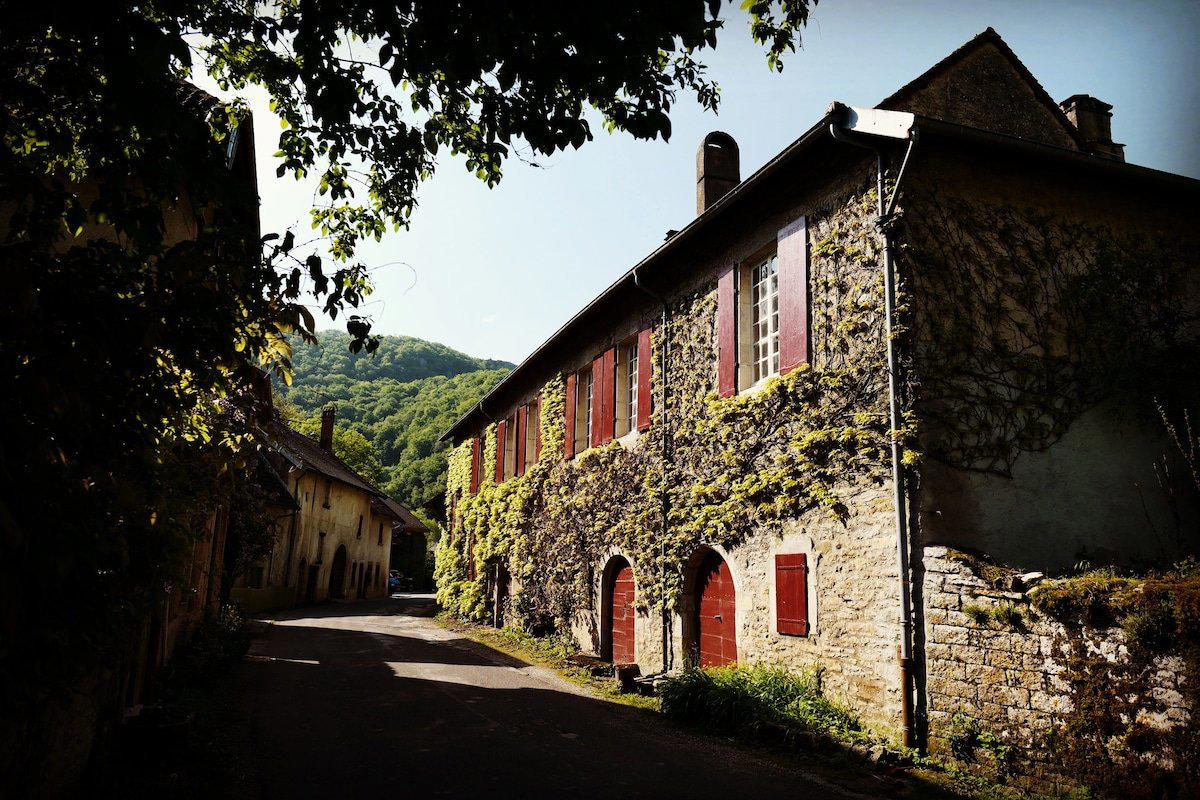
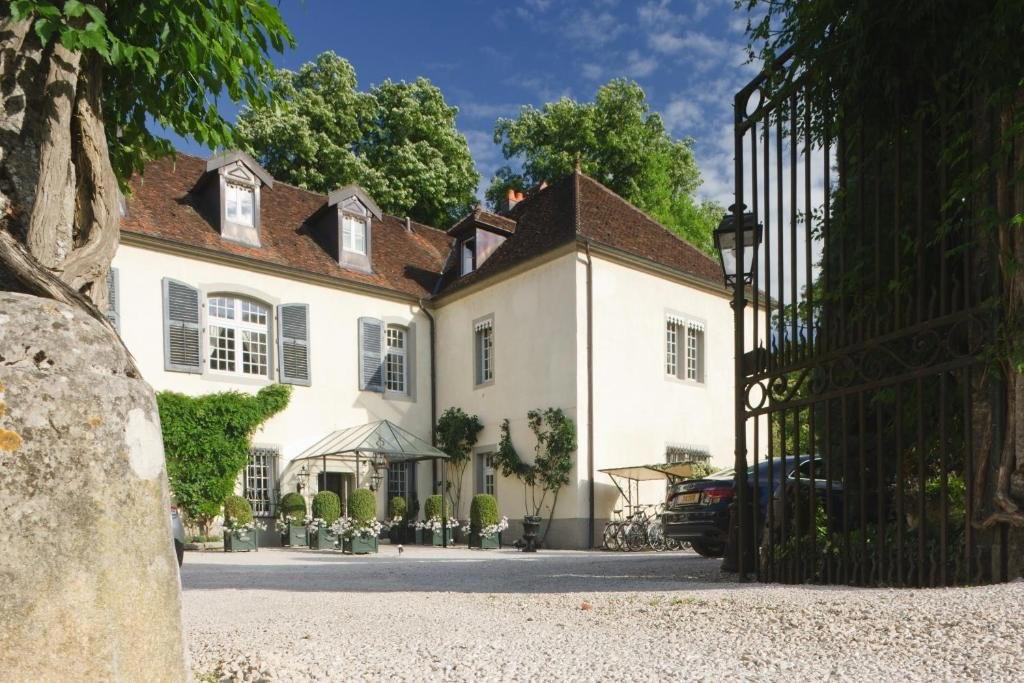
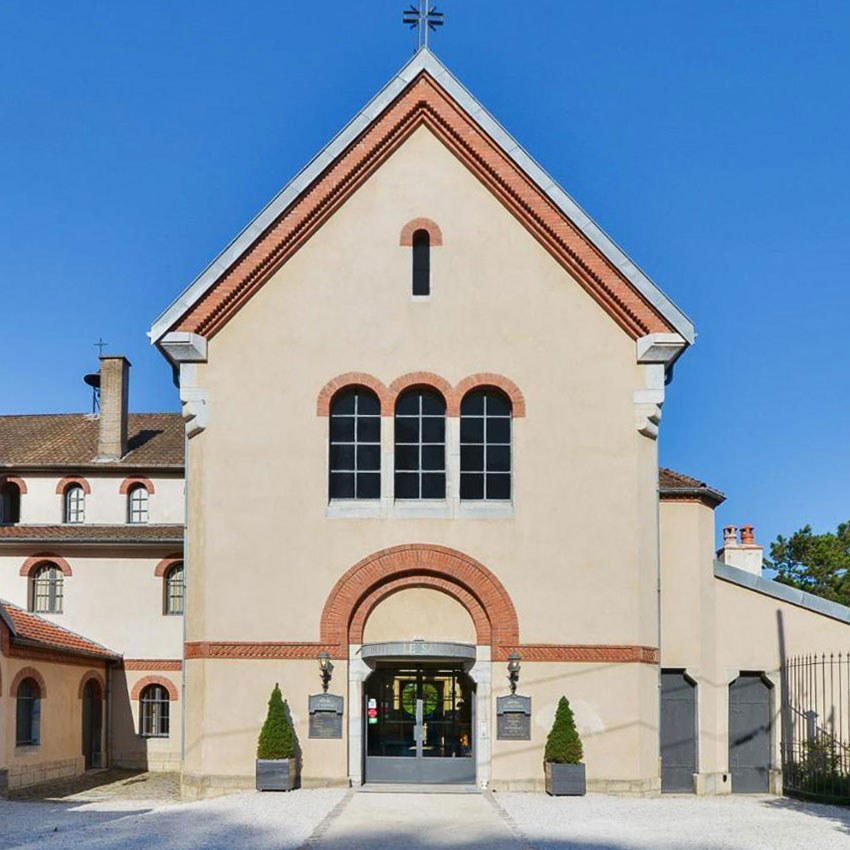
In Poligny, Lulu Vigneron is best understood as a small Jura estate rather than a high-gloss visitor attraction. The profile centers on an 18th-century mansion, an in-village cellar, and a relaxed, intimate feel. Its hospitality is described as warm and owner-hosted, with a natural, non-interventionist winemaking ethos shaping the experience. In other words, the interest here is not a polished circuit of visitor infrastructure, but the sense of being close to a working, locally rooted wine address.
For travelers using Poligny as a base, the appeal is the setting and scale: a rustic, cozy estate atmosphere tied to village cellar culture. The mansion gives the place historical texture, while the cellar situates it directly within the everyday fabric of the village rather than outside it as a detached destination.
A small Jura estate with a low-intervention spirit
The information for Lulu Vigneron does not confirm specific grape varieties, appellations, vineyard parcels, soil descriptions, or cellar techniques. What can be said safely is that the estate sits within the Jura context in Poligny and presents itself through a low-intervention, non-interventionist spirit. That framing matters, because it points toward a wine experience shaped by restraint, personal judgment, and a light touch rather than by a scripted presentation of technical credentials.
That makes Lulu Vigneron a better fit for visitors interested in small-scale Jura wine culture than for anyone seeking a standardized, heavily documented tourism format. The confirmed character is intimate, rustic, and closely tied to its mansion-and-cellar setting in Poligny. It is the sort of profile that appeals to travelers who value atmosphere, conversation, and a sense of place, while understanding that not every detail will be packaged in advance.
The strongest grounded description is simpler: a small Jura estate in Poligny with warm owner-hosted hospitality and a relaxed natural-wine sensibility. Keeping the description at that level is not a weakness; it is the most accurate way to respect what is actually confirmed while still conveying why the place may appeal.
What is confirmed, and what to check directly
Rather than presenting an unconfirmed portfolio, it is more accurate to frame the estate through what is known: a low-intervention Jura producer with an in-village cellar and an intimate, rustic feel. Those elements are enough to sketch the experience, but they do not substitute for current practical information. Anyone building a day around the visit should treat the estate as a personal, small-scale stop that may require direct confirmation rather than a guaranteed, always-available attraction.
Visitors should therefore avoid assuming a particular tasting lineup, bottle availability, or format without checking directly with the estate. The price level is listed as $$$, but no confirmed bottle prices, tasting fees, meal prices, or accommodation rates are available here. That means the most sensible approach is to verify the practical details in advance and keep expectations centered on the estate’s character, not on a fixed list of offerings.
The hospitality impression is the more reliable anchor. Lulu Vigneron is described as warm and owner-hosted, with the 18th-century mansion and cellar helping define the experience. That gives the place a personal, small-estate identity rather than the feel of a large, formal wine venue. For many visitors, that distinction is precisely the point: the appeal lies in a more human scale, a more informal rhythm, and a closer connection to the setting.
How to place it in a French wine itinerary
Poligny rewards travelers who prefer specificity and atmosphere over spectacle. Lulu Vigneron fits a Jura route focused on intimate cellar culture, rustic settings, and low-intervention winemaking values. It is less useful to describe it through scores, named cuvées, or detailed technical claims. A better way to place it is as a quiet, character-led address that reflects the smaller, more personal side of wine travel in the region.
For a wider route, treat Lulu Vigneron as a grounded Poligny stop with a small-estate feel. Other dining, lodging, bar, and wine options in Poligny can be considered generically around it, but the confirmed draw here remains the estate’s relaxed hospitality, 18th-century setting, in-village cellar, and non-interventionist ethos. Its role in an itinerary is therefore best kept simple: a place to seek out for atmosphere, scale, and a sense of local wine culture, while confirming all practical details directly before going.
Recognition history
Dated appearances from independent guides and award organizations, with the underlying list record or original source where available.
Falstaff Winery - Listed
Falstaff

Details
- Rustic
- Cozy
- Intimate
- Romantic
- Classic
- Romantic Getaway
- Wine Education
- Solo Exploration
- Group Outing
- Special Occasion
- Estate Grounds
- Cave Tasting
- Historic Building
- Private Tasting
- Organic
- Biodynamic
- Sustainable
- Vineyard
- Street Scene
- French
- German
- English
Small, low-intervention Jura estate centered around an 18th‑century mansion and in‑village cellar, with a relaxed, intimate feel and warm owner-hosted hospitality that reflects its natural, non‑interventionist winemaking ethos.