Arzuaga Navarro


Set along the N-122 corridor in Quintanilla de Onésimo, Arzuaga Navarro sits at the heart of Ribera del Duero wine country and holds a Pearl 3 Star Prestige rating for 2025. The estate operates at the intersection of serious Tempranillo viticulture and hospitality, drawing visitors who treat wine as a destination rather than an accompaniment. It belongs to a peer set defined by terroir depth, not tourism volume.
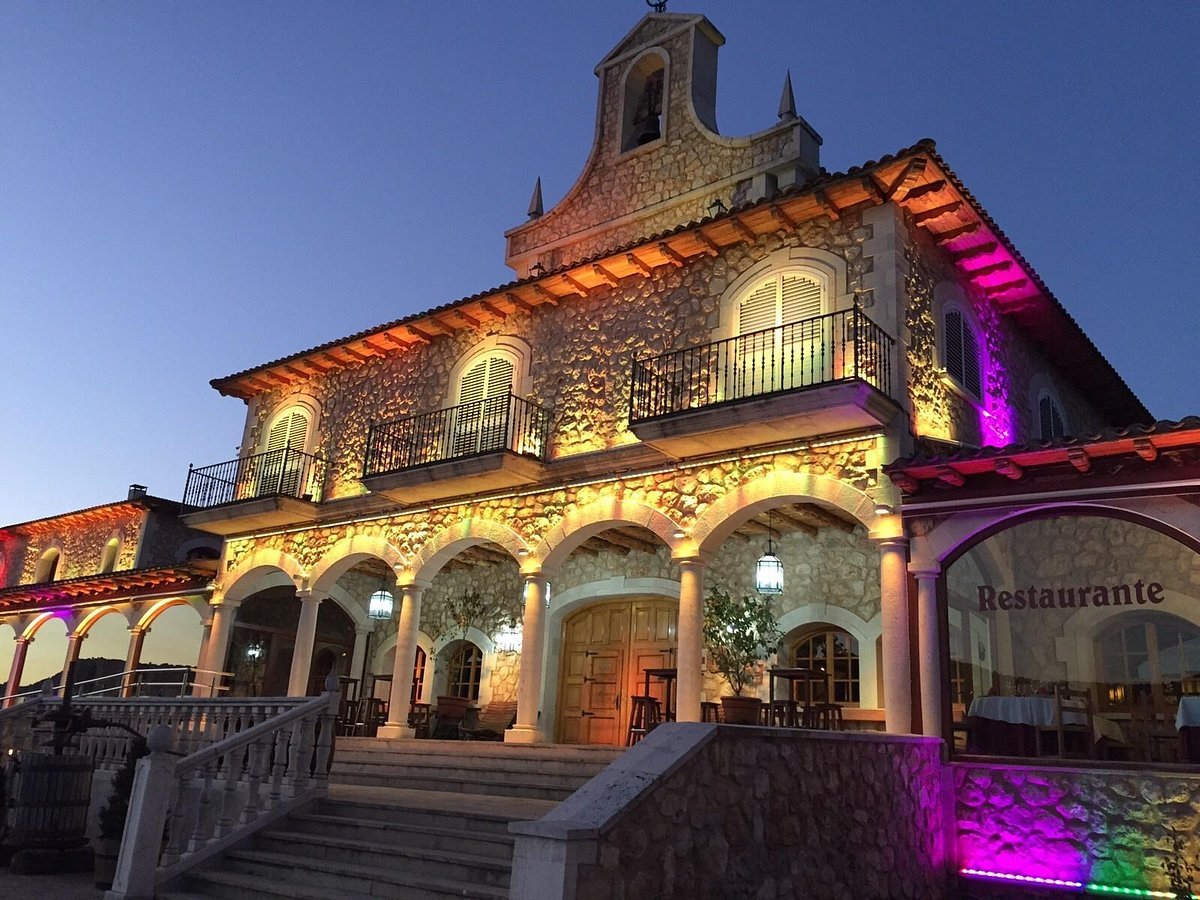
Where the Duero Valley Speaks Through the Vine
The stretch of N-122 that runs through Quintanilla de Onésimo is not a scenic detour — it is a working wine road. The plateau sits above 700 metres, summer heat is tempered by cold nights that extend the ripening window, and the clay-limestone soils hold just enough moisture to stress the vine without punishing it. These are the conditions that made Ribera del Duero one of Spain's two or three most consequential red wine appellations, and they are the conditions that Arzuaga Navarro has built its reputation around. Arriving here, you are already inside the argument the wine will later make in the glass.
Ribera del Duero's premium tier has consolidated significantly over the past two decades. The appellation now spans roughly 23,000 hectares across four provinces, but the producers attracting serious collector and hospitality attention are concentrated in a narrower band of villages along the river. Quintanilla de Onésimo sits in that band, alongside names like Pesquera de Duero — home to Emilio Moro in Pesquera de Duero , and the broader corridor that extends west toward Sardón de Duero, where Abadía Retuerta in Sardón de Duero operates as one of the appellation's most architecturally ambitious estates. Arzuaga Navarro fits within this geography not as an outlier but as a core representative of what the zone does when terroir is taken seriously.
The 2025 Pearl 3 Star Prestige Rating and What It Signals
Awards in the wine hospitality category function as shorthand for peer positioning, and Arzuaga Navarro's Pearl 3 Star Prestige recognition for 2025 places it in a tier that goes beyond simple visitor satisfaction. The Pearl rating system evaluates the full estate experience , wine quality, hospitality infrastructure, and the coherence between what a producer claims and what a visitor encounters. Three stars at this level signals that the experience holds across multiple touchpoints, not just a single strong tasting room or a well-priced bottle.
Across Spanish wine tourism, the estates that carry this kind of multi-criterion recognition tend to share a particular profile: significant vineyard holdings, investment in guest-facing infrastructure that matches the quality of the wine program, and enough institutional depth to maintain consistency year over year. Bodegas Protos in Peñafiel and Bodegas Ysios in Laguardia operate within adjacent award frameworks in their respective appellations, and comparing how those estates present themselves against Arzuaga Navarro gives useful context for where the Quintanilla estate sits on the hospitality-to-production spectrum.
Tempranillo on Plateau Soils: What the Terroir Argument Is
Ribera del Duero's defining grape is Tempranillo, called Tinto Fino locally to distinguish the high-altitude clone from its Rioja and Extremaduran relatives. The plateau conditions , altitude, diurnal temperature variation, soil composition , produce a Tempranillo that tends toward greater structure and darker fruit profiles than the Rioja version, with tannins that need time but reward patience. The clay-limestone combination that characterises much of the central Ribera corridor provides drainage without stripping the vine of water stress entirely, which concentrates phenolics without sacrificing freshness.
This is the terroir that Arzuaga Navarro works with at its Quintanilla de Onésimo address. The estate's positioning within the appellation reflects an argument about site: that the specific combination of elevation, aspect, and soil type in this corridor produces wines that express something distinct within the broader Ribera identity. Producers across Ribera have been making version of this argument more explicitly since the appellation introduced its village classification discussions, positioning individual villages as the Spanish equivalent of Burgundian commune designations. Quintanilla's place in that conversation is supported by the track record of the estates operating within it.
For comparison, the kind of terroir specificity that drives premium pricing in Ribera is visible across Spanish wine geography , Clos Mogador in Gratallops makes the same argument for old-vine Garnacha in Priorat, and CVNE (Cune) in Haro has built a Rioja identity around specific vineyard parcels across more than a century. Arzuaga Navarro operates within the same tradition of site-specificity, applied to the Duero plateau.
Visiting: What to Expect from the Estate Experience
Estate visits in this part of Ribera del Duero operate on a different logic than urban tasting rooms. The N-122 road position means Arzuaga Navarro is accessible by car from Valladolid , roughly 45 minutes along a well-maintained national road , and sits within reach of the Peñafiel wine tourism circuit, which makes it a natural anchor for a multi-estate day. The estate's Pearl 3 Star Prestige rating implies hospitality infrastructure that goes beyond a simple walk-through and pour: at this level, visit formats typically include structured tastings, cellar access, and some form of food pairing or dining component, though specific current format details should be confirmed directly with the estate before booking.
Seasonality matters here. The Duero plateau has hard winters and hot, compressed summers. Spring and harvest season (roughly September through October) are the most instructive times to visit if the viticulture itself is part of the interest , the vines are either budding or being harvested, and the cellar activity is at its most readable. Summer visits before harvest offer the clearest views of the vine canopy and fruit development, though midday heat on the plateau can be intense. Winter visits are quieter and sometimes more conducive to extended tastings, but the landscape loses the context that the growing season provides.
For travellers building a broader Ribera itinerary, Abadía Retuerta to the east and Emilio Moro to the west bracket the corridor effectively. Quintanilla de Onésimo sits near the geographical centre, which makes Arzuaga Navarro a logical pivot point in a two- or three-day wine road structure. The town itself is small, so accommodation planning should factor in Valladolid or Peñafiel as base options. For accommodation, restaurant, bar, and experience recommendations in the immediate area, see our full Quintanilla de Onésimo hotels guide, our full Quintanilla de Onésimo restaurants guide, our full Quintanilla de Onésimo bars guide, and our full Quintanilla de Onésimo experiences guide.
How Arzuaga Navarro Sits in the Wider Spanish Wine Picture
Spain's premium wine geography has never been more competitive. Rioja's established prestige, Priorat's critical darling status, and Ribera del Duero's structural power form the three-corner argument that dominates international conversation. Within Ribera, the estates that have accumulated serious recognition , whether through the Pearl system, international press coverage, or allocation demand , tend to be ones that have invested consistently in both viticulture and the visitor experience. Arzuaga Navarro's 2025 three-star recognition is evidence of the latter investment holding.
Outside the Duero valley, the comparison set for estate experiences of this calibre includes Bodegas Vivanco in Valle de Mena, which has built one of Spain's most complete wine culture destinations in Rioja, and Codorníu in Sant Sadurní d'Anoia, whose heritage infrastructure operates in a different category but similarly blends production history with visitor programming. For the dedicated wine traveller, understanding where Arzuaga Navarro sits within this spectrum , a serious production estate with award-validated hospitality, embedded in one of Spain's most geographically compelling wine corridors , is more useful than any single tasting note. The land does the positioning; the wine confirms it.
For a complete view of what Quintanilla de Onésimo and the surrounding appellation offer, explore our full Quintanilla de Onésimo wineries guide.
Frequently Asked Questions
What's the atmosphere like at Arzuaga Navarro?
The atmosphere is shaped by the plateau itself: open vineyard views, a working estate context rather than a polished visitor attraction, and the quieter pace that characterises the Ribera del Duero corridor outside of harvest season. If Arzuaga Navarro's Pearl 3 Star Prestige rating for 2025 is a guide, the hospitality infrastructure is substantial enough to make structured visits feel considered rather than improvised. The N-122 address places it firmly in wine country rather than a village centre, so the sensory experience begins with the landscape well before any tasting starts.
What wine is Arzuaga Navarro famous for?
Ribera del Duero's signature is Tinto Fino (Tempranillo), and estates in this appellation build their reputations around that grape's plateau expression: structured tannins, dark fruit, and an ageing capacity that rewards cellaring. Arzuaga Navarro's Ribera del Duero designation and its Pearl 3 Star Prestige recognition both point toward a wine program that takes the appellation's core identity seriously. For producer-level detail on specific wines and vintages, the estate itself is the most reliable source.
What's the main draw of Arzuaga Navarro?
The combination of appellation credentials and award-validated hospitality is what separates Arzuaga Navarro from simpler tasting-room operations in the corridor. The Pearl 3 Star Prestige rating for 2025 signals that the estate delivers across both production quality and visitor experience, which is a narrower category than either criterion alone would suggest. For travellers for whom the Ribera del Duero terroir is the destination rather than a backdrop, Quintanilla de Onésimo and Arzuaga Navarro offer a coherent case study in what high-plateau Tempranillo looks like from vine to glass.
Do they take walk-ins at Arzuaga Navarro?
Estate operations at the Pearl 3 Star Prestige level in Ribera del Duero generally require advance booking, particularly during spring and harvest season when visit slots fill quickly. Walk-in availability is not confirmed for Arzuaga Navarro specifically, and given the N-122 location outside any town centre, arriving without a reservation carries real risk of a wasted journey. Contact the estate directly to confirm current booking requirements before visiting.
How does Arzuaga Navarro's Ribera del Duero location compare to other major Spanish wine estates?
Quintanilla de Onésimo sits in the central corridor of Ribera del Duero, an appellation that competes directly with Rioja for Spain's leading red wine designation. The high-altitude plateau conditions here produce Tempranillo with a different structural profile than you find in Rioja's lower-altitude valleys, and the Pearl 3 Star Prestige recognition for 2025 positions Arzuaga Navarro among the estates that have matched that terroir argument with a serious hospitality offering. Estates like Abadía Retuerta and Accendo Cellars in St. Helena operate in adjacent premium tiers in their respective appellations, giving useful reference points for the category Arzuaga Navarro occupies.
Fast Comparison
These are the closest comparables we have in our database for quick context.
| Venue | Cuisine | Price | Awards | Notes |
|---|---|---|---|---|
| Arzuaga Navarro | Pearl 3 Star Prestige (2025); Ribera del Duero | This venue | ||
| Pingus | ||||
| Abadía Retuerta | ||||
| Bodegas Protos | ||||
| Bodegas Vivanco | ||||
| Bodegas Ysios |
Access the Cellar?
Our members enjoy exclusive access to private tastings and priority allocations from the world's most sought-after producers.
Access the Concierge