Arbikie Highland Estate
Arbikie Highland Estate sits on the Angus coast between Arbroath and Montrose, farming its own grain from field to bottle in a model that few Scottish distilleries can match.
Pearl is the En Primeur Club membership app — saves, bookings, and concierge access live there. Same editors, same standards.
- Address
- Arbikie Distillery, Montrose DD10 9TR, UK
- Phone
- +44 1241 830770
- Website
- arbikie.com
- Directions
- Get directions
 Saves & bookings on Pearl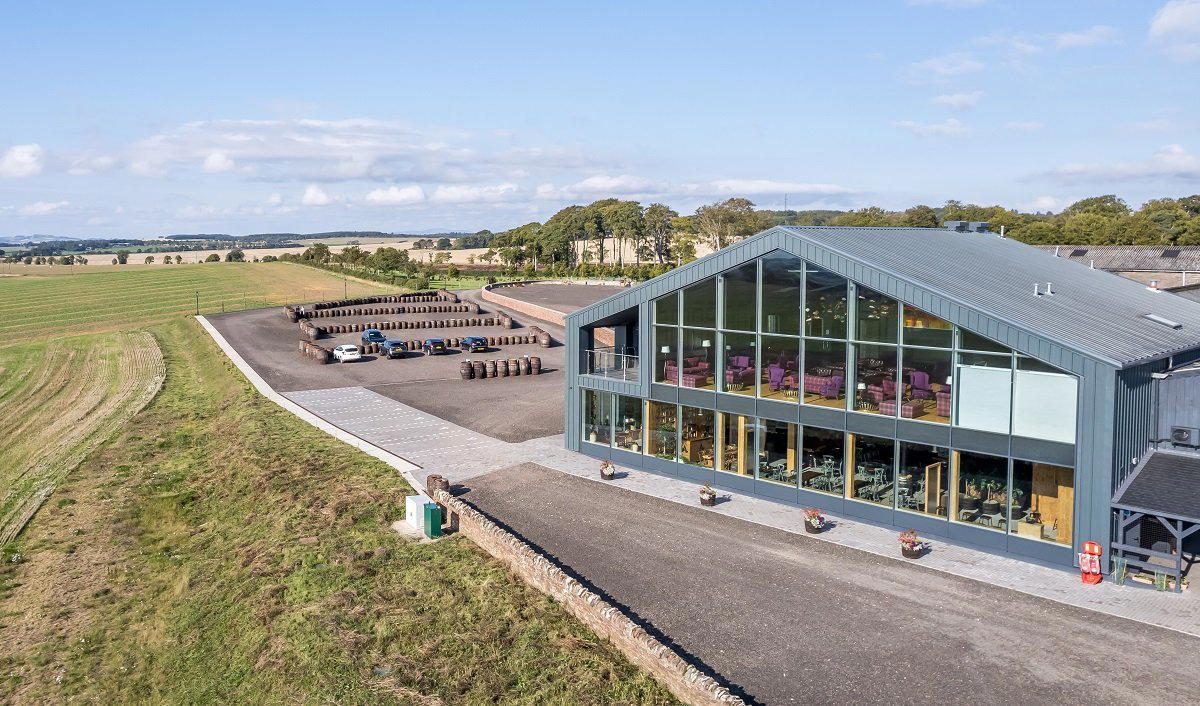
Field, Coast, and Still: The Agricultural Logic of Arbroath's Distilling Tradition
Arbikie Highland Estate is a winery in Montrose, UK, with a price tier of 3 and one award. The Angus coastal strip between Arbroath and Montrose is barley country. The same maritime climate and sandstone-influenced soils that defined this stretch of Scottish farmland for centuries now supply the raw material for a relatively rare model in modern spirits production: field-to-bottle distilling where the grain is grown on the same land that houses the still.
For a visitor approaching the estate from the coastal road near Montrose, that context matters: the landscape itself is part of the product specification in a way that it simply is not at urban or industrial distilleries.
What Field-to-Bottle Actually Means on This Coastline
Scottish distilling has a long and well-documented relationship with terroir, though the term is borrowed from wine and applied with varying degrees of rigour. In most cases, a distillery's connection to place is expressed through water source, warehouse conditions, and the cumulative effect of a coastal or highland microclimate on maturation. Arbikie operates at an earlier point in the chain: the grain itself is estate-grown, which means decisions about variety selection, harvest timing, and soil management feed directly into the character of the spirit before distillation begins.
This is not common. Across Scotland's broader distilling geography, from the island malts like Ardnahoe in Port Askaig to Highland producers like Balblair Distillery in Edderton and coastal operations such as Clynelish Distillery in Brora, the standard model sources grain externally and concentrates craft at the distillation and maturation stage. The field-to-bottle approach pursued at Arbikie places it in a smaller, more agriculturally grounded niche, comparable in its philosophical orientation to single-estate wine production rather than conventional Scotch whisky making.
The Angus climate contributes specifically to this equation. The area receives lower rainfall than much of Highland Scotland, with longer dry spells in the growing season that favour grain development. The proximity to the North Sea introduces a saline presence in the air that, over extended maturation periods, can register in the spirit the same way it does in coastal malt whiskies from the west and north of Scotland. These are the kinds of slow variables that field-to-bottle producers bet on, and that give estate-grown spirits their argument for distinctiveness.
Arbikie Inside Scotland's Craft Spirits Map
Scotland's distilling geography has expanded considerably in the past fifteen years. Producers like Dornoch Distillery in the far north, Glen Garioch Distillery in Oldmeldrum in Aberdeenshire, and Dunphail Distillery in Dunphail in Speyside represent the newer tier of producers layering agricultural or provenance-led stories onto established regional frameworks. The Lowlands have seen similar movement, with Auchentoshan Distillery in Clydebank and Bladnoch Distillery in Bladnoch each operating within different interpretations of Scottish distilling identity.
Arbikie's position in this map is defined by its agricultural specificity rather than regional category. It does not sit comfortably inside the classic Speyside model typified by producers like Aberlour or Cardhu in Knockando, nor in the island and peninsula traditions represented by Glen Scotia in Campbeltown. The estate model is its own category, and the 2025 recognition reinforces that it is being evaluated on those terms. Among Scottish producers, the Angus estate model is closer in spirit to what Deanston in Deanston does with organic certification, but with provenance pushed further back into the growing cycle.
For visitors building a broader understanding of Scottish spirits, this distinction is useful: Arbikie is not a destination for those primarily seeking classic regional profile comparisons. It is a destination for those interested in what grain origin and agricultural management contribute to a finished spirit, and for those curious about how far the field-to-bottle argument can be taken in a serious commercial context.
Planning a Visit to the Estate
Arbikie Highland Estate is located at Montrose DD10 9TR on the Angus coast, accessible from both Arbroath to the south and Montrose to the north. The estate setting is working farmland, which means the visitor experience is shaped by agricultural rhythms rather than the designed leisure formats of larger distillery tourism operations.
Those exploring the broader Angus and Tayside food and drink scene will find Arbroath itself a useful base, with its own distinct culinary identity rooted in the Arbroath Smokie, a PGI-protected cold-smoked haddock preparation that has defined the town's food culture for generations.
For visitors with an interest in international estate-model or terroir-focused producers as a point of comparison, the contrast with New World estate operations like Accendo Cellars in St. Helena or historically rooted European producers like Achaia Clauss in Patras illustrates how the estate-provenance argument translates across different drink categories. The underlying logic, that where something grows and how it is farmed shapes what ends up in the glass, is consistent across serious producers regardless of country or category.
Quick Comparison
Comparable venues nearby, for context on price, style, and recognition.
| Venue | Cuisine | Price | Notes |
|---|---|---|---|
| Arbikie Highland EstateThis venue — the venue you are viewing | rye | $$$ | Not listed |
| Dornoch Distillery | Highlands | $$$ | Dornoch |
| Martinelli Winery | Zinfandel, Pinot Noir | $$ | Windsor |
| The Glenturret | Highland | $$$ | The Hosh |
| Mortlach Distillery | Speyside | $$$ | Dufftown |
| Glen Scotia | Campbeltown | $$$ | Not listed |
At a Glance
- Scenic
- Rustic
- Modern
- Elegant
- Group Outing
- Wine Education
- Celebration
- Vineyard Tour
- Estate Grounds
- Panoramic View
- Sustainable
- Waterfront
- Highland
- Rye
- Still Red
- Guided Tasting
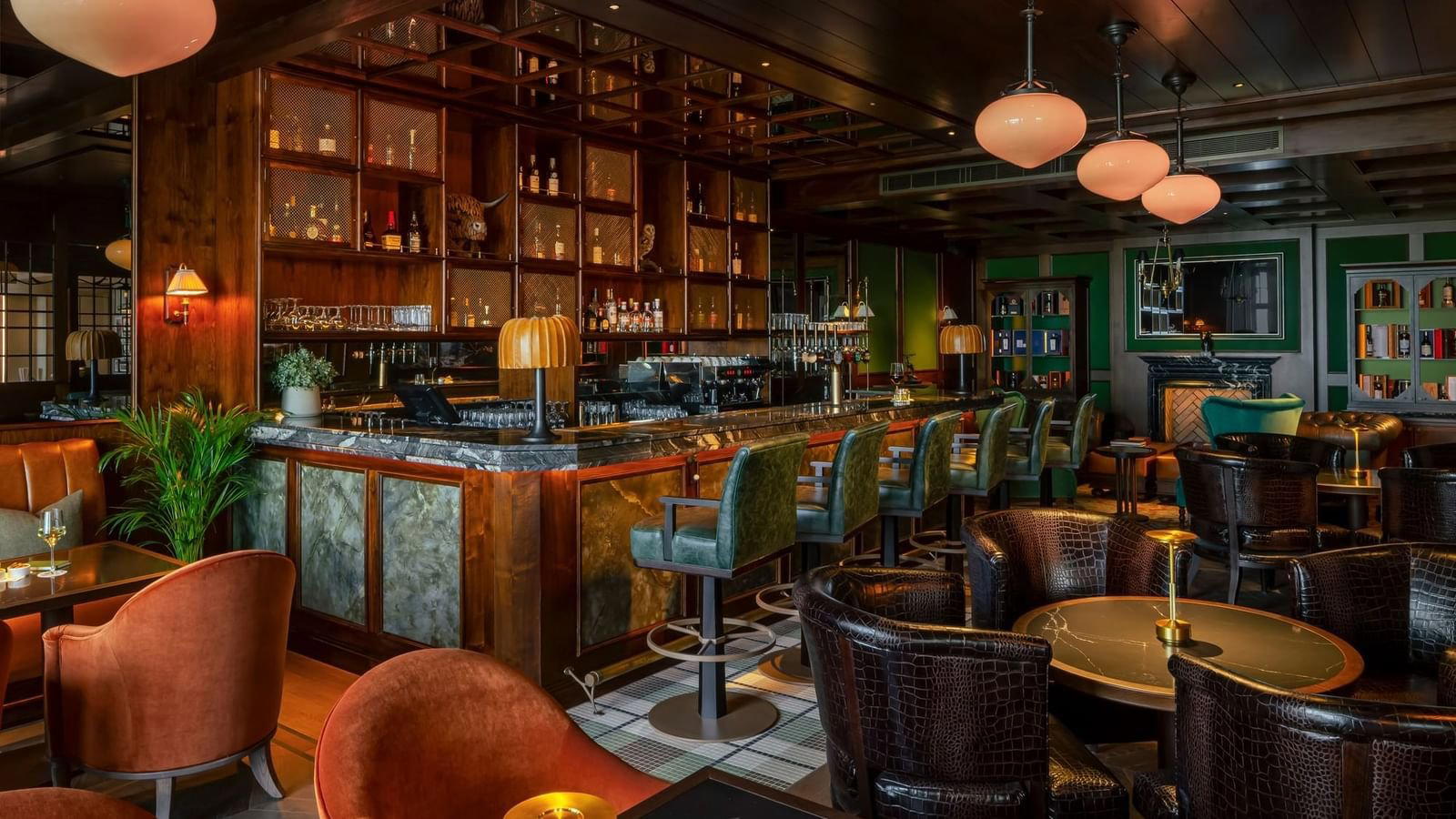
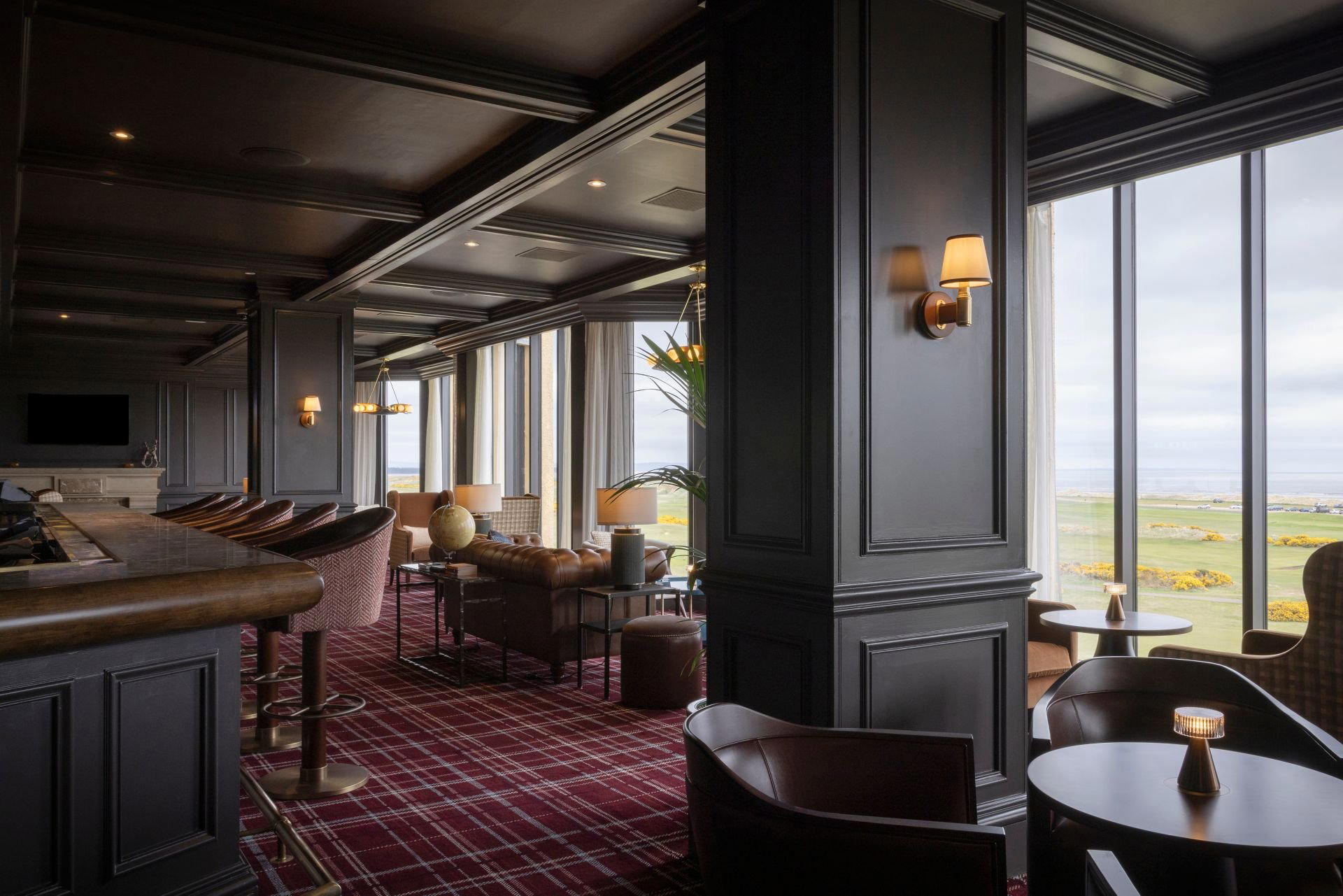
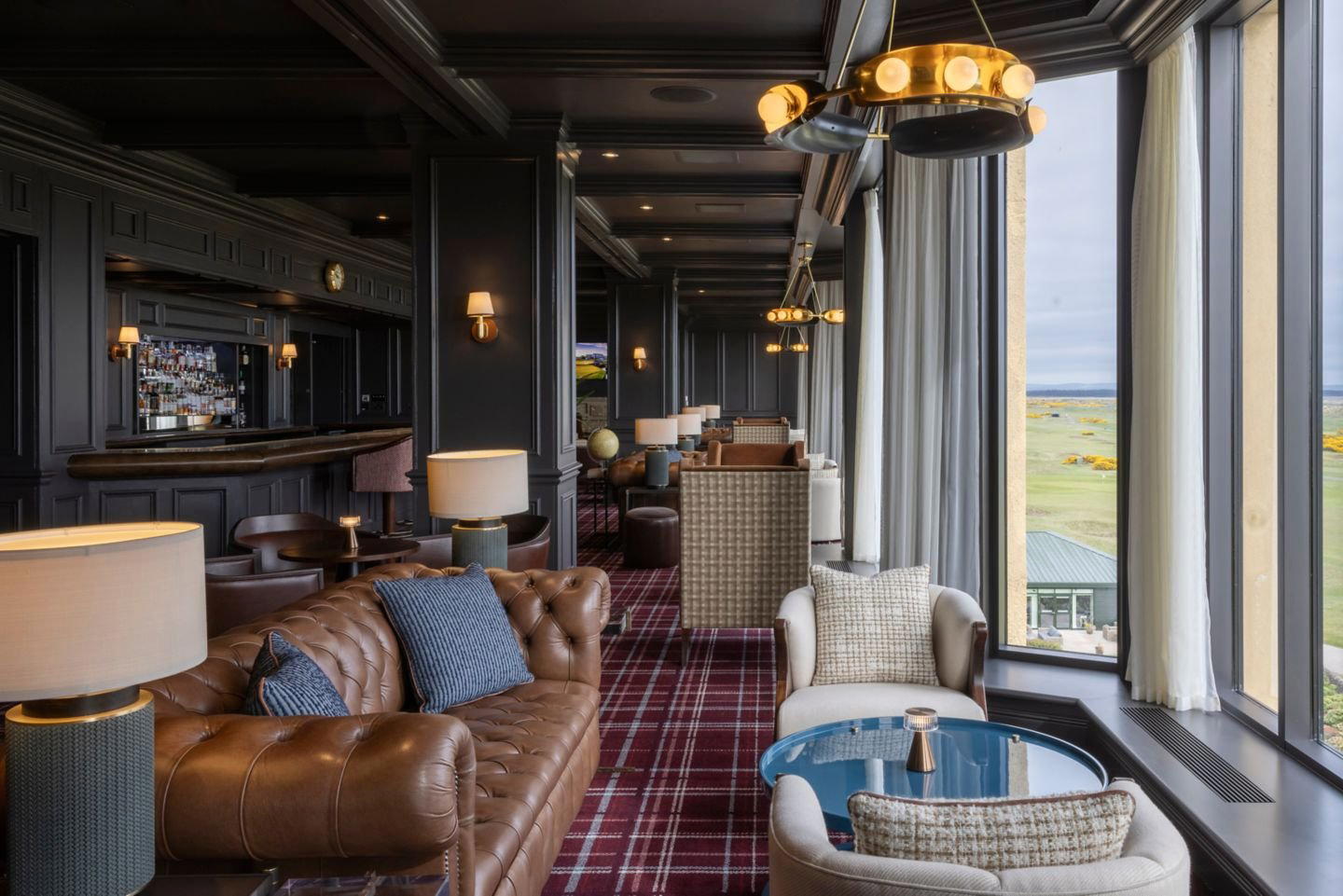
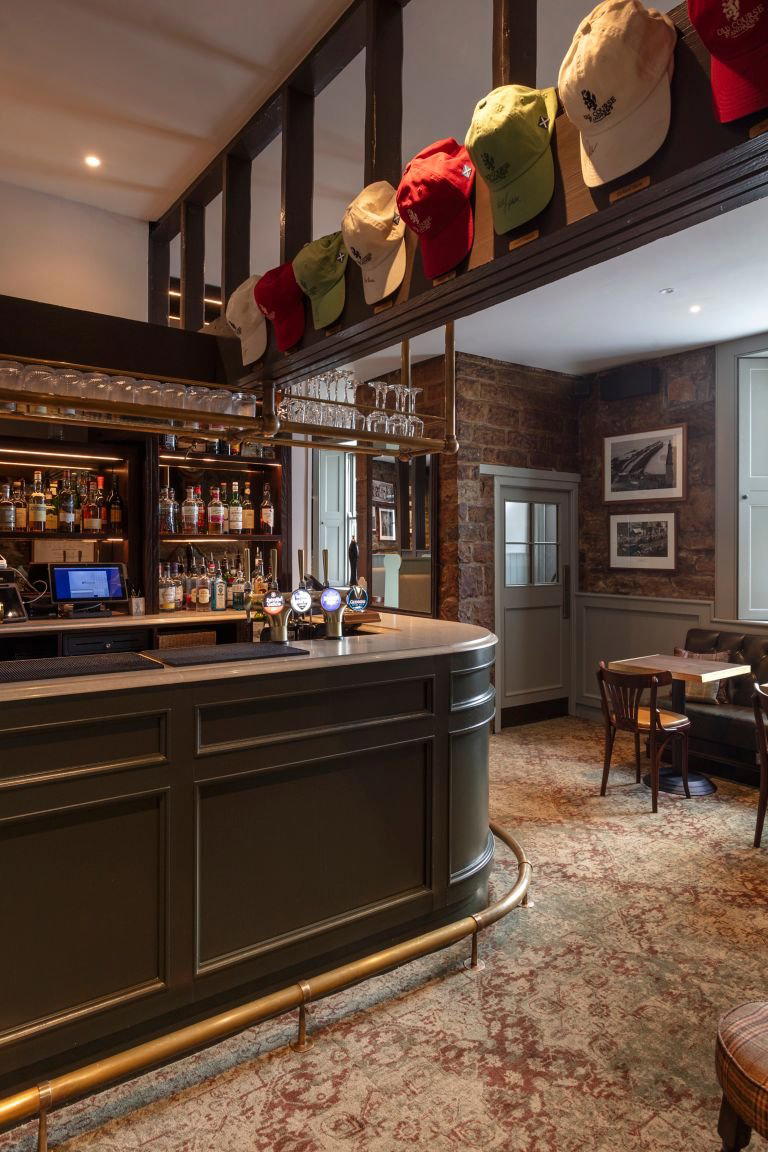
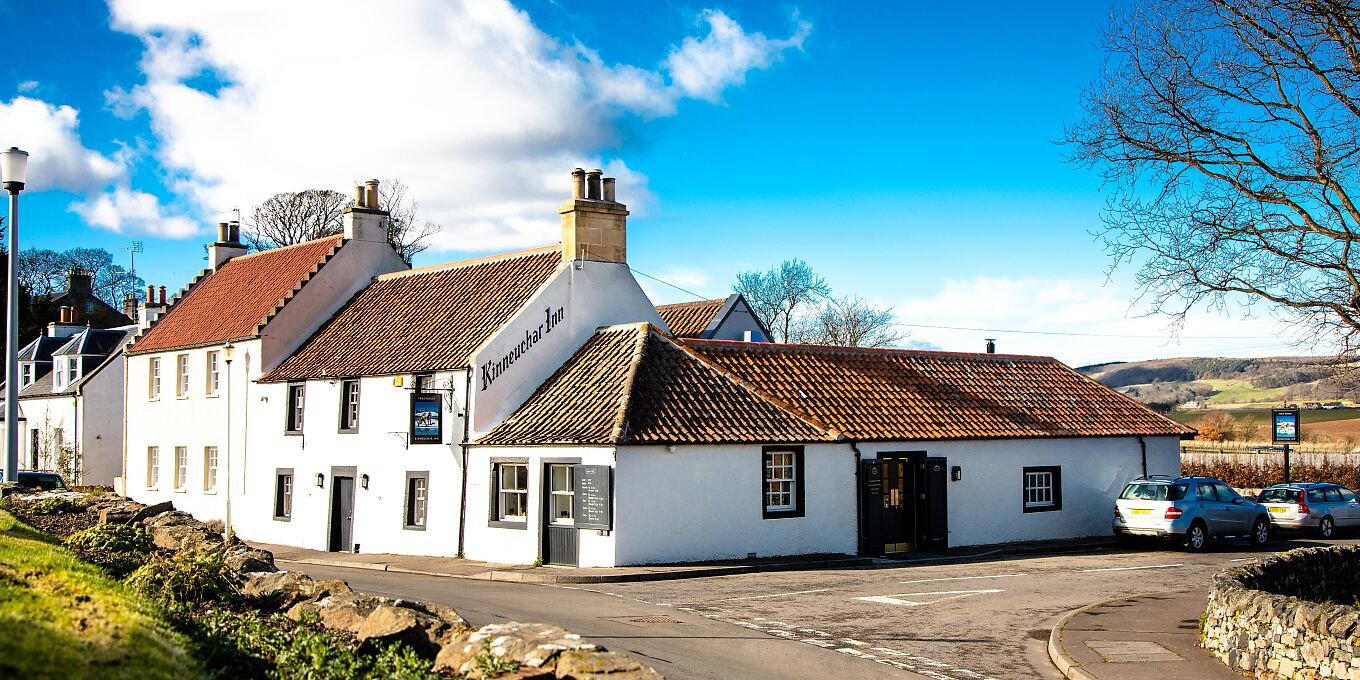
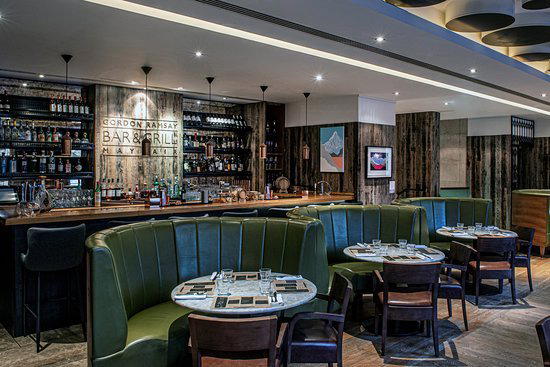
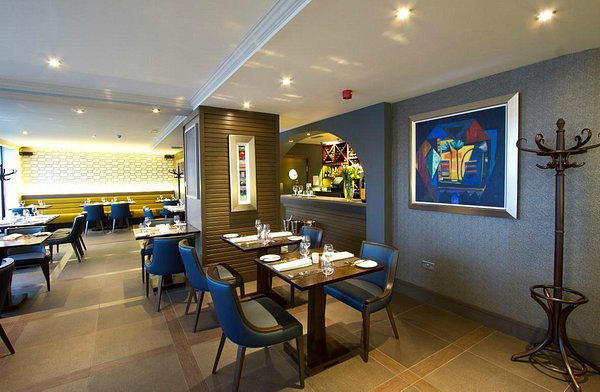
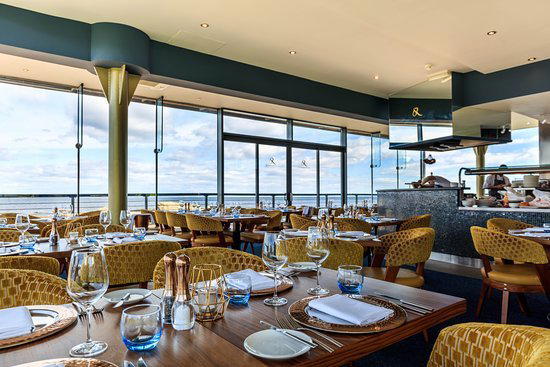
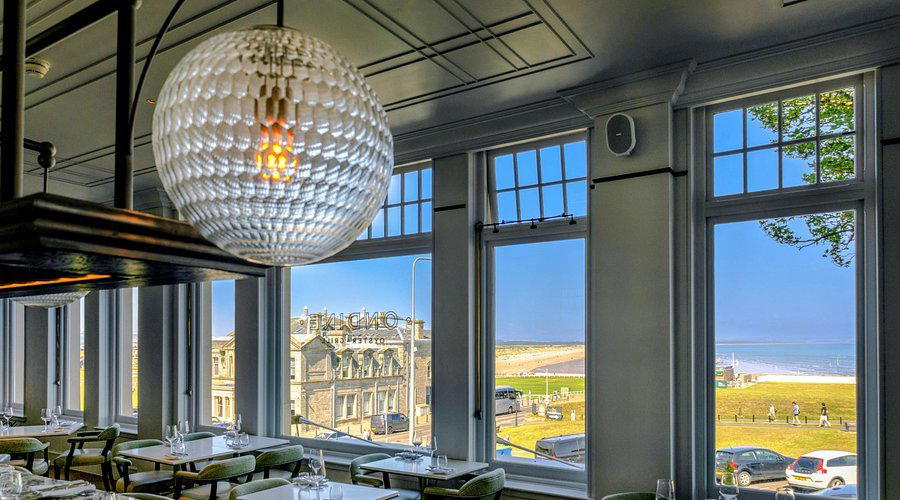
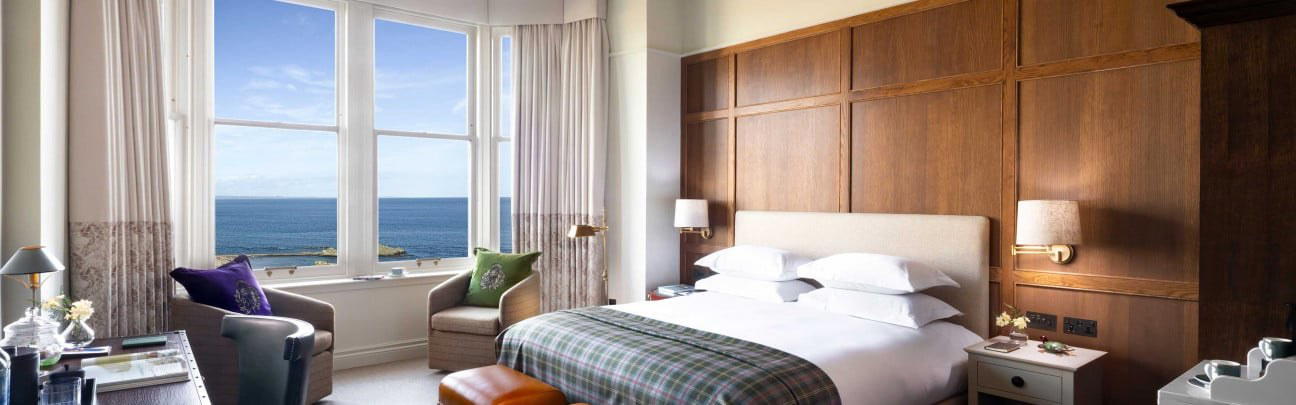
Vast, airy tasting room with dramatic coastal views over Lunan Bay, modern decor, and a welcoming, relaxed atmosphere.