Appleton Estate
Located in Nassau Valley, St. Elizabeth Parish, Jamaica, the estate operates in one of Jamaica's most historically significant rum-producing zones, where limestone-rich soils and the Black River watershed have shaped its character for generations.
Pearl is the En Primeur Club membership app — saves, bookings, and concierge access live there. Same editors, same standards.
- Address
- Nassau Valley, St. Elizabeth Parish, Jamaica
- Phone
- 1-876-963-9215
- Website
- appletonestate.com
- Directions
- Get directions
 Saves & bookings on Pearl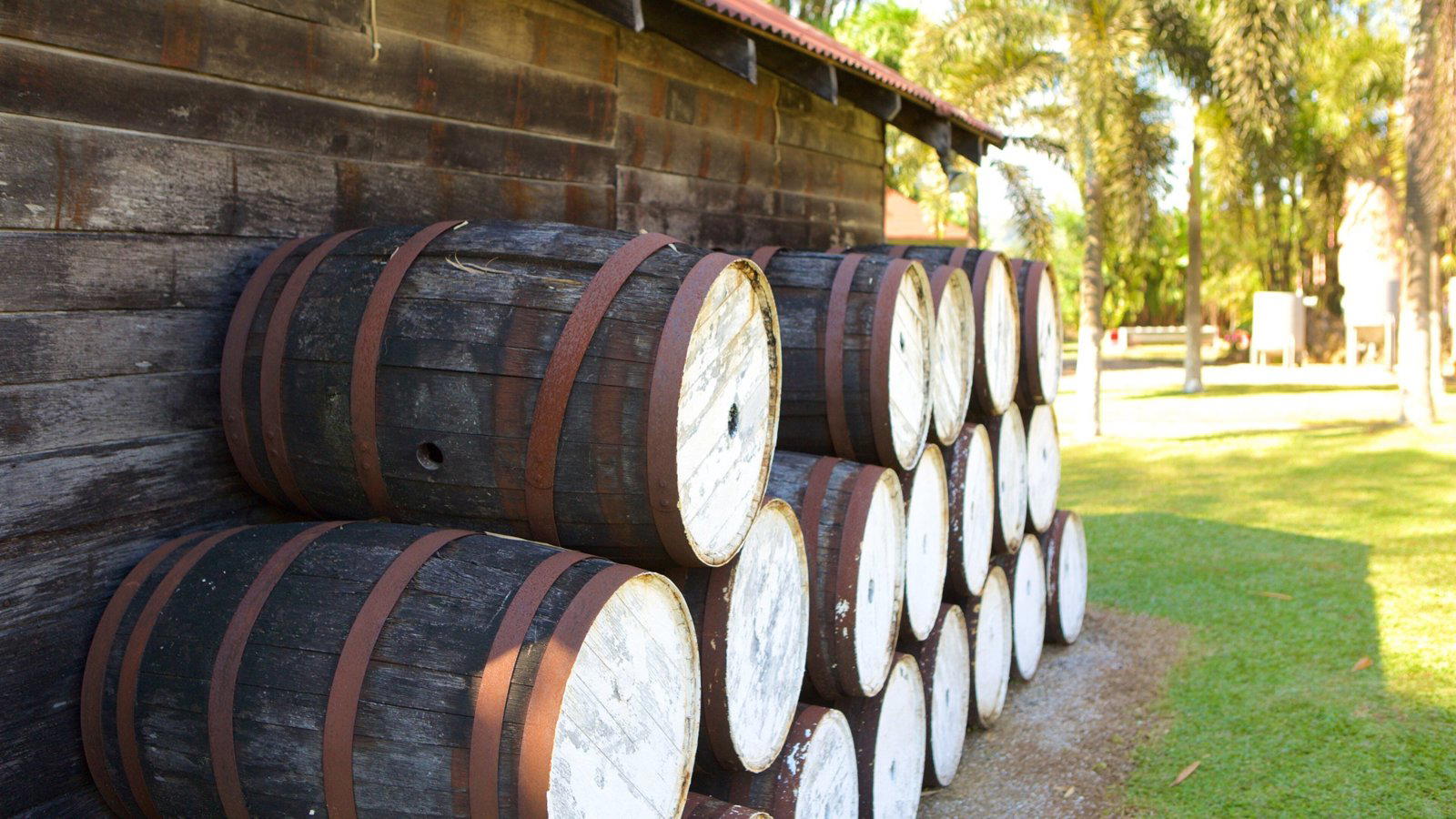
Nassau Valley, Where the Terroir Speaks Before the Bottle Opens
There are rum estates, and then there are estates shaped by geography with enough clarity that the land itself becomes an argument. Appleton Estate, situated in the Nassau Valley within St. Elizabeth Parish, Jamaica, belongs firmly to the second category. The valley is a limestone basin fed by the Black River, and that combination, mineral-dense soil, natural irrigation, a microclimate insulated by the surrounding hills, produces sugarcane with a chemical profile distinct from coastal plantations. When producers in other Caribbean regions talk about terroir in rum, they are often making an aspirational claim. In Nassau Valley, it is a structural fact.
The limestone geology here does what it does in Chablis or the Willamette Valley: it filters and mineralizes the water, affects how the cane roots, and ultimately contributes to a fermentation environment that carries that mineral thread from field to still. This is the foundational argument for placing Appleton Estate in the same editorial conversation as wine estates in regions defined by their ground.
The Colophon of Cane: What Nassau Valley Produces
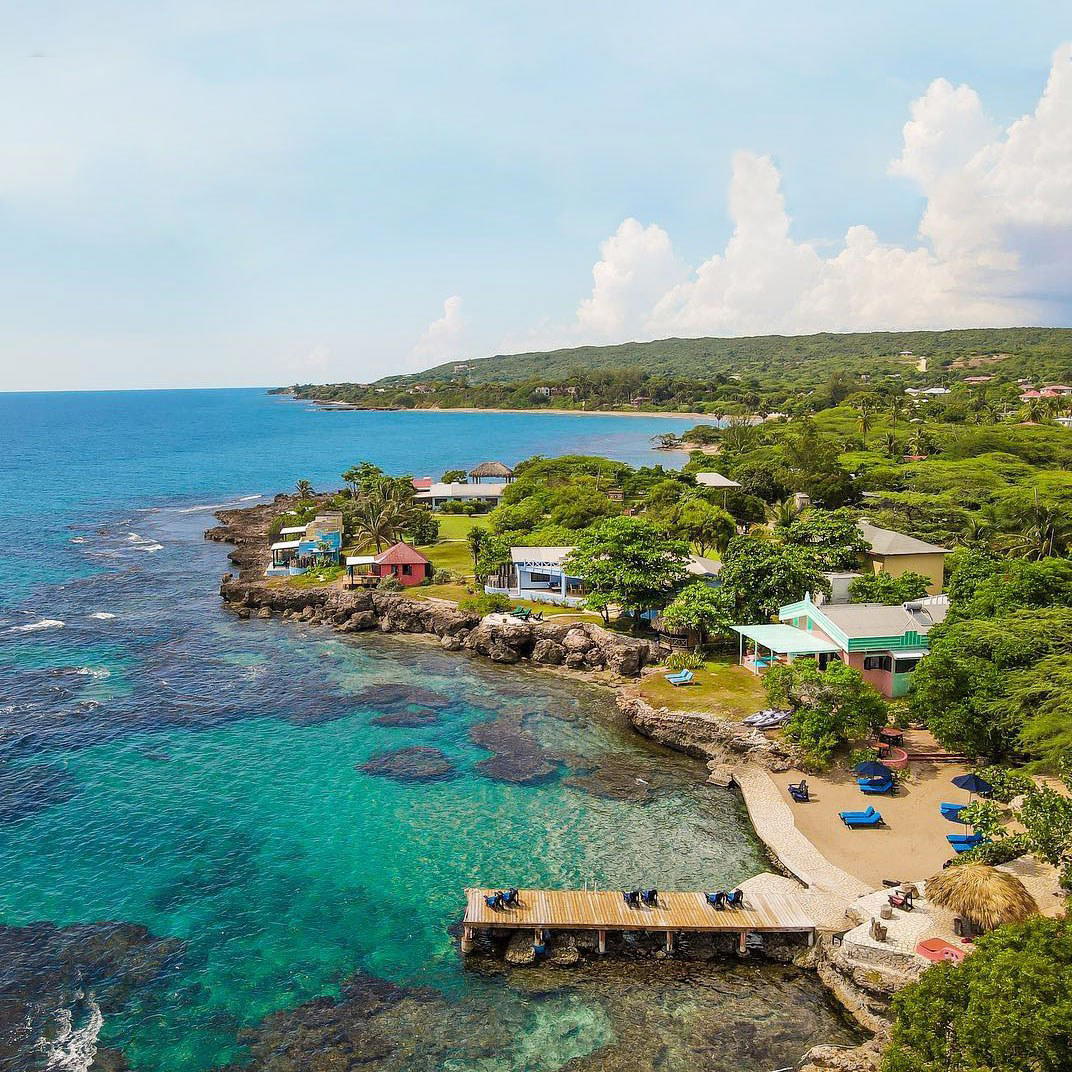
St. Elizabeth Parish sits on Jamaica's south coast, away from the tourist infrastructure of the north. That distance has served the valley well. It remains primarily agricultural, and the Nassau Valley's position within it gives Appleton Estate a degree of environmental consistency that flat coastal cane fields cannot replicate. The hills around the basin moderate temperature swings between day and night, creating conditions that slow the development of the cane and concentrate its sugars in a way that affects the character of the final spirit.
Jamaican rum as a category occupies a specific position in the global spirits conversation. It tends toward higher ester production than, say, Barbadian or Cuban styles, and the pot still component common in Jamaican production contributes a richer, funkier base note that blenders and mixologists have sought for decades. Within that Jamaican framework, the Nassau Valley's limestone-and-river terroir pushes the winery's character in a particular direction: richer than the lighter agricole styles of Martinique, more mineral than the purely molasses-driven profiles of some other Caribbean producers, and built for complexity over time. These are the structural reasons why the estate's aged expressions attract attention from spirits collectors who approach rum with the same analytical framework they apply to aged Cognac or single malt whisky.
For context, this is a category where geography and process interact in ways that collectors are increasingly tracking. Estates like Accendo Cellars in St. Helena and Adelaida Vineyards in Paso Robles demonstrate how Western Hemisphere terroir-driven production has developed deep collector audiences. The winery operates within an analogous logic in its own category.
Where It Sits in a Broader Production Context
Properties like Viña Viu Manent, Clos Apalta (Casa Lapostolle), Viña Montes, and Viña Apaltagua each demonstrate how a specific valley microclimate, protected from wind, shaped by elevation and aspect, creates a competitive identity distinct from flat-floor production. The winery runs a parallel logic in rum: the Nassau Valley is not interchangeable with other Jamaican growing areas, and the estate's positioning reflects that.
In the broader EP Club portfolio, estates. That puts Appleton in the same recognition tier as recognized producers across disciplines, from Adelsheim Vineyard in Newberg to Alban Vineyards in Arroyo Grande to heritage European estates like Abadía Retuerta in Sardón de Duero. The credential is about production discipline and place-based consistency, not scale or marketing reach.
Planning Your Visit to Nassau Valley
The winery operates as a destination in its own right within the context of Jamaican tourism, though it sits at a remove from the resort corridors of Montego Bay or Negril. St. Elizabeth Parish requires a deliberate decision to visit: the drive from Montego Bay runs roughly two hours, and from Kingston approximately the same. That distance filters the visitor profile toward those arriving with the estate as a primary objective rather than a secondary excursion. Reservations are recommended.
The spirit, if not the geography, translates directly.
For those drawn to the intersection of heritage distillation and place-specific flavor, the comparison with whisky estates is instructive. Aberlour in Speyside demonstrates how a single geographic address can anchor a production identity across decades. The winery operates on an equivalent logic in the rum category, with the Nassau Valley as its irreducible argument.
Comparable Venues
Comparable venues nearby, for context on price, style, and recognition.
| Venue | Cuisine |
|---|---|
| Appleton EstateThis venue — the venue you are viewing | Santa Cruz, Winery |
| Viña Apaltagua | Winery |
| RAIN | Winery |
| Eaglepoint Ranch | Winery |
| Cole Bailey Vineyards | Winery |
| Bodega Jean Rivier | Winery |
Continue exploring
More in Santa Cruz
Wineries in Santa Cruz
Browse all →
Bars in Santa Cruz
Browse all →

Restaurants in Santa Cruz
Browse all →

At a Glance
- Rustic
- Historic
- Scenic
- Group Outing
- Wine Education
- Family
- Barrel Room
- Estate Grounds
- Historic Building
- Vineyard Tour
- Vineyard
- Garden
- Rum Tasting
- Production Process Tour
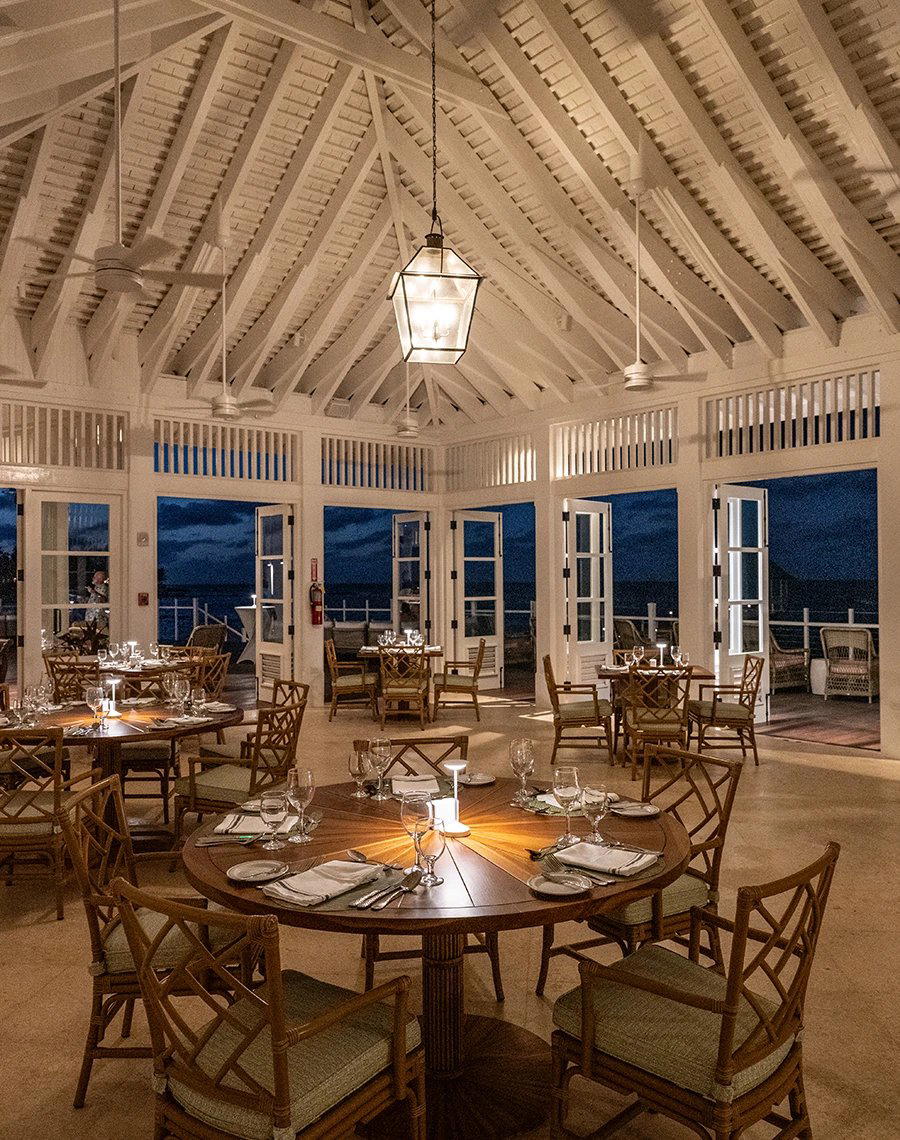
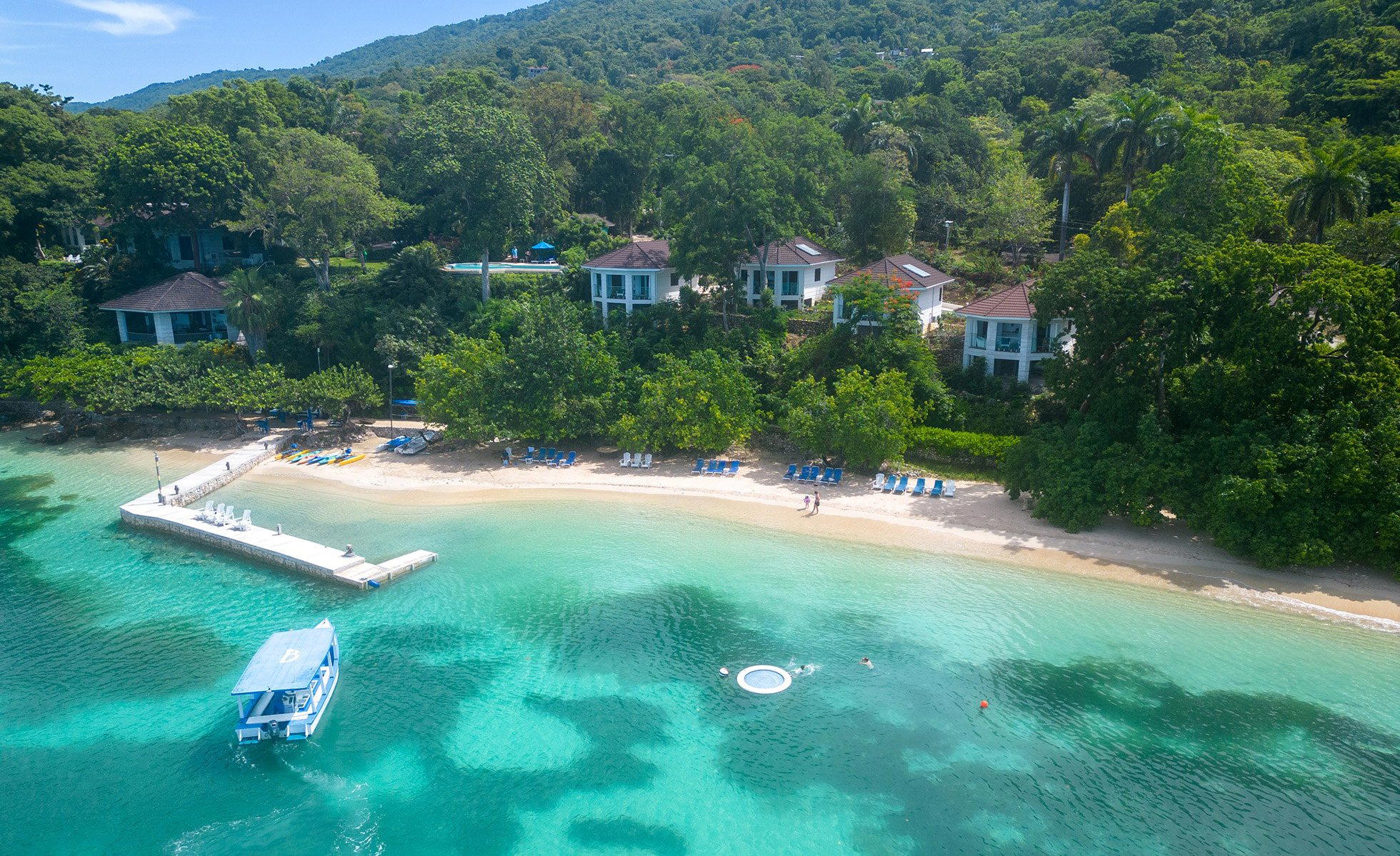
Historic and educational atmosphere with rustic charm, set across 11,000 acres of sugarcane fields in Jamaica's South Coast mountains; visitors experience the traditional production process in a working distillery environment.