Bodega Jean Rivier
The winery represents a strand of San Rafael viticulture that values regional identity over trend-chasing, positioning it among the area's most recognised addresses for serious wine exploration.
Pearl is the En Primeur Club membership app — saves, bookings, and concierge access live there. Same editors, same standards.
- Address
- San Rafael, United States
- Directions
- Get directions
 Saves & bookings on Pearl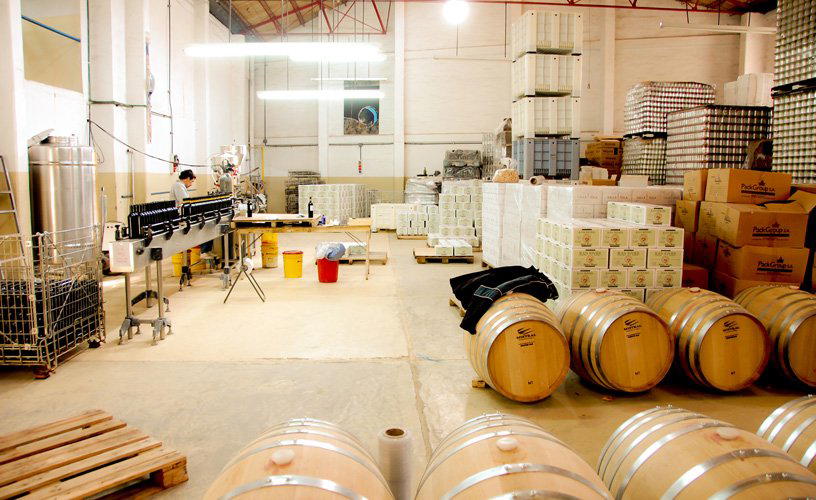
San Rafael's Quiet Argument for Southern Mendoza
San Rafael sits roughly 230 kilometres south of Mendoza city, and that distance is not merely geographic. The appellation occupies a cooler, windier corridor where the Diamante and Atuel rivers irrigate a vine-growing area that has developed largely outside the promotional machinery that surrounds Luján de Cuyo and the Valle de Uco. For travellers who track wine regions by what they produce rather than by what gets written about most, San Rafael consistently rewards the detour. Its producers tend toward a quieter kind of ambition, one measured in vineyard age and appellation character rather than international distribution volumes.
The Winemaker's Philosophy and Regional Roots
One instructive thing about any San Rafael producer is how it reads its own terroir. The region's diurnal range is wider than Luján de Cuyo's, its soils more heterogeneous, and its elevation moderate rather than dramatic, conditions that favour aromatic precision and acid retention. Winemakers who have spent time here long enough to understand those variables tend to resist the temptation to import a house style borrowed from further north. That distinction matters in a zone where particularly compelling producers are those who have resisted homogenisation. Among long-established San Rafael names are Bodega Valentín Bianchi, Bodega Goyenechea, and Bodega Suter, all of which have built identities around the southern appellation rather than treating it as a secondary address.
The 2025 recognition highlights producers where the quality signal is consistent and the regional positioning is deliberate. In a region that does not generate the volume of critical coverage that Napa or Burgundy producers receive, third-party recognition carries weight, identifying producers that have cleared a consistent threshold rather than benefiting from marketing spend or distribution reach. For a winery in San Rafael, that rating is a meaningful differentiator. The appellation's smaller international profile means awards carry more signal value than they would in a market where every second producer holds a trophy of some kind.
For comparison, producers at a similar quality tier in other regions, Accendo Cellars in St. Helena, Alpha Omega Winery in Rutherford, or Artesa Vineyards and Winery in Napa, operate inside well-mapped critical frameworks where peer context is abundant. San Rafael's producers earn their ratings in relative isolation from that support structure, which makes the recognition more meaningful as a standalone data point.
San Rafael in the Wider Argentine Wine Map
Argentina's wine export story has been dominated by Malbec from Mendoza's northern zones, and that dominance has done something odd to how San Rafael is perceived: the region produces Malbec too, but its versions tend toward darker-fruited, more structured expressions shaped by those cooler growing conditions. Beyond Malbec, San Rafael has a credible history with Cabernet Sauvignon, Bonarda, and white varieties, a breadth that most casual followers of Argentine wine do not associate with the country at all. Producers who have spent decades working with that full spectrum, as Jean Rivier and its San Rafael contemporaries have, carry an institutional knowledge that newer operations in more fashionable zones are still accumulating.
The broader context for serious wine travel in this part of South America is instructive. Producers in adjacent categories, from Adelaida Vineyards in Paso Robles to Alban Vineyards in Arroyo Grande to Adelsheim Vineyard in Newberg, demonstrate that particularly durable reputations in mid-sized wine regions are built on variety-specific conviction and a refusal to drift toward whatever style earns the highest scores in any given season. San Rafael's leading producers share that orientation. So do interesting operations further afield, from Andrew Murray Vineyards in Los Olivos to Au Bon Climat in Santa Barbara to Alexander Valley Vineyards in Geyserville, all of them regional operators whose consistency has outlasted many higher-profile contemporaries. Further afield still, the longevity argument holds across different traditions: Aberlour in Aberlour and Achaia Clauss in Patras both show what institutional depth looks like when a producer commits to place over trend.
Planning a Visit
San Rafael is served by a small regional airport with connections to Buenos Aires, making it accessible as a standalone destination or as an extension of a broader Mendoza itinerary. The wine season runs roughly from March through April for harvest, with the cooler shoulder months of September through November offering particularly comfortable conditions for vineyard visits.
Price and Recognition
Comparable venues nearby, for context on price, style, and recognition.
| Venue | Cuisine | Price | Notes |
|---|---|---|---|
| Bodega Jean RivierThis venue — the venue you are viewing | Winery | Not listed | Not listed |
| Bodega Suter | Winery | Not listed | Not listed |
| Bodega Goyenechea | Winery | Not listed | Not listed |
| Bodega Valentín Bianchi | Winery | Not listed | Not listed |
| Rodney Strong Vineyards | Not listed | $$ | Healdsburg, Cabernet Sauvignon, Chardonnay |
| Andrew Murray Vineyards | Los Olivos, Syrah, Grenache | $$ | Not listed |
Continue exploring
More in San Rafael
Wineries in San Rafael
Browse all →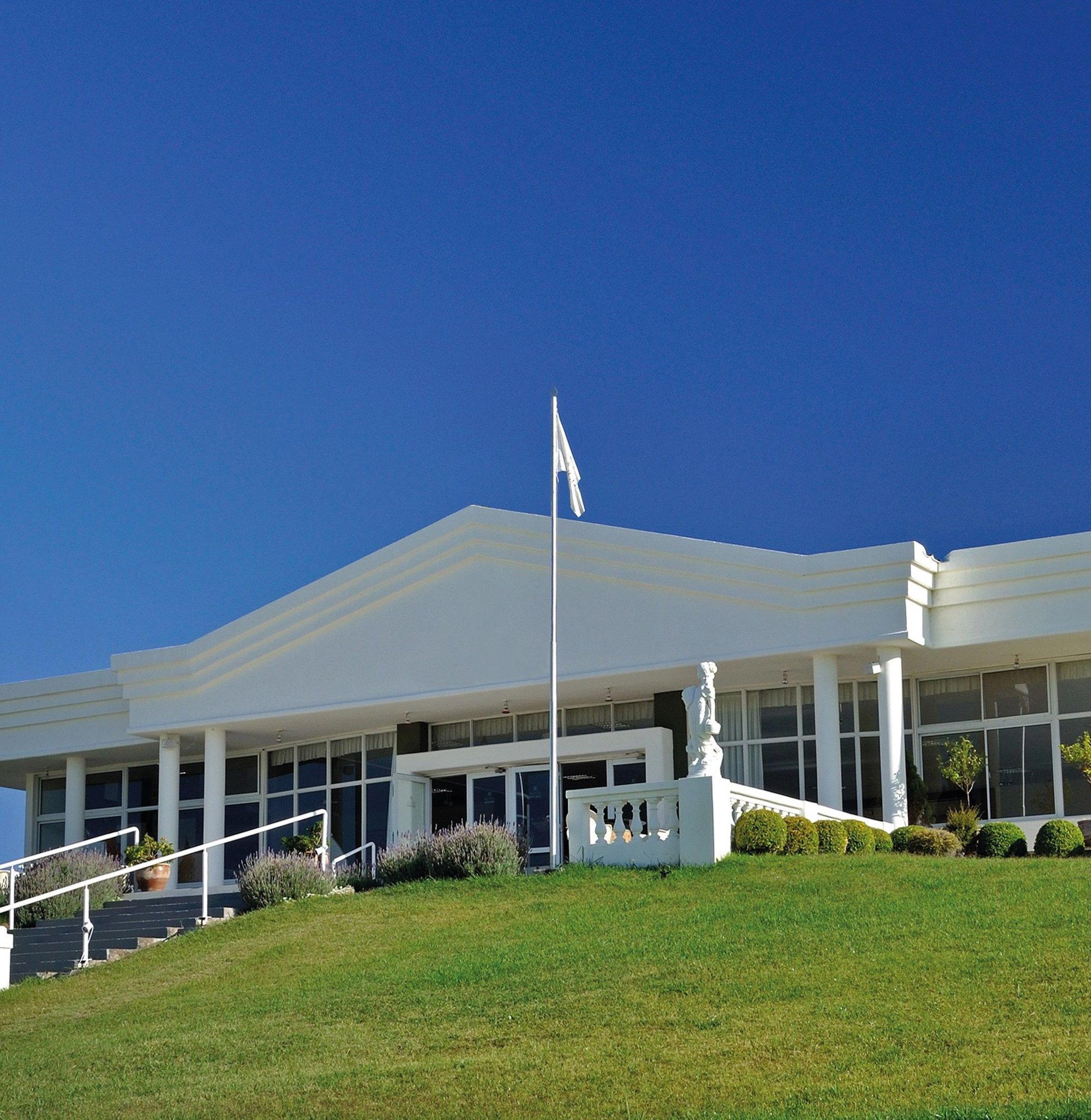
Restaurants in San Rafael
Browse all →
Hotels in San Rafael
Browse all →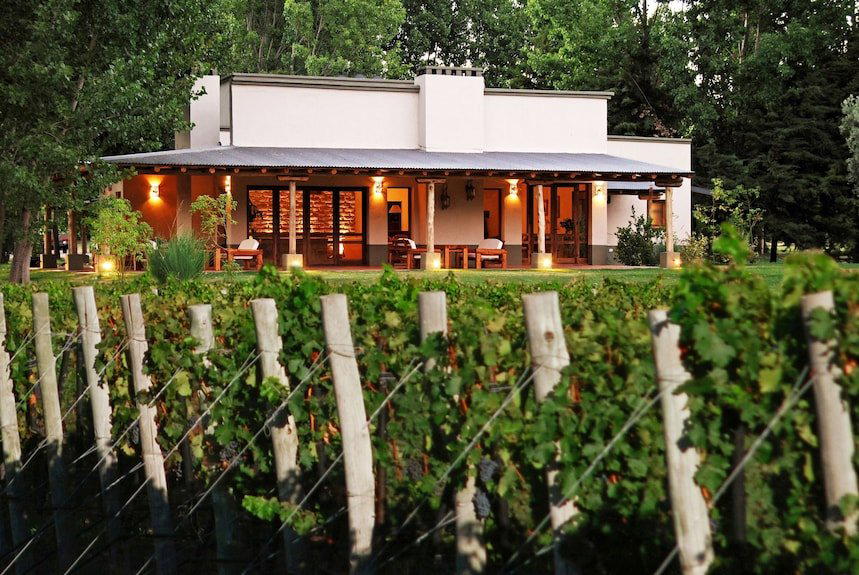
At a Glance
- Quiet
- Classic
- Scenic
- Intimate
- Solo Exploration
- Wine Education
- Special Occasion
- Historic Building
- Estate Grounds
- Private Tasting
- San Rafael
- Still Red
- Still White
- Guided Tasting
- Cellar Tasting
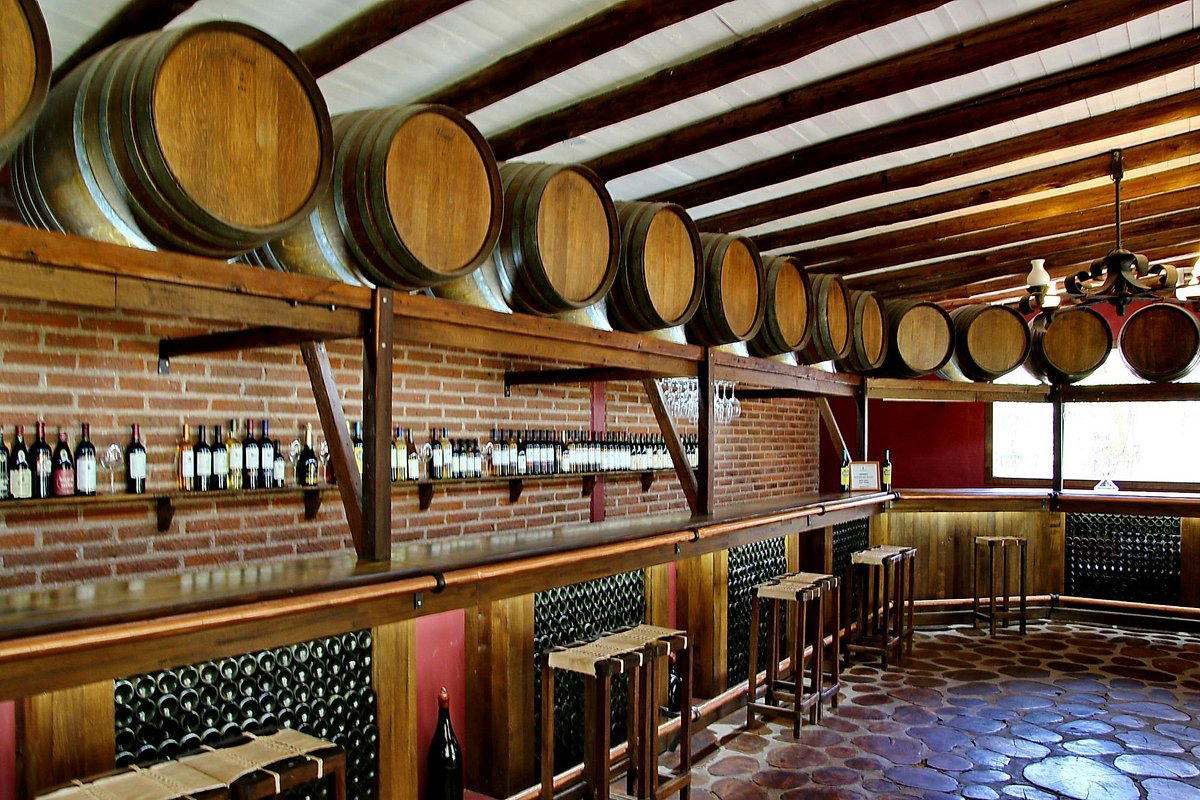
Reserved, terroir-first, and understated, with a scenic estate feel that emphasizes regional character over flashy presentation.