Hampden Estate
Hampden Estate in Clark's Town, Trelawny, is one of Jamaica's oldest rum-producing properties, operating from a highland plateau where mineral-rich soils and consistent trade winds shape a house style that sits at the furthest end of the funky, ester-heavy spectrum.
Pearl is the En Primeur Club membership app — saves, bookings, and concierge access live there. Same editors, same standards.
- Address
- C7R3+3W2, Wakefield
- Phone
- (876) 926-2211
- Website
- hampdenestaterum.com
- Directions
- Get directions
 Saves & bookings on Pearl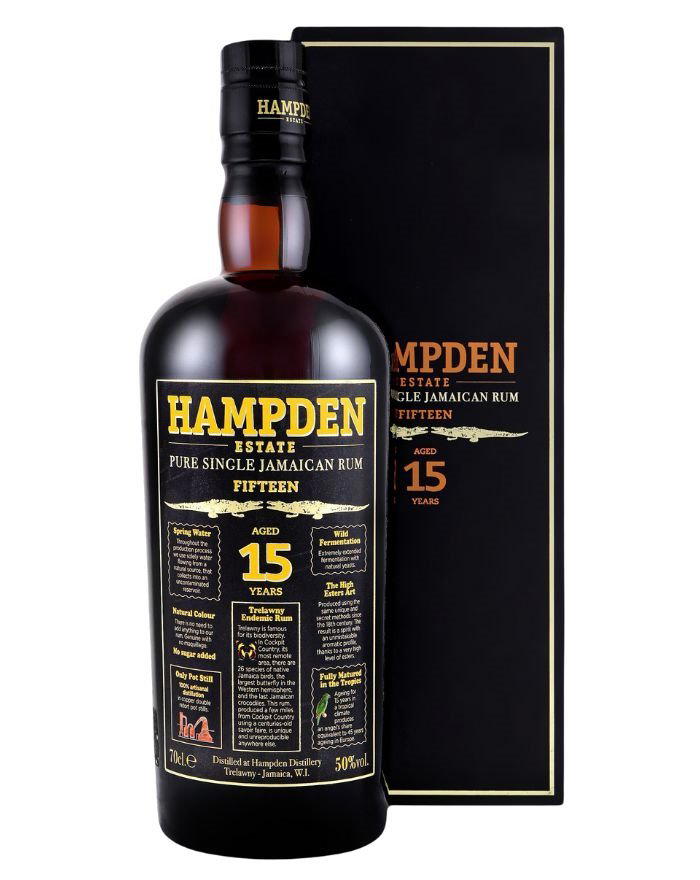
Where Jamaica's Interior Shapes the Spirit
The road into Trelawny's interior climbs steadily from the coast, leaving the tourist belt behind as the terrain shifts to limestone hills and the kind of sustained humidity that blurs the horizon by mid-morning. Hampden Estate sits in that highland interior, near Clark's Town, at an elevation and latitude that distinguish its growing conditions from the flat coastal refineries that define most visitors' mental map of Jamaican rum. The air is different up here: cooler at night, crossed by trade winds that slow fermentation and concentrate the volatile compounds that define what serious rum drinkers recognise as the Hampden house character. Arriving at the property, the first impression is agricultural rather than cosmetic, sugarcane fields, old stone buildings, and the faint sour sweetness of active fermentation.
Terroir in a Distillery Context
The concept of terroir applies imperfectly to spirits, distillation collapses many of the site-specific variables that wine preserves, but Hampden is among the handful of rum estates where the argument holds with some force. The mineral content of Trelawny's limestone-filtered water enters the fermentation process and shapes the final spirit in ways that are not replicated by producers using municipal or coastal water sources. The estate's cane varieties, grown in soil that retains heat while draining excess moisture, produce juice with a sugar density and flavour profile that differs measurably from lowland Jamaican cane.
More specifically, Hampden operates with an unusually long, open fermentation process. The wash sits in wooden vats for extended periods, sometimes well over three weeks, in open-air conditions where the estate's own ambient yeasts and bacteria contribute to fermentation alongside house cultures. This is the mechanism through which place enters the bottle in a traceable way: the microbial population in that fermentation room is specific to Hampden's grounds, and it produces ester levels that exceed almost any other legal rum production site in the world. The resulting high-ester marks, historically coded under systems used by the Jamaican export trade, represent a house identity built on geography as much as craft.
Within the Jamaican rum category, this matters for comparative reading. Worthy Park Estate in Lluidas Vale represents another single-estate Jamaican producer committed to traditional pot-still methods, but it operates with a somewhat different ester profile and water source. J. Wray and Nephew in Kingston works at a scale and with a blending approach that places it in a different category entirely. Hampden's proposition is specifically about estate character expressed through pot-still distillation at small-to-medium volume, a model that has more in common with single-estate Scotch malt whisky producers or Burgundy domaine bottlers than with the Jamaican rum industry's commercial mainstream.
The Ester Scale and What It Signals
Jamaican rum has historically used a mark system to indicate ester concentration, a measure of the aromatic compounds produced during fermentation that are responsible for the fruit-forward, sometimes aggressively funky profile associated with the island's pot-still output. Hampden produces across a range of these marks, from relatively approachable mid-range esters to the extreme upper end of what is produced anywhere in commercial rum. The highest-ester marks from this estate have long been used in blending by European producers, particularly in the French rhum agricole and artisan spirits trade, where they function as flavour anchors in small proportions.
That export history is relevant context: for most of the twentieth century, Hampden's output left the island in bulk, and the estate's name was not visible to end consumers. The shift toward single-estate, vintage-dated, and mark-specific bottlings is a relatively recent development, one that mirrors what happened in single malt Scotch whisky when producers began bottling by distillery and year rather than selling exclusively to blenders. For producers like Aberlour in Aberlour or Albert Boxler in Niedermorschwihr, the identity of the place was always central to the label. Hampden is now repositioning toward the same logic: the estate name, the mark, and the vintage year carry the information that a label once concealed.
Recognition and Positioning
Within the rum category specifically, this kind of formal recognition reflects consistent production standards and a distinct, coherent identity across releases, not a single standout bottle but a reliable character that collectors can track across vintages and marks.
The estate's positioning in the premium rum market has consolidated significantly over the past decade. In that context, Hampden sits adjacent to single-estate producers in other categories where provenance and method are the primary value drivers: estates like Adelaida Vineyards in Paso Robles or Alban Vineyards in Arroyo Grande operate on a similar logic in the wine world, where a specific site's identity is the product rather than a branded style designed for mass-market consistency.
Planning a Visit to Clark's Town
Clark's Town is not on the standard Jamaican tourist circuit, and that distance from the resort belt is part of what makes a visit to Hampden feel substantive rather than packaged. The estate is accessible from Montego Bay, with the drive taking roughly an hour into the interior depending on road conditions. Estate visits have historically been available to trade and serious collectors rather than walk-in tourism, and the format skews toward those with a genuine interest in production. Checking directly with the estate before travelling is advisable, as visits are recommended by appointment. For broader context on the Clark's Town area and what the region offers to visiting spirits enthusiasts,
The ideal time to visit Trelawny is during Jamaica's drier season, roughly December through April, when road conditions in the interior are more reliable and humidity does not make open fermentation vessel visits actively uncomfortable. The estate itself is operational year-round, and aligning a visit with production periods is worth considering.
The Broader Single-Estate Spirits Argument
Hampden's approach, estate-grown cane, site-specific fermentation, pot-still distillation, and mark-coded bottlings are part of a wider argument within premium spirits. This argument has been settled in wine for decades, and producers like Accendo Cellars in St. Helena, Aldo Conterno in Monforte d'Alba, or All Saints Estate in Rutherglen are all working within traditions where the connection between land and liquid is assumed. In spirits, the claim is harder to make and easier to dispute, but Hampden's combination of documented water source, open fermentation with ambient yeasts, and long production history on a single site produces a reasonable case that the place matters here in a traceable way.
For rum specifically, the comparison set is small. Producers like Amrut in Bengaluru, working within Indian single malt, face a similar challenge of establishing terroir credibility in a category where the concept was not previously applied. Hampden has the advantage of historical documentation: the Trelawny climate, the estate's fermentation records, and the ester marks associated with specific batches give researchers and collectors a data trail that most rum estates cannot match.
Continue exploring
More in Clark's Town
Wineries in Clark's Town
Browse all →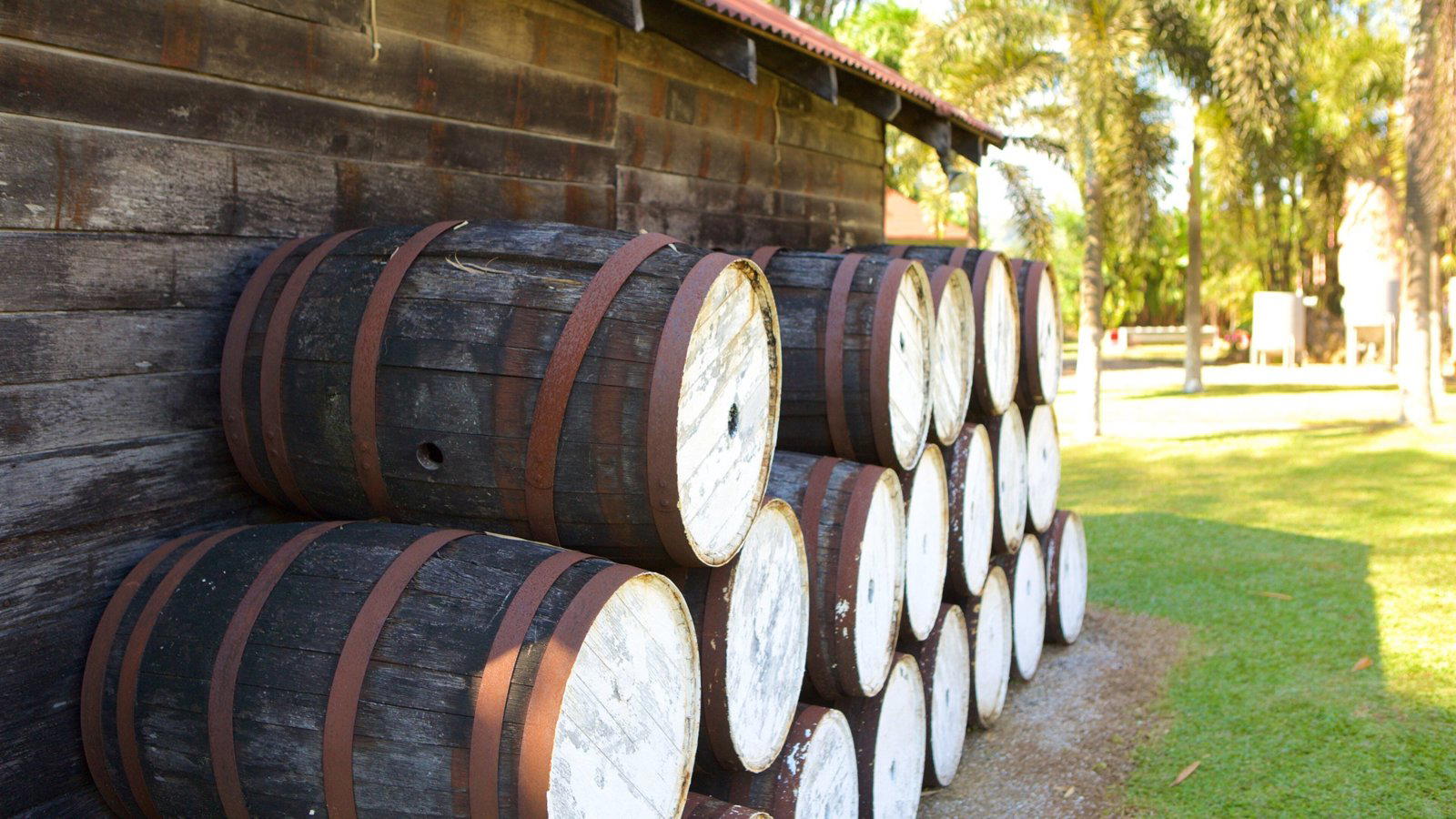
Bars in Clark's Town
Browse all →
Restaurants in Clark's Town
Browse all →
At a Glance
- Rustic
- Historic
- Well Known
- Group Outing
- Wine Education
- Historic Building
- Estate Grounds
- Garden
- Trelawny
- Rum Tasting
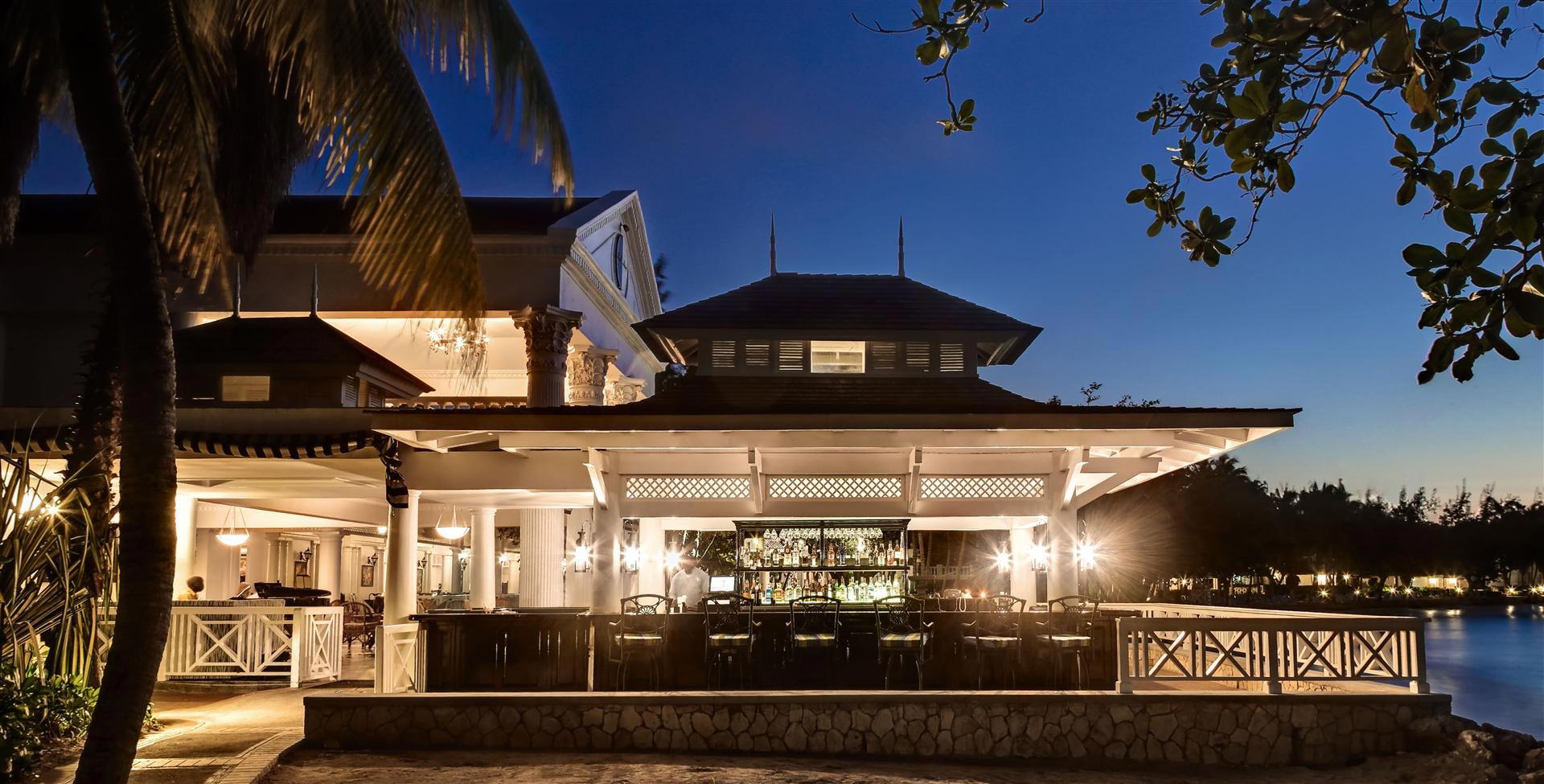
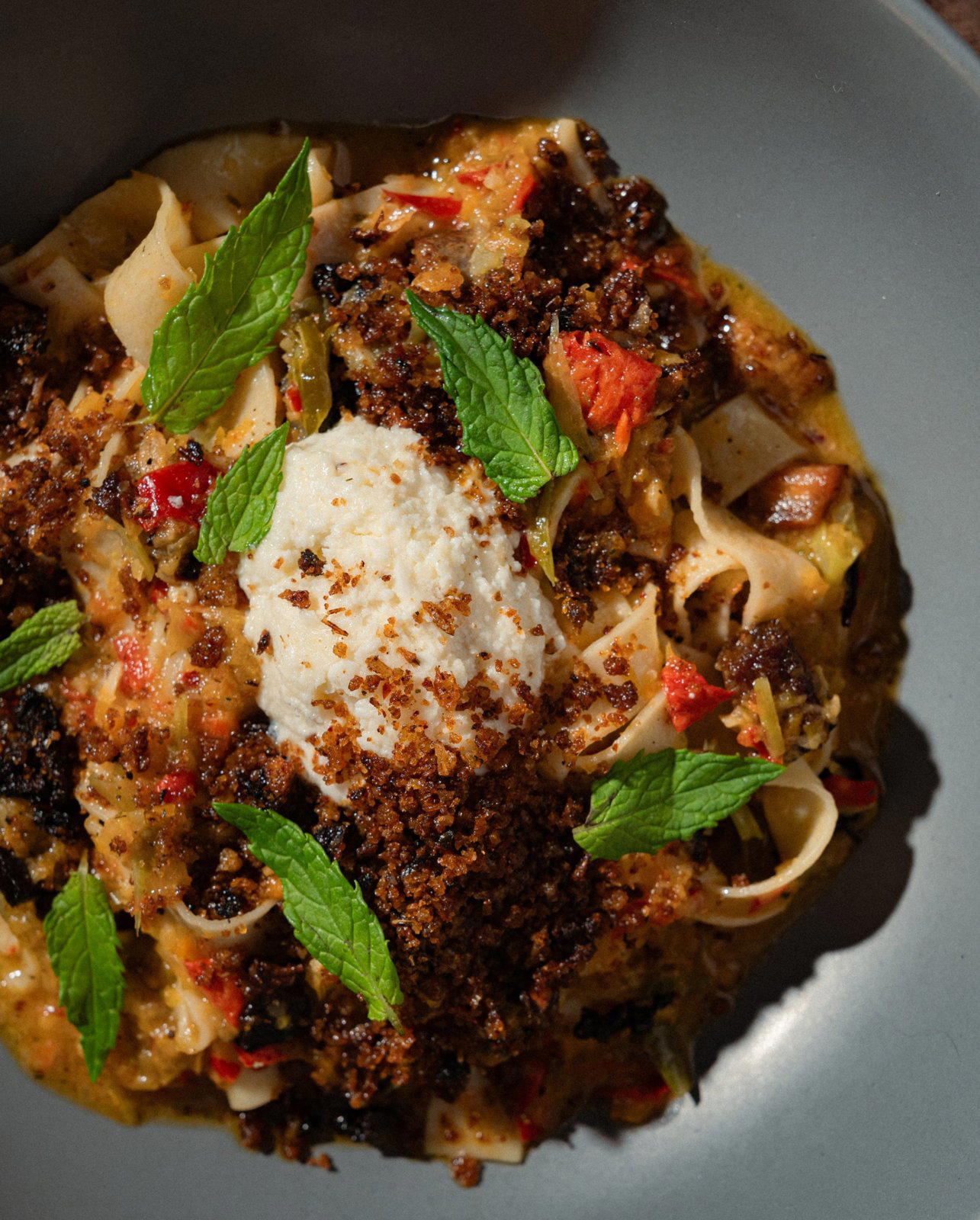
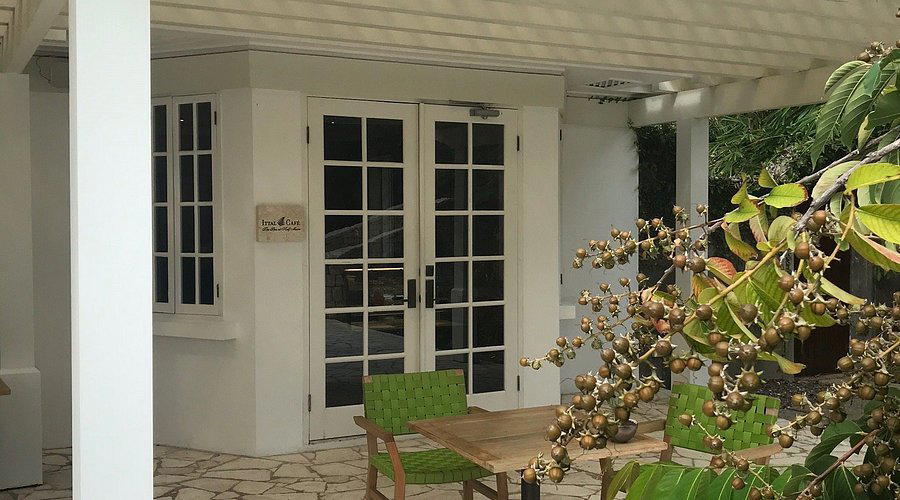
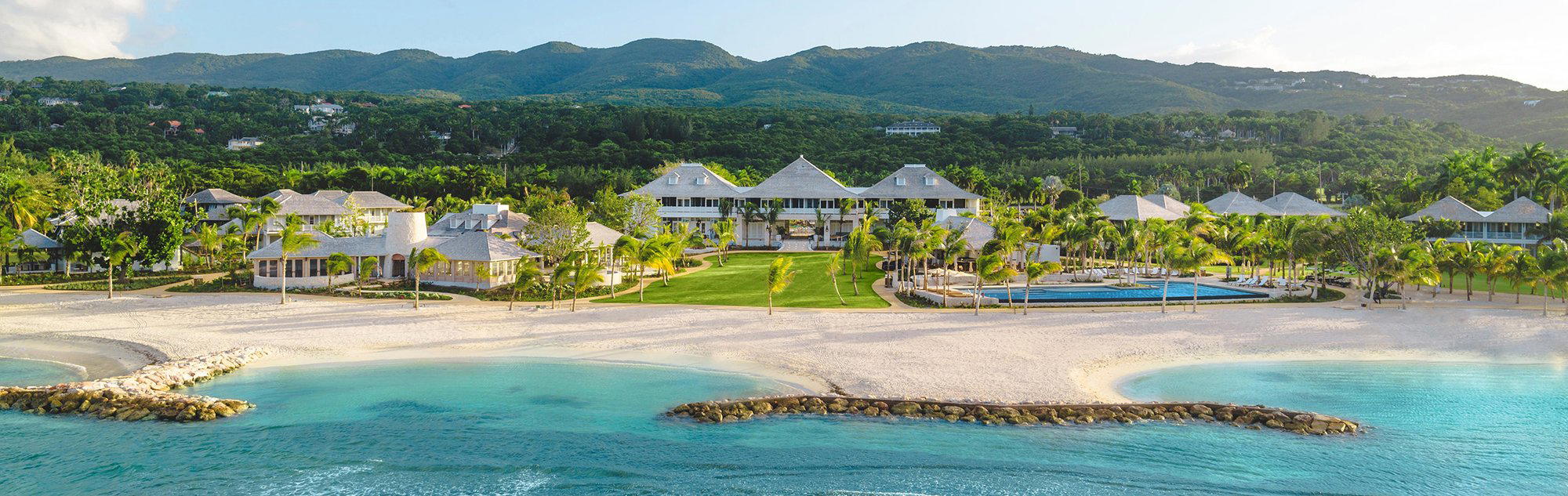
Rustic working distillery with engaging sensory experiences from fermentation smells, lively peacocks on gorgeous grounds, and lively tours.