Cole Bailey Vineyards
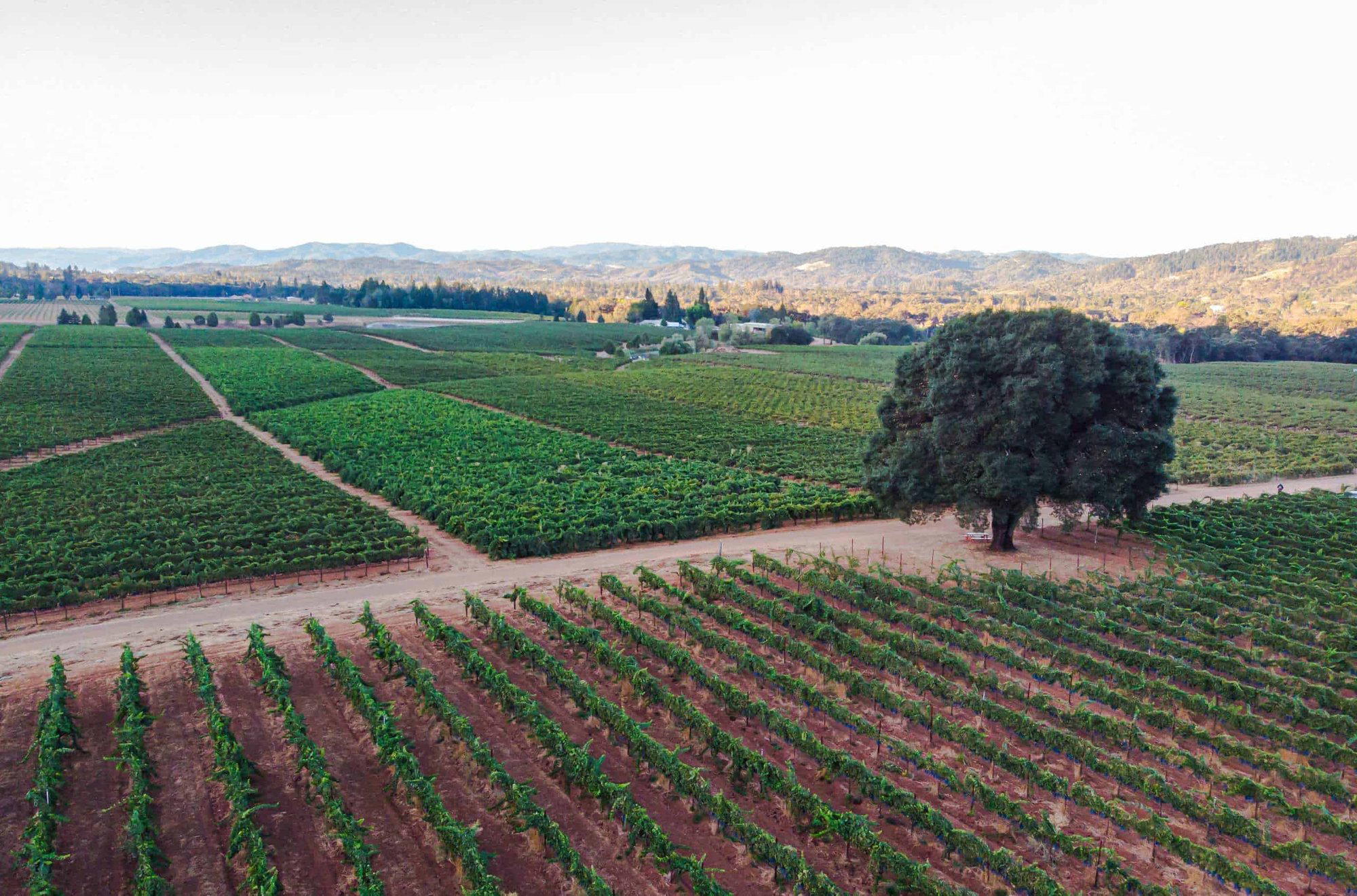
The valley's cooler nights and well-drained benchland soils shape a house style that reads differently from the county's more coastal producers. For visitors seeking serious estate wine away from the Napa–Sonoma circuit, Cole Bailey offers a focused alternative.

Pearl is the En Primeur Club membership app — saves, bookings, and concierge access live there. Same editors, same standards.
- Address
- Redwood Valley, United States
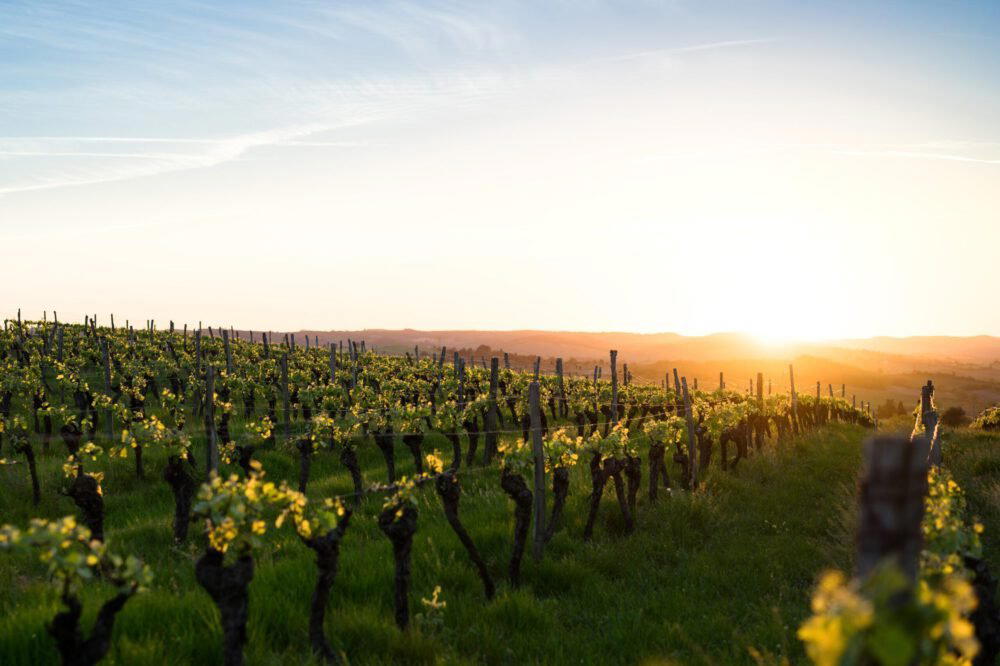
Redwood Valley and the Case for Looking North
Mendocino County's wine geography has never quite resolved itself into a single narrative. The Anderson Valley draws the headlines, Hopland anchors the southern reach, and somewhere in between, Redwood Valley sits at an elevation and latitude that most California wine tourists pass through rather than stop at. That oversight is increasingly difficult to justify. The valley runs roughly north from Ukiah, bounded by ridgelines that compress the diurnal temperature swing and push growers toward varieties that ripen with retention of acid rather than a flood of residual sugar. It is appellation territory that rewards patience from both grower and visitor.
That credential matters in context: Redwood Valley is not a region where awards are distributed casually, and the peer group is smaller and more specialised than the county's better-known sub-appellations. Other producers in the valley, including Barra of Mendocino, Frey Vineyards, and Girasole Vineyards, have each built reputations through consistency over volume. Cole Bailey sits within that framework.
The Winemaking Orientation in Redwood Valley
The broader pattern across Redwood Valley's recognised producers is one of site-first decision-making. Growers here deal with granitic and loamy benchland soils that drain quickly and force vine roots deeper than the richer valley floor plots further south. That stress translates into fruit concentration without the weight that warmer California appellations produce almost automatically. Wines made from these sites tend to carry structure that allows for ageing, and producers who understand this work with the land's natural tendencies rather than against them.
This is not a region that has historically pursued fashionable varieties or marketing-led pivots. Graziano Family of Wines has demonstrated through decades of production that the valley supports Italian varieties with a seriousness that few California appellations can match. Chance Creek Vineyards represents the smaller, single-estate model that has become more common as growers recognise the valley's capacity for distinction at lower production volumes. Cole Bailey operates within this same orientation: production shaped by what the site allows rather than what the market momentarily demands.
The philosophical alignment with restraint-led winemaking connects Redwood Valley producers to a broader California movement that has found its clearest expression in Sonoma Coast, Santa Cruz Mountains, and parts of Santa Barbara County. For comparable approaches in other California appellations, Accendo Cellars in St. Helena and Alpha Omega Winery in Rutherford occupy structurally different positions in the premium tier but share the emphasis on vineyard provenance as the primary editorial statement in the bottle. Further afield, Adelaida Vineyards in Paso Robles and Alban Vineyards in Arroyo Grande show how Rhône-inflected thinking has taken hold across California's cooler inland corridors, while Alexander Valley Vineyards in Geyserville anchors the Sonoma side of this northern California conversation.
For visitors building a tasting itinerary, this is a useful signal: it distinguishes the estate from hobbyist operations and positions it alongside producers where the winemaking decision-making has been assessed and found creditable. The 2025 vintage year for this award is also worth noting. Mendocino County experienced variable growing conditions through several recent harvests, and producers who maintained quality through that period demonstrated vineyard management and cellar discipline that goes beyond formula.
Internationally, the question of what prestige-tier regional producers look like in comparison to better-known appellations is worth holding. Adelsheim Vineyard in Newberg represents a Pacific Northwest equivalent: a producer that built long-term recognition in an appellation that required patient advocacy before the broader market caught up. Andrew Murray Vineyards in Los Olivos tracks a similar arc in Santa Barbara County. The pattern is consistent: producers in underrecognised appellations who hold serious awards tend to offer a value-to-quality ratio that flagship appellations structurally cannot match, because land cost and demand pressure have not yet recalibrated pricing to match reputation.
Redwood Valley as a Tasting Region
For visitors planning time in Mendocino County, Redwood Valley functions leading as a half-day or full-day focus rather than a single-stop addition to a larger itinerary. The producers here are spaced across a valley that does not lend itself to quick windshield tours. The reward for slowing down is access to a wine culture that remains production-focused rather than hospitality-focused, which means conversations at the cellar door tend to be substantive rather than scripted.
The regional context extends beyond California's borders for travellers who approach wine geographically. Achaia Clauss in Patras and Aberlour in Aberlour represent entirely different production traditions, but both illustrate how regions that operated outside the main critical spotlight developed rigorous production standards precisely because external validation was not guaranteed. Redwood Valley sits in a comparable position within the California wine map: serious, documented, and still operating below its probable long-term recognition ceiling.
For a broader view of what Redwood Valley's wine and hospitality scene offers across producers and price tiers, our full Redwood Valley restaurants guide covers the appellation in detail.
Planning a Visit
Redwood Valley sits approximately 10 miles north of Ukiah, which provides the nearest concentration of accommodation, restaurants, and services. Highway 101 runs the length of the valley, making access direct from both the Bay Area to the south and the Humboldt corridor to the north. Spring and early autumn are the most comfortable seasons for visits, with harvest activity through September and October adding a practical layer of interest for those who want to see production in motion rather than simply taste finished wines.
Budget Reality Check
Comparable venues nearby, for context on price, style, and recognition.
| Venue | Cuisine | Notes |
|---|---|---|
| Cole Bailey VineyardsThis venue — the venue you are viewing | Winery | Not listed |
| Barra of Mendocino | Not listed | Redwood Valley, Zinfandel, Cabernet Sauvignon |
| Hidden Cellars Winery | Redwood Valley, Zinfandel, Carignane | Not listed |
| Redwood Valley Cellars | Redwood Valley, Zinfandel, Carignan | Not listed |
| Silversmith Vineyards | Not listed | Redwood Valley, Cabernet Sauvignon, Syrah |
Continue exploring
More in Redwood Valley
Details
- Quiet
- Intimate
- Rustic
- Romantic Getaway
- Special Occasion
- Solo Exploration
- Wine Education
- Private Tasting
- Design Destination
- Vineyard
- Cabernet Sauvignon
- Sauvignon Blanc
- Syrah
- Still Red
- Still White
- Wine Tasting
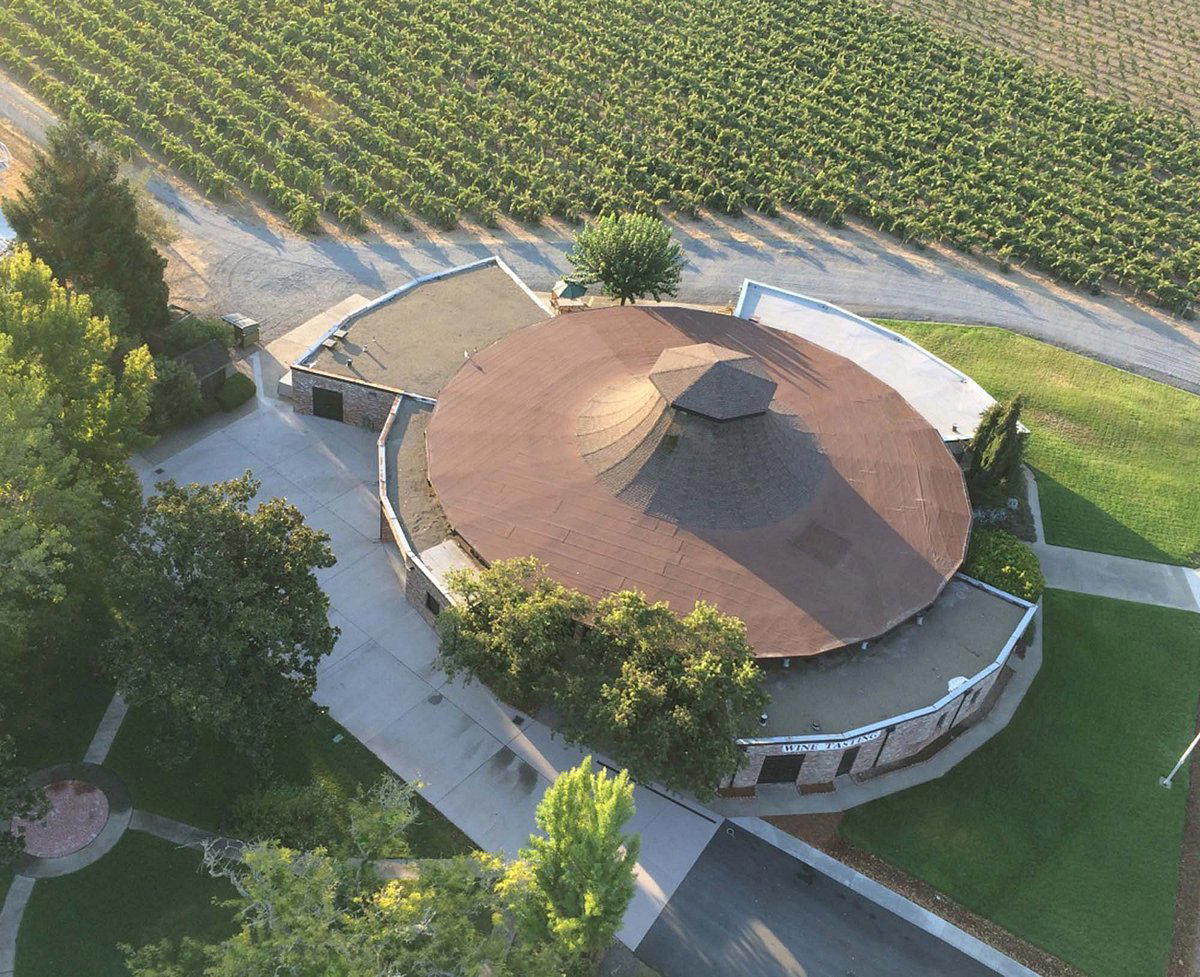
Quiet, understated, terroir-focused winery atmosphere with a small-celebration feel rather than a large tourist operation.