
Falstaff Winery - Listed
A small, family-run Weinviertel estate in Maustrenk, Anton Steineder is framed by natural viticulture, hand harvesting, and gentle cellar work rather than design-led hospitality. The draw is the region’s still-white tradition, especially Grüner Veltliner, with a 2019 Weinviertel DAC Classic rated 90 points by Falstaff in 2020.

Pearl is the En Primeur Club membership app — saves, bookings, and concierge access live there. Same editors, same standards.
- Address
- Maustrenk, Weinviertel, Lower Austria, Österreich
- Directions
- Get directions
Maustrenk is rural wine country before it is a visitor circuit: vineyard rows, agricultural quiet, and a cellar culture built around the estate rather than spectacle. In that setting, Anton Steineder reads as a family-run Weinviertel estate rather than a designed visitor center. The picture is modest and rural: a focus on natural viticulture, gentle vinification, and a quiet, rustic atmosphere centered on the vineyards and cellar. Its appeal is therefore less about a single headline feature than about the coherence of those elements together: countryside, family scale, careful vineyard work, and a restrained sense of place.
Weinviertel character, read through a family-run estate
The useful distinction here is not between luxury and rusticity, but between a polished visitor experience and a family-run estate shaped by vineyard and cellar life. Anton Steineder is best understood through the basics: a Weinviertel estate in Maustrenk, with natural viticulture and gentle vinification at the center of its identity. Those terms matter because they point away from theatrical wine tourism and toward a more grounded understanding of what the venue is.
That approach gives the venue a clear sense of place without requiring claims about particular grapes, scores, awards, menus, or tasting formats. The available information supports a portrait of a quiet rural wine estate rather than a hospitality venue built around spectacle. In editorial terms, the restraint is part of the description: there is no need to overdecorate the profile when the strongest facts already place it within a specific landscape and working wine culture.
Because the public record is limited, the strongest way to frame Anton Steineder is also the most direct: it is a modest Maustrenk estate associated with natural vineyard work, careful cellar handling, and a rustic, cozy setting. That directness keeps expectations aligned. Visitors should read the estate through its rural context and through the language of viticulture and vinification, not through assumptions imported from larger, more choreographed wine destinations.
A cellar setting shaped by family scale, not visitor choreography
Austria’s polished tasting rooms can be compelling, but the Weinviertel also rewards a less staged form of wine travel. Here the atmosphere is best described in practical terms: rustic, cozy, quiet, and tied to a family-run estate. That gives Anton Steineder a different rhythm from urban wine bars or larger visitor-focused venues. The emphasis falls on the estate as a working rural place, where the cellar and vineyards provide the frame rather than a highly designed hospitality concept.
The family-run structure is part of the venue’s character. In regions where scale can flatten difference, a rural estate places more emphasis on viticulture, cellar decisions, and the feel of the place itself. At Anton Steineder, the available description suggests a venue whose identity comes from that smaller-scale relationship between land, cellar, and family operation. It is not necessary to add extra claims to see the appeal: the modesty is integral to how the estate should be understood.
What is supported is the overall character: a quiet Maustrenk wine estate with a natural-viticulture focus, gentle vinification, and a rural setting centered on vineyards and cellar life. The atmosphere implied by that combination is slower and more local than destination-driven. For the right traveler, that can be precisely the point: not a dramatic set piece, but a grounded encounter with Weinviertel wine culture in a village setting.
How to place it in a Maustrenk wine itinerary
Maustrenk is not a city-break wine destination in the usual sense, so planning should treat Anton Steineder as part of a rural regional outing rather than a casual urban stop. The estate’s character makes most sense when placed within the broader pace of the countryside: vineyard landscapes, quiet roads, and the practical realities of a wine area shaped by agriculture.
For wider context, compare Anton Steineder with other dining and wine options in Maustrenk generically rather than assuming the same services, format, or visitor setup. The profile here remains focused: a family-run Weinviertel estate in Maustrenk, rustic and quiet in atmosphere, with natural viticulture and gentle vinification as its core identity. That makes it best approached with expectations calibrated to place and scale: rural rather than urban, cellar-centered rather than spectacle-led, and modest in the way a working wine estate can be modest while still offering a clear sense of regional character.
Recognition history
Dated appearances from independent guides and award organizations, with the underlying list record or original source where available.
Falstaff Winery - Listed
Falstaff
Continue exploring
More in Maustrenk
Wineries in Maustrenk
Browse all →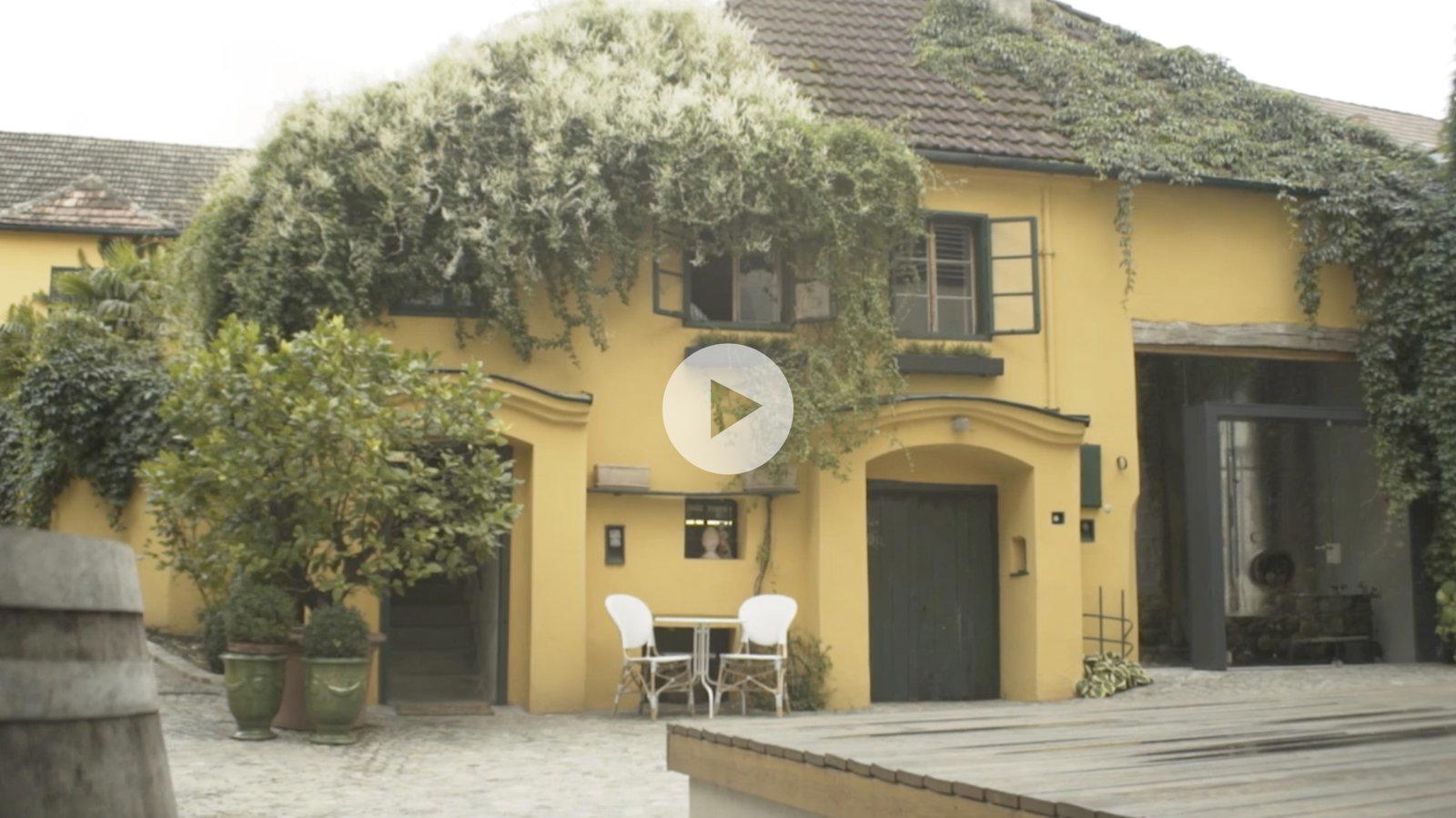
Bars in Maustrenk
Browse all →
Restaurants in Maustrenk
Browse all →
Details
- Rustic
- Cozy
- Quiet
- Classic
- Group Outing
- Family
- Wine Education
- Solo Exploration
- Vineyard Tour
- Vineyard
- Grüner Veltliner
- Still White
- Estate Tasting
Family-run Weinviertel estate with a focus on natural viticulture and gentle vinification, likely offering a quiet, rural atmosphere centered on the vineyards and cellar rather than a designed visitor center.