
One of Canelones' older established wineries, Antigua Bodega Stagnari holds a Pearl 2 Star Prestige rating (2025) and sits in the La Paz subzone, where Atlantic-influenced soils have shaped Uruguayan viticulture for generations. The bodega represents the longer arc of the region's wine identity, placed among a peer set of Canelones producers who built their reputations before international attention arrived.
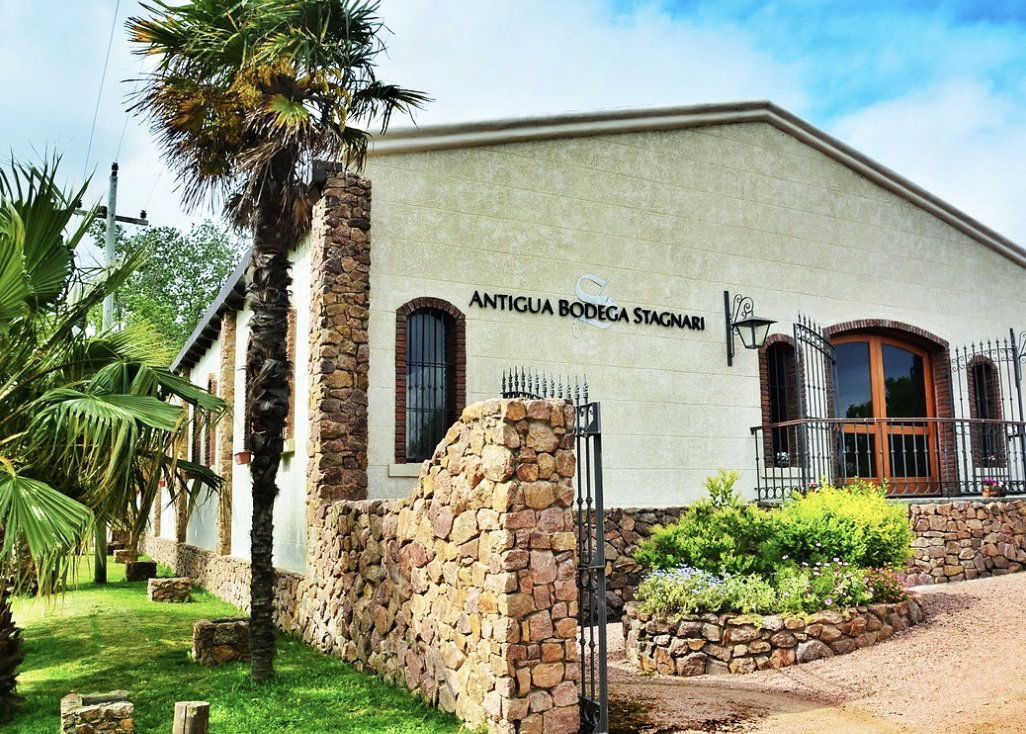
La Paz and the Soils That Built Uruguayan Wine
Canelones is not a glamorous address by the standards of global wine geography. There are no dramatic escarpments or celebrated microclimates that photograph well for marketing campaigns. What the department has is something more durable: a band of Atlantic-influenced terrain stretching inland from Montevideo, where clay-loam soils, reliable humidity, and warm-but-tempered summers have quietly produced the conditions in which Tannat, Uruguay's signature red variety, finds its most complete expression. La Paz, the subzone where Antigua Bodega Stagnari operates, sits within that band, and the bodega's 2025 Pearl 2 Star Prestige rating from EP Club places it at the upper tier of a region that has been producing wine far longer than most international audiences realise.
The broader Canelones wine belt rewards visitors who arrive with some understanding of what the land actually does. Unlike the high-altitude Andes producers or the cool-maritime edge of Patagonia, Canelones works with a subtler kind of tension: warm enough to ripen Tannat fully, cool enough at night to preserve acidity, and with Atlantic moisture that keeps freshness in the glass where other warm-weather regions lose it. That tension, more than any single winery's choices, is what defines the character of wine made here.
Antigua Bodega Stagnari Inside the Canelones Peer Set
Canelones holds a concentration of serious producers that visitors arriving from Montevideo often encounter on the same circuit. Varela Zarranz, Artesana, Bodega De Lucca, Bodega Juanicó (Familia Deicas), and Bodega Marichal all operate in this department, each with their own positioning within the region's quality hierarchy. Antica Bodega Stagnari's Pearl 2 Star Prestige designation places it among the more formally recognised producers in that group, a signal that its wines have been assessed against a consistent benchmark rather than simply inherited a historical reputation.
That distinction matters in a region where longevity and quality do not always move together. Canelones has older producers whose reputations are largely archival, and newer operations that arrived with ambition but limited track record. The middle tier of recognised, active producers with current critical standing is the most useful cohort for a serious visitor, and Stagnari belongs there. Comparing it against Bodega Bouza in Montevideo or Bodega Carrau in Las Piedras gives a sense of the range available within a single day's drive of the Uruguayan capital.
What the Terroir Actually Delivers
The editorial case for visiting Antigua Bodega Stagnari is less about a single wine and more about what the La Paz terroir does that other Canelones subzones do not. The soils here carry a heavier clay fraction in places, which slows drainage and keeps vine stress moderate through the summer. That slow availability of water, combined with Atlantic airflow that moderates afternoon temperatures, tends to produce Tannat with more mid-palate weight and less of the coarse tannin extraction that warm-climate Tannat can develop when ripening accelerates too fast.
Visitors who have tasted Uruguayan Tannat only in export markets often encounter a polished, internationally-adjusted version of the variety. At source, in a region like Canelones, the wines carry more of the soil's character directly: mineral grip, darker fruit register, and a structural backbone that ages differently from the softened-down versions. The bodega's location in La Paz, a subzone that has been under vine for a long time, means that the terroir signal in its wines reflects accumulated viticultural knowledge about which blocks perform in which vintages, a precision that newer operations in the region are still developing.
Arriving in La Paz: Practical Considerations
La Paz sits roughly 30 kilometres north of Montevideo's city centre, accessible by car along Route 5 or via the network of departmental roads that cross the Canelones interior. The address at 15900 La Paz places Antigua Bodega Stagnari in a working agricultural area rather than a polished wine-tourism corridor, which shapes the visit accordingly. Visitors should plan ahead: the bodega does not have a publicly listed phone number or website at the time of writing, which means contact and visit confirmation requires either direct local enquiry or coordination through Canelones tourism channels before travel.
This is not unusual for older established Uruguayan bodegas, many of which operate on appointment systems built around relationships rather than digital booking infrastructure. Arriving without prior contact carries real risk of finding limited access. The broader Canelones wineries guide provides context on how the region's visit culture works and which other producers in the area offer complementary experiences on the same circuit. For accommodation planning, the Canelones hotels guide and for dining options beyond the wineries, the Canelones restaurants guide are worth consulting in advance.
Those building a wider Uruguayan wine itinerary should also note that Bodega Cerro del Toro in Piriápolis extends the circuit toward the coast, offering a different soil and maritime profile that contrasts with inland Canelones character. For visitors whose wine travel extends beyond Uruguay, Abadía Retuerta in Sardón de Duero provides a useful European reference point for how old-vine, single-estate wine traditions translate across hemispheres. And for something entirely outside the wine category, Aberlour in Aberlour demonstrates how terroir-led production thinking applies equally to Scotch whisky traditions.
Back in the Canelones context, the Canelones bars guide and Canelones experiences guide round out what is available for visitors spending more than a single day in the department.
A Region Still Defining Its Premium Identity
Uruguay's wine industry occupies an unusual position globally: old enough to have generational producers, young enough in international recognition terms that critical consensus is still forming. Canelones sits at the centre of that formation process. The department produces the majority of Uruguay's wine volume, but volume and premium identity are not the same thing, and the producers carrying formal recognition, Stagnari among them, are the ones actively shaping what Canelones means to a serious international audience.
The Pearl 2 Star Prestige rating earned in 2025 is a current credential, not a historical one. In a region where reputations can lag production quality by years, that currency matters. It positions Antigua Bodega Stagnari as an active participant in Canelones' quality tier rather than a legacy name coasting on archive.
Frequently Asked Questions
What's the vibe at Antigua Bodega Stagnari?
Antigua Bodega Stagnari sits in the working agricultural zone of La Paz, Canelones, which means the atmosphere is that of a functional, historically-rooted winery rather than a designed visitor experience. The EP Club Pearl 2 Star Prestige rating (2025) signals serious wine production credentials, but visitors should expect a producer-focused environment rather than a hospitality-led one. Pricing and format details are not publicly listed, so the experience is leading confirmed directly before visiting.
What's the must-try wine at Antigua Bodega Stagnari?
Specific current releases and tasting notes are not available in published data at the time of writing, so pinning a single wine would be speculative. What the La Paz terroir and the bodega's Pearl 2 Star Prestige standing (2025) suggest is that Tannat-based wines from this address will carry the clay-influenced structure and Atlantic-tempered freshness that define the better end of Canelones production. Ask directly at the bodega about which current release leading reflects the La Paz terroir signature.
What makes Antigua Bodega Stagnari worth visiting?
The combination of a long-established presence in La Paz, one of Canelones' historically significant viticultural subzones, and a current Pearl 2 Star Prestige rating (2025) from EP Club places Antigua Bodega Stagnari in the upper tier of the department's recognised producers. Canelones as a whole is underrepresented on international wine itineraries relative to its actual quality range, and visiting a formally assessed producer here gives a more accurate read on what Uruguayan wine at source actually delivers than export allocations alone can provide.
Can I walk in to Antigua Bodega Stagnari?
Given that no public phone number, website, or stated visit hours are listed for Antigua Bodega Stagnari, walking in without prior arrangement carries a meaningful risk of limited access. Older Canelones bodegas of this standing typically operate on appointment or relationship-based visit systems. Contact through local Canelones tourism infrastructure or advance enquiry is the recommended approach before travelling to the La Paz address.
How does Antigua Bodega Stagnari's Pearl 2 Star Prestige rating compare within the Canelones wine region?
EP Club's Pearl 2 Star Prestige designation, awarded in 2025, places Antigua Bodega Stagnari among the formally assessed upper tier of Canelones producers. Canelones holds Uruguay's highest concentration of wineries, meaning that a sustained prestige-level rating distinguishes the bodega from the significant volume of production-focused operations in the same department. For visitors building a Canelones itinerary around quality benchmarks rather than brand recognition, the 2 Star Prestige level is a concrete anchor for how to weight the visit within a broader circuit.
Credentials Lens
A small comparison set for context, based on the venues we track.
| Venue | Classification | Awards | First Vintage | Notes |
|---|---|---|---|---|
| Antigua Bodega Stagnari | 1 awards | This venue | ||
| Varela Zarranz | 1 awards | |||
| Artesana | 1 awards | |||
| Bodega De Lucca | 1 awards | |||
| Bodega Juanicó (Familia Deicas) | 1 awards | |||
| Bodega Marichal | 1 awards |
Access the Cellar?
Our members enjoy exclusive access to private tastings and priority allocations from the world's most sought-after producers.
Access the Concierge