Bodega Bouza


Bodega Bouza is a Montevideo winery founded in 2000 that holds a Pearl 3 Star Prestige rating for 2025. The restaurant and tasting space sit inside a working estate decorated with more than 30 vintage cars and motorcycles from the Bouza family collection — an arrangement that positions it firmly at the intersection of wine culture and personal patrimony in Uruguay's growing urban wine scene.
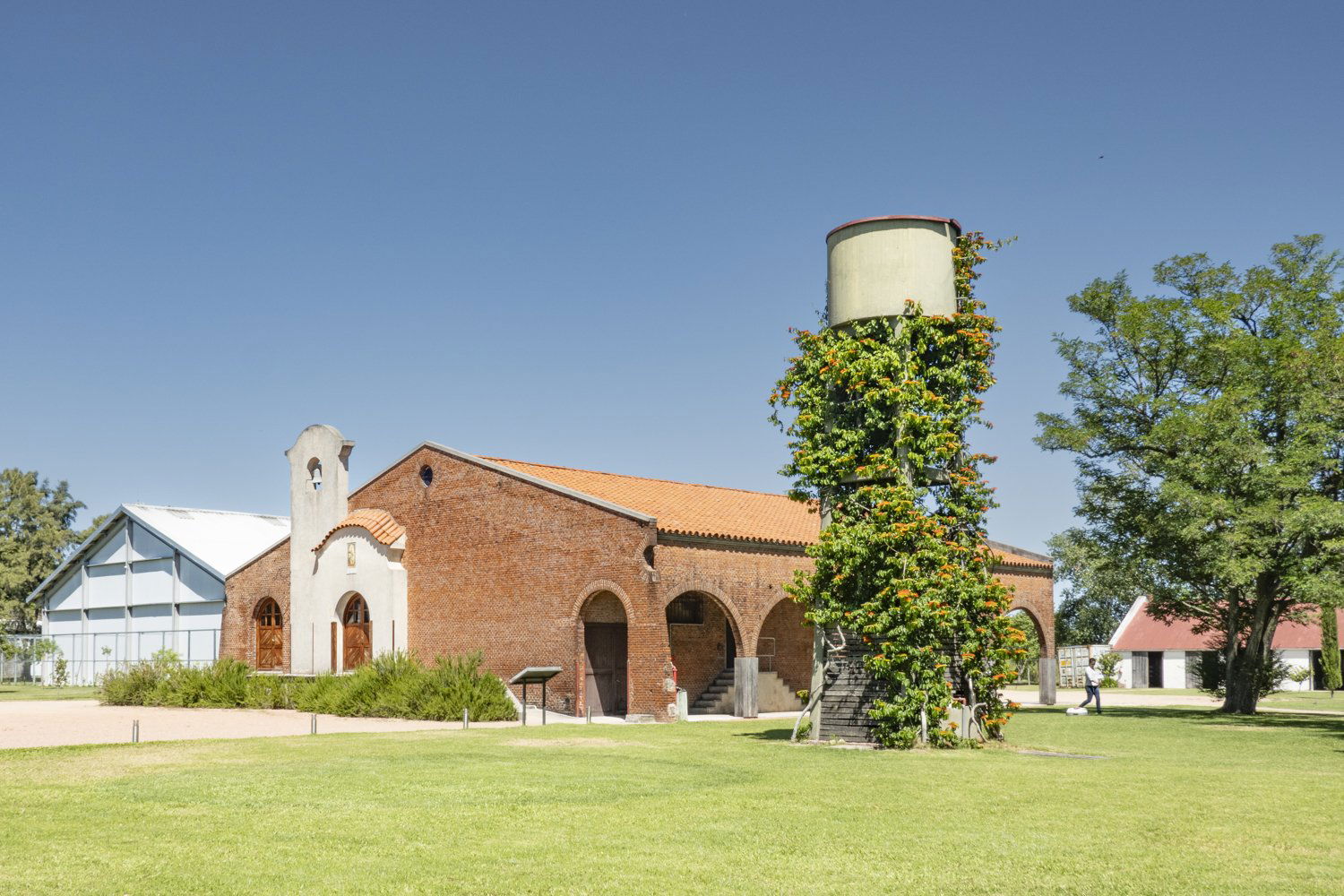
Where Uruguayan Wine Meets an Unlikely Archive
Winery restaurants in South America tend to follow a predictable script: terrace views, barrel-room aesthetics, a tasting menu built around the estate's flagship red. Bodega Bouza, on Cno. de la Redención in Montevideo's outskirts, breaks from that format in a way that says something useful about how Uruguayan wine culture has developed outside the traditional estancia model. The Bouza family founded the winery in 2000 — relatively late by regional standards, at a moment when Uruguay was beginning to articulate a serious national wine identity around Tannat — and they built the experience around an archive of more than 30 vintage cars and motorcycles that fills the restaurant space. The result is not a gimmick bolted onto a tasting room but a coherent private estate where two distinct collecting impulses occupy the same building without one undermining the other.
That architectural decision tells you something about the Uruguayan wine scene more broadly. Unlike the Colchagua Valley in Chile or Mendoza in Argentina, which long ago developed wine tourism as a formalised export product, Uruguay's wine country around Montevideo and Canelones has grown more organically, shaped by family operations that often carry secondary identities , agricultural, industrial, personal. Bodega Bouza's vintage vehicle collection is an extreme expression of that tendency, but the instinct it reflects is widespread.
The Winery's Place in Uruguay's Tannat Conversation
Uruguay's wine identity is inseparable from Tannat. Brought by Basque immigrants in the nineteenth century, the grape found in the country's Atlantic-influenced climate a set of conditions that tempered its famously aggressive tannins into something more structured and age-worthy than most expressions from its native Madiran. Bodega Bouza, founded at the start of the modern era of Uruguayan wine, entered the scene precisely as producers were working out how to communicate that identity internationally , and how to position their estates as destinations rather than simply producers.
Within Montevideo's wine production cluster, Bouza occupies a premium niche. Its 2025 Pearl 3 Star Prestige rating positions it in the upper tier of the city's wine operations, alongside other recognised producers in the broader department. That tier is defined not just by wine quality but by the completeness of the estate experience: restaurant, cellar, accommodation options where available, and the kind of curatorial detail that justifies a visit as a half-day or full-day itinerary rather than a quick tasting stop. Bouza's vehicle collection adds a layer of specificity that few comparators can match , it turns the visit into something archival and particular, rather than interchangeable with any other well-run winery.
For a broader picture of Montevideo's wine production, including operations at different scales and in different styles, our full Montevideo wineries guide maps the city's producing estates alongside their peer sets. Producers like Bodega Traversa and operations including ANCAP Alcoholes, Destilería Montevideo, Espíritu Libre Destilería, and Portón del Uruguay each represent different points on that spectrum.
The Restaurant Inside the Collection
Dining at Bodega Bouza means eating in the company of the family's vehicle archive , more than 30 cars and motorcycles from various decades, arranged through the restaurant space. This is not the kind of staging that suburban steakhouses use when they hang a single vintage license plate on the wall. The collection is substantive enough to function as a museum in its own right, and its presence recalibrates the atmosphere from the usual winery-restaurant register of warm terracotta and ambient candlelight into something more spare and industrial, closer to a private library than a cellar dining room.
The broader pattern here is worth noting: as wine tourism has matured globally, the properties that hold attention beyond a single visit tend to be those with an additional layer of identity , a collection, an architectural commission, a culinary program with genuine independence from the wine program. Bouza's vehicle archive is, in this sense, a strategic asset as much as a personal one. It gives the estate a reason to exist in visitor consciousness beyond the quality of the wine alone, though the Pearl 3 Star Prestige recognition in 2025 confirms that the wine programme has not been allowed to trail the experiential investment.
Getting There and Planning the Visit
Bodega Bouza sits at Cno. de la Redención 7658, in the 12500 postal zone of Montevideo. The address places it in the city's residential periphery rather than its tourist centre, which means the visit requires deliberate planning rather than a casual detour from the Old City or the Rambla. A taxi or rideshare from downtown Montevideo is the practical choice for most visitors; the journey runs through suburban Montevideo rather than scenic wine country, which underscores that this is an urban winery operation in a different register from, say, the terraced vineyards around Varela Zarranz in Canelones or the estate setting of Bodega Carrau in Las Piedras.
The winery does not publish contact details or booking procedures in the standard directory channels, which makes direct outreach via the estate's own website the reliable path for reservations and tour scheduling. Given the Pearl 3 Star Prestige designation and Bouza's position as one of the more visited estates in Montevideo, arriving without advance contact is a risk, particularly on weekends and during the southern hemisphere harvest season from February through April when winery visits peak across Uruguay. For context on how Uruguayan harvest timing affects visit logistics across the country's wine regions, the comparison with larger wine-tourism destinations like Abadía Retuerta in Sardón de Duero is instructive: premium estates in smaller wine countries tend to fill faster than their scale would suggest because the visitor pool is more concentrated.
Bouza in the Wider Montevideo Context
Visitors spending more than a day in Montevideo will find that the city's food, drink, and hospitality scene has developed enough depth to build a full itinerary around estate visits, urban restaurants, and neighbourhood bars. Our full Montevideo restaurants guide covers the range from casual parillada to more formal dining. Our full Montevideo bars guide maps the cocktail and spirits scene, which has its own points of interest at producers like Espíritu Libre Destilería. For accommodation, our full Montevideo hotels guide gives neighbourhood-level context for where to base yourself relative to the city's key areas. Those looking to extend the wine focus beyond Montevideo's city limits should consider Bodega Cerro del Toro in Piriápolis as a coastal counterpoint, and our full Montevideo experiences guide frames the broader range of what the city offers for a planned visit.
Frequently Asked Questions
- What's the must-try wine at Bodega Bouza?
- Bodega Bouza's programme is rooted in Uruguay's defining grape, Tannat, which arrived via Basque settlers and found a natural home in the Atlantic-moderated climate around Montevideo. Any visit to the estate is an opportunity to taste Tannat in the context of a producer that has been refining its approach since 2000. The winery holds a Pearl 3 Star Prestige rating for 2025, which signals that its output is assessed at a premium level within the Montevideo peer set. Specific current releases should be confirmed directly with the estate, as the portfolio may vary by season and allocation.
- Why do people go to Bodega Bouza?
- The combination of a serious wine programme and the family's collection of more than 30 vintage cars and motorcycles is the defining draw. Bouza offers something that few working wineries anywhere provide: a genuinely curated secondary collection that makes the visit worth making regardless of how deep your interest in the wine goes. The Pearl 3 Star Prestige recognition for 2025 confirms that the wine quality justifies the trip on its own terms. Within Montevideo, where urban winery tourism is still a developing proposition, Bouza functions as the clearest example of what an estate experience can look like at the premium end of the market.
- Can I walk in to Bodega Bouza?
- Walk-in visits are possible in principle at many winery restaurants, but Bodega Bouza's Pearl 3 Star Prestige status and its profile as one of Montevideo's more distinctive estate experiences mean that space on weekends and during the February–April harvest window tends to be limited. The winery's contact details are not listed in standard directory channels, so the most reliable approach is to reach out via the estate's own website before travelling. Given the location in Montevideo's suburban periphery rather than a central dining district, arriving without a confirmed booking adds logistical risk to an already deliberate trip.
Quick Comparison
A small set of peers for context, based on recorded venue fields.
| Venue | Classification | Awards | First Vintage | Notes |
|---|---|---|---|---|
| Bodega Bouza | World's 50 Best | This venue | ||
| ANCAP Alcoholes | 1 awards | |||
| Bodega Traversa | 1 awards | |||
| Destilería Montevideo | 1 awards | |||
| Espíritu Libre Destilería | 1 awards | |||
| Portón del Uruguay | 1 awards |
Access the Cellar?
Our members enjoy exclusive access to private tastings and priority allocations from the world's most sought-after producers.
Access the Concierge