
Bodega De Lucca sits on the rural fringes of Las Piedras in Canelones, Uruguay's most productive wine department, where it has earned a Pearl 2 Star Prestige rating in 2025. The bodega operates in a regional tier defined by Tannat's dominance and a growing number of producers pushing for international recognition. It is a reference point for understanding how Canelones is consolidating its identity as Uruguay's serious wine country.
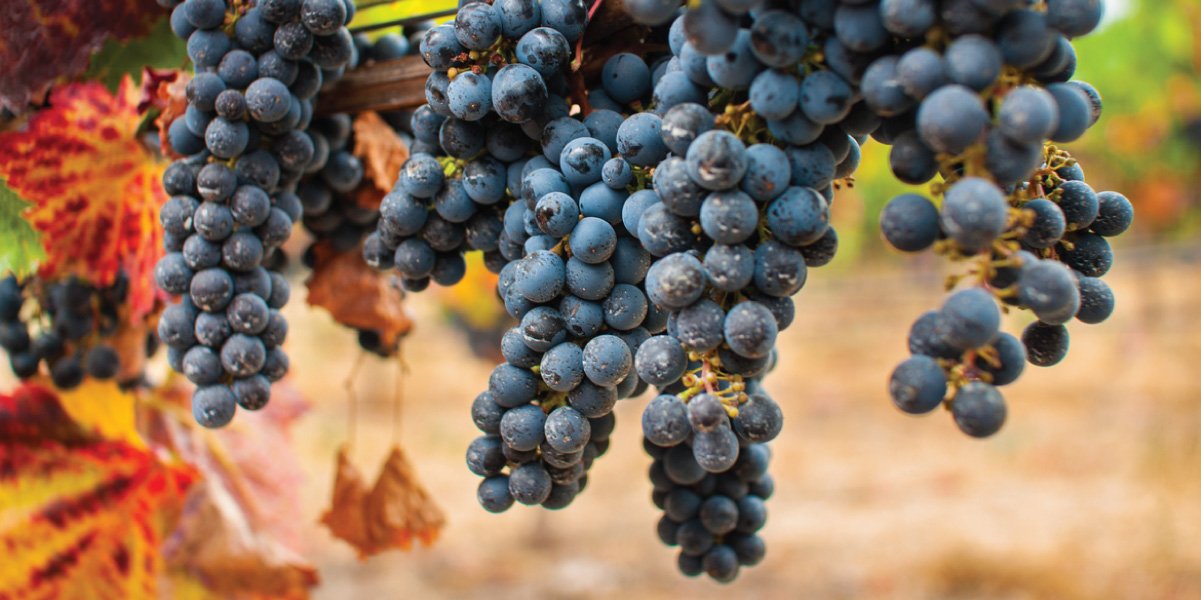
Where Las Piedras Meets the Vine
The road out to Las Piedras from Montevideo follows a corridor that has, over the past two decades, quietly become the most concentrated winemaking zone in Uruguay. The landscape here is not dramatic in the way of Mendoza or the Douro Valley. It is flat and green, cut through by unpaved caminos, with bodegas announced by small signs rather than grand entrances. Arriving at Bodega De Lucca along Cam. Reinaldo de Lucca feels like entering a working property rather than a curated visitor experience, and that distinction matters when you are trying to understand what Canelones winemaking actually looks like at close range.
Canelones holds around 60 percent of Uruguay's total vineyard area. The department's soils are heavy clay-loam in many parcels, which suits Tannat, the grape that anchors Uruguayan wine identity, far better than the lighter, fast-draining soils that cool-climate whites prefer. Las Piedras specifically sits at relatively low altitude in the southern coastal belt, where Atlantic influence moderates temperature extremes and extends the growing season without the frost risk that plagues producers further inland. Within [our full Canelones wineries guide](/cities/canelones), the Las Piedras cluster sits alongside a number of recognized estates that together form the department's most cited sub-zone.
The 2025 Pearl 2 Star Prestige Recognition
In the EP Club ratings framework, a Pearl 2 Star Prestige award places Bodega De Lucca clearly within the upper tier of recognized Canelones producers. The 2025 designation signals consistency and positioning that go beyond a single standout vintage, reflecting how a property performs across its range and how it compares to the wider peer set in this department.
Context matters here. Canelones has several bodegas operating at different levels of ambition and international orientation. At the higher end of that range you find estates like [Varela Zarranz](/wineries/varela-zarranz-canelones-winery) and [Bodega Juanicó (Familia Deicas)](/wineries/bodega-juanic-familia-deicas-canelones-winery), both of which have built export programs alongside domestic recognition. [Antigua Bodega Stagnari](/wineries/antigua-bodega-stagnari-canelones-winery) represents a longer historical lineage in the department, while [Artesana](/wineries/artesana-canelones-winery) and [Bodega Marichal](/wineries/bodega-marichal-canelones-winery) operate in formats where scale and approachability define their positioning. Bodega De Lucca's Pearl 2 Star Prestige places it in a peer conversation with that upper bracket, distinguishing it from the larger-volume, price-competitive segment of Canelones production.
For comparison outside the department, [Bodega Bouza in Montevideo](/wineries/bodega-bouza-montevideo-winery) and [Bodega Carrau in Las Piedras](/wineries/bodega-carrau-las-piedras-winery) are the kinds of reference producers that international visitors often arrive knowing. De Lucca belongs in a similar conversation, particularly for those tracing the southern belt of Uruguayan wine from Montevideo outward.
What the Tasting Experience Reflects About Uruguayan Wine Culture
Uruguay's serious wine producers have not uniformly adopted the large-scale, tour-bus tasting room model that defines wine tourism in better-known regions. Many Canelones bodegas operate with formats that feel closer to the producer-led, appointment-preferred visits common in small Burgundy or Ribera del Duero estates. This reflects both the scale of the operations and a deliberate positioning choice: the audience being served is one that has sought the bodega out, not one that stumbled in from a highway sign.
Visiting a property like Bodega De Lucca requires the kind of forward planning that characterizes wine travel at this level. The address on Cam. Reinaldo de Lucca places it firmly outside urban convenience, which filters the visitor profile toward people making a specific journey rather than a casual stop. Whether the bodega operates a formal tasting room with defined hours, appointment-only visits, or a more informal producer-meeting format is information leading confirmed directly before arrival, as these arrangements vary considerably across Canelones producers and can change seasonally.
What the tasting format almost certainly offers, regardless of its structure, is the kind of proximity to the winemaking process that urban tasting rooms cannot replicate. In Las Piedras, the vineyards are often visible from where you stand during a tasting. The practical distance between vine and glass is measured in meters rather than supply chains, and that changes how you receive the wine. The heavy soils that give Las Piedras Tannat its particular grip and color depth are the same soils beneath your feet.
Tannat and the Southern Uruguayan Style
Any serious engagement with Canelones wine means reckoning with Tannat. The grape arrived in Uruguay with Basque settlers in the nineteenth century and has since developed in ways that distinguish it from its Madiran origins in southwest France. Uruguayan Tannat, particularly from the southern coastal departments, tends toward fuller ripeness and softer tannin structure than its French counterpart, a product of Atlantic-moderated warmth and the clay-rich soils that retain moisture through dry stretches.
Las Piedras producers working at the prestige level typically approach Tannat with oak programs calibrated to integrate rather than overwhelm, and increasingly with blending strategies that bring in Merlot, Cabernet Franc, or Petit Verdot to add aromatic dimension. At the other end of the variety spectrum, Canelones' southern belt also supports white programs built around Albariño, Chardonnay, and in some cases Viognier, where the maritime influence helps preserve acidity that would be difficult to achieve in warmer inland zones.
Within the EP Club-recognized tier of Canelones producers, the comparison set for Bodega De Lucca extends beyond Uruguay. Properties like [Abadía Retuerta in Sardón de Duero](/wineries/abada-retuerta-sardn-de-duero-winery) represent a different winemaking tradition but a similar prestige orientation, where regional identity and technical precision reinforce each other rather than compete. The broader EP Club winery coverage includes properties like [Aberlour in Aberlour](/wineries/aberlour-aberlour-winery) and [Bodega Cerro del Toro in Piriápolis](/wineries/bodega-cerro-del-toro-piripolis-winery), which together illustrate how geographically dispersed the prestige tier has become across the club's coverage.
Planning a Visit
Las Piedras sits roughly 25 kilometers north of central Montevideo, making Bodega De Lucca a feasible half-day excursion from the capital without requiring an overnight stay in Canelones. Visitors combining multiple bodega visits in a single day should note that the rural road network between properties here favors private transport over public options; renting a car or arranging a driver from Montevideo gives considerably more flexibility than attempting the circuit by bus. The broader Canelones visit context, including accommodation options through [our full Canelones hotels guide](/cities/canelones), dining through [our full Canelones restaurants guide](/cities/canelones), bar options in [our full Canelones bars guide](/cities/canelones), and non-winery programming in [our full Canelones experiences guide](/cities/canelones), helps build a stay around the wine itinerary rather than treating the bodega as an isolated stop.
The harvest window in Canelones runs broadly from late February through April, varying by variety and vintage conditions. Visiting during harvest offers the most direct engagement with the production process, though it can also mean reduced availability for formal tastings as staff attention is divided. The shoulder months on either side of harvest, or the winter period from June through August when vineyard activity slows, tend to produce a more deliberate tasting experience.
Frequently Asked Questions
What is Bodega De Lucca known for?
Bodega De Lucca is a Canelones wine producer based in Las Piedras, Uruguay's most densely planted wine department, and holds a Pearl 2 Star Prestige rating from EP Club in 2025. It operates within the upper tier of the Canelones peer set, a group that includes properties with serious domestic and export profiles. Las Piedras, the town it calls home, sits within the southern Atlantic-influenced belt that produces Tannat and a range of other varieties under conditions quite distinct from warmer inland Uruguayan zones.
What wines should I try at Bodega De Lucca?
The EP Club's Pearl 2 Star Prestige designation for 2025 signals that the bodega's range is performing at a level above entry-level Canelones production. Given the Las Piedras location and the regional winemaking context, Tannat-based wines in single-variety or blended formats represent the most historically grounded place to start, as this variety is most directly connected to the department's soil and climate profile. For specific current release recommendations, checking directly with the bodega before a visit will give more accurate guidance than any fixed list, as small-production prestige wineries in Uruguay typically manage stock at the cellar door on a seasonal basis.
Style and Standing
A quick peer reference to anchor this venue in its category.
| Venue | Classification | Awards | First Vintage | Notes |
|---|---|---|---|---|
| Bodega De Lucca | 1 awards | This venue | ||
| Varela Zarranz | 1 awards | |||
| Antigua Bodega Stagnari | 1 awards | |||
| Artesana | 1 awards | |||
| Bodega Juanicó (Familia Deicas) | 1 awards | |||
| Bodega Marichal | 1 awards |
Access the Cellar?
Our members enjoy exclusive access to private tastings and priority allocations from the world's most sought-after producers.
Access the Concierge