Alma Negra

Alma Negra is a biodynamic winery in Vista Flores shaped by high-altitude Uco Valley conditions, Bonarda-led identity, and an unusually design-conscious estate language. Founded in 2000 by Ernesto Catena, it sits in the boutique, sensory-focused side of Argentine wine, with appointment-only visits and a portfolio that moves from dark-fruited reds to traditional-method sparkling rosé.
Pearl is the En Primeur Club membership app — saves, bookings, and concierge access live there. Same editors, same standards.
- Address
- Vista Flores, Mendoza, Argentinien
- Directions
- Get directions
 Saves & bookings on Pearl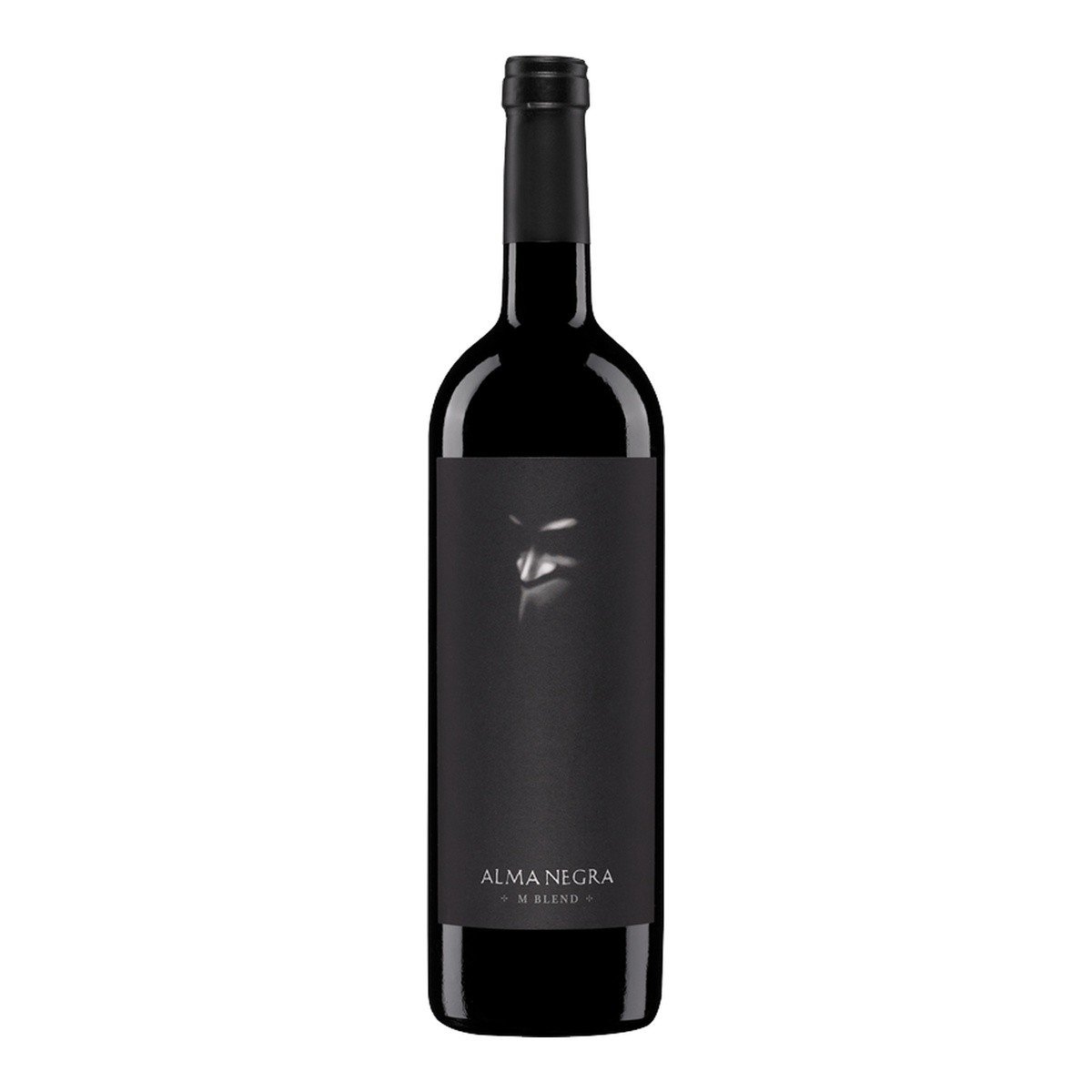
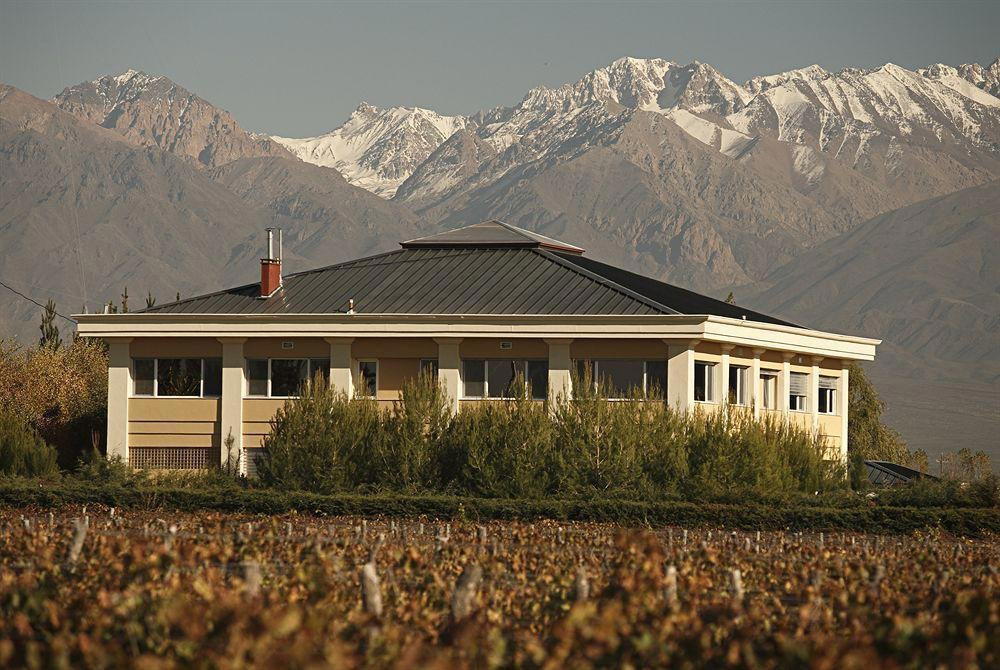
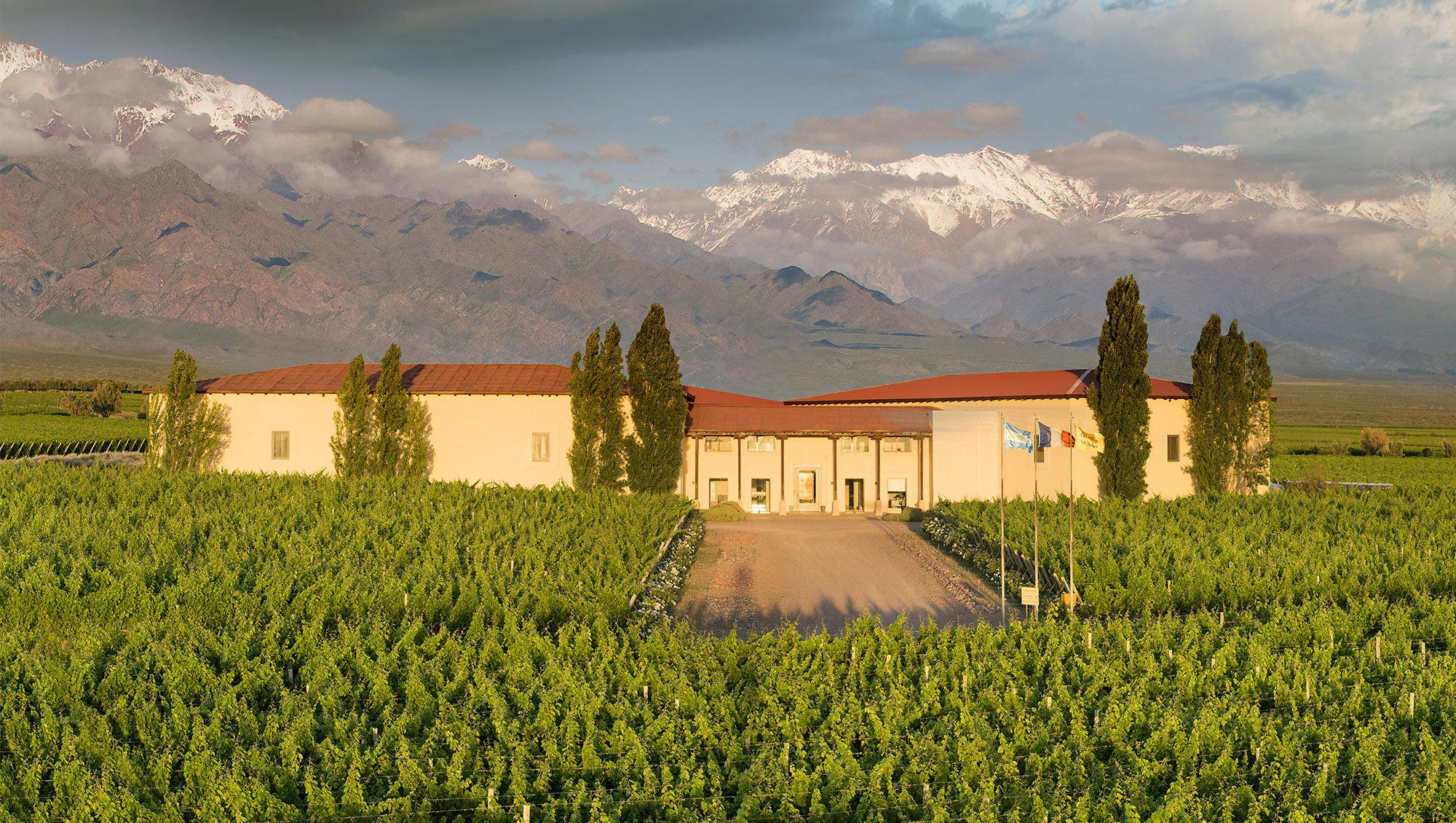
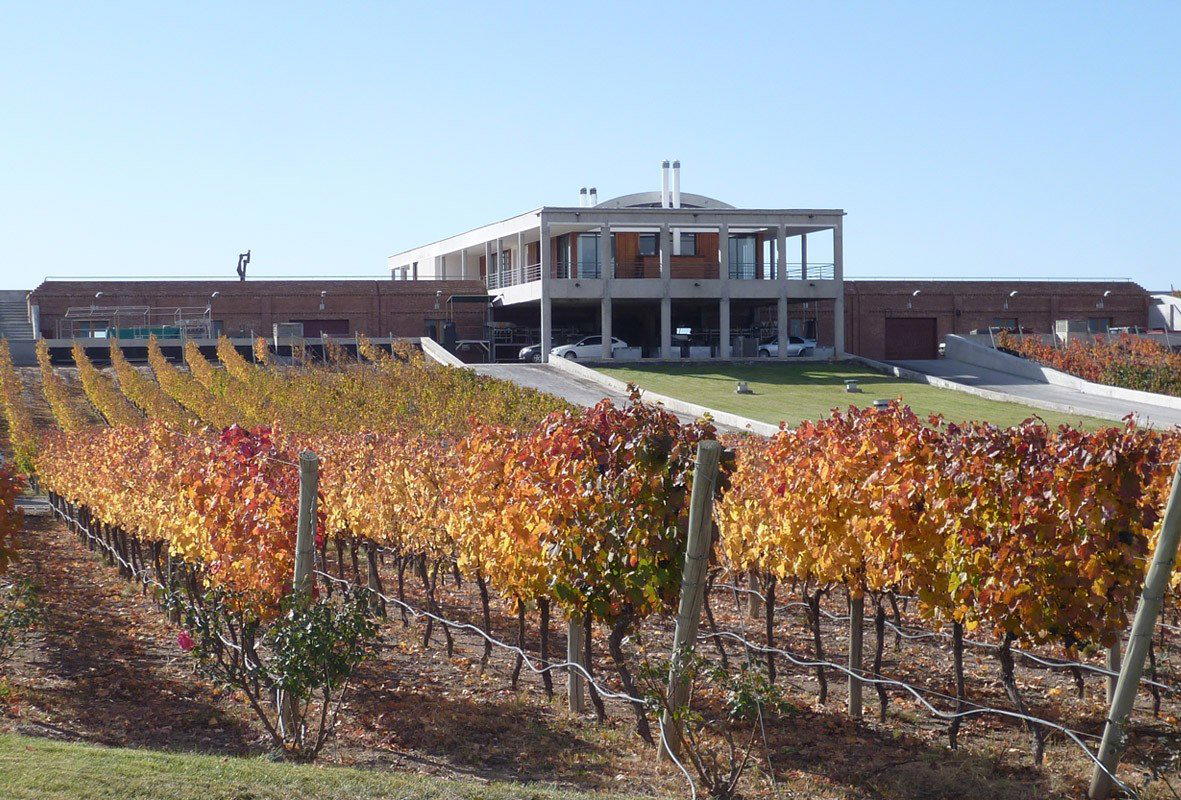
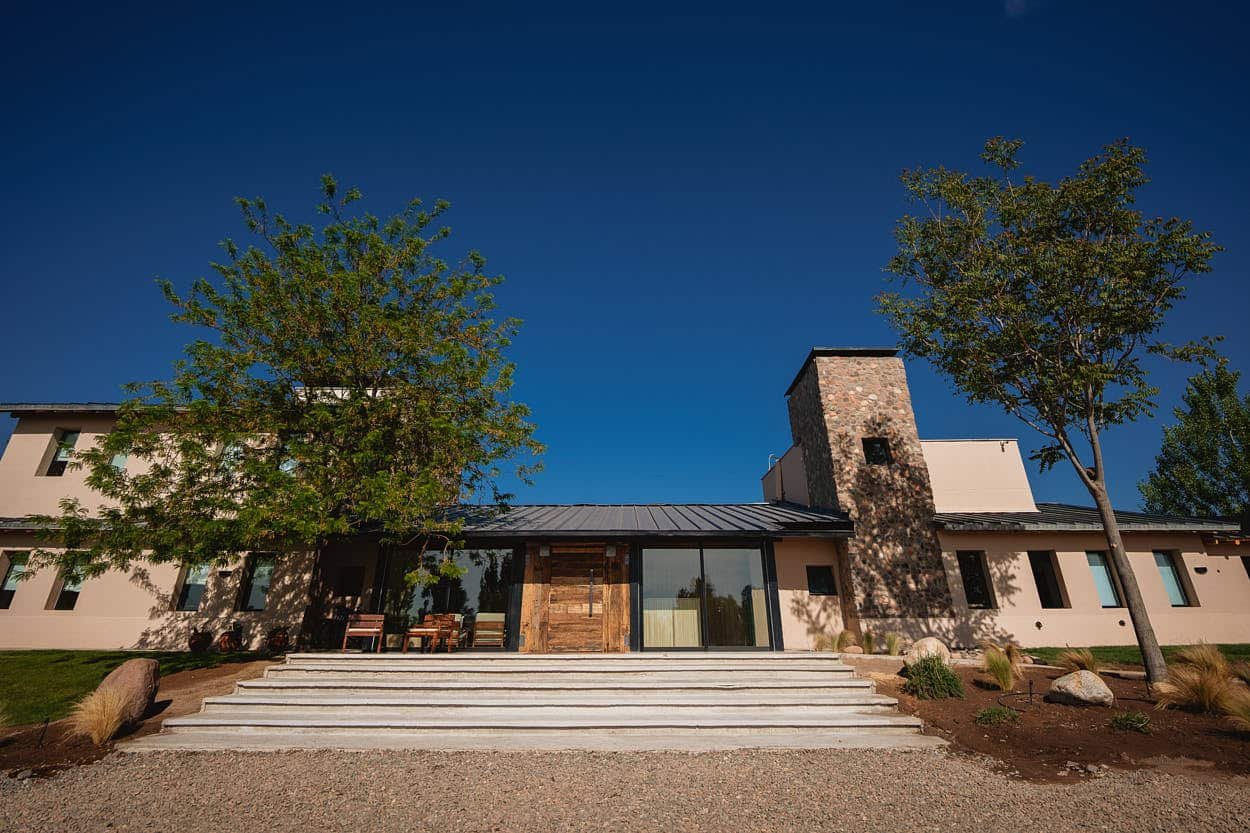
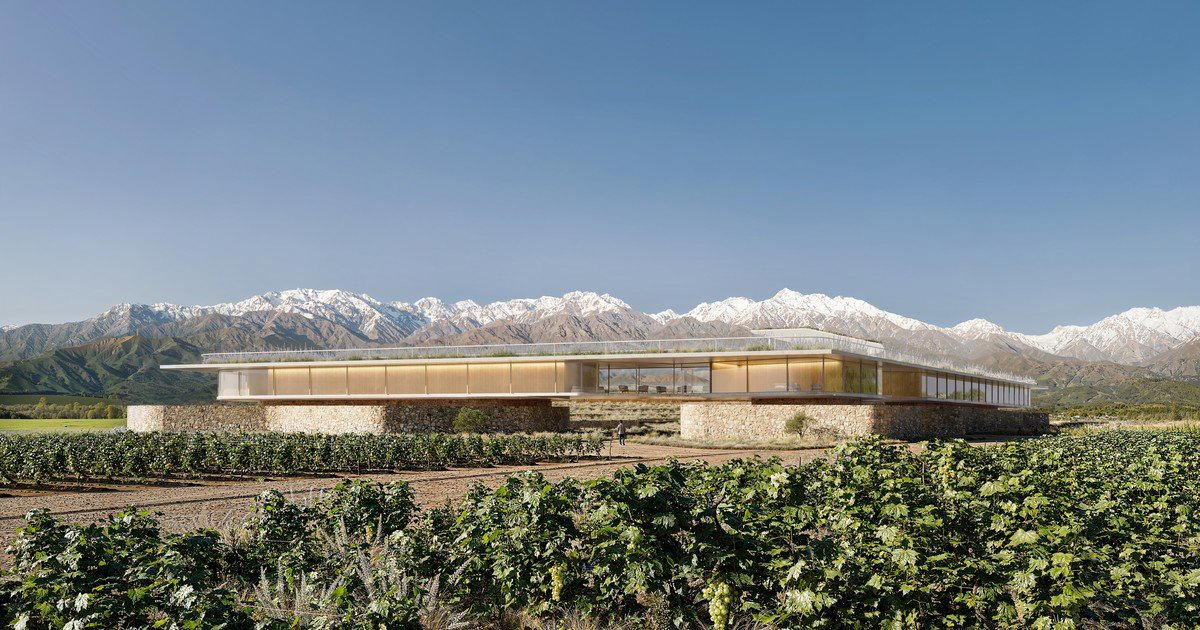
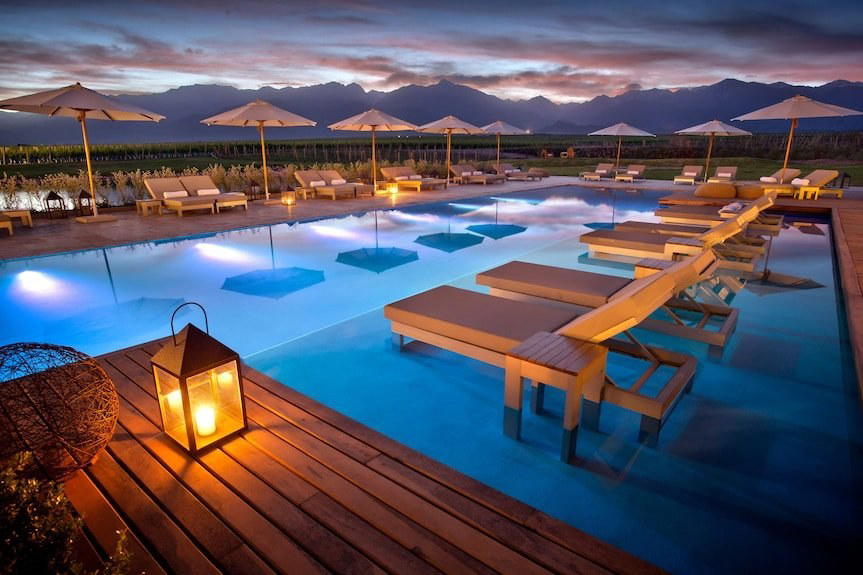
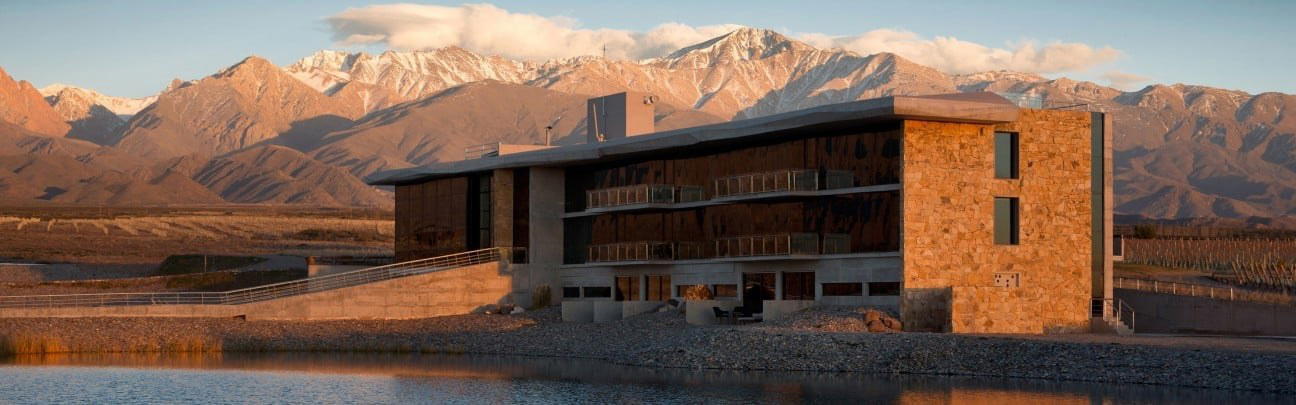
At the foothills of the Andes, Alma Negra in Vista Flores has a quieter register: a small biodynamic estate shaped around atmosphere as much as setting. The picture is not of a loud, high-volume stop, but of a scenic, rural place with a contemplative, almost mystical feel. Its appeal sits in the pause it creates: the sense that the landscape, the rural pace, and the estate’s design language are meant to be noticed slowly rather than rushed through.
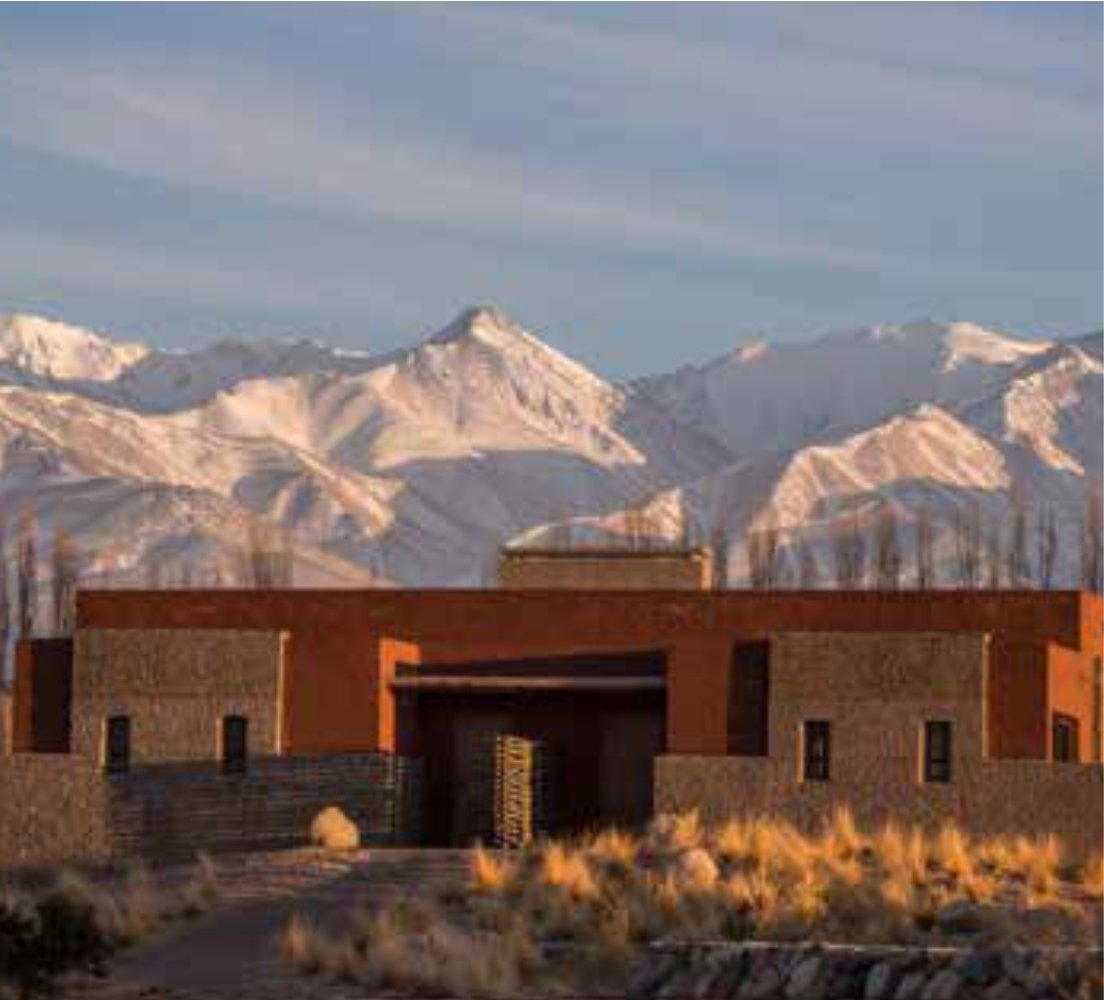
The experience is best described through mood rather than menu, production, or service details. Japanese-inspired minimalism and references to ancient Mayan city design help define the estate’s sense of restraint, proportion, and quiet attention. For EP Club planning purposes, Alma Negra is a $$$ venue in Vista Flores with a sensory-focused character, best understood as a place where the setting itself carries much of the experience.
A quiet estate at the foothills of the Andes
What can be stated with confidence is narrower: Alma Negra is a small biodynamic estate in Vista Flores, set near the Andes, with an atmosphere built around stillness, scenery, and design. That narrower description is also one useful one, because it keeps the focus on what defines the venue without overstating details that should be checked directly.
That makes it better approached as a place-led stop than as a page to overfill with unconfirmed technical detail. Travelers should confirm current offerings, visit formats, and any other planning details directly with the venue before building an itinerary around them. In practical terms, this means treating the winery as a considered booking rather than assuming a fixed style of visit from secondhand descriptions.
Within a Vista Flores itinerary, the draw is the estate’s identity: biodynamic, scenic, rural, and deliberately contemplative. The appeal is less about a specific claimed product or service format and more about the way the setting frames attention. For travelers who respond to landscape and quiet design, that framing may be the central reason to include it.
A biodynamic estate designed as a living composition
Biodynamics is part of the winery’s identity, and the estate’s atmosphere is described as quiet, sensory-focused, and almost mystical. Rather than presenting the property through claims about production, ownership, architecture, or certification specifics, the more reliable emphasis is on the estate’s overall feel. The term biodynamic, in this context, supports the impression of a place intended to feel closely tied to its surroundings and to a slower, more attentive way of experiencing them.
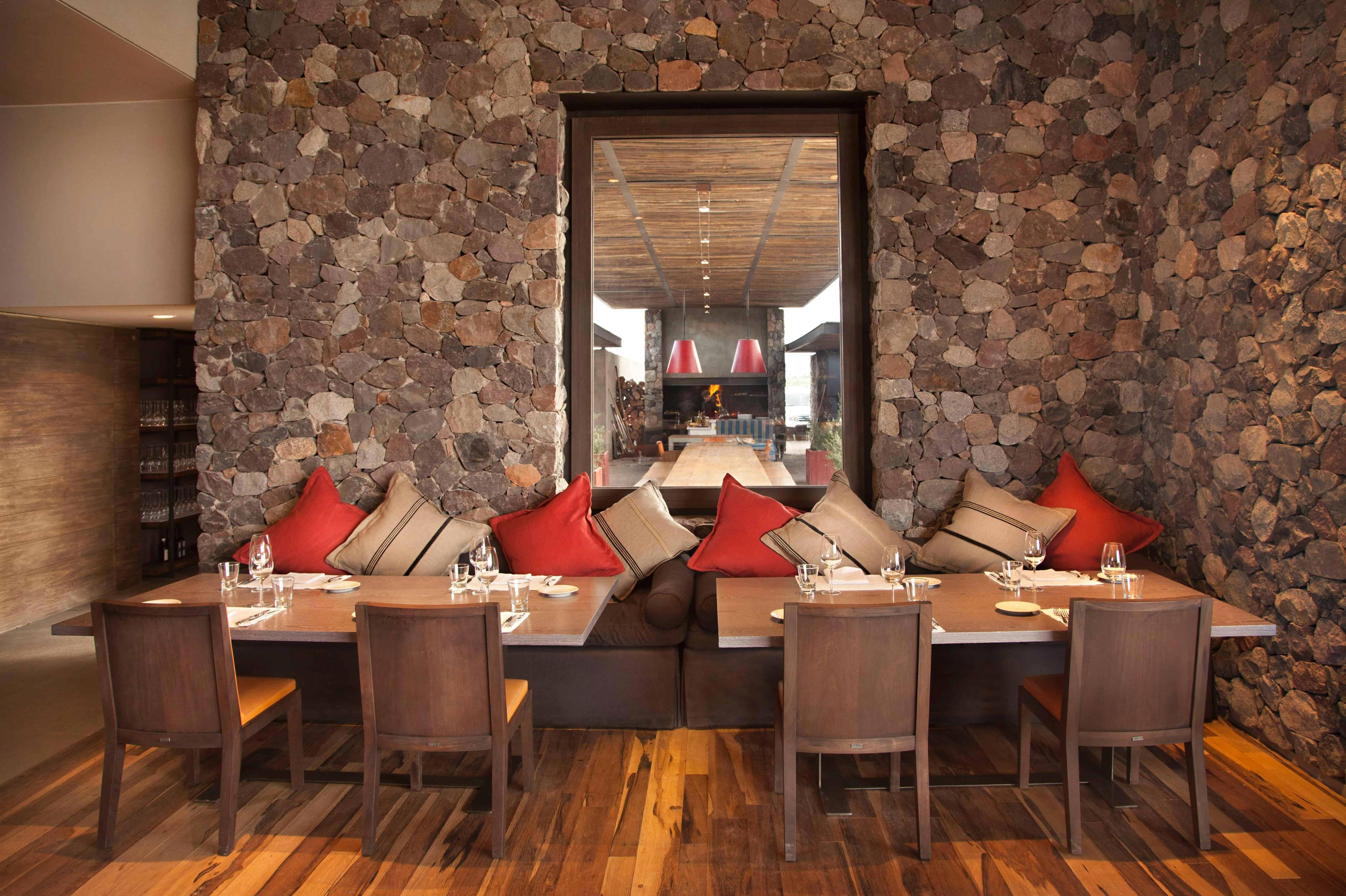
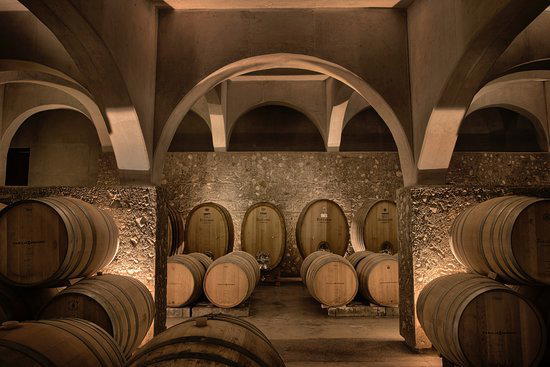
The design language is also part of that identity. Japanese-inspired minimalism and references to ancient Mayan city design give the winery a composed, reflective mood. In a region where estate visits can vary widely in scale and tone, this points toward a smaller, more contemplative style of experience. The emphasis is on proportion, restraint, and suggestion rather than spectacle, which is why the venue reads as atmospheric before it reads as informational.
That design sensibility separates the winery from a purely functional estate visit. Its character suggests a place where scenery, restraint, and atmosphere matter, with the foothills of the Andes forming part of the experience. The landscape is not just a backdrop in this description; it is part of the reason the estate’s quietness makes sense. The rural setting, the minimal design references, and the almost mystical mood all reinforce one another.
How to place Alma Negra in a Vista Flores itinerary
For travelers building a route through Vista Flores, the winery is best considered when the priority is a scenic, rural, biodynamic estate with a quiet and sensory-focused mood. Price positioning sits at $$$, so it belongs in a planned day rather than being treated as a casual afterthought. It is the kind of stop to choose deliberately, especially if the aim is to slow the pace and leave room for setting and atmosphere to do their work.
Vista Flores works well when the day is kept close to the area’s slower rhythm. Use the winery as the anchor for a more contemplative stop, then compare it with other dining or estate experiences in Vista Flores generically, depending on the kind of day you want to build. If the day is meant to feel scenic, quiet, and rural rather than busy or tightly packed, the winery’s stated character fits that direction naturally.
Confirm current details with the winery before visiting.
Recognition history
Dated appearances from independent guides and award organizations, with the underlying list record or original source where available.
Falstaff Winery - Listed
Falstaff
Continue exploring
More in Vista Flores
Wineries in Vista Flores
Browse all →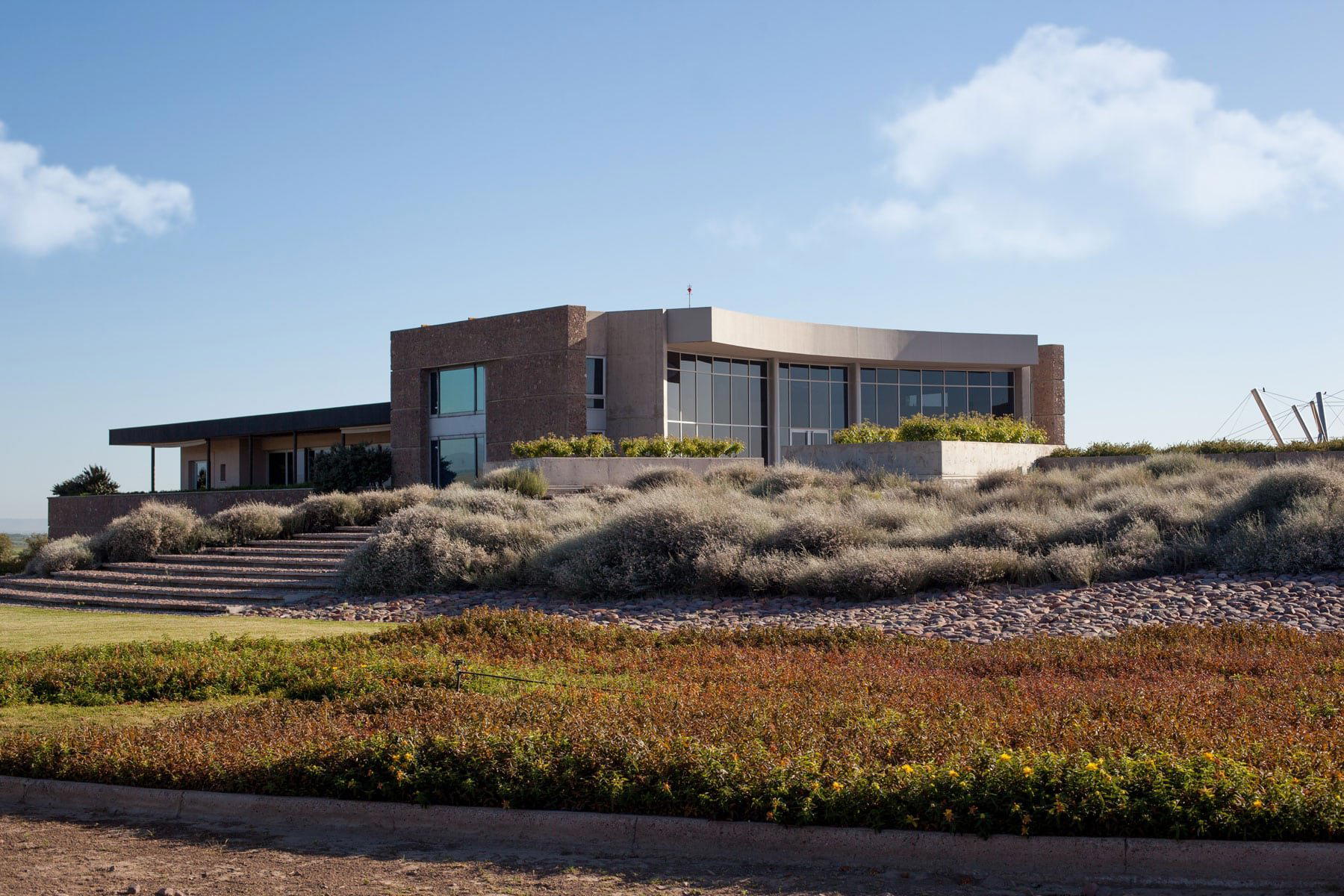
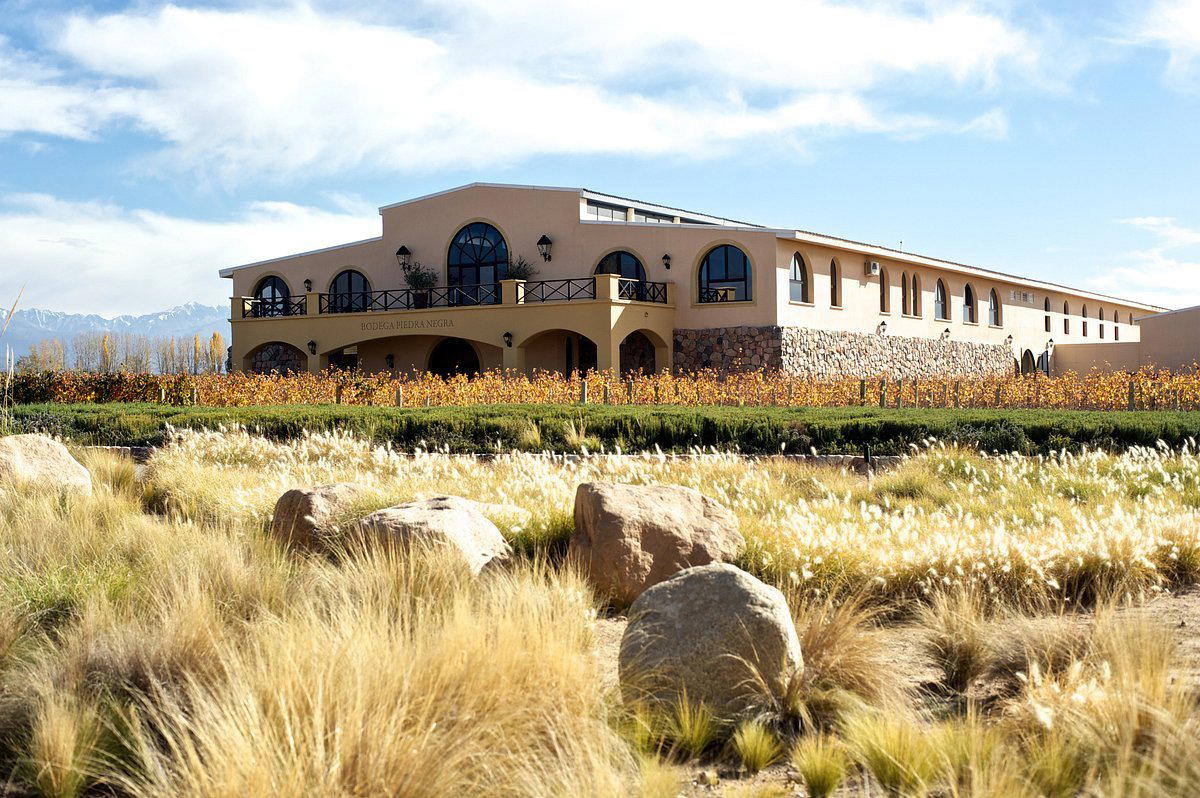
Bars in Vista Flores
Browse all →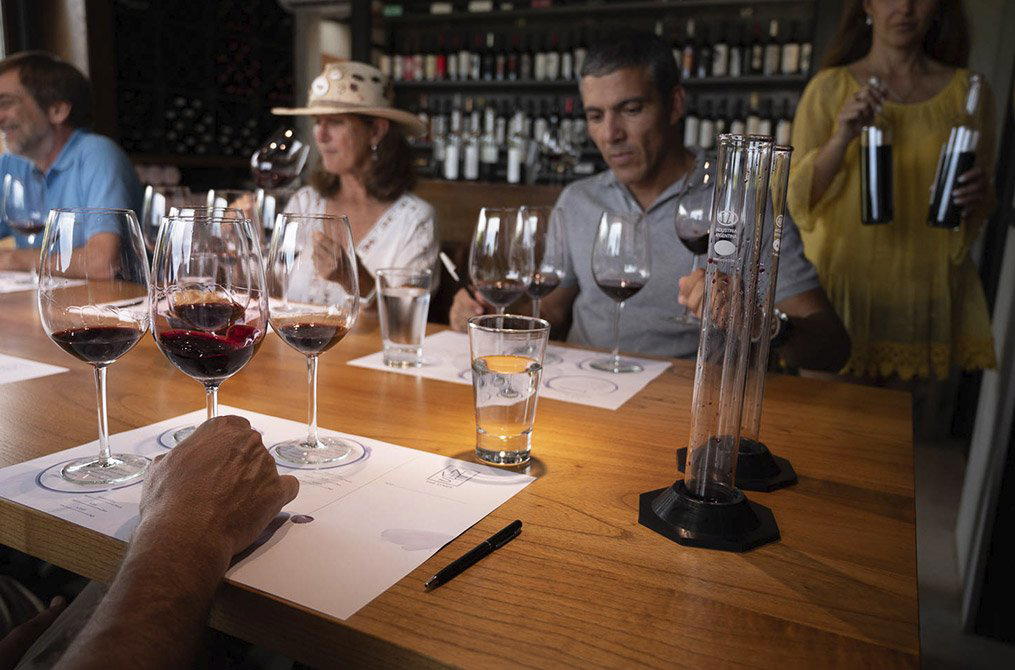
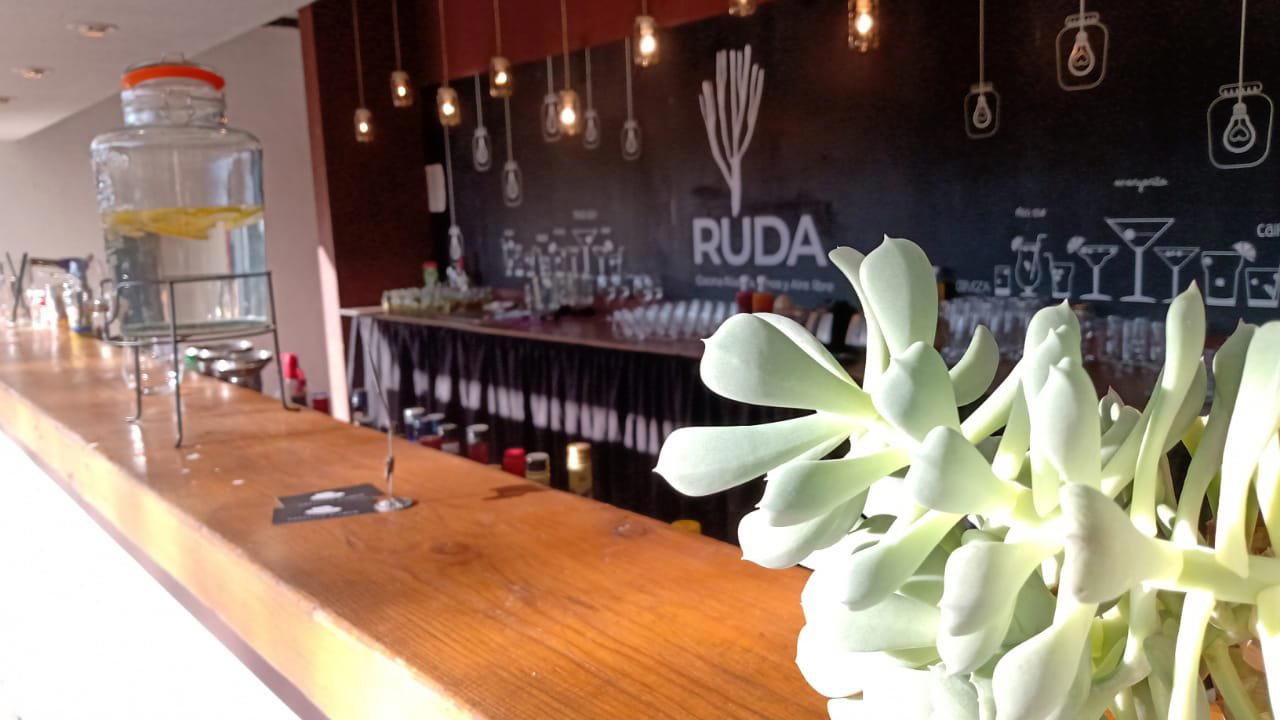
Restaurants in Vista Flores
Browse all →
At a Glance
- Scenic
- Rustic
- Intimate
- Sophisticated
- Romantic Getaway
- Group Outing
- Special Occasion
- Solo Exploration
- Wine Education
- Vineyard Tour
- Estate Grounds
- Terrace
- Panoramic View
- Private Tasting
- Biodynamic
- Mountain
- Vineyard
- Vista Flores
- Malbec
- Bonarda
- Semillon
- Pinot Noir
- White Blend Grapes
- Still Red
- Still White
- Sparkling
- Orange
- Guided Tasting
- Vineyard Tour
- Private Tasting
- Sparkling Focused Tasting
A small biodynamic estate at the foothills of the Andes with a contemplative, almost mystical feel, blending Japanese-inspired minimalism and references to ancient Mayan city design to create a quiet, sensory-focused atmosphere.