Zuma brings its globally recognised modern izakaya format to Ibiza's waterfront promenade, positioning itself firmly in the island's upper dining tier. The kitchen works across robata grill, sushi counter, and izakaya-style sharing plates, making it one of the few venues on the island to sustain that three-part structure at scale. For visitors tracking Ibiza's shift toward year-round premium dining, Zuma is a consistent reference point.
Pearl is the En Primeur Club membership app — saves, bookings, and concierge access live there. Same editors, same standards.
- Address
- Paseo Juan Carlos I, Numero 17, 07800 Eivissa, Balearic Islands, Spain
- Phone
- +34871183111
- Website
- zumarestaurant.com
- Directions
- Get directions
 Saves & bookings on Pearl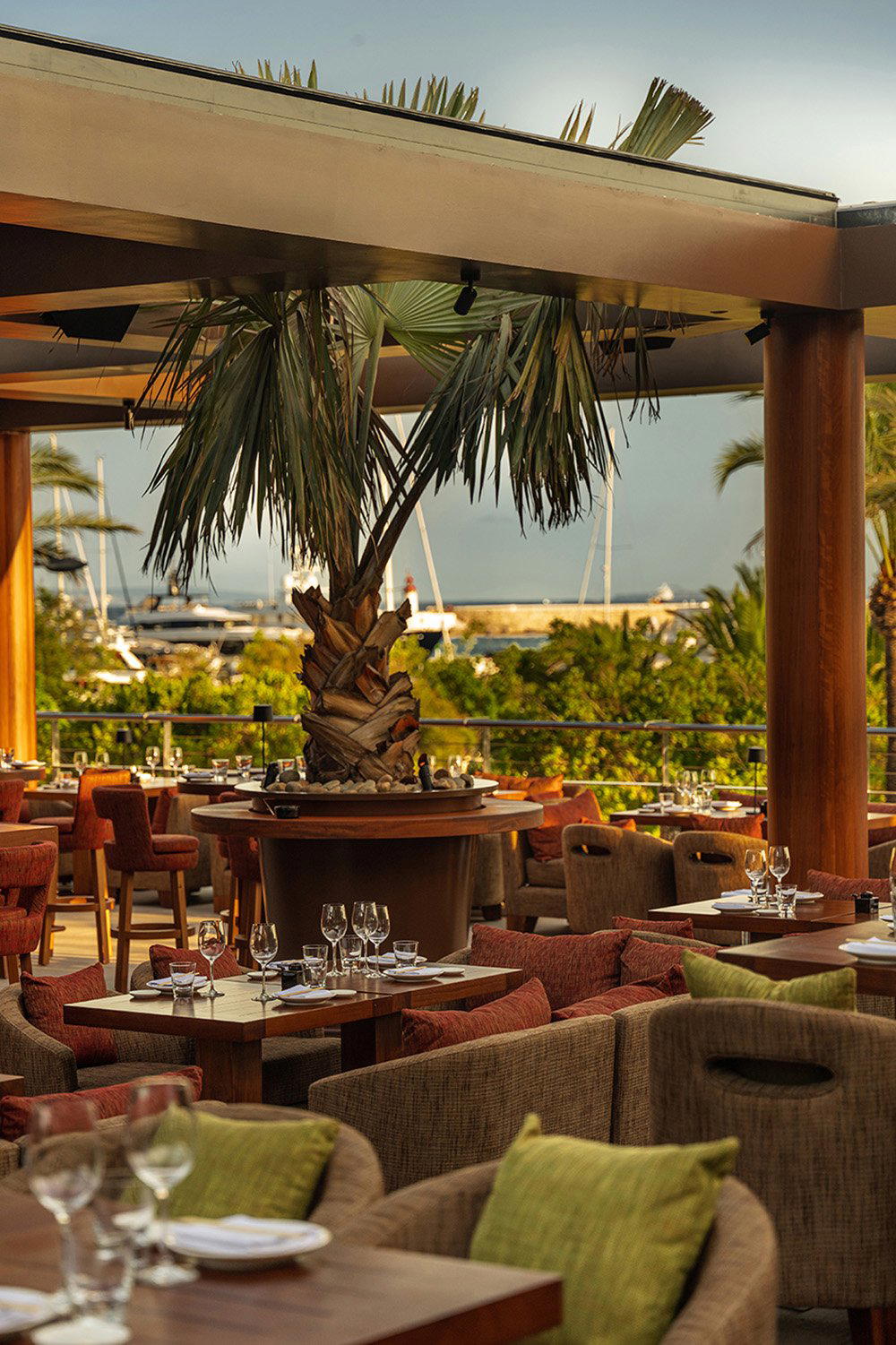
Where Ibiza's Party Reputation Meets a Different Kind of Ritual
The waterfront stretch of Paseo Juan Carlos I has become shorthand for Ibiza's more grown-up dining ambitions. Where the island once offered a binary choice between beach shacks and tourist-facing menus, the promenade now anchors a cluster of international restaurant brands that have read the demographic shift correctly: the money that arrives in Ibiza in summer is not purely interested in nightlife. Zuma occupies a prominent position on this strip, and its format, a modern izakaya built around robata grilling, a sushi counter, and shareable small plates, translates coherently to the Mediterranean setting.
The izakaya model, which in Japan connotes informal drinking-and-eating rather than destination dining, has been systematically reinterpreted by Zuma's global operation into something closer to a premium casual format: technically accomplished, visually deliberate, and priced to reflect both. That tension, between the democratic spirit of the original tradition and the international luxury register Zuma operates in, is worth understanding before you arrive. This is not a neighbourhood izakaya. It is a high-production version of one, and in Ibiza it competes directly with venues like Cipriani and Chambao By the Beach for the same table of guests who want an evening that moves from drinks to a serious meal without crossing into fine-dining formality.
How the Meal Unfolds: Three Kitchens, One Sequence
The meal is defined by its three kitchen sections, and understanding how to sequence them determines whether the evening feels coherent or scattered. The sushi counter and cold preparations make the strongest opening argument: clean acidity, restrained seasoning, and the kind of knife work that signals a kitchen operating to a consistent international standard. In Ibiza's dining context, where the emphasis often falls on spectacle over precision, this is a meaningful starting point.
From there, the robata grill section takes over as the dominant register. Robata cooking, which uses charcoal at high radiant heat rather than direct flame, produces a particular combination of char and moisture that differentiates it from the wood-fired grilling popular elsewhere on the island. The transition from cold and delicate to smoky and savoury follows a progression that the izakaya format handles more naturally than a conventional à la carte sequence, because the dishes are designed to arrive in waves rather than strict courses. For a table ordering across the full menu, the meal has a genuine arc: cold to hot, subtle to assertive, shared plates throughout.
The izakaya-style plates in the middle section, the ones that don't belong cleanly to sushi or robata, are where the kitchen has the room to respond to local context. Ibiza's produce calendar runs long, and the combination of Spanish seasonal ingredients with Japanese technique has been one of the more productive culinary intersections of the past decade. For comparison points in Spain that take this kind of technical ambition further into fine-dining territory, venues like Quique Dacosta in Dénia or Ricard Camarena in València show what happens when Spanish Mediterranean produce meets rigorous contemporary technique in a more formal register.
Zuma in Ibiza's Broader Dining Picture
Ibiza's premium restaurant tier has expanded significantly since the mid-2010s, and the island now sustains a comparable set that includes venues across Japanese, Italian, and Spanish formats at the upper price band. Within that set, Zuma's position is defined by its brand consistency and its format breadth. Where Omakase by Walt operates in a deliberately narrow, counter-only format, and 1742 works a creative tasting structure, Zuma covers more ground within a single evening, which suits the particular social geometry of Ibiza dining, where tables often include guests with different appetites for formality and different relationships to Japanese food.
For visitors on the island, it is worth setting Zuma against the local Spanish options as well. Can Font offers a grounded counterpoint, rooted in Ibizan regional cooking rather than international brand logic. Spain's highest-achieving restaurant addresses, from El Celler de Can Roca in Girona to Martin Berasategui in Lasarte-Oria and Mugaritz in Errenteria, occupy a different category entirely, but they establish the reference frame for understanding what premium dining ambition looks like on the peninsula. Zuma's Ibiza outpost is not competing in that register; it is competing for a different kind of evening, one built around social energy, a setting with a view, and a format that accommodates groups. In that contest, it performs reliably.
Spain's broader dining ambitions are also visible at DiverXO in Madrid, Arzak in San Sebastián, Azurmendi in Larrabetzu, Aponiente in El Puerto de Santa María, and Cocina Hermanos Torres in Barcelona, each representing a distinct regional approach to contemporary Spanish cooking at the high end. For a globally comparable counterpoint at the serious end of Japanese-influenced cooking, Atomix in New York City and the rigorous French-seafood tradition at Le Bernardin in New York City show how ingredient precision and format discipline operate at the demanding level.
Planning Your Visit
Zuma sits on Paseo Juan Carlos I at Número 17 in Eivissa, which places it within walking distance of the old town and the main marina. The address is accessible by taxi from most parts of the island, and the promenade location means arrival on foot from the port area is direct. In high season, July and August in particular, Ibiza's premium restaurant tier books well in advance; arriving without a reservation on a Saturday evening is a genuine risk. The broader Ibiza dining calendar runs from late April through October, with the densest competition for tables in the peak eight weeks of summer.
A Credentials Check
Comparable venues nearby, for context on price, style, and recognition.
| Venue | Cuisine | Price | Notes |
|---|---|---|---|
| ZumaThis venue — the venue you are viewing | Contemporary Japanese Izakaya | $$$$ | Not listed |
| Nobu Restaurant Ibiza | New-Style Japanese with Ibizan Fusion | $$$$ | Talamanca |
| Tsuma | Authentic Japanese Sushi | $$$ | Can Escandell |
| Lío | Modern Mediterranean Cabaret Dining | $$$$ | Marina Botafoch |
| Sublimotion by Paco Roncero | Avant-Garde Spanish Molecular Gastronomy | $$$$ | Playa d'en Bossa |
| Es Xarcu | Traditional Ibizan Seafood | $$$ | Es Cubells |
Continue exploring
More in Ibiza
Restaurants in Ibiza
Browse all →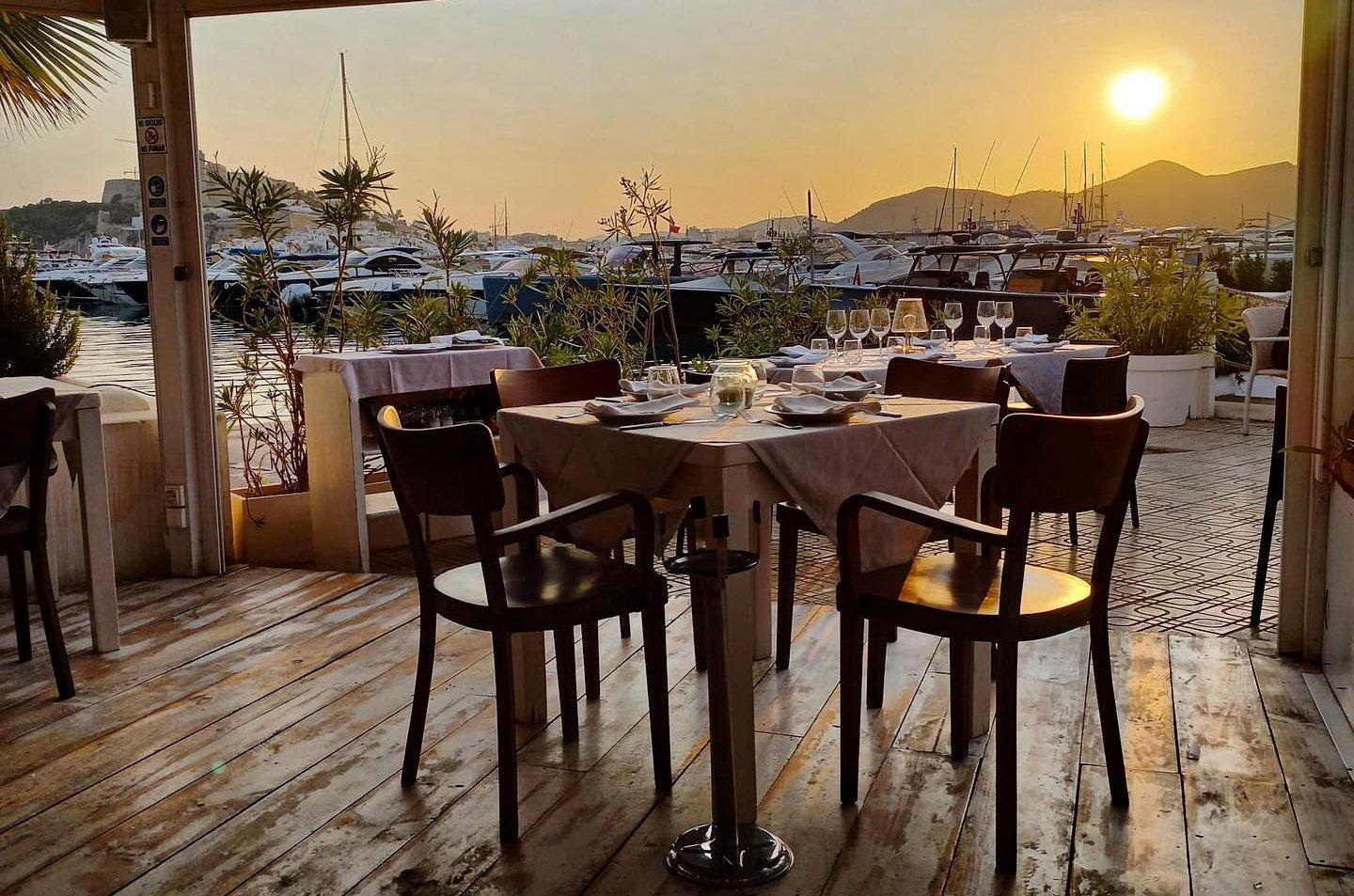
Bars in Ibiza
Browse all →
Hotels in Ibiza
Browse all →
At a Glance
- Trendy
- Sophisticated
- Elegant
- Modern
- Lively
- Date Night
- Special Occasion
- Group Dining
- Rooftop
- Terrace
- Open Kitchen
- Panoramic View
- Sake Program
- Craft Cocktails
- Waterfront
- Skyline
Current opening hours
- Monday
- 8 PM–12 AM
- Tuesday
- 8 PM–12 AM
- Wednesday
- 8 PM–12 AM
- Thursday
- 8 PM–12 AM
- Friday
- 8 PM–12 AM
- Saturday
- 8 PM–12 AM
- Sunday
- 8 PM–12 AM
Hours can change for holidays and private events. Last verified .
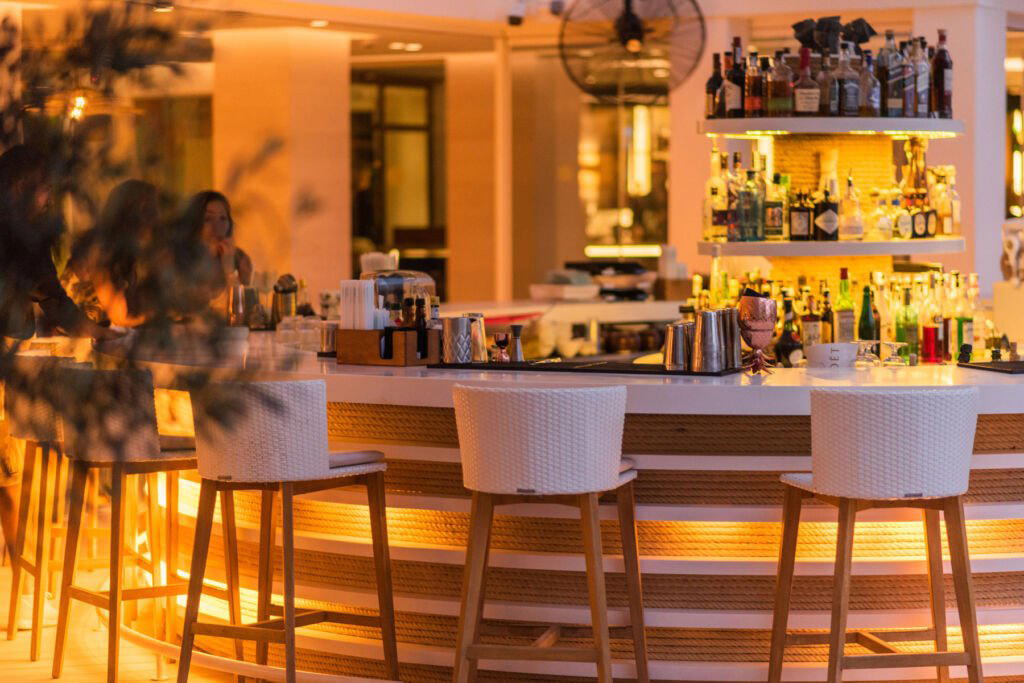
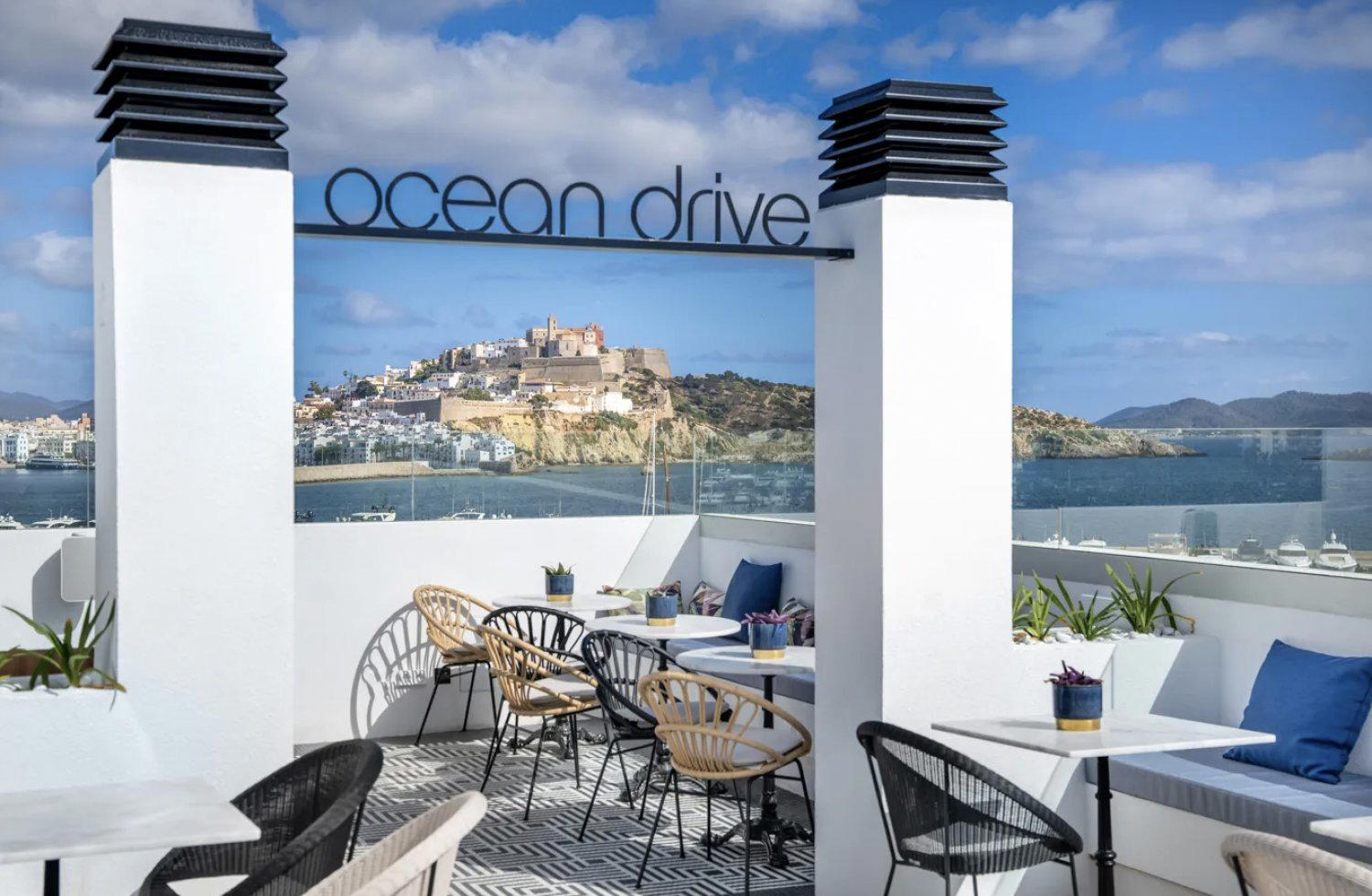
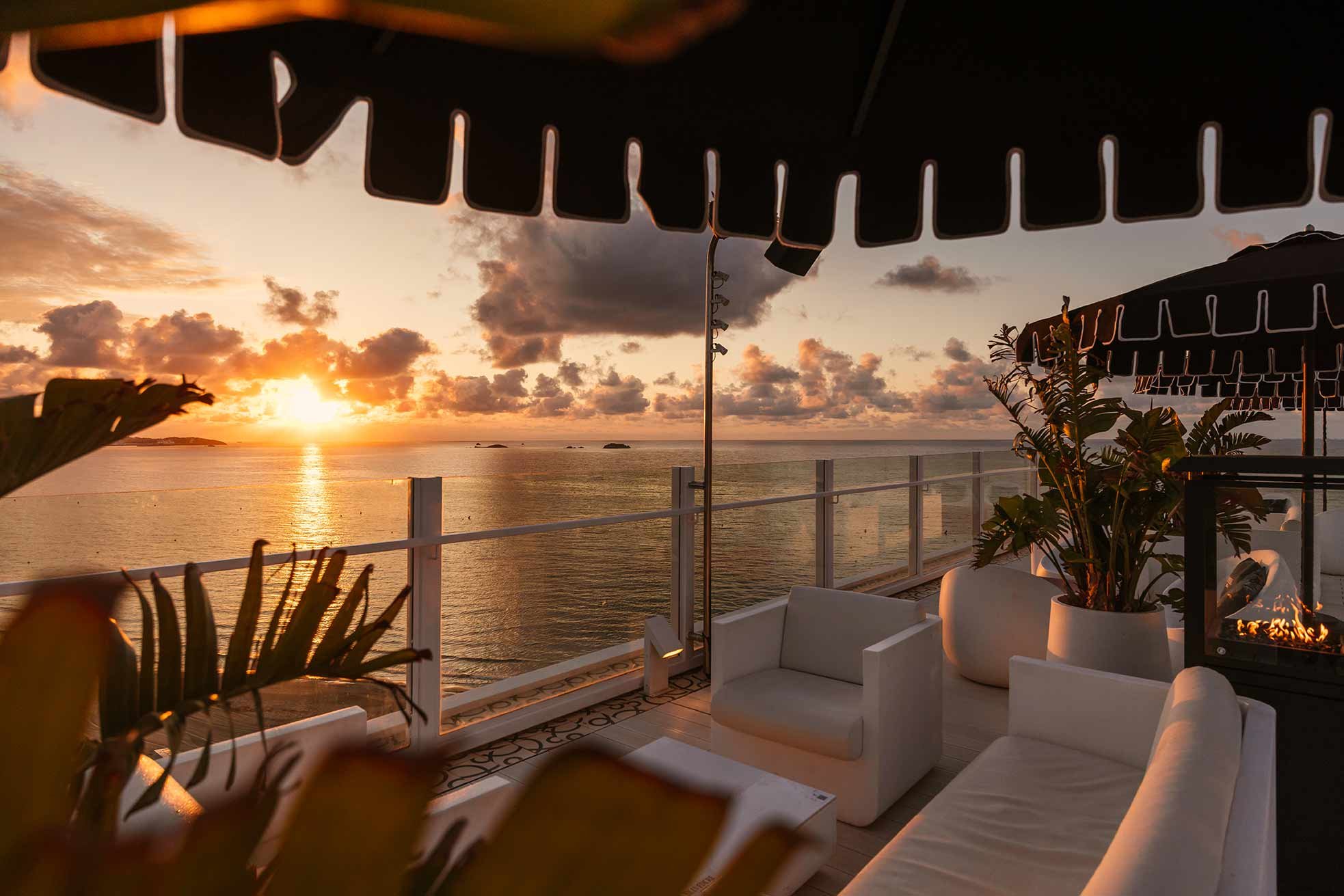
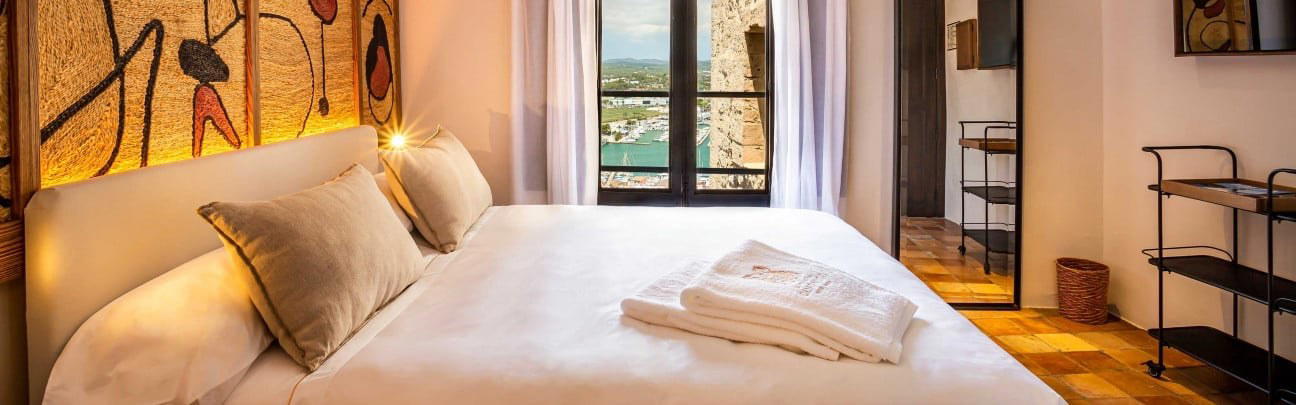
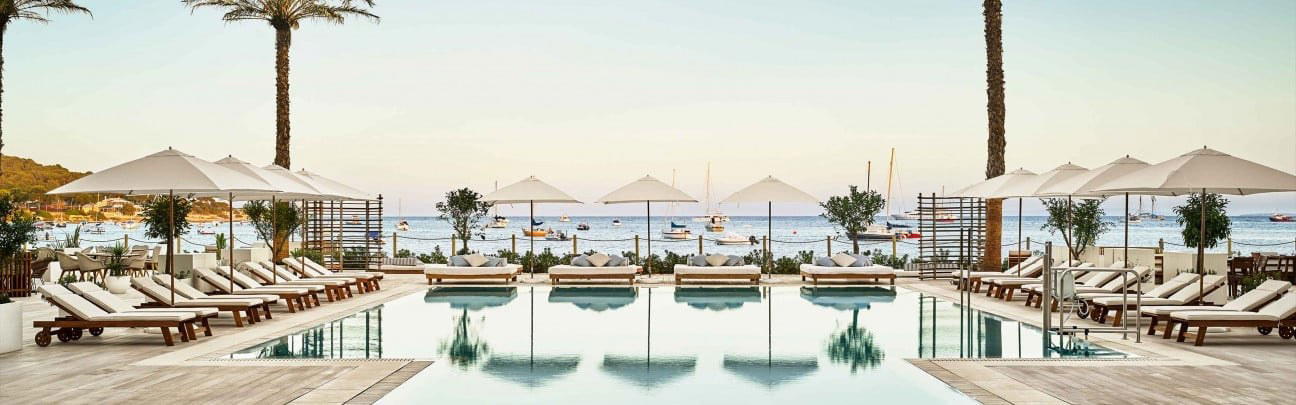
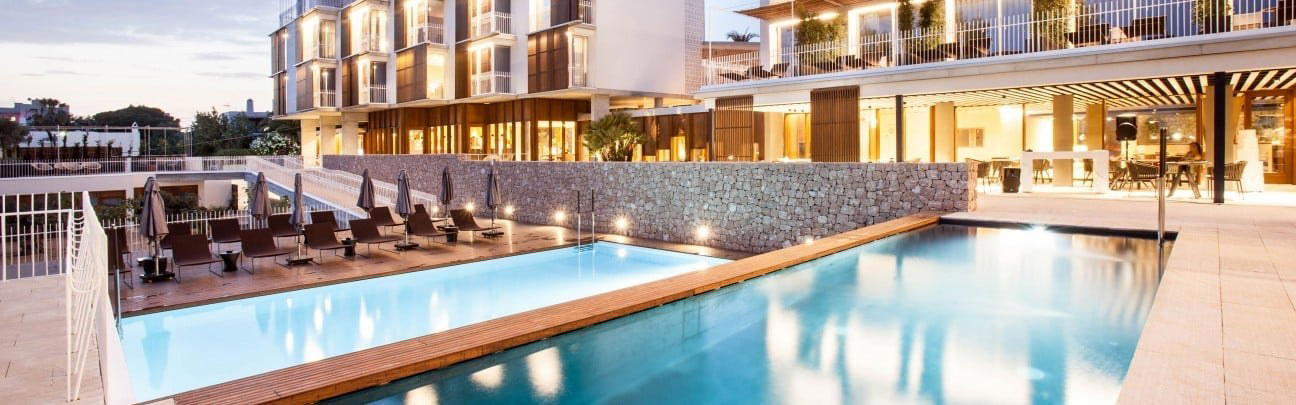
Sophisticated rooftop terrace with open-air setting, chic lighting, and lively yet elegant atmosphere overlooking the marina.