
Guía Repsol 1 Sol
Our verdict
Ca N’Alfredo belongs to the old-centre Eivissa dining tradition that values island produce, market rhythms, and local cooking over resort theatre. Its 1 Sol recognition in the Guía Repsol Soles 2026 places it in a Spanish critical frame where provenance and consistency matter, especially for travellers trying to read Ibiza beyond beach-club shorthand.

Pearl is the En Primeur Club membership app, where members save venues, book tables and use the concierge.
The menu
What to order
- Bullit de peix
- Sofrit pagès
- Borrida de ratjada (skate stew)
- Squid stuffed with sobrasada
- Rice dishes including paella
- Battered seafood
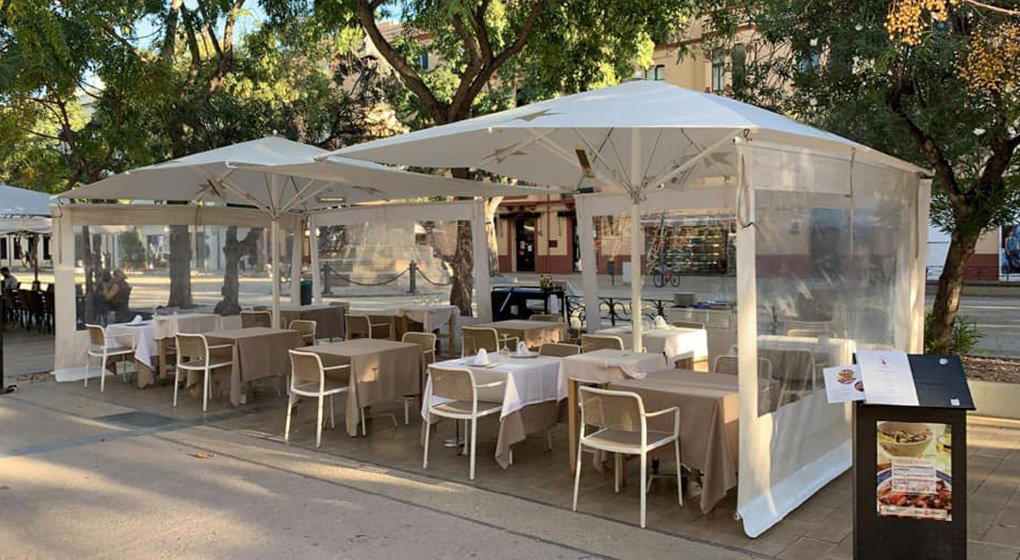
Eivissa is one of the island’s civic stages: a place of shade, foot traffic, terrace conversation, and movement between everyday city life and visitor itineraries. Here, the older island restaurant model still makes sense. The appeal is continuity, not spectacle: a table that feels connected to its city in a dining economy that has expanded from local rooms to international concepts.
Ca N’Alfredo sits within that older grammar of Eivissa. Its 1 Sol in the Guía Repsol Soles 2026 is a useful external marker, not because awards should decide lunch, but because Repsol rewards Spanish regional identity through a different lens from global fine-dining guides. In Ibiza, where the visitor economy can flatten local dining into a mood board, that matters. The stronger question is not whether a table feels fashionable, but whether it can explain where it is.
Island context matters more here than resort gloss
Ibiza’s serious eating has two parallel circuits. One follows luxury hotel dining, international names, late reservations, and high-spend formats. The other is built around restaurants that still make sense within the island’s own rhythm: seasonal demand, local habits, repeat custom, and the practical expectations of a city table. Ca N’Alfredo is easier to understand through the second circuit.
That does not make the restaurant nostalgic. In Eivissa, continuity can become resistance to generic Mediterranean luxury. A room can feel rooted without becoming folklore, and a menu can remain familiar while still drawing critical attention. The Repsol Sol confirms the restaurant is being read within Spain’s regional dining conversation, not only as a convenient Eivissa address.
Context is key. On an island, a restaurant’s sense of place is not abstract: it affects rhythm, availability, and the way diners read a meal. Eivissa’s better traditional-feeling rooms reward guests who order with that logic, choosing in tune with the day and the table rather than chasing novelty. This is the venue’s value: it offers a way into Ibiza’s food culture without asking visitors to decode a tasting-menu thesis.
That separates it from the city’s more international lanes. La Gaia, La Dispensa, S’Escalinata, Ebusus Café, and Rooftop Montesol can be considered alongside Ca N’Alfredo when reading Eivissa’s dining scene. Together, they show how the city can move between casual stops, cafés, rooftops, polished rooms, and Spanish regional identity. Ca N’Alfredo is strongest as part of that Eivissa ecosystem, not as a resort restaurant.
A Spanish critical signal in a city crowded with visitor-facing dining
Guía Repsol’s 2026 recognition is the cleanest trust signal here. A 1 Sol does not make a restaurant a formal temple; it signals identity and execution worth noting within Spain. For Eivissa, that matters because the city’s dining scene is often assessed through design, seasonality, and price before cuisine. Repsol redirects attention to the plate and its regional context.
The more useful comparison is not with every ambitious island restaurant, but with Spanish restaurants that hold onto place while speaking to travellers. Across Spain, that conversation includes many dining rooms balancing locality, tourism, and national expectations. The common thread is not identical cuisine, but the tension between a restaurant’s local legibility and the pressures of a visitor-facing market.
For travellers building an Eivissa itinerary, the restaurant corrects the island’s louder dining imagery. It belongs near the start of a trip, before Ibiza becomes beach reservations and late dinners, because it frames the city through continuity rather than entertainment. Those looking across Eivissa can compare it with Ca N’Alfredo’s city peers, then use a broader Eivissa restaurants guide to place each table in the wider city mix.
How to read the Eivissa table around it
The smartest approach is to treat dining as one layer of a broader urban day. Eivissa is not only a resort gateway; it has everyday civic life, retail streets, visitor movement, and a terrace culture that shifts between midday and evening. A restaurant in Eivissa benefits from that rhythm. Lunch can feel tied to the city’s daily movement, while dinner belongs to the slower transition into the night.
That rhythm explains why the local story matters. In places shaped by seasonal travel, restaurants often split between those built for a passing audience and those still legible to locals. A Repsol-recognised Eivissa address must satisfy both. The cooking cannot rely only on décor, and the room cannot rely only on memory. It needs a clear relationship to place, a structure travellers understand, and enough consistency to hold its position when the island’s attention shifts each season.
Ca N’Alfredo is worth seeking out for that reason: it gives Eivissa a Spanish regional anchor in a market crowded with imported formats. Pair it with the wider city planning layer, from Eivissa hotels and bars to wineries and experiences. For a deliberately different frame, look beyond Spain to portable dining formats elsewhere; the contrast clarifies how much this Eivissa table depends on place, not portability.
Frequently asked questions
What are Ca N’Alfredo's hours?
Check Ca N’Alfredo directly for current opening hours, as schedules can change by season and day.
What's the address for Ca N’Alfredo?
Eivissa.
What makes Ca N’Alfredo worth seeking out?
The 2026 Guía Repsol 1 Sol is the clearest signal: Ca N’Alfredo has Spanish critical recognition in Eivissa. That gives it documented standing in a city where many restaurants are aimed primarily at passing visitors.
What is Ca N’Alfredo known for?
Ca N’Alfredo is known as a Repsol-recognised restaurant in Eivissa.
Side-by-Side Snapshot
Nearby venues at a similar price tier for orientation.
| Venue | Cuisine | Price | Awards | Notes |
|---|---|---|---|---|
| Ca N’AlfredoThis venue (the venue you are viewing) | Traditional Ibizan & Mediterranean | $50–100 | Guía Repsol 1 Sol | Not listed |
| La Dispensa | Modern Basque | Not listed | Not listed | Basque |
| La Gaia | Modern Mediterranean Fine Dining | Not listed | 1 Michelin Star · Falstaff Restaurant - 96 Falstaff Points | Fusion |
Recognition history
Dated appearances from independent guides and award organizations, with the underlying list record or original source where available.
Guía Repsol 1 Sol
Guía Repsol
Continue exploring
More in Eivissa
Restaurants in Eivissa
All restaurants in Eivissa →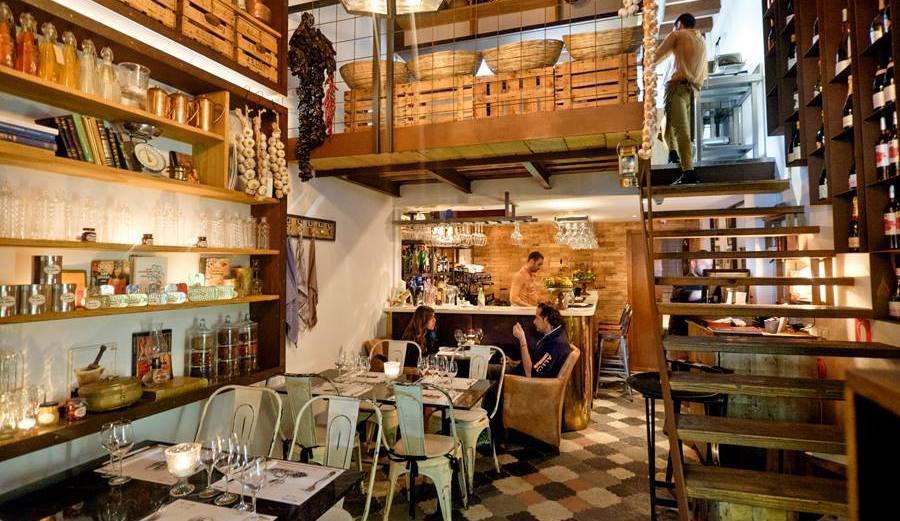
Details
- Classic
- Well Known
- Cozy
- Lively
- Elegant
- Group Dining
- Family
- Casual Hangout
- Business Dinner
- Date Night
- Terrace
- Historic Building
- Standalone
- Extensive Wine List
- Beer Program
- Local Sourcing
- Street Scene
- A La Carte
- Wine
- Beer
- Full Bar
- Vegetarian Friendly
- Pescatarian Friendly
Current opening hours
- Monday
- Closed
- Tuesday
- 12:30–5 PM
- Wednesday
- 12:30–5 PM
- Thursday
- 12:30–5 PM, 7:30–11 PM
- Friday
- 12:30–5 PM, 7:30–11 PM
- Saturday
- 12:30–5 PM, 7:30–11 PM
- Sunday
- 12:30–5 PM
Hours can change for holidays and private events. Hours as of .
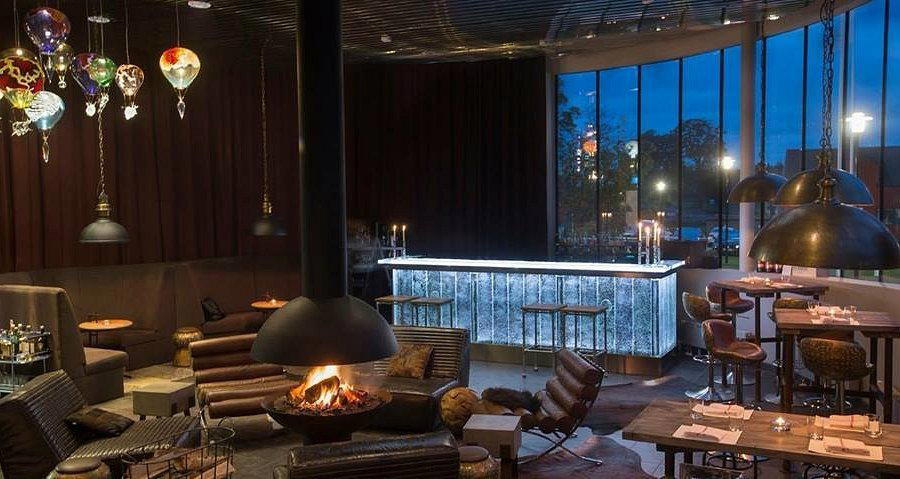
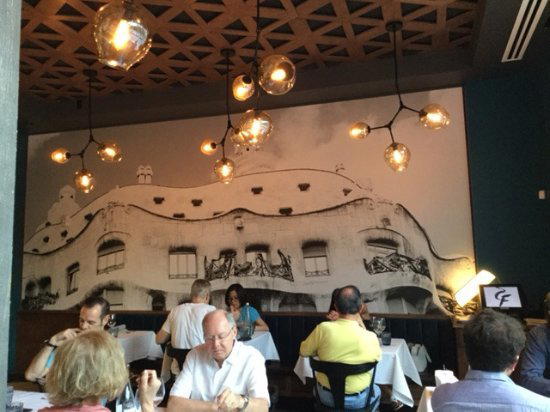
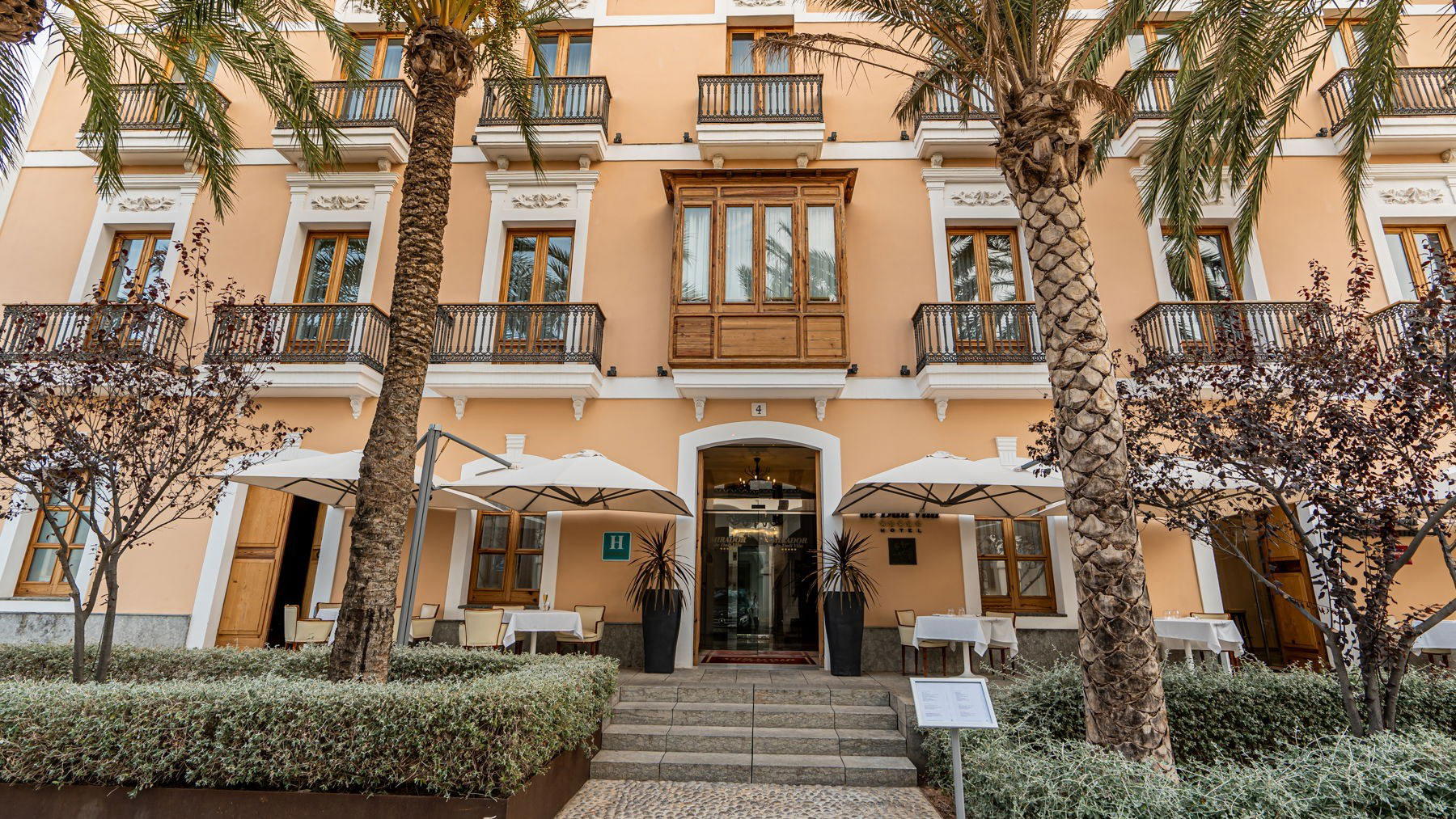
Old-school, classic Ibizan restaurant with a warm, family-run feel, portraits of famous guests on the walls, a traditional dining room, and a bustling terrace on the town’s main promenade.