
Tabelog 100 #81
Our verdict
Zouya belongs to Osaka’s konamon culture rather than its luxury dining circuit: okonomiyaki, stir-fried noodles, a house-style room, and a Tamade setting south of the city’s central dining zones. Its repeated selection for Tabelog 100 Okonomiyaki, including 2025, gives it a clear signal in a category where local loyalty often matters more than spectacle.

Pearl is the En Primeur Club membership app, where members save venues, book tables and use the concierge.
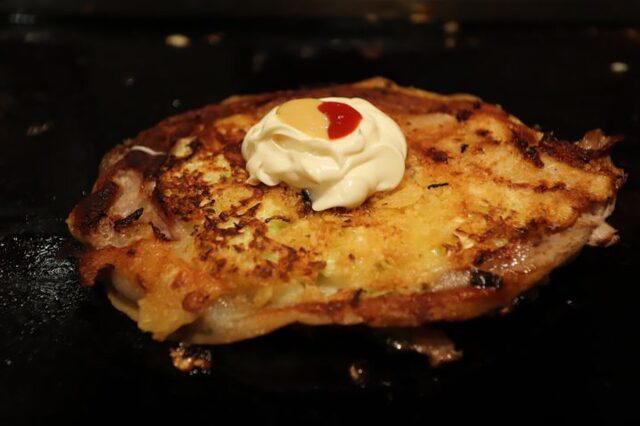
The menu
What to order
- Butatama pork okonomiyaki
- Pork roll okonomiyaki
- Yakisoba
- Zouya-yaki
Approaching Zouya shifts the Osaka dining lens away from polished counters and highly staged restaurant districts. The mood is closer to the city’s everyday konamon grammar: flour, cabbage, sauce, heat, and the social rhythm of a griddle meal. In that setting, Zouya reads less like a destination staged for visitors and more like a working Osaka okonomiyaki address with enough recognition to pull diners beyond the most obvious dining circuits.
That matters in Osaka. The city’s casual food reputation is often flattened into neon shorthand, but okonomiyaki has its own internal hierarchy. Some places trade on speed and volume, some on drinking energy, and a smaller group earns attention for consistency within a narrow, old-school format. Zouya sits in that last bracket, with recognition in the 2025 Tabelog Okonomiyaki 100 and a listed score of 3.58. For a category built on repeat customers and small differences in batter, heat control, and sauce balance, that recognition is the useful signal.
Osaka puts okonomiyaki culture back at street level
Osaka’s dining map often pushes travelers toward the city’s most visible restaurant zones and curated food itineraries. Zouya changes the tempo. The appeal is not theatrical urban energy but proximity to the city’s domestic food habits, where a casual meal can carry as much local meaning as a formal counter.
That context also changes the way to read the room. Zouya belongs to a category where access, comfort, and routine matter more than luxury codes. None of that signals prestige in the conventional sense; it signals a style of Osaka dining where the sharper food memory can come from a focused, everyday format rather than a grand dining room.
For visitors building a wider Osaka itinerary, this is the counterweight to the city’s more curated addresses. Other Osaka dining rooms, bakeries, casual counters, and formal restaurants show how broad the city’s casual-to-serious dining range has become. The comparison is useful without needing to force a hierarchy: Osaka rewards specialization more than category prestige.
Konamon and the discipline of a narrow menu
Okonomiyaki is sometimes described too casually as a Japanese savory pancake, which misses the point. In Osaka, konamon cooking is about how modest components behave under heat: the ratio of batter to cabbage, the browning of the surface, the sauce layer, and the final balance between softness and structure. At Zouya, the public-facing category is okonomiyaki and stir-fried noodles. The broader listed dinner budget, JPY 1,000 to JPY 1,999, keeps it in an accessible Osaka tier.
That price context is important. Kamaage Udon Raku, Tsukiro, M Kasse, and Shinfuji Honten can be useful reference points for the city’s focused casual meals, while Kashiya shows another register of Osaka specialization. The common thread is not cuisine type; it is Osaka’s ability to sustain highly specific meals without requiring a luxury frame. Zouya’s distinction comes from applying that economy to okonomiyaki, a dish that rarely benefits from luxury treatment and often suffers when it is overexplained.
The chef narrative is not the centre of the story here, and it does not need to be. The useful detail is format discipline: Zouya is understood through a tight focus on okonomiyaki and stir-fried noodles rather than a sprawling menu identity. In okonomiyaki, a narrower range can matter more than a long list of claims. It allows the kitchen to repeat the same griddle decisions service after service, and repeatability is the currency of this cuisine. That is why recognition such as Tabelog’s 2025 Okonomiyaki 100 carries weight in this category: it identifies a place that holds attention inside a deeply crowded local field.
How to place it within an Osaka trip
Zouya is not the address for diners looking to compress Osaka into a single polished evening. It makes more sense for a traveler who has already understood that the city’s food intelligence lives across formats: bakeries, udon counters, curry rooms, pork buns, okonomiyaki houses, sake bars, and formal dining rooms. The point is not to chase grandeur; it is to see how a humble category becomes exacting when a city takes it seriously.
Use it as an Osaka anchor rather than a filler meal between central stops. The city setting gives the meal a different register from the most obvious tourist corridors, and the listed dinner budget keeps the visit accessible. For broader planning, Our full Osaka restaurants guide is the natural companion, while Our full Osaka hotels guide, Our full Osaka bars guide, Our full Osaka wineries guide, and Our full Osaka experiences guide help place the meal inside a fuller city map.
Japan’s casual dining depth also rewards comparison across formats without forcing Zouya into a fine-dining frame. The precision of a focused Osaka okonomiyaki house sits far from many other Japanese dining styles, from grilled dishes and seafood counters to curry specialists, sake bars, and overseas casual Japanese formats. The broader point is simple: Japanese casual food travels well, but Osaka’s konamon culture is at its clearest when read in Osaka.
Frequently asked questions
When can I go to Zouya?
Current opening hours should be checked directly with Zouya before visiting.
What does dinner at Zouya typically cost?
Pricing at Zouya is listed as JPY 1,000 - JPY 1,999 JPY 1,000 - JPY 1,999 View spending breakdown.
What's Zouya's location?
Osaka.
What makes Zouya worth seeking out?
Zouya earned a place in Tabelog's Okonomiyaki "Tabelog 100" list for 2025, which is the clearest reason to go. The draw is its focus: okonomiyaki and stir-fried noodles in Osaka, with pricing in the JPY 1,000-1,999 range.
Can Zouya accommodate dietary restrictions?
Zouya is listed in the categories of okonomiyaki and stir-fried noodles, so diners with restrictions should check directly with the restaurant before visiting.
The Minimal Set
Comparable venues at the same tier.
| Venue | Cuisine | Price | Awards | Notes |
|---|---|---|---|---|
| ZouyaThis venue (the venue you are viewing) | Classic Osaka okonomiyaki & yakisoba | $20–30 | Tabelog 100 #81 | Not listed |
| Marusho Gyoza | Japanese Gyoza Specialist | $10–20 | Not listed | Daito City, Traditional Japanese Gyoza Specialist |
| Menya Saisai Shouwa chou honten | Ramen shop specializing in chicken-based broth | $1–10 | Tabelog 100 #46 | Abeno, Ramen shop specializing in chicken-based broth |
| NEXT Shikaku | Oyster ramen & tsukemen | $10–20 | Tabelog 100 #76 | Chūō, Oyster ramen & tsukemen |
| Osaka Mentetsu | Osaka-style ramen counter | $10–20 | Tabelog 100 #91 | Kita, Osaka-style ramen counter |
| Okonomiyaki Kiji Honten | Osaka okonomiyaki & modan-yaki | $1–10 | Tabelog 100 #87 | Kita, Osaka okonomiyaki & modan-yaki |
Recognition history
Dated appearances from independent guides and award organizations, with the underlying list record or original source where available.
Tabelog 100 #81 · No. 81
Tabelog · Tabelog 100 - Okonomiyaki - 2025
Continue exploring
More in Osaka
Restaurants in Osaka
All restaurants in Osaka →




Bars in Osaka
All bars in Osaka →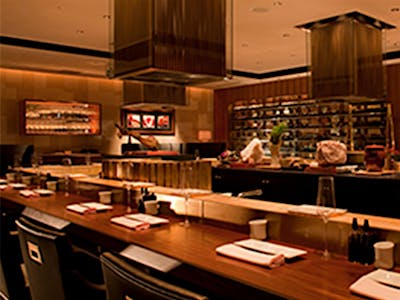
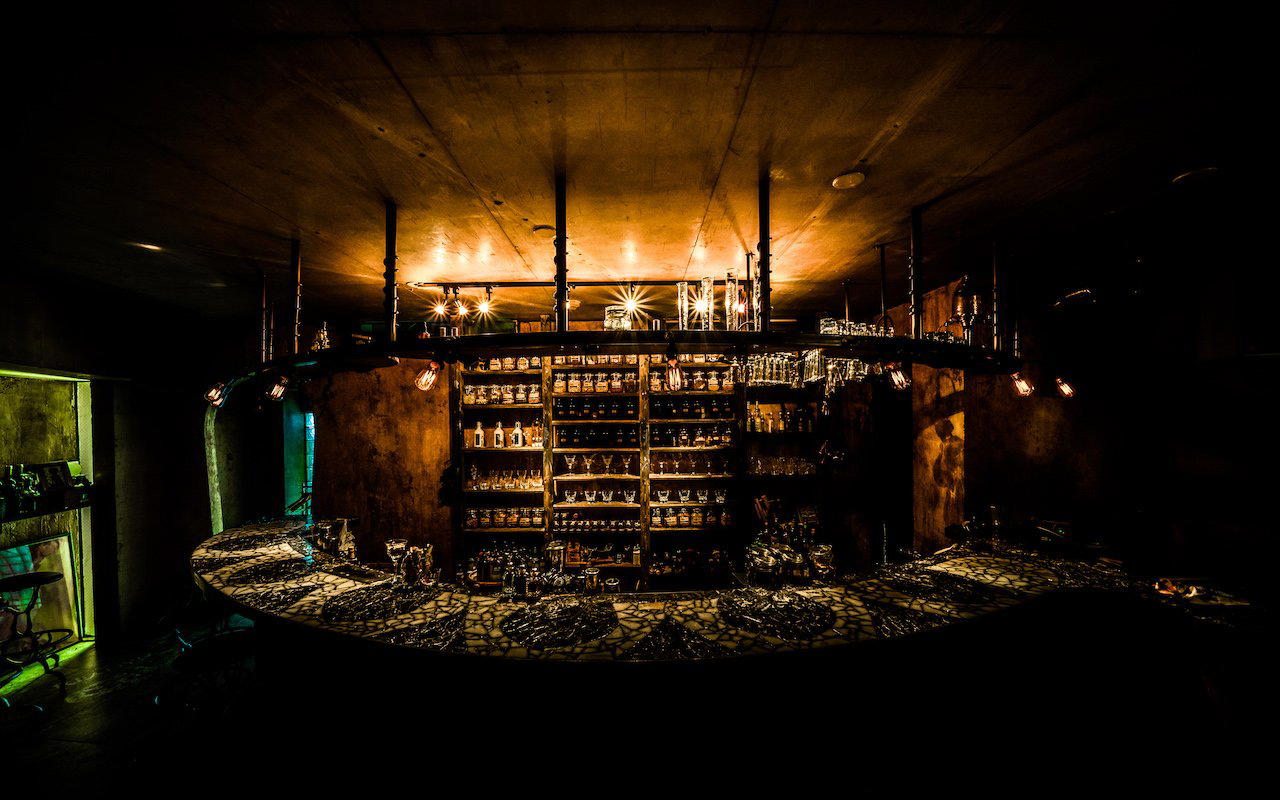

Hotels in Osaka
All hotels in Osaka →




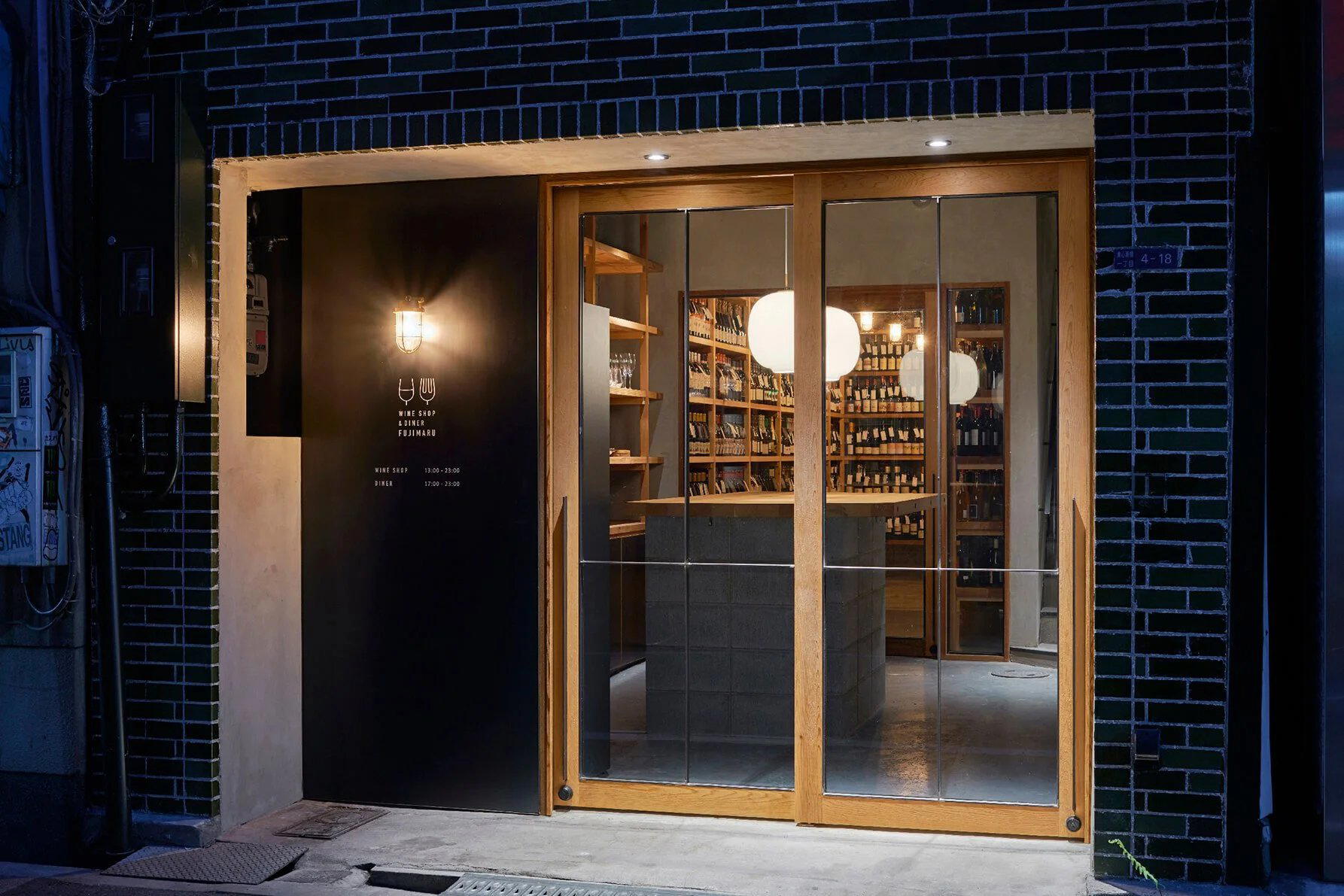
Wineries in Osaka
Browse all →
Details
- Cozy
- Classic
- Lively
- Casual Hangout
- Family
- Solo
- Group Dining
- After Work
- Standalone
- Beer Program
- A La Carte
- Beer
Current opening hours
- Monday
- Closed
- Tuesday
- 5–9:30 PM
- Wednesday
- 5–9:30 PM
- Thursday
- 5–9:30 PM
- Friday
- 5–9:30 PM
- Saturday
- 5–9:30 PM
- Sunday
- 3–9:30 PM
Hours can change for holidays and private events. Hours as of .
Casual and nostalgic neighborhood okonomiyaki joint inside a converted house, with simple interiors, tatami seating, and the lively sounds and aromas of okonomiyaki sizzling on the teppan.