Piccola Toscana at 10 Rue Rochambeau sits in Paris's 9th arrondissement, where a small cluster of Italian addresses competes for a informed local clientele that measures them against the city's heavyweight French houses. Relative to the €€€€ bracket occupied by peers like L'Ambroisie and Le Cinq, this address operates at a different register, Tuscan in orientation, neighbourhood in scale, and worth understanding on those terms.
Pearl is the En Primeur Club membership app — saves, bookings, and concierge access live there. Same editors, same standards.
- Address
- 10 Rue Rochambeau, 75009 Paris, France
- Phone
- +33951044635
- Website
- piccola-toscana.fr
- Directions
- Get directions
 Saves & bookings on Pearl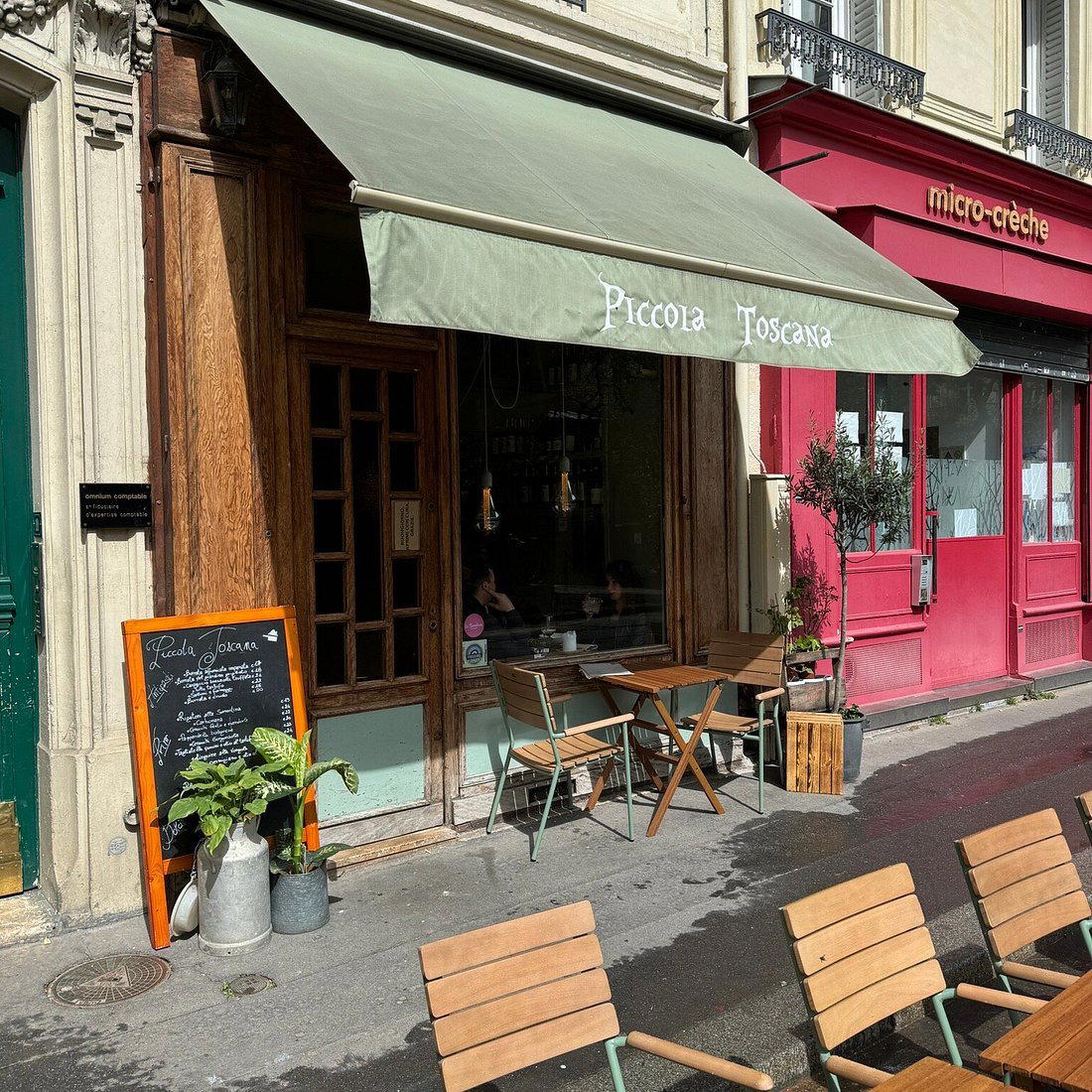
Italian Fine Dining in the 9th: Where Piccola Toscana Sits in the Paris Scene
Piccola Toscana is an Authentic Southern Italian Trattoria at 10 Rue Rochambeau, 75009 Paris, France. The city's gastronomic identity is so thoroughly anchored in French technique, the brigade system, classical saucing, the terroir-as-theology approach that runs from L'Ambroisie on the Place des Vosges to Alléno Paris au Pavillon Ledoyen on the Champs-Élysées, that Italian cooking has historically occupied a secondary tier in the city's critical conversation. What has changed in the past decade is the emergence of a small cohort of Italian addresses that no longer apologise for their geography. They price and position themselves seriously, draw on regional Italian traditions with the same rigour that French houses apply to their own, and attract a clientele that knows the difference between a trattoria and a table built around Tuscan specificity.
Piccola Toscana, at 10 Rue Rochambeau in the 9th arrondissement, belongs to that cohort. The 9th sits between the grands boulevards and Montmartre. It is neither the 8th's formal grandeur nor the 10th's more casual register, it occupies a middle ground where neighbourhood permanence and genuine cooking tend to coexist more comfortably than in higher-traffic arrondissements.
The Tuscan Frame: What Regional Identity Means at This Address
Tuscan cuisine is frequently misread outside Italy. The region's reputation rests on restraint, bistecca, ribollita, pici, a preference for olive oil over butter, and a wine culture built around Sangiovese in its various expressions, but that restraint requires precision to read as intentional rather than sparse. In Paris, where the benchmark for serious Italian cooking is set partly by comparison to what Kei has demonstrated about the possibilities of cross-cultural precision at the highest level, a Tuscan address has to make legible choices about what it is arguing for.
The name itself is a positioning statement. Piccola signals scale and intimacy. Toscana signals a specific regional commitment rather than a generic Italian offering. Together, they describe a dining format that competes less with the €€€€ French houses, Le Cinq at the Four Seasons George V, for instance, or the classical grandeur of Arpège, and more with the set of neighbourhood addresses that ask for genuine attention without the ceremony of a palace hotel dining room.
Team Dynamics at a Neighbourhood Table
The collaboration between kitchen, floor, and wine service defines what a smaller Italian address in Paris can accomplish more directly than at a large-format restaurant, where departments can operate in relative isolation. At a table of this scale, the sommelier's Italian wine knowledge is not a supplementary service; it is structural. Tuscany's wine map is complicated in ways that reward specialist knowledge: the difference between a Chianti Classico Gran Selezione and a Brunello di Montalcino is not just geographic but temporal, the latter requires years of ageing that changes how it pairs with food. A floor team that can navigate those distinctions, and communicate them without condescension, shifts the entire dining experience.
Front-of-house coherence matters equally. The French dining public, even in a neighbourhood context, expects a certain fluency in service rhythm, the pacing of courses, the moment at which a table is left to itself, the calibration between presence and intrusion. Italian hospitality and French service culture do not always map neatly onto each other, and the addresses that manage to synthesise both tend to create something that neither tradition produces alone. This is the terrain on which a place like Piccola Toscana competes, and it is more demanding than it appears from the outside.
France's broader restaurant culture has produced a number of reference points for how regional specificity and team coherence combine at the highest level. Flocons de Sel in Megève, Bras in Laguiole, and Auberge de l'Ill in Illhaeusern all demonstrate what happens when a team is deeply rooted in a particular place and tradition. The standard is not the same for a neighbourhood Italian address, but the underlying argument, that regional coherence requires a coordinated team rather than a single strong cook, transfers directly.
The 9th Arrondissement and Its Dining Context
Rue Rochambeau itself is a quiet residential street, which sets a particular expectation before a diner even opens the door. The 9th's dining scene rewards patience over proximity to landmarks; the arrondissement has no equivalent of the Place des Vosges or the Seine-side addresses that tourist itineraries prioritise. What it has instead is a density of working restaurants, places that survive because locals return, not because passing trade sustains them. That is a more honest indicator of quality than critical visibility, and it shapes the kind of cooking that tends to thrive here.
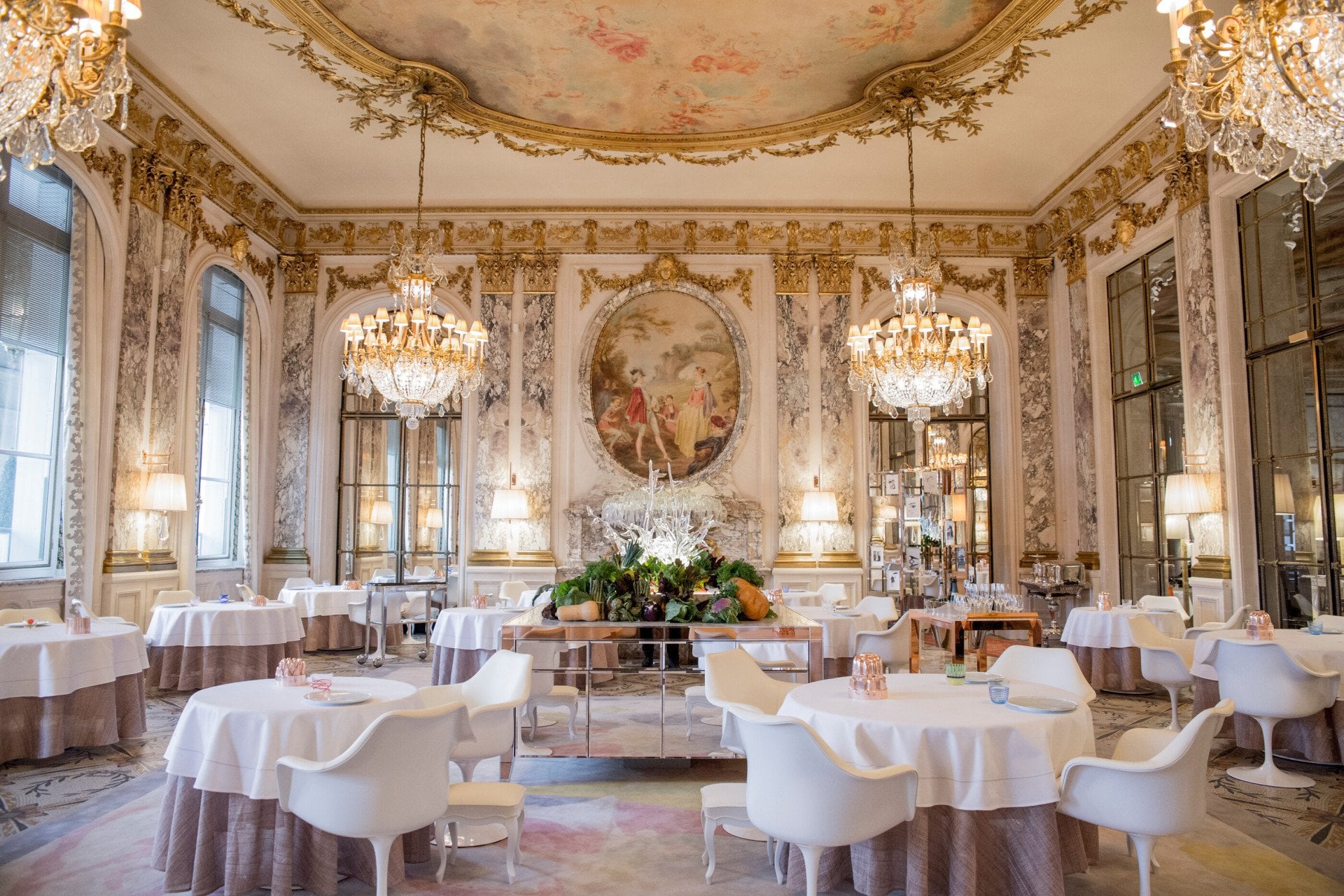
For context on what Paris's top tier looks like at the other end of the spectrum, the same city holds addresses like Troisgros in the French provinces and city-based flagships like Paul Bocuse, Mirazur on the Côte d'Azur, and AM par Alexandre Mazzia in Marseille, all of which represent a different register entirely. The restaurant does not compete on that axis. Its relevance is neighbourhood-scale and cuisine-specific, which is precisely what makes it worth understanding on its own terms rather than against a French three-star benchmark.
Planning Your Visit
Rue Rochambeau is accessible from the Cadet or Poissonnière metro stations, both a short walk away, which places the restaurant within easy reach of the Opéra district without sitting in the tourist-heavy zone immediately around it. Check current hours and reservations directly with the restaurant.
Frequently Asked Questions
- What should I order at the restaurant?
- What the Tuscan regional frame suggests is a kitchen oriented around pasta made with precision, protein preparations that follow Italian rather than French logic, and an olive oil-forward approach to seasoning. Cross-referencing with the wine list, if the sommelier programme is as coherent as the address's positioning implies, is likely to be especially reliable guide once you are at the table. For comparison on how cuisine-specific depth works at the highest French level, addresses like Assiette Champenoise in Reims and Au Crocodile in Strasbourg demonstrate the underlying principle.
- How hard is it to get a table at the restaurant?
- No confirmed booking data is available in the public record for this address. Neighbourhood Italian restaurants in the 9th arrondissement typically operate at a more accessible booking depth than the city's highly publicised French dining rooms, the intense advance-reservation pressure that applies to tightly allocated counters in the 8th or 16th rarely extends to this part of the city. That said, a well-regarded local address with a loyal repeat clientele can fill quickly on weekend evenings. Checking availability a week to ten days ahead is a reasonable starting point, with same-week availability more plausible for weekday lunch or early dinner service. For global reference on what high-demand booking looks like at the other end of the spectrum, Le Bernardin in New York and Atomix operate on significantly longer lead times.
- Is the restaurant suitable for a wine-focused dinner centred on Italian producers?
- The Tuscan identity of the address strongly implies a wine programme weighted toward central Italian producers, with Sangiovese-based bottles, Chianti Classico, Brunello di Montalcino, Morellino di Scansano, forming the backbone of the list. In Paris's Italian restaurant tier, those addresses that commit to regional specificity in the kitchen tend to mirror that commitment on the wine side, since the food and wine traditions of Tuscany are designed to function together. Confirming the current list directly with the restaurant before arrival is advisable for guests with specific producer or vintage interests. Auberge du Vieux Puits in Fontjoncouse offers a useful French parallel for how deep regional wine commitment shapes an entire dining experience.
- Truffle Lasagna
- Tiramisu
- Seafood Spaghetti
- Homemade Pasta
- Cacio e Pepe
- Pesto Gnocchi
- Fried Burrata with Pesto
Just the Basics
Comparable venues nearby, for context on price, style, and recognition.
| Venue | Price | Notes |
|---|---|---|
| PICCOLA TOSCANAThis venue — the venue you are viewing | $$ | Not listed |
| Fimmina - Pizzeria Paris 9 | $$ | 9th arrondissement, Artisanal Italian Pizzeria & Wine Bar |
| Fragola Marais | $$ | Marais, Authentic Italian Pizza and Pasta |
| NA RUGA | $$ | Marais, Southern Italian Trattoria & Neapolitan Pizza |
| Mille Grazie | $$ | 15th arrondissement (Pasteur), Regional Italian Pizzeria |
| Bobby | $$ | Montmartre, Neapolitan Pizza & Fresh Pasta |

At a Glance
- Cozy
- Intimate
- Romantic
- Classic
- Date Night
- Family
- Celebration
- Casual Hangout
- Standalone
- Extensive Wine List
- Local Sourcing
Current opening hours
- Monday
- Closed
- Tuesday
- 12–1:45 PM, 7–9:45 PM
- Wednesday
- 12–1:45 PM, 7–9:45 PM
- Thursday
- 12–1:45 PM, 7–9:45 PM
- Friday
- 12–1:45 PM, 7–9:45 PM
- Saturday
- 12–2 PM, 7–10 PM
- Sunday
- Closed
Hours can change for holidays and private events. Last verified .
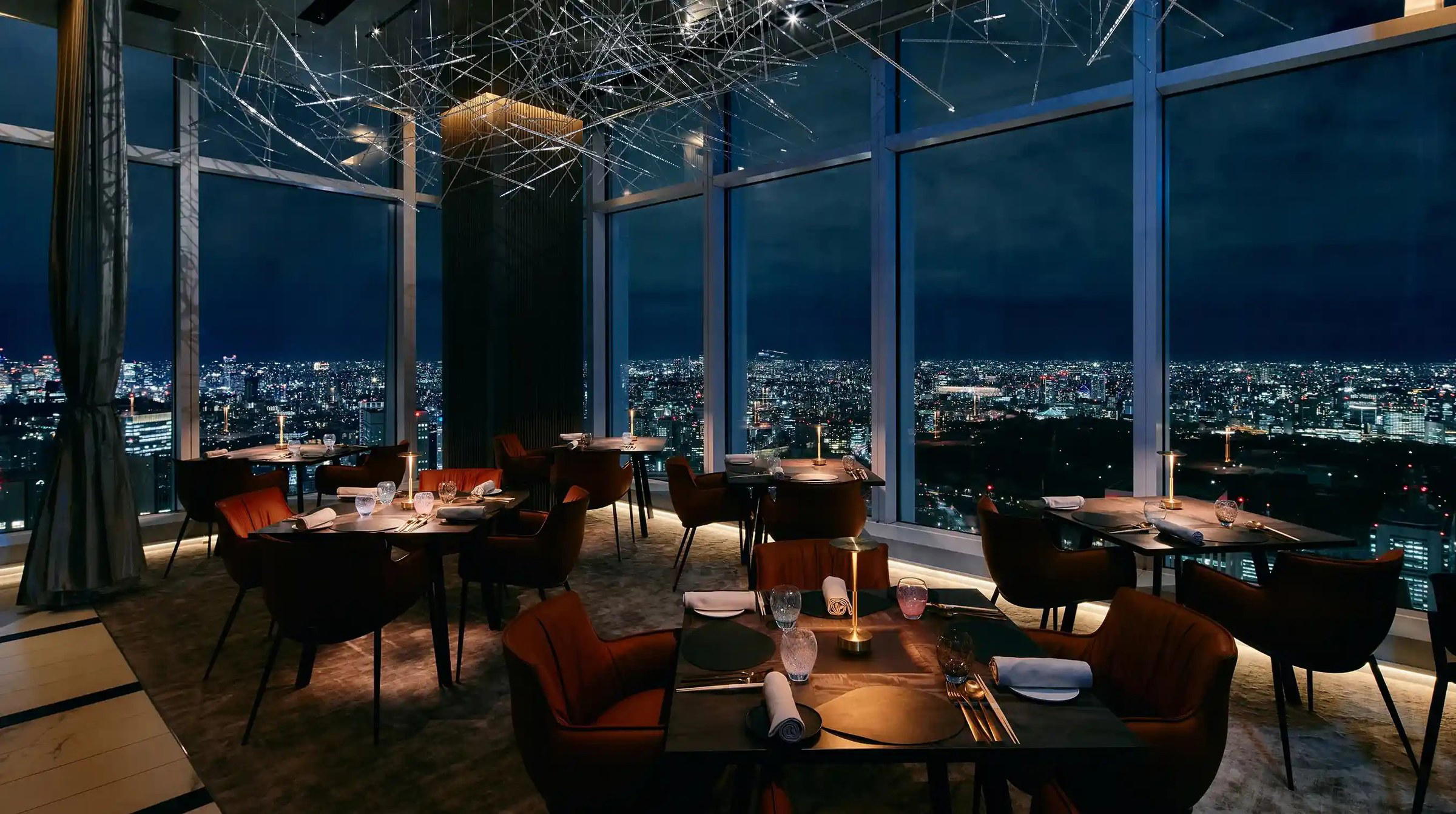
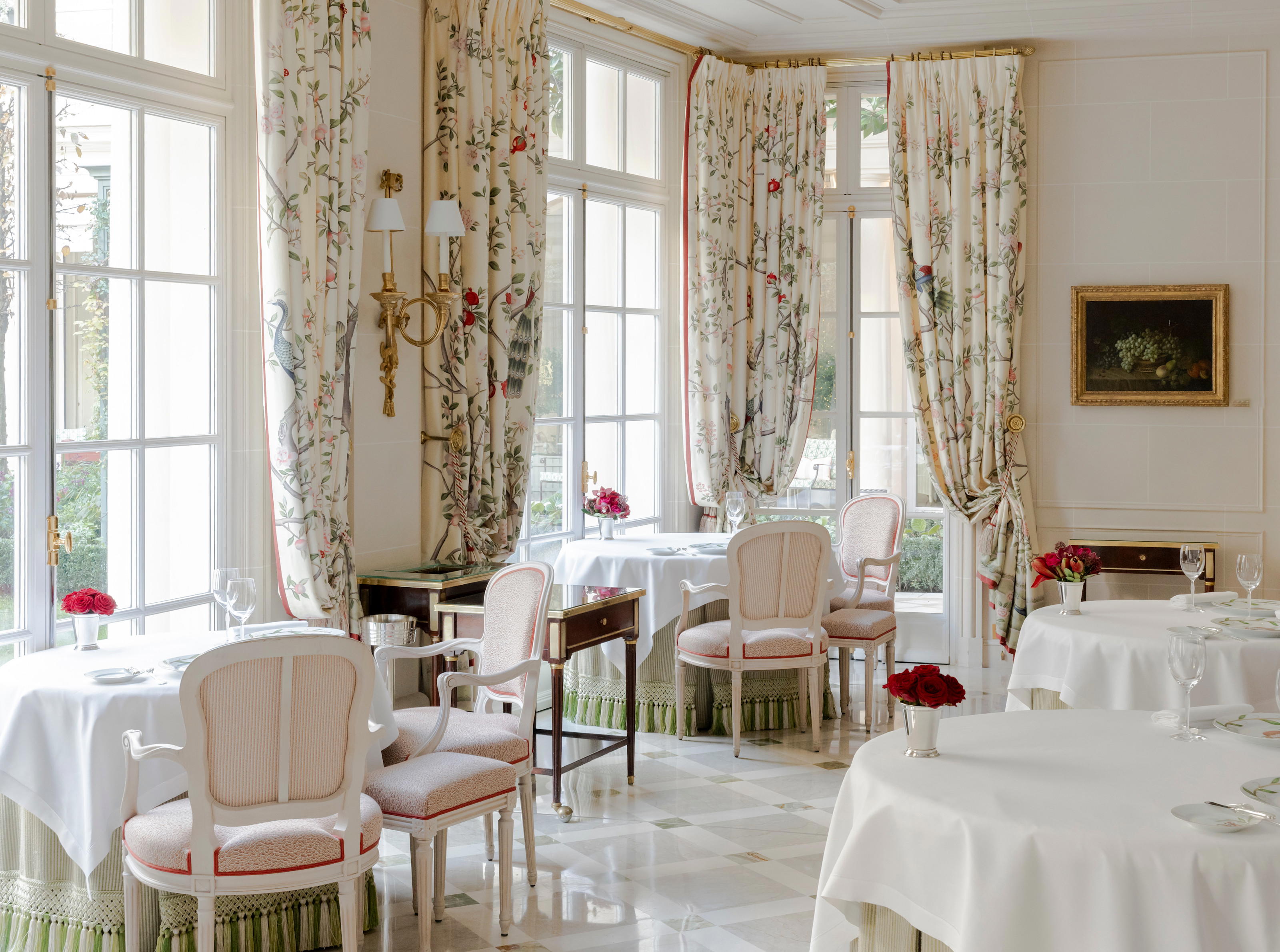
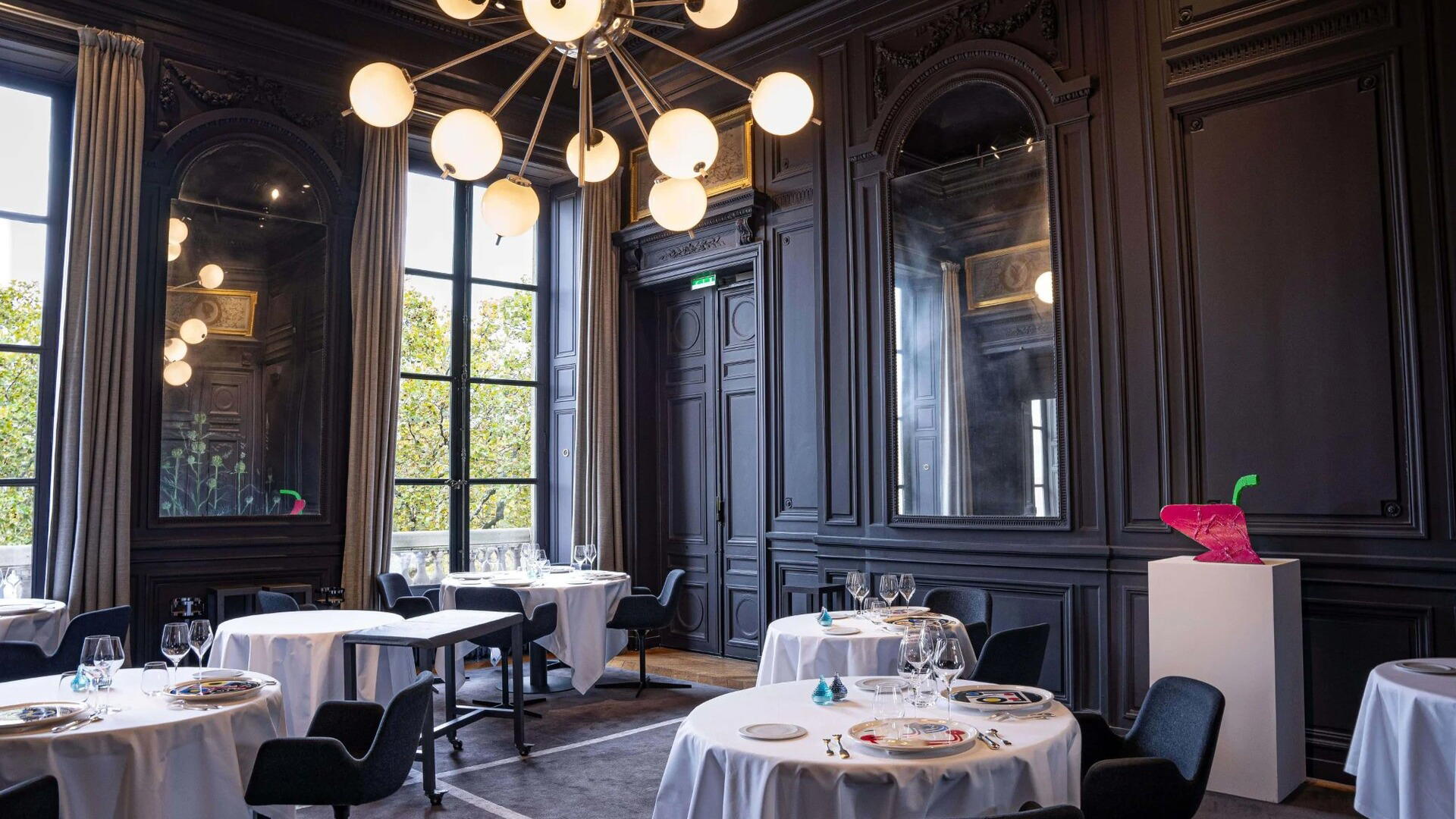
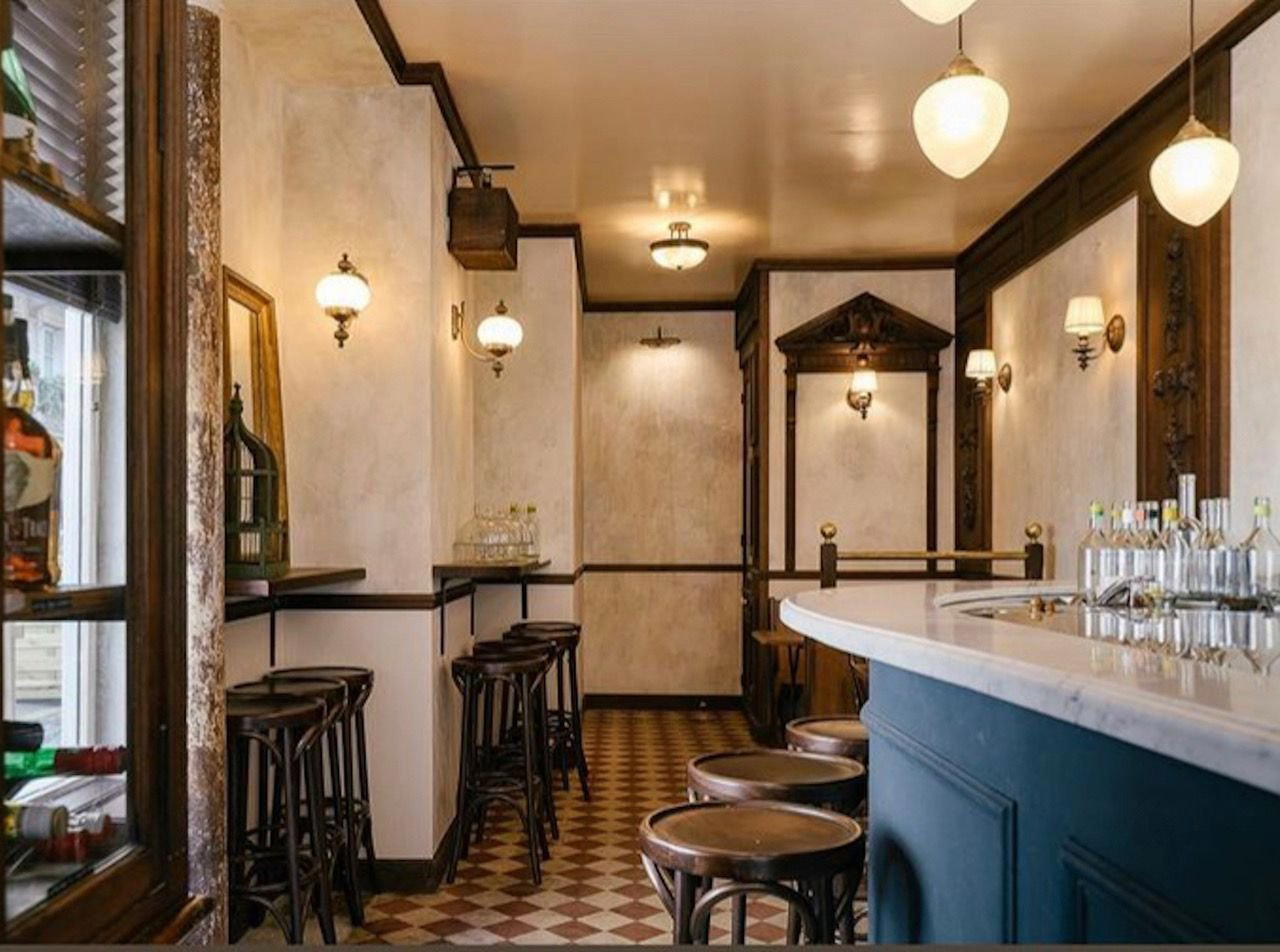
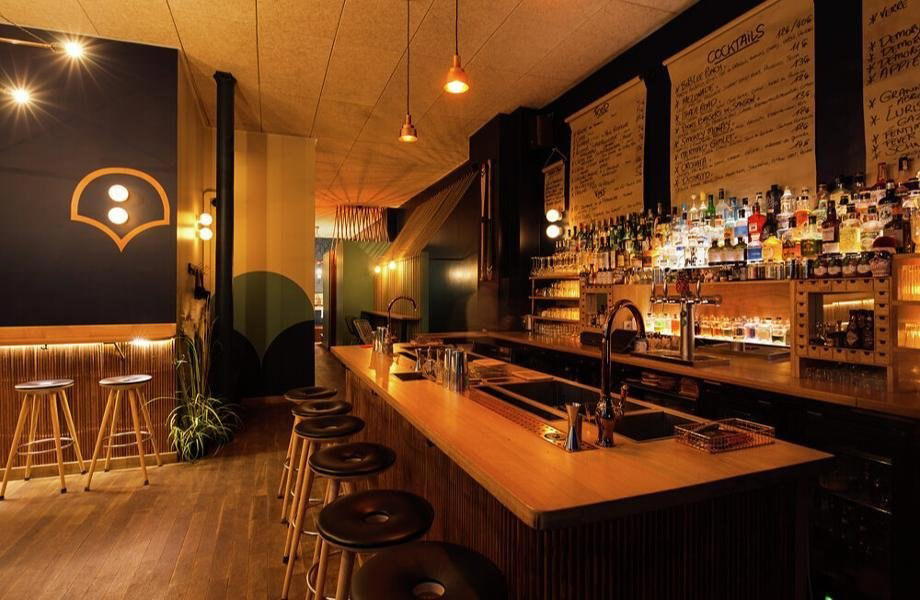
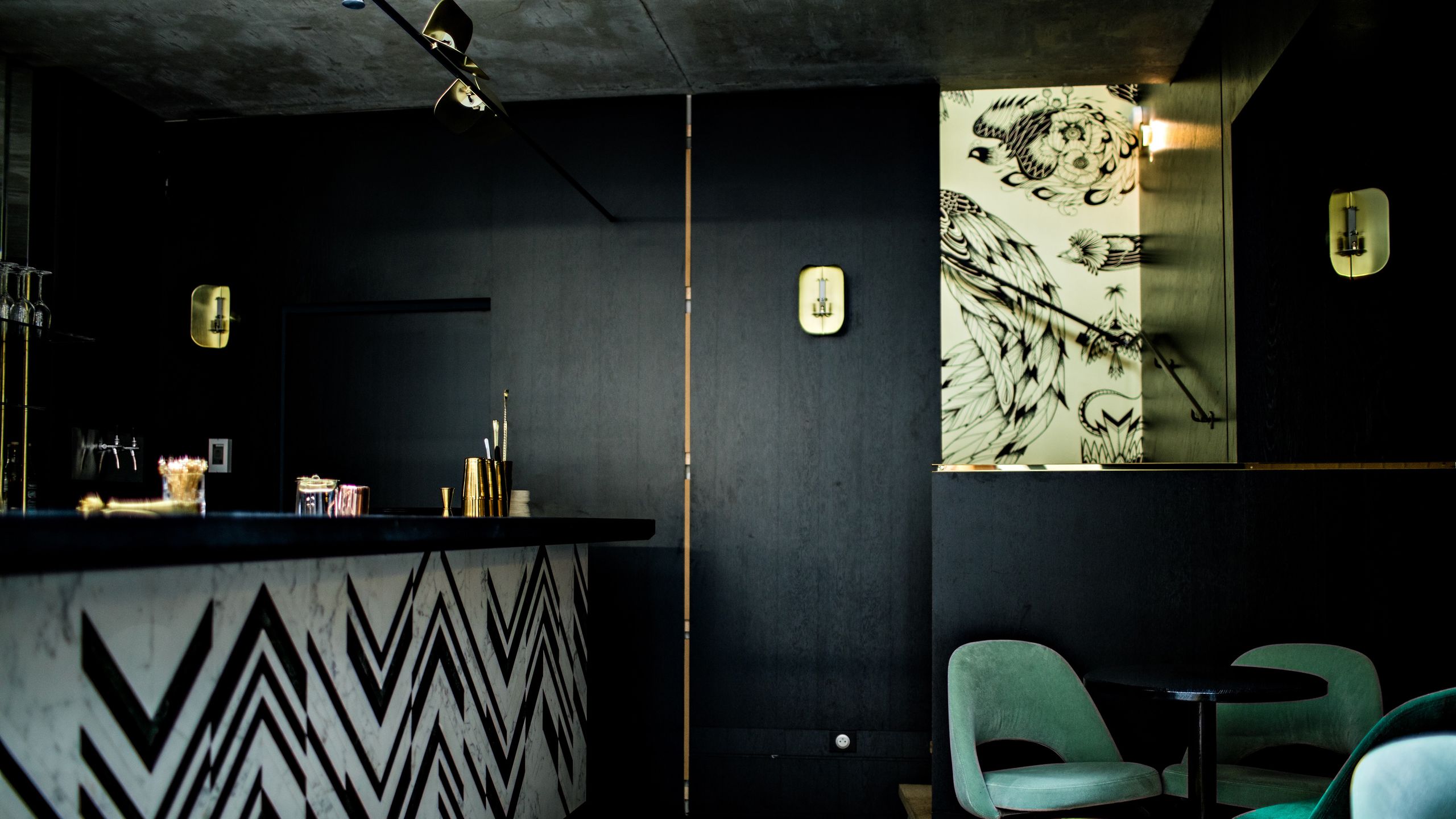
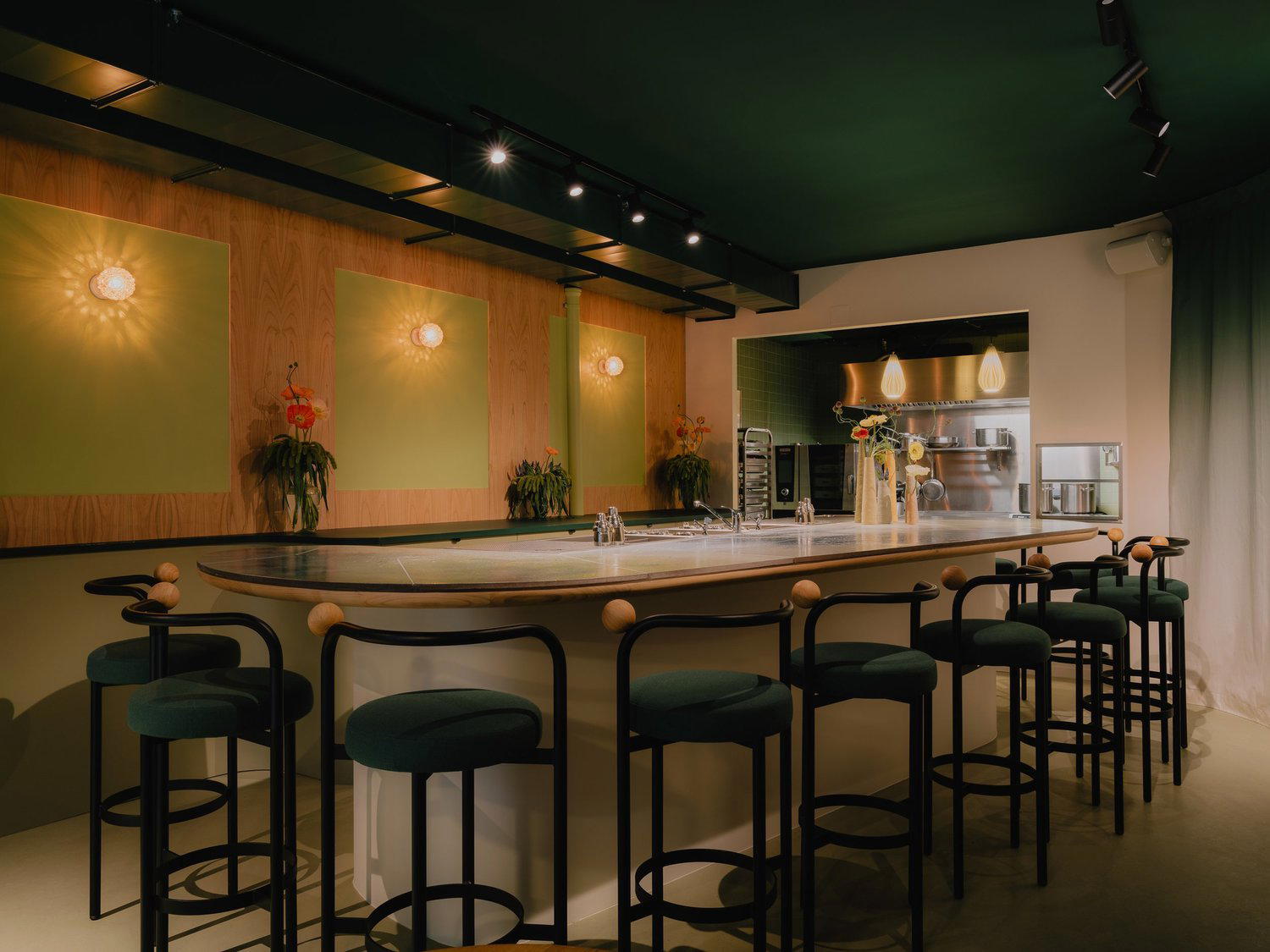
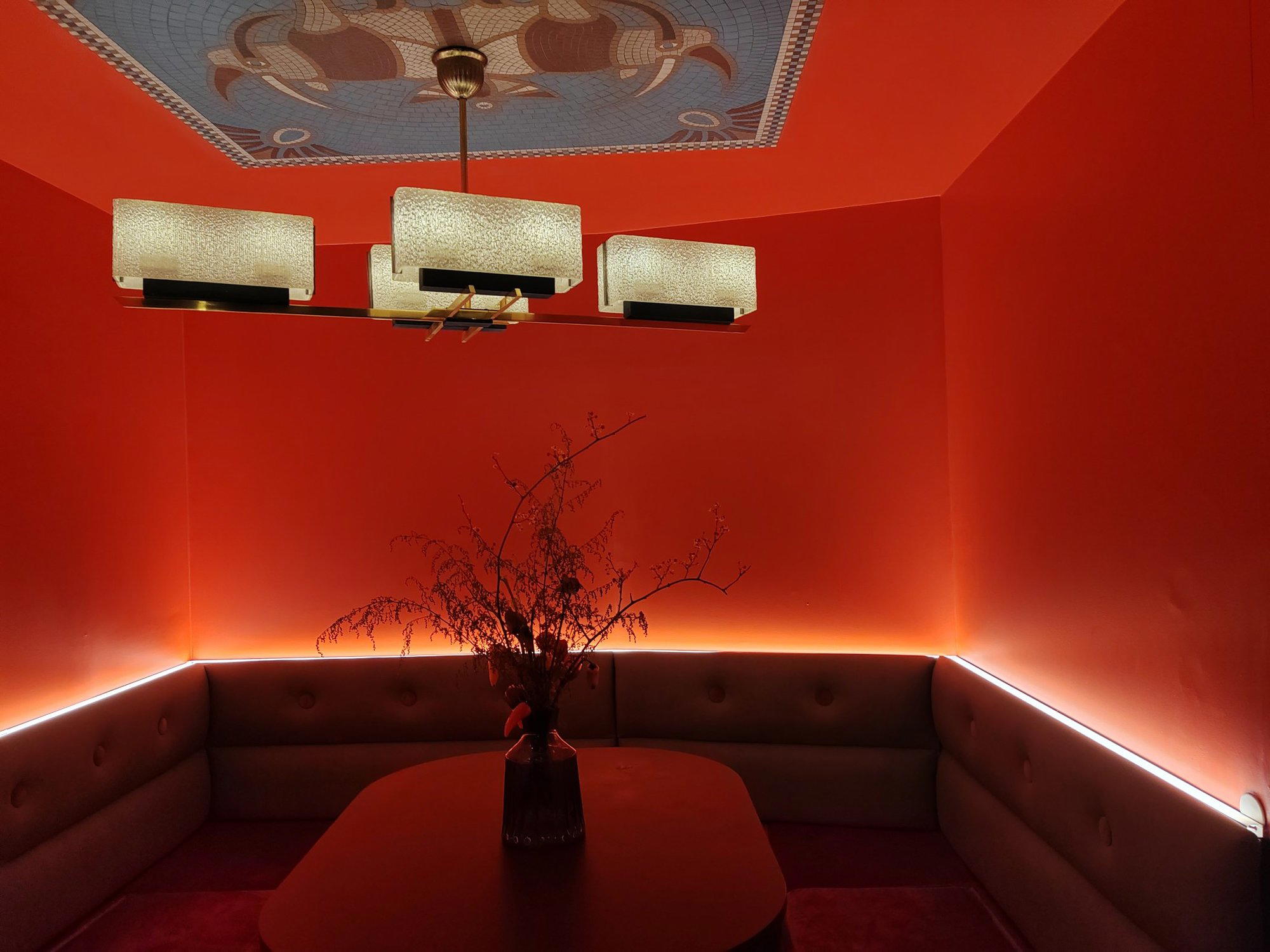
Warm and inviting with intimate lighting, charming décor that evokes Southern Italy, and a cozy atmosphere enhanced by friendly Italian service.