ZOE


ZOE holds a Michelin star and a We're Smart Green Guide listing for its 100% plant-based menu at Münstergasse 39 in Bern's old town. Chef Fabian Raffeiner's seven-course format pairs pickled vegetables, fermented grains, and foraged aromatics with natural wines, at €€€ pricing that places it among Bern's serious fine-dining addresses.
Pearl is the En Primeur Club membership app — saves, bookings, and concierge access live there. Same editors, same standards.
- Address
- Münstergasse 39, 3011 Bern, Switzerland
- Phone
- +41 31 318 33 33
- Website
- restaurant-zoe.com
- Directions
- Get directions
 Saves & bookings on Pearl
Where Bern's Fine Dining Meets the Plant-Only Kitchen
Switzerland's fine-dining scene has, for most of its modern history, been organized around protein: veal, lake fish, aged beef, game. The Michelin map across the country reflects this, from Hotel de Ville Crissier in Crissier to Schloss Schauenstein in Fürstenau to Cheval Blanc by Peter Knogl in Basel. Against that backdrop, ZOE's Michelin star carries a specific kind of weight. It is awarded to a kitchen that works exclusively with plants, and that decision to draw a hard line, no meat, no fish, no compromise toward omnivore preference, positions ZOE inside a narrow tier of European fine dining where the cooking has to be genuinely compelling on its own terms.
The restaurant sits at Münstergasse 39, a few paces from the Berner Münster in Bern's UNESCO-listed old town. The building's upper floor holds the main dining room, described as charmingly minimalist in its finish: a setting that lets the food carry the visual register rather than competing with it. In summer, a terrace in front of the restaurant draws a different kind of use, suited to lighter lunches in the open air. The approach to the old town from any direction involves the arcaded walkways and sandstone facades that define Bern's medieval core, and arriving at ZOE through that streetscape sets a particular expectation, one the kitchen appears to take seriously.
The Vegan-Vegetarian Line and Why It Matters Here
In European fine dining, the distinction between vegetarian and vegan kitchens is often blurred in practice. Many restaurants describe themselves as plant-forward while keeping butter, cream, and eggs as structural tools, using them to achieve textures and depth that would otherwise require different technical skill. ZOE's listing in the We're Smart Green Guide as a 100% pure plant offering is a substantive claim: it means no dairy, no eggs, no honey, and no animal-derived components anywhere in the menu. That is a more demanding constraint than vegetarian cooking, and at the starred level it represents a genuine technical commitment.
The implications for the kitchen are significant. Emulsification, richness, acidity balance, and aromatic depth all need to be achieved through plant-sourced techniques: fermentation, reduction, careful pairing of fat-carrying vegetables, and the use of ingredients like nut milks, seed-based preparations, and aged plant proteins. Fabian Raffeiner's recognition from the We're Smart Green Guide is a credential that speaks to this technical grounding rather than simply to a dietary position.
The examples from the kitchen give a clear read on the approach. Pickled kohlrabi with roasted buckwheat uses fermentation and toasted grain to build savoury complexity without any animal fat. Spruce needle sorbet with buttermilk broth and subtle acidity and strong spice is a construction that requires precise balance across temperature, bitterness, and heat, achieved without the conventional stabilizers and dairy fats of classical pastry. These are not simplified plates. They are technically dense, and the flavour contrasts described suggest a kitchen that uses tension, not comfort, as its primary tool.
For diners deciding between a vegetarian fine-dining experience and a fully vegan one, ZOE resolves the question cleanly. There is no tier of dishes with dairy available on request, no hybrid menu that accommodates either preference. The kitchen has drawn its line at 100% plant, and the Michelin star confirms that it executes within that constraint at a level that warrants formal recognition.
Format, Menu Structure, and Pricing
The primary format is a seven-course menu with optional add-ons, which places ZOE in the same structural tier as Bern's other serious tasting menus. For comparison, Wein & Sein and Steinhalle both operate at €€€€, a step above ZOE's €€€ pricing. That positioning is notable: a Michelin-starred plant-based tasting menu at a price point that is accessible relative to its comparable set in Bern's fine-dining tier.
À la carte options are available alongside the tasting menu, which gives the restaurant a degree of flexibility uncommon at starred addresses. The beverage program includes natural wines, beers, and alcohol-free options, a pairing list that aligns with the kitchen's ethos without requiring guests to work through a conventional wine list. Natural wines in particular have become a coherent accompaniment to modern plant-based cooking because of their shared emphasis on minimal intervention and terroir-driven flavour, and offering them as the default rather than a specialty signals something about how seriously the beverage side is curated.
The lunch format deserves specific mention. A Business Lunch menu with up to four courses represents a meaningfully different price and time commitment than the full evening tasting. In cities where starred restaurants can feel inaccessible for a first visit, a structured lunch option at a compressed format is a genuine utility.
Where ZOE Sits in the Bern Dining Scene
Bern's fine-dining addresses are distributed across a relatively compact old town, and the €€€ to €€€€ tier includes a range of styles. Casino Restaurant operates in Modern French at €€€, while Essort takes an international approach at the same price tier. mille sens - les goûts du monde sits at €€ with an international menu, covering a broader range of price expectations in the city. ZOE's position within this set is specific: it is the only starred plant-based address, and its credential from the We're Smart Green Guide places it in a specialist category that none of the comparison venues occupy.
Globally, the genre ZOE belongs to remains small but is gaining institutional recognition. Fu He Hui in Shanghai and Lamdre in Beijing represent the Asian end of serious plant-based fine dining, where Buddhist culinary traditions have long provided a technical and philosophical foundation. In Europe, the starred plant-based kitchen is rarer, and ZOE's 2024 recognition puts it in a short list of addresses where the format has achieved formal critical standing. For context on how Switzerland's wider Michelin-starred scene is structured, kitchens like Memories in Bad Ragaz, 7132 Silver in Vals, and Colonnade in Lucerne reflect the country's broader preference for classical technique and protein-centred menus, which makes ZOE's positioning more pointed by contrast.
Planning a Visit
ZOE is at Münstergasse 39 in Bern's old town, a walkable distance from the Bern main station and directly adjacent to the Berner Münster. The lunch Business Lunch format offers more flexibility for timing. The terrace operates in summer and requires separate consideration when booking if outdoor seating is a priority.
What to Order at ZOE
The seven-course tasting menu is the format that best represents the kitchen's range: it moves through flavour contrasts, pickled, roasted, fermented, cold, at a pace designed to demonstrate what fully plant-based fine dining can do across a full evening. The documented examples, including the spruce needle sorbet with buttermilk broth and the kohlrabi-buckwheat pairing, appear within that structure and illustrate the kitchen's preference for tension and acidity over richness and reduction. Optional add-ons allow for extended exploration without committing to a fixed extended menu, which gives the format some adaptability. For a first visit at lunch, the four-course Business Lunch menu covers the kitchen's approach at a lower time and cost commitment, and it represents a sensible way to assess whether the full evening format warrants a return booking. The natural wine pairing is the coherent beverage choice given the kitchen's philosophy, though alcohol-free pairings are available for those who prefer them.
Price and Positioning
Comparable venues nearby, for context on price, style, and recognition.
| Venue | Cuisine | Price | Awards | Notes |
|---|---|---|---|---|
| ZOEThis venue — the venue you are viewing | Vegetarian | $$$$ | Michelin 1 Star | Not listed |
| Wein & Sein | Not listed | $$$$ | Michelin 1 Star | Grünes Quartier, Modern Swiss Fine Dining |
| Steinhalle | Not listed | $$$ | Michelin 1 Star | Kirchenfeld, Modern Global Fusion Casual Fine Dining |
| Brasserie VUE | Not listed | $$$$ | Not listed | Gelbes Quartier, Contemporary French Brasserie |
| Casa Novo | Schwarzes Quartier, Dining | Not listed | Michelin Plate | Not listed |
| Casino Bern | Not listed | $$$ | Not listed | Grünes Quartier, Modern French-Italian Brasserie |
Recognition history
Dated appearances from independent guides and award organizations, with the underlying list record or original source where available.
Michelin 1 Star
Michelin
We're Smart World 4 Radishes
We're Smart World
Michelin 1 Star
Michelin
Continue exploring
More in Bern
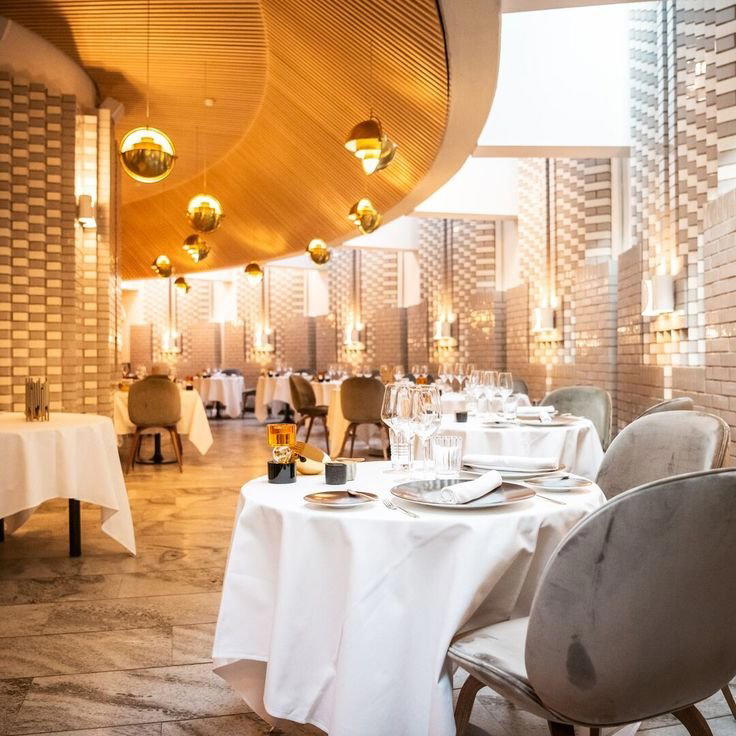
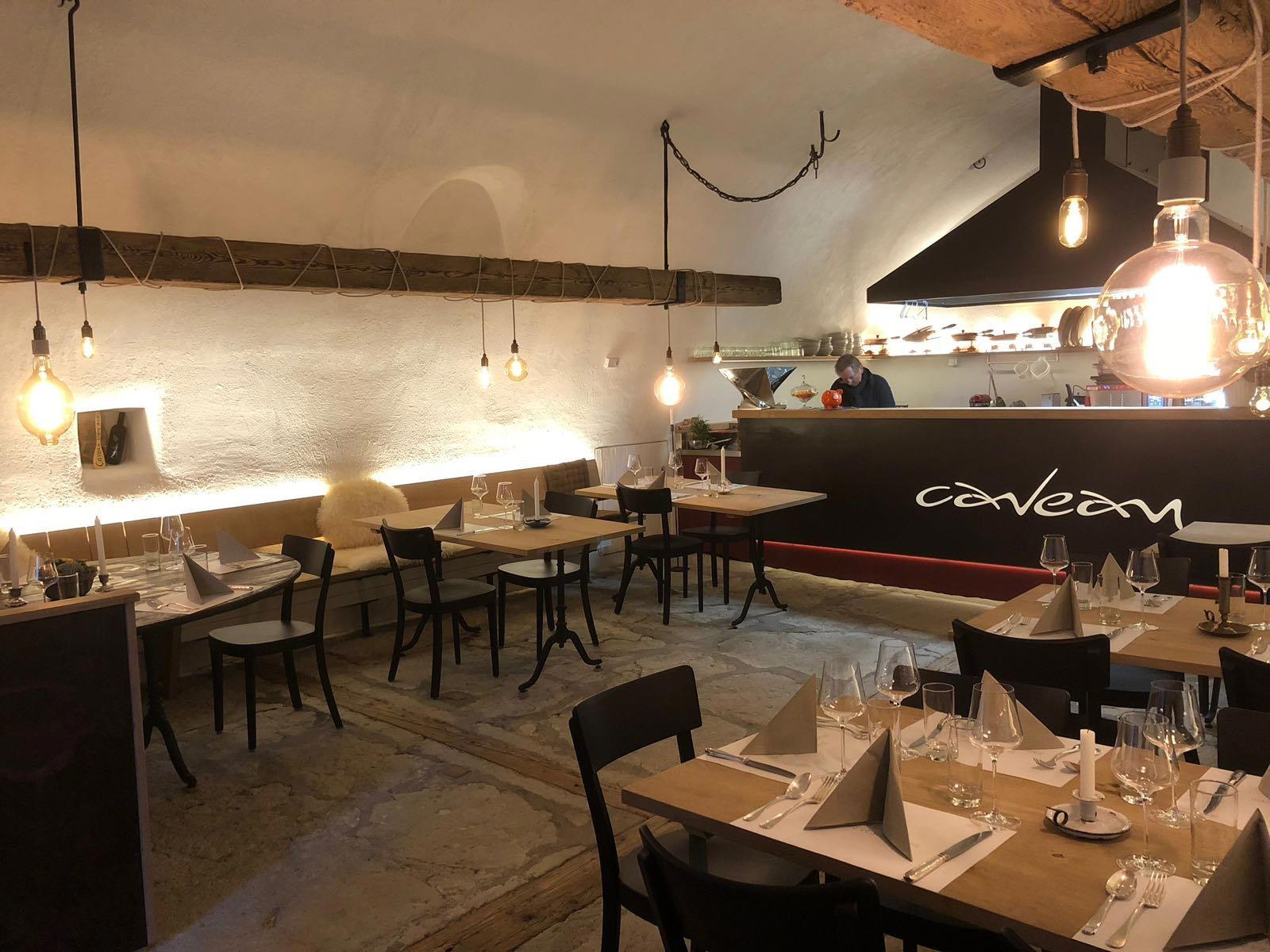
Restaurants in Bern
Browse all →
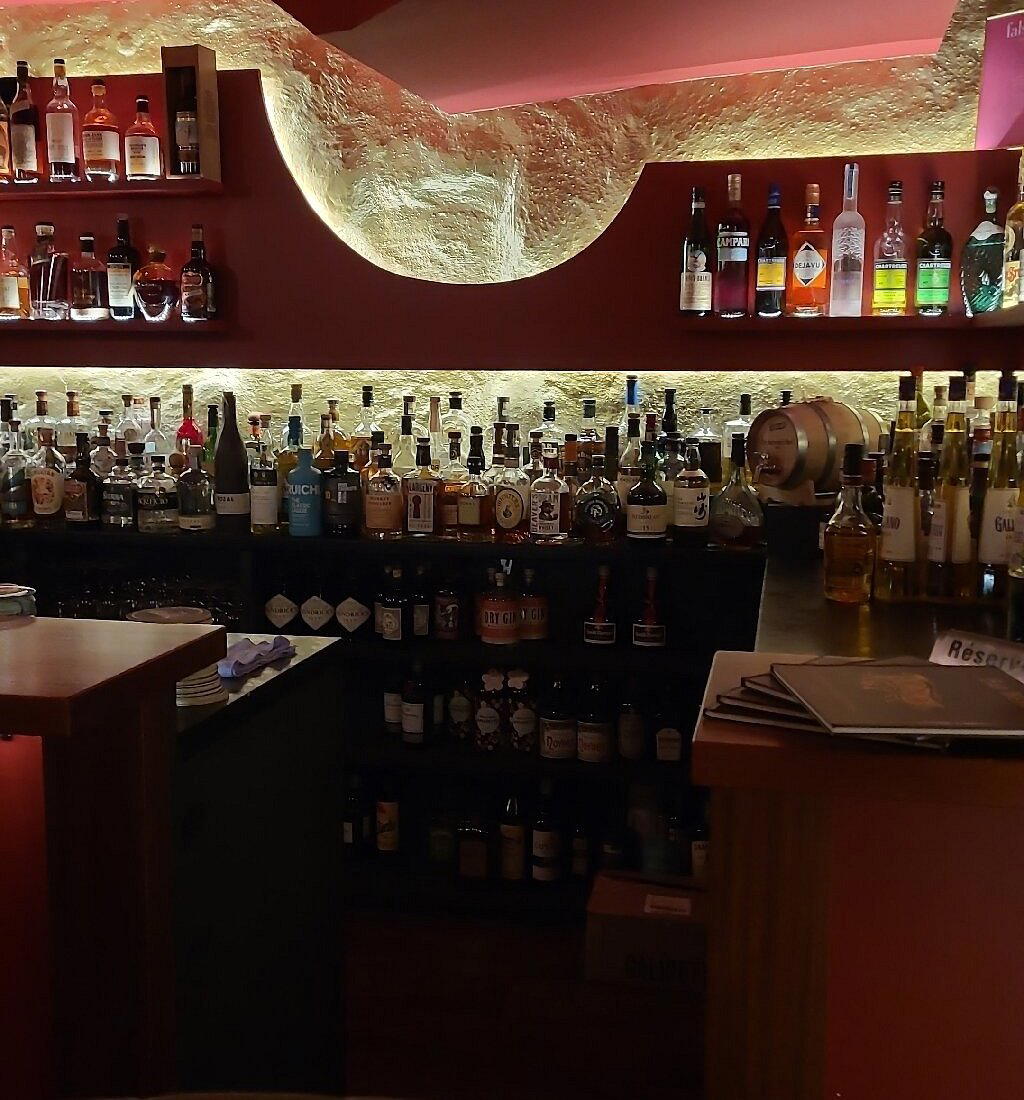
Bars in Bern
Browse all →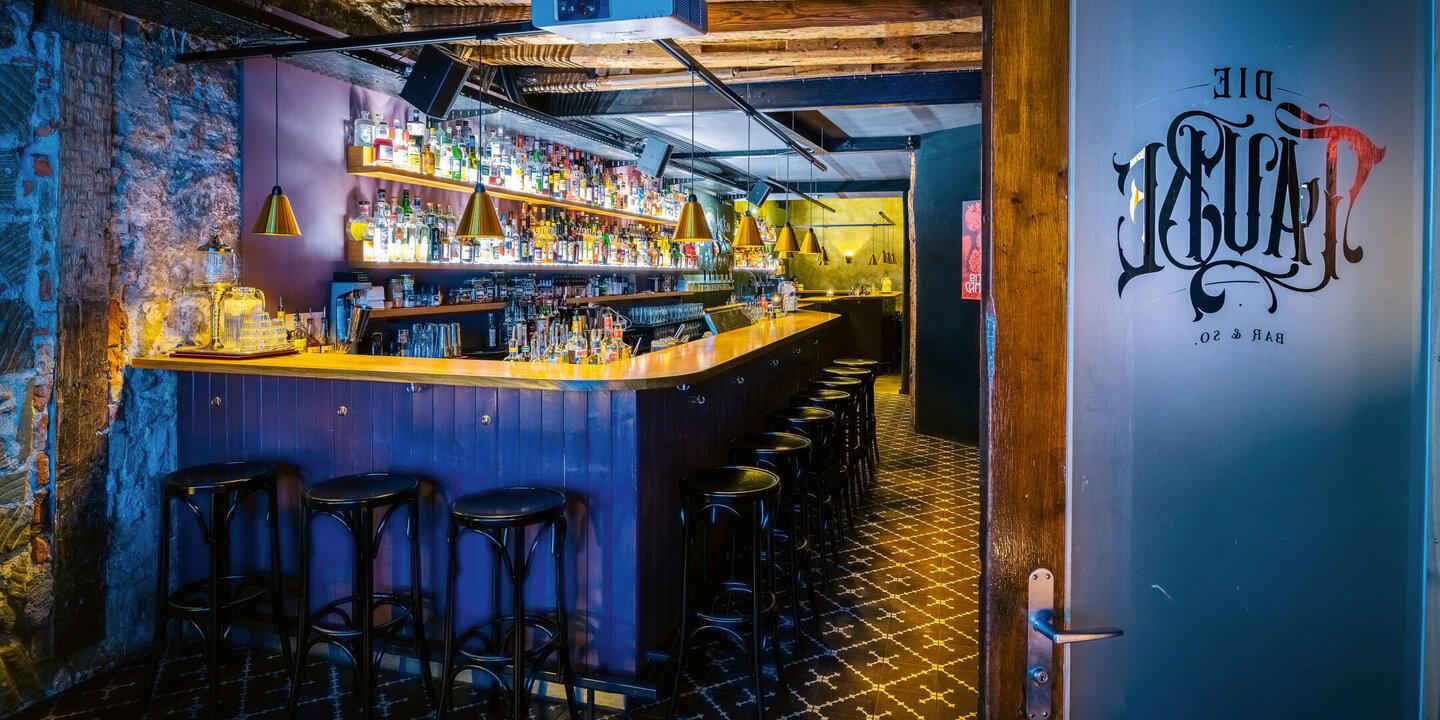
Hotels in Bern
Browse all →

At a Glance
- Modern
- Cozy
- Elegant
- Intimate
- Minimalist
- Date Night
- Special Occasion
- Open Kitchen
- Terrace
- Natural Wine
- Farm To Table
- Local Sourcing
- Street Scene
Current opening hours
- Monday
- Closed
- Tuesday
- 11:30 AM–2 PM, 6–11 PM
- Wednesday
- 11:30 AM–2 PM, 6–11 PM
- Thursday
- 11:30 AM–2 PM, 6–11 PM
- Friday
- 11:30 AM–2 PM, 6–11 PM
- Saturday
- 6–11 PM
- Sunday
- Closed
Hours can change for holidays and private events. Last verified .
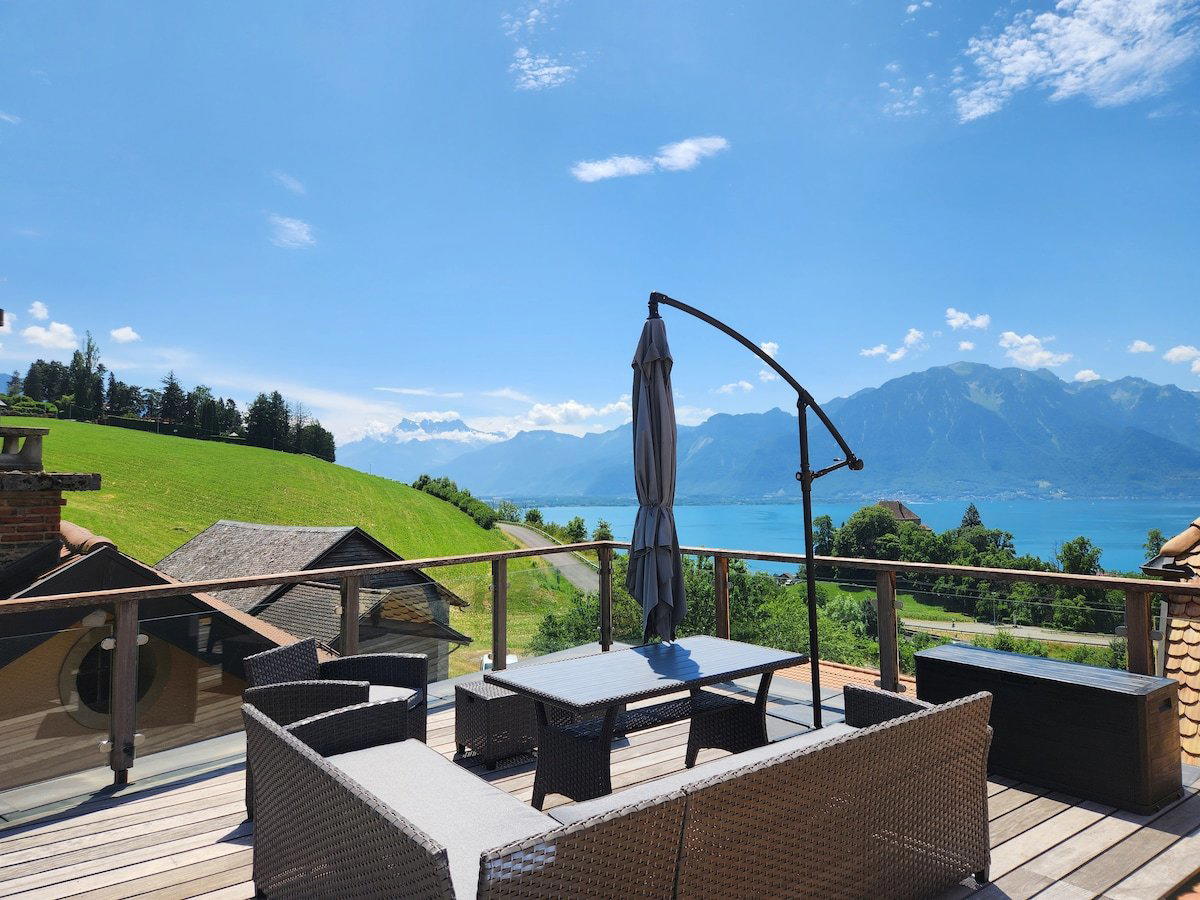
Charmingly minimalist interior with a cozy, youthful, and elegant atmosphere on the upper floor, complemented by a pretty summer terrace.