A fish counter on Dzirnavu iela that anchors Riga's growing appetite for direct, ingredient-led seafood. Zivju lete sits in the mid-tier of the city's dining scene, where the focus is on the catch rather than ceremony. Plan ahead, particularly during Baltic summer and the pre-Christmas market season, when tables at venues of this type fill quickly.
Pearl is the En Primeur Club membership app — saves, bookings, and concierge access live there. Same editors, same standards.
- Address
- Dzirnavu iela 41, Centra rajons, Rīga, LV-1010, Latvia
- Phone
- +37120291653
- Website
- zivjulete.lv
- Directions
- Get directions
 Saves & bookings on Pearl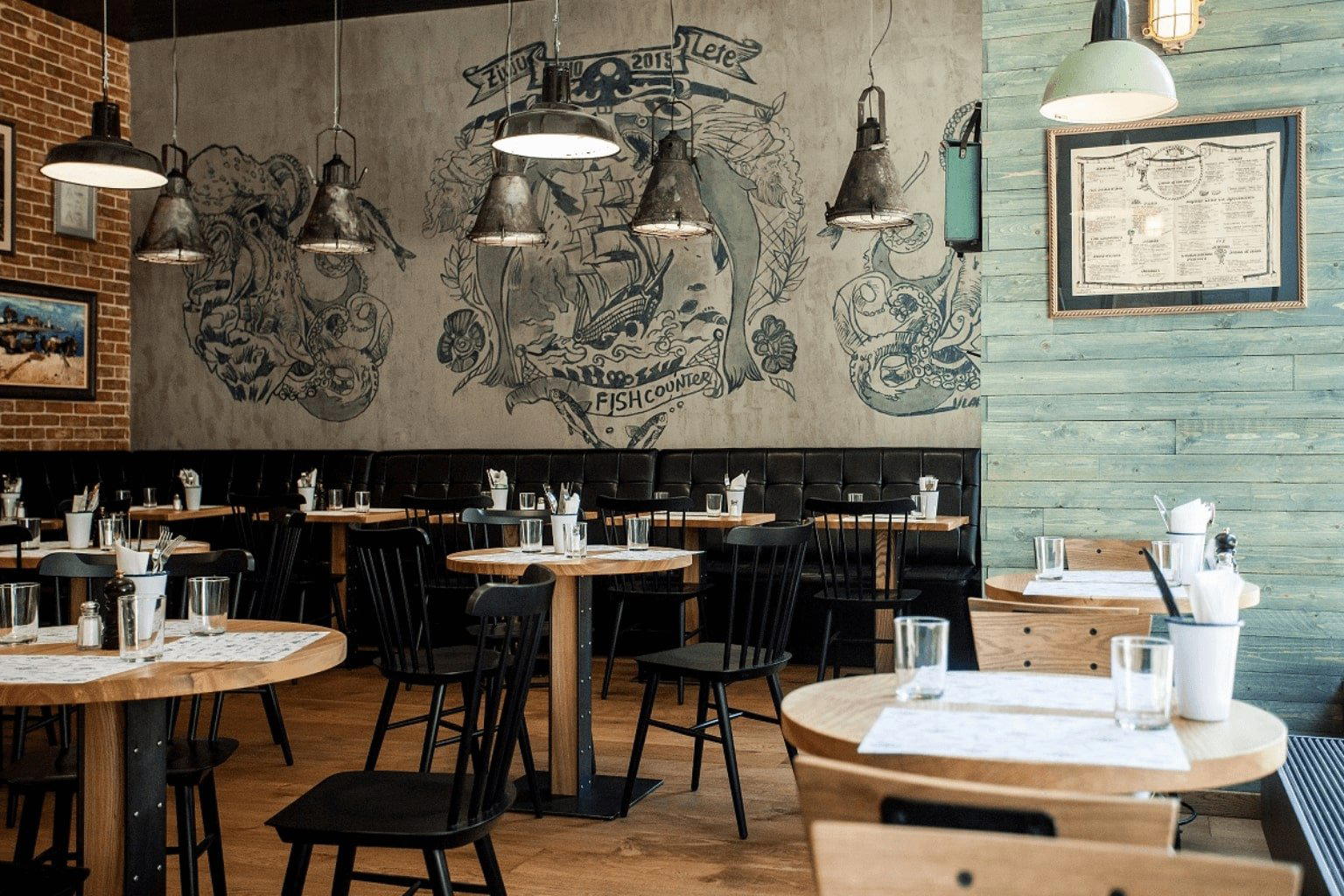
What the Fish Counter Tells You About Riga's Dining Direction
Zivju lete is a modern seafood bistro in Riga's Centre district, on Dzirnavu iela 41 in Centra rajons, with a casual dress code, recommended reservations, and an average price of about $25 per person. Dzirnavu iela, a long artery running through Centra rajons, has accumulated a cluster of everyday eating options that serve a predominantly Riga clientele. Zivju lete sits on that street at number 41, and its name, which translates directly as "fish counter," signals exactly the format: product-forward, unfussy, built around whatever is coming out of the Baltic and the region's freshwater systems.
This kind of operation matters in a city where the dominant fine-dining conversation is still shaped by a handful of modernist kitchens. Venues like JOHN Chef's Hall and Max Cekot Kitchen represent Riga's upper-tier creative output, operating at €€€€ price points with menus that require planning and occasion-level commitment. 3 Chefs and 3 pavāru restorans occupy related territory. Zivju lete operates in a different register entirely, one where the decision to eat fish is the point, and the surrounding ritual is kept to a minimum.
The Centra Rajons Setting
Centra rajons, Riga's central district, is a denser, more residential neighbourhood than the postcard-ready Old Town. Walking along Dzirnavu iela, you pass pharmacy windows, apartment block entrances, and the kind of low-footprint cafes that survive on regulars rather than foot traffic. It is not a dining destination in the sense that tourists navigate it with purpose; it is where Rigans eat when they are not performing for anyone. That context matters when considering what Zivju lete is for. A fish counter in this setting earns loyalty through consistency and proximity.
The Baltic seafood tradition that restaurant draws on has deep roots in Latvian food culture. Smoked fish, pickled herring, freshwater species from Latvia's lakes and rivers, and Baltic sprats have all functioned as staples for centuries, carrying through from subsistence eating into something closer to cultural identity. In recent years, that tradition has found more self-conscious expression at restaurants across the country. Laivas in Jūrmala and Albatross in Engure both work within the coastal seafood idiom, while Nurmuiža Restaurant in Lauciene demonstrates how far regional Latvian kitchens have extended into farm-to-table and local sourcing territory. A fish counter in central Riga operates at a different scale and with different ambitions, but it connects to the same underlying logic: let the ingredient lead.
Planning Your Visit: The Booking Question
Riga's dining scene concentrates demand in ways that can catch visitors off guard. The summer season, roughly June through August, brings significant tourist volume and fills not only the Old Town restaurants but spills into the Centre district as the city's population swells with visitors drawn by the long northern evenings. White nights-adjacent light conditions in July mean diners linger, turnover slows, and the informal reservation culture that sustains neighbourhood spots becomes unreliable for anyone without local knowledge or a flexible schedule.
For a venue of the restaurant's type, the planning calculus is different from the tasting-counter model you find at Alaverdi or at internationally recognized fish-focused addresses like Le Bernardin in New York, where reservations open months in advance and the booking itself is a logistical exercise. Walking in during shoulder hours, arriving before the lunch or dinner peak, and having an alternative in the same district are all sensible tactics for a venue where the booking infrastructure is not publicly documented.
The pre-Christmas market period, December through the first weeks of January, is a second pressure point. Riga's Christmas market is one of the more attended in Northern Europe, and the city's restaurants absorb that footfall across the board. Fish-forward venues in particular see demand spike as Latvian food traditions around preserved fish come back into cultural focus. If your visit falls in that window, give yourself more planning runway than you might otherwise need.
For those building a wider Latvian itinerary, the fish counter format has parallels elsewhere in the country. Kest in Cēsis, Pavāru māja in Līgatne, and Goldingen Room in Kuldīga all engage with regional ingredients in their own registers, and Ahh-meat in Valmiera and Piano in Liepāja represent how Latvia's secondary cities have developed their own dining identities. ZOLTNERS in Tērvete extends that map into the Zemgale region. For anyone using Riga as a base while working through the country's culinary geography,
Who This Works For
A fish counter in the Centre district occupies a specific functional niche. It is not the place for a special-occasion dinner that requires a pre-meal wardrobe decision; it is the place where the quality of the day's catch is reason enough to show up. That format tends to work well for solo diners, for lunch rather than dinner as the primary visit mode, and for anyone who finds Riga's higher-end tasting-menu offers more ceremony than the occasion demands. Compared to Atomix in New York or Emeril's in New Orleans, where the restaurant experience is inseparable from its theatrical framing, a fish counter operates without that scaffolding. The intelligence is in the sourcing, not the presentation.
Families with children are a reasonable fit for this category of venue, given the lower formality and the directness of the format. Fish counter environments are typically louder and more relaxed than sit-down restaurants, and the shorter menu format reduces the cognitive overhead of eating with younger company. That said, it is worth confirming conditions before arriving with a group.
Finding Your Footing on Dzirnavu iela
Address-wise, Dzirnavu iela 41 puts the restaurant in the northern stretch of the Centre district, accessible from the Old Town on foot in under fifteen minutes depending on your starting point. The street runs roughly parallel to Brīvības iela, Riga's central artery, and the neighbourhood's grid makes orientation direct once you are moving through it. Public transport along the Centre district is frequent enough that arriving without a car is practical for most visitors staying in or near the Old Town.
What the fish counter format offers, in Riga as anywhere, is a form of directness that more elaborated restaurant models can obscure. The quality of Baltic fish has always been the argument; the counter just puts it in front of you without intermediary.
- tartares
- mussels
- fish & chips
- seafood sauté
- grilled octopus
- salmon tartare
- ceviche
- poke
Peers in This Market
Comparable venues nearby, for context on price, style, and recognition.
| Venue | Cuisine | Price | Notes |
|---|---|---|---|
| Zivju leteThis venue — the venue you are viewing | Modern Seafood Bistro | $$ | Not listed |
| Fish Corner | Modern Baltic Seafood Bistro | $$ | Centrs |
| Rokot | Fresh Seafood Grill | $$ | Vecpilsēta |
| Locale | Eastern Mediterranean & Georgian Fusion | $$ | Vecpilsēta |
| Space Falafel | Israeli Street Food & Mediterranean Mezze | $$ | Centrs |
| Liberta restaurant | International Comfort Cuisine | $$ | Vecpilsēta |


At a Glance
- Modern
- Casual
- Cozy
- Casual Hangout
- Group Dining
- Open Kitchen
- Standalone
- Local Sourcing
- Sustainable Seafood
Current opening hours
- Monday
- 12–10 PM
- Tuesday
- 12–10 PM
- Wednesday
- 12–10 PM
- Thursday
- 12–10 PM
- Friday
- 12–11 PM
- Saturday
- 12–11 PM
- Sunday
- 12–9 PM
Hours can change for holidays and private events. Last verified .
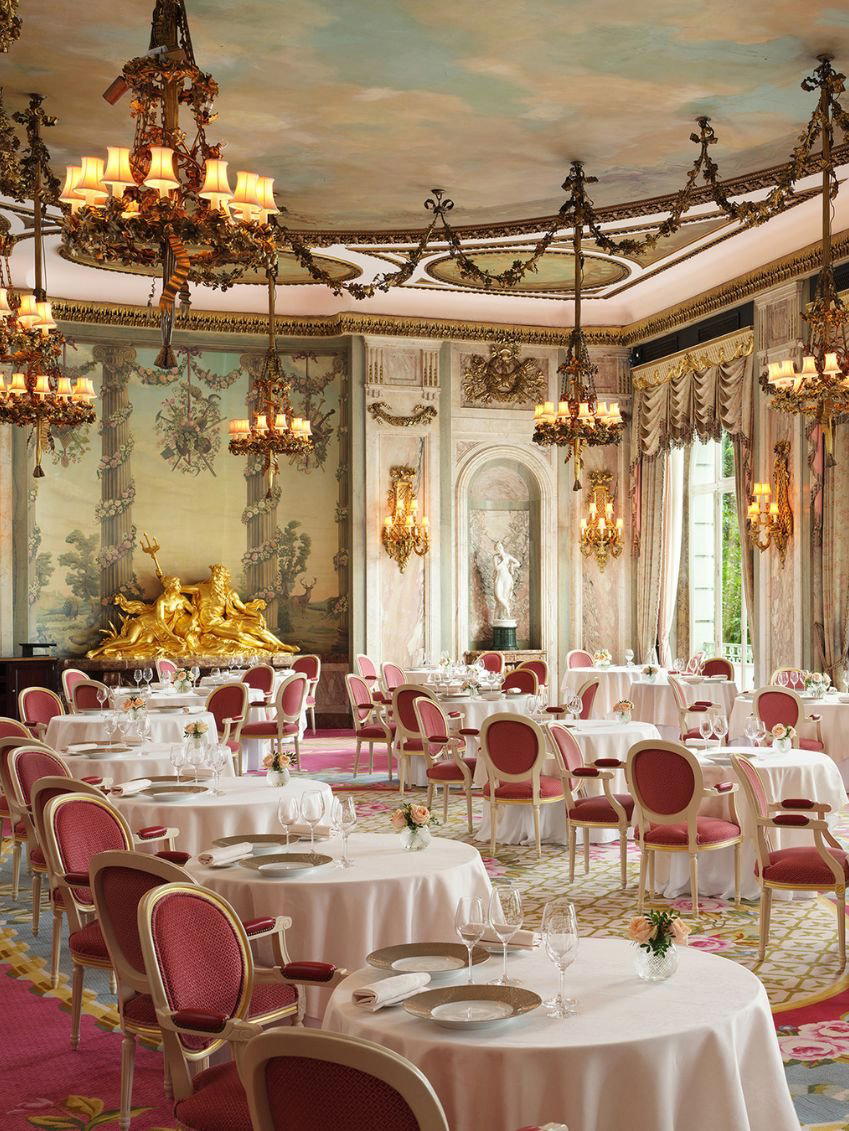
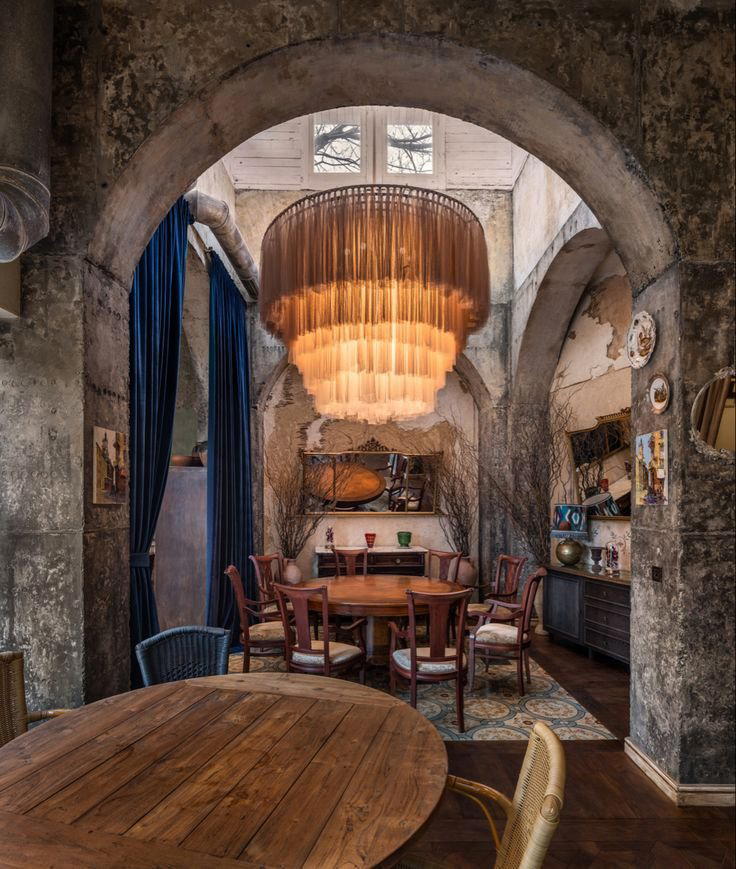
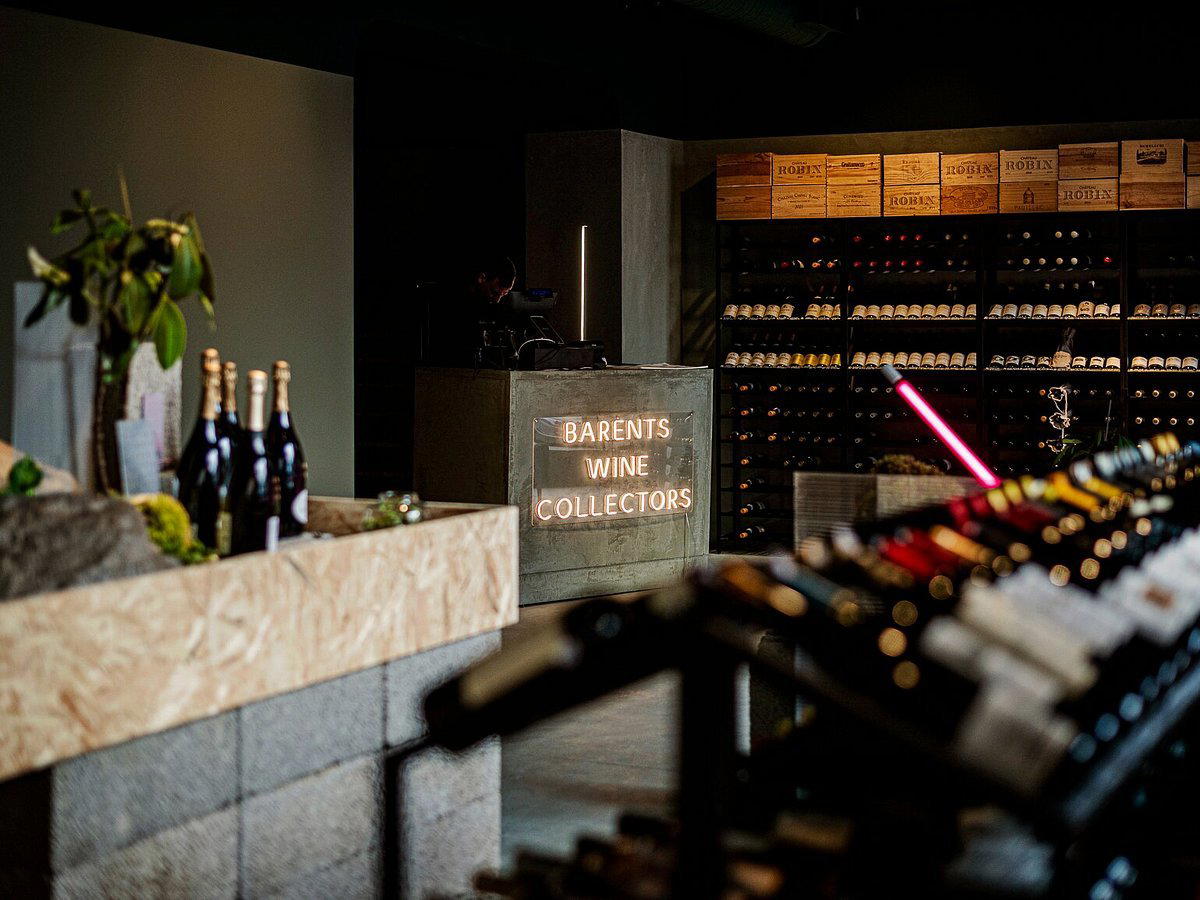
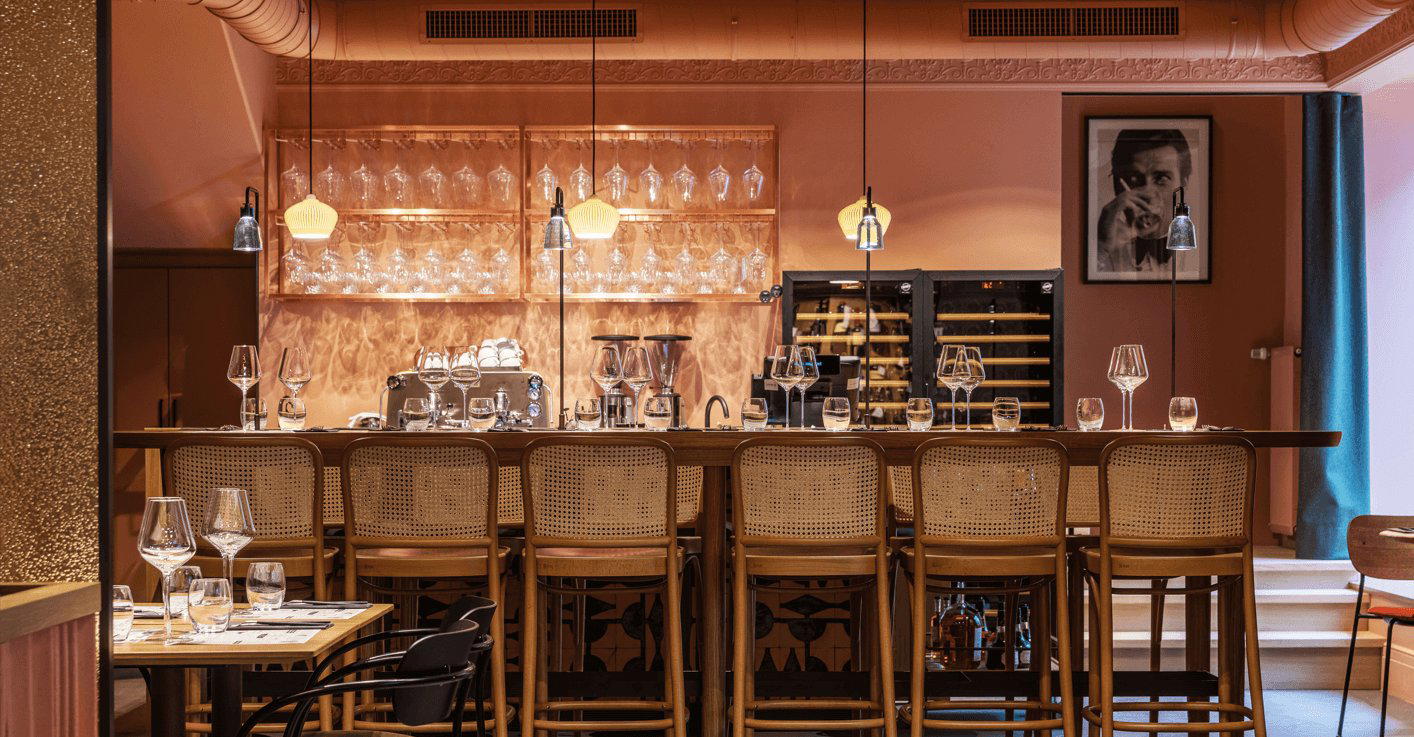
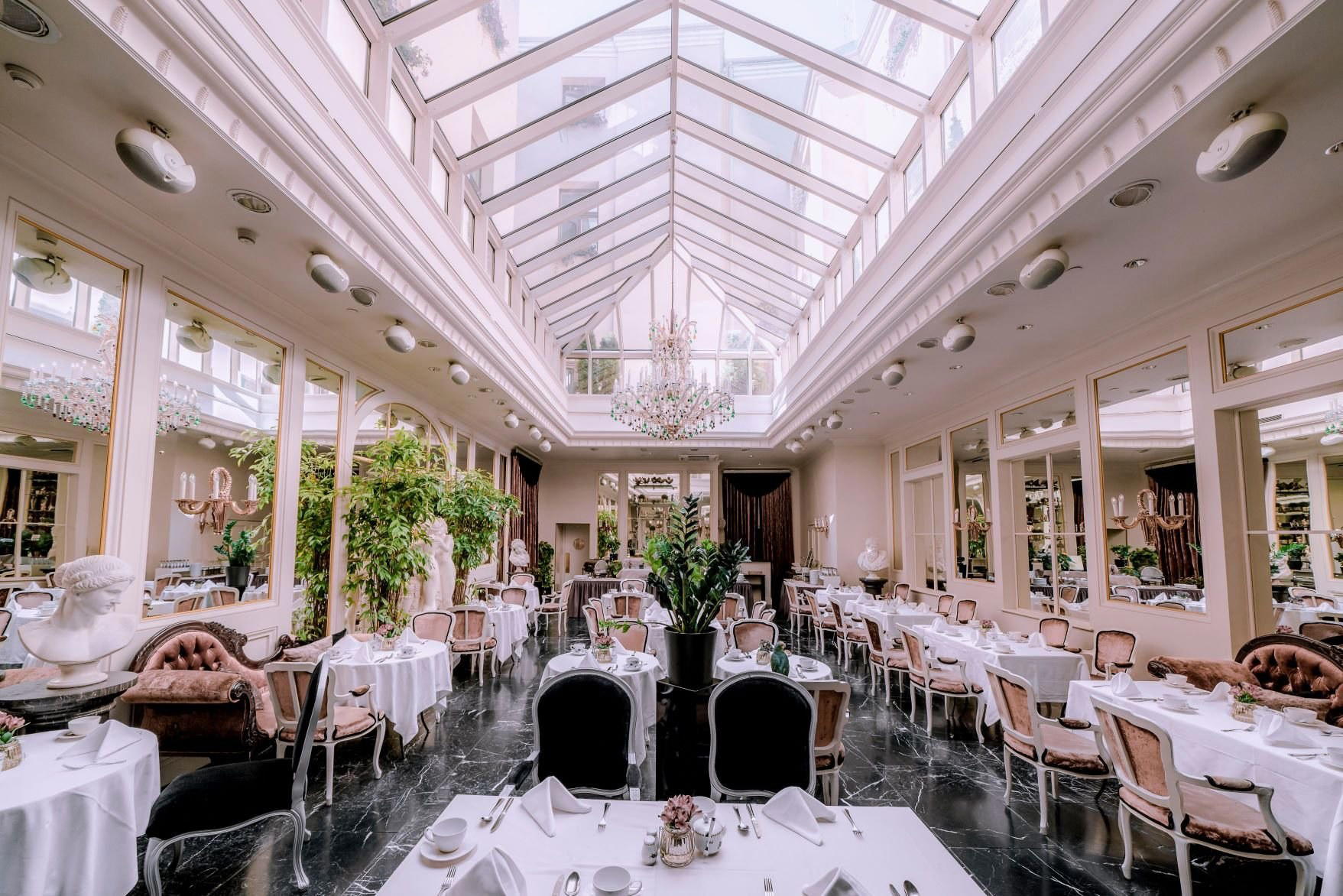
Bright, welcoming atmosphere with an open kitchen concept showcasing fresh seafood preparation; casual yet refined setting ideal for both leisurely lunches and intimate dinners.