Zeytoon Restaurant
Zeytoon Restaurant on Cricklewood Broadway brings Middle Eastern and Persian cooking to one of North West London's more overlooked dining strips. The address places it outside the central London circuit where press attention pools, which means it operates on local reputation rather than hype. For residents of NW2 and neighbouring postcodes, that distinction matters.
Pearl is the En Primeur Club membership app — saves, bookings, and concierge access live there. Same editors, same standards.
- Address
- 94-96 Cricklewood Broadway, London NW2 3EL, United Kingdom
- Phone
- +442033250771
- Website
- opentable.com
- Directions
- Get directions
 Saves & bookings on Pearl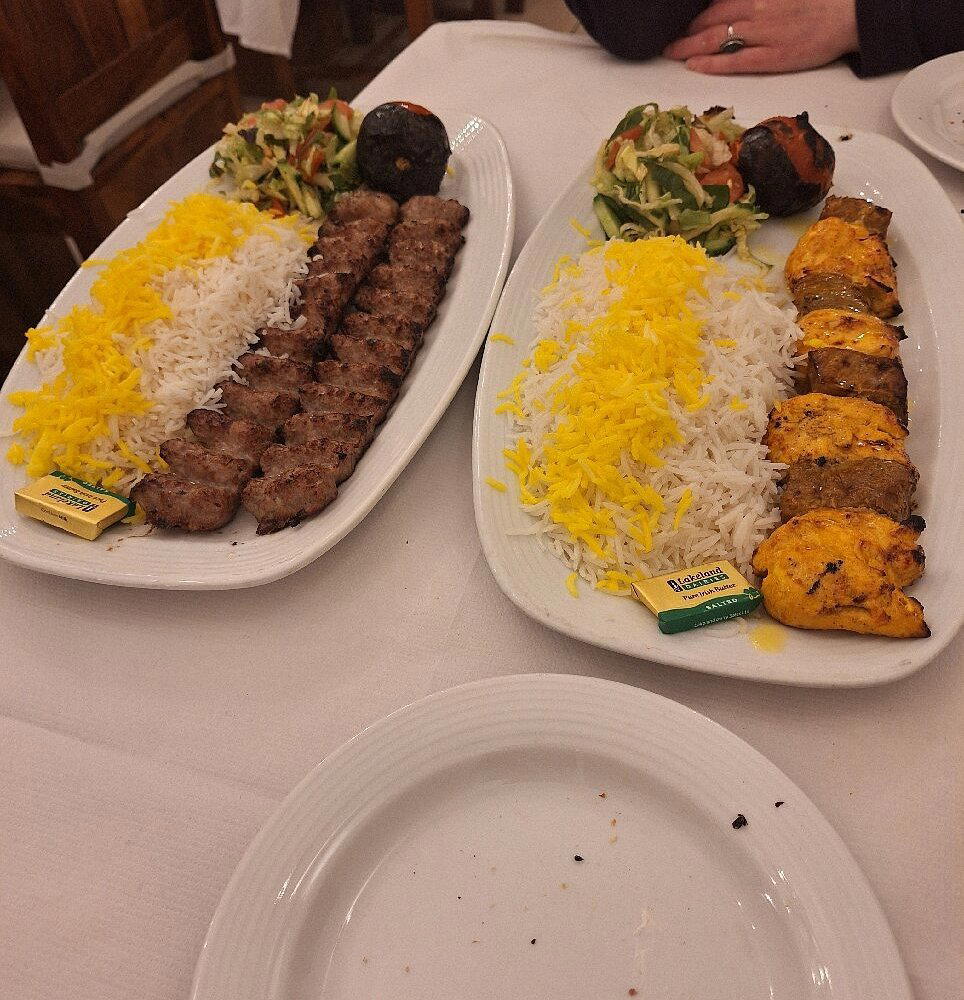
Cricklewood's Place in London's Wider Dining Map
London's restaurant geography has long been shaped by a gravitational pull toward the centre. Mayfair, Chelsea, and the City absorb the bulk of critical attention and destination dining spend, while outer postcodes operate on different dynamics: steadier regulars, lower property costs, and kitchens that answer to neighbourhood demand rather than tourist season. Cricklewood Broadway, in NW2, sits firmly in that second category. The strip is not fashionable in the way that Shoreditch or Notting Hill are fashionable, but it sustains a range of independent restaurants that serve communities with strong culinary traditions of their own. Persian and Middle Eastern cooking has a meaningful presence along this corridor, shaped by the area's Iranian diaspora, and Zeytoon Restaurant is part of that fabric.
To understand what a restaurant like Zeytoon represents, it helps to look at how Persian cuisine fits into London's broader dining conversation. The city has dozens of Iranian restaurants, but they receive a fraction of the column inches directed at, say, the Michelin-decorated Modern British kitchens clustered in Belgravia and Kensington. Venues like CORE by Clare Smyth, Restaurant Gordon Ramsay, and Sketch, The Lecture Room and Library represent the formal fine-dining tier that attracts international visitors with clear award signals. That tier is real and worth knowing. But it accounts for a narrow slice of what London actually eats, and the neighbourhoods further from Zone 1 tell a more textured story about how the city feeds itself day to day.
The Ethical Grain of Persian Cooking
One reason Persian cuisine sits comfortably within conversations about responsible sourcing and low-waste cooking is structural: the tradition was built on whole-animal and whole-vegetable thinking long before those ideas became marketing language in Western fine dining. Slow-braised cuts, dried fruits, pulses, herbs used stem-to-leaf, and rice preparations that treat every grain as something to be managed carefully are all features of a culinary tradition shaped by scarcity, seasonality, and respect for ingredients. This is not a retrofitted sustainability story. It is how the cooking evolved.
In the current climate, where restaurants from The Ledbury to Dinner by Heston Blumenthal are increasingly explicit about sourcing ethics and waste reduction, it is worth recognising that some of these values were always present in cuisines that the mainstream food press has been slower to cover. Persian khoresh dishes, for example, rely on techniques of reduction and balance that waste almost nothing from the pot. The use of dried limes, pomegranate molasses, and preserved ingredients reflects a broader logic of extending seasonal produce across months when it would otherwise be unavailable. That kind of embedded resourcefulness is, arguably, a more durable model than the sourcing pledges that appear on tasting-menu websites.
Neighbourhood restaurants serving diaspora communities in areas like Cricklewood operate within this tradition without necessarily framing it in sustainability terms. The framing comes later, from outside. What they are doing, practically, is cooking in ways that were always oriented toward using everything and wasting little, because that is what the culinary heritage requires.
What to Expect on the Plate
As a category, Iranian restaurants in this part of North West London tend to anchor their menus around rice-centred main dishes, grilled meats, stews built on herb and fruit combinations, and cold mezze-style starters. Bread, whether lavash or sangak when available, frequently arrives before anything else and functions as a utensil as much as a course.
The herb-heavy stew ghormeh sabzi, slow-cooked with kidney beans and dried limes, is among the most technically demanding of the Iranian kitchen's standard repertoire and appears frequently on menus in this category. Fesenjan, a walnut and pomegranate sauce served over poultry, is another reference point: the balance between bitterness, tartness, and richness is the kind of calibration that distinguishes a kitchen with confidence from one working from a template. These are the dishes worth seeking on any Persian restaurant menu, and they provide a reasonable point of comparison across the category.
For context on how London's dining range distributes across the country, venues like Waterside Inn in Bray, Le Manoir aux Quat'Saisons in Oxford, and L'Enclume in Cartmel represent a formal country-house tier defined by extensive sourcing programmes and tasting menus in the £150-plus bracket. Moor Hall in Aughton, Gidleigh Park in Chagford, and Hand and Flowers in Marlow anchor a similar conversation in different regional registers. These are useful reference points for understanding the premium end of British restaurant culture, but they occupy a different market segment entirely from a neighbourhood Persian kitchen in NW2. The comparison is not about hierarchy; it is about recognising that both tiers exist, serve different purposes, and reward different types of visit.
The Neighbourhood Case for Cricklewood
Cricklewood Broadway is not a destination dining street in the conventional sense. There are no significant awards clusters in NW2, no tasting-menu counters with months-long waitlists, and the address does not appear in lists of London's restaurant neighbourhoods in the way that Soho or Bermondsey do. What it has instead is a functional, community-oriented restaurant culture that serves a population with genuine culinary roots in Iran, the Middle East, and South Asia. That is, in many respects, more interesting as a dining context than a street shaped primarily by press cycles and Instagram-driven footfall.
Restaurants in this category tend to live or die by repeat custom from local residents and by word of mouth within diaspora communities. That filtering mechanism is, arguably, more reliable as a quality signal than award season attention, because the audience knows the cuisine from lived experience and is not evaluating it against European fine-dining benchmarks. The kitchen is accountable to people who grew up eating this food, not to critics working from a different culinary frame of reference.
For London dining more broadly, see our full London restaurants guide, which covers the city's range from neighbourhood independents to Michelin-tier destinations. For further reference on the UK's formal dining tier, hide and fox in Saltwood, Midsummer House in Cambridge, Opheem in Birmingham, and Restaurant Andrew Fairlie in Auchterarder each represent strong regional cases. For international context, Le Bernardin in New York City and Atomix in New York City illustrate how other markets position similar conversations about culinary heritage and contemporary technique.
Know Before You Go
- Address: 94-96 Cricklewood Broadway, London NW2 3EL
- Getting there: Cricklewood rail station is within walking distance; the Broadway is also served by several bus routes connecting to Kilburn and Brent Cross
- Dietary requirements: Persian cuisine includes substantial vegetarian options by tradition; confirm specific requirements directly with the restaurant before visiting
- Hours: Not confirmed in current records; verify directly before visiting
Continue exploring
More in London
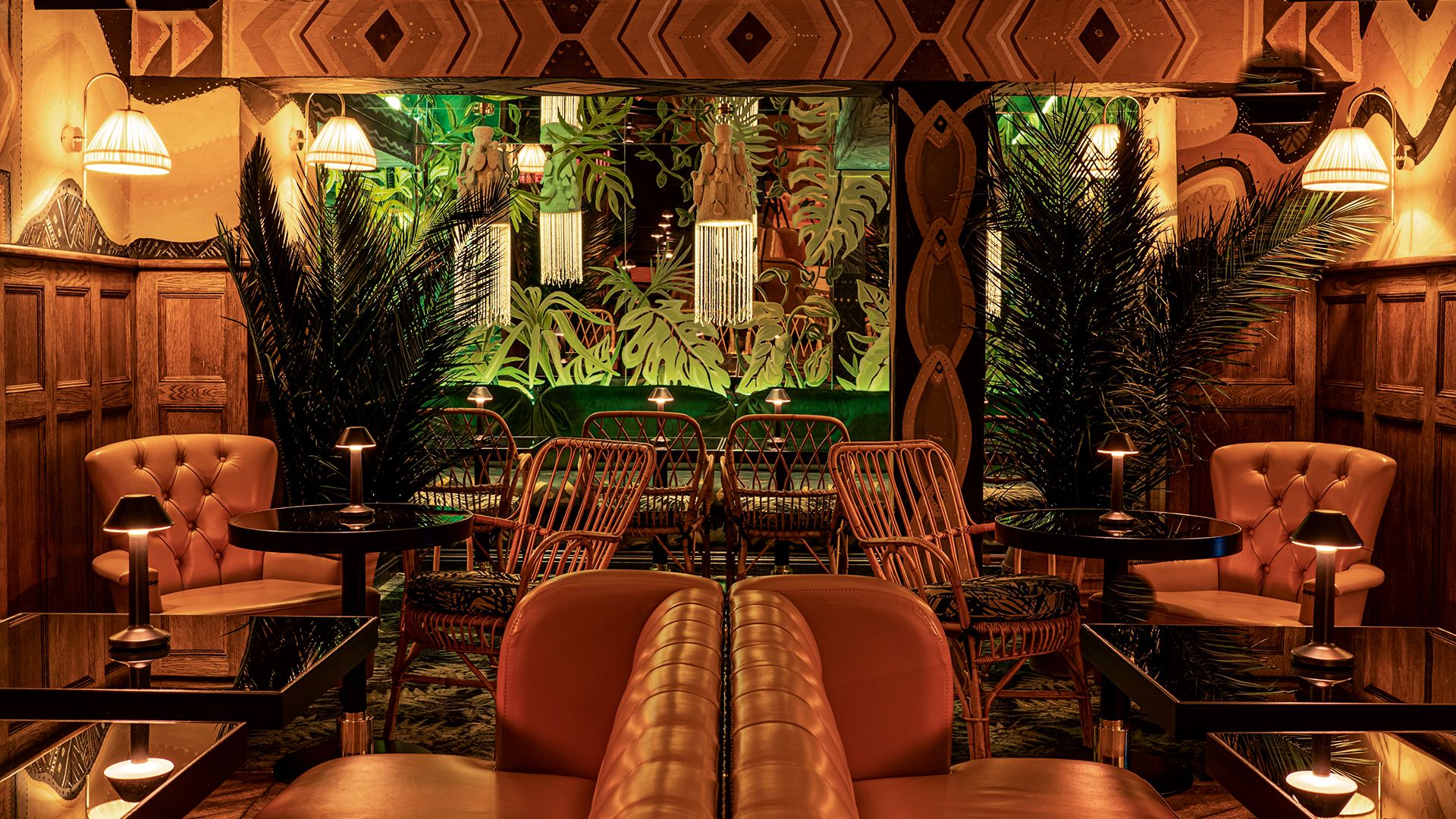
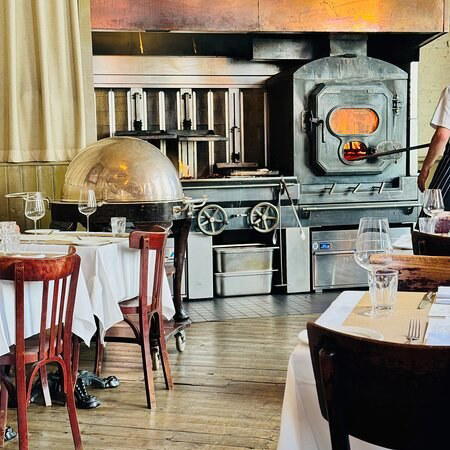
Restaurants in London
Browse all →
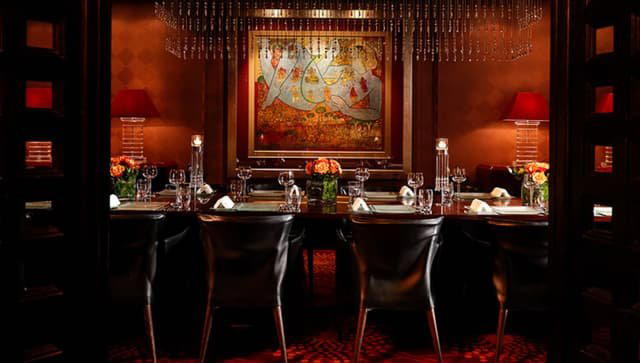
Bars in London
Browse all →
Hotels in London
Browse all →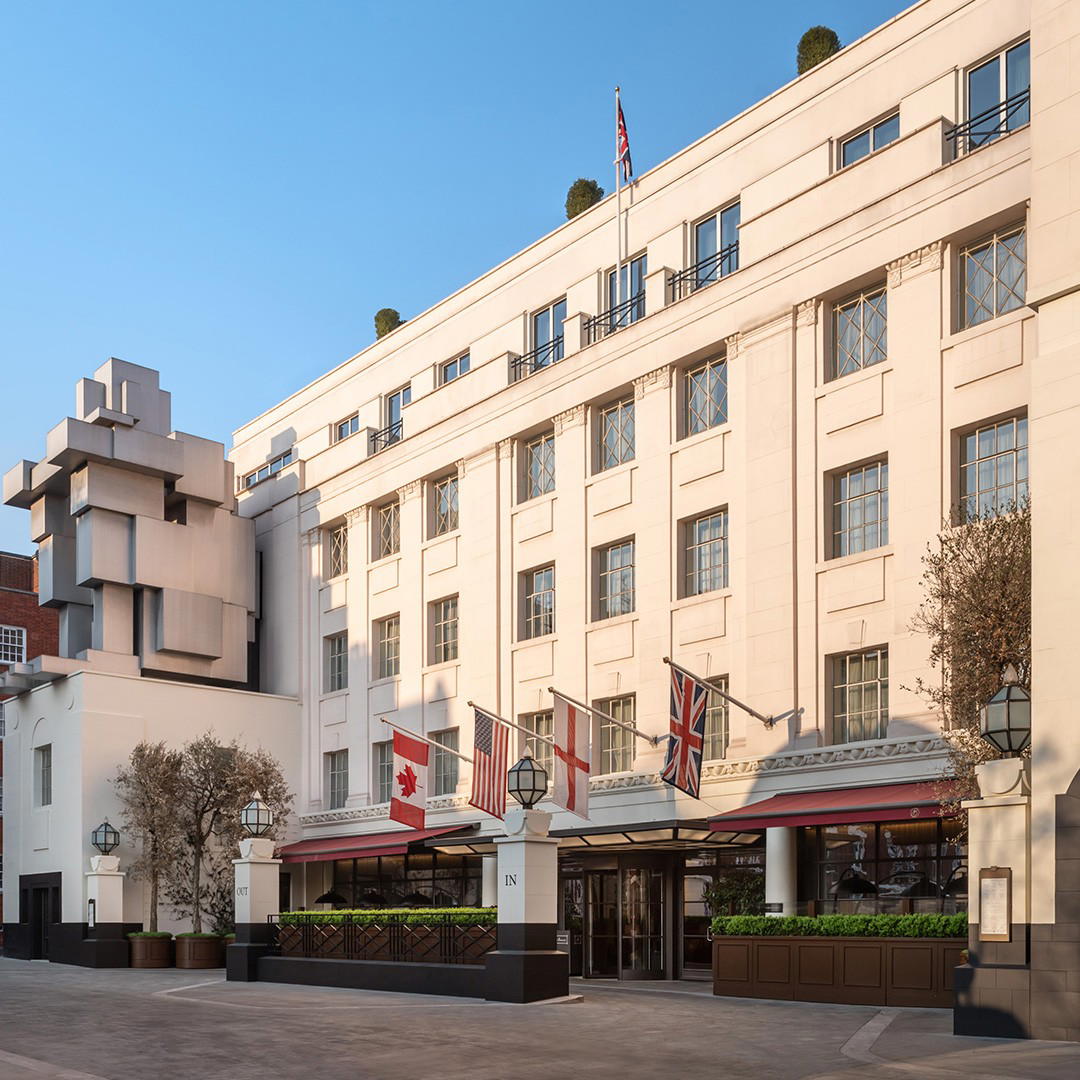


At a Glance
- Cozy
- Family
- Group Dining
- Casual Hangout
Current opening hours
- Monday
- 12–11 PM
- Tuesday
- 12–11 PM
- Wednesday
- 12–11 PM
- Thursday
- 12–11 PM
- Friday
- 12–11 PM
- Saturday
- 12–11 PM
- Sunday
- 12–11 PM
Hours can change for holidays and private events. Last verified .
Pleasant setting with warm, welcoming atmosphere and friendly staff.