

Nodaïwa on Rue Saint-Honoré holds a Michelin Plate (2025),200 reviews, making it one of Paris's most established addresses for unagi. The restaurant operates tight daily windows, lunch and dinner sessions from Tuesday through Saturday, closed Sunday, so reservations or early arrival repay the effort. Price range sits at €€, accessible against the neighbourhood's broader dining tariffs.
Pearl is the En Primeur Club membership app — saves, bookings, and concierge access live there. Same editors, same standards.
- Address
- 272 Rue Saint-Honoré, 75001 Paris, France
- Phone
- +33 1 42 86 03 42
- Website
- nodaiwa.com
- Directions
- Get directions
 Saves & bookings on Pearl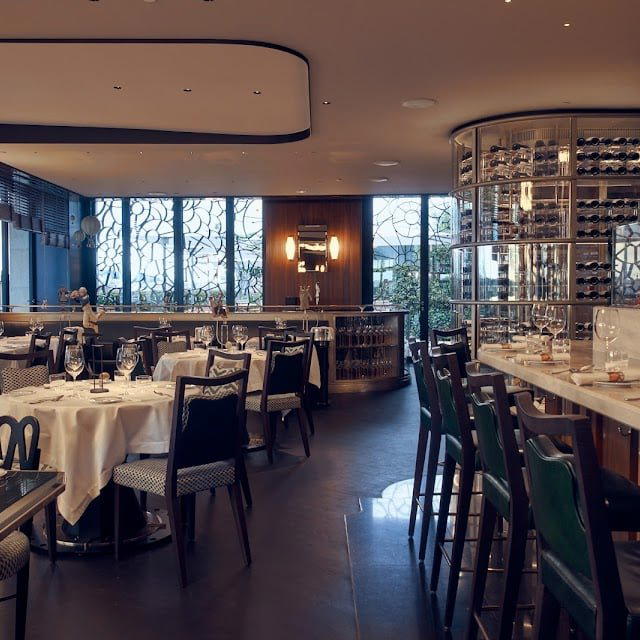
A Single Speciality in the Heart of the 1st Arrondissement
Paris has never lacked for Japanese restaurants. Since the late 1970s, waves of Japanese chefs and restaurateurs have planted flags across the city, from the kaiseki counters of the 8th to the ramen shops of the 5th. Nodaïwa is a restaurant on Rue Saint-Honoré in Paris serving traditional Japanese unagi. The subject is unagi, freshwater eel, grilled over charcoal in the kabayaki tradition, and the format is essentially unchanged from the Tokyo original that opened in the 17th century. That degree of focus is unusual in any city; in Paris, where restaurants are expected to evolve or expand, it reads almost as a provocation.
What Unagi Eating in Paris Actually Looks Like
The kabayaki tradition that Nodaïwa follows is worth understanding in context. Japanese unagi preparation involves splitting the eel, steaming it to remove excess fat, then grilling it over binchōtan charcoal with repeated applications of a tare sauce, a process that produces a lacquered, yielding result fundamentally different from the grilled eel preparations that appear in European kitchens. The technique is precise enough that dedicated unagi restaurants in Japan typically train staff for years in the grilling process alone. Bringing that tradition to Paris means working within French ingredient supply chains while preserving a methodology that resists shortcut. Its Tokyo parent has been operating since 1790, which gives the Paris address a long lineage behind a simple bowl of rice and eel.
In Paris's Japanese dining ecosystem, the restaurant occupies a position without a direct peer. High-end Japanese addresses in the city, such as Kei, tend to work in French-Japanese fusion registers at the €€€€ tier. The unagi-specialist format at Nodaïwa operates at €€, accessible pricing for the 1st arrondissement, particularly when set against the French tasting-menu restaurants that dominate the area. Venues like L'Ambroisie or Le Cinq anchor stronger examples from the neighbourhood's price register; Nodaïwa operates several tiers below, which makes it an unusual proposition on a street otherwise associated with luxury spending.
The Social Logic of Eating Here
Unagi restaurants in Japan function as something between a specialist grill house and a slow-lunch destination. They are not izakayas in the drinking-and-grazing sense, the format is too focused for that, but they share the izakaya's resistance to the formal ceremony that defines kaiseki or omakase. You arrive, you order a defined set of items built around the eel preparation, and the meal proceeds without the multi-course theatrical structure that has come to define premium Japanese dining in Western cities. In Paris, that informality is legible to diners who know what they are ordering but can read as minimal to those expecting the elaborate tasting-menu architecture of, say, Arpège or Alléno Paris au Pavillon Ledoyen. The register is communal and relatively quick by Parisian standards, a useful counterpoint to a neighbourhood where two-hour lunches are the default.
That directness is part of what sustains,200 reviews, a signal that the restaurant reaches well beyond the Japanese expat community it might have served exclusively in an earlier era. The Michelin Plate recognition in 2024 and 2025 confirms the guide's approval without a star.
Placing Nodaïwa in the Wider Paris Dining Map
Paris rewards the kind of single-subject specialist that Nodaïwa represents, but the category is thin. French classic cuisine addresses on the same street operate on entirely different assumptions about what a meal should contain and cost. The contrast with multi-starred neighbours makes Nodaïwa's positioning clearer: this is a restaurant for people who want a specific, well-executed thing rather than a progression through a chef's creative statement. That is a valid and sometimes underserved need in a city that has refined the tasting menu to near-default status among premium addresses. For context, Paul Bocuse, Bras, Mirazur, Troisgros, and Auberge de l'Ill represent France's great multi-generational fine-dining institutions, all chef-driven, all structured around progressive menus. Nodaïwa's version of multi-generational continuity is different: it is about the dish, not the chef, and the kitchen's role is to protect a preparation rather than to express an individual perspective.
Internationally, the model has parallels in cities where Japanese single-subject specialists have taken root in European contexts. Le Bernardin in New York operates at the opposite end of the price register but demonstrates a similar logic of deep specialisation in one product category. Atomix, also in New York, shows how Korean fine dining has pursued a different integration of European context and East Asian precision. Nodaïwa's approach predates all these comparisons by centuries in its Tokyo form, which is especially striking contextual fact about eating here.
Planning Your Visit
Nodaïwa operates at 272 Rue Saint-Honoré in the 1st arrondissement. The hours are Monday through Saturday, 12 pm to 2:30 pm and 7 pm to 10 pm; Sunday is closed. Those windows are narrower than most Paris restaurants, so arriving at the start of a session is sensible, particularly at lunch on weekdays, when the 1st arrondissement draws a working crowd from the surrounding offices and cultural institutions. Given the €€ price point and the neighbourhood foot traffic, demand can be higher than the format might suggest.
Price and Recognition
Comparable venues nearby, for context on price, style, and recognition.
| Venue | Cuisine | Price | Awards | Notes |
|---|---|---|---|---|
| NodaïwaThis venue — the venue you are viewing | Unagi, Japanese | $$$ | Michelin Plate | Not listed |
| Yushin | Not listed | $$$ | Michelin Plate | Neuilly-sur-Seine, Authentic Japanese Omakase |
| Shu | Not listed | $$$ | Michelin Plate | Saint-Germain-des-Prés, Authentic Japanese Kushiage |
| Ogata | Le Marais, Modern Japanese Fine Dining | $$$$ | Michelin Plate | Not listed |
| Hokusaï | Not listed | $$$ | Michelin Plate | 16e Arrondissement, Japanese Fusion with Peruvian Accents |
| Nanaumi | Gaillon, Traditional Japanese | $$$ | Not listed | Not listed |
Recognition history
Dated appearances from independent guides and award organizations, with the underlying list record or original source where available.
Michelin Plate
Michelin
Opinionated About Dining Top Restaurants in Europe Recommended
Opinionated About Dining
Opinionated About Dining Newly Added European Restaurants
Opinionated About Dining
Michelin Plate
Michelin
Michelin Plate
Michelin
Continue exploring
More in Paris
Restaurants in Paris
Browse all →
Bars in Paris
Browse all →
Hotels in Paris
Browse all →
Wineries in Paris
Browse all →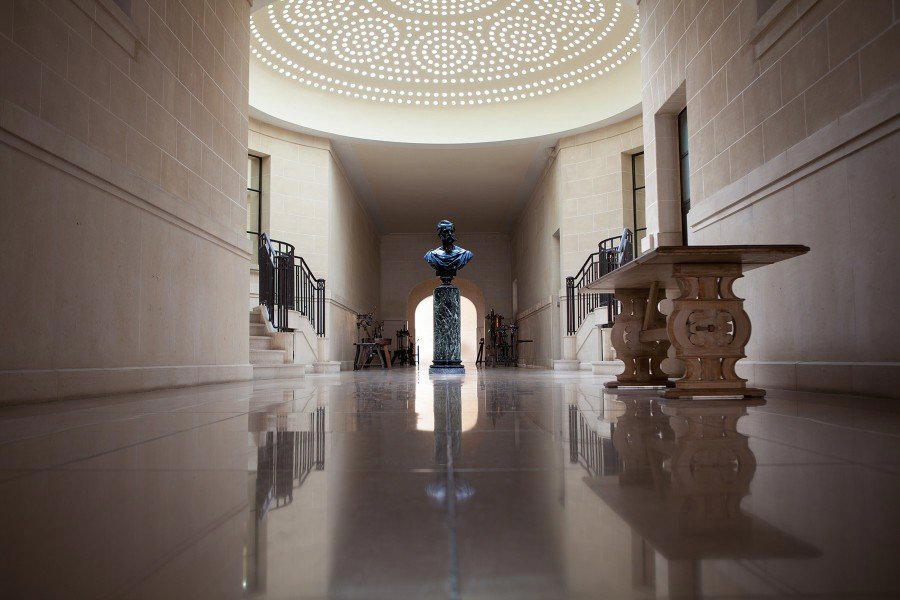
At a Glance
- Elegant
- Minimalist
- Date Night
- Business Dinner
- Solo
- Special Occasion
- Open Kitchen
- Sake Program
Current opening hours
- Monday
- 12–2:30 PM, 7–10 PM
- Tuesday
- 12–2:30 PM, 7–10 PM
- Wednesday
- 12–2:30 PM, 7–10 PM
- Thursday
- 12–2:30 PM, 7–10 PM
- Friday
- 12–2:30 PM, 7–10 PM
- Saturday
- 12–2:30 PM, 7–10 PM
- Sunday
- Closed
Hours can change for holidays and private events. Last verified .
Sober, refined, and minimalist Japanese decor with a calm, zen atmosphere.