Zócalo University Village
Our verdict
Zócalo University Village sits on Howe Avenue in Sacramento's mid-city corridor, representing the kind of Mexican-inflected dining that has quietly shaped the capital's restaurant identity. The address places it within reach of the university district's regular crowd, where the food functions less as occasion dining and more as a dependable weekly rhythm for those who know the room.

Pearl is the En Primeur Club membership app — saves, bookings, and concierge access live there. Same editors, same standards.
The menu
What to order
- Enchiladas guanajuato
- Baja fish tacos
- Mango fresco margarita
- Ceviche
The Room Before the Meal
Sacramento's Howe Avenue corridor does not announce itself with the architectural drama of downtown or the farm-country romance of the surrounding delta region. What it offers instead is a kind of residential density that produces reliable, neighbourhood-anchored restaurants — places where the regulars arrive without reservations and the kitchen knows what it is doing without needing to perform. Zócalo University Village, at 466 Howe Ave, occupies that register. The address is mid-city Sacramento, close enough to the university district to pull a consistent crowd of professionals and academics who treat the room as a weekly fixture rather than a special-occasion destination.
Mexican dining in California sits at an interesting point of tension between its taqueria roots and a more composed, plated interpretation that has gained ground in urban centres over the past decade. Sacramento, with its proximity to the Central Valley's agricultural output and its long history of Mexican-American community life, has developed its own version of this conversation. The question for any Mexican restaurant operating above the taqueria tier in this city is how much of that heritage informs the plate versus how much is diluted by the pressure to present something broadly accessible. That tension defines the category here, and Zócalo University Village positions itself within it.
How a Meal Takes Shape
The editorial angle most useful for understanding a room like this is not the single dish but the progression — the way an evening accumulates through its stages. In Mexican dining specifically, the arc from antojitos through to mole-heavy mains follows a logic that mirrors pre-Columbian culinary structure as much as contemporary restaurant convention. The small plates that open a meal here do the work of establishing register: are we in the territory of careful sourcing and composed presentation, or is this comfort food operating at a dependable standard? Either answer is legitimate; what matters is consistency across the progression.
Sacramento's better Mexican kitchens understand that the middle courses, the transition from lighter, acidic preparations toward richer, more complex sauces, require the same discipline that a tasting menu kitchen applies to its pacing. The Central Valley's chile supply alone gives California's Mexican restaurants access to ingredients that chefs in other parts of the country have to source with difficulty. Whether a kitchen uses that advantage thoughtfully shows in the depth of its sauces and the freshness of its salsas rather than in any single headline dish.
For context on how Sacramento's dining scene frames its higher-ambition restaurants, Localis (Californian) and The Kitchen (Contemporary) represent the city's tasting-menu tier, where multi-course progression and sourcing transparency are the primary editorial proposition. The Allora (Italian) end of Sacramento's market, at the $$$$ tier, competes on different terms entirely.
The Sacramento Mexican Dining Context
To understand where Zócalo fits, it helps to map California's broader Mexican restaurant spectrum. At the premium end nationally, kitchens in Los Angeles and San Francisco have spent the last fifteen years constructing fine-dining Mexican around indigenous ingredient sourcing, regional specificity, and wine pairings that treat the cuisine with the same seriousness applied to French or Japanese cooking. Sacramento has not produced that tier in the same concentrated way, which means mid-city Mexican restaurants here operate with less competitive pressure from above but also less of a reference frame that pushes kitchens toward greater ambition.
That dynamic is not a criticism. It reflects a city whose dining identity has been shaped more by agricultural proximity and community eating than by the kind of food-media attention that accelerates fine-dining development. The Central Valley's produce, tomatoes, chiles, squash, corn, arrives at Sacramento kitchens fresher and at lower cost than in most American cities of comparable size. A Mexican kitchen that takes that supply chain seriously has a structural advantage that shows in the quality of its simplest preparations.
For comparison across the national spectrum of restaurant ambition, The French Laundry in Napa and Alinea in Chicago define one end of American fine dining, while Lazy Bear in San Francisco and Single Thread Farm in Healdsburg illustrate the Northern California interpretation of tasting-menu ambition. Further afield, Le Bernardin in New York City and Blue Hill at Stone Barns in Tarrytown represent the kind of produce-led, sourcing-first approach that has influenced how ambitious American restaurants frame their identity. Zócalo University Village sits well outside that competitive set, which is precisely the point. Its value is measured against neighbourhood expectations, not national tasting-menu benchmarks.
Sacramento's dining scene as a whole is worth tracking through our full Sacramento restaurants guide, which maps the city across price tiers and cuisine categories. Additional reference points in the broader fine-dining conversation include Providence in Los Angeles, Addison in San Diego, Emeril's in New Orleans, Atomix in New York City, The Inn at Little Washington in Washington, and 8 1/2 Otto e Mezzo Bombana in Hong Kong, all venues that illustrate how sourcing, progression, and kitchen discipline operate at different levels of investment and intent.
Planning a Visit
Zócalo University Village is located at 466 Howe Ave, Sacramento, CA 95825, in the mid-city corridor that runs between the university district and the residential neighbourhoods east of the American River. The area is accessible by car, and street parking is generally available along Howe Avenue and the adjacent blocks. Walk-in access is common for neighbourhood restaurants in this part of Sacramento, though evening peak hours on weekends may involve a wait.
Frequently asked questions
What dish is Zócalo University Village famous for?
Given its position in Sacramento's Mexican dining category and the Central Valley's chile and produce supply, the kitchen's strongest preparations are likely to be sauce-driven dishes that reflect regional Mexican culinary structure. For the most current menu information, contacting the venue directly is the most reliable route.
Do they take walk-ins at Zócalo University Village?
Walk-in dining is standard practice at neighbourhood-tier Mexican restaurants in Sacramento's mid-city corridor. Zócalo University Village's Howe Avenue location serves a regular local crowd, and the format generally accommodates walk-in guests outside of peak weekend hours.
What's the signature at Zócalo University Village?
In the context of Sacramento's Mexican dining category, kitchens in this tier typically anchor their identity around mole preparations, regional salsas, or braised protein dishes that benefit from the Central Valley's chile supply. The venue's own menu is the definitive source for current signature items.
Is Zócalo University Village good for vegetarians?
Mexican cuisine in California has a structurally strong vegetarian range built around beans, squash, chiles, corn, and fresh produce, ingredients that the Central Valley supplies in quantity. Reviewing the current menu online or calling ahead would give the clearest picture of vegetarian options available.
Is Zócalo University Village worth it?
Measured against the neighbourhood restaurant category in Sacramento rather than the city's fine-dining tier, a venue in this position is worth visiting when kitchen consistency and accessibility matter more than tasting-menu ambition. The Howe Avenue location serves a regular local clientele, a reliable indicator of sustained quality at the neighbourhood level.
How does Zócalo University Village compare to other Mexican restaurants in Sacramento?
Sacramento's Mexican restaurant category spans from high-volume taquerias to more composed, mid-tier dining rooms. Zócalo University Village's Howe Avenue address places it in the university-adjacent mid-city zone, where the regular clientele tends to be educated and food-engaged, a demographic that typically rewards kitchens that take sourcing and preparation seriously.
Cuisine and Recognition
Comparable venues nearby, for context on price, style, and recognition.
| Venue | Cuisine | Price | Notes |
|---|---|---|---|
| Zócalo University VillageThis venue — the venue you are viewing | Modern Mexican | $20–30 | Not listed |
| Chando's Tacos | Authentic Mexican Street Tacos | $10–20 | Old North Sacramento |
| Fixins Soul Kitchen | Soul Food | $20–30 | Med Center |
| Paesanos | Italian Pasta and Pizza | $20–30 | Mansion Flats |
| Hook & Ladder Manufacturing Company | Farm-to-Table American | $30–50 | Richmond Grove |
| Chef Frank Japanese Cuisine | Authentic Japanese Sushi & Omakase | $30–50 | South Natomas |
Continue exploring
More in Sacramento
Restaurants in Sacramento
All restaurants in Sacramento →
Bars in Sacramento
All bars in Sacramento →

Hotels in Sacramento
All hotels in Sacramento →

Zócalo University Village
The wine
- Wine program
- Curated wine list
- Extensive wine list
- Craft cocktails
Details
- Lively
- Modern
- Energetic
- Celebration
- Group Dining
- Family
- Casual Hangout
- Brunch
- Terrace
- Private Dining
- Craft Cocktails
- Extensive Wine List
- A La Carte
- Family Style
- Tequila
- Margaritas
- Craft Cocktails
- Vegetarian Friendly
Current opening hours
- Monday
- 11 AM–9 PM
- Tuesday
- 11 AM–9 PM
- Wednesday
- 11 AM–9 PM
- Thursday
- 11 AM–9 PM
- Friday
- 11 AM–10 PM
- Saturday
- 10 AM–10 PM
- Sunday
- 10 AM–9 PM
Hours can change for holidays and private events. Last verified .
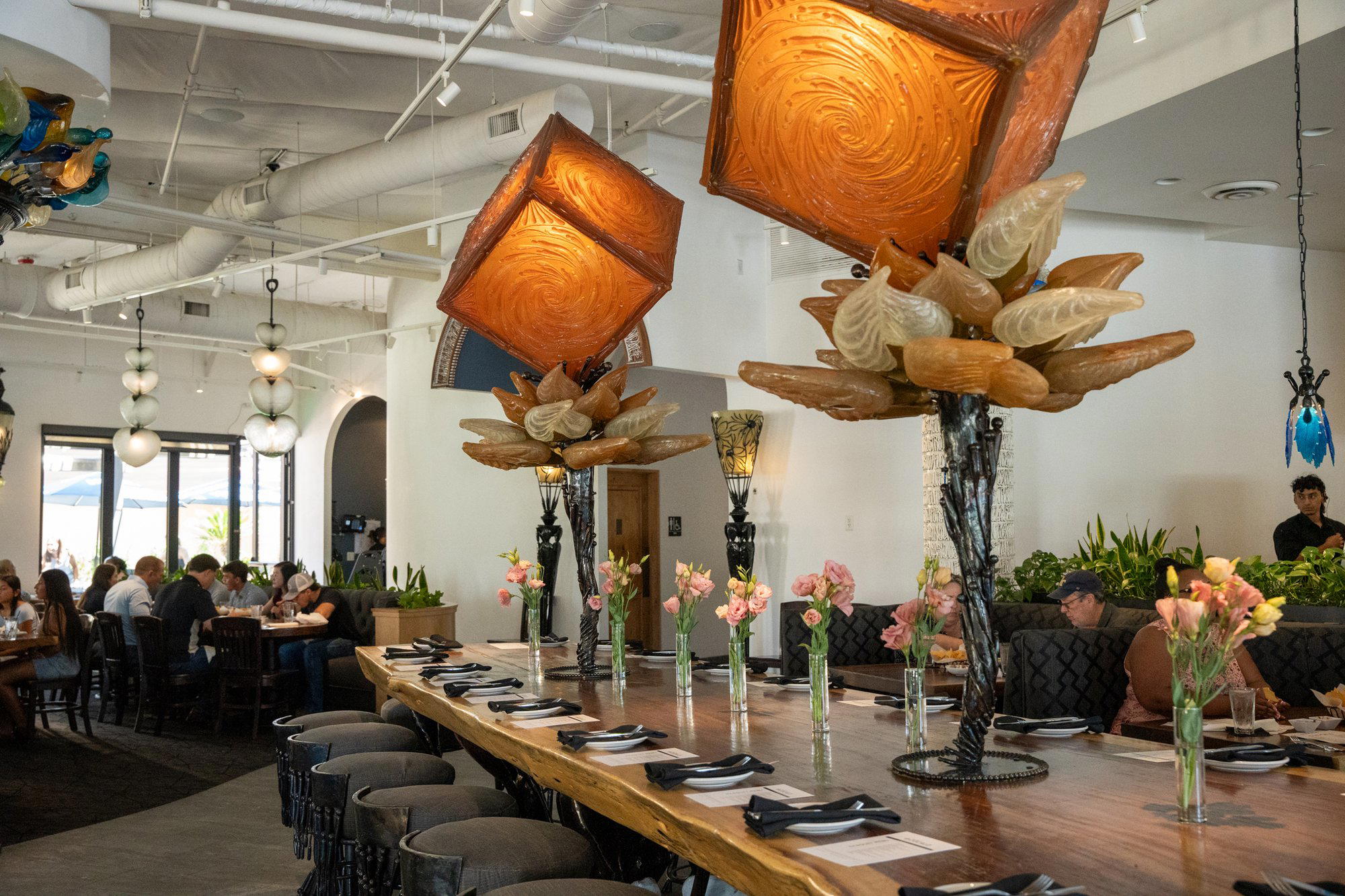
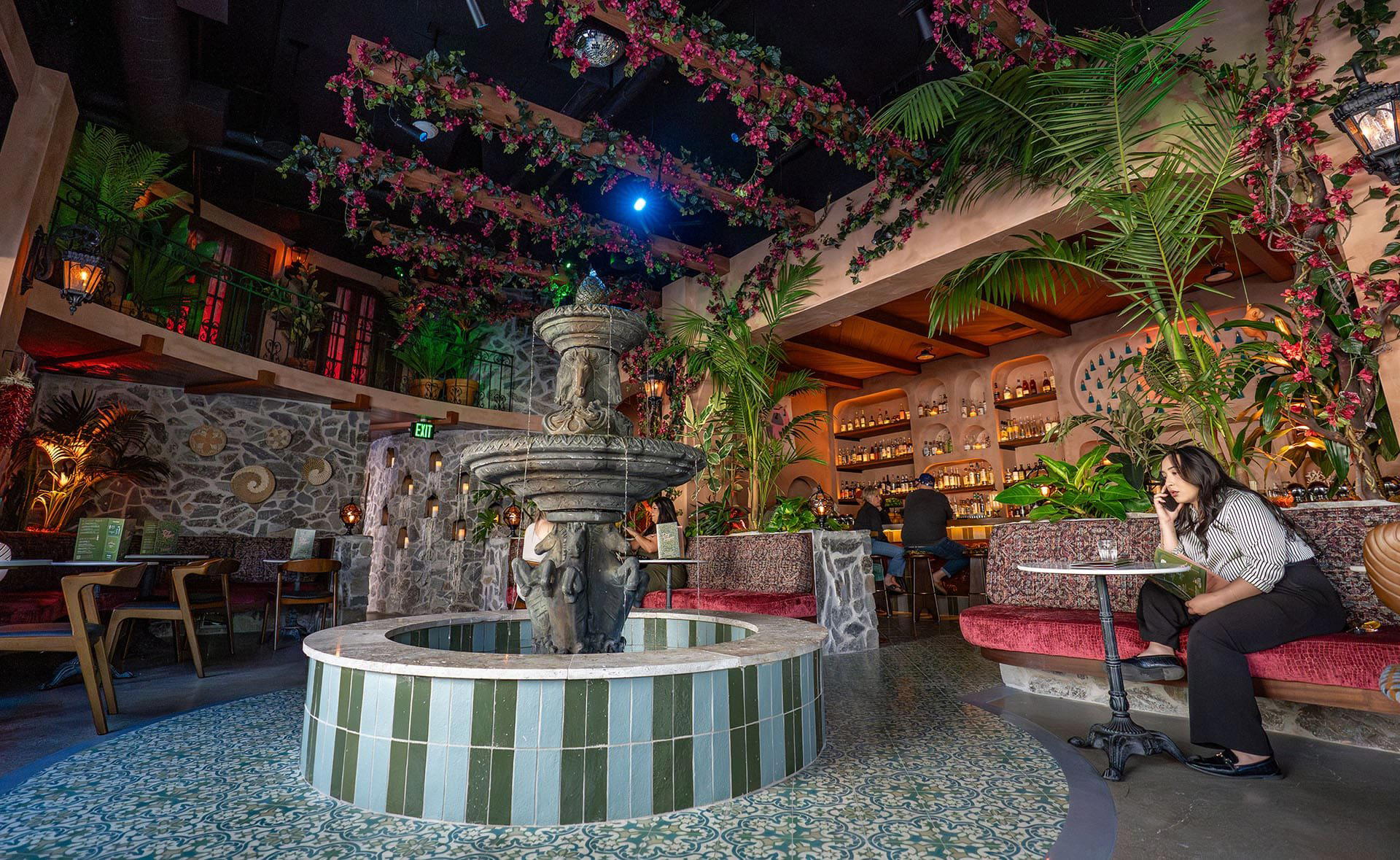
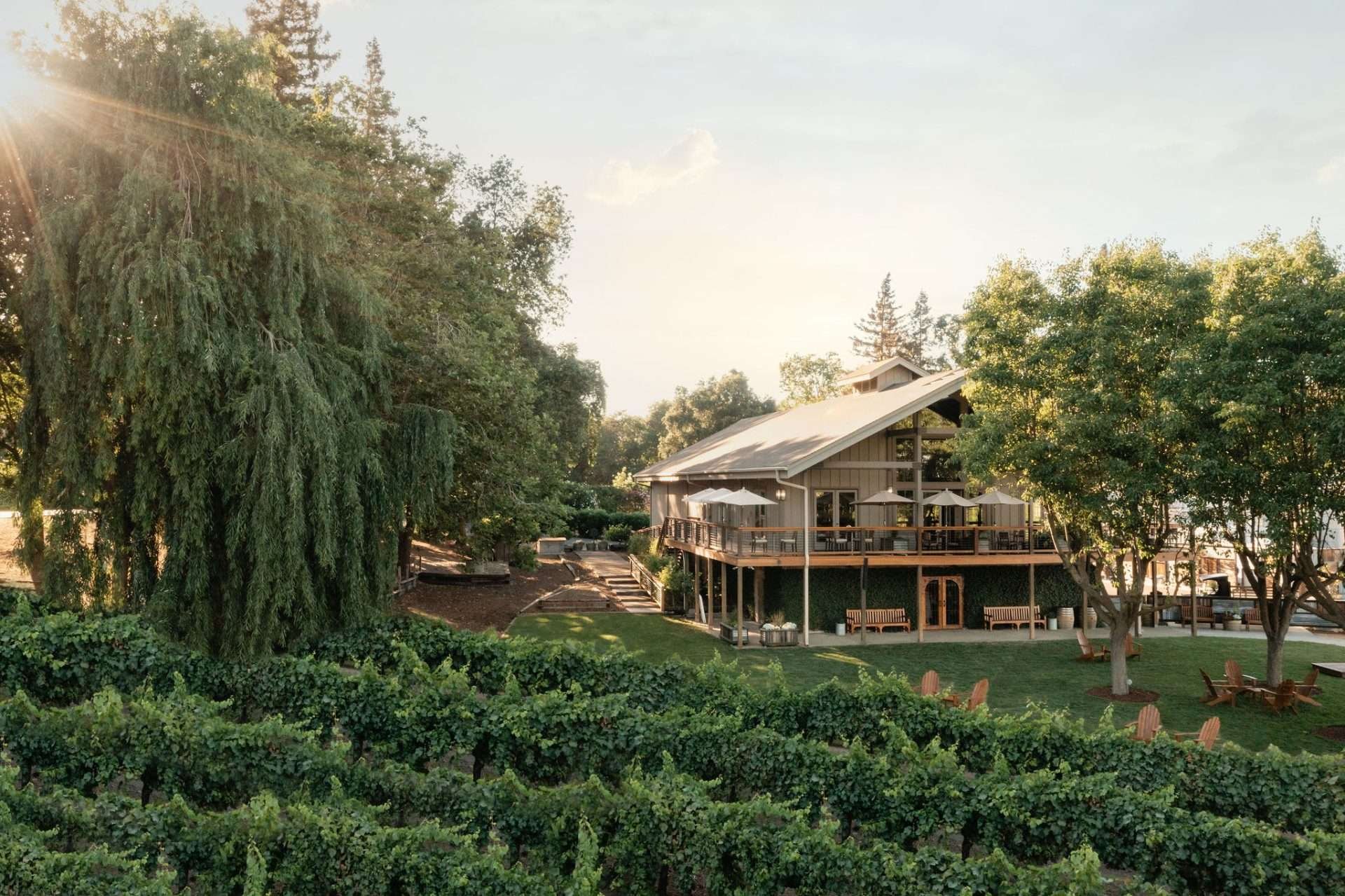
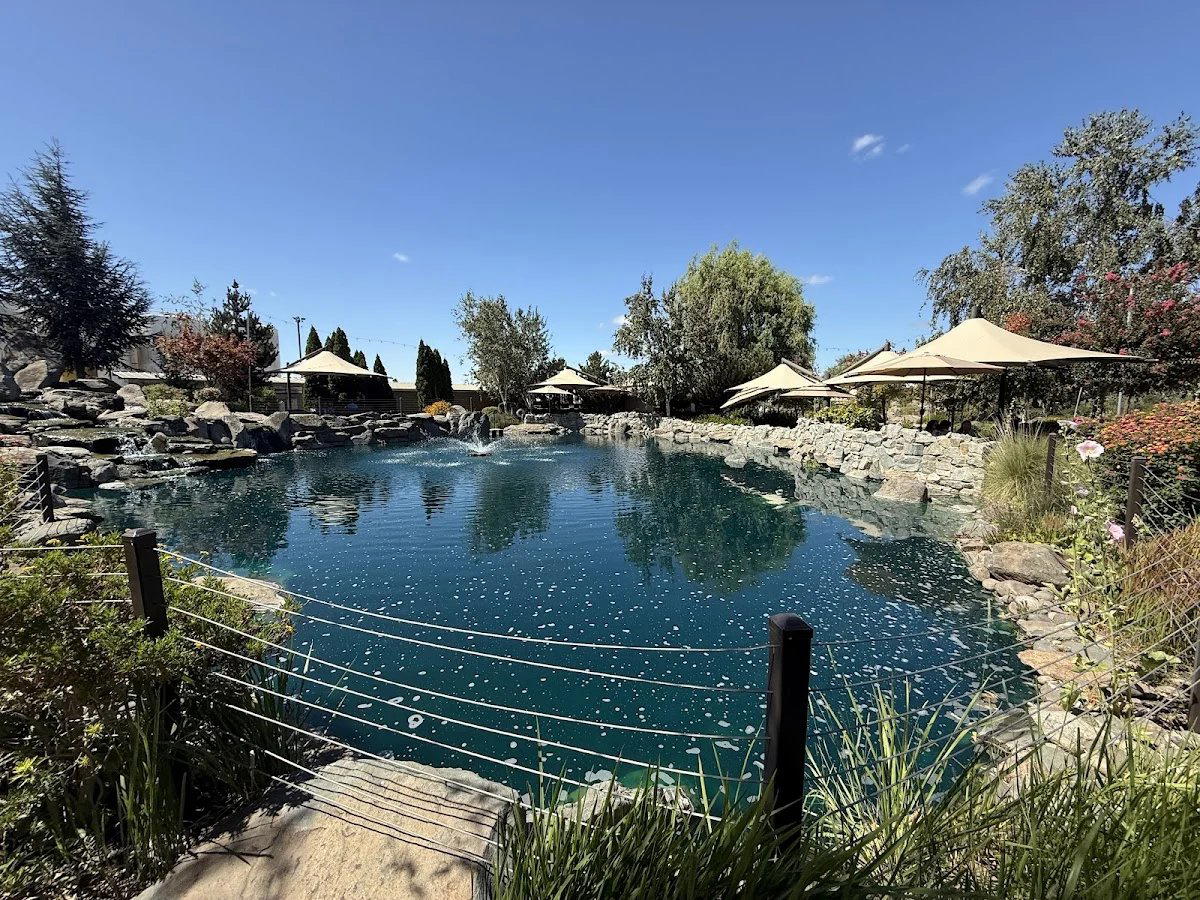
Lively decor with lush greenery, upbeat social atmosphere well-suited for celebrations and gatherings.