Fixins Soul Kitchen
Fixins Soul Kitchen on Sacramento's 3rd Avenue works in the soul food tradition, where the dining ritual centres on shared abundance rather than sequenced service. The format prioritises generosity at the table, with long-cooked proteins and sides that carry equal weight to the mains. It occupies a neighbourhood-anchored position in Sacramento's dining tier, distinct from the city's farm-to-fork and tasting-menu corridor.
Pearl is the En Primeur Club membership app — saves, bookings, and concierge access live there. Same editors, same standards.
- Address
- 3428 3rd Ave, Sacramento, CA 95817
- Phone
- +19169997685
- Website
- fixinssoulkitchen.com
- Directions
- Get directions
 Saves & bookings on Pearl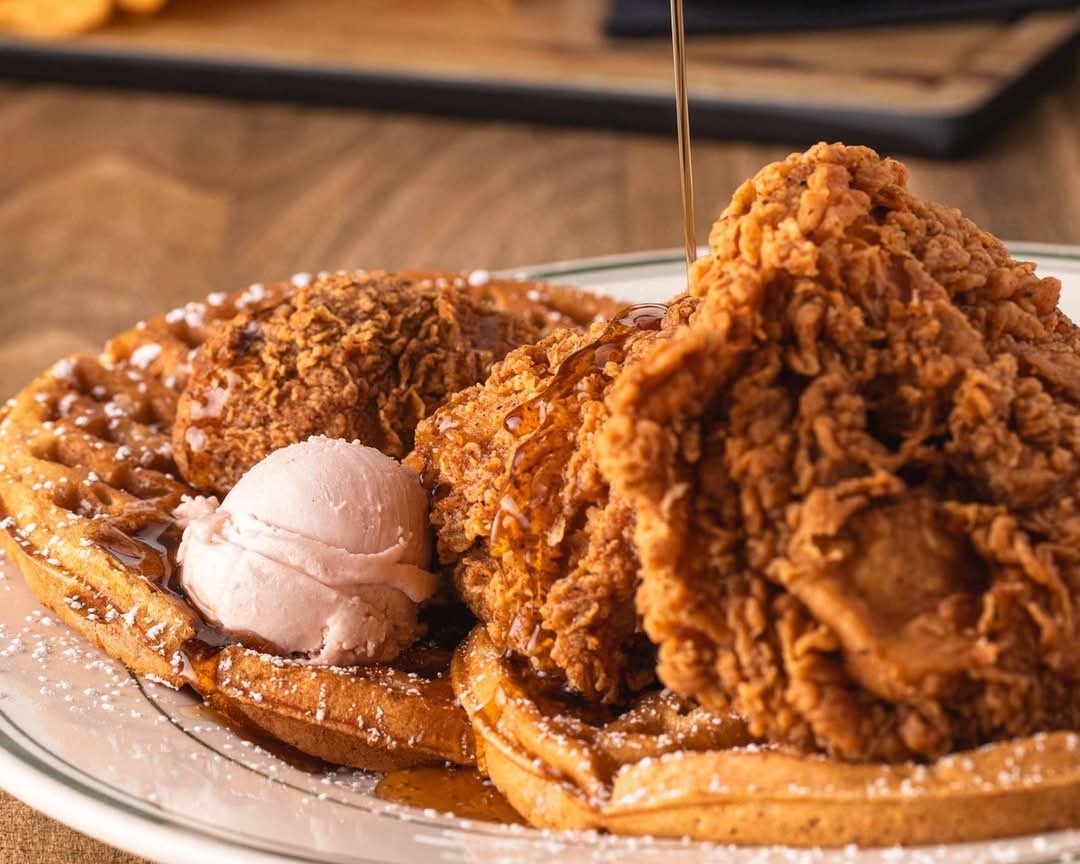
Soul Food and the Sacramento Table
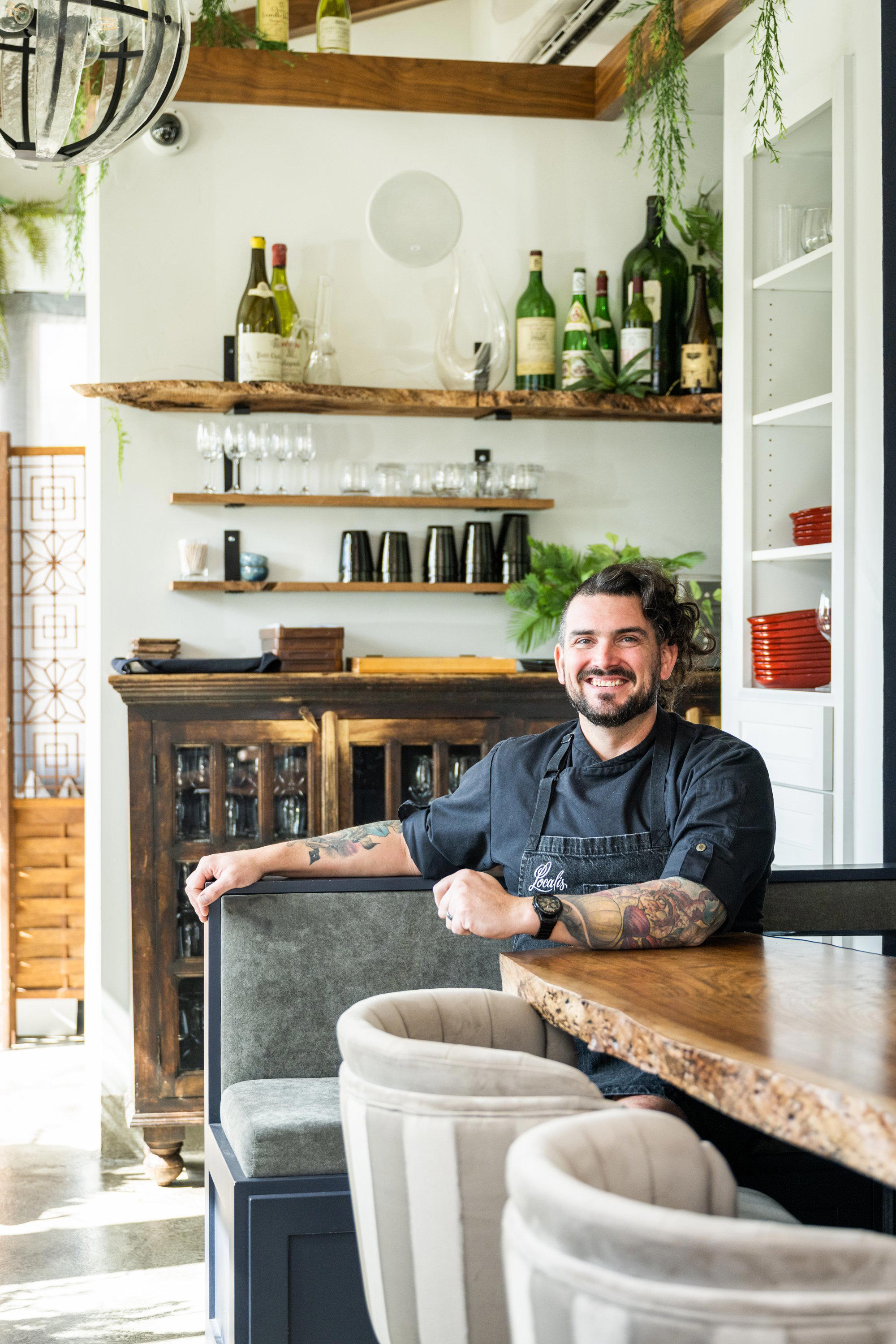
Sacramento's dining conversation tends to cluster around farm-to-fork credentials and Californian tasting menus, the kind of format you find at Localis or The Kitchen. But the city's food culture runs wider than that. Southern soul food occupies its own distinct register here, one rooted in a different set of traditions entirely: long-cooked proteins, layered seasoning built over generations, and a hospitality rhythm that treats the table as a communal event rather than a tasting sequence.
The address puts the restaurant in a residential stretch of Sacramento outside the downtown core, a setting where the dining room functions more as a gathering point than a destination venue. That physical reality shapes what happens inside. Soul food has always been tied to neighbourhood geography in American cities, and Sacramento is no exception. Where higher-end contemporaries like Adamo's Kitchen or Aioli Bodega Espanola draw from a broader metropolitan pull, Fixins occupies a more locally anchored position. That is not a weakness. It is the point.
The Ritual of the Soul Food Meal
Soul food has a dining structure that is worth understanding before you sit down. Unlike the sequenced progression of a tasting menu at Lazy Bear in San Francisco or the formal pacing you would encounter at The French Laundry in Napa, the soul food meal is organised around abundance and simultaneity. Proteins, sides, and starches arrive together, or in quick succession, and the expectation is not restraint but generosity. Portions communicate care. The table is loaded rather than staged.
This tradition carries specific etiquette. You share. You make room. You do not rush a slow-cooked dish by eating it quickly, because the point is in the lingering. The sides, often treated as afterthoughts in other cuisines, carry equal weight here: macaroni and cheese, collard greens, black-eyed peas, and candied yams are not garnishes. They are co-equal parts of the meal, each with their own preparation logic and regional variation. At venues working in this tradition across American cities, from places operating in New Orleans' orbit to the soul food corridors of the South and the Midwest, the quality of the sides is often one reliable indicator of a kitchen's seriousness. Soul food's closest peer in terms of meal structure is the Sunday table spread, and the leading restaurants in the category replicate that sense of occasion without theatrics.
Across the country, soul food has experienced a broad critical reassessment. Where publications once treated it as outside the frame of serious dining discussion, the genre now draws the kind of attention previously reserved for tasting menus. That shift has happened in large coastal cities but also in mid-sized markets like Sacramento, where a growing appetite for culturally specific food history has created space for venues working in this mode. For broader context on how Southern-American cooking fits into the national dining scene, Emeril's in New Orleans represents one high-end interpretation of the tradition, though the register there is formally different.
Where Fixins Sits in Sacramento's Dining Tier
Sacramento's dining scene has consolidated around a few distinct tiers. At the leading, tasting-menu format restaurants price against San Francisco peers. Below that, a range of neighbourhood and mid-market venues cover global cuisines with varying degrees of polish. Soul food in Sacramento occupies a specific position in this structure: it is rarely positioned as occasion dining, and the price point tends to reflect that. This creates an asymmetry where the cooking complexity (and in many cases the cooking time involved) is not reflected in the cover price, which is part of why the category rewards repeat visits more than one-off meals.
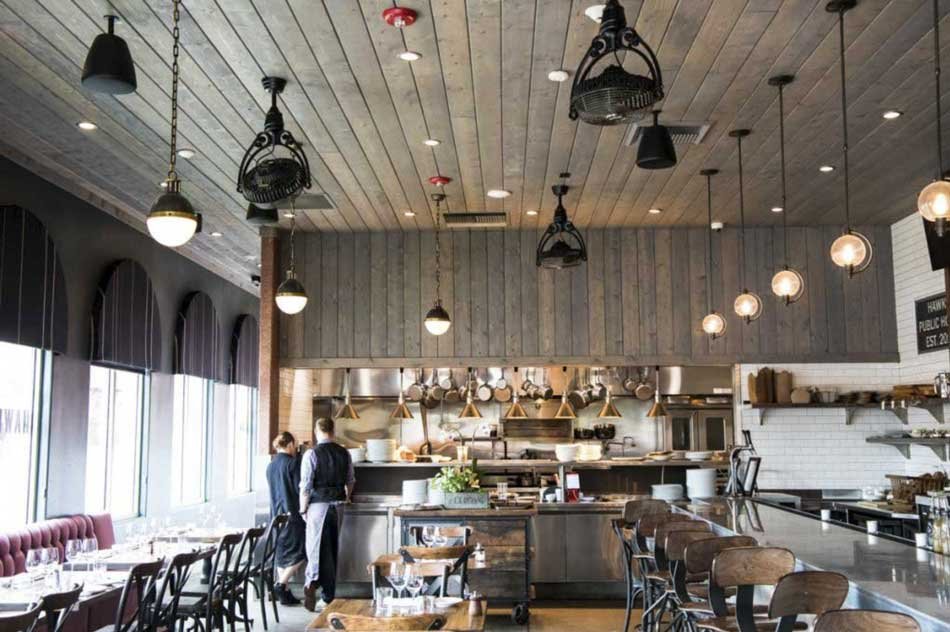
Among Sacramento restaurants, the frame of reference for Fixins is not Allora or the city's Italian dining tier. The more instructive comparison is with casual American venues like Hawks, which operates in a similar price bracket with a different cuisine focus. In the national context, soul food venues that have crossed into higher-profile critical territory include a small number of operations that have received formal awards recognition, but in Sacramento, the category remains less formally documented than its quality warrants. Venues with the sustained community following that Fixins appears to hold often build that standing through consistency rather than through PR cycles, which means they can be less visible to visitors operating off press coverage alone.
Calibrating Your Visit
The practical reality of dining at a neighbourhood soul food restaurant in Sacramento is that it operates on different rhythms than a reservation-driven tasting venue. Walk-in culture tends to dominate in the category, and the lunch hour can be as serious as dinner. The format rewards patience: if the kitchen is running a braise that needs time, that time will be taken. Arriving with a fixed schedule works against the experience.
Sacramento's location in the Central Valley gives the city access to agricultural supply chains that support the kind of ingredient-driven cooking that soul food demands, even if that supply chain is rarely cited in the same breath as the farm-to-fork branding that defines the city's better-known restaurant corridor. Fixins represents a counterpoint to the tasting-menu and New American formats that dominate Sacramento coverage: a place where the dining ritual is less about progression and more about the table as a shared event.
For reference points outside Sacramento, the soul food tradition intersects with American regional cooking at venues like Blue Hill at Stone Barns in Tarrytown, though the philosophies are distinct. The formal end of American cuisine, represented by Le Bernardin in New York City, Atomix in New York City, Smyth in Chicago, Providence in Los Angeles, Addison in San Diego, Single Thread Farm in Healdsburg, The Inn at Little Washington, and Atelier Moessmer Norbert Niederkofler in Brunico, operates in a fundamentally different mode. The value of placing Fixins in that broader map is not comparison but contrast: understanding where the soul food table sits relative to those formats clarifies what it is trying to do and why.
Cost and Credentials
Comparable venues nearby, for context on price, style, and recognition.
| Venue | Cuisine | Price | Notes |
|---|---|---|---|
| Fixins Soul KitchenThis venue — the venue you are viewing | Med Center, Soul Food | $$ | Not listed |
| Hook & Ladder Manufacturing Company | Richmond Grove, Farm-to-Table American | $$ | Not listed |
| Bennett's American Cooking | Woodside, Contemporary American Grill | $$ | Not listed |
| Harlow's | Not listed | $$ | Alhambra Triangle, Californian Fusion with Mediterranean Influences |
| Sauced BBQ & Spirits | Downtown Commons, Southern BBQ | $$ | Not listed |
| Cornerstone | Not listed | $$ | Mansion Flats, Classic American Comfort Food |
Continue exploring
More in Sacramento
Restaurants in Sacramento
Browse all →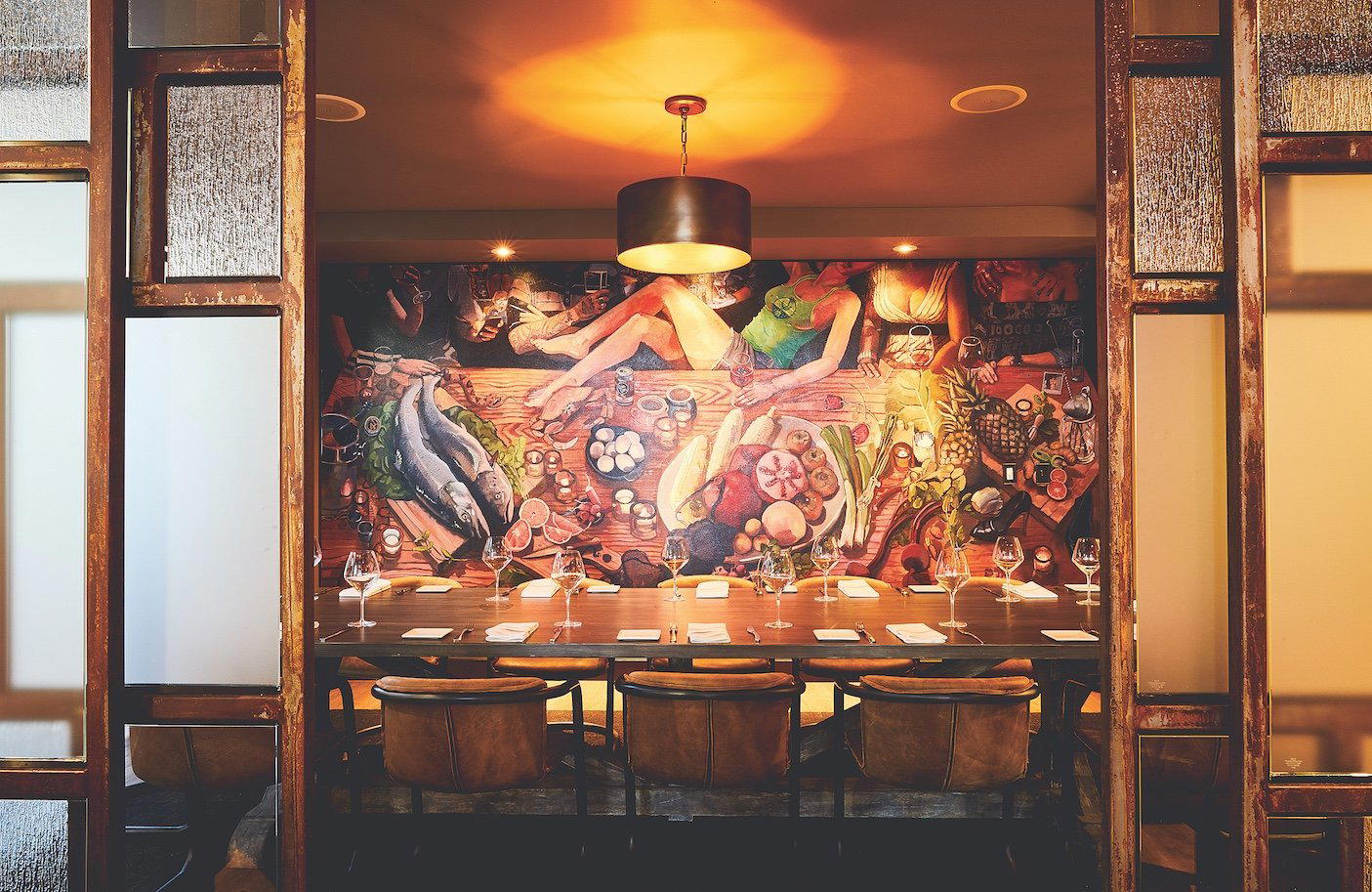
Bars in Sacramento
Browse all →

Hotels in Sacramento
Browse all →

Wineries in Sacramento
Browse all →
At a Glance
- Lively
- Cozy
- Energetic
- Brunch
- Family
- Group Dining
- Casual Hangout
- Open Kitchen
- Private Dining
- Craft Cocktails
Current opening hours
- Monday
- 11 AM–9 PM
- Tuesday
- 11 AM–9 PM
- Wednesday
- 11 AM–9 PM
- Thursday
- 11 AM–9 PM
- Friday
- 11 AM–9 PM
- Saturday
- 10 AM–9 PM
- Sunday
- 10 AM–9 PM
Hours can change for holidays and private events. Last verified .
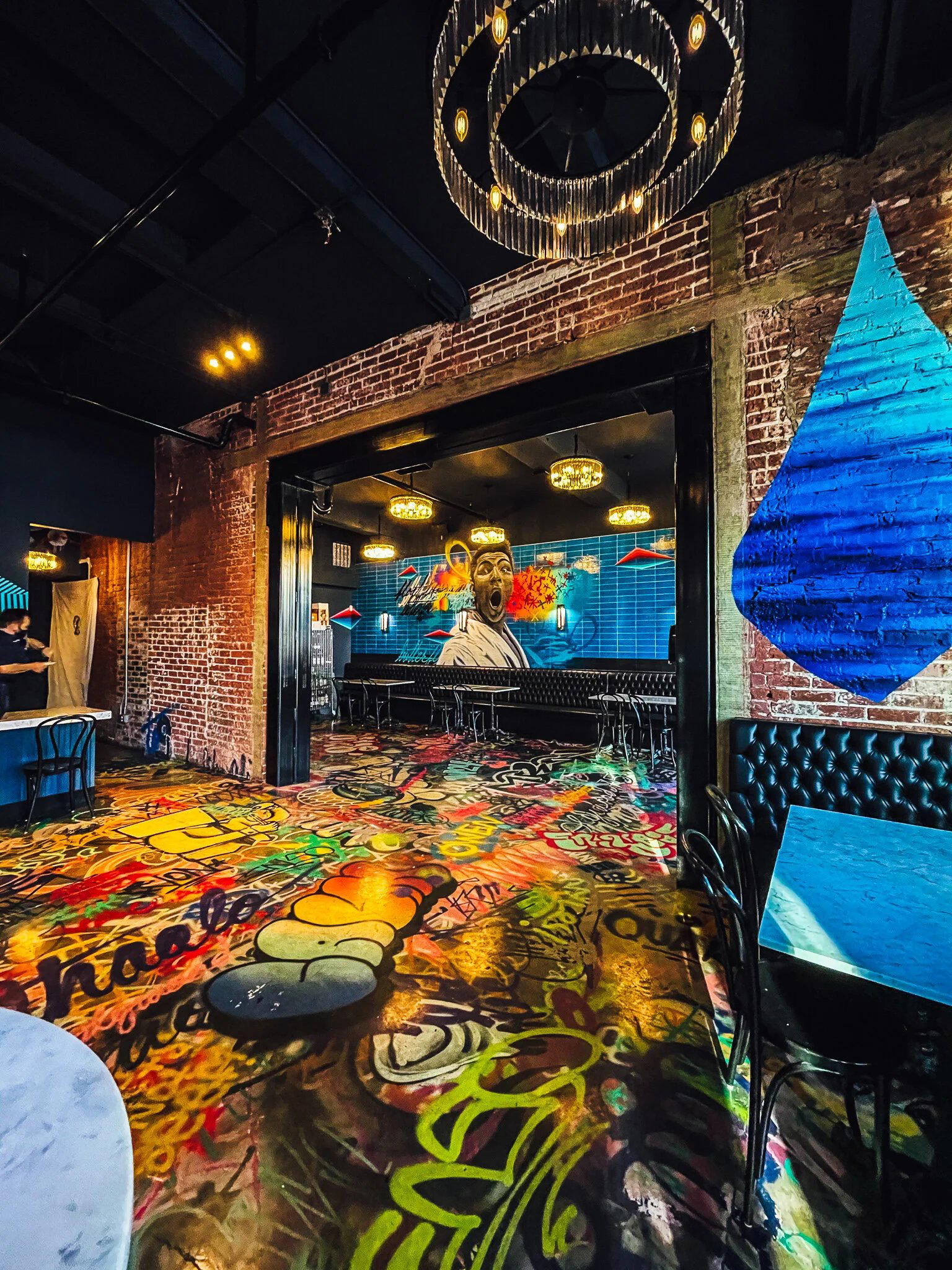
Warm and inviting dining room with beautiful lighting, lively community-driven vibe, upbeat soul music, and friendly staff.