Aioli Bodega Espanola
Sacramento's Midtown district has built a credible case for Spanish-inflected dining, and Aioli Bodega Espanola at 1800 L Street sits at the neighbourhood's more characterful end. The bodega format draws on Iberian tradition rather than the farm-to-fork Californian template that dominates the city's dining conversation, giving it a distinct position in a market where contemporary American still commands most of the attention.
Pearl is the En Primeur Club membership app — saves, bookings, and concierge access live there. Same editors, same standards.
- Address
- 1800 L St, Sacramento, CA 95811
- Phone
- +19164479440
- Website
- aiolibodega.com
- Directions
- Get directions
 Saves & bookings on Pearl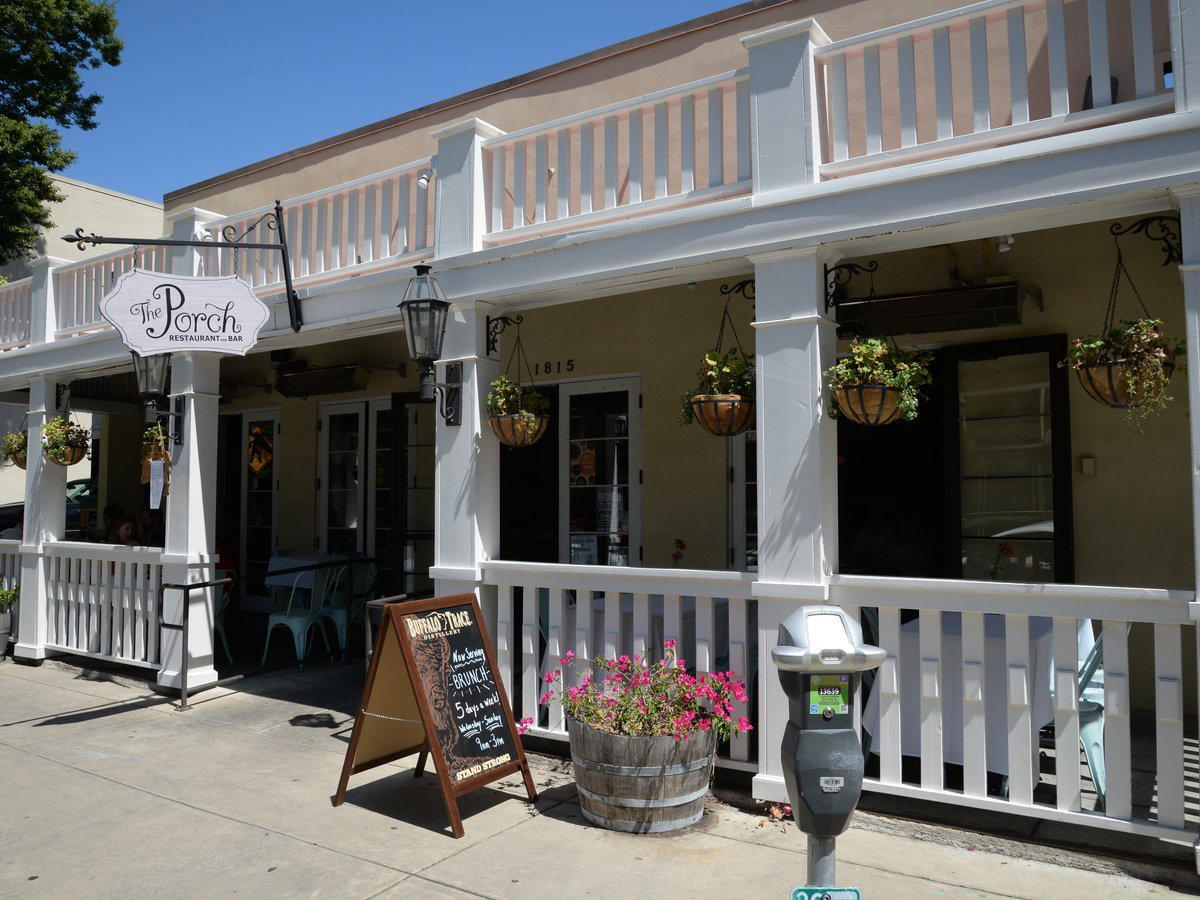
Midtown Sacramento and the Spanish Bodega Tradition
Sacramento's dining identity is so thoroughly associated with California's farm-to-fork movement that anything operating outside that framework tends to get read as either a relic or an outlier. The city's Midtown grid, running through the L Street corridor, has historically supported a more eclectic range of formats than the downtown dining room template: neighbourhood bars, long-running ethnic restaurants, and the kind of informal European-style rooms that prioritise conviviality over Instagram composition. Aioli Bodega Espanola, at 1800 L Street, fits that pattern. The bodega format is rooted in Iberian tradition, where the line between wine shop, tapas counter, and informal dining room was never drawn with much rigidity. Transposing that model to Sacramento's Midtown places it in direct conversation with a neighbourhood that rewards casual regulars over destination diners.
That geographic positioning matters more than it might seem. L Street sits in the heart of a walkable residential-commercial corridor, far enough from the Convention Center and Capitol footprint to avoid tourist-circuit pricing and programming, close enough to the city's better-known dining addresses to benefit from the general rise in Midtown's culinary credibility. For comparison, Localis and The Kitchen anchor Sacramento's higher-price contemporary tier; Aioli operates on a different register, where the draw is atmosphere and Spanish pantry cooking rather than tasting-menu ambition.
The Bodega Format in an American Context
The Spanish bodega as a dining concept travels imperfectly to American cities. In its Iberian form, the bodega is organised around wine and preserved goods first, with food as a natural extension of the drinking occasion. When the format crosses the Atlantic, it tends to either over-formalise into a tapas restaurant with a Spanish flag on the door, or dilute into generic small-plates territory. The version that holds up is one where the pantry logic remains visible: jamón, tinned seafood, cheeses with provenance, and a wine list that treats Spanish regions with the same seriousness that Californian lists give to Napa and Sonoma.
Sacramento is an instructive city for this kind of experiment. The region's agricultural depth means its better restaurants have access to raw ingredients that can hold their own alongside imported Spanish staples. The challenge for any Spanish-inflected room here is resisting the pressure to Californianise the menu until the original premise disappears. The strongest Spanish bodegas in American cities, whether in New York or elsewhere, succeed by maintaining the tension between imported tradition and local sourcing rather than collapsing one into the other. Venues operating at a higher national register, like Le Bernardin in New York City or Lazy Bear in San Francisco, make their geographical commitments explicit in both sourcing and format. A bodega's version of that same commitment is quieter but no less deliberate.
Reading the Room on L Street
The physical address at 1800 L Street situates Aioli in one of Midtown's more mixed-use blocks, where residential buildings, small offices, and ground-floor dining rooms share the same streetscape. This is Sacramento's version of a neighbourhood room, the kind of place that earns its regulars through consistency and atmosphere rather than novelty or media cycles. The bodega aesthetic, typically warm light, bottles lining shelves, a counter that doubles as a social space, suits this block's character better than a contemporary dining room format would.
That physical environment shapes expectations before a menu arrives. Spanish wine, sherry in particular, performs differently in a room that looks like it understands the product than it does in a generic wine bar. The visual grammar of a bodega, the cured meats at the counter, the terracotta and wood palette, creates a frame of reference that makes the food legible even before a single dish is ordered. Sacramento has a handful of European-format rooms that operate with this kind of atmospheric coherence, including Allora on the Italian side, but Spanish rooms remain less common in the city's overall mix.
Where Aioli Sits in Sacramento's Competitive Map
Sacramento's restaurant market has stratified fairly clearly. The contemporary Californian tier, represented by addresses like Localis and the event-format The Kitchen, occupies the upper-price bracket and draws both local regulars and visitors making a deliberate dining destination choice. Below that sits a broad mid-market layer where American comfort formats, neighbourhood Italian, Vietnamese specialists like Andy Nguyen Vegetarian Restaurant, and the more casual end of the contemporary spectrum compete for daily traffic. Adamo's Kitchen represents the neighbourhood-Italian-casual tier in this same Midtown geography.
Aioli's bodega positioning sits across these categories rather than neatly inside one. The format is informal enough to function as a neighbourhood bar with food, but the Spanish pantry focus and wine orientation give it more specificity than a general gastropub. In a national context, the Spanish bodega model has earned serious credibility at properties far up the price spectrum, including internationally regarded restaurants covered in EP Club's wider portfolio, from Providence in Los Angeles to Addison in San Diego, where Iberian wine traditions inform list construction even outside explicitly Spanish kitchens. Aioli's version is less formal, more neighbourhood-facing, and priced to reflect that positioning.
Planning a Visit
The 1800 L Street address is walkable from most of Midtown Sacramento's residential core and accessible by the city's light rail network, which runs along nearby corridors. As a bodega-format room, it functions well across multiple occasions, drinks and small plates at the counter, a fuller meal in the dining area, or a late visit anchored on wine and charcuterie. Reservations are recommended, especially on weekends.
Compact Comparison
Comparable venues nearby, for context on price, style, and recognition.
| Venue | Cuisine | Price | Notes |
|---|---|---|---|
| Aioli Bodega EspanolaThis venue — the venue you are viewing | Not listed | $$ | Not listed |
| Petra Greek | Mansion Flats, Authentic Greek | $$ | Not listed |
| Chicha Peruvian Kitchen & Cafe | Richmond Grove, Peruvian Kitchen & Cafe | $$ | Not listed |
| Crawdads on the River | Garden Highway, Cajun-American Riverside | $$ | Not listed |
| Pete's Brewhouse & Restaurant | Not listed | $$ | Encina, American Gastropub with Pizza and Pasta |
| Paesanos | Mansion Flats, Italian Pasta and Pizza | $$ | Not listed |
Continue exploring
More in Sacramento
Restaurants in Sacramento
Browse all →
Bars in Sacramento
Browse all →
Hotels in Sacramento
Browse all →


At a Glance
- Romantic
- Classic
- Elegant
- Cozy
- Date Night
- Group Dining
- Special Occasion
- Casual Hangout
- Terrace
- Private Dining
- Extensive Wine List
- Craft Cocktails
- Beer Program
- Local Sourcing
Current opening hours
- Monday
- 11:30 AM–10 PM
- Tuesday
- 11:30 AM–10 PM
- Wednesday
- 11:30 AM–10 PM
- Thursday
- 11:30 AM–10 PM
- Friday
- 11:30 AM–10 PM
- Saturday
- 11:30 AM–10 PM
- Sunday
- 3–9 PM
Hours can change for holidays and private events. Last verified .
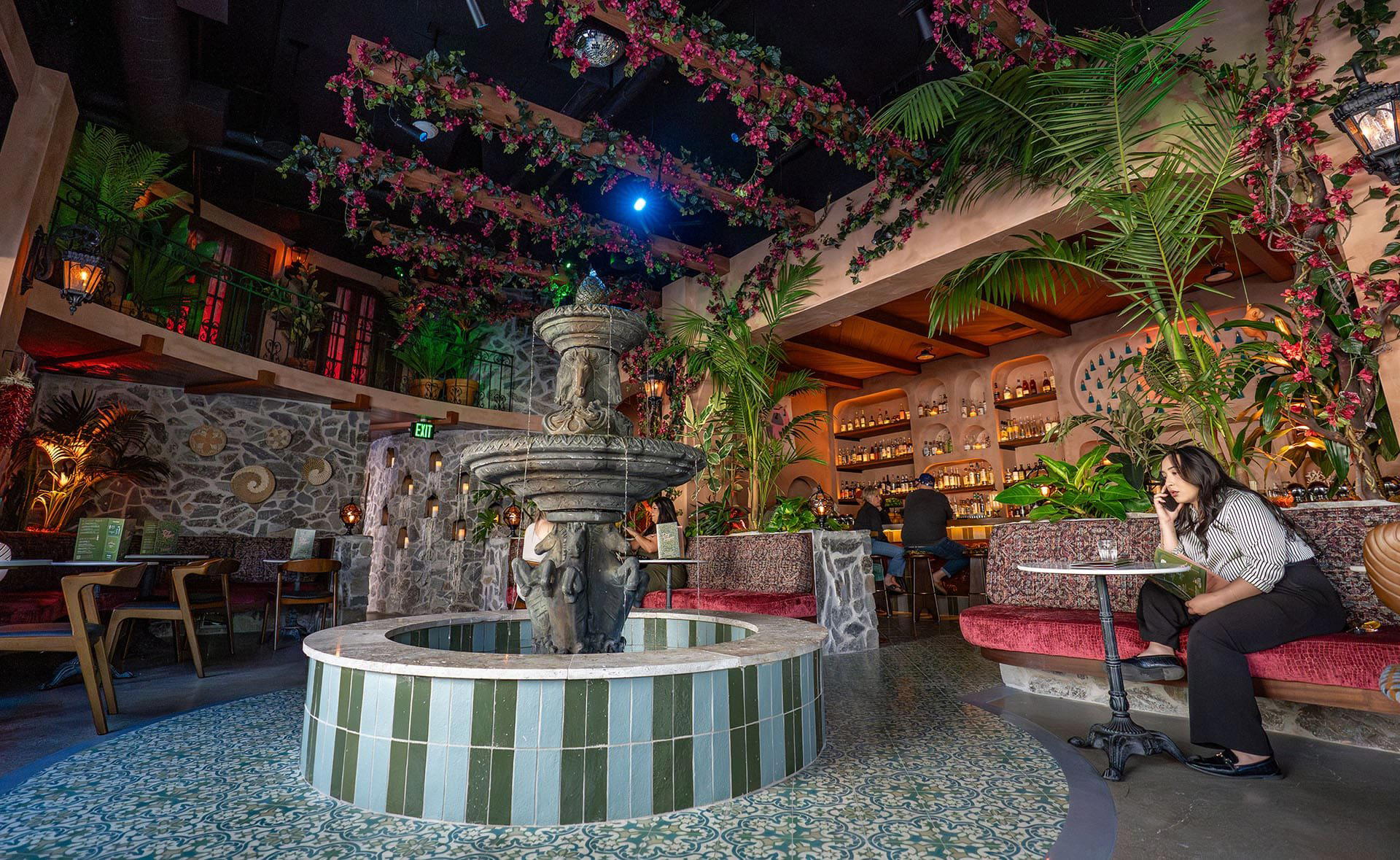
Warm indoor dining room adorned with flickering candles and charming outdoor patio that evokes the heart of Spain.